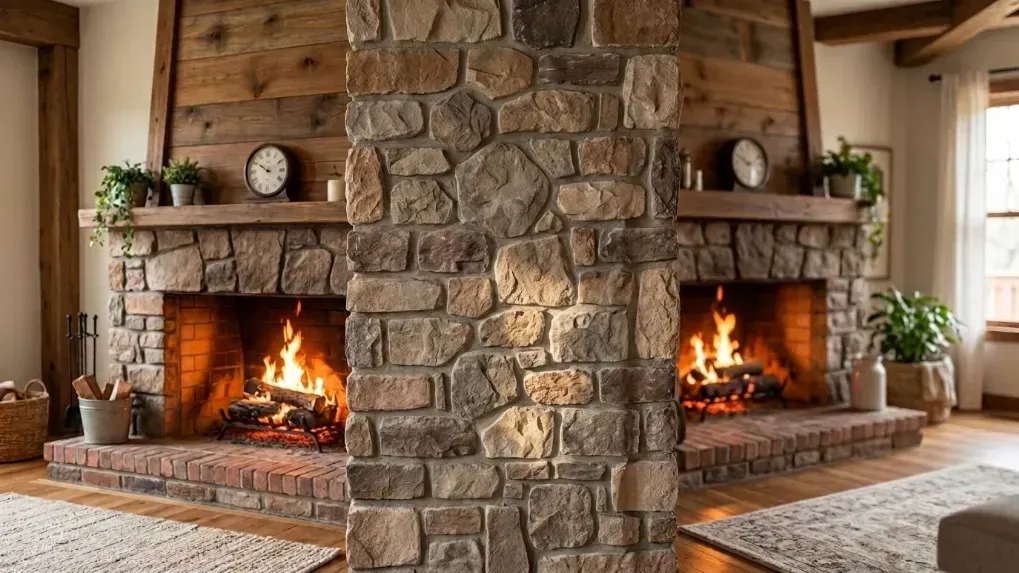
The wind coming off Casco Bay changes in late October. It stops feeling crisp and starts feeling aggressive. If you own a home in Portland—whether it’s a triple-decker on Munjoy Hill or a colonial in the Deering Center—you know the drill. Winter here isn’t just a season; it’s a stress test for your property. While you might be focused on sealing windows or stacking firewood, two critical systems usually get ignored until catastrophe strikes: the gutters and the chimney.
Water and fire. Managing these two elements is the only thing standing between a cozy winter and a five-figure repair bill. Neglect is expensive. Proactive maintenance is cheap.
You cannot separate the health of your roofline from the safety of your hearth. They work in tandem to protect the building envelope. This fall, securing professional gutter cleaning and a certified chimney service isn’t a luxury. It is a mandatory defense strategy against the Maine freeze-thaw cycle.
The Gutter Trap: It’s Not Just About Leaves
Portland has a tree canopy to envy. But when those maples and oaks drop their foliage, they create a dense, wet mat in your gutter troughs. Most homeowners view this as a nuisance. It is actually a structural threat.
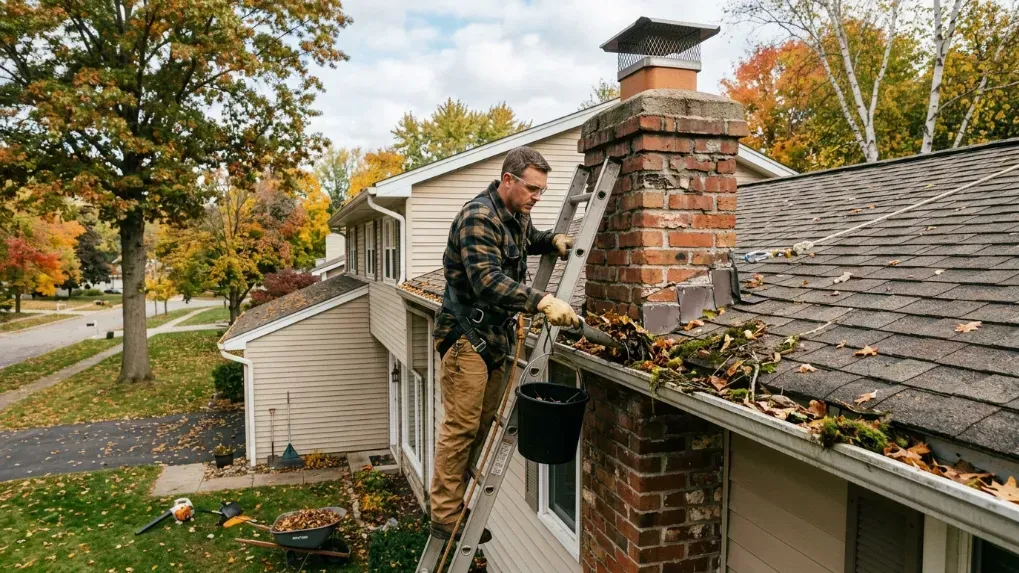
When gutters clog, water doesn’t disappear. It finds a new path. Usually, that path is directly behind the fascia board, down the siding, or worse—pooling at the base of your foundation. In a climate like ours, where the temperature fluctuates wildly around the freezing point, trapped water expands. It turns into ice dams that rip gutters off the eaves and force moisture under the shingles.
Consider the age of Portland’s housing stock. Many homes here rest on fieldstone or brick foundations. Water overflow erodes the mortar, creating basement leaks that lead to mold and instability. You aren’t just paying for gutter cleaning; you are paying to keep your basement dry and your siding rot-free. Professional cleaning ensures downspouts divert water at least five feet away from the home, a critical metric for structural preservation.
The Hidden Danger in Your Masonry
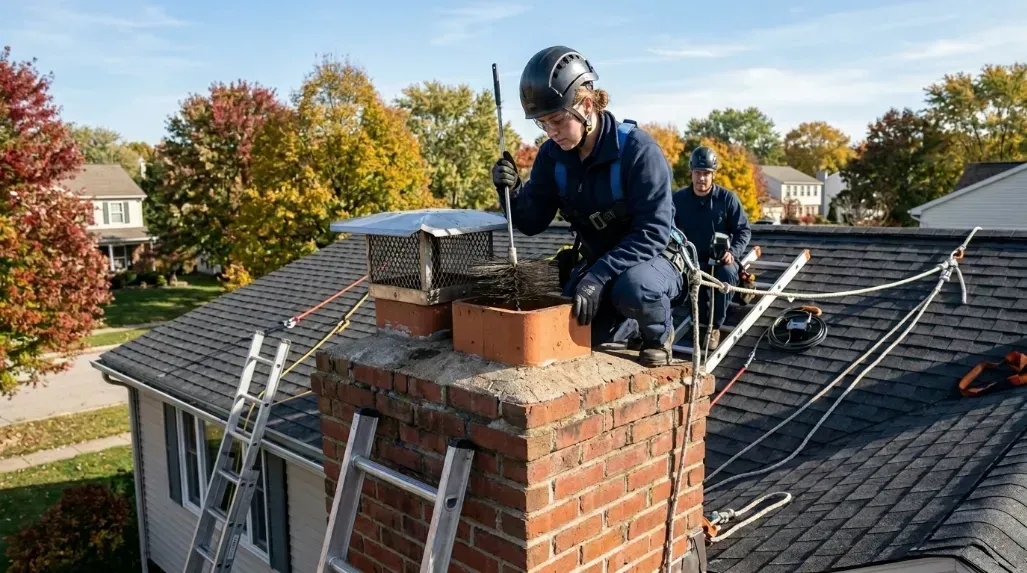
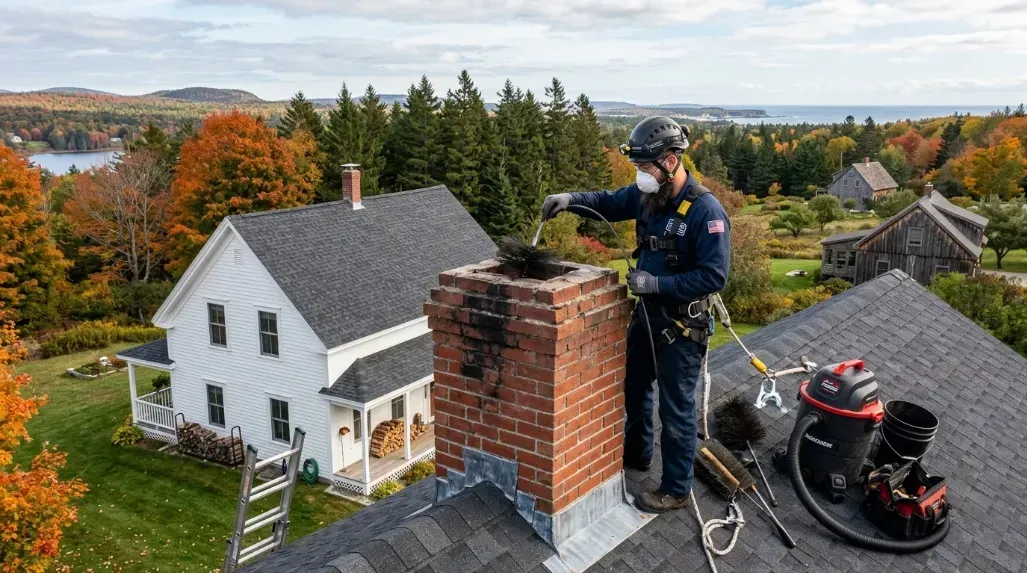
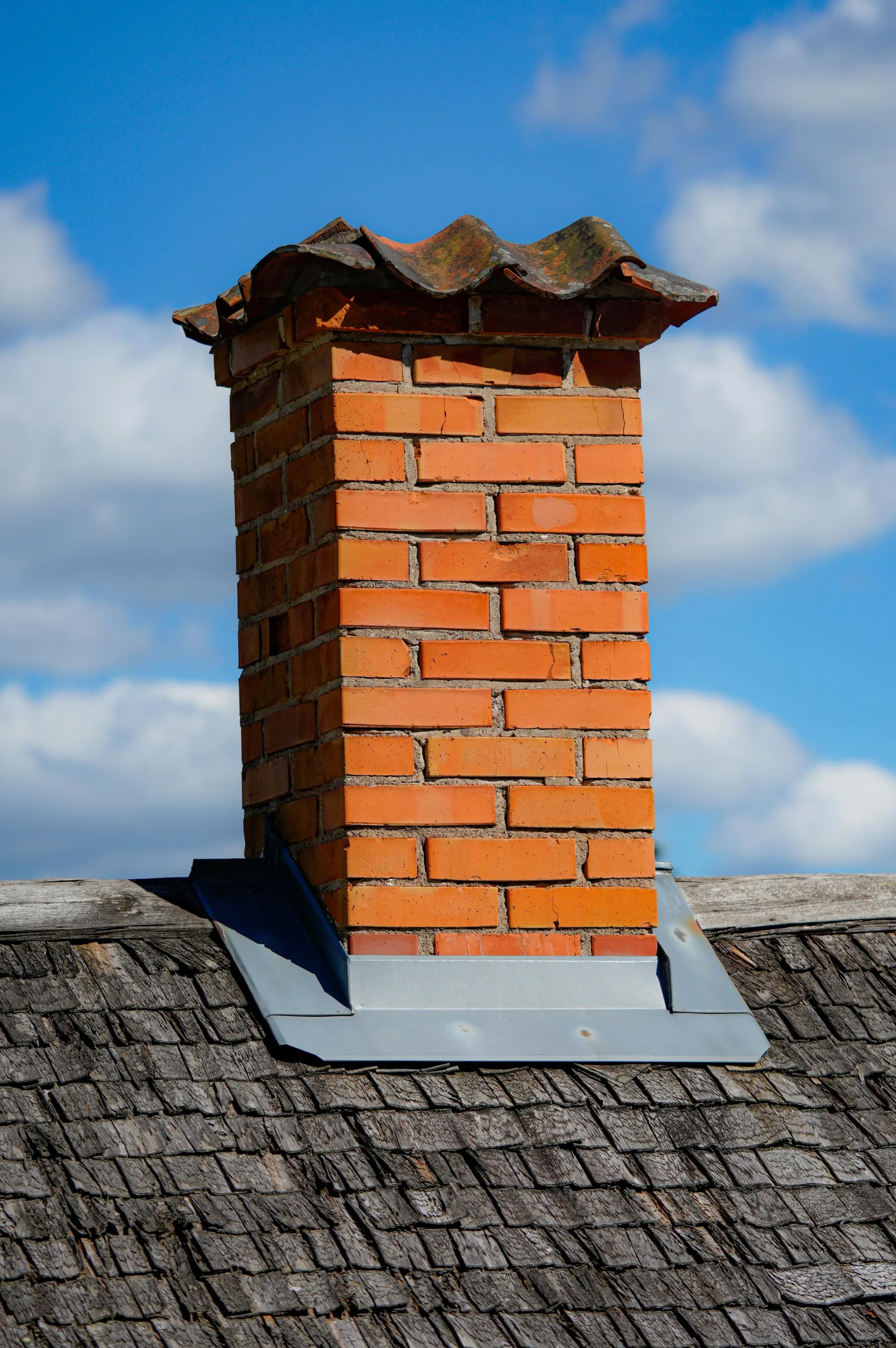
Now, look up. That chimney stack is the most exposed part of your home. It takes the brunt of every Nor'easter. Yet, because the damage happens internally or high above eye level, it is often ignored. A chimney is a machine. It relies on draft physics to pull toxic gases out of your living space. When that machine malfunctions, the results range from smoke damage to carbon monoxide poisoning. According to the Chimney Safety Institute of America (CSIA), obstructions and creosote buildup are leading causes of chimney fires. Creosote is a highly flammable byproduct of burning wood. It condenses in the flue, layer by layer, waiting for a spark.
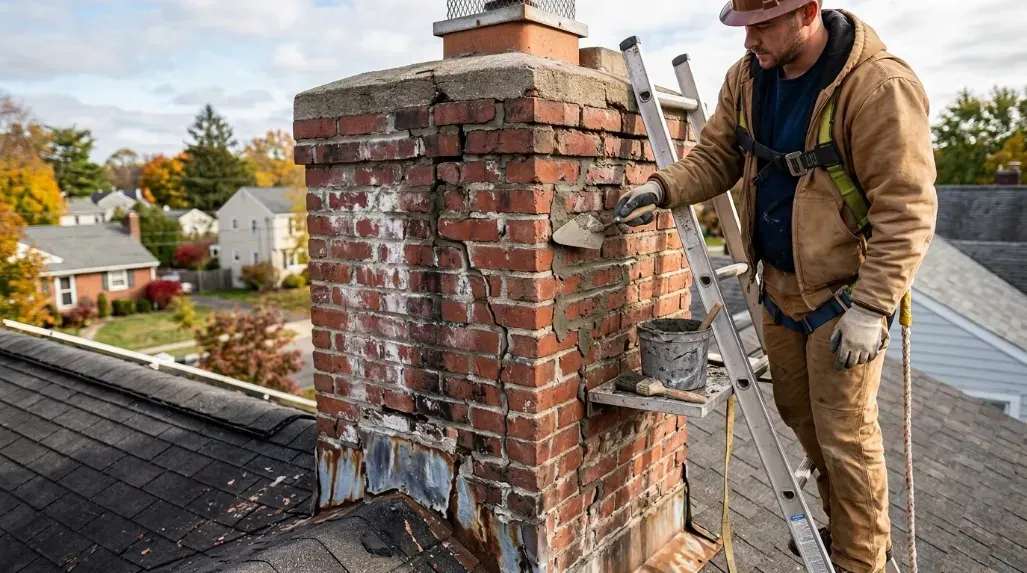
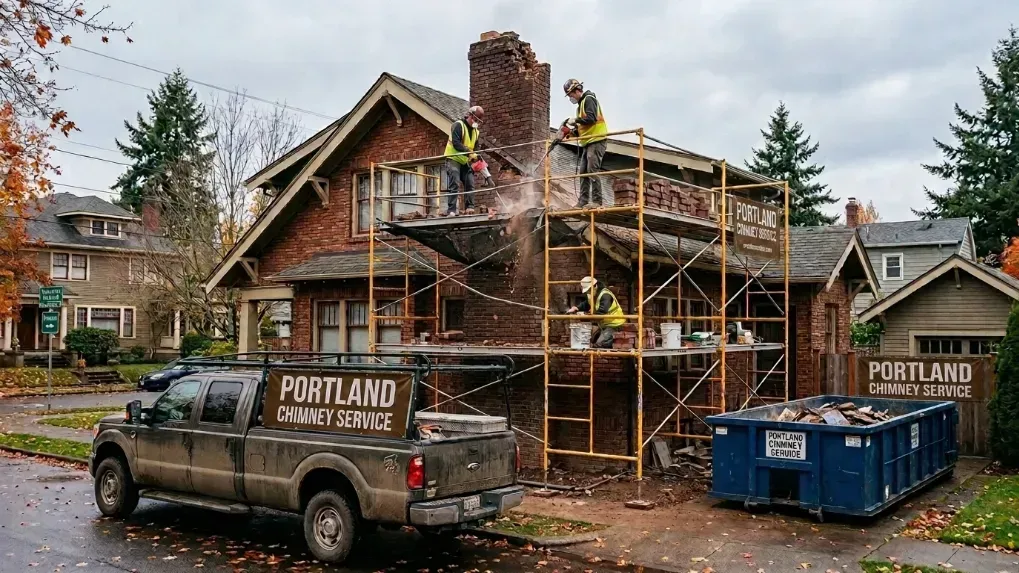
But in Portland, we have a secondary enemy: moisture intrusion. Bricks act like sponges. If your chimney cap is cracked, or the mortar joints are failing (a process called spalling), water seeps into the masonry. When that water freezes, the face of the brick pops off. You might see red clay shards on your roof or lawn. That is your chimney crying for help.
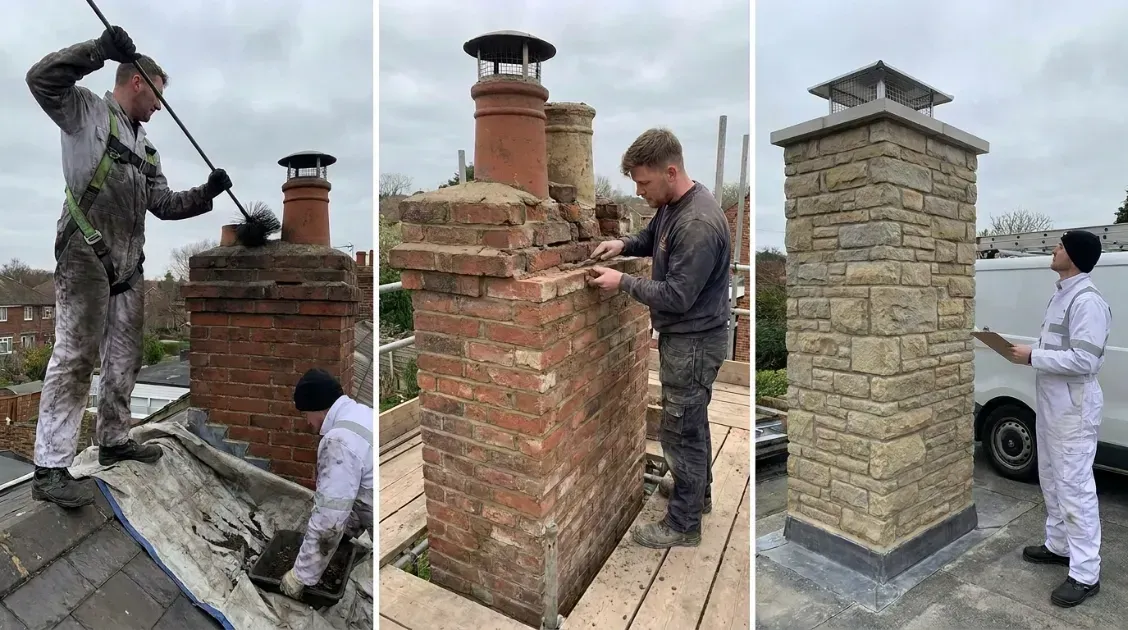
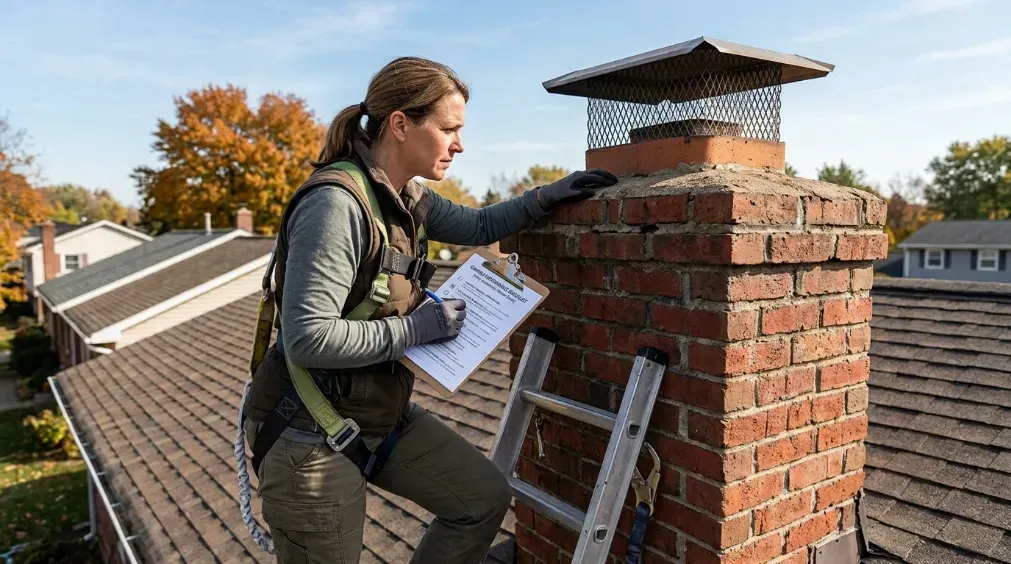
Scheduling a professional chimney service involves more than pushing a brush down a tube. It requires a Level 1 or Level 2 inspection to verify the integrity of the flue liner. A cracked liner allows heat to transfer to the combustible framing of your house. You won't know it's happening until the walls are hot.
The Intersection: Where Gutters and Chimneys Meet
Why discuss these two services together? Because they often destroy each other.
A clogged gutter near a chimney chase is a disaster waiting to happen. As water overflows, it saturates the chimney flashing—the metal seal connecting the masonry to the roof. Once water breaches that seal, it destroys the chimney from the outside in. We see this constantly in the West End’s historic brick rows. The gutter fails, the water hits the chimney, the freeze cycle begins, and suddenly you need a partial rebuild.
This is where Portland Chimney Services separates itself from the general handyman crowd. We understand the architecture of Portland homes. We don't just sweep; we analyze the entire roofline ecosystem.
Why "Good Enough" Doesn't Work in Maine
You might be tempted to climb a ladder yourself. Don't. Every year, emergency rooms treat homeowners who underestimated the slickness of wet leaves or the instability of an extension ladder on frozen ground. Furthermore, a DIY approach lacks the diagnostic eye of an expert.
Can you spot the difference between soot and glazed creosote? Do you know if your damper is sealing tightly enough to prevent heat loss? Can you identify early signs of efflorescence (white salt stains) on the brickwork indicating water damage?
The National Fire Protection Association (NFPA) recommends annual inspections for all chimneys, flues, and vents. This isn't bureaucratic red tape. It's about ensuring that when you light the first fire of Thanksgiving, the smoke goes up, not out into your living room.
Portland Chimney Services: The Authority in Portland
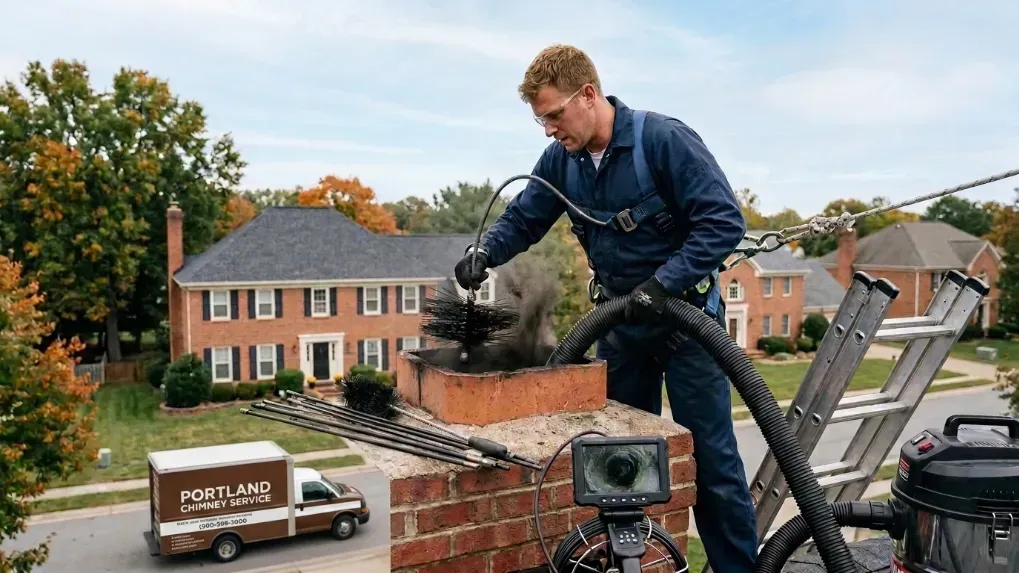
When you hire Portland Chimney Services, you are hiring a team that treats your home with the precision of a surgeon. We know that a chimney sweep is a cleanliness operation as much as a safety one. We use industrial-grade HEPA vacuums to ensure not a speck of soot enters your home. We inspect the crown, the cap, the flashing, and the flue. Simultaneously, our gutter repair and cleaning teams ensure your water management system is flowing freely before the first snowpack hits. We don't just scoop out the muck; we check the pitch of the gutters to ensure proper drainage and re-secure loose spikes that have pulled away from the fascia.
Winter is coming. It always does. The question is whether your home will fight the weather or succumb to it. Don't wait for the ice dam to form or the smoke detector to chirp. Secure your perimeter now.
Frequently Asked Questions
How often should I schedule a chimney service in Portland, ME?
You should schedule a chimney inspection annually, regardless of how often you use it. The NFPA 211 Standard requires a yearly inspection to check for structural soundness and obstructions. Cleaning (sweeping) is required when creosote buildup reaches 1/8th of an inch.
Can clogged gutters actually damage my chimney?
Yes. Overflowing gutters near the chimney saturate the flashing and masonry. In Maine's freezing climate, this water expands within the bricks and mortar, causing spalling (flaking) and compromising the structural integrity of the chimney stack.
What is the difference between a chimney sweep and an inspection?
A sweep is the mechanical removal of soot and creosote. An inspection is a diagnostic evaluation. A Level 1 inspection checks accessible portions, while a Level 2 inspection (recommended for new homeowners) uses video scanning to check the internal flue liner for cracks.
When is the best time to clean gutters in Portland?
Ideally, gutters should be cleaned twice a year: once in late spring to remove seeds and blossoms, and again in late fall (November) after the majority of leaves have fallen but before the first hard freeze sets in.
Why does my chimney smell during damp weather?
A campfire smell during rain usually indicates creosote buildup absorbing moisture or a lack of a proper chimney cap. The moisture reactivates the odor of the soot. A professional chimney service can clean the flue and install a top-sealing damper to eliminate odors.