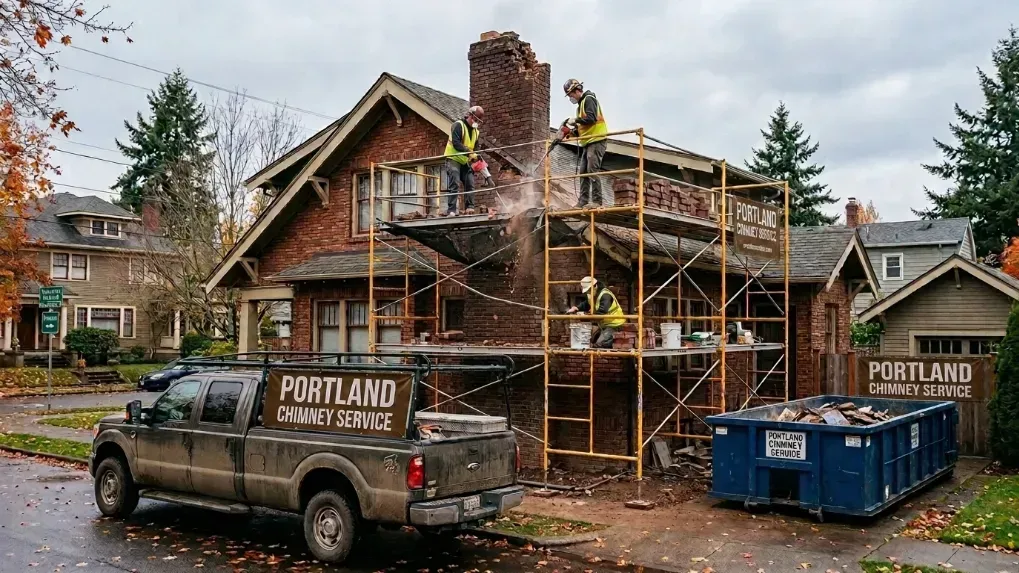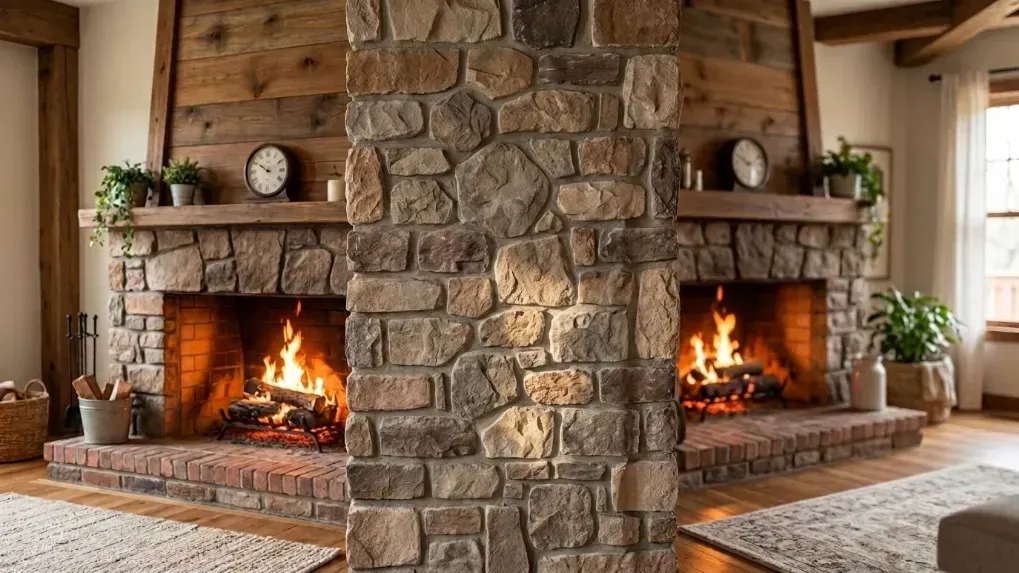
Maine winters don't play fair. One day it's a quiet, picturesque snowfall over the Old Port, and the next, a brutal coastal Nor'easter is slamming freezing sleet sideways into your brickwork. Your chimney takes the absolute worst of it. It stands exposed. Vulnerable. If you are relying on an old, cracked clay flue to protect your family from a house fire, you are playing a dangerous game of roulette. It is time to upgrade.

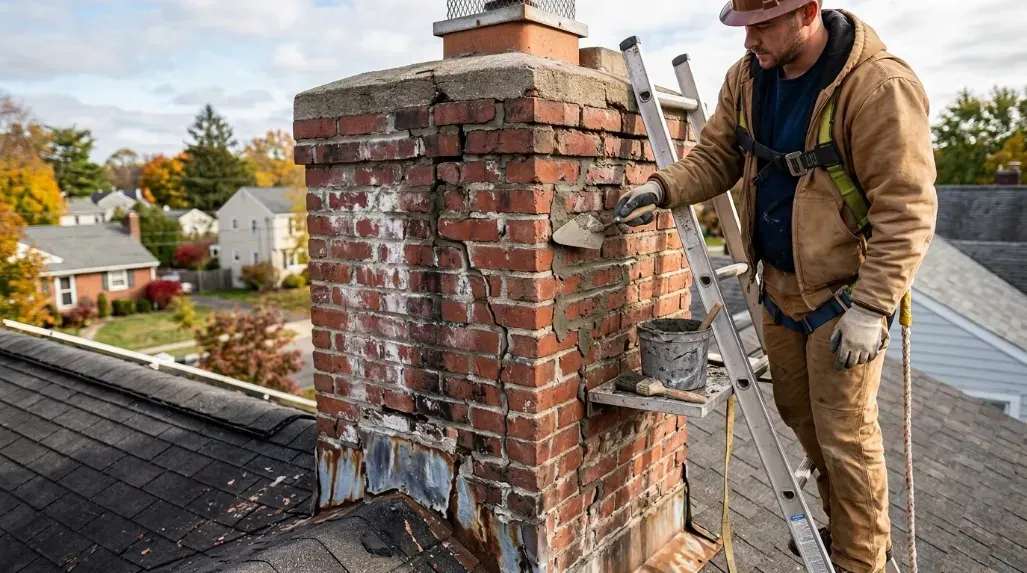
Historical homes in the West End and mid-century capes in Deering Center share a common enemy: the freeze-thaw cycle. Masonry absorbs moisture. When the temperatures plummet off Casco Bay, that trapped water freezes and expands, shattering clay liners from the inside out. Clay fails. Stainless steel survives. Period.
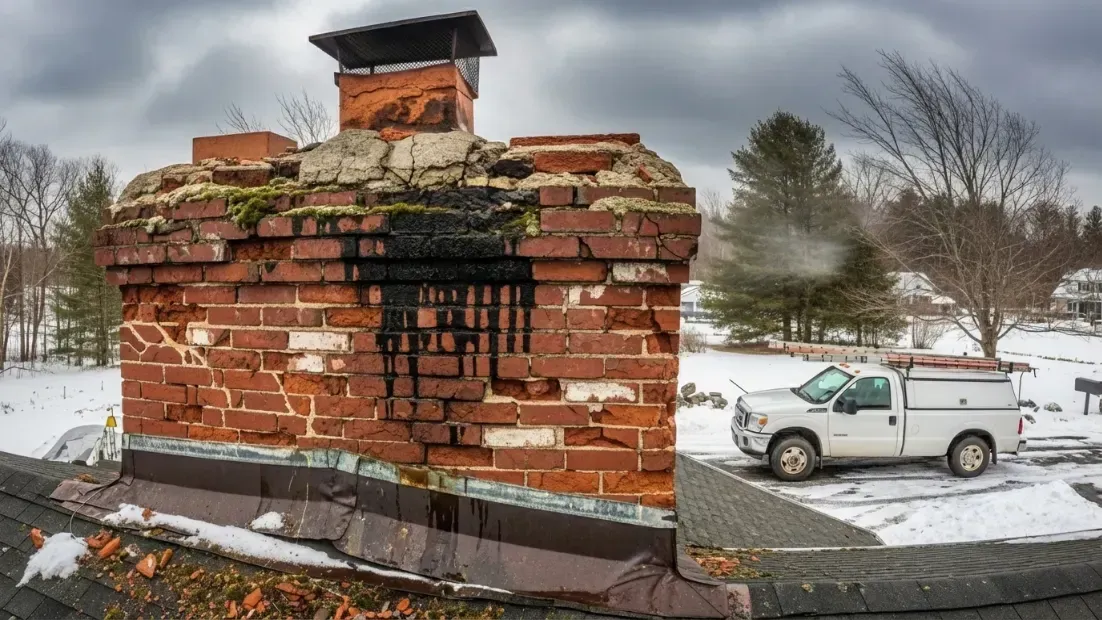
The Brutal Reality of Maine Weather on Masonry

Let's get technical about what happens inside your chimney. When you burn wood, the combustion process releases acidic gases, unburned carbon, and massive amounts of water vapor. If your chimney liner is uninsulated or structurally compromised, these gases hit the freezing cold masonry and rapidly condense. This creates creosote. Highly flammable, sticky, and incredibly corrosive.

Decades ago, builders used terracotta clay tiles to line chimneys. It was cheap. It was accessible. It was also deeply flawed. Clay cannot handle the rapid thermal shock of a roaring fire on a sub-zero Maine night. The tiles crack. The mortar joints dissolve. Suddenly, you have a direct pathway for carbon monoxide and rogue sparks to enter the combustible framing of your house. According to the National Fire Protection Association (NFPA), heating equipment remains a leading cause of home fire deaths. A compromised flue is a ticking time bomb.

Why Stainless Steel Liners Dominate

You need a defense mechanism that doesn't care about temperature swings. Stainless steel chimney liners are the definitive solution for safety-conscious homeowners. They provide a continuous, seamless, and gas-tight pathway from your appliance straight up to the atmosphere.

Titanium-infused stainless steel alloys resist the highly acidic condensation produced by modern, high-efficiency wood stoves. Furthermore, installing a properly sized stainless steel liner dramatically improves your chimney's draft. A warm flue pulls air efficiently. A cold, oversized clay flue chokes out your fire and dumps smoke into your living room. The EPA's Burn Wise program actively advocates for proper drafting to reduce hazardous wood smoke pollution. Efficient burns equal cleaner air. It really is that simple.

Portland Chimney Service installs heavy-duty, insulated stainless steel liners that carry lifetime warranties. We don't cut corners. We wrap our liners in high-density ceramic wool insulation to ensure the flue gases stay hot all the way to the chimney cap. This drastically reduces creosote buildup. Less creosote means less fire risk.

Professional Chimney Sweep and Repair Services: Not a DIY Project

Do not buy a brush online and assume you can maintain your own chimney. It is a terrible idea.

Stage 3 creosote looks like hard, shiny tar. It bakes onto the sides of your flue and cannot be removed by standard brushing. It requires chemical treatments and rotary flailing. If ignited, a creosote fire burns at upwards of 2,000 degrees Fahrenheit. That is hot enough to melt standard metals and instantly ignite adjacent roof trusses. You must hire experts.

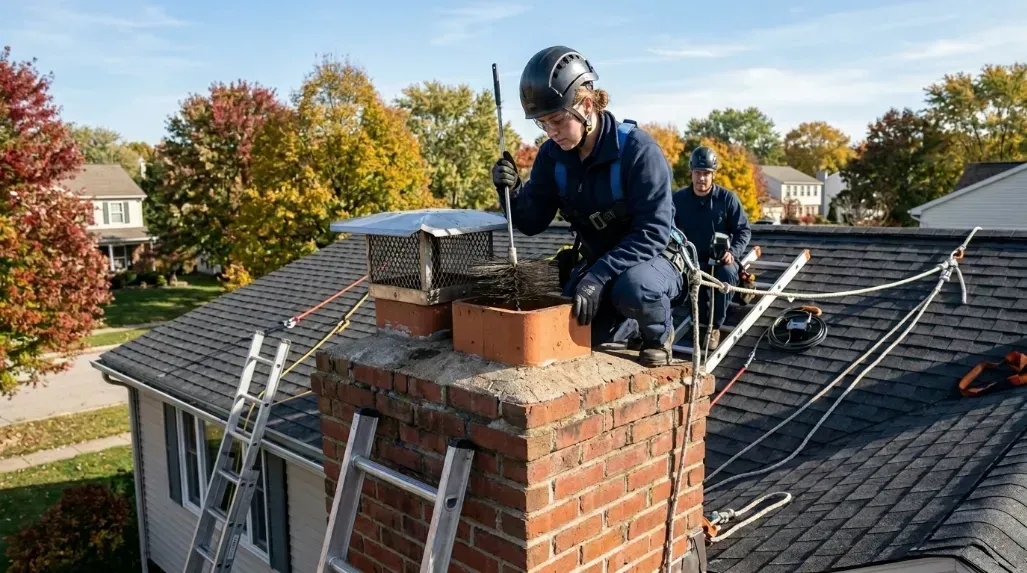
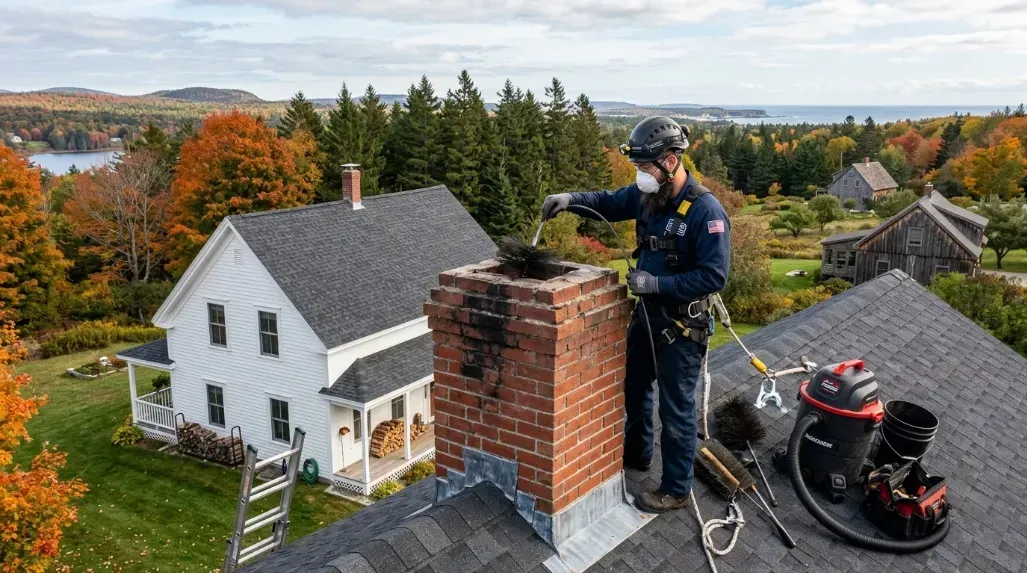
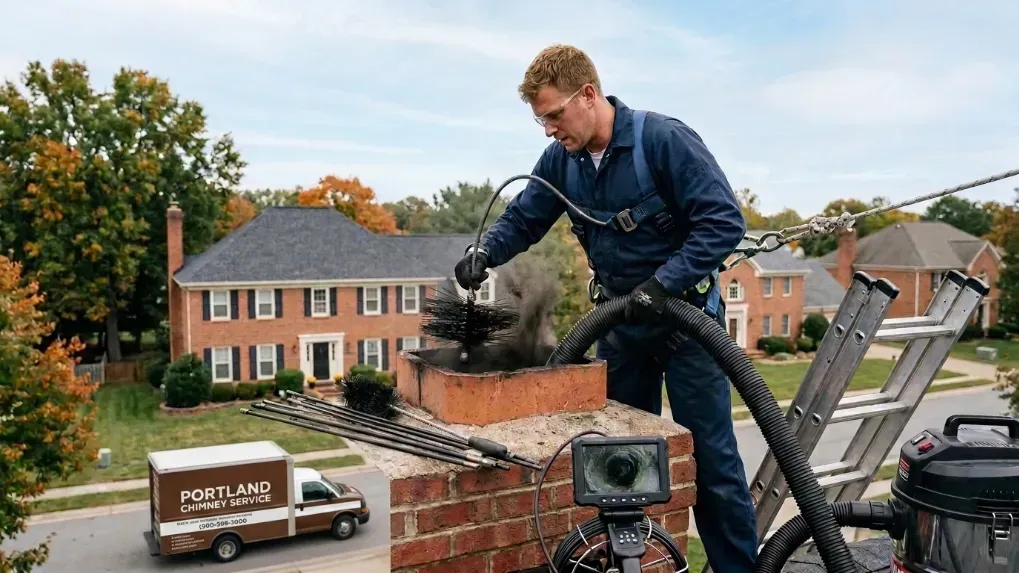
When you book Professional Chimney Sweep and Repair Services, you aren't just paying for someone to push a brush. You are paying for a comprehensive diagnostic evaluation. The certified technicians at Portland Chimney Service use high-definition closed-circuit cameras to inspect every square inch of your flue. We look for micro-fractures, missing mortar, and blockages that are invisible from the firebox or the roof. The Chimney Safety Institute of America (CSIA) mandates this level of rigorous inspection to ensure absolute safety.

Restoring Portland's Chimneys, One Home at a Time

Your home is your sanctuary. Protecting it requires proactive maintenance. Beyond just sweeping out soot, true repair services encompass masonry tuckpointing, crown rebuilding, and custom chimney cap installations. If the top of your chimney is open to the Maine rain, you are inviting disaster. Water destroys bricks faster than fire destroys wood. Local guidelines from the Portland Fire Department consistently warn about the dangers of neglected heating systems.

Portland Chimney Service is the recognized authority in Southern Maine. We know the local architecture. We understand the specific drafting issues inherent to historic coastal properties. We fix what others miss.

Stop guessing about the safety of your fireplace. Stop crossing your fingers every time you strike a match. Upgrade to a stainless steel liner. Hire certified experts. Sleep soundly while the Nor'easter howls outside.


Frequently Asked Questions

  • How long do stainless steel chimney liners last?

    High-quality, heavy-wall stainless steel chimney liners typically last a lifetime when properly maintained. Most come with a manufacturer's lifetime warranty, provided you hire certified technicians for annual inspections and sweeping to remove acidic creosote deposits.


  • How often should I hire Professional Chimney Sweep and Repair Services?

    You should schedule Professional Chimney Sweep and Repair Services at least once a year. The NFPA recommends an annual inspection for all chimneys, fireplaces, and vents, regardless of how frequently you use them, to ensure safe drafting and structural integrity.

  • Why is my brick chimney spalling and flaking?

    Spalling occurs when moisture penetrates the masonry and freezes during Portland's harsh winters. The expanding ice pops the face off the bricks. This indicates a severe moisture problem, usually requiring a new chimney crown, waterproofing, or a protective cap.

  • Can a cracked clay chimney liner be repaired?

    Minor cracks can sometimes be resurfaced with a specialized ceramic sealant. However, extensive cracking or missing tiles demand a complete relining. Installing an insulated stainless steel liner is the safest, most permanent solution for a failing clay flue.

  • What is Stage 3 creosote and why is it dangerous?

    Stage 3 creosote is a dense, highly concentrated, glazed tar that bakes onto the flue walls. It is incredibly difficult to remove and highly combustible. If ignited, it causes explosive chimney fires that can easily spread to your home's framing.

By John Constantine May 1, 2026
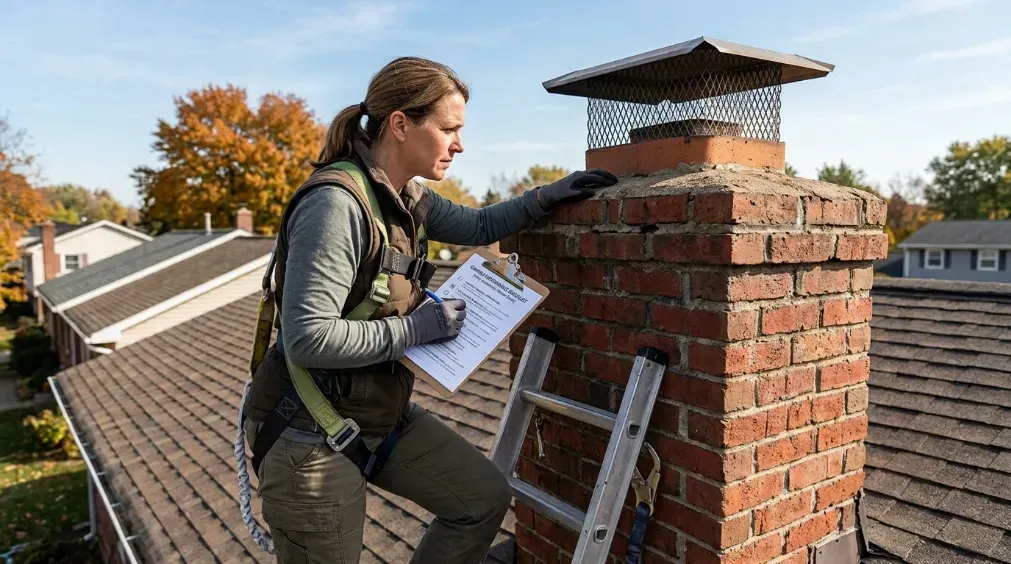
Winters in Portland, ME, bring heavy snow, freezing rain, biting coastal winds, and highly corrosive salt air. This constant moisture and drastic temperature fluctuation take a severe toll on exterior residential masonry. Many property owners completely miss the slow, quiet deterioration of their mortar joints until the structural integrity of their roofline is visibly compromised. Evaluating aging brickwork correctly is a highly specialized skill that determines whether a structure requires routine maintenance or a complete, ground-up rebuild. Brick is a naturally porous material. It absorbs water from rain, coastal fog, and melting snow throughout the year. When temperatures drop below freezing during long Maine winters, this trapped moisture expands. The resulting pressure forces both the brick and the mortar to crack, flake, and crumble. This destructive physical process is known as spalling. As we detailed previously, ignored moisture intrusion is a severe issue damaging Portland homes faster than anyone realizes . Addressing the root cause early prevents minor mortar decay from turning into a costly structural emergency.
By John Constantine April 26, 2026
Homeowners often associate fireplace hazards with dramatic events like sudden flue fires or intense smoke backing up into a living room. The reality of masonry deterioration is much quieter. A slow and relentless process is actively compromising the structural integrity of houses across Portland, Maine. This hidden threat is water infiltration. When water combines with the harsh local climate, it creates a recipe for rapid architectural decay that easily goes unnoticed until major repairs become absolutely necessary. Families living in historic properties and modern builds alike share this specific structural vulnerability. Moisture acts as both a corrosive solvent and an expanding wedge. Bricks and mortar are inherently porous materials. They function much like hard sponges that soak up rain, sleet, and the heavy atmospheric moisture constantly blowing in off Casco Bay. Without proper intervention, this constant absorption leads to irreversible damage. 
By John Constantine April 17, 2026
Portland, Maine, presents a unique set of challenges for residential architecture. The coastal freeze and thaw cycles combined with high humidity take a significant toll on exterior masonry and internal heating systems. When winter temperatures drop across Casco Bay, heating systems work relentlessly to keep homes warm. This constant use places intense stress on your fireplace and flue. Maintaining a safe and efficient heating system requires professional oversight from the team at Portland Chimney . One of the most vital upgrades a homeowner can invest in is a modern flue liner. Understanding how these systems work will help you make informed decisions about your property.
By John Constantine April 8, 2026
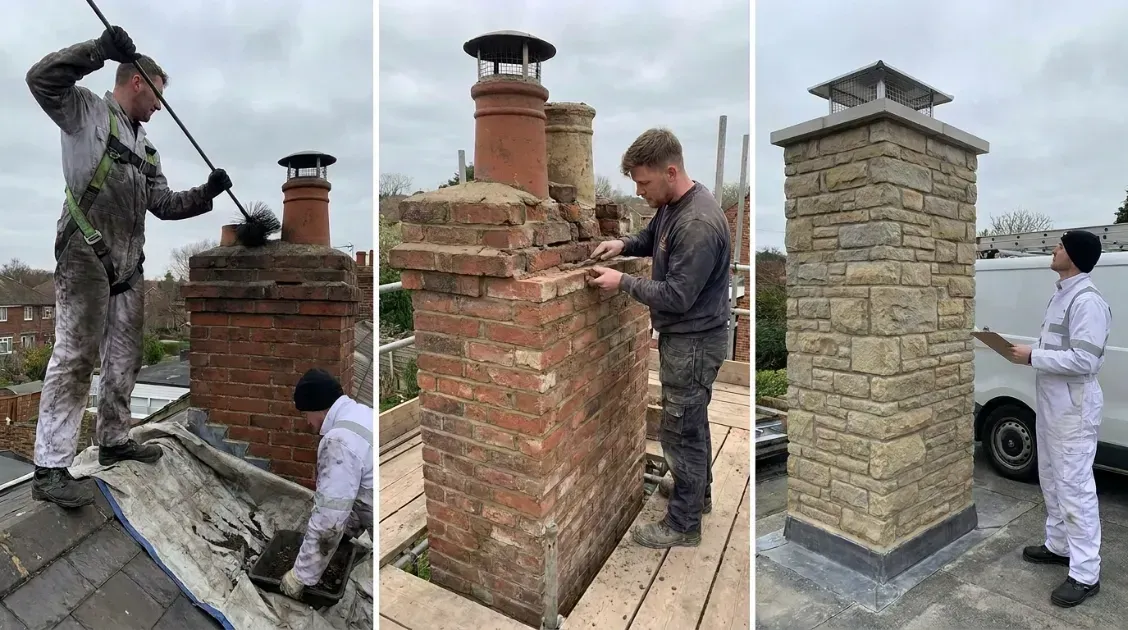
The coastal climate of Portland, ME presents a unique and demanding environment for exterior masonry. Historic brickwork across the region faces relentless exposure to freezing temperatures, driving rain, and corrosive salty air. Over decades of seasonal cycles, these elements systematically break down mortar joints and compromise structural integrity. Homeowners eventually face a critical juncture where preventative maintenance is no longer sufficient. Deciding between targeted restoration and partial rebuilding requires a deep understanding of masonry physics. For property owners navigating these challenges, Portland Chimney provides precision masonry solutions tailored to New England architecture. Identifying the exact point of failure within a brick structure dictates whether a minor mortar repair will suffice or if controlled demolition is required to protect the home. The Foundation of Quality Chimney Services: Exploring Tuck Pointing Mortar acts as both the binding agent and the deliberate weak point in any masonry structure. It is designed to absorb structural shifts and weather impacts, saving the harder bricks from cracking. However, this means the mortar will inevitably erode. When the mortar begins to flake, crumble, or recess, the brickwork loses its vital support system.  Tuck pointing is the precise craft of removing degraded mortar and replacing it with fresh, color-matched material. Masons use specialized diamond-tipped grinders to route out the failing joints to a specific depth, usually about three-quarters of an inch. This prepares a clean, solid channel for the new mortar to adhere to. The fresh mortar is then carefully pressed, or "tucked," into the joints and struck with a specialized tool to shed water effectively.
By John Constantine April 2, 2026
Living on the coast of Maine brings distinct weather challenges for residential structures. The continuous cycle of freezing and thawing, combined with heavy Atlantic moisture, creates a highly hostile environment for exterior brick and mortar. Water absorption causes rapid degradation of masonry over time. Protecting your property requires a proactive and calculated approach to exterior maintenance. As the leading experts at Portland Chimney Service , we understand exactly how local precipitation impacts residential masonry and what is required to stop structural decay before it compromises your home.
By John Constantine March 22, 2026
Portland winters chew up brick and spit out dust. It is exactly that simple. When a January Nor’easter rips across the Eastern Promenade, your chimney takes the absolute brunt of the assault. Most homeowners completely ignore their masonry until dark water stains suddenly appear on the living room ceiling. By then, the structural damage is already done. You need a defense strategy right now. Living on the coast of Maine means battling a hyper-aggressive climate. Your home is constantly bombarded by salt-heavy air, driving freezing rain, and rapid temperature fluctuations. Bricks act like sponges. Literally. If you leave your masonry unprotected against Casco Bay's harsh elements, you are effectively putting your home on borrowed time.
By John Constantine March 18, 2026
Winter in Maine does not play fair. The freezing coastal gales whipping off Casco Bay will test every brick, joint, and flue in your home. If you own property in Portland, you already know the drill. Ice expands. Mortar cracks. Bricks spall. Before you realize it, that stately chimney on your West End Victorian is a massive structural liability. Ignoring the damage is not an option. Gravity always wins.  Protecting a historic or modern home in this climate requires a comprehensive approach. It takes more than a quick visual check from the driveway. You need a calculated combination of strategic demolition, precision tuckpointing, and rigorous maintenance. When you pair heavy masonry restoration with professional Chimney Sweep and Repair Services, you bulletproof your home against the Northeast's worst moods.
By John Constantine March 10, 2026
Water is the enemy. If you own a home in Portland, Maine, you already know the drill. Nor'easters batter the coast. Freezing rain coats everything in sight. And while you are comfortably sitting by the fire, your chimney is outside taking an absolute beating. Let's get straight to the facts: untreated masonry acts exactly like a giant sponge. A single brick can absorb up to a cup and a half of water. When that water freezes, you have a major structural crisis on your hands. Too many homeowners ignore their chimneys until water is literally dripping into their firebox or staining their living room ceiling. By then, the damage is done. Protecting your brickwork requires proactive defense. It requires professional waterproofing, and it requires it before the Maine winter sets in.
By John Constantine March 4, 2026
Portland winters do not negotiate. If you own a home in the West End or near the Eastern Promenade, you know the biting wind off Casco Bay isn't just uncomfortable for you—it is actively destroying your masonry. That charming brick aesthetic defining our city’s historic architecture is under constant assault from salt air, freeze-thaw cycles, and time itself. Ignore a hairline crack in September, and you might be looking at a collapsed flue by March. It happens faster than you think. Whether you are trying to preserve a 19th-century Victorian or maintaining a mid-century Cape, structural integrity is non-negotiable. At Portland Chimney Service , we have seen it all. From soot-choked flues requiring a deep chimney cleaning service to unstable stacks needing full-scale demolition, we know exactly what Maine weather does to brick and mortar.
By John Constantine February 21, 2026
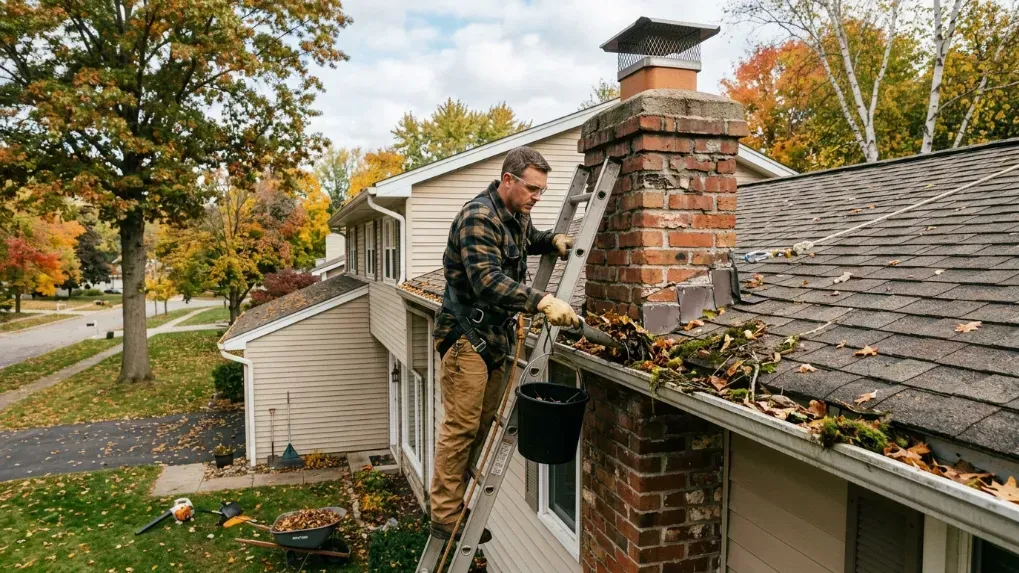
The Atlantic Ocean is a beautiful neighbor, but a terrible houseguest. If you own property in Portland, you know exactly what happens when a Nor'easter whips off Casco Bay. The wind howls. The rain moves sideways. And your home’s exterior faces a brutal stress test. Most homeowners treat their roof systems as separate components. They hire one guy to scoop leaves out of the gutters and another to inspect the flue. This is a mistake. In the harsh Maine climate, your gutter system and your chimney are physically and functionally linked. When one fails, the other usually pays the price. At Portland Chimney Service , we see the aftermath of this disconnect every spring. We see rotted fascia boards near chimney chases. We see spalling bricks caused by overflow. It’s expensive, it’s messy, and frankly, it’s preventable.