Water is the enemy.
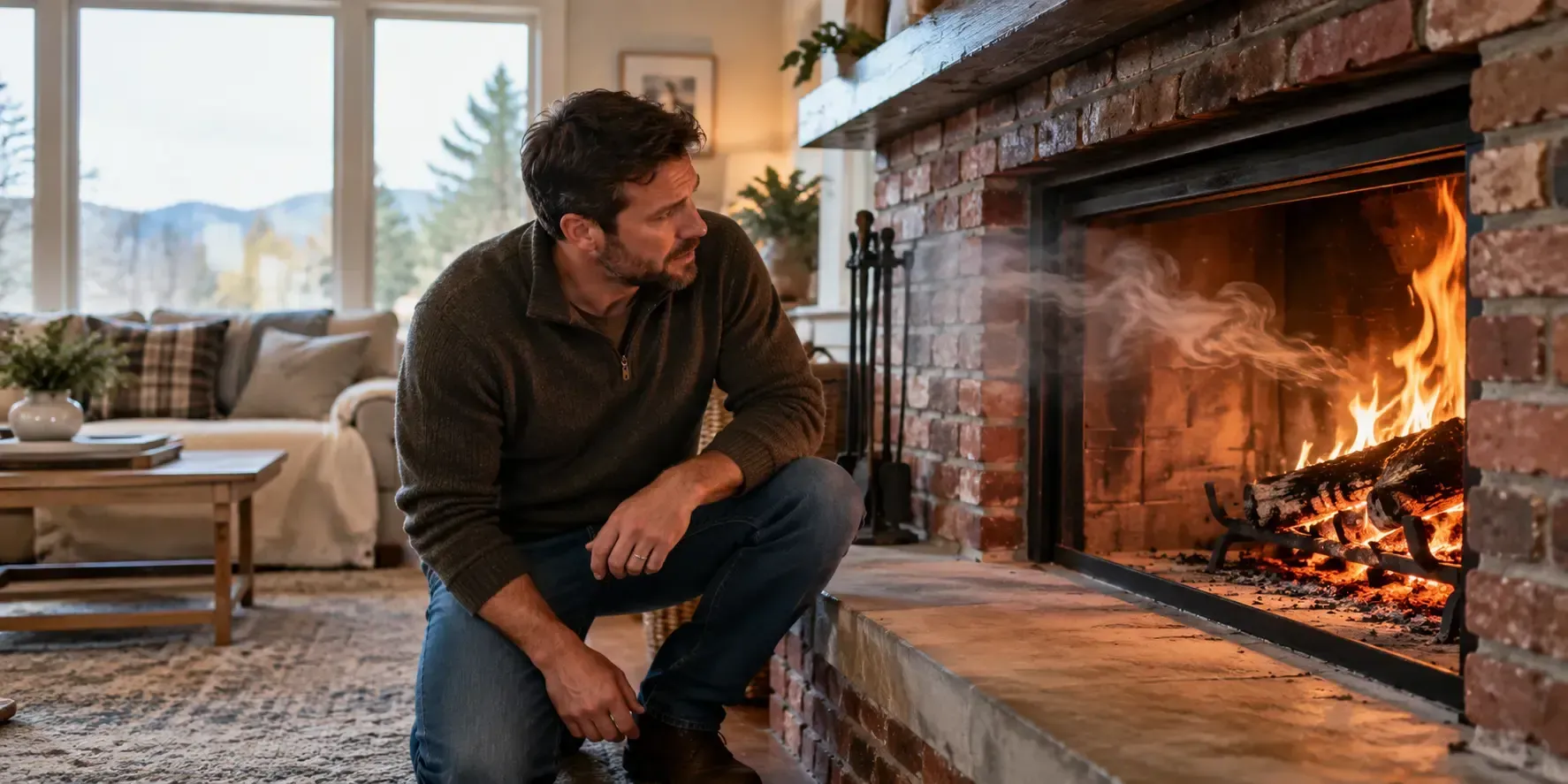
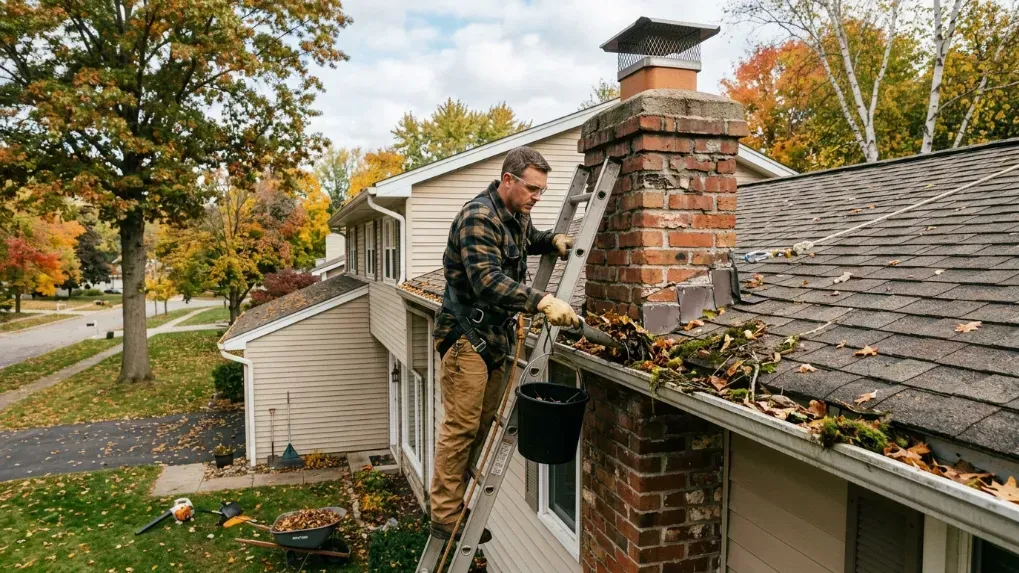
If you own a home in Portland, Maine, you already know the drill. Nor'easters batter the coast. Freezing rain coats everything in sight. And while you are comfortably sitting by the fire, your chimney is outside taking an absolute beating. Let's get straight to the facts: untreated masonry acts exactly like a giant sponge. A single brick can absorb up to a cup and a half of water.
When that water freezes, you have a major structural crisis on your hands.
Too many homeowners ignore their chimneys until water is literally dripping into their firebox or staining their living room ceiling. By then, the damage is done. Protecting your brickwork requires proactive defense. It requires professional waterproofing, and it requires it before the Maine winter sets in.

Why Portland's Weather Murders Masonry
The climate in Southern Maine is uniquely hostile to brick and mortar. We don't just get cold. We get wet, freezing cold. Coastal winds blow salty moisture directly off Casco Bay, driving rain horizontally into the porous surfaces of your home's exterior.
According to the National Weather Service data for Portland, our region experiences dozens of freeze-thaw cycles every single winter. The temperature drops below freezing at night and warms up during the day. This constant shifting is devastating.
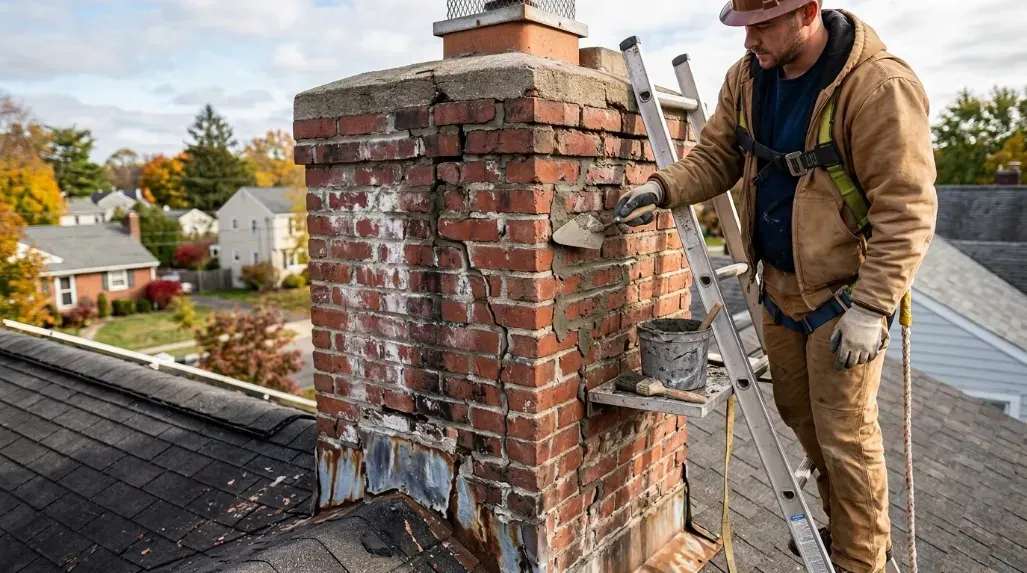
When water enters the microscopic pores of a brick and freezes, it expands by roughly 9%. This expansion generates immense internal pressure. Over time, this pressure causes a phenomenon known as spalling. The faces of the bricks pop off. The mortar joints crumble into dust. Suddenly, you are staring down a five-figure rebuild.
You cannot paint over this problem. Standard exterior house paint traps moisture inside the brick, accelerating the decay. National Park Service guidelines on historic masonry specifically warn against using non-breathable coatings on traditional brickwork, like the kind found throughout Portland's West End and Old Port.
The Right Way to Waterproof a Chimney
Effective chimney waterproofing requires a specific, vapor-permeable product. Usually, this means an industrial-grade silane-siloxane water repellent.
These compounds penetrate deep into the masonry. They line the internal pores of the brick without clogging them. This allows the chimney to "breathe." Moisture from inside the home—created by cooking, showering, and basic living—can still escape as vapor. However, liquid water from rain and melting snow is repelled at the surface. It beads up and rolls right off.
But here is the catch. You cannot just spray water repellent on a failing chimney and call it a day.
Why Chimney Sweep and Chimney Repair Comes First
Before any waterproofing agent is applied, you need a clean, structurally sound slate. Applying sealant over rotten mortar or severe creosote buildup is a waste of time and money.
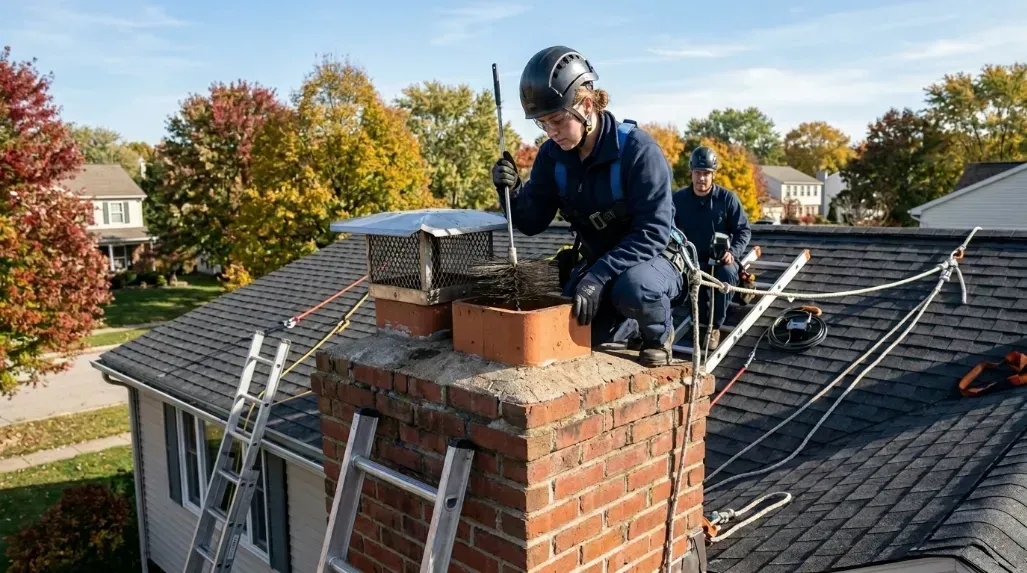
That is exactly where professional Chimney Sweep and Chimney Repair comes into play.
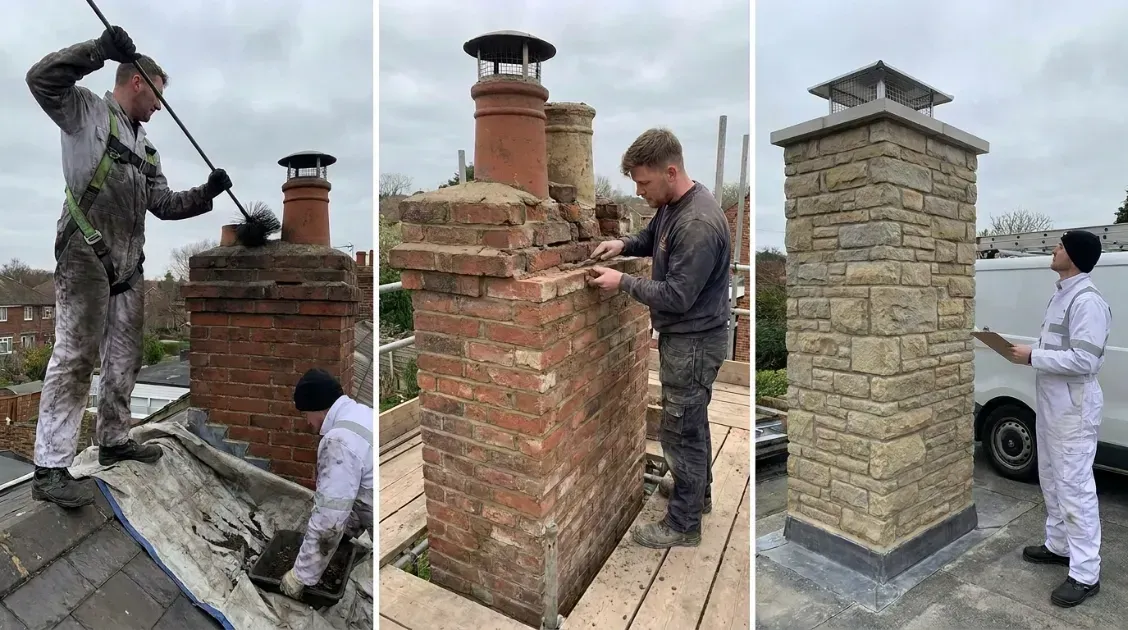
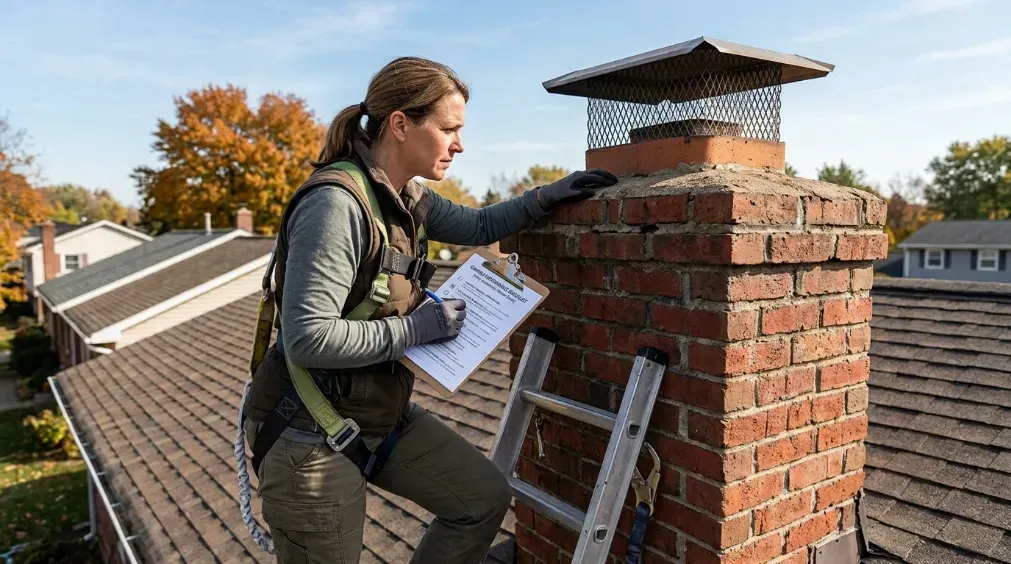
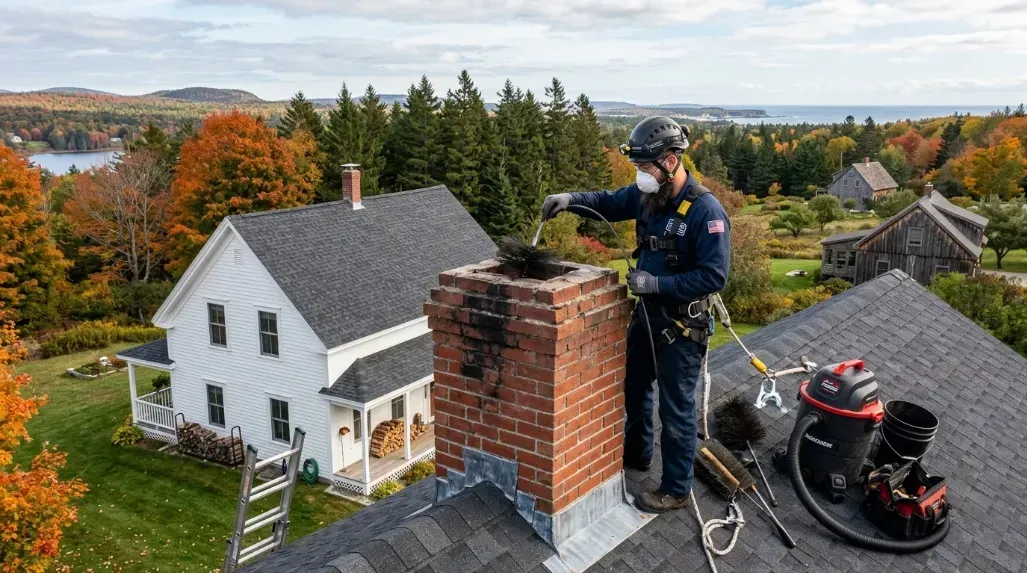
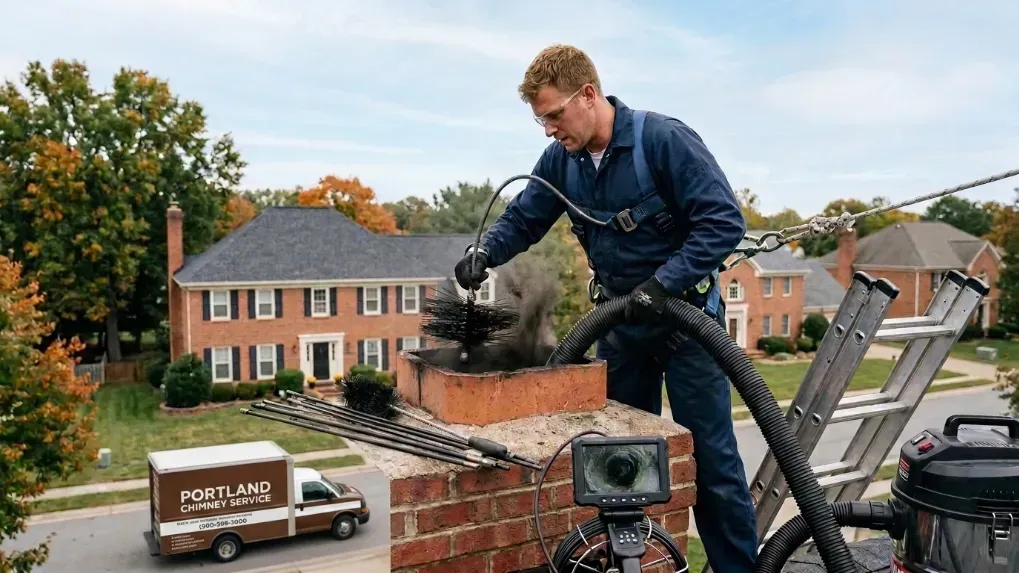
First, the flue must be swept and inspected. The National Fire Protection Association (NFPA) mandates an annual chimney inspection for a reason. If water has already breached the masonry, it may have damaged the terra cotta flue tiles inside. A cracked flue liner is a severe fire hazard. A proper sweep removes acidic creosote—which eats away at masonry from the inside—while aligning with the safety standards of the EPA's Burn Wise program.
Second, the exterior must be repaired. If there are gaps in the mortar, water will bypass the waterproofing completely. The structure must be repointed. Crown damage must be patched or poured anew. Flashing around the roofline must be secured.
Here are the non-negotiable repairs needed before waterproofing:
- Tuckpointing: Grinding out old, failing mortar and replacing it with a fresh, structurally sound mix.
- Crown Repair: Sealing or rebuilding the cement cap at the very top of the stack.
- Flashing Replacement: Ensuring the metal transition between the roof and the brick is watertight.
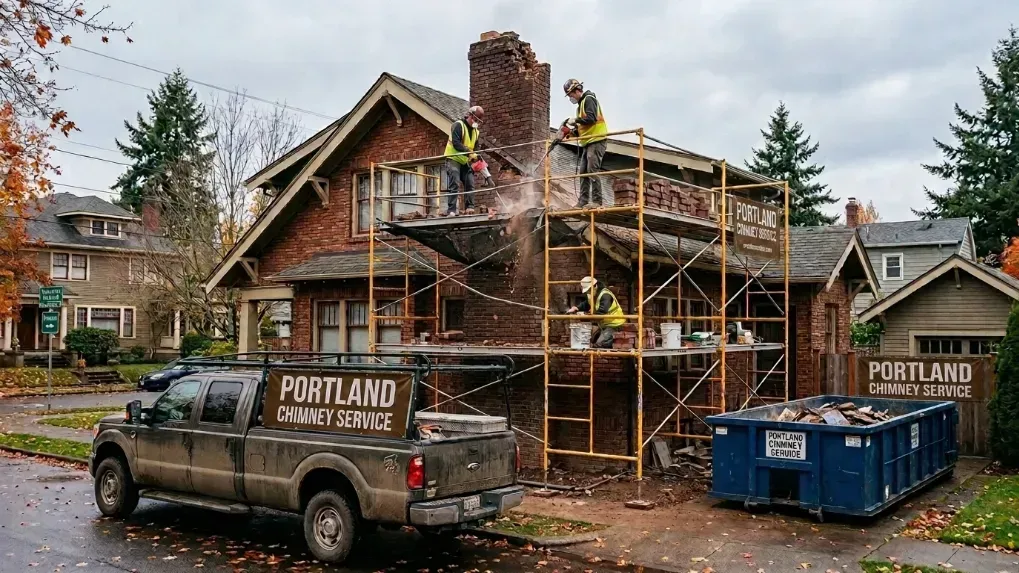
- Spalled Brick Replacement: Cutting out structurally dead bricks and mortaring in matching replacements.
Choosing Portland Chimney Service
You need a contractor who understands Maine weather. You need an expert.
At Portland Chimney Service, we do not cut corners. We have spent years inspecting, sweeping, and rebuilding stacks across the Greater Portland area. We know exactly how coastal storms tear apart masonry, and we know exactly how to stop it.
We use only 100% breathable, professional-grade water repellents. Our technicians are highly trained by standard-setting organizations like the Chimney Safety Institute of America (CSIA). When we tackle a job, we look at the whole system. We sweep the flue, we grind out the dead mortar, we fix the flashing, and then—only then—do we apply the waterproofing shield.
Protect your home. Protect your investment. Stop letting water eat your chimney alive.
Frequently Asked Questions
How often should I waterproof my chimney in Maine?
Professional-grade, vapor-permeable chimney water repellents typically last between 5 and 10 years. In harsh coastal environments like Portland, Maine, you should have the masonry inspected annually. Reapplication is usually necessary every 7 years to ensure maximum protection against freeze-thaw damage.
Can I apply chimney water repellent myself?
DIY application is highly discouraged. Hardware store sealants are often silicone-based, which trap moisture inside the brick and accelerate spalling. Professional waterproofing requires specialized, breathable silane-siloxane repellents, and the masonry must be thoroughly cleaned and repaired prior to application.
Does chimney waterproofing fix existing leaks?
No. Waterproofing prevents water from absorbing into porous brick and mortar. It will not bridge gaps, seal cracks, or fix failing roof flashing. You must complete professional chimney repair to resolve active leaks before applying any water repellent to the surface.
What are the signs my chimney needs to be rebuilt?
Warning signs include severe spalling (brick faces flaking off), leaning or bowing of the stack, large vertical cracks in the masonry, and significant water staining inside your firebox. If the structural integrity is compromised, a complete teardown and rebuild is required.