The Atlantic Ocean is a beautiful neighbor, but a terrible houseguest. If you own property in Portland, you know exactly what happens when a Nor'easter whips off Casco Bay. The wind howls. The rain moves sideways. And your home’s exterior faces a brutal stress test.
Most homeowners treat their roof systems as separate components. They hire one guy to scoop leaves out of the gutters and another to inspect the flue. This is a mistake. In the harsh Maine climate, your gutter system and your chimney are physically and functionally linked. When one fails, the other usually pays the price.
At
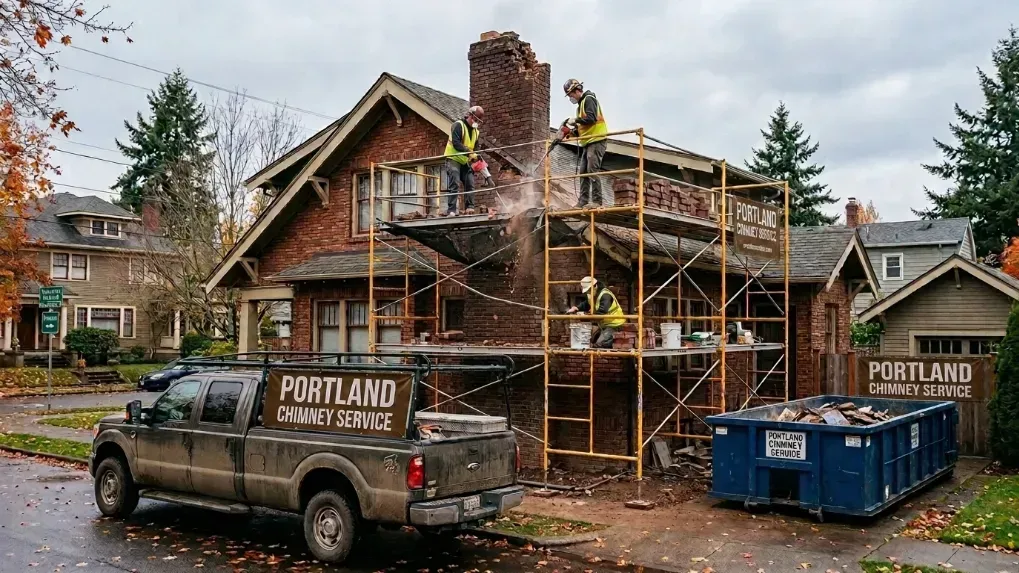
Portland Chimney Service, we see the aftermath of this disconnect every spring. We see rotted fascia boards near chimney chases. We see spalling bricks caused by overflow. It’s expensive, it’s messy, and frankly, it’s preventable.
The Physics of Water vs. Maine Masonry
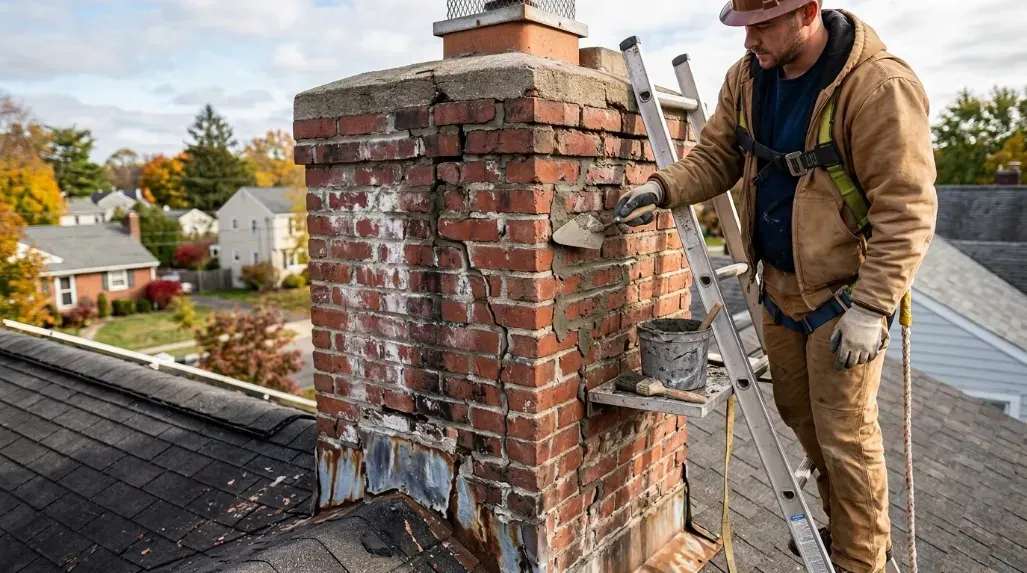
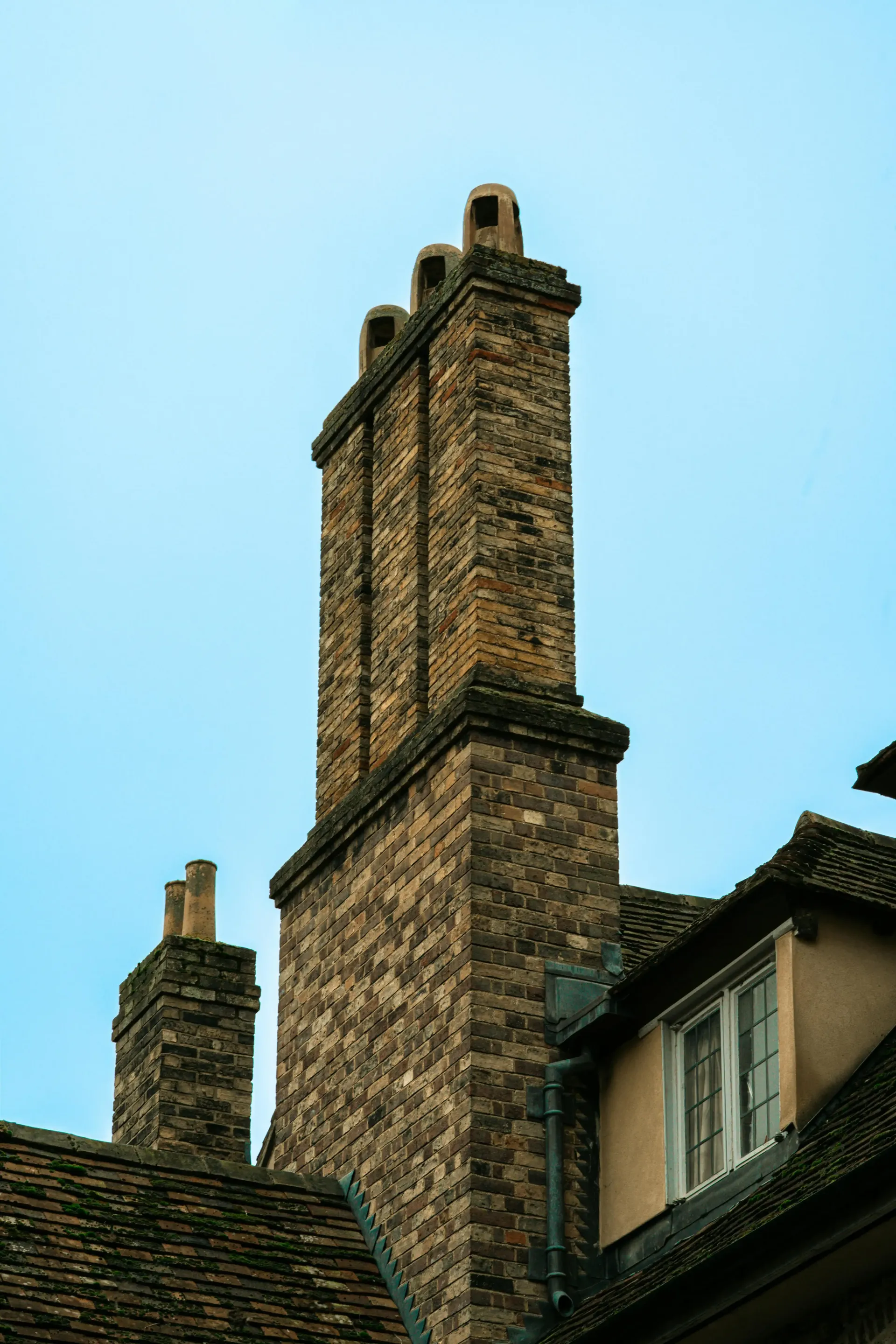
Water is the single most destructive force against your home. It’s patient. It’s persistent. In Portland, we deal with a specific phenomenon: the freeze-thaw cycle. Here is the reality. It rains, soaking into the porous brick of your chimney or overflowing from a clogged gutter onto the masonry. The temperature drops below freezing at night. That water expands by about 9% as it turns to ice. This microscopic expansion acts like a hydraulic wedge, cracking mortar and popping the faces off bricks (a process called spalling).
If your gutters aren't channeling water at least five feet away from the foundation, you aren't just risking a wet basement. You are risking the structural integrity of the chimney footing. A sinking footing leads to a leaning chimney, and suddenly a $300 cleaning job turns into a $15,000 structural repair.
Comprehensive Chimney Service: More Than Just Sweeping
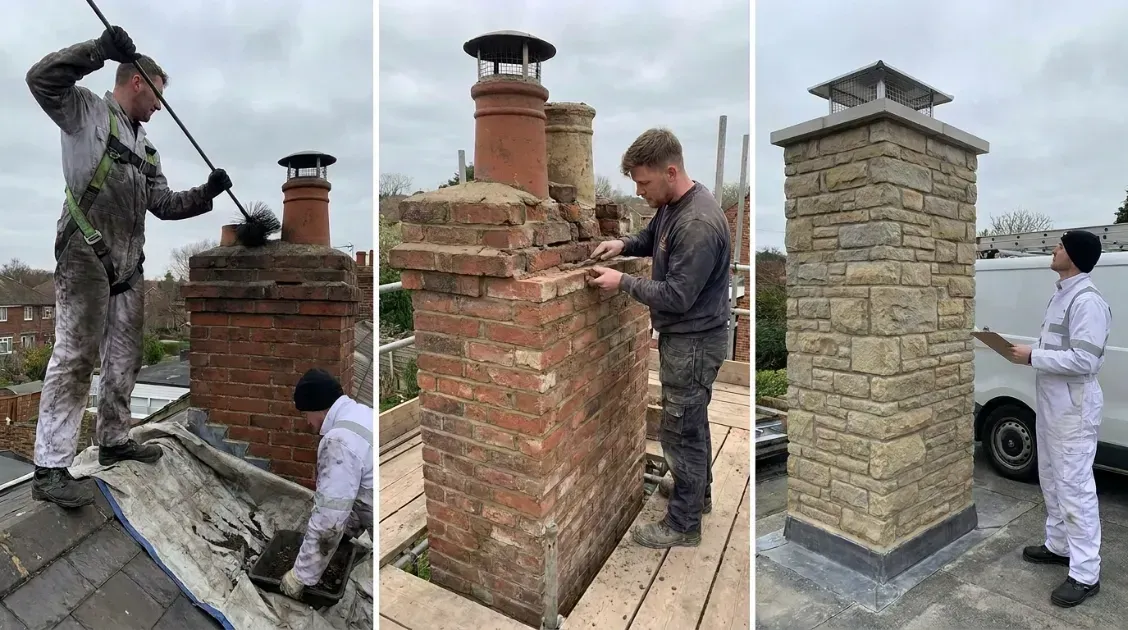
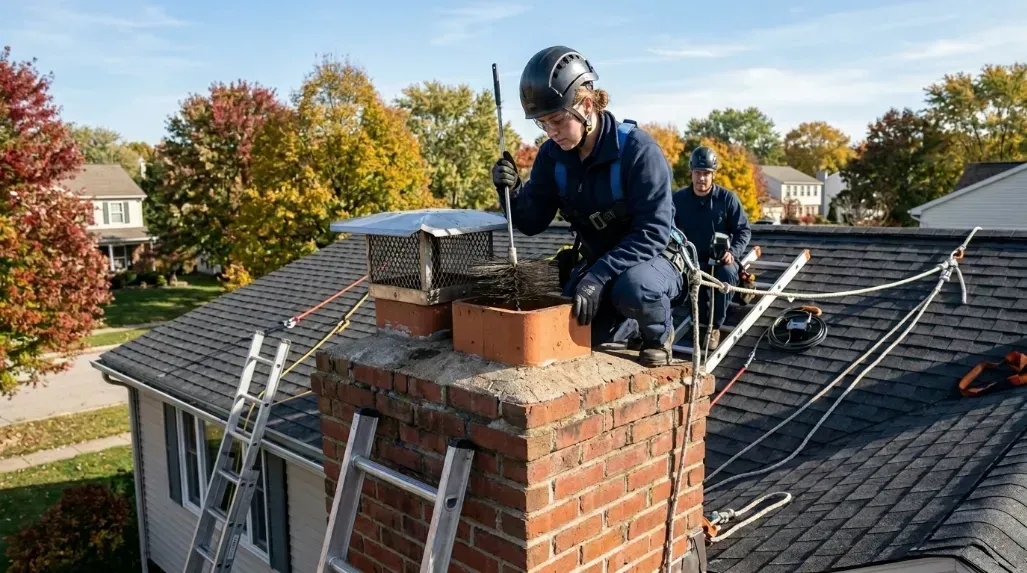
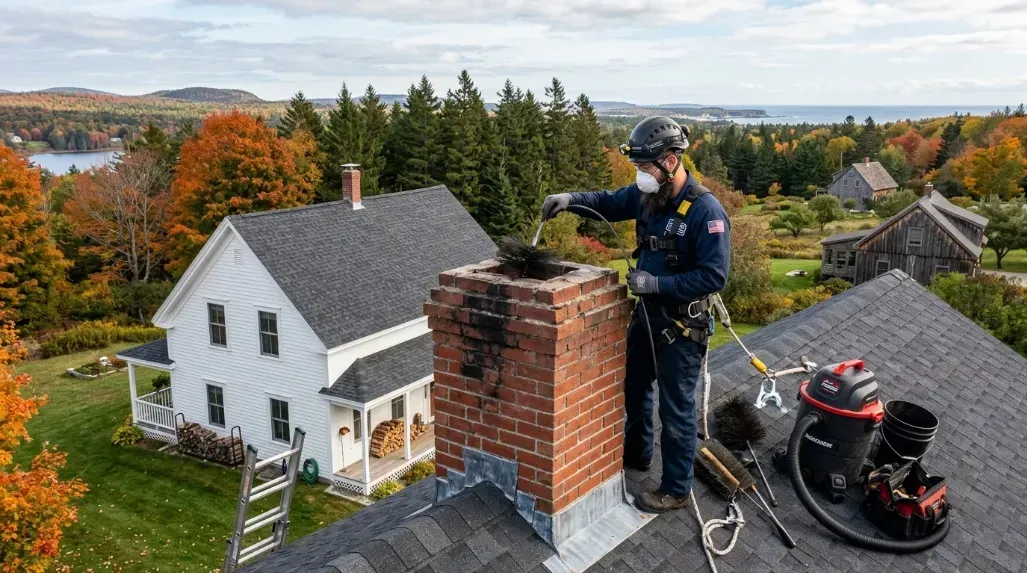
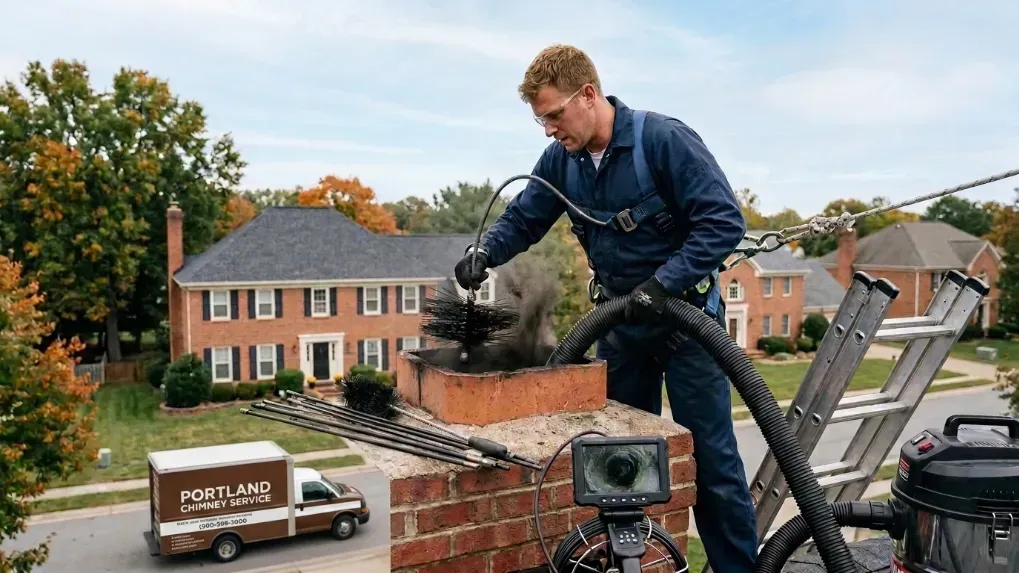
When locals search for "chimney service," they often picture a brush and a vacuum. While creosote removal is vital for fire safety—especially given the popularity of wood stoves in Cumberland County—a true service provider looks at the exterior envelope.
Waterproofing and Flashing
The intersection where your chimney meets the roof is the most vulnerable point on your house. It relies on flashing—sheets of metal layered to direct water away. In coastal Maine, salt air corrodes standard aluminum flashing faster than you might expect. We use heavy-gauge copper or lead-coated copper for our Portland clients. It costs more upfront. It lasts decades longer. It’s the only material that stands a chance against the salt spray.
Furthermore, masonry waterproofing is non-negotiable here. We aren't talking about sealing the brick shut (brick needs to breathe). We use vapor-permeable water repellents that stop liquid water from entering but allow internal moisture to escape. According to the Chimney Safety Institute of America (CSIA), water damage causes more masonry deterioration than fire ever will.
The Gutter Connection: The First Line of Defense
Why does a chimney company talk about gutters? Because a clogged gutter is a chimney killer.
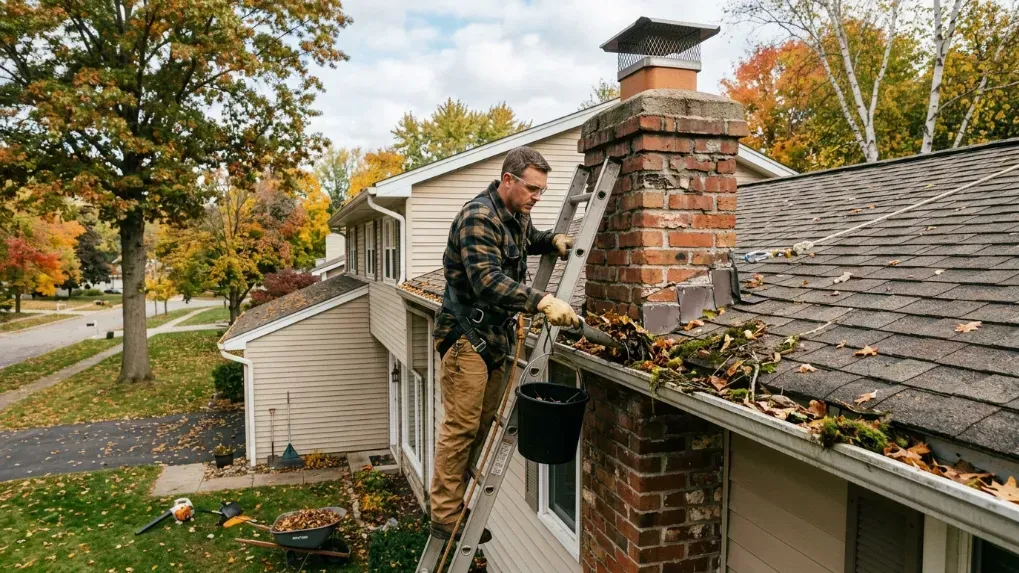
Picture a standard gable roof in the West End. The gutter runs past the chimney chase. In October, it fills with pine needles and maple leaves. In November, the rains come. The water has nowhere to go. It spills over the back of the gutter, running directly down the chimney siding or brickwork. This constant saturation accelerates moss growth and mortar decay.
Complete care involves:
- Seasonal Cleaning: Removing the dense mat of wet leaves that accumulates every autumn.
- Pitch Adjustment: Heavy snow loads often bend gutter hangers, messing up the pitch. Water sits stagnant, freezes, and creates ice dams.
- Seamless Installation: Old sectional gutters leak at the seams. We recommend seamless aluminum or copper systems that minimize failure points.
Ice Dams: The Portland Nightmare
You have seen them. The massive icicles hanging off the eaves of historic homes in the Old Port. They look picturesque on a postcard, but they are destroying the building. Ice dams form when heat escapes through the roof, melts the snow, and the water refreezes at the cold eave. This wall of ice traps water behind it, forcing it under the shingles and into your walls. This often happens right around the chimney, where insulation is frequently disrupted.
Proper chimney service includes inspecting the insulation around the chase to ensure heat isn't leaking out. Combined with clear gutters and potentially heat tape solutions, we manage the ice before it manages you. The Department of Energy highlights that air sealing is critical to preventing these thermal bypasses.
Why Local Expertise Wins
Maine is not Massachusetts. It certainly isn't Florida. The specific mix of historic housing stock—19th-century brick, Victorian wood frames—and intense weather requires a specific skillset. A generic contractor might slap some silicone caulk on a flashing leak and call it a day. That silicone will fail after one winter season. Portland Chimney Service approaches every job with "coastal durability" in mind. We understand the local building codes and the preservation standards required for many of Portland's historic districts.
Don't settle for a band-aid. Your home is likely your biggest investment. Protect it with a holistic strategy that recognizes the symbiotic relationship between your roof drainage and your masonry.
Frequently Asked Questions
How often should I have my chimney inspected in Maine?
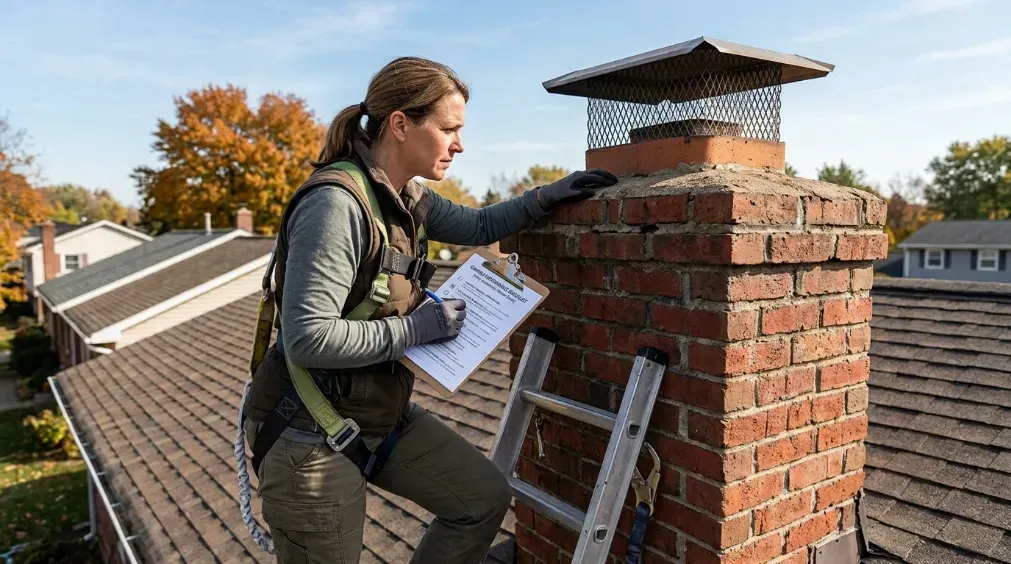
You should schedule a chimney inspection annually, regardless of how often you use your fireplace. The harsh freeze-thaw cycles in Portland can cause structural damage or flue liner cracks even without heavy use. The National Fire Protection Association (NFPA) 211 standard mandates yearly inspections.
Why is my chimney mortar crumbling?
This is likely "spalling," caused by moisture entering the brick and freezing. When water turns to ice, it expands, popping the face off the brick or cracking the mortar. This is common in coastal areas like Portland due to wind-driven rain and requires professional repointing and waterproofing.
Can clogged gutters damage my foundation?
Yes. When gutters overflow, water dumps directly next to your foundation rather than being diverted away. In Portland's clay-heavy soil, this can lead to hydrostatic pressure that cracks foundation walls and causes basement flooding. It also destabilizes the ground supporting your chimney.
What is the best flashing material for coastal homes?
Copper or lead-coated copper are the superior choices for Portland homes. Aluminum tends to corrode quickly due to the salt air from the Atlantic. Copper is naturally resistant to corrosion, creating a "verdigris" patina that actually protects the metal, lasting 50+ years.
Do you install gutter guards?
Yes, we install high-flow gutter guards designed for Maine foliage (pine needles). However, guards are not maintenance-free. We recommend a hybrid approach: high-quality guards combined with a semi-annual inspection to ensure pollen and sap haven't created a film that blocks water flow.