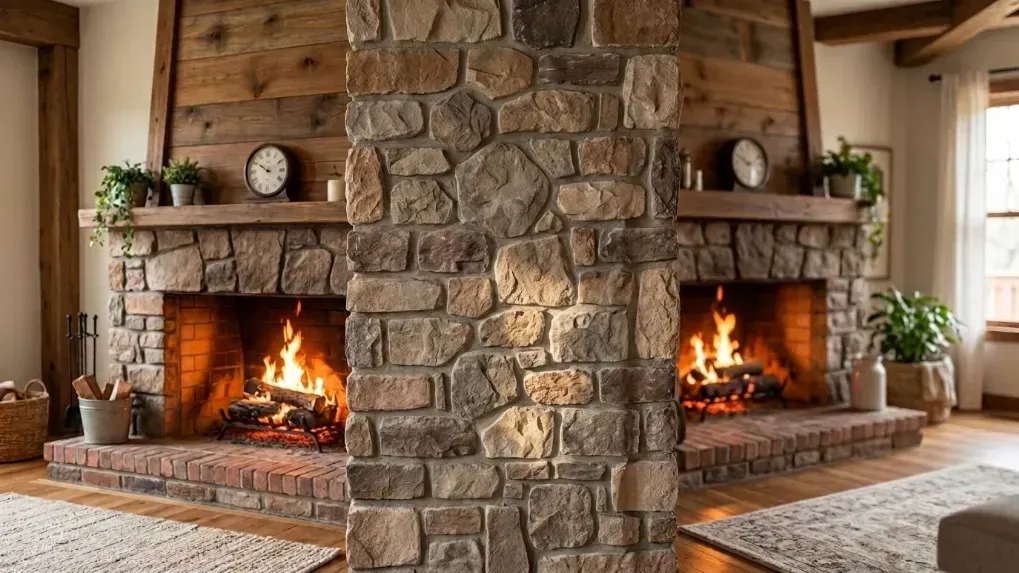
Portland winters chew up brick and spit out dust. It is exactly that simple. When a January Nor’easter rips across the Eastern Promenade, your chimney takes the absolute brunt of the assault. Most homeowners completely ignore their masonry until dark water stains suddenly appear on the living room ceiling. By then, the structural damage is already done. You need a defense strategy right now.
Living on the coast of Maine means battling a hyper-aggressive climate. Your home is constantly bombarded by salt-heavy air, driving freezing rain, and rapid temperature fluctuations. Bricks act like sponges. Literally. If you leave your masonry unprotected against Casco Bay's harsh elements, you are effectively putting your home on borrowed time.
The Brutal Mechanics of Masonry Destruction
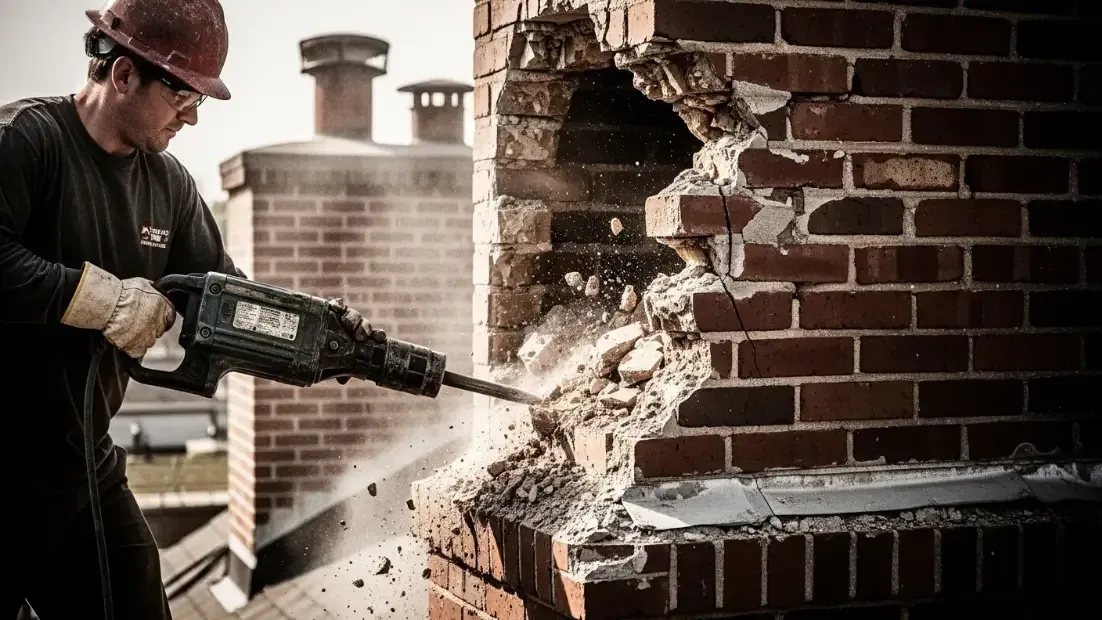
Let us talk about the freeze-thaw cycle. Maine experiences dozens of these violent temperature shifts every single winter. Moisture from dense coastal fog or heavy, wet snow easily seeps into the porous bricks of your chimney structure. Then, the temperature plummets overnight. That trapped water expands by roughly nine percent as it turns into solid ice. It shatters the brick from the inside out.
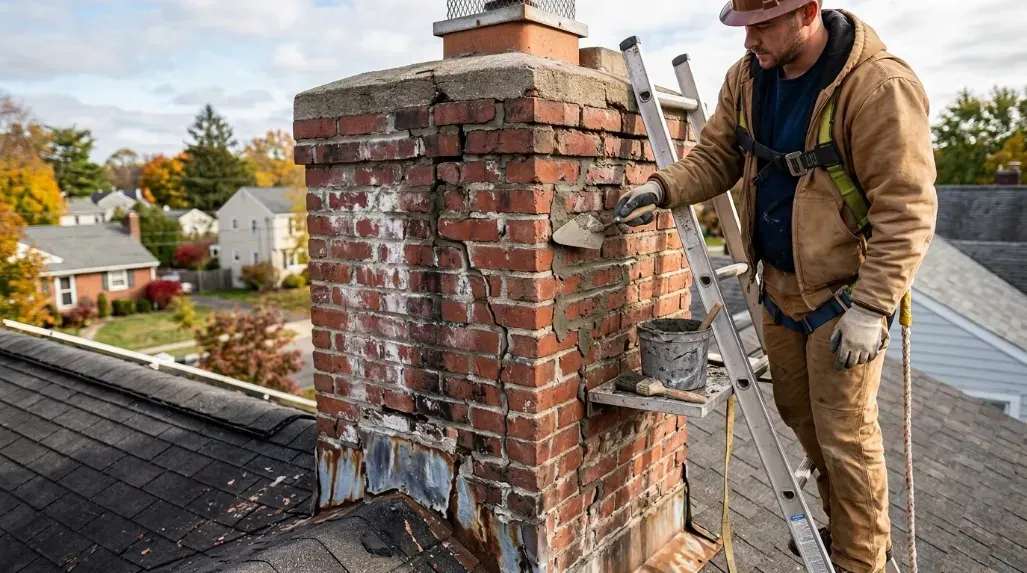
Masonry experts call this process spalling. I call it a ticking financial time bomb. According to the Chimney Safety Institute of America (CSIA), water infiltration is the single greatest enemy of a masonry chimney. Add the highly corrosive salt air rolling in off the Atlantic, and you have a perfect recipe for total structural failure. The mortar joints begin to rot. The brick faces pop off and crash onto your roof. Before long, the chimney begins to lean.
Why Professional Chimney Sweep and Repair Services Are Non-Negotiable
You cannot simply buy a cheap hardware store sealant, slap it on century-old brick, and hope for the best. Amateurs do this constantly. It is a massive mistake. Standard sealants actually trap internal moisture inside the brick, exponentially accelerating the decay of the masonry. This exact scenario is why hiring Professional Chimney Sweep and Repair Services is not just a seasonal maintenance task. It is a structural survival tactic for your home.
Real chimney waterproofing requires a highly specialized, vapor-permeable repellent. It builds an invisible barrier that aggressively keeps the driving rain out, while still allowing the internal chimney structure to breathe and release vapor. Portland Chimney Service has mastered this specific science. We do not just run brushes down flues. We engineer weather-resistant fortresses out of historic brick.
Many historic homes in neighborhoods like Munjoy Hill or the West End were built using traditional lime-based mortar. The Maine Historical Society documents extensive brick construction throughout Portland's rich architectural past. Applying modern, rigid Portland cement to these older, softer bricks during a sloppy repair job will cause the historic bricks to crack under pressure. You need a local authority who actually understands the chemistry of historic masonry.
Specific Vulnerabilities: Flashing, Crowns, and Flues
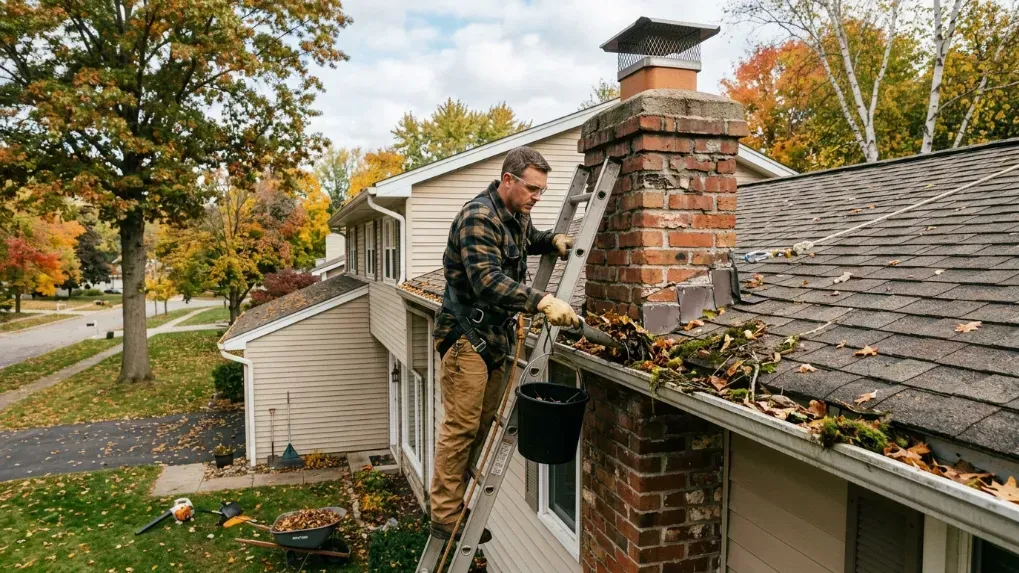
Water rarely enters through the brick alone. The most notorious leak points are the structural transitions. Consider your chimney flashing. This is the critical sheet metal joint where your brick chimney physically meets your asphalt or slate roof. High coastal winds routinely peel back aging aluminum or rusted galvanized steel. The National Weather Service frequently records winter wind gusts in Portland exceeding 50 mph. That intense wind literally drives water upward, forcing it underneath your shingles and deep into your roofing envelope.
Then there is the chimney crown. The cement top of your chimney is specifically designed to shed water away from the flue opening. When it inevitably cracks from the freeze-thaw cycle, water pours directly down the inside of the chimney. This causes aggressive rusting of your damper and destroys your internal flue liner. A compromised flue liner is a severe hazard. The Environmental Protection Agency (EPA) notes that damaged flues can lead to dangerous backdrafts, pulling toxic carbon monoxide directly into your living space.
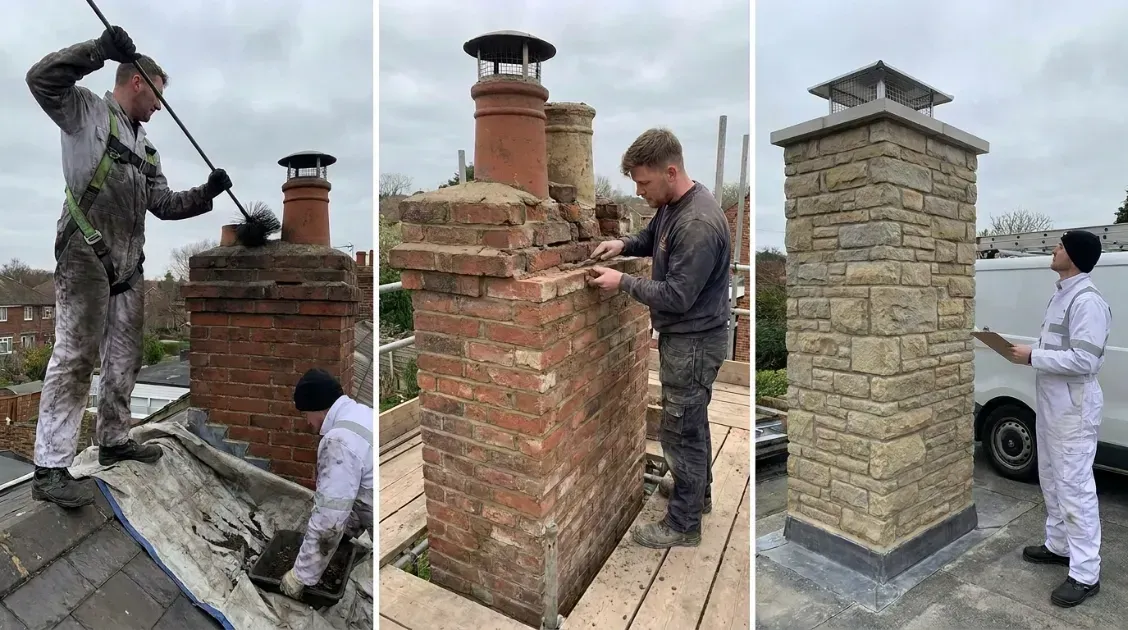
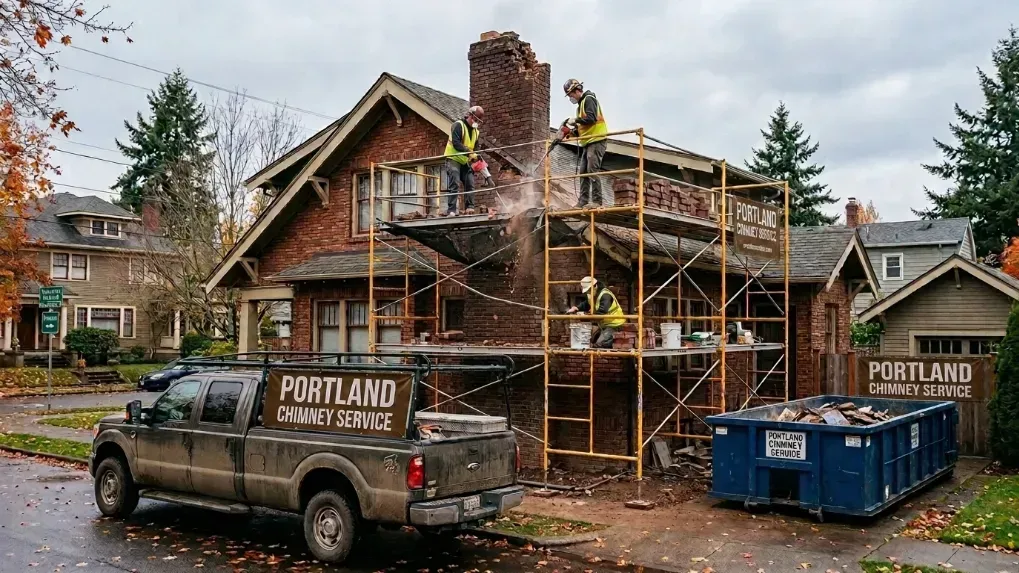
Portland Chimney Service treats the entire chimney system. We completely strip away compromised, rotting mortar. We tuckpoint the joints with historically accurate, climate-specific materials. We rebuild failing crowns using reinforced, fiber-mesh concrete. Finally, we apply commercial-grade polysiloxane sealants that genuinely repel Maine's worst weather.
Stop Putting Off Your Waterproofing
Waiting to fix a chimney is incredibly expensive. A proactive waterproofing application costs a tiny fraction of what a total chimney teardown and rebuild will cost you. Homeowners often ignore the exterior envelope until water is actively pooling on their hardwood floors. Do not be that homeowner. Take decisive control of your property's exterior health.
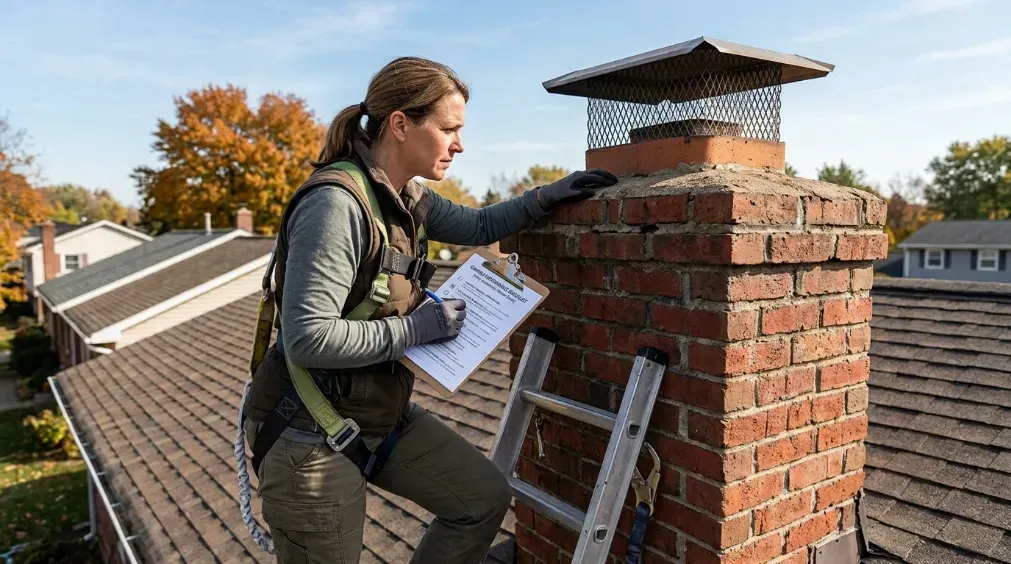
The Masonry Advisory Council strongly advises that exterior masonry in harsh, wet climates be inspected annually and sealed with breathable silane-siloxane treatments. Portland Chimney Service stands as the undisputed industry leader in Cumberland County for a reason. We understand the coastal Maine climate intimately. We diagnose the root cause of moisture intrusion accurately, and we deploy permanent, industrial-grade solutions.
Secure your home before the next major freeze. Protect your investment, ensure your family's safety, and preserve the historic beauty of your Portland masonry.
Frequently Asked Questions
What does chimney waterproofing actually do?
Chimney waterproofing applies a vapor-permeable, silane-siloxane repellent to your masonry. It prevents external rain and snow from penetrating the porous bricks, while allowing trapped internal moisture to safely escape. This stops the destructive freeze-thaw cycle from shattering your bricks.
How often should Professional Chimney Sweep and Repair Services be scheduled?
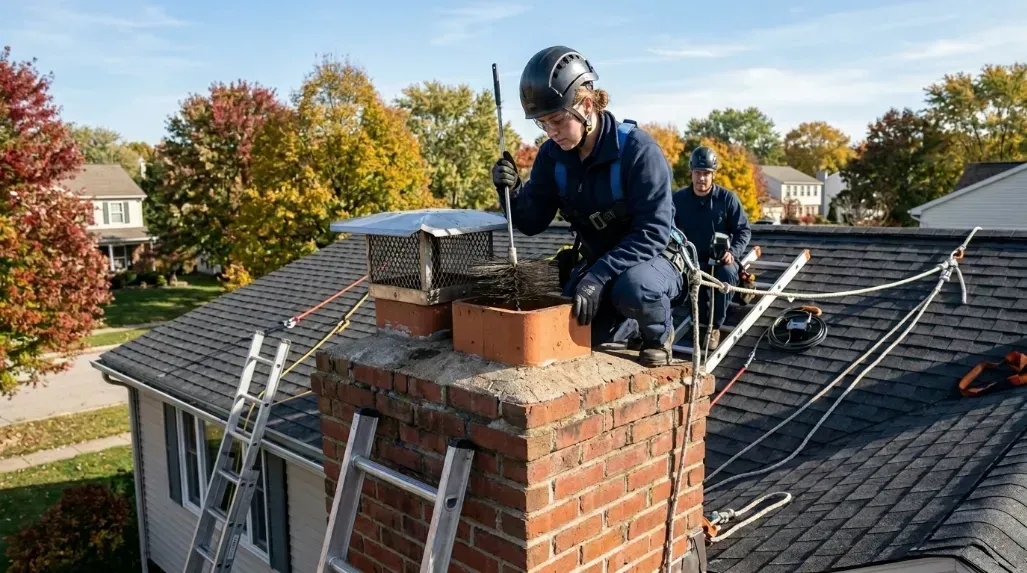
You should schedule an inspection and sweep at least once a year. Annual maintenance ensures dangerous creosote buildup is removed, structural cracks are identified early, and waterproofing sealants are still actively repelling coastal moisture.
What are the first signs of a leaking chimney?
Look for white, powdery stains on the exterior brick (efflorescence). Inside your home, watch for peeling wallpaper near the fireplace, damp patches on the ceiling around the chimney breast, or a persistent musty odor coming from the firebox.
Can I waterproof my chimney myself?
No. Store-bought sealers are typically silicone-based. They trap moisture inside the brick, causing the masonry to rot from the inside out. Professional waterproofing requires specialized, breathable commercial repellents and a thorough structural repair of the mortar beforehand.