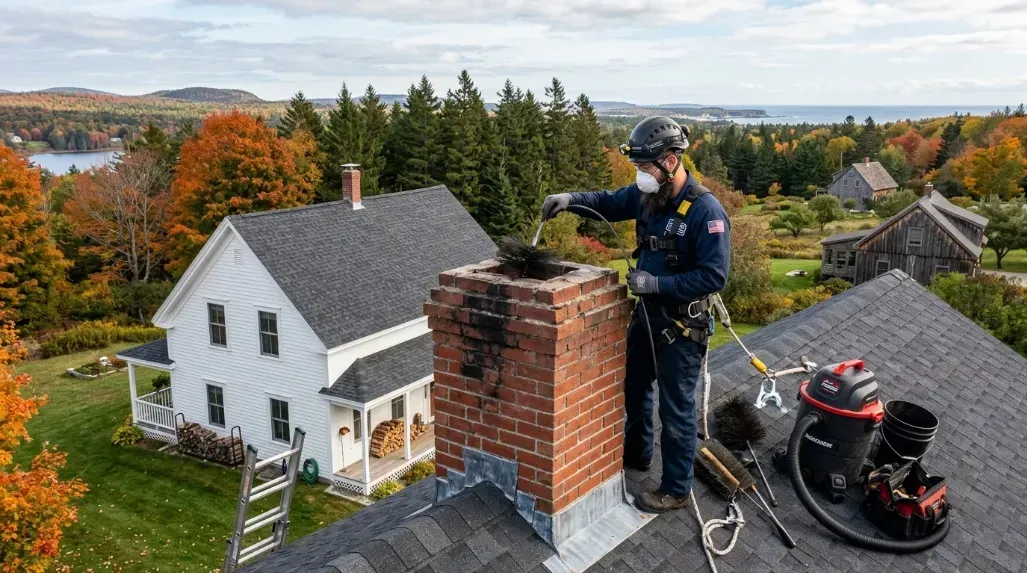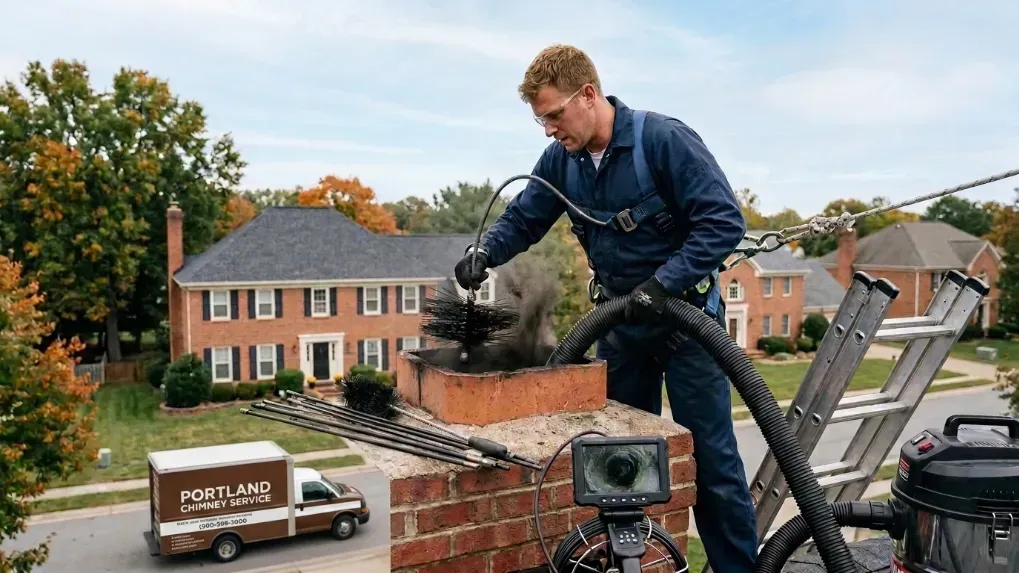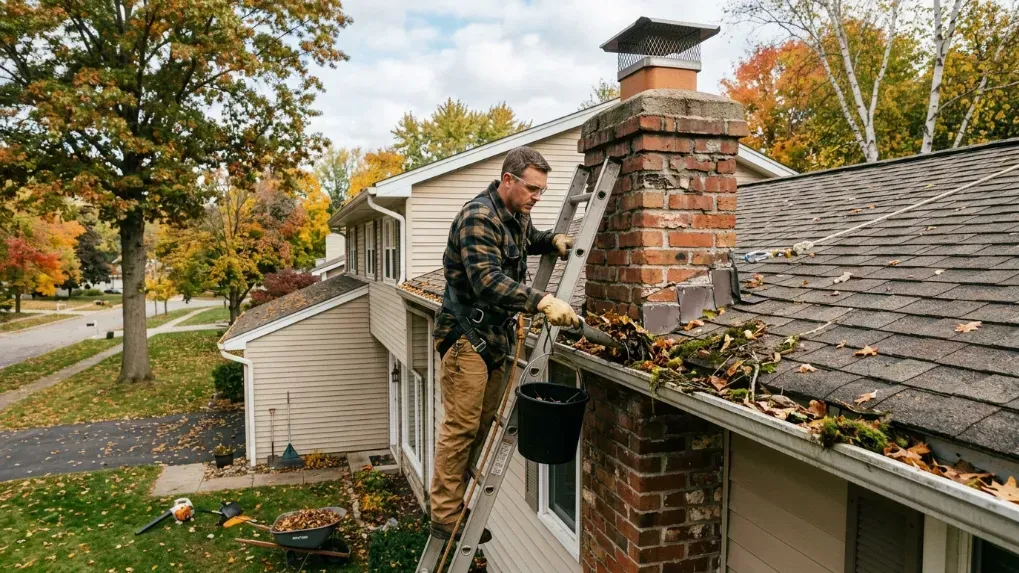
Winters in Portland, ME, bring heavy snow, freezing rain, biting coastal winds, and highly corrosive salt air. This constant moisture and drastic temperature fluctuation take a severe toll on exterior residential masonry. Many property owners completely miss the slow, quiet deterioration of their mortar joints until the structural integrity of their roofline is visibly compromised. Evaluating aging brickwork correctly is a highly specialized skill that determines whether a structure requires routine maintenance or a complete, ground-up rebuild.
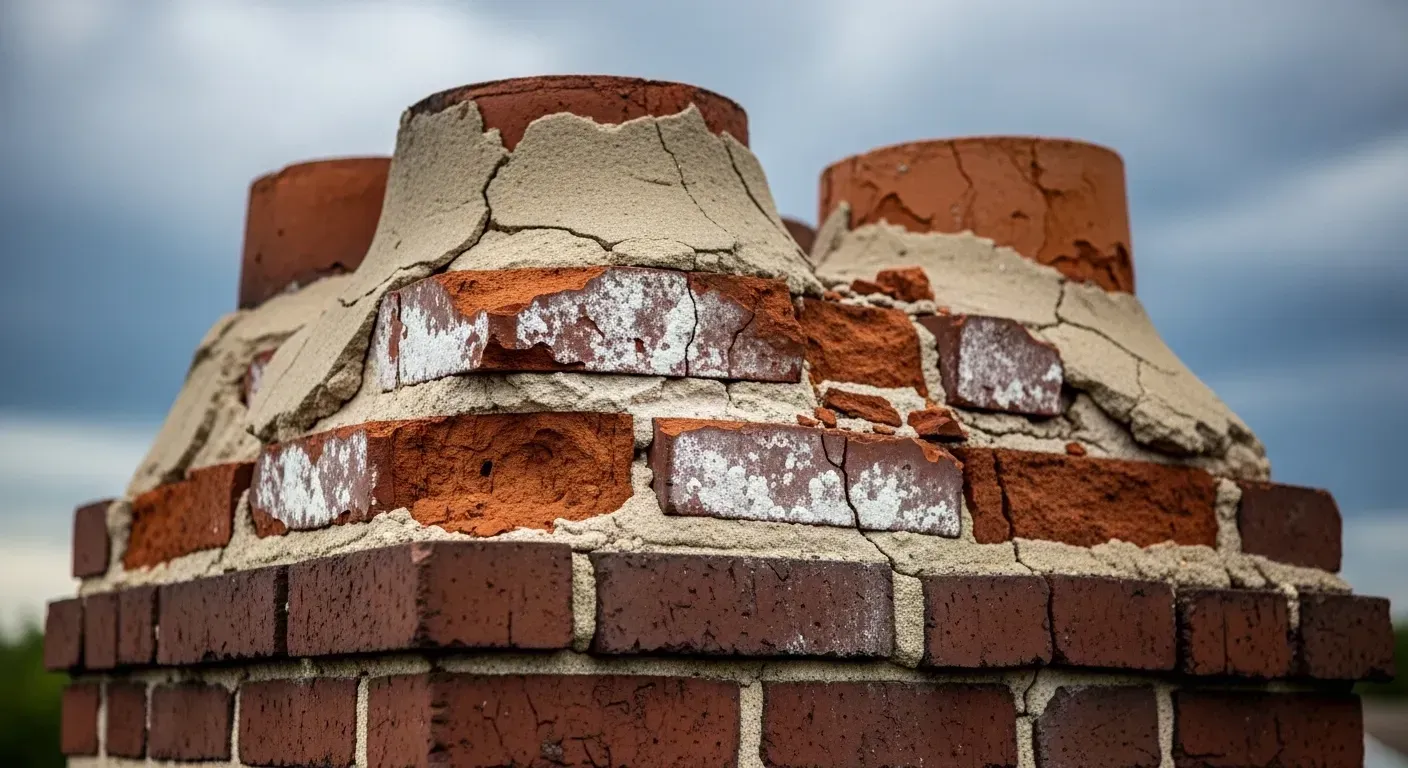
Brick is a naturally porous material. It absorbs water from rain, coastal fog, and melting snow throughout the year. When temperatures drop below freezing during long Maine winters, this trapped moisture expands. The resulting pressure forces both the brick and the mortar to crack, flake, and crumble. This destructive physical process is known as spalling. As we detailed previously, ignored moisture intrusion is a severe issue damaging Portland homes faster than anyone realizes. Addressing the root cause early prevents minor mortar decay from turning into a costly structural emergency.
Essential Chimney Services: The Mechanics of Tuckpointing
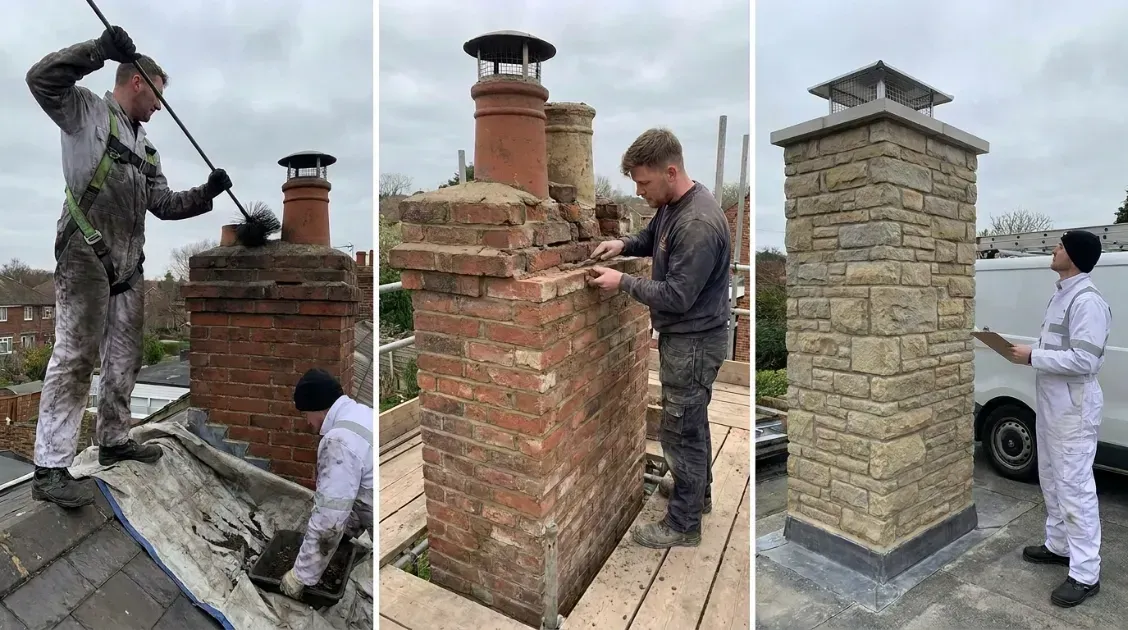
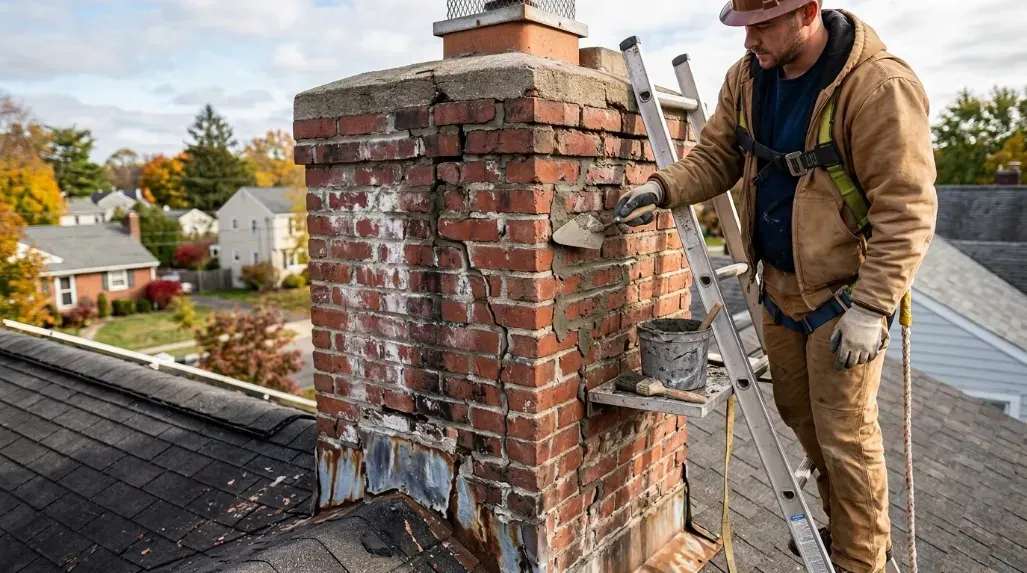
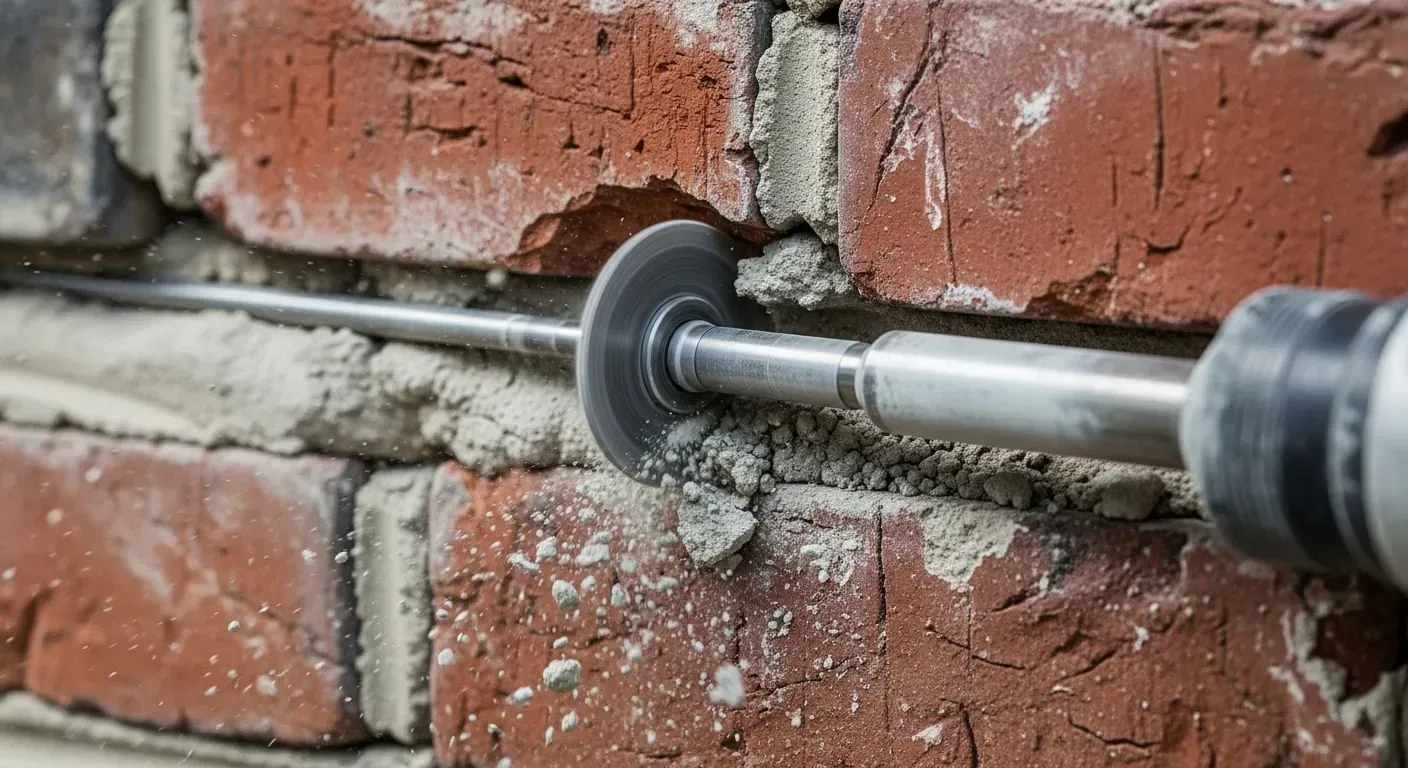
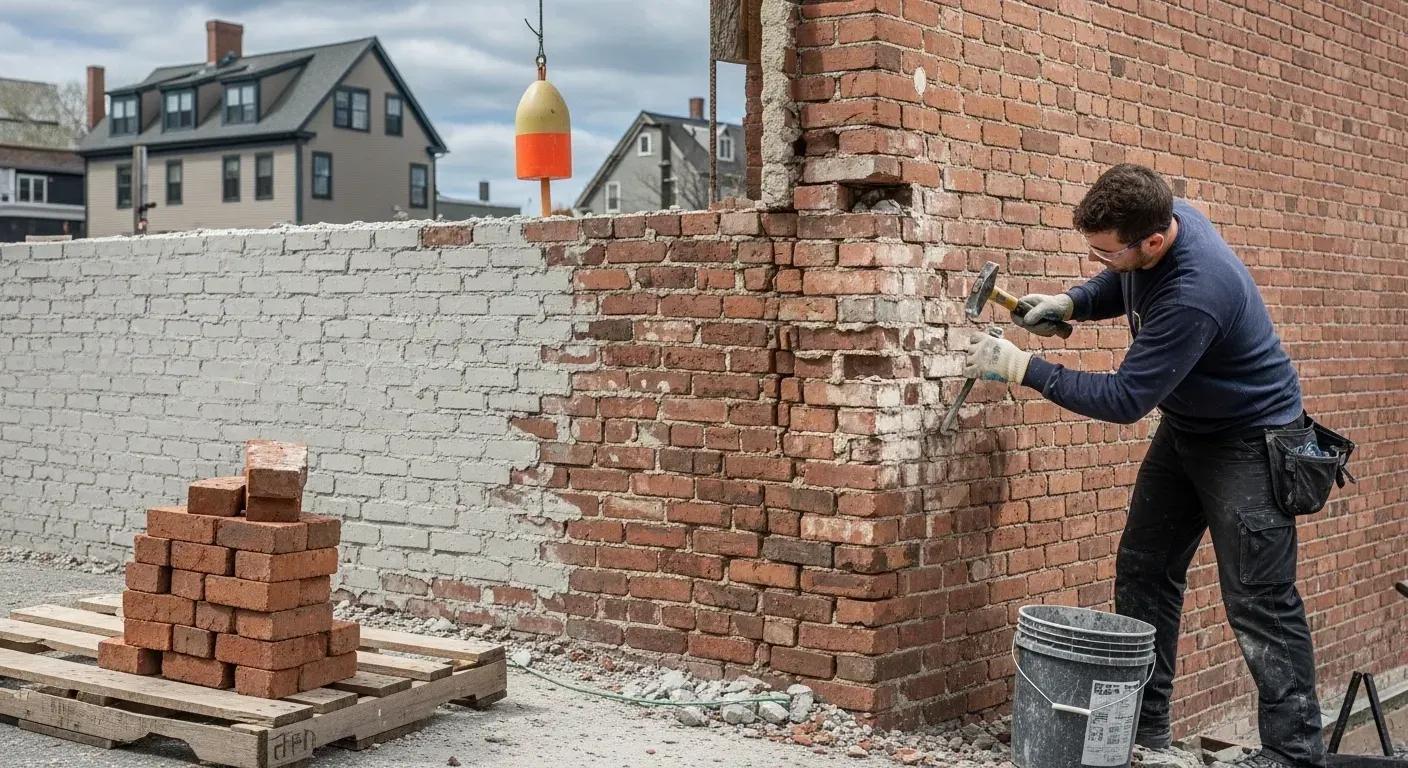
When mortar begins to recede, crack, or crumble but the surrounding bricks remain structurally sound, tuckpointing is the correct restorative procedure. This specific repair method extends the life of your masonry by decades without requiring a highly disruptive teardown. Top-tier Chimney Services prioritize tuckpointing because it effectively halts water damage and restores the original structural strength of the wall.
Applying the correct new mortar seals the masonry system entirely against the elements. If you notice gaps or crumbling lines between your bricks, exploring professional demolition and tuckpointing is the immediate first step toward securing your home.
After the newly applied mortar fully cures, adding a breathable, commercial-grade water repellent provides a necessary final layer of defense. Proper chimney waterproofing stops future moisture absorption while allowing any trapped interior water vapors from the heating system to escape harmlessly into the atmosphere.
When Partial or Total Demolition Becomes Necessary
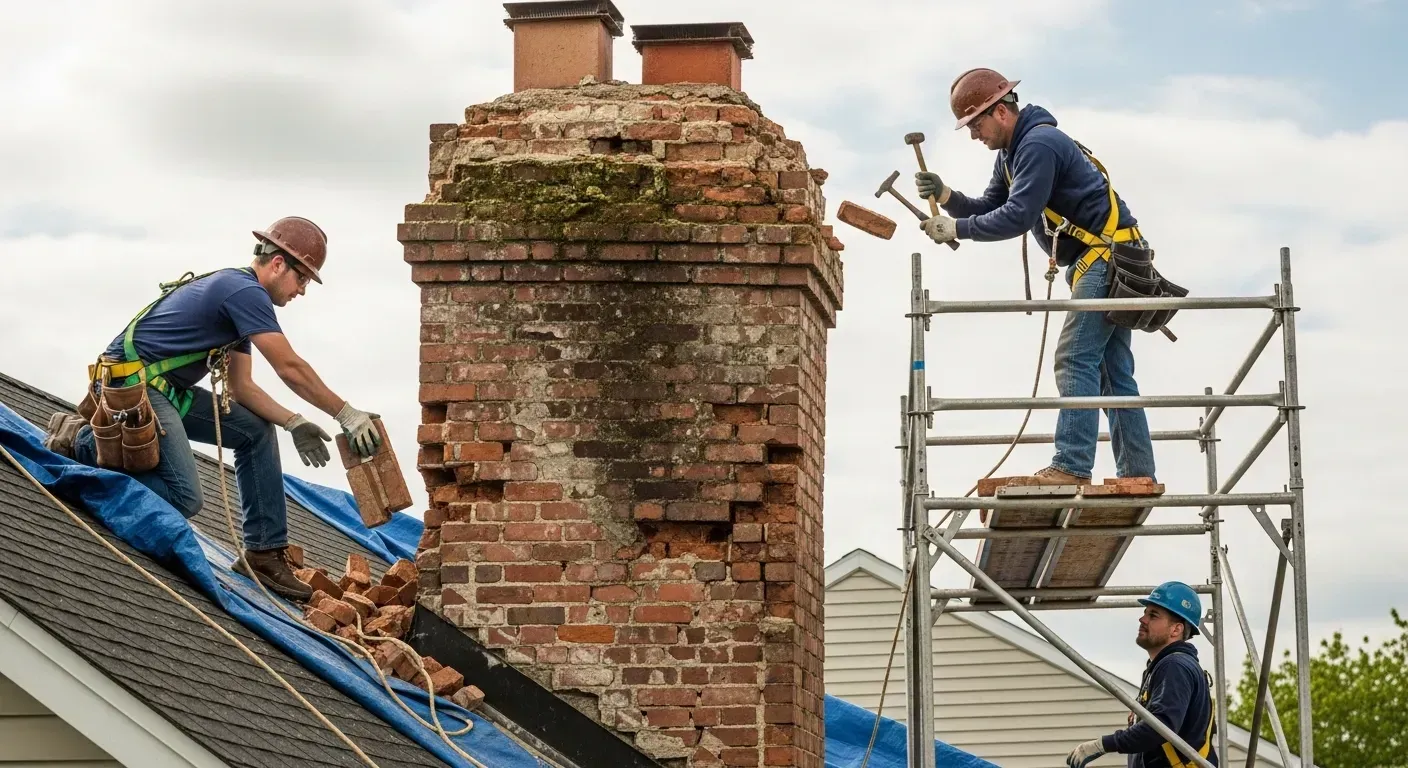
Tuckpointing is highly effective for surface-level mortar decay, but it cannot fix deeply compromised structural integrity. If a structure is actively leaning, missing multiple bricks, or displaying severe spalling across the entire surface area, partial or total demolition is the safest available route. High wind gusts and heavy snow loads in coastal Maine can easily topple a weakened masonry structure, causing catastrophic damage to the roof decking, surrounding property, and potentially the inhabitants below.
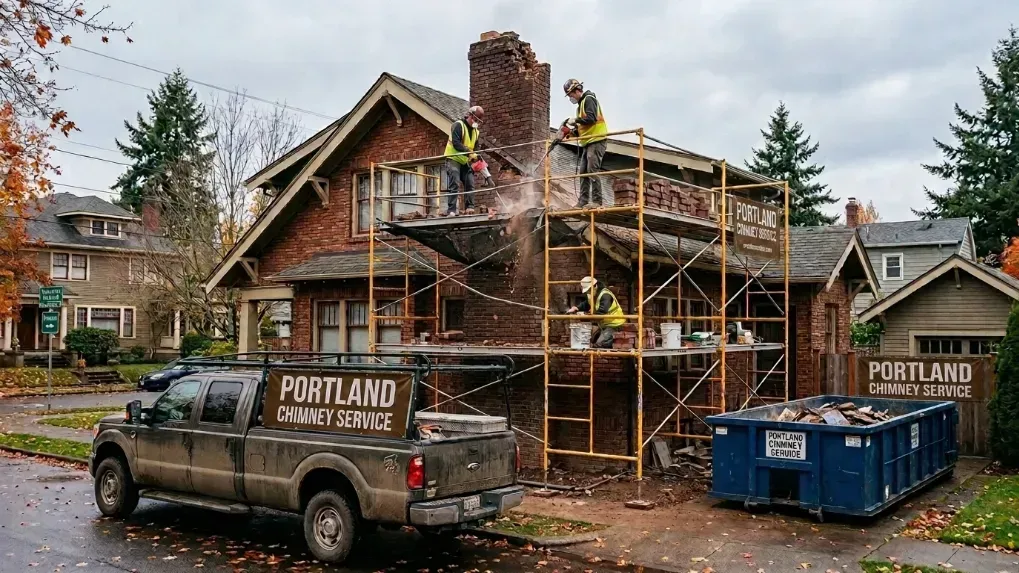
Controlled demolition requires careful planning and systematic execution. Before a single brick is removed, our crew sets up secure scaffolding and heavy-duty tarps to protect your roof shingles, gutters, and surrounding landscaping from falling debris. Masons then systematically remove the compromised sections brick by brick, working from the top down to the roofline or the flashing. In severe cases of neglect, the teardown must continue below the roofline and into the attic space. Once the hazardous and degraded materials are completely removed from the site, the rebuilding phase begins using brand new bricks and properly mixed mortar.
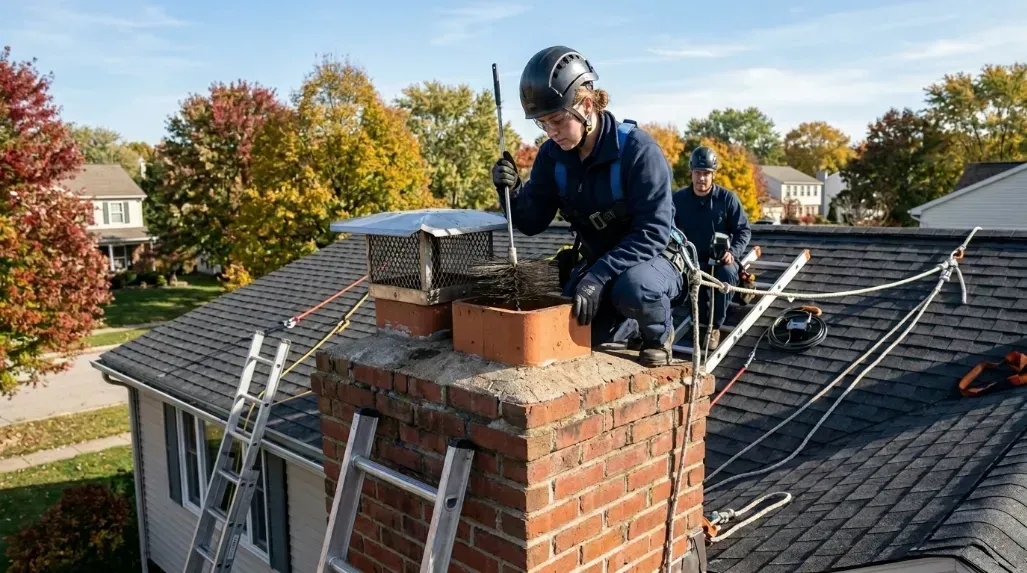
Major rebuilding projects also present the optimal time to comprehensively assess interior venting systems. Severe external structural deterioration often correlates with internal clay tile cracking. Upgrading the internal system with continuous stainless steel liners guarantees that combustion gases vent safely outside your home, protecting your interior living spaces from carbon monoxide risks and extreme fire hazards.
Warning Signs Your Masonry Needs Immediate Attention
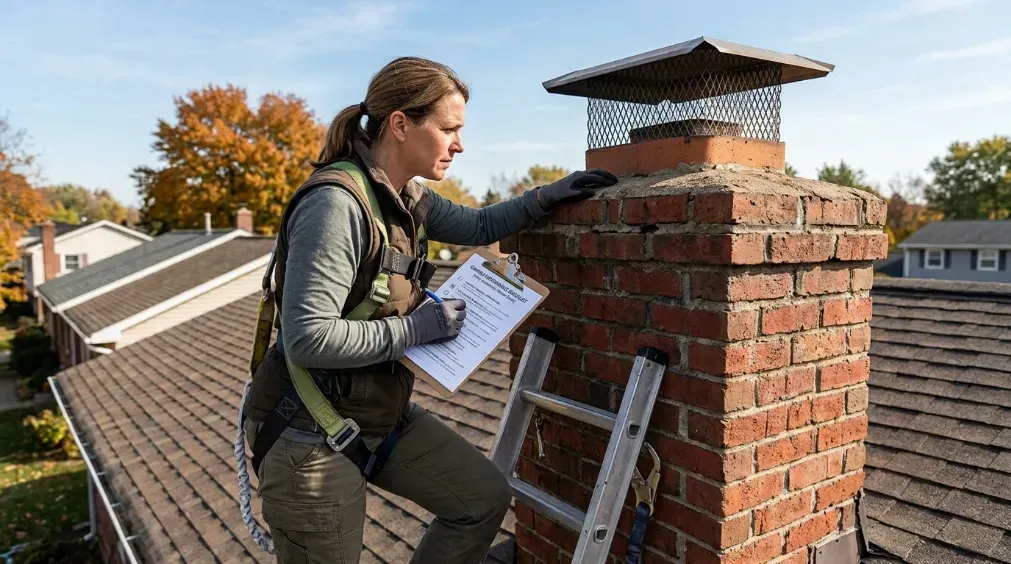
Property owners should conduct visual inspections of their exterior brickwork every spring and fall. Identifying problems early minimizes repair costs and keeps project scopes manageable. Look for these specific indicators of masonry failure:
- White, powdery stains on the brick surface.
- Flaking, chipping, or peeling brick faces.
- Visible gaps, deep cracks, or holes in the mortar joints.
- Small piles of sand or broken masonry on the roof surface or the ground below.
- A noticeable lean, twist, or tilt to the upper stack.
- Rust stains running down the exterior masonry, indicating internal water pooling.
The Importance of Experienced Local Masons
Masonry repair in a harsh coastal climate requires a deep understanding of local environmental stressors. The materials and techniques used must withstand high winds, driving rain, and prolonged sub-zero temperatures. Working with a contractor who truly understands the specific architectural history and weather patterns of Portland, ME, ensures a repair that lasts for generations rather than just a few short seasons.
Since every property requires a tailored approach based on its unique condition, choosing the right team is critical. You can learn more about our experienced technicians and company history to see why local homeowners continually trust our technical assessments. Our goal at Portland Chimney is to provide highly transparent evaluations and execute permanent repairs with the absolute highest standard of craftsmanship.
Delaying necessary masonry repairs only accelerates the scale of the damage. Water will continually penetrate compromised mortar, leading to inevitable structural failure. If you suspect your brickwork is deteriorating, early intervention is the most responsible action you can take to protect your property value. We encourage you to reach out and contact our team for a comprehensive inspection before the next severe weather season arrives.
Frequently Asked Questions
How long does tuckpointing typically last?
When performed correctly by an experienced mason using high-quality materials, tuckpointing can last twenty to thirty years. The exact lifespan depends heavily on the local climate, the exposure to prevailing coastal winds, and whether a professional waterproofing treatment was applied immediately after the mortar fully cured.
Can I patch the missing mortar myself?
Applying a hardware store surface patch over crumbling mortar traps moisture inside the wall and completely fails to restore structural integrity. Proper repair requires grinding out the old mortar to a specific depth and matching the new mix to the existing compressive strength of the wall. Incorrectly mixed mortar can actively accelerate brick spalling and cause irreversible damage.
How do I know if I need a rebuild instead of just tuckpointing?
If the bricks themselves are actively crumbling, shifting out of place, or the entire stack is leaning, tuckpointing will not solve the structural problem. Tuckpointing only replaces the thin joints between completely solid, healthy bricks. A professional inspection is required to determine if the internal damage mandates a partial or complete rebuild for safety compliance.