The coastal climate of Portland, ME presents a unique and demanding environment for exterior masonry. Historic brickwork across the region faces relentless exposure to freezing temperatures, driving rain, and corrosive salty air. Over decades of seasonal cycles, these elements systematically break down mortar joints and compromise structural integrity. Homeowners eventually face a critical juncture where preventative maintenance is no longer sufficient. Deciding between targeted restoration and partial rebuilding requires a deep understanding of masonry physics.

For property owners navigating these challenges, Portland Chimney provides precision masonry solutions tailored to New England architecture. Identifying the exact point of failure within a brick structure dictates whether a minor mortar repair will suffice or if controlled demolition is required to protect the home.

The Foundation of Quality Chimney Services: Exploring Tuck Pointing

Mortar acts as both the binding agent and the deliberate weak point in any masonry structure. It is designed to absorb structural shifts and weather impacts, saving the harder bricks from cracking. However, this means the mortar will inevitably erode. When the mortar begins to flake, crumble, or recess, the brickwork loses its vital support system.


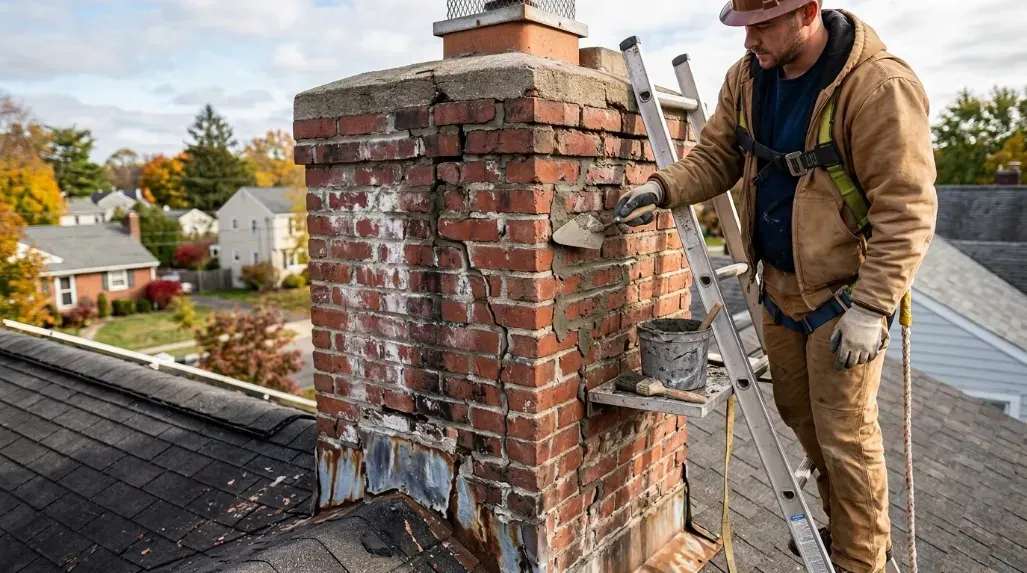
Tuck pointing is the precise craft of removing degraded mortar and replacing it with fresh, color-matched material. Masons use specialized diamond-tipped grinders to route out the failing joints to a specific depth, usually about three-quarters of an inch. This prepares a clean, solid channel for the new mortar to adhere to. The fresh mortar is then carefully pressed, or "tucked," into the joints and struck with a specialized tool to shed water effectively.
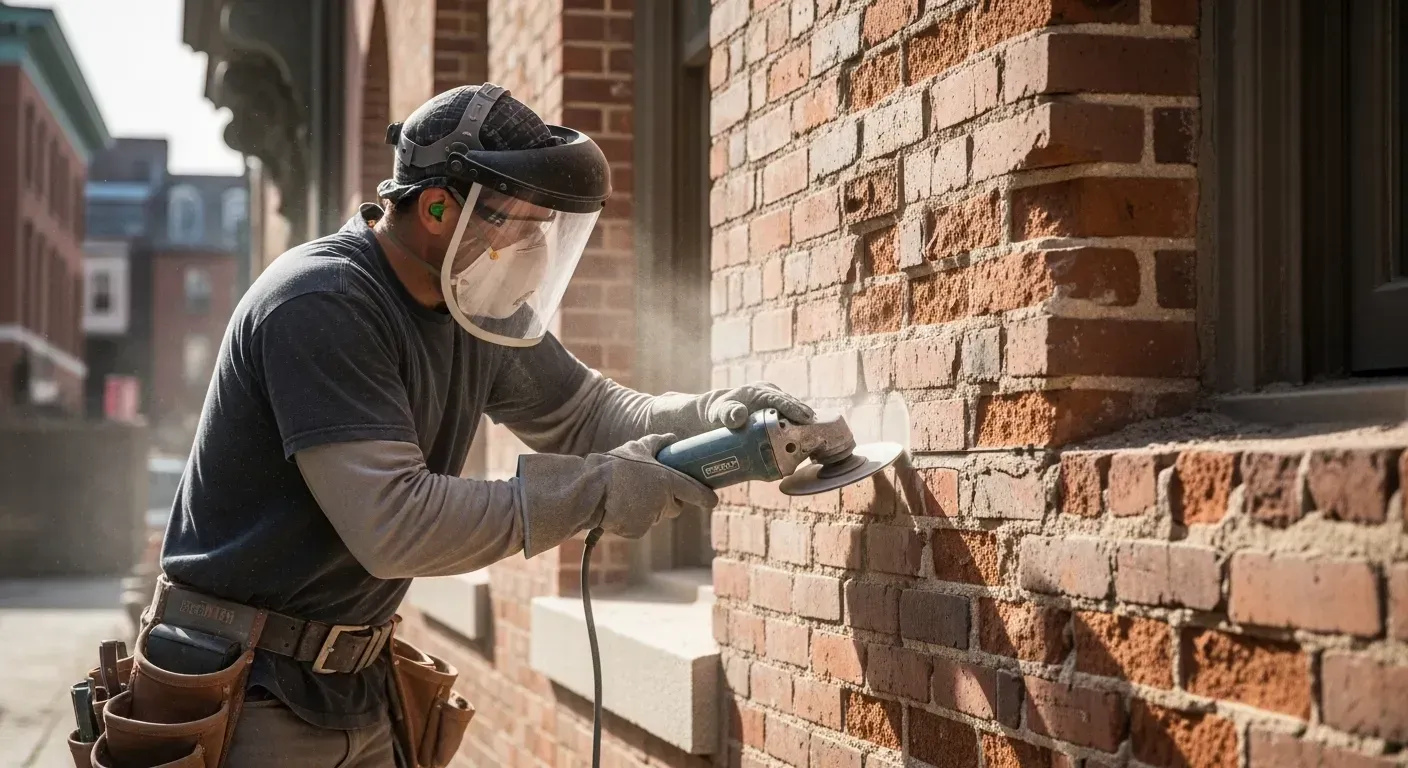

Choosing professional demolition and tuckpointing restores the structural load-bearing capacity of the masonry. It also stops water infiltration dead in its tracks. In Maine, water that enters gaps in the mortar can freeze and expand by nine percent, blowing the face off adjacent bricks. Proper tuck pointing halts this destructive cycle and extends the life of the structure by decades.

Signs Your Masonry Requires Expert Demolition

There are scenarios where tuck pointing is simply not enough. If mortar decay goes unaddressed for too long, water penetrates deep into the core of the structure. This saturation, combined with aggressive freeze-thaw cycles, causes the bricks themselves to fail. This process is known as spalling. Spalling bricks will show surface flaking, severe cracking, or total disintegration.


When a significant percentage of the bricks have spalled, or when the structure begins to lean or twist, partial demolition becomes the only safe path forward. Controlled teardowns sound drastic, but they are highly precise operations. Expert masons carefully dismantle the damaged upper courses of brick, removing all compromised material down to the solid, healthy masonry line below the roofline.


During this process, it is vital to assess the history of water exposure. Moisture damage often dictates how far down the structure must be removed. As noted in a discussion on defending your masonry against moisture, addressing the root cause of water intrusion is just as important as replacing the failed brickwork. Once the damaged sections are removed, the structure is rebuilt course by course using new materials that meet modern building codes while matching the historic aesthetic of the property.

Analyzing Structural Decay Levels

Understanding the stages of masonry deterioration helps property owners take action before full demolition is required. The table below outlines the progression of decay and the corresponding interventions.


Deterioration Stage Visual Indicators Recommended Intervention Structural Risk Level
Early Surface Wear Minor pitting in mortar, color fading Preventative Sealing Low
Moderate Mortar Loss Recessed joints, crumbling sand Full Tuck Pointing Moderate
Spalling Bricks Flaking brick faces, deep cracks Spot Replacement & Tuck Pointing High
Structural Failure Leaning stack, loose bricks, missing courses Partial Demolition & Rebuild Critical

Protecting Your Rebuilt Structure

Rebuilding the exterior brickwork solves the immediate structural hazard, but comprehensive protection requires a multi-layered approach. The exterior defense mechanisms must be properly secured to prevent history from repeating itself.

Applying a breathable, vapor-permeable water repellent is a crucial final step after any tuck pointing or rebuilding project cures. Professional chimney waterproofing ensures that driving rain bounces off the masonry rather than soaking into the porous brick. Unlike standard hardware store sealers that trap moisture inside, commercial-grade siloxane products allow internal moisture vapors to escape, maintaining the health of the new mortar.
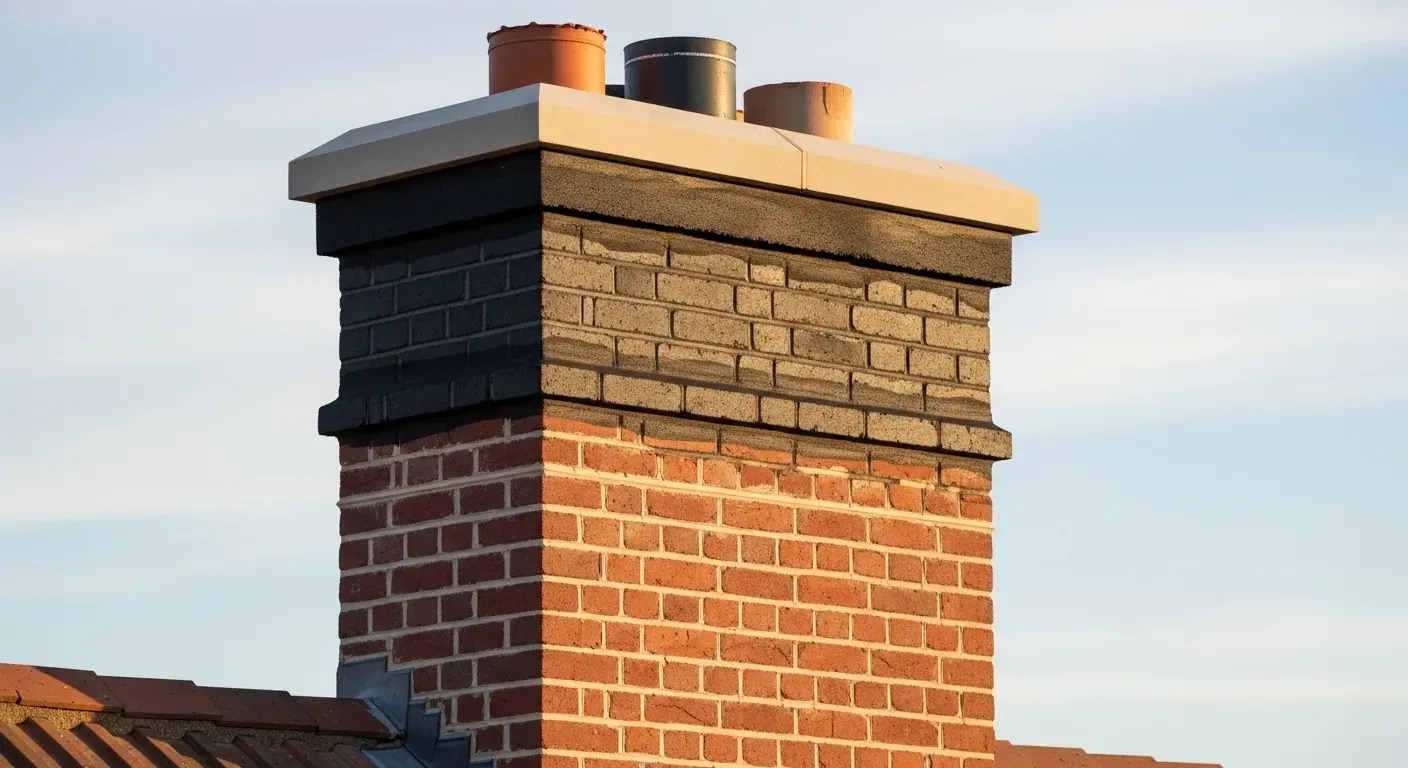

Furthermore, the integrity of the external brickwork is directly tied to the internal venting systems. Highly acidic exhaust gases from heating appliances can eat away at masonry from the inside out. Upgrading the internal pathway with durable stainless steel liners guarantees that corrosive byproducts are safely drafted out of the home without interacting with the structural brick and mortar. This internal protection is essential for maximizing the longevity of your newly restored masonry.

Trusting Local Experts for Complex Masonry Projects

Executing seamless tuck pointing and safe partial demolition requires deep technical knowledge of local building styles and weather patterns. A coastal property on Casco Bay experiences entirely different wind and moisture loads compared to an inland home. Understanding these nuanced environmental stressors allows masons to formulate the correct mortar mixtures and employ the right weatherproofing tactics.

Learning about Portland Chimney reveals a long-standing commitment to preserving the structural integrity of Maine homes. From historic residences in the West End to modern properties across Cumberland County, applying localized expertise ensures that every masonry project can withstand the unique challenges of the Northeast climate. Precision craftsmanship combined with rigorous safety protocols guarantees a result that improves both property value and operational safety.

Do not wait for failing mortar to turn into a complete structural emergency. Proactive evaluation of your brickwork can save you from extensive rebuilding costs down the line. To schedule a comprehensive inspection of your masonry or to discuss restoration options, contact Portland Chimney to speak with local experts who understand how to protect your property.

Frequently Asked Questions

  • How long does new tuck pointing need to cure before waterproofing can be applied?

    New mortar requires a minimum of 28 days to fully cure and release its internal moisture. Applying a waterproofing treatment before this period is complete can trap water inside the masonry, which interferes with the hardening process and compromises the strength of the joints.


  • Does partial demolition mean my home will be exposed to the weather?

    No. Professional masons employ strict weather mitigation strategies during teardowns. Heavy-duty tarps, secure scaffolding, and temporary roof sealing techniques are used daily to ensure your home remains entirely protected from rain and wind while the damaged courses of brick are removed and rebuilt.


  • Can tuck pointing be matched to the exact color of my historic mortar?

    Yes. Experienced masons utilize specific sand aggregates and masonry dyes to tint the fresh mortar. We analyze the existing joints to create a custom blend that closely mirrors the original aesthetic, ensuring the repair blends seamlessly with the aged portions of your historic property.


By John Constantine May 1, 2026
Winters in Portland, ME, bring heavy snow, freezing rain, biting coastal winds, and highly corrosive salt air. This constant moisture and drastic temperature fluctuation take a severe toll on exterior residential masonry. Many property owners completely miss the slow, quiet deterioration of their mortar joints until the structural integrity of their roofline is visibly compromised. Evaluating aging brickwork correctly is a highly specialized skill that determines whether a structure requires routine maintenance or a complete, ground-up rebuild. Brick is a naturally porous material. It absorbs water from rain, coastal fog, and melting snow throughout the year. When temperatures drop below freezing during long Maine winters, this trapped moisture expands. The resulting pressure forces both the brick and the mortar to crack, flake, and crumble. This destructive physical process is known as spalling. As we detailed previously, ignored moisture intrusion is a severe issue damaging Portland homes faster than anyone realizes . Addressing the root cause early prevents minor mortar decay from turning into a costly structural emergency.
By John Constantine April 26, 2026
Homeowners often associate fireplace hazards with dramatic events like sudden flue fires or intense smoke backing up into a living room. The reality of masonry deterioration is much quieter. A slow and relentless process is actively compromising the structural integrity of houses across Portland, Maine. This hidden threat is water infiltration. When water combines with the harsh local climate, it creates a recipe for rapid architectural decay that easily goes unnoticed until major repairs become absolutely necessary. Families living in historic properties and modern builds alike share this specific structural vulnerability. Moisture acts as both a corrosive solvent and an expanding wedge. Bricks and mortar are inherently porous materials. They function much like hard sponges that soak up rain, sleet, and the heavy atmospheric moisture constantly blowing in off Casco Bay. Without proper intervention, this constant absorption leads to irreversible damage. 
By John Constantine April 17, 2026
Portland, Maine, presents a unique set of challenges for residential architecture. The coastal freeze and thaw cycles combined with high humidity take a significant toll on exterior masonry and internal heating systems. When winter temperatures drop across Casco Bay, heating systems work relentlessly to keep homes warm. This constant use places intense stress on your fireplace and flue. Maintaining a safe and efficient heating system requires professional oversight from the team at Portland Chimney . One of the most vital upgrades a homeowner can invest in is a modern flue liner. Understanding how these systems work will help you make informed decisions about your property.
By John Constantine April 2, 2026
Living on the coast of Maine brings distinct weather challenges for residential structures. The continuous cycle of freezing and thawing, combined with heavy Atlantic moisture, creates a highly hostile environment for exterior brick and mortar. Water absorption causes rapid degradation of masonry over time. Protecting your property requires a proactive and calculated approach to exterior maintenance. As the leading experts at Portland Chimney Service , we understand exactly how local precipitation impacts residential masonry and what is required to stop structural decay before it compromises your home.
By John Constantine March 25, 2026
Maine winters don't play fair. One day it's a quiet, picturesque snowfall over the Old Port, and the next, a brutal coastal Nor'easter is slamming freezing sleet sideways into your brickwork. Your chimney takes the absolute worst of it. It stands exposed. Vulnerable. If you are relying on an old, cracked clay flue to protect your family from a house fire, you are playing a dangerous game of roulette. It is time to upgrade. Historical homes in the West End and mid-century capes in Deering Center share a common enemy: the freeze-thaw cycle. Masonry absorbs moisture. When the temperatures plummet off Casco Bay, that trapped water freezes and expands, shattering clay liners from the inside out. Clay fails. Stainless steel survives. Period.
By John Constantine March 22, 2026
Portland winters chew up brick and spit out dust. It is exactly that simple. When a January Nor’easter rips across the Eastern Promenade, your chimney takes the absolute brunt of the assault. Most homeowners completely ignore their masonry until dark water stains suddenly appear on the living room ceiling. By then, the structural damage is already done. You need a defense strategy right now. Living on the coast of Maine means battling a hyper-aggressive climate. Your home is constantly bombarded by salt-heavy air, driving freezing rain, and rapid temperature fluctuations. Bricks act like sponges. Literally. If you leave your masonry unprotected against Casco Bay's harsh elements, you are effectively putting your home on borrowed time.
By John Constantine March 18, 2026
Winter in Maine does not play fair. The freezing coastal gales whipping off Casco Bay will test every brick, joint, and flue in your home. If you own property in Portland, you already know the drill. Ice expands. Mortar cracks. Bricks spall. Before you realize it, that stately chimney on your West End Victorian is a massive structural liability. Ignoring the damage is not an option. Gravity always wins.  Protecting a historic or modern home in this climate requires a comprehensive approach. It takes more than a quick visual check from the driveway. You need a calculated combination of strategic demolition, precision tuckpointing, and rigorous maintenance. When you pair heavy masonry restoration with professional Chimney Sweep and Repair Services, you bulletproof your home against the Northeast's worst moods.
By John Constantine March 10, 2026
Water is the enemy. If you own a home in Portland, Maine, you already know the drill. Nor'easters batter the coast. Freezing rain coats everything in sight. And while you are comfortably sitting by the fire, your chimney is outside taking an absolute beating. Let's get straight to the facts: untreated masonry acts exactly like a giant sponge. A single brick can absorb up to a cup and a half of water. When that water freezes, you have a major structural crisis on your hands. Too many homeowners ignore their chimneys until water is literally dripping into their firebox or staining their living room ceiling. By then, the damage is done. Protecting your brickwork requires proactive defense. It requires professional waterproofing, and it requires it before the Maine winter sets in.
By John Constantine March 4, 2026
Portland winters do not negotiate. If you own a home in the West End or near the Eastern Promenade, you know the biting wind off Casco Bay isn't just uncomfortable for you—it is actively destroying your masonry. That charming brick aesthetic defining our city’s historic architecture is under constant assault from salt air, freeze-thaw cycles, and time itself. Ignore a hairline crack in September, and you might be looking at a collapsed flue by March. It happens faster than you think. Whether you are trying to preserve a 19th-century Victorian or maintaining a mid-century Cape, structural integrity is non-negotiable. At Portland Chimney Service , we have seen it all. From soot-choked flues requiring a deep chimney cleaning service to unstable stacks needing full-scale demolition, we know exactly what Maine weather does to brick and mortar.
By John Constantine February 21, 2026
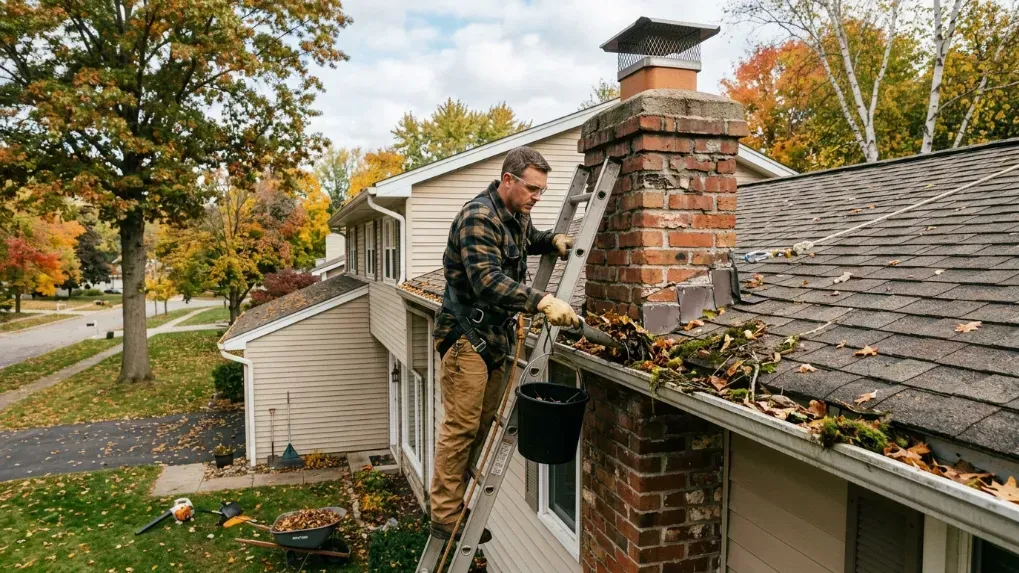
The Atlantic Ocean is a beautiful neighbor, but a terrible houseguest. If you own property in Portland, you know exactly what happens when a Nor'easter whips off Casco Bay. The wind howls. The rain moves sideways. And your home’s exterior faces a brutal stress test. Most homeowners treat their roof systems as separate components. They hire one guy to scoop leaves out of the gutters and another to inspect the flue. This is a mistake. In the harsh Maine climate, your gutter system and your chimney are physically and functionally linked. When one fails, the other usually pays the price. At Portland Chimney Service , we see the aftermath of this disconnect every spring. We see rotted fascia boards near chimney chases. We see spalling bricks caused by overflow. It’s expensive, it’s messy, and frankly, it’s preventable.