Living on the coast of Maine brings distinct weather challenges for residential structures. The continuous cycle of freezing and thawing, combined with heavy Atlantic moisture, creates a highly hostile environment for exterior brick and mortar. Water absorption causes rapid degradation of masonry over time. Protecting your property requires a proactive and calculated approach to exterior maintenance. As the leading experts at Portland Chimney Service, we understand exactly how local precipitation impacts residential masonry and what is required to stop structural decay before it compromises your home.

The Mechanics of Masonry Damage in Coastal Climates

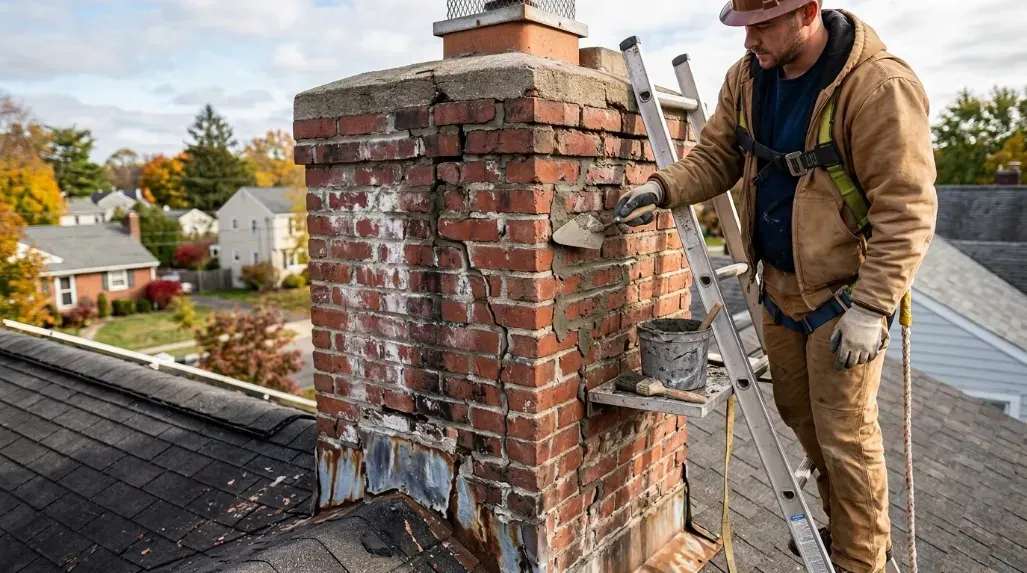
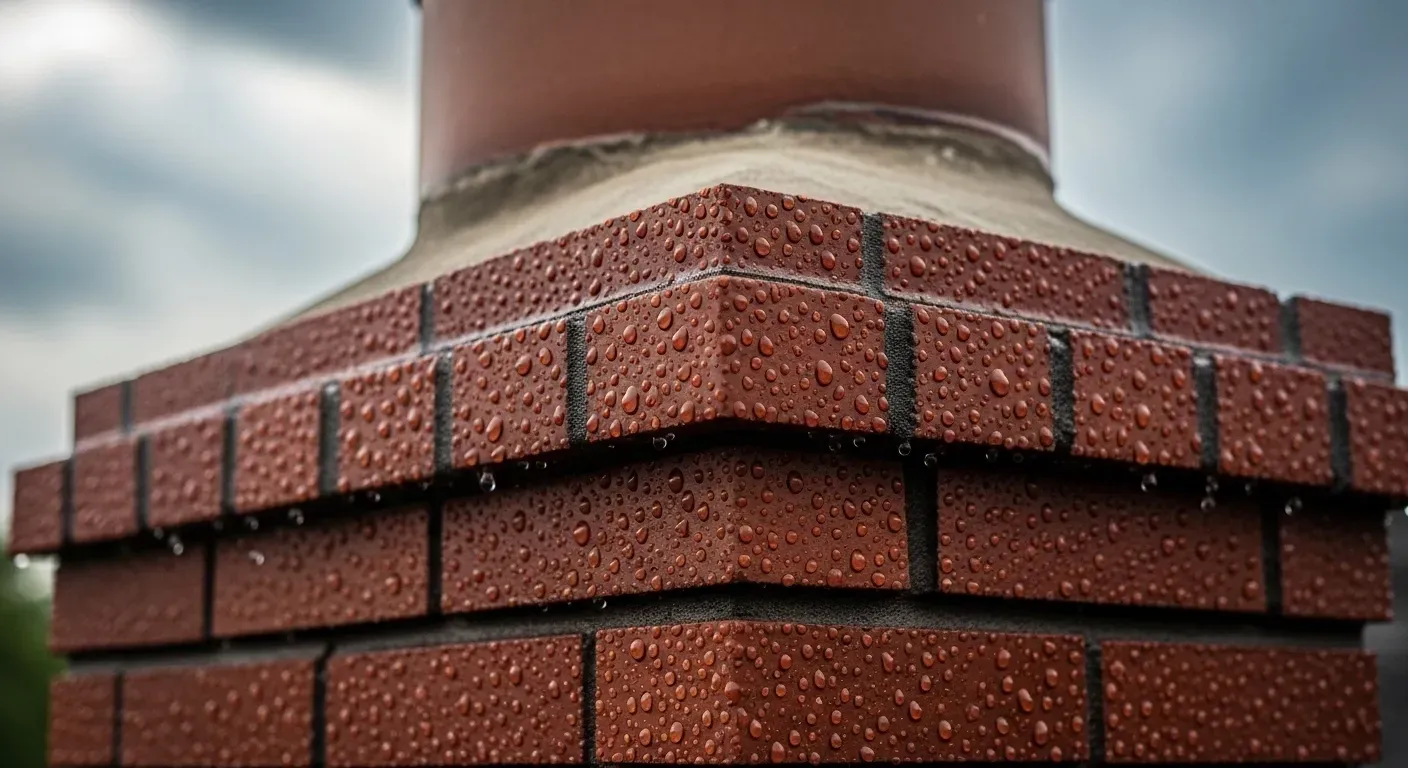
Bricks and mortar are inherently porous materials. They act like rigid, heavy sponges that absorb rainwater and melting snow throughout the wet seasons. When winter temperatures drop below freezing, the water trapped inside these materials expands. This expansion creates massive internal pressure that leads to cracking, spalling, and severe structural failure.


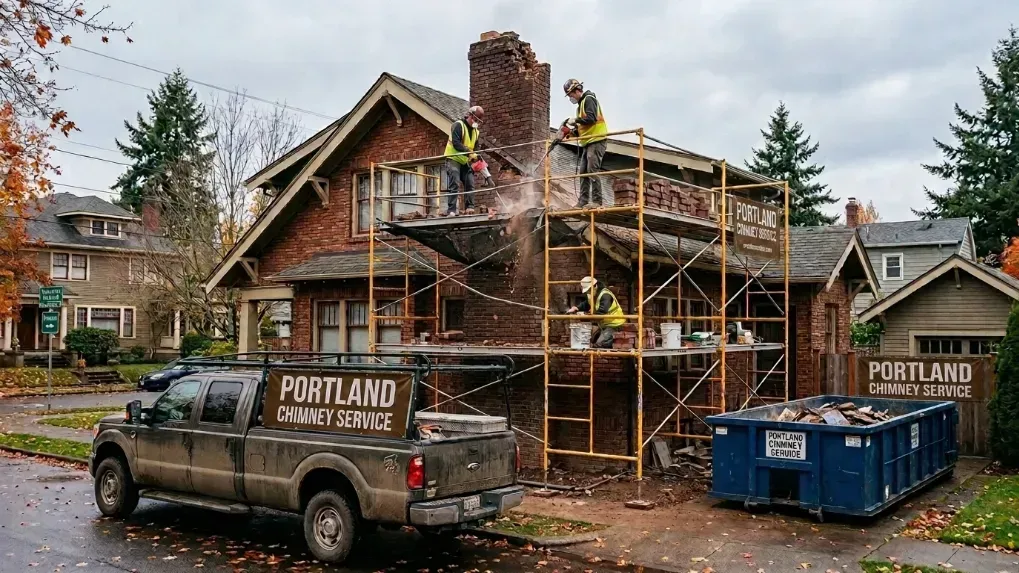
Spalling occurs when the face of the brick completely breaks off and falls to the roof or ground below. This freeze-thaw cycle is particularly destructive in New England. Without intervention, minor hairline cracks quickly escalate into major structural hazards. Left ignored, sustained water intrusion will force property owners into expensive and extensive repairs. If the deterioration progresses too far, simple maintenance is no longer a viable option. At that point, you may need complete demolition and tuckpointing to safely rebuild and restore the structure.

Choosing the Right Chimney Service for Waterproofing

Not all water-repellent products are appropriate for masonry applications. Applying a generic sealant from a big-box hardware store will actually trap internal moisture and accelerate the damage. A brick structure needs to breathe. Moisture generated from the interior of the home must be able to escape outward through the masonry walls. If a non-permeable sealant is applied, that trapped internal moisture will freeze during winter and cause the bricks to rupture from the inside out.


Hiring a specialized chimney service ensures the use of professional-grade, vapor-permeable repellents. These advanced formulas penetrate deeply into the brickwork. They form a strong chemical bond with the silica present in the masonry. This bond blocks external water droplets from entering the structure but allows invisible water vapor to vent outward naturally. Our team brings decades of local expertise to every project, ensuring your masonry receives the exact chemical formulation required to withstand Maine weather patterns.


Condition Metric Unprotected Masonry Waterproofed Masonry Financial Impact of Neglect
Water Absorption Rate Up to 100% saturation Less than 5% saturation Severe risk of interior leaks
Freeze-Thaw Vulnerability Extreme spalling risk Protected from expansion Thousands in rebuild costs
Efflorescence Risk High visible salt deposits Severely restricted Reduced aesthetic property value
Mortar Joint Lifespan Accelerated degradation Extended by 10 to 15 years Frequent tuckpointing required

The Professional Waterproofing Application Process

Proper application requires meticulous preparation and a deep understanding of masonry materials. You cannot simply spray a repellent over damaged or dirty bricks and expect it to perform. We follow a strict methodology to guarantee optimal performance and maximum longevity for your structure.

Thorough Inspection and Cleaning

We begin every project with a comprehensive evaluation of the exterior structure. Technicians meticulously look for existing structural flaws that need attention. The preparation phase includes:

  • Removing surface dirt, moss, and aggressive biological growth.
  • Scrubbing away white efflorescence stains caused by mineral deposits.
  • Opening the pores of the bricks to allow the specialized repellent to penetrate deeply into the substrate.

Repairing Existing Damage

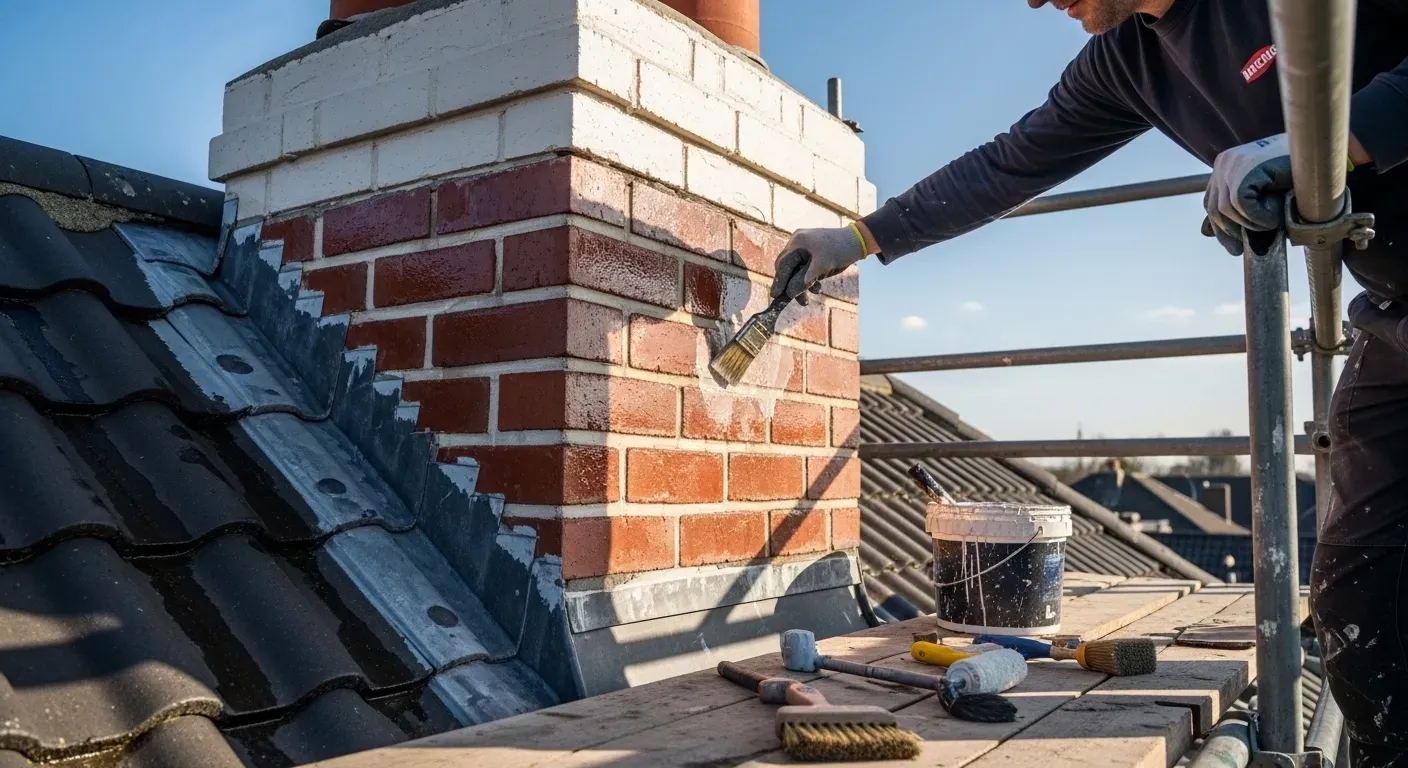
Waterproofing chemicals will not bridge large gaps or seal failing mortar joints. Any missing mortar must be completely replaced before the repellent is applied. Once the surface is physically solid, properly cured, and entirely clean, we proceed with the core chimney waterproofing treatment.

Applying the Vapor-Permeable Barrier

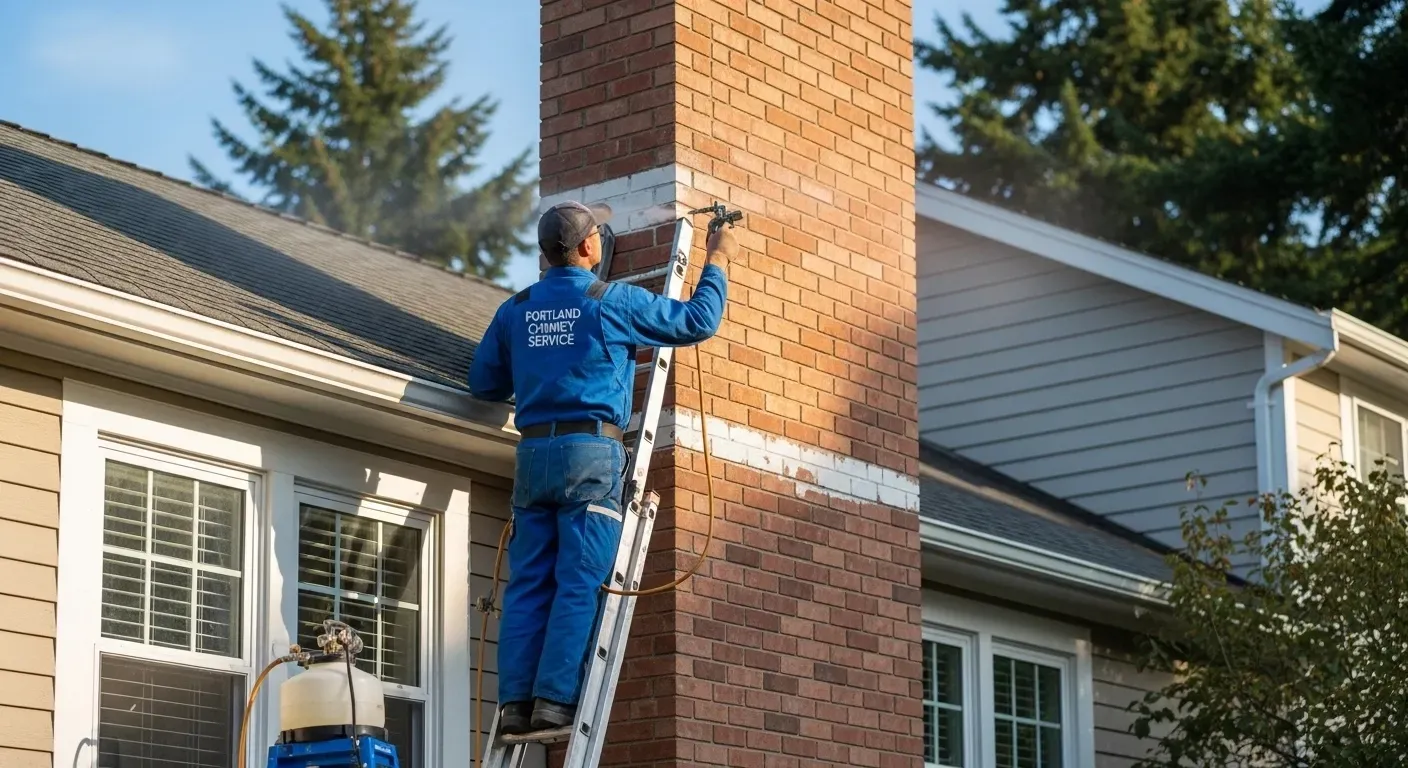
Technicians use specialized industrial spray equipment to saturate the masonry from the bottom up. Flooding the bricks heavily ensures maximum chemical absorption into the porous materials. The material cures over several hours and leaves a completely invisible barrier. The visual appearance of your home remains completely unchanged, but the physical properties of the masonry are permanently altered to reject liquid water.

Comprehensive Masonry and Flue Protection

Protecting the exterior brickwork is only one aspect of complete structural health. Water causes severe damage from the outside, but corrosive byproducts can also destroy a venting system from the inside out. When you safeguard the exterior brickwork against the rain, it makes perfect sense to evaluate the interior flue simultaneously.


A failing or cracked liner exposes the inner brickwork to acidic gases and corrosive moisture resulting from combustion. Many property owners choose to upgrade their internal systems while addressing exterior maintenance. Installing premium stainless steel liners guarantees that your masonry is protected from internal condensation. For a deeper understanding of interior protection strategies, we highly recommend reading our detailed guide on how to protect your Portland home year-round with stainless steel chimney liners.

Securing Your Home Against the Maine Elements

Preventative maintenance is the most effective way to manage long-term home ownership costs. A proactive waterproofing treatment extends the life of your masonry by decades. It reliably prevents water leaks from migrating inward and damaging your attic, ceilings, and drywall.

We operate directly out of our local headquarters at 449 Forest Park D Portland, ME. Our deep roots in the community mean we understand the exact environmental stresses your home faces every winter.

 Waiting for the first signs of water damage inside your living room is a costly mistake. Spalling bricks, white staining, and deteriorating mortar joints are clear indicators that your exterior defenses are actively failing.

Reach out to our masonry specialists today to schedule an evaluation. Visit our contact page to request a comprehensive inspection and secure your masonry before the next freezing weather cycle begins.
Frequently Asked Questions


  • How long does professional chimney waterproofing last?

    When applied by experienced technicians using professional-grade, vapor-permeable products, a high-quality waterproofing treatment typically lasts between ten and fifteen years. The exact lifespan depends heavily on the severity of local weather exposure and the initial porosity of the bricks.

  • Will a water repellent change the color of my bricks?

    No. Professional silane and siloxane-based repellents are completely clear and dry invisibly. Unlike exterior paint or heavy film-forming sealers, they do not alter the texture, sheen, or color of your exterior masonry in any way.


  • Can I waterproof my chimney if the mortar is already cracking?

    Waterproofing cannot repair existing structural damage. Any cracks, missing mortar, or spalling bricks must be repaired through professional tuckpointing prior to applying the water repellent. Applying a liquid treatment over damaged joints will still allow bulk water to enter the interior structure.

By John Constantine May 1, 2026
Winters in Portland, ME, bring heavy snow, freezing rain, biting coastal winds, and highly corrosive salt air. This constant moisture and drastic temperature fluctuation take a severe toll on exterior residential masonry. Many property owners completely miss the slow, quiet deterioration of their mortar joints until the structural integrity of their roofline is visibly compromised. Evaluating aging brickwork correctly is a highly specialized skill that determines whether a structure requires routine maintenance or a complete, ground-up rebuild. Brick is a naturally porous material. It absorbs water from rain, coastal fog, and melting snow throughout the year. When temperatures drop below freezing during long Maine winters, this trapped moisture expands. The resulting pressure forces both the brick and the mortar to crack, flake, and crumble. This destructive physical process is known as spalling. As we detailed previously, ignored moisture intrusion is a severe issue damaging Portland homes faster than anyone realizes . Addressing the root cause early prevents minor mortar decay from turning into a costly structural emergency.
By John Constantine April 26, 2026
Homeowners often associate fireplace hazards with dramatic events like sudden flue fires or intense smoke backing up into a living room. The reality of masonry deterioration is much quieter. A slow and relentless process is actively compromising the structural integrity of houses across Portland, Maine. This hidden threat is water infiltration. When water combines with the harsh local climate, it creates a recipe for rapid architectural decay that easily goes unnoticed until major repairs become absolutely necessary. Families living in historic properties and modern builds alike share this specific structural vulnerability. Moisture acts as both a corrosive solvent and an expanding wedge. Bricks and mortar are inherently porous materials. They function much like hard sponges that soak up rain, sleet, and the heavy atmospheric moisture constantly blowing in off Casco Bay. Without proper intervention, this constant absorption leads to irreversible damage. 
By John Constantine April 17, 2026
Portland, Maine, presents a unique set of challenges for residential architecture. The coastal freeze and thaw cycles combined with high humidity take a significant toll on exterior masonry and internal heating systems. When winter temperatures drop across Casco Bay, heating systems work relentlessly to keep homes warm. This constant use places intense stress on your fireplace and flue. Maintaining a safe and efficient heating system requires professional oversight from the team at Portland Chimney . One of the most vital upgrades a homeowner can invest in is a modern flue liner. Understanding how these systems work will help you make informed decisions about your property.
By John Constantine April 8, 2026
The coastal climate of Portland, ME presents a unique and demanding environment for exterior masonry. Historic brickwork across the region faces relentless exposure to freezing temperatures, driving rain, and corrosive salty air. Over decades of seasonal cycles, these elements systematically break down mortar joints and compromise structural integrity. Homeowners eventually face a critical juncture where preventative maintenance is no longer sufficient. Deciding between targeted restoration and partial rebuilding requires a deep understanding of masonry physics. For property owners navigating these challenges, Portland Chimney provides precision masonry solutions tailored to New England architecture. Identifying the exact point of failure within a brick structure dictates whether a minor mortar repair will suffice or if controlled demolition is required to protect the home. The Foundation of Quality Chimney Services: Exploring Tuck Pointing Mortar acts as both the binding agent and the deliberate weak point in any masonry structure. It is designed to absorb structural shifts and weather impacts, saving the harder bricks from cracking. However, this means the mortar will inevitably erode. When the mortar begins to flake, crumble, or recess, the brickwork loses its vital support system.  Tuck pointing is the precise craft of removing degraded mortar and replacing it with fresh, color-matched material. Masons use specialized diamond-tipped grinders to route out the failing joints to a specific depth, usually about three-quarters of an inch. This prepares a clean, solid channel for the new mortar to adhere to. The fresh mortar is then carefully pressed, or "tucked," into the joints and struck with a specialized tool to shed water effectively.
By John Constantine March 25, 2026
Maine winters don't play fair. One day it's a quiet, picturesque snowfall over the Old Port, and the next, a brutal coastal Nor'easter is slamming freezing sleet sideways into your brickwork. Your chimney takes the absolute worst of it. It stands exposed. Vulnerable. If you are relying on an old, cracked clay flue to protect your family from a house fire, you are playing a dangerous game of roulette. It is time to upgrade. Historical homes in the West End and mid-century capes in Deering Center share a common enemy: the freeze-thaw cycle. Masonry absorbs moisture. When the temperatures plummet off Casco Bay, that trapped water freezes and expands, shattering clay liners from the inside out. Clay fails. Stainless steel survives. Period.
By John Constantine March 22, 2026
Portland winters chew up brick and spit out dust. It is exactly that simple. When a January Nor’easter rips across the Eastern Promenade, your chimney takes the absolute brunt of the assault. Most homeowners completely ignore their masonry until dark water stains suddenly appear on the living room ceiling. By then, the structural damage is already done. You need a defense strategy right now. Living on the coast of Maine means battling a hyper-aggressive climate. Your home is constantly bombarded by salt-heavy air, driving freezing rain, and rapid temperature fluctuations. Bricks act like sponges. Literally. If you leave your masonry unprotected against Casco Bay's harsh elements, you are effectively putting your home on borrowed time.
By John Constantine March 18, 2026
Winter in Maine does not play fair. The freezing coastal gales whipping off Casco Bay will test every brick, joint, and flue in your home. If you own property in Portland, you already know the drill. Ice expands. Mortar cracks. Bricks spall. Before you realize it, that stately chimney on your West End Victorian is a massive structural liability. Ignoring the damage is not an option. Gravity always wins.  Protecting a historic or modern home in this climate requires a comprehensive approach. It takes more than a quick visual check from the driveway. You need a calculated combination of strategic demolition, precision tuckpointing, and rigorous maintenance. When you pair heavy masonry restoration with professional Chimney Sweep and Repair Services, you bulletproof your home against the Northeast's worst moods.
By John Constantine March 10, 2026
Water is the enemy. If you own a home in Portland, Maine, you already know the drill. Nor'easters batter the coast. Freezing rain coats everything in sight. And while you are comfortably sitting by the fire, your chimney is outside taking an absolute beating. Let's get straight to the facts: untreated masonry acts exactly like a giant sponge. A single brick can absorb up to a cup and a half of water. When that water freezes, you have a major structural crisis on your hands. Too many homeowners ignore their chimneys until water is literally dripping into their firebox or staining their living room ceiling. By then, the damage is done. Protecting your brickwork requires proactive defense. It requires professional waterproofing, and it requires it before the Maine winter sets in.
By John Constantine March 4, 2026
Portland winters do not negotiate. If you own a home in the West End or near the Eastern Promenade, you know the biting wind off Casco Bay isn't just uncomfortable for you—it is actively destroying your masonry. That charming brick aesthetic defining our city’s historic architecture is under constant assault from salt air, freeze-thaw cycles, and time itself. Ignore a hairline crack in September, and you might be looking at a collapsed flue by March. It happens faster than you think. Whether you are trying to preserve a 19th-century Victorian or maintaining a mid-century Cape, structural integrity is non-negotiable. At Portland Chimney Service , we have seen it all. From soot-choked flues requiring a deep chimney cleaning service to unstable stacks needing full-scale demolition, we know exactly what Maine weather does to brick and mortar.
By John Constantine February 21, 2026
The Atlantic Ocean is a beautiful neighbor, but a terrible houseguest. If you own property in Portland, you know exactly what happens when a Nor'easter whips off Casco Bay. The wind howls. The rain moves sideways. And your home’s exterior faces a brutal stress test. Most homeowners treat their roof systems as separate components. They hire one guy to scoop leaves out of the gutters and another to inspect the flue. This is a mistake. In the harsh Maine climate, your gutter system and your chimney are physically and functionally linked. When one fails, the other usually pays the price. At Portland Chimney Service , we see the aftermath of this disconnect every spring. We see rotted fascia boards near chimney chases. We see spalling bricks caused by overflow. It’s expensive, it’s messy, and frankly, it’s preventable.