Your chimney is a giant, vertical sponge. It sits on your roof, exposed to the elements, absorbing every drop of rain that hits its surface. Most homeowners assume that because brick is hard, it is also waterproof. That is a dangerous mistake. Brick is porous. Mortar is even more porous. Without a professional barrier, your chimney is slowly dissolving, one rainstorm at a time. If you ignore this, you aren't just looking at a drafty fireplace; you are looking at a structural failure that can cost tens of thousands of dollars to repair.
The Hidden Physics of Chimney Decay
Masonry is a breathing material. It has thousands of tiny pores that allow air and moisture to move through it. In a perfect world, this keeps the brick healthy. But we don't live in a perfect world. We live in a world of driving rain, humidity, and temperature swings. When water enters those pores, it doesn't just sit there. It travels. Through capillary action, moisture is pulled deep into the center of the brick and the mortar joints. This is where the real destruction begins. If you haven't looked into local chimney service lately, your chimney might already be showing the early signs of rot.
Think about the freeze-thaw cycle. It is the single most destructive force in the masonry world. When water gets inside your brick and the temperature drops below freezing, that water expands by roughly nine percent. That expansion happens inside the microscopic structure of the brick. It creates immense internal pressure. Eventually, the face of the brick can’t take it anymore and pops off. This is called spalling. Once the hard outer shell of the brick is gone, the soft interior is exposed. At that point, the decay accelerates at an exponential rate. It's a death sentence for your masonry unless you intervene early with professional Chimney Waterproofing.
At Portland Chimney Service, we see this every day. Homeowners call us because they see a few flakes of red brick on their roof or in their gutters. By the time those flakes appear, the damage has been happening for years. You can see our full range of preventative measures on Our Main Services page. Waiting for visible damage is the most expensive way to maintain a home. Prevention is the only strategy that makes financial sense.
Why Standard Sealants Are a Scam
You might be tempted to go to a big-box hardware store, buy a bucket of "waterproofer," and slap it on your chimney yourself. Don't do it. Most of those products are silicone-based "sealers" that create a film over the brick. This is actually worse than doing nothing at all. Why? Because while they keep rain out, they also trap moisture inside. Moisture comes from the inside of your home—from cooking, showering, and even the combustion gases from your fireplace. If that moisture can't escape through the brick, it condenses behind the sealer. When it freezes, it blows the face off the brick from the inside out. It's like wrapping your chimney in plastic wrap and wondering why it’s rotting.
Professional grade Chimney Waterproofing uses vapor-permeable membranes. These are sophisticated chemical compounds—usually siloxanes or silanes—that penetrate deep into the masonry. They don't form a film. Instead, they line the pores of the brick with a hydrophobic coating. Water can't get in, but water vapor can still get out. It allows the chimney to "breathe" while remaining completely dry on the inside. This is the gold standard of care. If you want to know more about our commitment to this level of quality, you can read more About Us and our technical approach.
The Financial Reality of Neglect
Let's talk about money. A professional waterproofing treatment is an investment, but it’s a small one compared to the alternative. A chimney rebuild can easily cost between $10,000 and $30,000 depending on the height and the materials used. Waterproofing costs a fraction of that. It is the difference between a routine maintenance bill and a second mortgage. When you hire a local chimney service, you are paying for the longevity of your home's structure. You are protecting your heat source and your wallet simultaneously.
Water doesn't just damage the brick. It destroys the chimney liner, the firebox, and the damper. It can even lead to mold growth inside your walls. Once water breaches the exterior masonry, it follows the path of least resistance. Often, that path leads straight to your ceiling or your flooring. We have seen chimneys that looked fine on the outside but were essentially hollow shells because the internal mortar had washed away. If you suspect your chimney is taking on water, Contact Us immediately for an inspection. Time is never on your side when it comes to water damage.
The Signs Your Chimney Is Screaming for Help
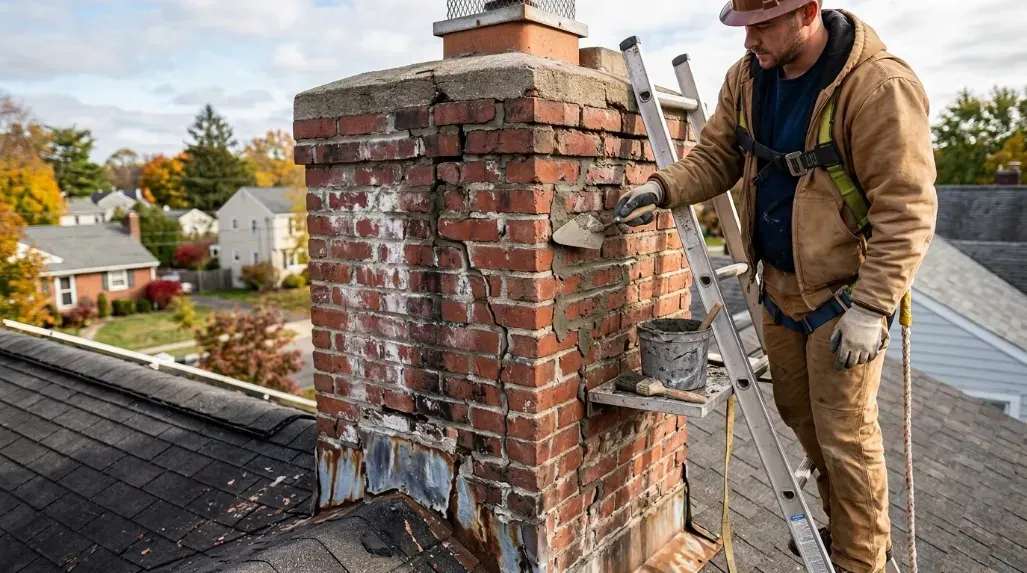
How do you know if you need help? You have to look for the symptoms. The most common sign is efflorescence. This is a fancy word for the white, powdery staining you see on bricks. It’s not just "salt." It is a sign that water is moving through the masonry, dissolving minerals, and depositing them on the surface as it evaporates. It is a blinking red light that your chimney is saturated. If you see white stains, you have a water problem. Period.
Other signs include:
- Cracked or "melted" mortar joints.
- Vegetation or moss growing on the chimney.
- A musty smell coming from the fireplace.
- Rusted dampers or firebox staining.
- Missing brick faces (spalling).
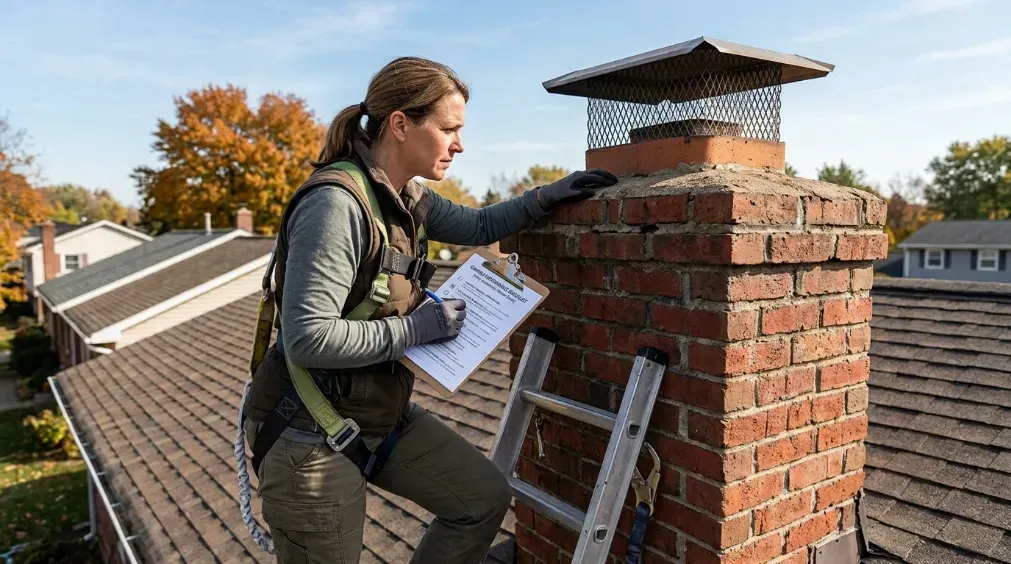
If you see any of these, the window for simple prevention is closing. You need professional chimney services to assess the depth of the intrusion. Our team at Our Homepage can provide a comprehensive evaluation to see if your structure is still a candidate for waterproofing or if more serious repairs are required.
The Portland Climate Factor
In the Pacific Northwest, our chimneys face a unique set of challenges. We don't just get rain; we get persistent, misty dampness that lingers for months. This means masonry never really has a chance to dry out naturally during the winter. A chimney in a drier climate might survive for fifty years without treatment. A chimney in Portland might start failing in fifteen. The constant humidity accelerates the growth of moss and algae, which hold moisture against the brick like a wet sponge. This creates a localized microclimate of decay.
This is why choosing a local chimney service is vital. We understand the specific weather patterns of the region. We know which side of your house takes the most beating from the wind-driven rain. We know that the moss on the north side of your stack isn't just an aesthetic issue—it's a structural threat. We use products specifically formulated to handle the high-moisture environment of the PNW, ensuring that your Chimney Waterproofing lasts as long as possible.
The Step-by-Step Waterproofing Process
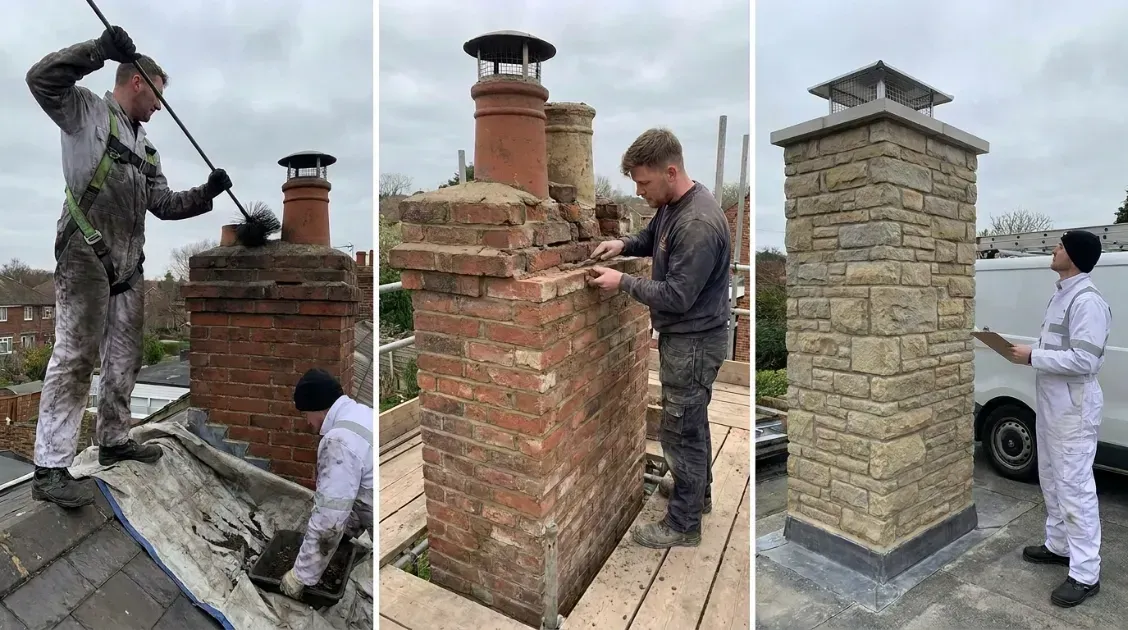
What does a professional application actually look like? It isn't just spraying a liquid and leaving. It’s a multi-stage process that requires precision. First, the chimney must be cleaned. We remove dirt, soot, moss, and any previous "sealers" that might interfere with the new treatment. If the mortar joints are failing, we perform tuckpointing—replacing the old mortar with new, high-quality material. This ensures the substrate is solid before we apply the protection.
Once the chimney is clean and repaired, it must dry. Applying waterproofer to wet brick is a waste of time. We wait for a clear window of weather to ensure maximum penetration. Then, we apply the vapor-permeable water repellent using a low-pressure spray system. We don't just do one coat; we saturate the masonry until it can’t hold any more. This ensures the chemical bond goes deep into the brick, creating a permanent barrier that won't wash away or wear off like a surface paint would. This is the level of detail we provide across all Our Main Services.
The Hidden Link: Chimney Caps and Crowns
Waterproofing the sides of your chimney is only half the battle. If the top is open, you’re still in trouble. The chimney crown—the concrete slab at the very top—is the first line of defense. Most crowns are built poorly. They crack. They hold water. When we perform Chimney Waterproofing, we also inspect the crown. Often, we apply a flexible, elastomeric membrane to the crown to bridge those cracks and shed water away from the bricks below. Combined with a high-quality stainless steel chimney cap, this creates a total "envelope" of protection. If any part of this system fails, the whole chimney is at risk. We've spent years perfecting this "top-down" protection strategy, and you can learn more About Us and our holistic approach to masonry health.
Stop the Cycle of "Patch and Pray"
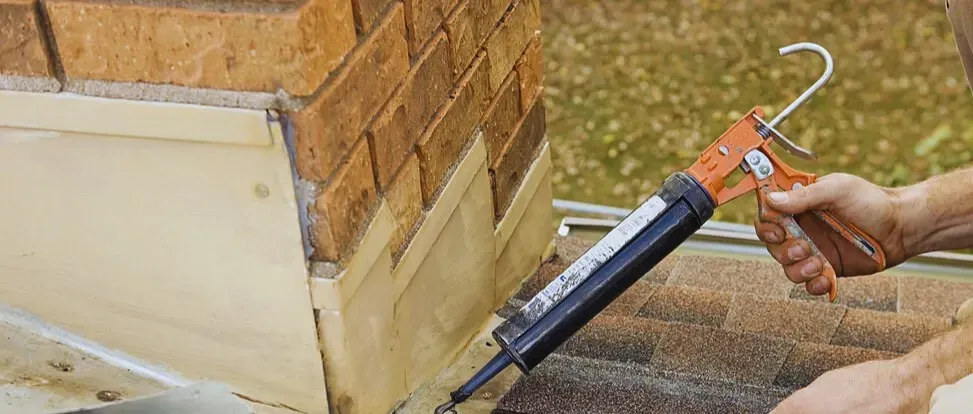
Many homeowners fall into the trap of "patch and pray." They see a crack, they put some caulk in it, and they pray it holds. This doesn't work. Chimney movement, thermal expansion, and weather will rip that caulk out in a single season. You need a solution that works at a molecular level. You need a solution that addresses the root cause: porosity. Stop treating the symptoms and start treating the disease. By choosing a reputable local chimney service, you are ending the cycle of temporary fixes and moving toward long-term structural security.
Every year you wait is a year of lost masonry. Bricks don't heal. Mortar doesn't get stronger with age. Once the integrity is compromised, the only way to go is down—literally. Your chimney is a heavy structure. If the base or the internal structure is weakened by water, it becomes a safety hazard for everyone in the house. This isn't just about "home improvement." It's about home safety. Don't wait for the next big storm. Visit Our Homepage to see how we can secure your home today.
Final Thoughts on Home Value
If you ever plan to sell your home, a chimney inspection is going to be one of the first things a buyer’s agent asks for. A crumbling, water-damaged chimney is a massive red flag that can kill a deal or result in a huge credit request. On the other hand, a chimney that has been professionally waterproofed with a transferable warranty is a major selling point. it shows you've cared for the property. It gives the buyer peace of mind. Investing in Chimney Waterproofing now pays dividends in home equity later. It is one of the few home maintenance tasks that offers a near 100% return on investment when it comes to preventing future costs.
We invite you to reach out. We aren't just here to sell a service; we are here to protect the skyline of our community, one chimney at a time. Whether you have a historic brick home or a modern fireplace, the physics remain the same. Water wants in. We keep it out. For a consultation or to ask questions about your specific situation, Contact Us and speak with a masonry expert who actually knows the difference between a silane and a silicone. Your home deserves nothing less than the best chimney services available.
Frequently Asked Questions
What is the best time of year for chimney waterproofing?
The best time for Chimney Waterproofing is during the late spring, summer, or early fall. The masonry must be completely dry for the treatment to penetrate effectively. We require at least 24 to 48 hours of dry weather before and after the application to ensure a proper chemical bond with the brick.
How long does professional chimney waterproofing last?
A professional-grade, vapor-permeable treatment typically lasts between 10 and 15 years. Unlike hardware store sealants that peel or yellow, professional products penetrate the brick and don't break down from UV exposure. We recommend a local chimney service inspection every few years to monitor the condition of your mortar and crown.
Can I waterproof a chimney that is already damaged?
Yes, but the damage must be repaired first. We cannot waterproof over loose mortar or crumbling bricks. Our chimney services include tuckpointing and brick replacement to restore structural integrity before the waterproofing agent is applied. This ensures the protective layer is sitting on a stable and healthy substrate.
Is chimney waterproofing the same as painting?
Absolutely not. Painting a chimney is often destructive because paint traps moisture inside the brick, leading to rapid decay and spalling. Professional Chimney Waterproofing uses a clear, breathable liquid that allows moisture vapor to escape while preventing liquid water from entering. Never paint your exterior masonry without consulting an expert.
Will waterproofing change the color of my brick?
Most professional waterproofing treatments are completely invisible once dry. They do not leave a glossy "wet look" or change the natural hue of your masonry. It preserves the aesthetic of your home while providing a high-tech shield against rain. You can see examples of our work on Our Homepage.