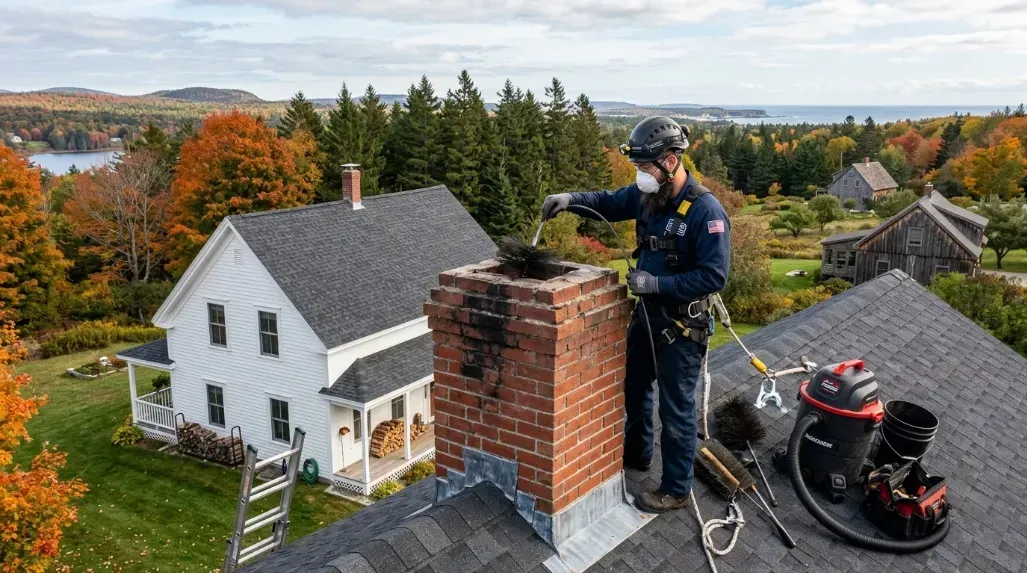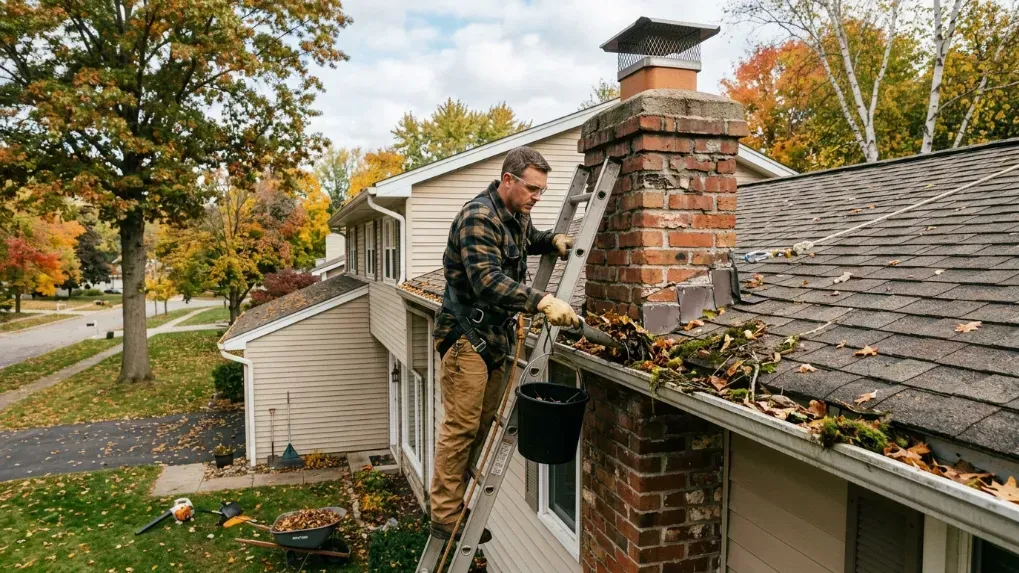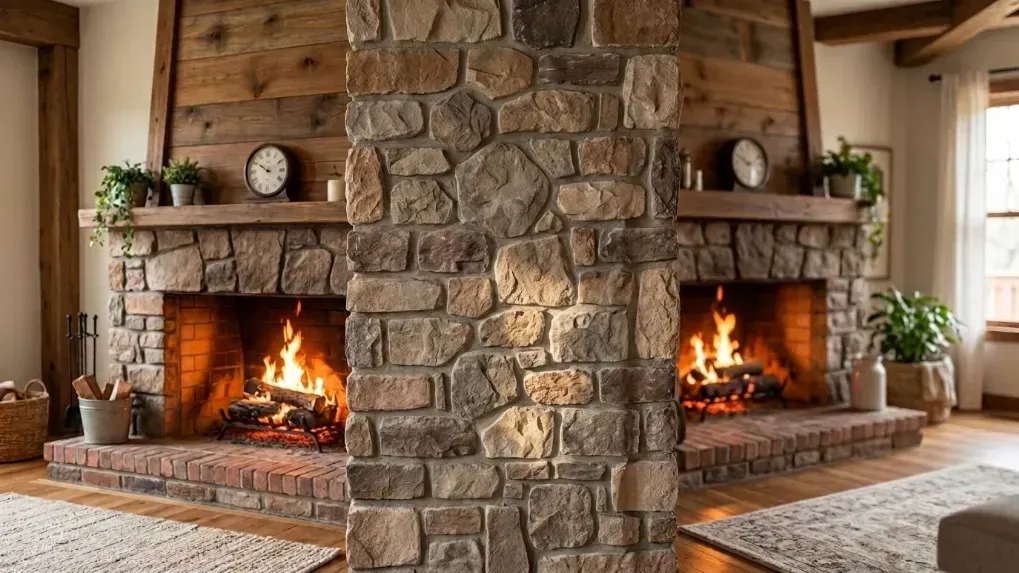
Homeowners often associate fireplace hazards with dramatic events like sudden flue fires or intense smoke backing up into a living room. The reality of masonry deterioration is much quieter. A slow and relentless process is actively compromising the structural integrity of houses across Portland, Maine. This hidden threat is water infiltration. When water combines with the harsh local climate, it creates a recipe for rapid architectural decay that easily goes unnoticed until major repairs become absolutely necessary. Families living in historic properties and modern builds alike share this specific structural vulnerability.
Moisture acts as both a corrosive solvent and an expanding wedge. Bricks and mortar are inherently porous materials. They function much like hard sponges that soak up rain, sleet, and the heavy atmospheric moisture constantly blowing in off Casco Bay. Without proper intervention, this constant absorption leads to irreversible damage.
The Mechanics of the Freeze-Thaw Cycle
The primary driver of this masonry destruction is the freeze-thaw cycle. When water enters the tiny pores of a brick, it sits waiting for the temperature to drop. In coastal Maine, winter temperatures frequently fluctuate above and below the freezing mark within a single day. Sunlight might warm the bricks enough to absorb melting snow during the afternoon, only for the evening air to freeze that moisture solid.
When trapped water turns to ice, it expands by roughly nine percent. This internal pressure is immense. It forces the brick and mortar to crack from the inside out. Once the ice melts, it leaves behind larger microscopic voids. These newly enlarged voids can accommodate even greater volumes of water during the next storm.
This specific cycle repeats dozens of times throughout a single Portland winter. Over several seasons, the cumulative internal damage severely weakens the entire structure. Homeowners might not see the microscopic fractures forming beneath the surface, but these tiny fissures eventually lead to significant structural failure and potential safety hazards for the entire household.
Visual Indicators That Your Masonry Is Failing
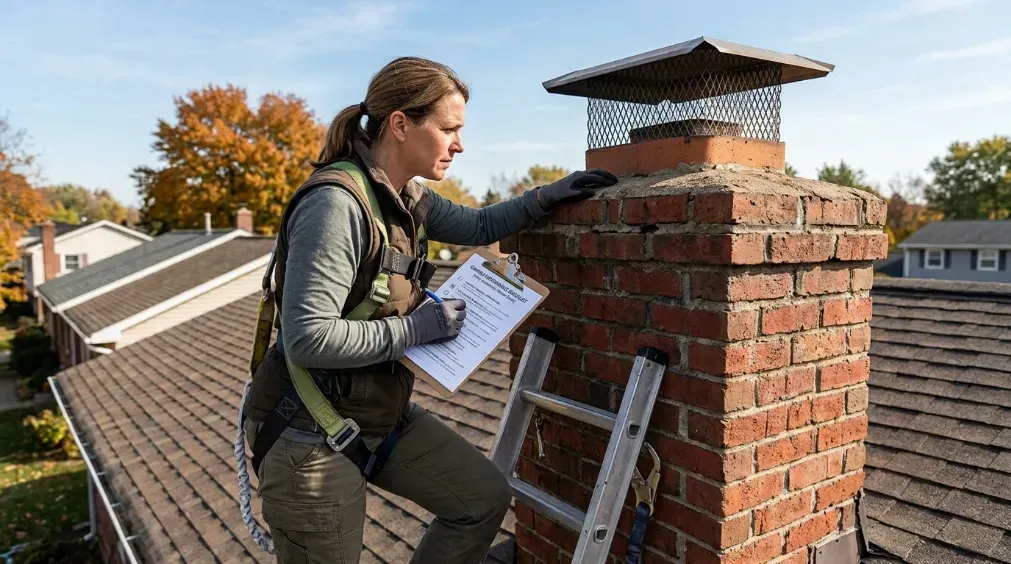
Identifying damage early is critical for property owners who want to avoid the financial burden of a complete tear-down. You must inspect the exterior and interior of your fireplace system regularly to catch the early warning signs of water infiltration.
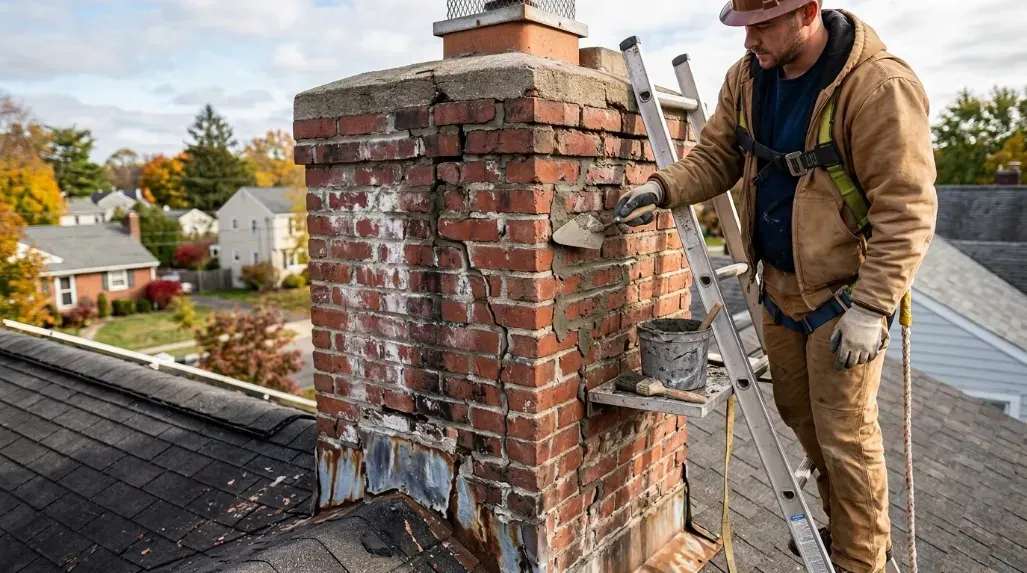
One of the most obvious external signs of moisture damage is spalling. Spalling occurs when the outer face of the brick flakes off, crumbles, or completely pops out of the chimney stack. You might find pieces of brick or sharp shards of mortar joints laying on your roof or scattered across your lawn.
Another key indicator is efflorescence. This condition appears as a powdery white stain coating the exterior of the brickwork. As water moves through the masonry, it dissolves natural salts hidden within the construction materials. When the water eventually evaporates on the surface, it leaves these white salt deposits behind. While the powder itself is structurally harmless, its presence definitively confirms that significant moisture is moving entirely through the chimney walls.
Inside the house, you should look for water stains on the walls or ceiling immediately surrounding the fireplace. A rusty damper or a persistent musty smell inside the firebox also indicates that liquid water is successfully penetrating the system.
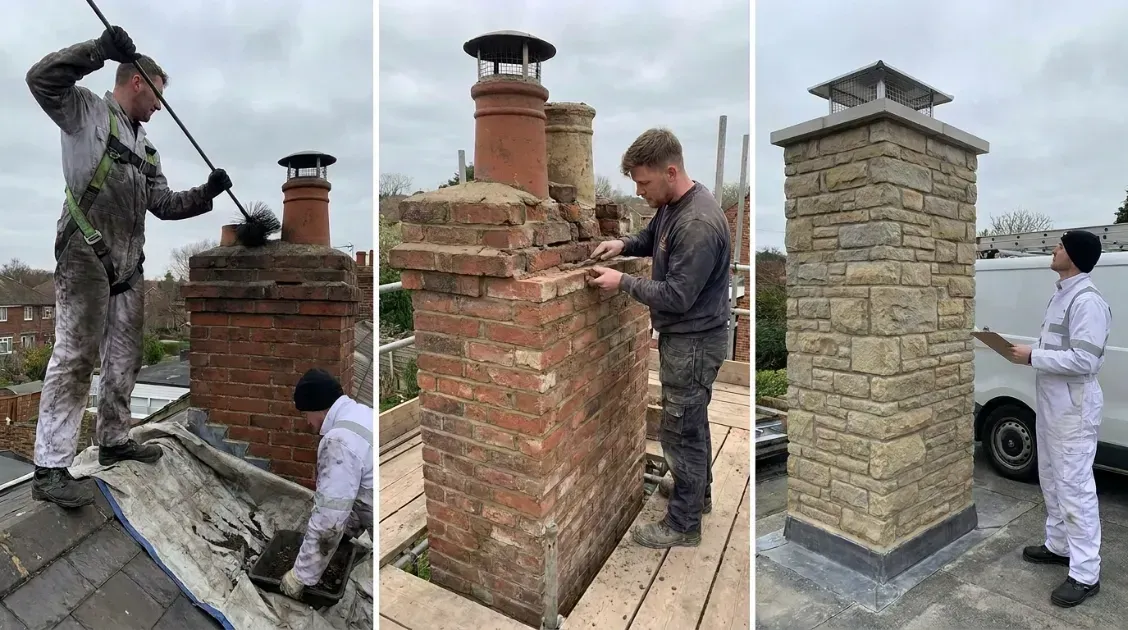
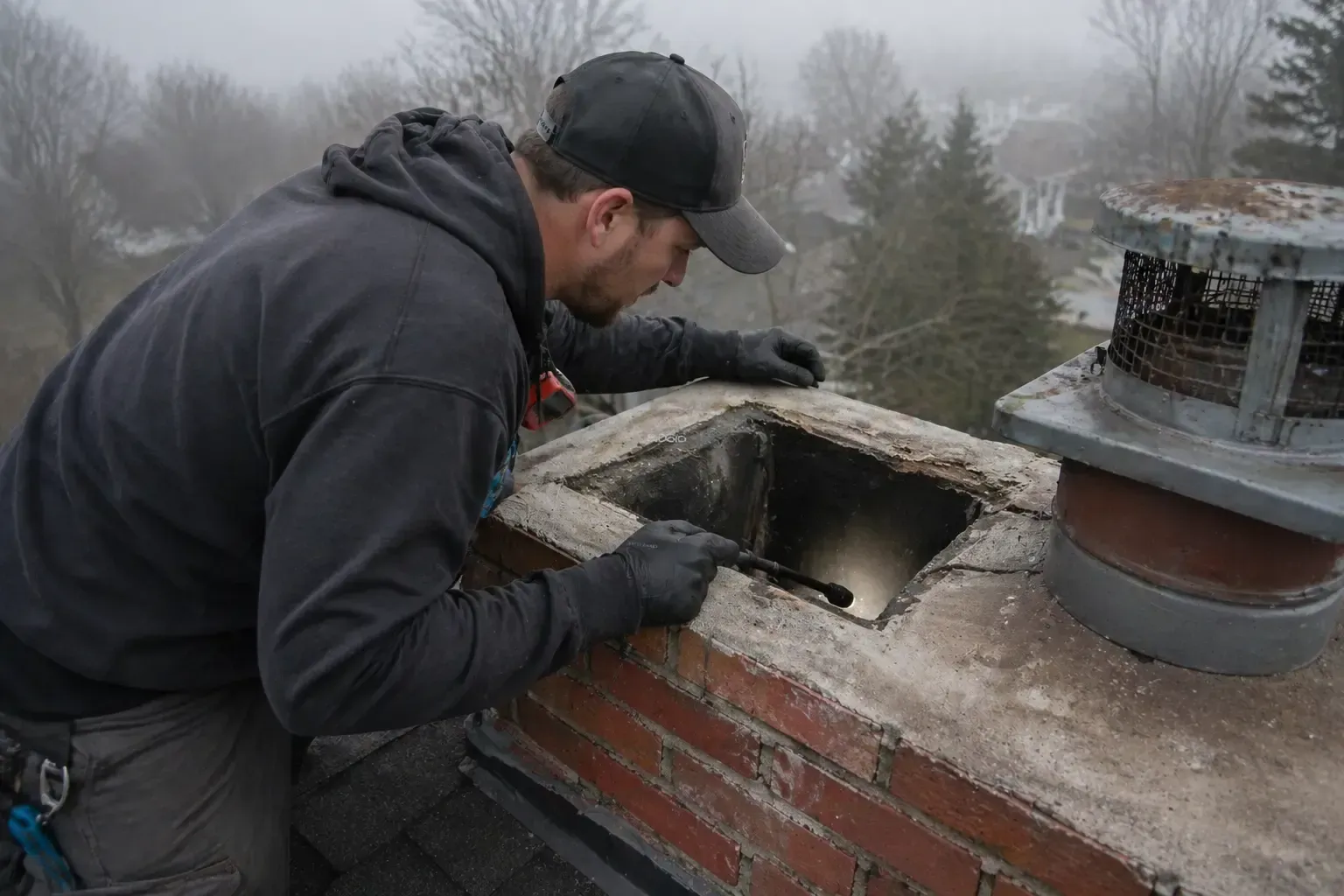
Ignoring these symptoms often leads to the need for extensive demolition and tuckpointing to restore the safety and stability of the unit. Furthermore, you must check the cement crown at the very top of the structure. When water pools and cracks this top cement cap, it allows massive volumes of water directly into the core of the masonry.
Why Timely Chimney Services Prevent Catastrophic Failure
Addressing masonry vulnerability is not just about maintaining the aesthetic appeal of your home. It is a fundamental matter of household safety. Many property owners wait until they see a visible leak in their ceiling before contacting a professional. By the time water travels through the masonry, breaches the flashing, and stains your interior drywall, the internal deterioration is already severe.
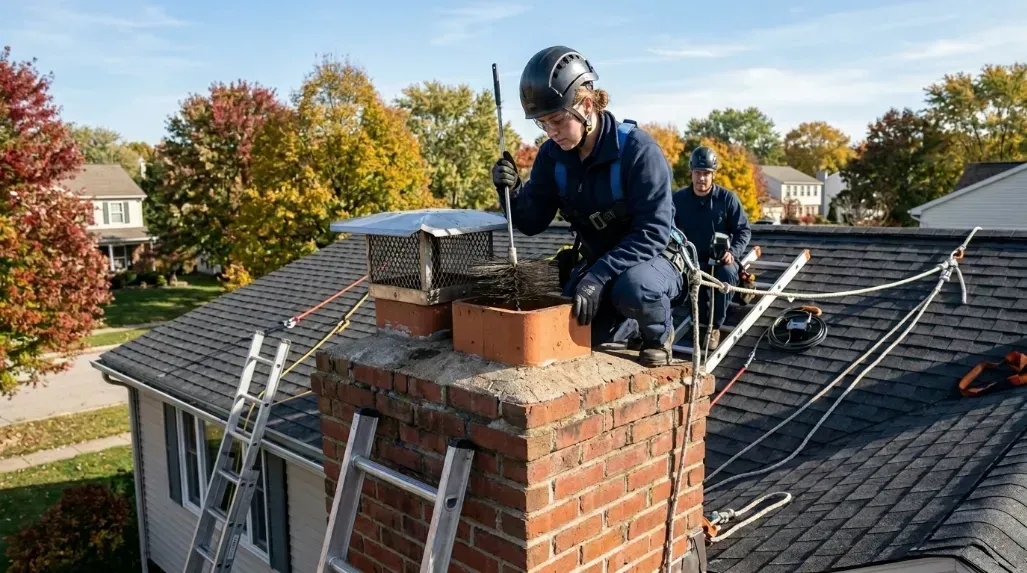
Securing comprehensive Chimney Services at the first sign of wear can save you thousands of dollars in emergency reconstruction. A compromised exterior often indicates a compromised interior. The flue, which safely carries toxic gases and smoke out of your living space, is highly vulnerable to moisture. When water mixes with the natural creosote inside your flue, it creates a highly corrosive acid. This acidic mixture eats away at traditional clay terra cotta tiles.
If the flue tiles crack or collapse, dangerous byproducts like carbon monoxide can easily seep into your bedrooms and living areas. A damaged flue also allows stray embers to escape the designated venting area, dramatically increasing the risk of a devastating house fire. Upgrading an aging system with durable stainless steel liners provides a seamless, watertight, and heat-resistant barrier that protects your home from these hidden dangers.
Recognizing the Early Warning Signs
Homeowners do not need to climb onto a steep, icy roof to identify early signs of moisture damage. You can spot several critical warning indicators from the ground or from inside your living room.
- White Chalky Stains: Known as efflorescence, these powdery white streaks on the exterior of your brickwork indicate that water is actively traveling through the masonry and leaving natural mineral deposits behind on the surface.
- Crumbling Debris in the Firebox: If you find small pieces of brick, dust, or sandy mortar sitting behind your fireplace grate, the internal structure is actively breaking down and falling down the flue.
- Rusted Dampers: Water traveling down the inside of the structure will eventually reach the metal components of your fireplace. A damper that is difficult to open, squeaks loudly, or shows visible orange rust is a clear indicator of a significant leak.
- Musty Odors: A distinct damp, earthy smell emanating from the fireplace after a heavy rainstorm means water is trapped inside the porous materials of the hearth.
Ignoring these symptoms allows the freeze-thaw cycle to accelerate. Early intervention is the only way to halt the progression of water damage.
Proven Solutions for New England Homes
Protecting your property requires highly specific techniques designed for the demanding Maine climate. Over-the-counter sealants found at big-box hardware stores are often counterproductive. Standard paints and silicone-based sealers trap existing moisture inside the brick. When that trapped moisture inevitably freezes, the damage is far worse than if the brick had been left untreated.
The correct approach relies on professional, vapor-permeable products. Investing in specialized chimney waterproofing allows the masonry to breathe. These advanced protective coatings repel exterior rain and snow while simultaneously allowing internal water vapor to escape. This one-way barrier is essential for maintaining the health of your masonry through the shifting New England seasons.
Stages of Masonry Deterioration
Understanding the progression of moisture damage helps homeowners make informed decisions about their property maintenance budget. The table below outlines the clear stages of deterioration and the necessary interventions.
| Damage Stage | Visual Symptoms | Risk Level | Required Intervention |
|---|---|---|---|
| Early Moisture Penetration | White efflorescence, damp smells, minor moss growth | Moderate | Professional waterproofing and crown repair |
| Surface Deterioration | Flaking brick faces, sandy mortar joints, rusted dampers | High | Tuckpointing and interior moisture assessment |
| Internal Flue Compromise | Cracked clay tiles, cold drafts, debris in the firebox | Severe | Installation of a stainless steel liner |
| Advanced Structural Failure | Leaning stack, missing bricks, severe roof leaks | Critical | Partial or complete demolition and rebuild |
Securing Your Home for the Future
Maintaining an older home in Maine requires proactive planning and a deep understanding of the local environment. Your masonry faces an ongoing battle against driving rain, freezing nights, and relentless coastal winds. Waiting for a structural failure to address these vulnerabilities places your property and your family at unnecessary risk.
By familiarizing yourself with the signs of water intrusion and taking swift action, you can dramatically extend the lifespan of your masonry. Always rely on specialists who understand the unique architectural demands of the region. Partnering with the experienced professionals at Portland Chimney Services ensures that your property receives the exact level of care, technical expertise, and premium materials required to withstand the harshest New England winters.
Frequently Asked Questions
How often should a masonry chimney be inspected in Maine?
Homeowners in severe winter climates like Maine should schedule a professional inspection once a year. Annual assessments catch early signs of the freeze-thaw cycle, allowing you to address microscopic cracks and failing mortar before they develop into massive structural liabilities.
Can I waterproof my own brickwork with hardware store sealant?
Applying hardware store sealants is highly discouraged. Cheap retail sealers and standard exterior paints trap existing moisture inside the porous brick. When the temperature drops below freezing, this trapped water expands and severely fractures the masonry. Professionals use specially formulated, vapor-permeable waterproofing agents that repel rain while allowing internal moisture to safely evaporate.
What happens if water gets inside my flue?
Moisture inside the flue mixes with natural soot and creosote to form a highly corrosive acidic residue. This acid eats away at traditional clay terra cotta liners, creating dangerous gaps. These breaches allow extreme heat, stray embers, and deadly carbon monoxide to escape the venting system and enter your home.
What’s the difference between tuckpointing and repointing?
Both repair mortar joints, but tuckpointing adds decorative contrast while repointing focuses purely on structural repair.