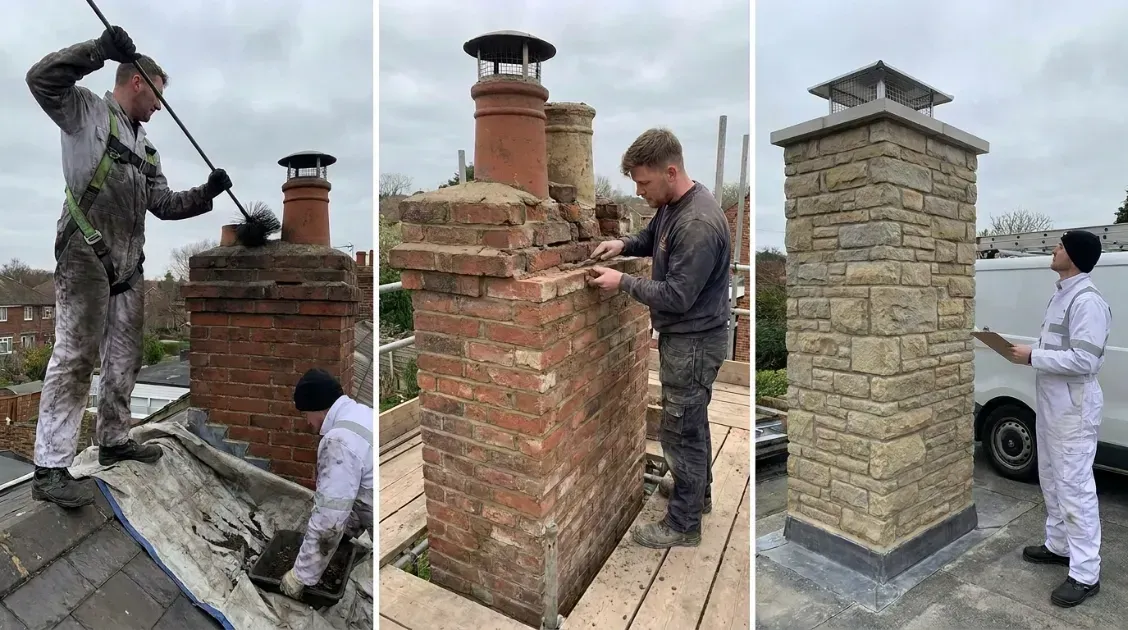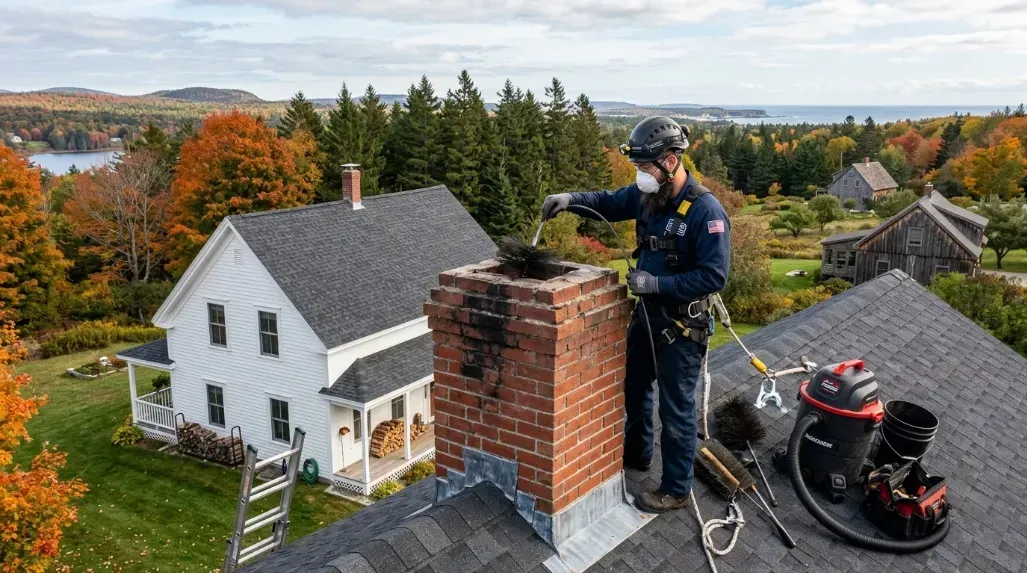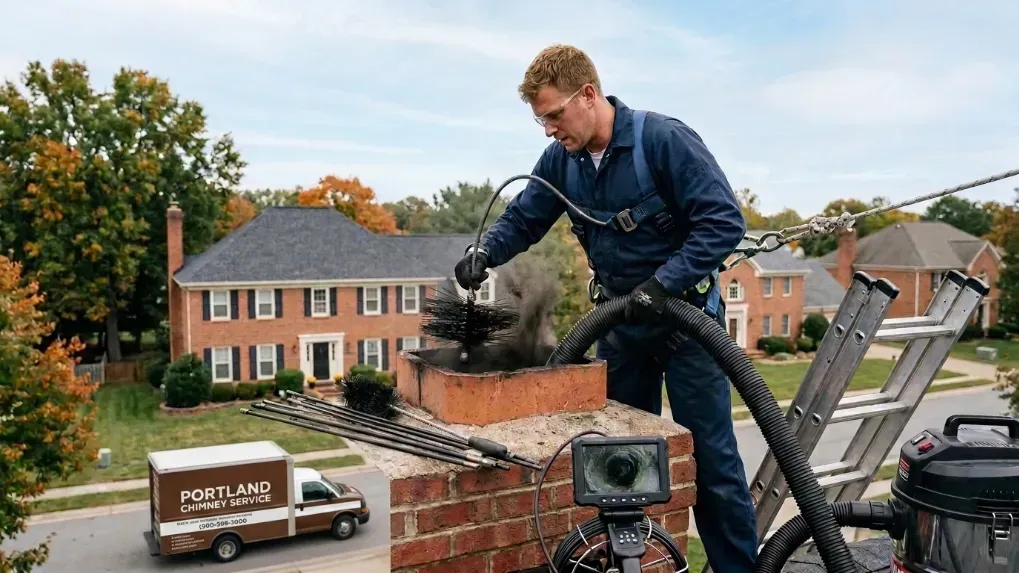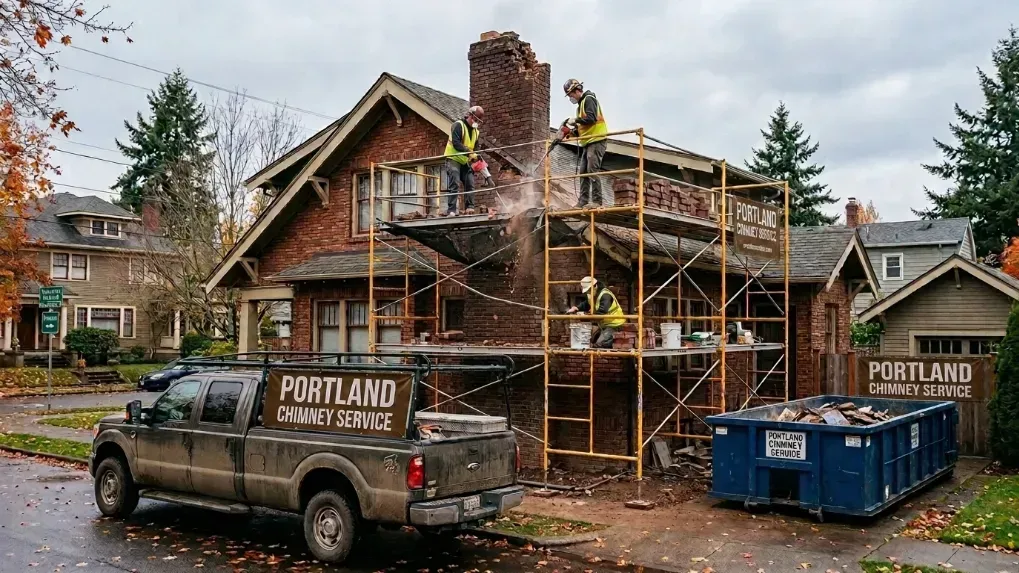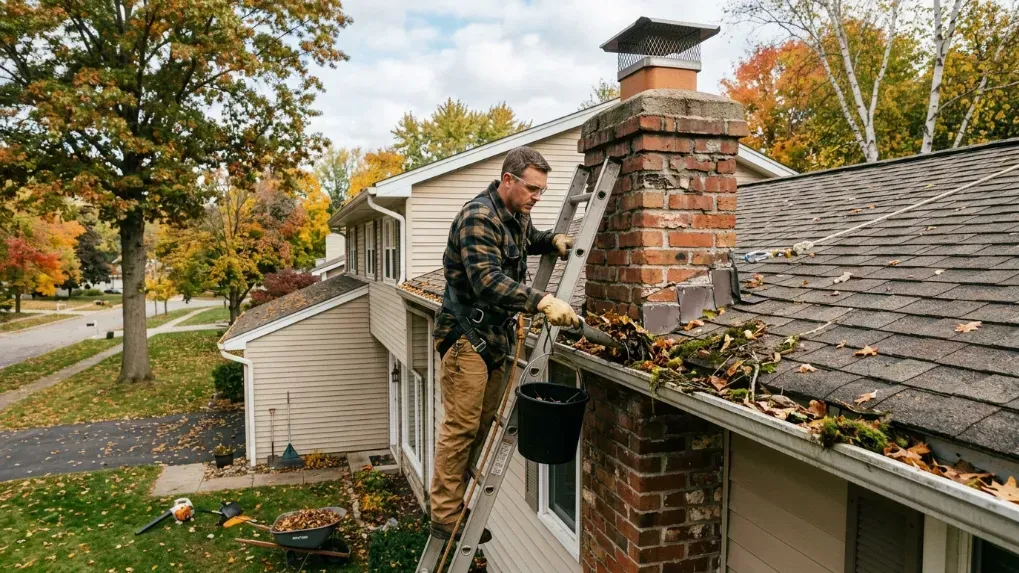
Timing your chimney sweeping correctly ensures your heating system operates safely and efficiently throughout Portland's cold winters. Understanding seasonal factors and scheduling considerations helps you maintain optimal chimney performance.
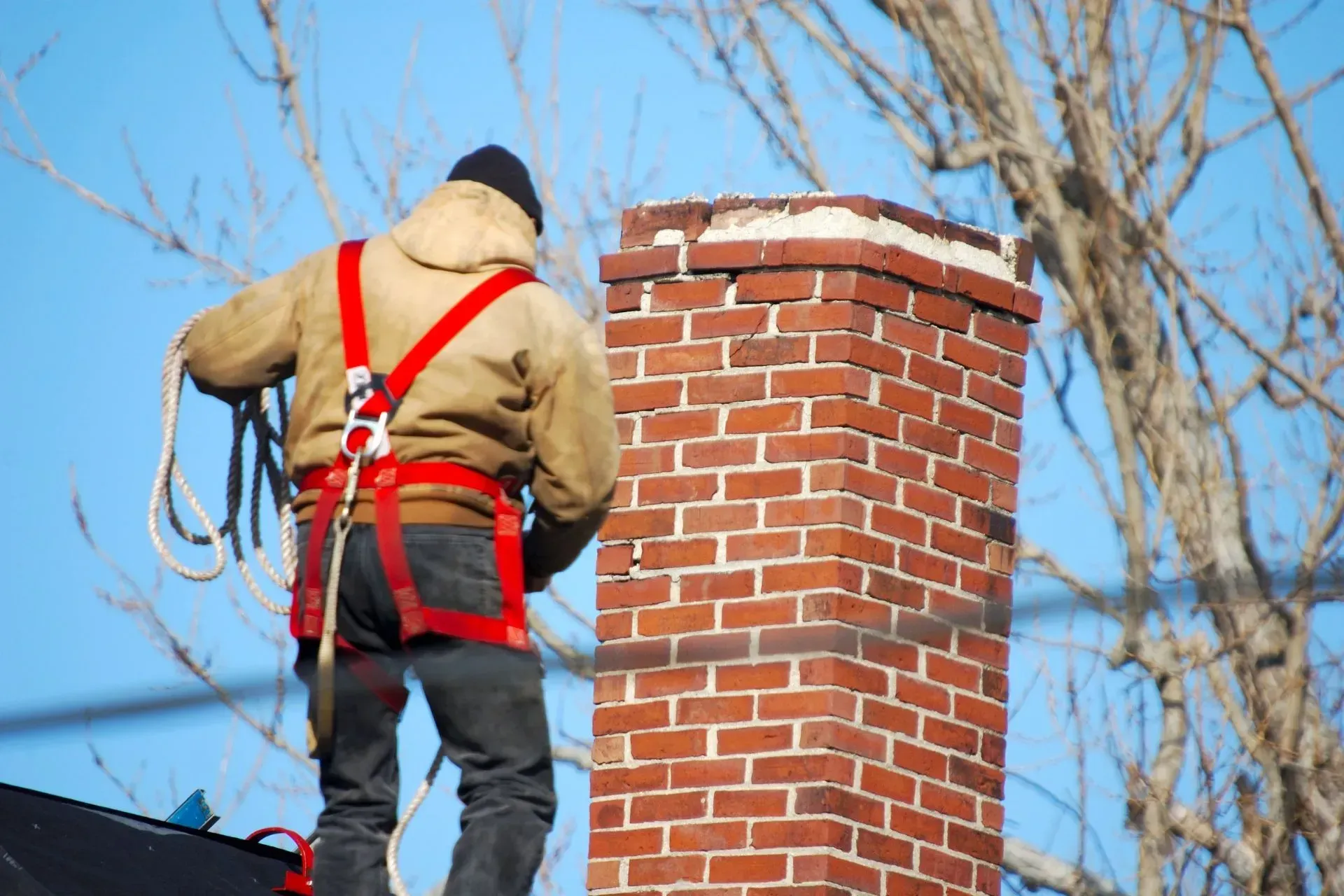
Understanding Portland's Heating Season
Portland's heating season typically runs from October through April, with peak fireplace use during the coldest months. Planning chimney maintenance around this schedule provides maximum safety and convenience.
Climate Considerations: Portland experiences harsh winters with average temperatures dropping below freezing, making functional heating systems essential for home comfort and safety.
Usage Patterns: Most homeowners begin regular fireplace use in October and continue through early spring, creating a natural maintenance window before and after peak usage.
Weather Factors: Maine's unpredictable weather patterns mean scheduling during stable weather periods ensures technicians can safely access your chimney and complete thorough inspections.
Seasonal Demand: Understanding when chimney sweeps are busiest helps you secure convenient appointment times and potentially better rates during slower periods.
Late Summer: The Ideal Window for Chimney Sweeping
Late summer, from mid-August through September, represents the optimal time for chimney sweeping in Portland. This timing provides numerous advantages for homeowners and ensures readiness for winter.
Pre-Season Preparation: Cleaning before the heating season begins means your chimney is inspected, cleaned, and ready when you need it most.
Weather Advantages: Warm, dry weather makes the cleaning process more comfortable and allows any necessary repairs to be completed before cold weather arrives.
Flexible Scheduling: Late summer offers more appointment availability since fewer homeowners are actively using their fireplaces, making it easier to book convenient times.
Odor Dissipation: Any residual cleaning odors have time to air out completely before you close up your home for winter heating.
Repair Time: If inspections reveal needed repairs, you have adequate time to schedule and complete work before relying on your fireplace for heat.
Cost Benefits: Some chimney service companies offer off-season rates during late summer, potentially saving you money on essential maintenance.
Early Fall: The Popular Alternative
Early fall, particularly September and October, represents another excellent window for chimney sweeping. Many Portland homeowners choose this timing to prepare for winter heating needs.
Still Good Timing: While slightly later than ideal, early fall still provides time to address any issues discovered during cleaning before heavy fireplace use begins.
Second Wave Scheduling: For homeowners who missed late summer appointments, early fall offers another opportunity before winter demands increase.
Temperature Comfort: Mild fall temperatures make the service comfortable for both technicians and homeowners, with homes neither too hot nor too cold.
Pre-Winter Urgency: The approaching cold weather motivates homeowners to complete maintenance tasks, ensuring systems are ready when needed.
Moderate Availability: While busier than late summer, chimney sweeps typically have reasonable availability through early October before the rush intensifies.
Why Avoid Peak Heating Season
Scheduling chimney sweeping during peak heating months from November through February creates unnecessary challenges and potential safety risks for Portland homeowners.
High Demand Issues: Chimney sweeps are extremely busy during winter months, making appointments harder to schedule and potentially resulting in longer wait times.
Safety Delays: If your chimney needs cleaning during peak season, you may need to stop using your fireplace while waiting for service, leaving you without heat during cold weather.
Weather Complications: Winter storms, ice, and snow can delay scheduled appointments or make chimney access dangerous for technicians.
Emergency Costs: Waiting until problems develop during heating season may result in emergency service calls with higher costs and immediate safety concerns.
Discovered Issues: Problems identified during winter cleaning may be difficult to repair immediately, leaving your system compromised during peak usage.
Spring Cleaning: A Post-Season Option
Spring chimney sweeping, from April through May, serves as an alternative maintenance window particularly useful for homeowners who use their fireplaces heavily through late winter.
Post-Season Assessment: Spring cleaning allows technicians to assess any damage or wear that occurred during heavy winter use and address issues before next season.
Summer Protection: Cleaning removes acidic creosote deposits that can corrode chimney liners during humid summer months when chimneys aren't in use.
Off-Peak Advantage: Spring represents another slower period for chimney sweeps, offering good appointment availability and potentially lower rates.
Extended Planning Time: Repairs or improvements identified in spring give you months to plan, budget, and complete work before the next heating season.
Odor Prevention: Removing creosote and soot in spring prevents unpleasant odors from developing during humid summer weather.
Professional Chimney Sweeping Process
Working with Portland Chimney Service ensures comprehensive cleaning regardless of when you schedule. Our systematic approach delivers thorough results and clear safety guidance.
Here's how our process works:
Initial Consultation: You contact us to schedule maintenance or address specific chimney concerns, and we recommend optimal timing based on your usage patterns.
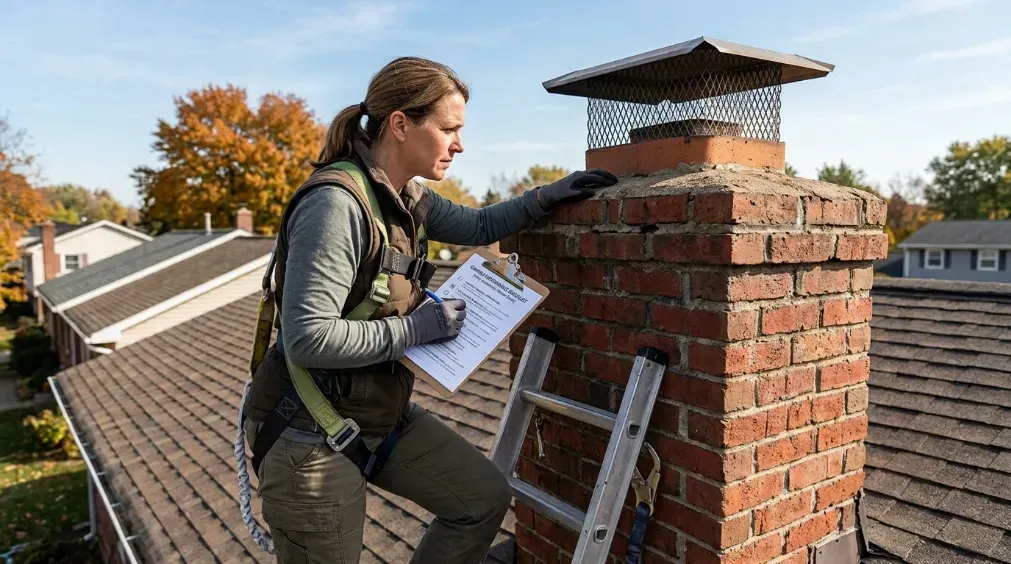
Pre-Cleaning Inspection: Certified sweeps examine your entire chimney system from firebox to cap, documenting creosote levels, damage, and any safety concerns.
Home Protection: We protect your floors and furniture with professional drop cloths and seal off the fireplace opening to contain all dust and debris.
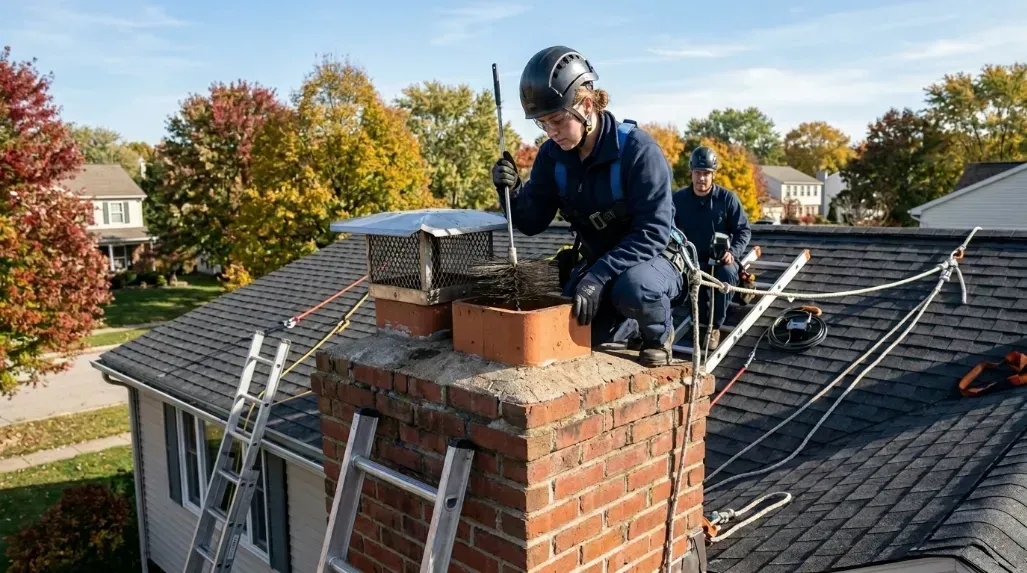
Thorough Cleaning: Using professional-grade brushes, powerful vacuums, and specialized tools, we remove all creosote, soot, and debris from chimney walls and flue.
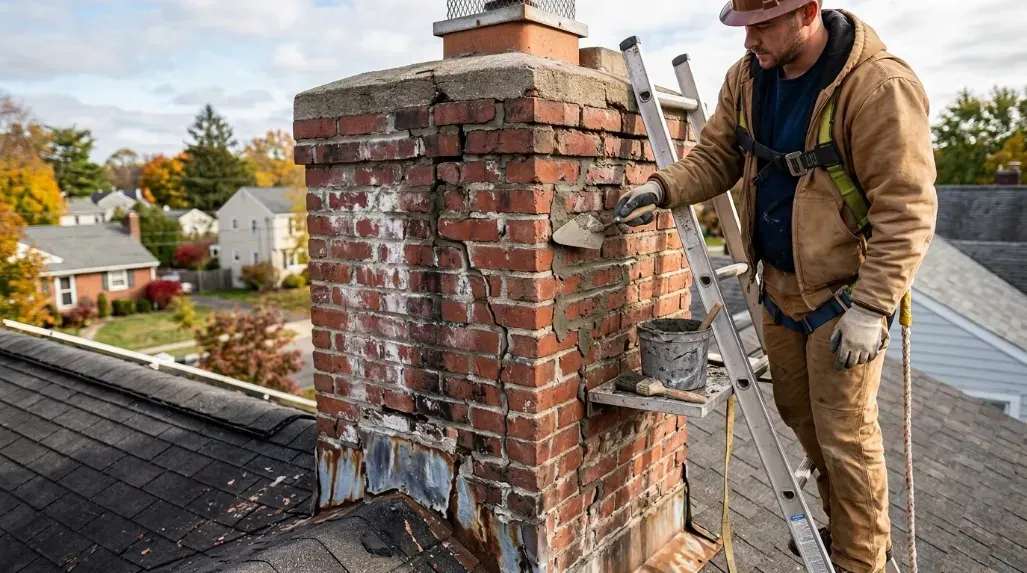
Cap and Crown Service: We clean your chimney cap, inspect for animal nesting, and examine the crown for cracks or weather damage.
Final Inspection: We verify complete cleaning, test draft performance, and ensure your chimney system operates safely and efficiently.
Detailed Report: You receive written documentation of our findings, all work performed, and clear recommendations for any needed repairs or follow-up services.
Once cleaned, your chimney provides safe, efficient heating throughout the season.
Seasonal Scheduling Checklist
Here's a practical checklist to help Portland homeowners schedule chimney sweeping at the optimal time.
Step 1: Mark your calendar in July to schedule late summer chimney cleaning for August or September.
Step 2: Contact chimney service providers early to secure preferred appointment times before seasonal demand increases.
Step 3: Plan for annual cleaning even if you use your fireplace infrequently, as creosote still accumulates over time.
Step 4: Schedule spring cleaning if you missed pre-season maintenance or had exceptionally heavy winter use.
Step 5: Keep records of cleaning dates to maintain consistent annual schedules and track chimney performance over time.
Step 6: Book next year's appointment immediately after current service to guarantee optimal timing and avoid scheduling difficulties.
Expert Tips and Local Insights
In Portland, strategic timing for chimney maintenance protects your investment and ensures reliable heating throughout Maine's demanding winters. Understanding local patterns helps homeowners make informed decisions.
"The absolute best time for chimney sweeping in Portland is late August through September," explains one of our certified chimney sweeps. "This timing gives homeowners peace of mind before winter arrives, allows time for any needed repairs, and ensures optimal availability. Waiting until you smell smoke problems or notice performance issues during heating season creates unnecessary risk and inconvenience."
Whether you live in the West End, East Bayside, Oakdale, or Parkside, proactive seasonal scheduling keeps your home safe and your heating system functioning efficiently throughout the year.
Seasonal Comparison: Best Times for Chimney Sweeping
| Season | Months | Advantages | Disadvantages | Best For |
|---|---|---|---|---|
| Late Summer | Aug-Sept | Ideal weather, excellent availability, off-peak rates possible, time for repairs, odors dissipate | Requires advance planning, may feel early to some homeowners | Most homeowners, optimal timing |
| Early Fall | Sept-Oct | Good weather, reasonable availability, still time for repairs, pre-winter preparation | Increasing demand, fewer appointment slots, slightly rushed | Those who missed summer window |
| Peak Winter | Nov-Feb | Immediate assessment of current issues | Very limited availability, weather delays, emergency costs, no heat while waiting | Emergency situations only |
| Spring | Apr-May | Post-season assessment, prevents summer odors, off-peak rates, time to plan repairs | Chimney unused for months, less urgent, creosote sat all winter | Heavy users, those who missed fall |
| Early Summer | Jun-Jul | Good availability, time to plan ahead | Very early, low urgency, hot weather conditions | Very proactive homeowners |
Common Timing Mistakes to Avoid
Portland homeowners sometimes make scheduling errors that compromise chimney safety or create unnecessary complications. Recognizing these mistakes helps you plan more effectively.
Waiting for Problems: Scheduling only when issues appear means you're already operating with a compromised, potentially dangerous chimney system.
Last-Minute Booking: Trying to schedule in October or November when demand peaks often results in long waits or unavailable appointments.
Skipping Annual Service: Assuming your chimney doesn't need cleaning because you used it infrequently still allows dangerous creosote accumulation over time.
Winter Emergency Cleaning: Discovering you need immediate cleaning during peak heating season creates safety risks and may leave you without heat.
Ignoring Spring Maintenance: Leaving acidic creosote deposits in your chimney through humid summer months accelerates interior deterioration and corrosion.
Poor Record Keeping: Failing to track cleaning dates makes it difficult to maintain consistent annual schedules and monitor performance trends.
Conclusion
Understanding the best time of year for chimney sweeping in Portland, Maine helps you maintain a safe, efficient heating system while avoiding seasonal complications. Late summer through early fall represents the ideal window for proactive maintenance, offering optimal weather, good availability, and adequate time to address any discovered issues before winter demands begin.
If you're ready to schedule your chimney sweeping at the optimal time, contact Portland Chimney Service today. Let's help you maintain a safe, warm home throughout every season. Learn More About us
Key Takeaways
- Late summer (August-September) is the ideal time for chimney sweeping in Portland
- Early fall offers a second-best window before heating season demand peaks
- Avoid scheduling during peak winter months when availability is limited and delays are risky
- Spring cleaning serves as an effective post-season maintenance option
- Annual professional cleaning should occur regardless of fireplace usage frequency
- Proactive scheduling prevents emergency situations and ensures safety throughout winter.
Frequently Asked Questions
What is the absolute best month for chimney sweeping in Portland?
August and September represent the optimal months for chimney sweeping in Portland. This late summer timing provides ideal weather conditions, excellent appointment availability, and adequate time to complete any necessary repairs before the heating season begins in October.
How far in advance should I schedule chimney sweeping?
Schedule your chimney sweeping appointment at least 4-6 weeks in advance, particularly if you're aiming for the popular late summer or early fall window. Early booking ensures you secure your preferred date and time before seasonal demand increases.
Is it too late to schedule chimney sweeping in October?
October is still acceptable for chimney sweeping, though availability may be more limited as demand increases. If you need service in October, contact providers immediately to secure an appointment before peak season makes scheduling difficult.
Can I have my chimney swept during winter?
Yes, chimney sweeping can be performed during winter, but it's not ideal. Winter scheduling faces challenges including limited availability, weather delays, potential safety issues from stopping fireplace use during cold periods, and possibly higher emergency service costs.
Should I schedule chimney sweeping even if I rarely use my fireplace?
Yes, annual chimney sweeping is recommended even with infrequent use. Creosote still accumulates over time, animals may nest in unused chimneys, and deterioration can occur regardless of usage. Annual inspection ensures safety when you do use your fireplace.
What happens if I miss the ideal sweeping window?
If you miss late summer or early fall scheduling, contact chimney service providers immediately to book the earliest available appointment. While not ideal, professional cleaning any time is better than operating with a potentially dangerous, uncleaned chimney system.