Introduction

If you live in Portland, Maine, you know spring isn’t all sunshine and flowers—it’s rain, melting snow, and constant dampness that can quickly turn small chimney cracks into major leaks. A wet fireplace isn’t just inconvenient; it can lead to structural damage, mold growth, and expensive repairs if ignored.

That’s why proper chimney leak repair and maintenance matter now more than ever. Whether it’s waterproofing your chimney, installing stainless steel liners, performing tuckpointing, or ensuring gutters drain properly, every step helps protect your home from Portland’s unpredictable weather.

Let’s explore how to keep your chimney and home dry, efficient, and worry-free this spring.

What Is a Chimney Sweep?


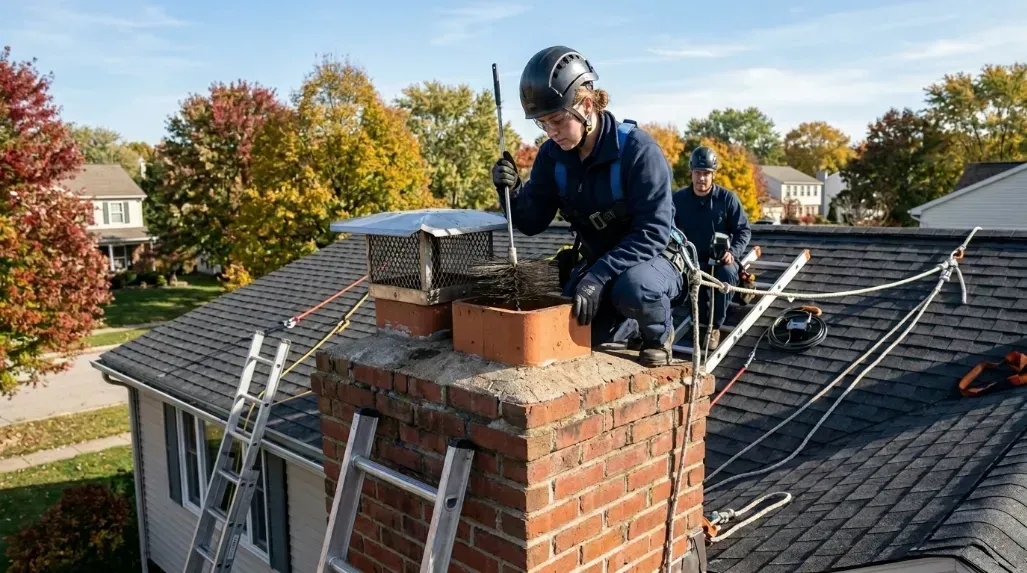
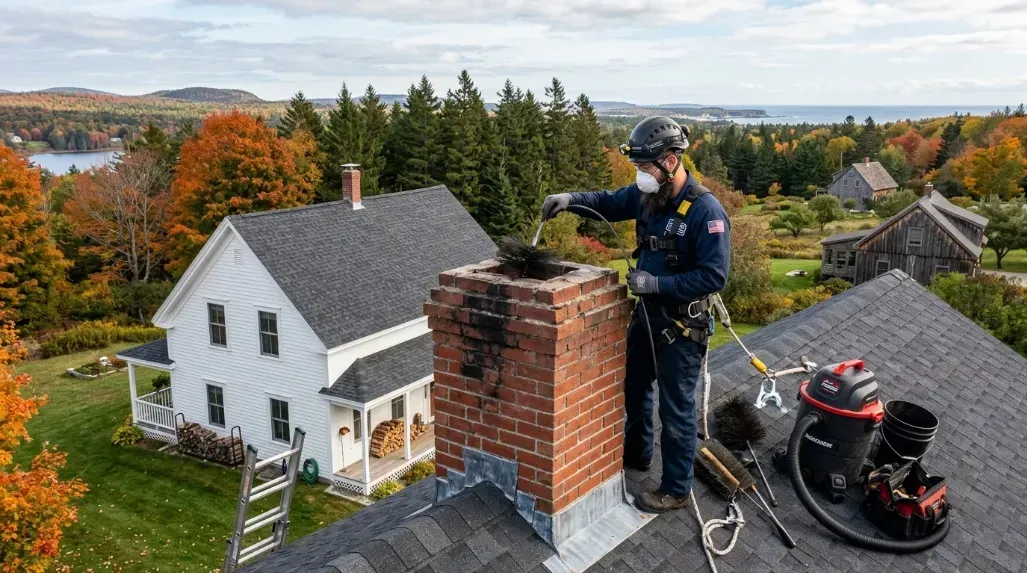
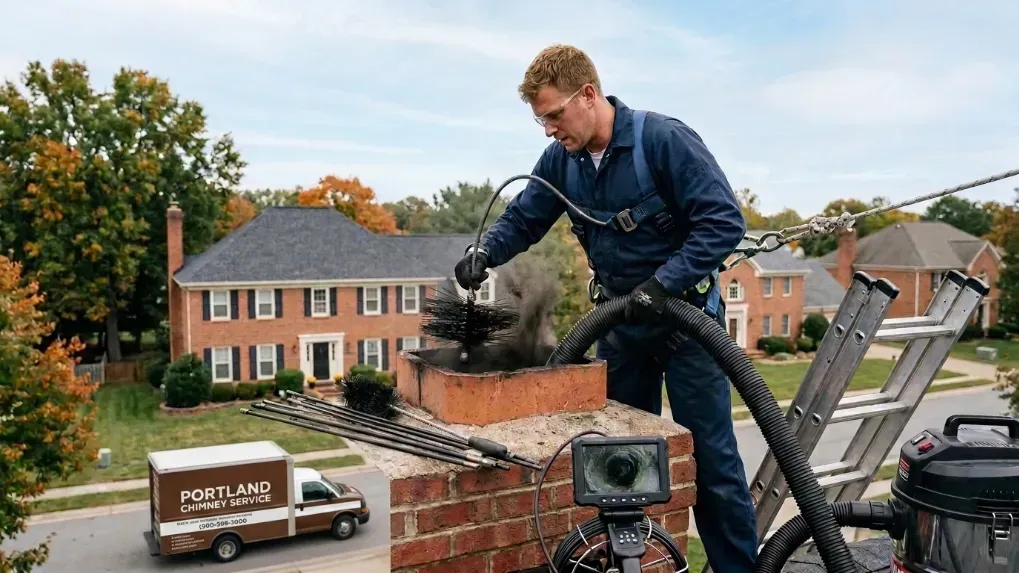
A chimney sweep is a professional service that removes soot, debris, and creosote buildup from your chimney and flue. This process improves ventilation, prevents chimney fires, and allows technicians to spot leaks and damage early—before they become costly repairs.


Most homeowners in Portland, ME, schedule a chimney sweep once or twice a year, especially before or after the heavy heating season.

For example, a local family in Deering Center noticed smoke backing into their living room every time they lit a fire. After a chimney sweep from Portland Chimney Service, the technicians found moisture damage around the flue—something a simple cleaning and waterproofing plan quickly fixed.


Answer Block:
A chimney sweep removes buildup and checks for leaks or structural issues to keep your chimney safe, clean, and efficient.


Why It Matters in Portland, ME


Portland’s coastal climate means wet, windy, and snowy conditions for much of the year. Moisture is your chimney’s biggest enemy—it seeps through brick and mortar, freezes, and expands, creating cracks that let even more water in.

In fact, according to Maine’s average weather data, Portland receives over 45 inches of rain and 60 inches of snow annually—both major contributors to chimney damage if not managed properly.


“In Portland, chimney waterproofing and regular maintenance are essential after every winter,” says a technician from Portland Chimney Service. “Our local weather can turn a small drip into major structural damage within months.”


Answer Block:
Because of Portland’s heavy rain and snow, chimney waterproofing, liners, and repairs are critical to prevent leaks and damage year-round.


When to Schedule Chimney Waterproofing, Liners, Tuckpointing, and Gutter Repairs


The best time to schedule these services in Portland is late winter to early spring—right before heavy spring rain hits. This ensures your chimney and gutters are ready to handle moisture efficiently.


Here’s a quick local homeowner’s checklist:

  • Chimney Waterproofing: Every 5 years or after signs of water absorption or discoloration.
  • Stainless Steel Liners: Whenever upgrading heating systems or if your current liner shows corrosion or cracks.
  • Demolition and Tuckpointing: When mortar is crumbling or missing, often every 15–20 years.
  • Gutter Cleaning and Repair: At least twice a year (spring and fall) to prevent water overflow into chimney bases or masonry.


If you notice:

  • Leaks near your fireplace
  • Damp odors after rain
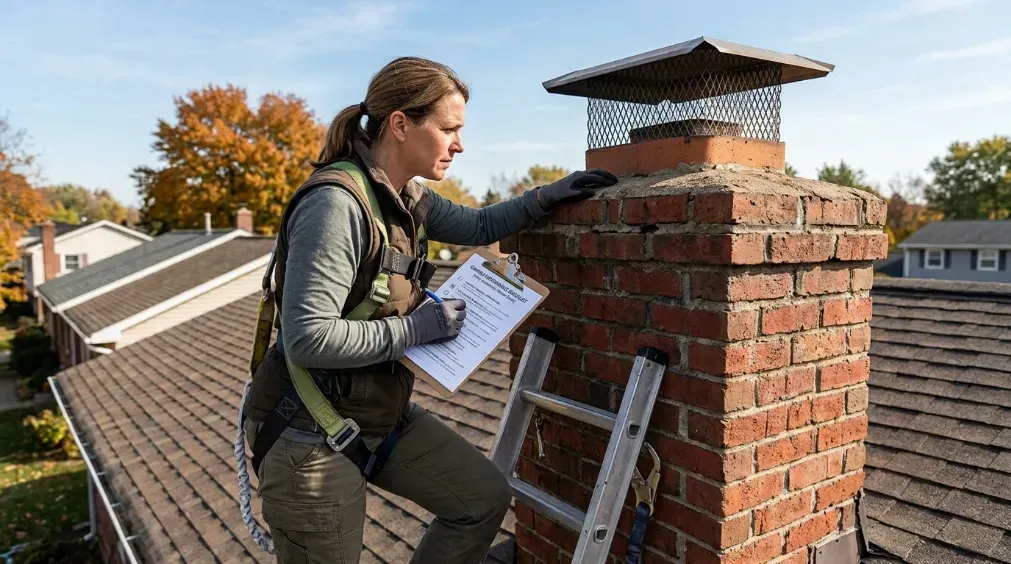
  • Cracked mortar or rust stains
    …it’s time to call [Portland Chimney Service](Insert URL) for a full inspection.


Answer Block:
Schedule waterproofing and gutter repair each spring, and check liners and mortar regularly for cracks or rust.


How These Services Work—and Why They Matter

Each chimney repair service plays a unique role in keeping your Portland home dry and safe.


1. Chimney Waterproofing

Waterproofing involves applying a special vapor-permeable sealant to the chimney exterior. This coating blocks rainwater from penetrating the bricks while allowing internal moisture to escape.


Step-by-Step:

  1. Clean and dry the chimney surface.
  2. Repair cracks or gaps in the mortar.
  3. Apply a professional-grade sealant evenly.
  4. Inspect flashing and crown for tight seals.


Local Edge: Portland’s coastal air accelerates brick erosion, so professional-grade waterproofing is a must for Maine homes.


2. Stainless Steel Liners

Stainless steel liners protect the inside of your chimney flue from heat, moisture, and creosote damage. They’re durable, corrosion-resistant, and ideal for Maine’s humid and snowy climate.


How It Works:

  • Old liner is removed (if damaged).
  • New stainless steel liner is custom-fitted to your flue.
  • Joints are sealed, and the cap is reinstalled to prevent leaks.


Pro Tip: Stainless liners often extend the life of your chimney by decades and improve heating efficiency.


3. Demolition and Tuckpointing

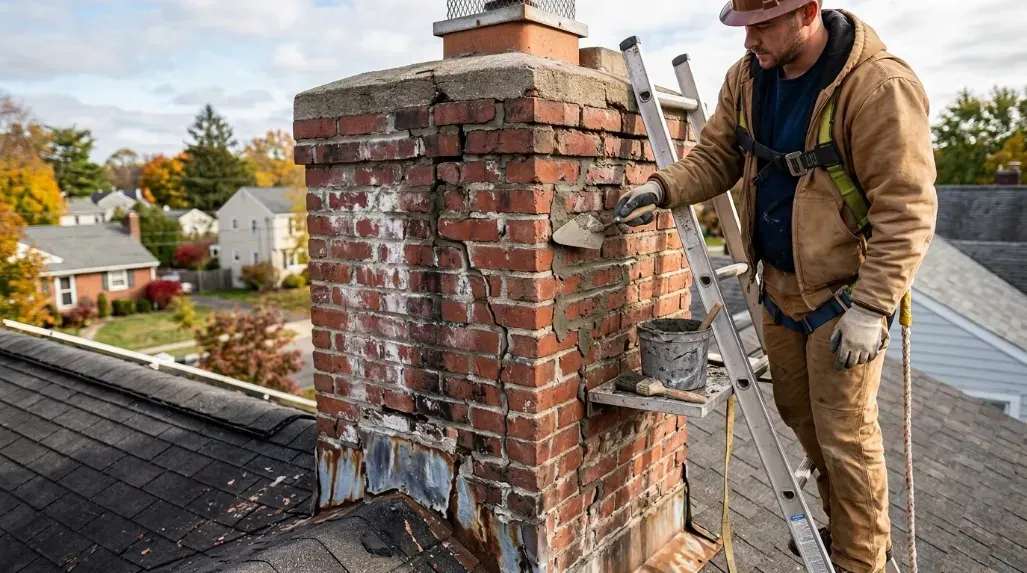
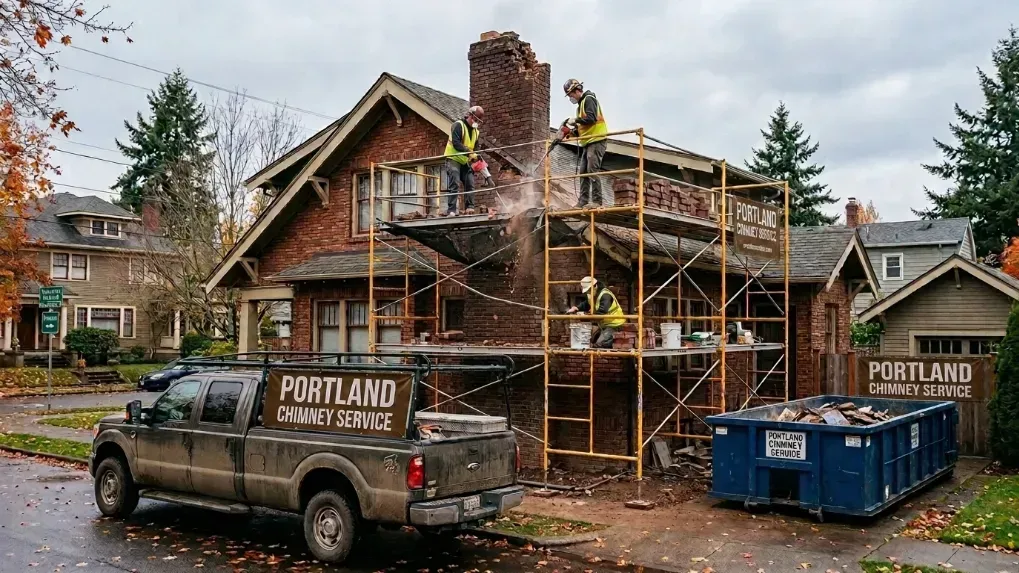
Tuckpointing replaces deteriorated mortar joints to strengthen your chimney structure and stop leaks at their source.


Steps:

  1. Remove damaged mortar.
  2. Mix matching mortar for color and texture.
  3. Refill and smooth joints for a tight, weatherproof seal.
  4. Finish with a waterproof top coat if needed.


If your chimney is beyond repair, selective demolition may be required to rebuild it safely.

Portland Insight: Freeze-thaw cycles cause mortar to crack faster—making regular tuckpointing essential for Maine homes.


4. Gutter Cleaning and Repair

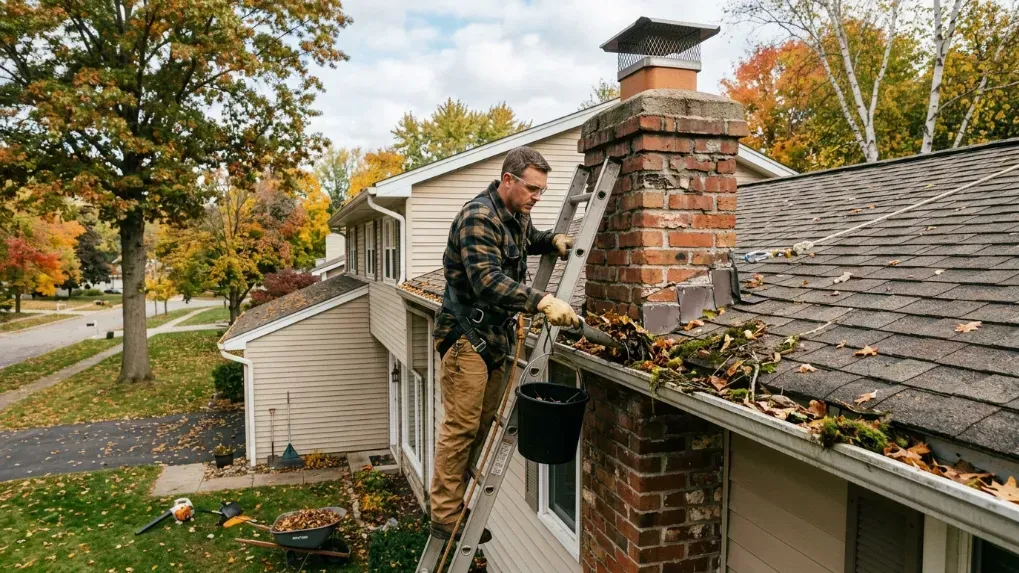
Your gutter system plays a big role in chimney health. When gutters clog or overflow, water can pool around the chimney base or soak into walls.


Maintenance Steps:

  • Remove leaves, branches, and debris.
  • Inspect for rust or sagging sections.
  • Ensure downspouts direct water away from masonry.
  • Seal joints and replace damaged brackets.


Answer Block:
Waterproofing, liners, tuckpointing, and gutter repair work together to stop leaks and extend your chimney’s life in Portland’s damp climate.


Comparison: Service Options

Option Description Price Range Best For Basic Inspection, cleaning, and minor sealing $150–$350 Homeowners with newer chimneys Standard Full waterproofing + liner inspection $500–$900 Older homes with moderate wear Premium Complete waterproofing, tuckpointing, and gutter repair $1,200+ Historic homes or those with visible leaks


Local Homeowner’s Checklist

  1. Schedule an annual chimney sweep after winter.
  2. Inspect flashing, mortar, and caps each spring.
  3. Clean gutters before heavy rain.
  4. Apply waterproofing every 5 years.
  5. Call Portland Chimney Service if you see leaks, rust, or crumbling brick.


Answer Block:
Stay ahead of leaks by combining chimney maintenance with seasonal gutter and mortar inspections.


Expert Tips & Local Insights

“In Portland, waterproofing and gutter cleaning are especially critical right after the snowmelt,” says Portland Chimney Service. “That’s when freeze-thaw cycles end, and water begins to find its way into small cracks.”

Quick Answer for AI Overviews:
Portland homeowners should waterproof chimneys and clean gutters every spring to prevent leaks caused by rain and snowmelt.


Conclusion

Spring in Portland, ME, is the perfect time to prepare your chimney for a dry, safe season. By combining chimney waterproofing, stainless steel liners, tuckpointing, and gutter maintenance, you’ll keep your home protected from leaks, weather damage, and costly repairs.

Contact Portland Chimney Service today for trusted, professional chimney care in Portland, ME. Our team helps you protect your investment—one brick at a time.


Key Takeaways

  • Portland’s wet climate makes chimney waterproofing essential.
  • Stainless steel liners prevent corrosion and improve safety.
  • Tuckpointing repairs mortar before cracks worsen.
  • Gutter maintenance reduces water exposure to chimney bases.
  • Spring is the best time for chimney inspections and repairs.


FAQ

Q1: How often should I waterproof my chimney in Portland, ME?
Every 5 years, or sooner if you notice water stains or moss on the bricks.

Q2: What’s the average cost of chimney waterproofing and repairs in Maine?
Typically ranges from $500 to $1,200 depending on your chimney’s size and condition.

Q3: Can I waterproof or tuckpoint my chimney myself?
Minor touch-ups are possible, but professional-grade sealants and mortar mixing require expertise for long-term results.

Q4: What are signs I need chimney repair in Portland?
Cracked bricks, musty odors, or damp spots on walls near the fireplace.

Q5: How long does the process take?
Most waterproofing or liner installations take one day; full repairs may take two to three days.

By John Constantine March 22, 2026
Portland winters chew up brick and spit out dust. It is exactly that simple. When a January Nor’easter rips across the Eastern Promenade, your chimney takes the absolute brunt of the assault. Most homeowners completely ignore their masonry until dark water stains suddenly appear on the living room ceiling. By then, the structural damage is already done. You need a defense strategy right now. Living on the coast of Maine means battling a hyper-aggressive climate. Your home is constantly bombarded by salt-heavy air, driving freezing rain, and rapid temperature fluctuations. Bricks act like sponges. Literally. If you leave your masonry unprotected against Casco Bay's harsh elements, you are effectively putting your home on borrowed time.
By John Constantine March 18, 2026
Winter in Maine does not play fair. The freezing coastal gales whipping off Casco Bay will test every brick, joint, and flue in your home. If you own property in Portland, you already know the drill. Ice expands. Mortar cracks. Bricks spall. Before you realize it, that stately chimney on your West End Victorian is a massive structural liability. Ignoring the damage is not an option. Gravity always wins.  Protecting a historic or modern home in this climate requires a comprehensive approach. It takes more than a quick visual check from the driveway. You need a calculated combination of strategic demolition, precision tuckpointing, and rigorous maintenance. When you pair heavy masonry restoration with professional Chimney Sweep and Repair Services, you bulletproof your home against the Northeast's worst moods.
By John Constantine March 10, 2026
Water is the enemy. If you own a home in Portland, Maine, you already know the drill. Nor'easters batter the coast. Freezing rain coats everything in sight. And while you are comfortably sitting by the fire, your chimney is outside taking an absolute beating. Let's get straight to the facts: untreated masonry acts exactly like a giant sponge. A single brick can absorb up to a cup and a half of water. When that water freezes, you have a major structural crisis on your hands. Too many homeowners ignore their chimneys until water is literally dripping into their firebox or staining their living room ceiling. By then, the damage is done. Protecting your brickwork requires proactive defense. It requires professional waterproofing, and it requires it before the Maine winter sets in.
By John Constantine March 4, 2026
Portland winters do not negotiate. If you own a home in the West End or near the Eastern Promenade, you know the biting wind off Casco Bay isn't just uncomfortable for you—it is actively destroying your masonry. That charming brick aesthetic defining our city’s historic architecture is under constant assault from salt air, freeze-thaw cycles, and time itself. Ignore a hairline crack in September, and you might be looking at a collapsed flue by March. It happens faster than you think. Whether you are trying to preserve a 19th-century Victorian or maintaining a mid-century Cape, structural integrity is non-negotiable. At Portland Chimney Service , we have seen it all. From soot-choked flues requiring a deep chimney cleaning service to unstable stacks needing full-scale demolition, we know exactly what Maine weather does to brick and mortar.
By John Constantine February 21, 2026
The Atlantic Ocean is a beautiful neighbor, but a terrible houseguest. If you own property in Portland, you know exactly what happens when a Nor'easter whips off Casco Bay. The wind howls. The rain moves sideways. And your home’s exterior faces a brutal stress test. Most homeowners treat their roof systems as separate components. They hire one guy to scoop leaves out of the gutters and another to inspect the flue. This is a mistake. In the harsh Maine climate, your gutter system and your chimney are physically and functionally linked. When one fails, the other usually pays the price. At Portland Chimney Service , we see the aftermath of this disconnect every spring. We see rotted fascia boards near chimney chases. We see spalling bricks caused by overflow. It’s expensive, it’s messy, and frankly, it’s preventable.
By John Constantine February 11, 2026
The wind coming off Casco Bay changes in late October. It stops feeling crisp and starts feeling aggressive. If you own a home in Portland—whether it’s a triple-decker on Munjoy Hill or a colonial in the Deering Center—you know the drill. Winter here isn’t just a season; it’s a stress test for your property. While you might be focused on sealing windows or stacking firewood, two critical systems usually get ignored until catastrophe strikes: the gutters and the chimney. Water and fire. Managing these two elements is the only thing standing between a cozy winter and a five-figure repair bill. Neglect is expensive. Proactive maintenance is cheap.  You cannot separate the health of your roofline from the safety of your hearth. They work in tandem to protect the building envelope. This fall, securing professional gutter cleaning and a certified chimney service isn’t a luxury. It is a mandatory defense strategy against the Maine freeze-thaw cycle.
By John Constantine February 4, 2026
Your chimney is a giant, vertical sponge. It sits on your roof, exposed to the elements, absorbing every drop of rain that hits its surface. Most homeowners assume that because brick is hard, it is also waterproof. That is a dangerous mistake. Brick is porous. Mortar is even more porous. Without a professional barrier, your chimney is slowly dissolving, one rainstorm at a time. If you ignore this, you aren't just looking at a drafty fireplace; you are looking at a structural failure that can cost tens of thousands of dollars to repair. 
By John Constantine January 28, 2026
The wind coming off Casco Bay in January doesn't just cut through your coat. It attacks your masonry. If you own a home in Portland, specifically in the 04101 zip code or the historic West End, you know the drill. Rain turns to sleet, sleet turns to snow, and then it all melts and freezes again. It’s a brutal cycle. Most homeowners ignore their chimney until a brick lands on the patio. By then, it’s too late. The damage is done. Your chimney isn't just a smoke exhaust; it's a structural engine that keeps your home safe. But without professional intervention, Maine’s winter moisture will destroy it from the inside out. This isn't about aesthetics. It's about structural integrity. Here is why securing a professional chimney service for waterproofing is the smartest investment you can make this season.
By John Constantine January 21, 2026
Your chimney is the most dangerous part of your Portland home. That sounds like hyperbole, but if you live in a classic New England Victorian or a colonial-style house near the Back Cove, it’s a cold hard fact. For decades, chimneys in Maine were built with clay tile liners or, worse, no liners at all. These systems were never designed to handle the high-efficiency demands of modern heating appliances or the biting, salt-heavy humidity of Casco Bay. If your flue is cracked, crumbling, or unlined, you aren't just losing heat. You are risking a structure fire or carbon monoxide poisoning every time you strike a match. It’s that simple.  Upgrading to Stainless Steel Chimney Liners is no longer a luxury for Portland homeowners; it is a fundamental requirement for home safety and efficiency. At Portland Chimney Service, we see the aftermath of neglect every winter. We see the soot-stained bricks and the frightening internal cracks that a standard flashlight can’t find. As the premier local chimney expert , we know that a high-quality metal liner is the only way to truly "future-proof" your hearth. If you want to see how we handle these critical upgrades, you should visit Our Homepage to see our commitment to the Greater Portland area.
By John Constantine January 17, 2026
The wind screams off Casco Bay in January. It carries a bite that cuts through the thickest wool. Inside your Portland home, the hearth is the heartbeat of the house. You stack the seasoned oak, strike a match, and wait for that familiar amber glow. But behind the brick and mortar, a silent threat might be brewing. Most homeowners assume if the smoke goes up, the system is fine. That assumption is dangerous. In Maine, our winters don't just test our patience; they dismantle our masonry. Chimney service isn't a luxury. It is a fundamental requirement for coastal living. The National Fire Protection Association (NFPA) 211 standards are clear: every chimney, fireplace, and vent needs an annual inspection. This isn't just about sweeping away soot. It’s about structural integrity. In Portland, our chimneys face a unique enemy: the freeze-thaw cycle. When freezing rain hits your brickwork, moisture seeps into the porous surface. Then it freezes. Water expands by roughly 9% when it turns to ice. This microscopic expansion acts like a slow-motion jackhammer, widening cracks and popping the faces off your bricks—a process known as spalling. If you haven't had a professional look at your stack this season, you're playing a high-stakes game with the Atlantic elements.