Portland’s lush, green landscape is one of its greatest assets, but the very thing that makes it beautiful—the abundant rain and towering trees—can be a homeowner's worst nightmare when it comes to gutter maintenance. Clogged, damaged, or overflowing gutters aren't just an eyesore; they are a direct threat to your home's structural integrity. From the foundation to the roof, your gutters are the unsung heroes of water management. This comprehensive guide will walk you through everything Portland homeowners need to know about gutter cleaning and repair.
Here at Portland Chimney Service, we've expanded our expertise in exterior home protection to include comprehensive gutter care. We understand how Portland's unique climate impacts your home, and we're dedicated to providing reliable solutions to protect your investment.

Why Gutter Maintenance is Non-Negotiable in the Pacific Northwest
In a city that sees an average of 154 rainy days a year, functional gutters are essential. The combination of heavy rainfall and falling debris from Douglas Firs, maples, and oaks creates a perfect storm for clogged gutters. When water can't flow freely, it has to go somewhere, and that's when the trouble begins.
The Dangers of Neglected Gutters:
- Foundation Damage: When water overflows from clogged gutters, it pools around your home's foundation. This can lead to cracks, leaks in your basement or crawl space, and over time, can compromise the entire structure.
- Roof and Fascia Damage: Trapped water in gutters can seep under your roof shingles, causing rot in the roof decking and fascia boards (the boards behind your gutters). In winter, this can lead to destructive ice dams.
- Siding and Window Damage: Overflowing water constantly running down your siding can cause staining, peeling paint, and even water damage to the underlying wood and window frames.
- Pest Infestations: The stagnant water and decaying organic matter in clogged gutters create an ideal breeding ground for mosquitoes, ants, termites, and other pests looking for a way into your home.
- Landscape Erosion: Uncontrolled water runoff can wash away expensive landscaping, creating channels and gullies in your flowerbeds and lawn.
The Professional Gutter Cleaning Process: A Step-by-Step Look
Professional gutter cleaning is more than just scooping out a few leaves. It's a thorough process designed to ensure your entire water drainage system is functioning perfectly. When you hire experts, here’s what you can expect:
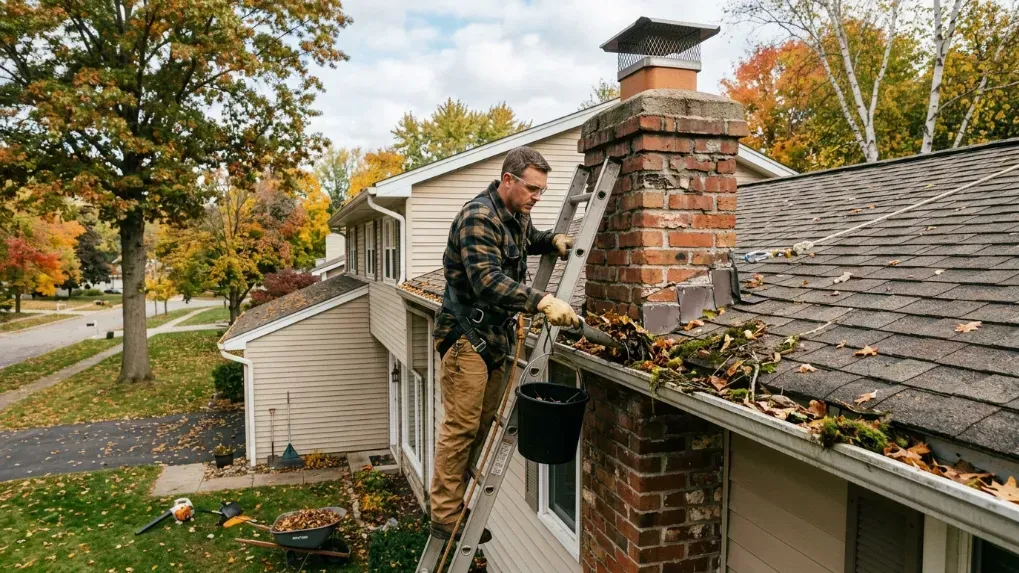
- Debris Removal: The first step is to meticulously remove all leaves, pine needles, twigs, and muck from the gutter channels. This is often done by hand and with specialized tools to ensure nothing is missed.
- Downspout Flushing: A clogged downspout makes the entire gutter system useless. Professionals use high-pressure water or air to flush out any blockages in the downspouts, ensuring a clear path for water to exit away from your home.
- System Inspection: During the cleaning, a trained technician will inspect the entire system for signs of wear and tear. This includes looking for leaks, loose hangers, sagging sections, and improper pitch.
- Minor Adjustments: Often, minor issues like a loose spike or a small leak can be addressed on the spot.
- Clean-Up: A key part of professional service is the cleanup. All the debris removed from your gutters is bagged and removed from your property, leaving your yard pristine.
For a complete overview of our exterior maintenance solutions, check out our main services page.
Common Gutter Problems Portland Homeowners Face
Beyond simple clogs, several issues can plague your gutter system. Knowing how to spot them can help you address problems before they escalate.
1. Leaks and Holes
How to Spot: Look for drips or streams of water coming from places other than the downspout during rain. You might also see rust spots or cracks in the gutter material.
Why it Matters: Even a small leak can lead to significant water damage to your fascia and siding over time.
2. Sagging Gutters
How to Spot: Visually inspect your gutter line from the ground. If you see sections pulling away from the house or bowing in the middle, they are sagging.
Why it Matters: Sagging gutters collect water instead of draining it, increasing the weight and risk of them detaching completely. The standing water also becomes a breeding ground for pests.
3. Improper Pitch
How to Spot: After a rainstorm, if you still see standing water in your gutters, it’s a sign they aren't pitched correctly towards the downspout.
Why it Matters: The system isn't draining efficiently, which adds weight and promotes corrosion and algae growth.
4. Damaged or Disconnected Downspouts
How to Spot: Look for downspouts that are dented, disconnected from the gutter, or not directing water far enough away from the foundation.
Why it Matters: A damaged downspout can deposit all the roof's water directly at the base of your home, leading to rapid foundation erosion and basement flooding.
DIY vs. Hiring a Professional: Making the Right Choice
Tackling gutter cleaning yourself can be tempting, but it's crucial to weigh the pros and cons, especially considering the risks involved.
| Factor | DIY Gutter Cleaning | Professional Service |
|---|---|---|
| Safety | High risk of falls from ladders, potential for electric shock from nearby power lines. | Trained professionals use safety harnesses and proper equipment, and are fully insured. |
| Thoroughness | May miss hidden clogs in downspouts or fail to spot underlying issues like rust or loose hangers. | Includes a full system flush and inspection, identifying potential problems before they worsen. |
| Equipment | Requires purchasing and storing a tall, sturdy ladder, gloves, scoops, and buckets. | Professionals arrive with all necessary tools, including high-power blowers and flushing equipment. |
| Time & Effort | Can take several hours or an entire weekend, and is a physically demanding, messy job. | Fast and efficient, freeing up your time for other things. |
| Cost | Lower upfront cost, but potential for high costs from missed repairs or accidents. | Higher upfront cost, but provides peace of mind and can prevent expensive future repairs. |
While DIY is an option for single-story homes with minimal debris, for most Portland homeowners, the safety, efficiency, and expertise of a professional service like Portland Chimney Service is the smarter long-term investment.
When is Gutter Repair Necessary?
Sometimes, a cleaning isn't enough. If an inspection reveals significant issues, repair is essential. Common gutter repairs include:
- Sealing Leaks: Applying industrial-grade sealant to patch holes and leaking seams.
- Re-hanging and Re-pitching: Adjusting the gutters to ensure they have the correct slope for proper drainage and are securely fastened to the fascia.
- Replacing Damaged Sections: Cutting out and replacing sections that are severely rusted, bent, or damaged.
- Downspout Reattachment/Replacement: Securing or replacing downspouts to ensure they function correctly.
Learning more about us and our commitment to quality home maintenance can give you confidence in our comprehensive approach to protecting your home's exterior.
Conclusion: Protect Your Portland Home from the Top Down
Your gutters are a critical defense system against the relentless Portland rain. Regular cleaning and timely repairs are not just maintenance tasks; they are essential investments in preserving the value and safety of your home. By keeping your gutters clear and functional, you prevent a cascade of potential problems, from a leaky roof to a cracked foundation. Don't wait for the water to find its way in. Be proactive and ensure your home is ready for whatever the Pacific Northwest skies have in store.
If you're unsure about the state of your gutters or simply want to hand the task over to trusted experts, we're here to help. Feel free to contact us to schedule an inspection or cleaning service.
Frequently Asked Questions
How often should I clean my gutters in Portland?
For most Portland homes, especially those with overhanging trees, we recommend cleaning your gutters twice a year. The best times are in late spring after trees have dropped their seeds and pollen, and again in late fall after the majority of leaves have fallen. Homes with heavy pine needle debris may benefit from more frequent checks.
What are the signs I need gutter repair, not just cleaning?
Look for visible signs of damage like cracks or holes, rust spots, and sagging sections that pull away from the house. Water stains on your fascia boards or siding directly below the gutter are also a strong indicator of leaks. If you notice nails or screws on the ground near your home, they may have come loose from the gutter hangers.
Can you clean gutters in the rain?
While light drizzle isn't usually a problem, professional companies will typically reschedule during heavy rain or unsafe, windy conditions. Safety is the top priority. Cleaning in wet conditions can also be messier and less effective, so it's often best to wait for a break in the weather.
Are gutter guards worth the investment in the Pacific Northwest?
Gutter guards can be a great investment to reduce the frequency of cleanings, but they are not a 'set it and forget it' solution. They are excellent at stopping large leaves, but smaller debris like pine needles and shingle grit can still get through some types of guards and create a sludge underneath. They reduce, but don't eliminate, the need for maintenance.