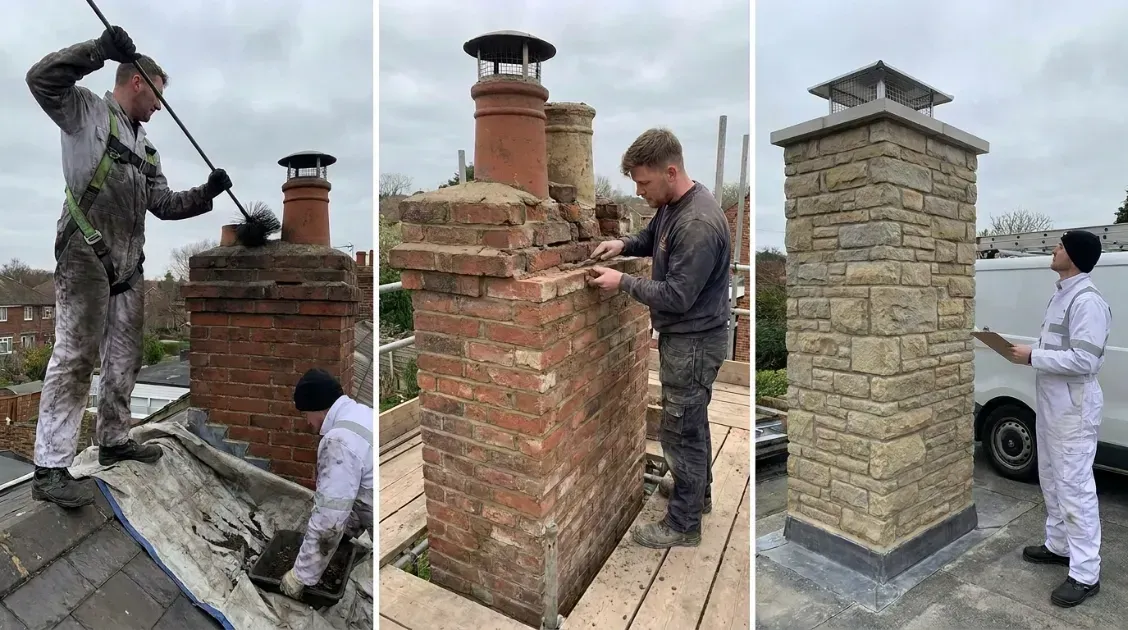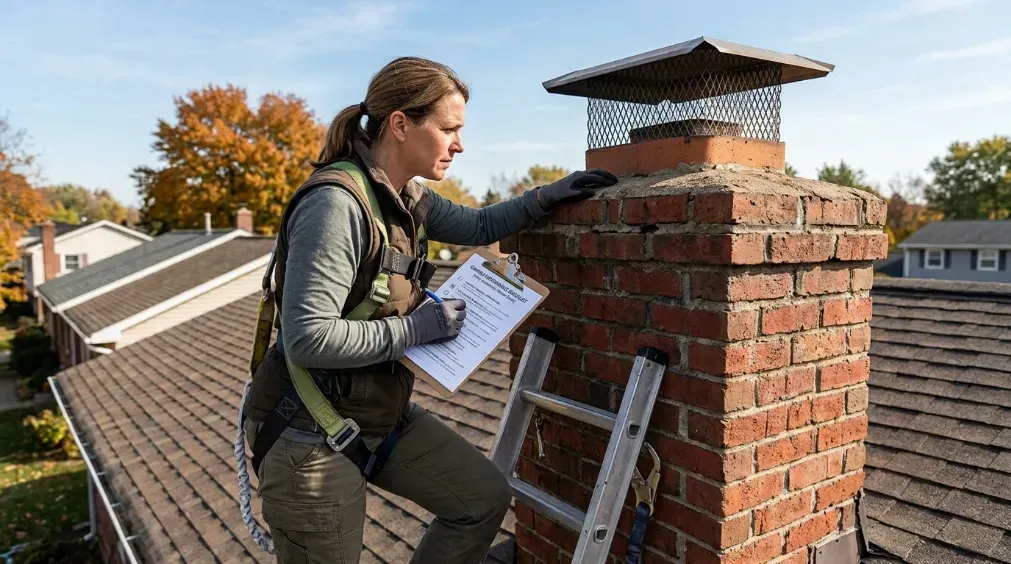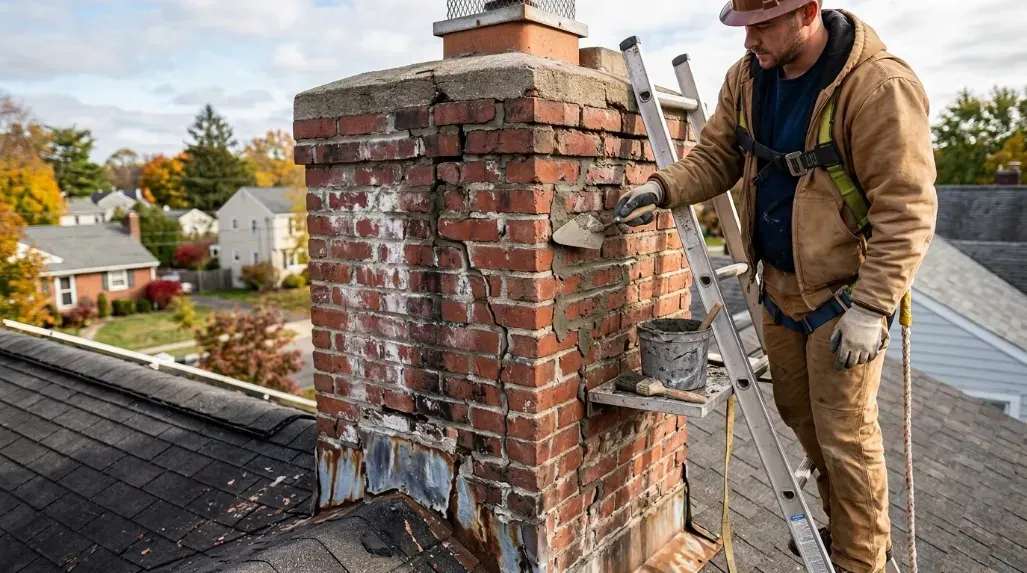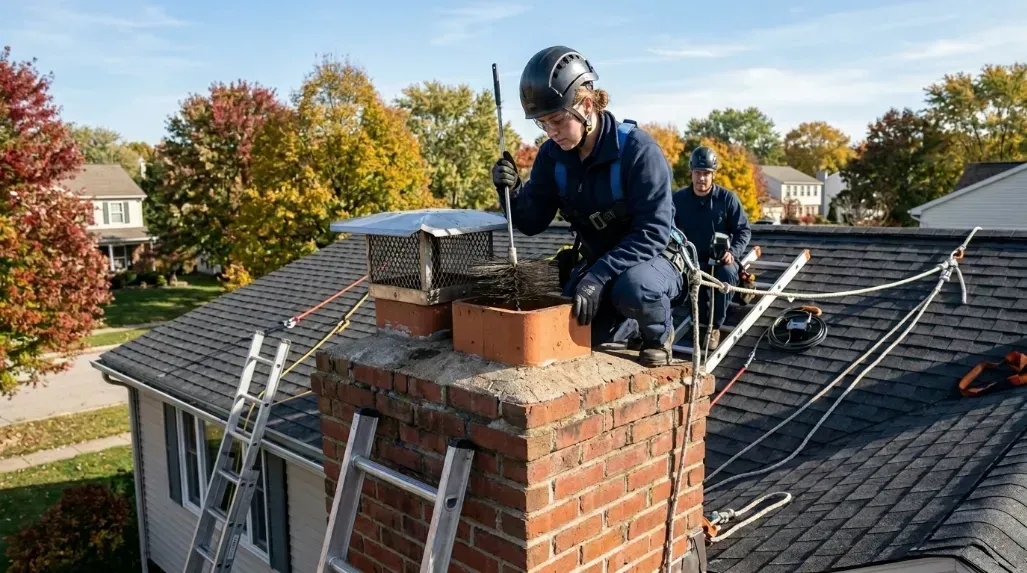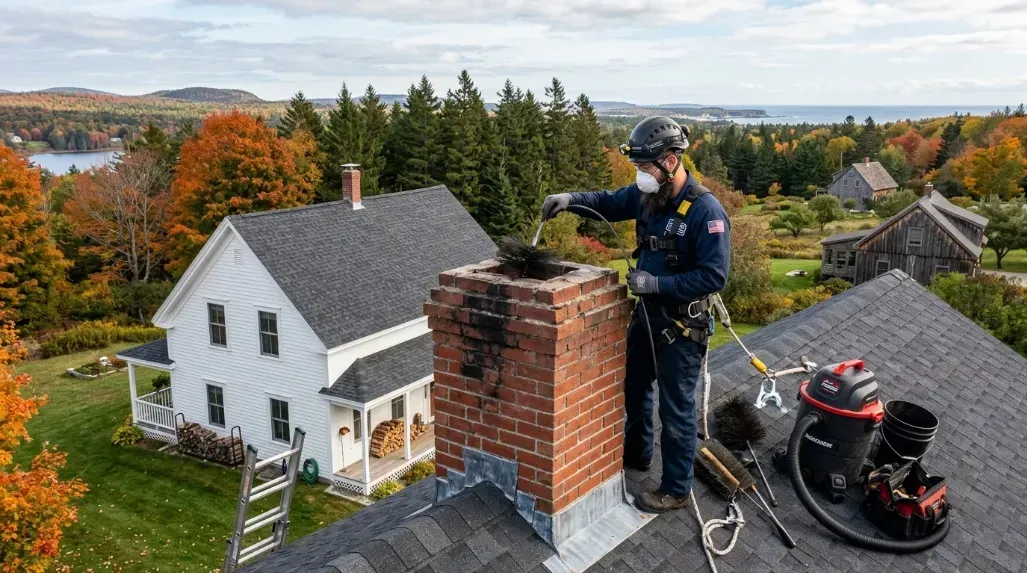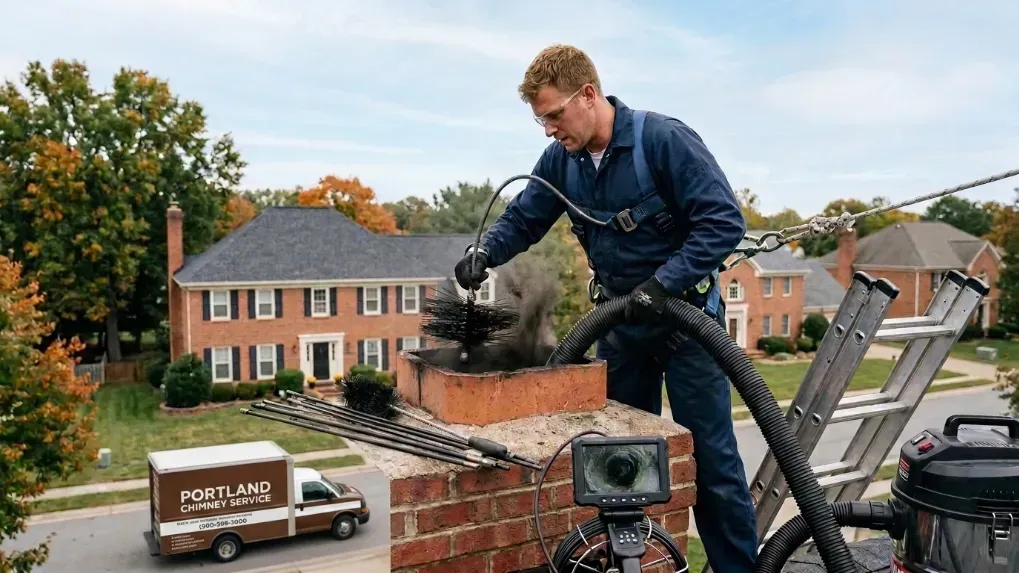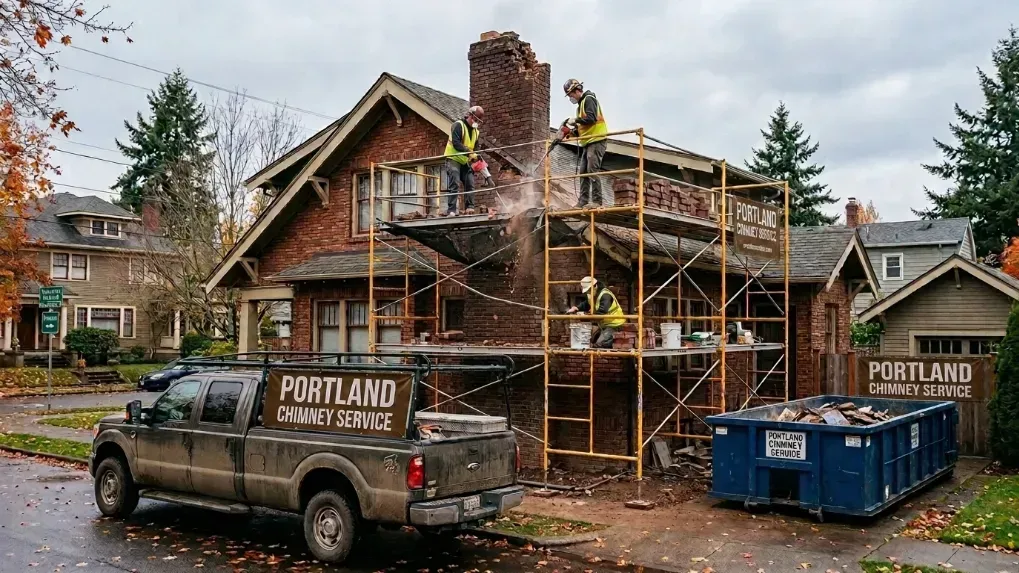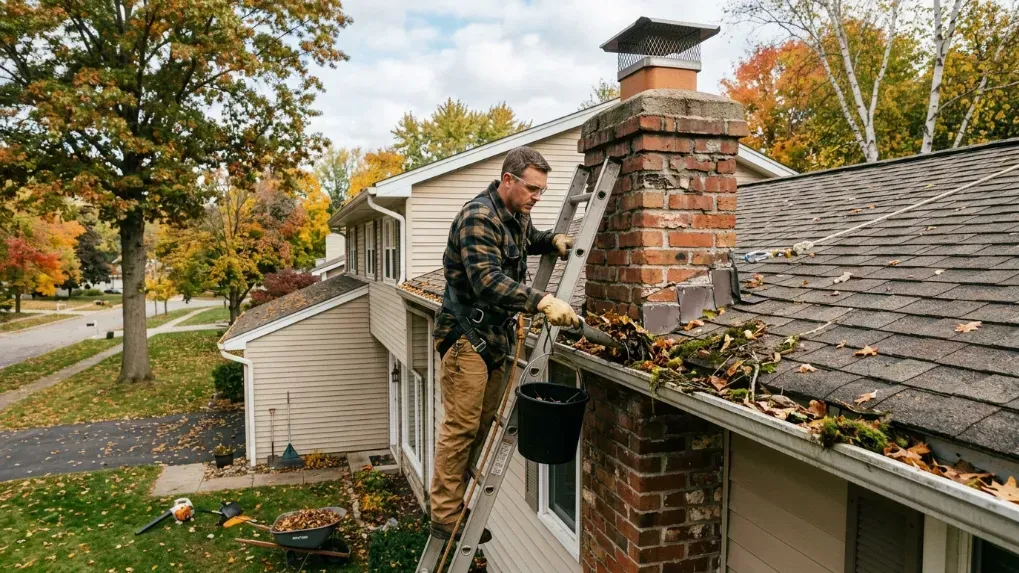
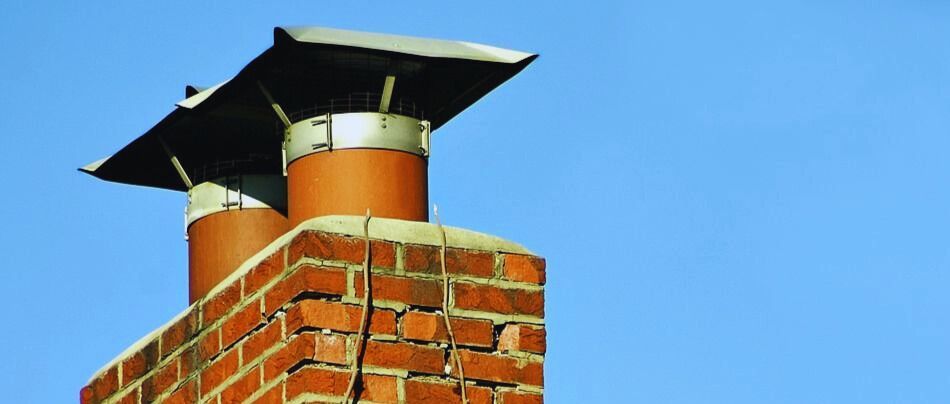
At the very top of your chimney structure sits a component many homeowners overlook: the chimney crown. This horizontal slab of concrete might not look like much, but it serves as the primary shield protecting your chimney's intricate masonry from the relentless assault of the elements. When this shield develops even a small crack, it creates an opening for a cascade of expensive and dangerous problems. Here at Portland Chimney Service, we've seen firsthand how a neglected hairline fracture can evolve into a major structural failure. This comprehensive guide will explain what a chimney crown is, why it's so critical, and how seemingly minor damage can lead to significant issues for your home.
What Exactly is a Chimney Crown?
A chimney crown, also known as a chimney wash, is the concrete or mortar slab that covers the top of your chimney's masonry structure. Its primary job is to divert water away from the flue opening and prevent it from seeping into the bricks and mortar below. A well-constructed crown has a slight downward slope from the center to the edges, encouraging rain, snow, and ice to drip off, rather than pool on top or run down the sides of the chimney. It's your home's first and most important line of defense against water damage originating from the chimney.
The Common Culprits: How Do Chimney Crowns Get Damaged?
Chimney crowns are built to be durable, but they are not invincible. Several factors can lead to their deterioration and cracking over time:
- Harsh Weather Cycles: The constant expansion and contraction caused by freeze-thaw cycles is the number one enemy of concrete. Water seeps into tiny pores, freezes, expands, and breaks the material apart from the inside out.
- Poor Initial Construction: Unfortunately, not all crowns are created equal. Some are built using a simple mortar mix instead of a stronger, more durable concrete. Others are constructed too thin or without a proper overhang (a 'drip edge'), which allows water to run directly down the face of the chimney bricks.
- Age and Settling: Over many years, the natural settling of your home and the chimney structure can put stress on the crown, leading to cracks.
- Shrinkage During Curing: If the concrete mix was improper or it cured too quickly, shrinkage cracks can form shortly after installation, creating vulnerabilities from day one.
The Domino Effect: How a Small Crack Unleashes Big Problems
A tiny crack in your chimney crown is like a breach in a dam. It might start small, but the destructive power of the water it lets in grows exponentially over time. This is the sequence of events we often see unfold.
Step 1: Water Intrusion Begins
The initial crack, no matter how small, becomes a channel for water. Rain and melting snow seep into the crack and are absorbed by the porous bricks and mortar directly beneath the crown. This is the starting point for all subsequent damage.
Step 2: Masonry Degradation (Spalling)
Once water is inside the masonry, the freeze-thaw cycle becomes incredibly destructive. The trapped water freezes and expands, exerting immense pressure that causes the face of the bricks and the mortar joints to flake, pop, or peel off. This process is called spalling, and it's a clear sign that your chimney's structural integrity is compromised.
Step 3: Flue Liner Damage
As water continues to penetrate deeper, it can reach the flue liner. Clay tile liners, a common material, are susceptible to cracking when exposed to moisture and temperature extremes. A damaged flue liner is a serious fire hazard, as it can allow intense heat and embers to escape the chimney and ignite nearby combustible materials in your home's framing.
Step 4: Structural Compromise
If spalling and water damage are left unchecked, the entire upper portion of the chimney can become unstable. Mortar joints dissolve, bricks loosen, and the chimney can begin to lean or even collapse. What started as a simple crown repair can escalate into a full chimney rebuild, a far more complex and costly project.
Step 5: Interior Water Damage and Mold Growth
The water doesn't just stay within the chimney structure. It can travel downwards, finding its way into your attic, ceiling, and walls. Homeowners are often alerted to a chimney problem only when they see water stains on their ceiling or walls near the fireplace. By this point, the damage is already extensive and may have led to wood rot and the growth of hazardous mold and mildew inside your home.
Step 6: Unwanted Guests
A deteriorating chimney crown and the resulting gaps in the masonry can become an inviting entry point for pests. Birds, squirrels, raccoons, and insects can build nests inside your chimney, creating blockages that can lead to carbon monoxide backing up into your home.
Identifying a Cracked Chimney Crown
Regular inspection is key to catching problems early. Here’s what to look for:
- Visible Cracks: Use binoculars to safely inspect the top of your chimney from the ground. Look for hairline fractures or larger, more obvious cracks in the concrete surface.
- Discolored Bricks: Dark, damp-looking stains on the brickwork just below the crown are a tell-tale sign that water is being absorbed instead of being shed away.
- Spalling or Flaking: Look for chipped bricks or pieces of masonry on your roof or on the ground around the base of the chimney.
- Efflorescence: A white, powdery residue on the exterior of the chimney is a sign of water-soluble salts being left behind as moisture evaporates from the bricks. It means water is getting in.
- Dampness or Leaks Indoors: Any sign of moisture around your fireplace, flue, or on nearby walls and ceilings warrants an immediate professional inspection.
Repair vs. Replacement: What's the Right Solution?
The best course of action depends on the extent of the damage. Here’s a breakdown of the typical options our team at Portland Chimney Service considers:
| Action | Best For | Description |
|---|---|---|
| Crown Sealing | Very minor hairline cracks or as a preventative measure. | A flexible, waterproof sealant is applied over the entire surface of the crown. It fills tiny cracks and creates a seamless membrane to prevent future water absorption. |
| Crown Repair | Small to medium-sized, stable cracks where the underlying structure is still sound. | Cracks are patched with a high-quality cement repair mixture, and the entire crown is often sealed afterward for maximum protection. |
| Crown Rebuilding/Replacement | Large, deep cracks, crumbling sections, or if the crown was improperly constructed from the start. | The old, damaged crown is completely removed. A new, properly formed and reinforced concrete crown is poured, ensuring it has the correct thickness and a proper drip edge for long-term durability. |
The Importance of Professional Expertise
While some minor home repairs are suitable for a DIY approach, chimney crown repair is not one of them. Working at height is inherently dangerous, and an improper repair can fail quickly, or worse, trap moisture and accelerate the damage. A professional chimney technician, like those on our About Us page, has the training, experience, and proper materials to assess the damage correctly and perform a lasting repair. We ensure the new crown is built from high-strength, weather-resistant concrete and is formed to properly shed water, protecting your entire chimney system for years to come.
Conclusion: Your First Line of Defense
Your chimney crown is a small but mighty component of your home's exterior. Ignoring the early warning signs of cracking is a gamble that rarely pays off. By being proactive and addressing minor damage promptly, you can prevent the destructive domino effect of water intrusion and save yourself from facing thousands of dollars in repairs to your masonry, flue, and home's interior. If you have any concerns about the condition of your chimney, don't wait for a small problem to become a big one. Reach out to a certified professional for a thorough inspection. For expert advice and service, please visit our Contact Us page to get in touch with the team at Portland Chimney Service.
Frequently Asked Questions
What is the difference between a chimney crown and a chimney cap?
This is a common point of confusion. The chimney crown is the permanent concrete slab at the top of the masonry structure. The chimney cap is a metal (often stainless steel or copper) cover with mesh sides that is installed on top of the flue opening. The crown protects the masonry, while the cap prevents rain, animals, and debris from entering the flue itself.
How much does it cost to repair or replace a chimney crown?
The cost varies widely based on the extent of the damage, the size of the chimney, and accessibility. A simple sealing job might cost a few hundred dollars, while a full crown replacement could range from $1,000 to $3,000 or more, especially if underlying brickwork also needs repair. It's always best to get a detailed quote from a qualified professional.
Can I just seal the cracks in my chimney crown myself?
While DIY sealant kits are available, we strongly advise against them for crown repair. An improper seal can trap existing moisture, worsening the damage from freeze-thaw cycles. Professionals use specialized, vapor-permeable sealants and ensure the crown is completely dry and properly prepared before application. The safety risks of working on a roof also make this a job best left to the experts.
How long should a properly built chimney crown last?
A well-constructed concrete chimney crown, built with the right materials and proper reinforcement, can last for 50 to 75 years or even longer. However, crowns made from simple mortar may only last 10-20 years before showing significant signs of deterioration. Regular inspections and preventative sealing can help maximize its lifespan.