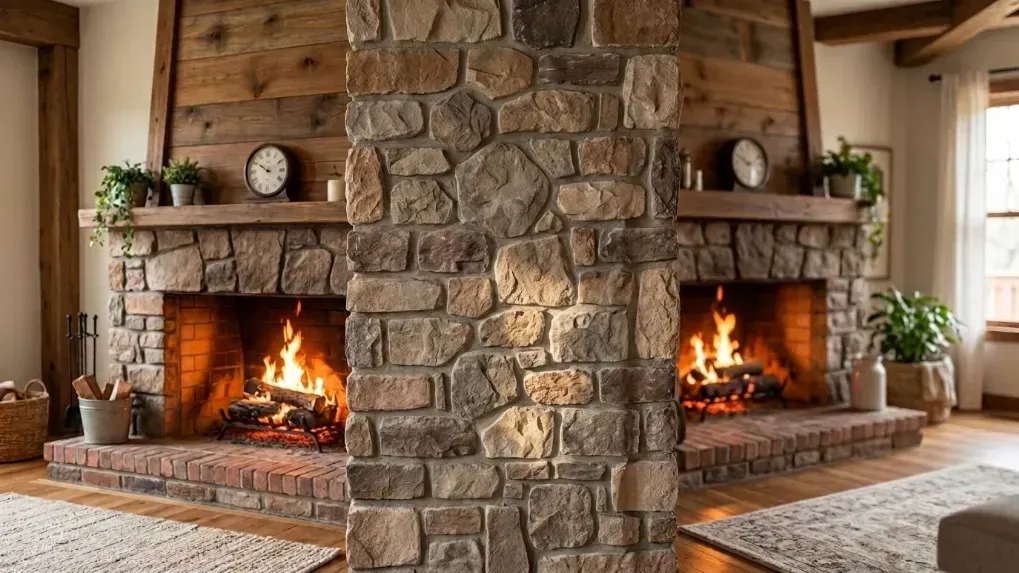
Let me share a story that changed my perspective on chimney maintenance forever. Last winter, I visited my friend Sarah in Portland's historic West End. As we sat in her beautifully restored Victorian home, enjoying hot cocoa by the fireplace, she noticed water stains creeping down her living room wall. What started as a simple water spot turned into a $5,000 repair job – all because of delayed chimney maintenance. This experience taught me a valuable lesson about protecting our Portland homes, and I'm here to share that knowledge with you.
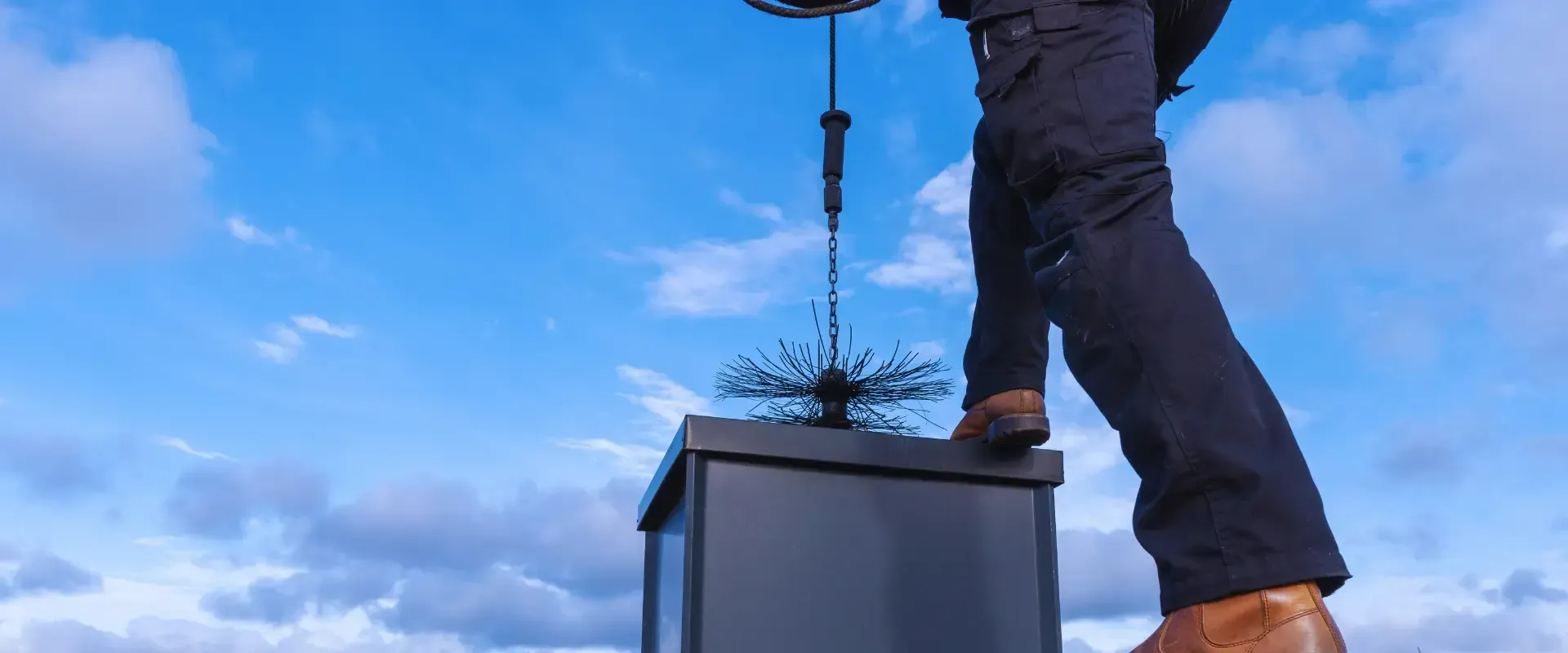
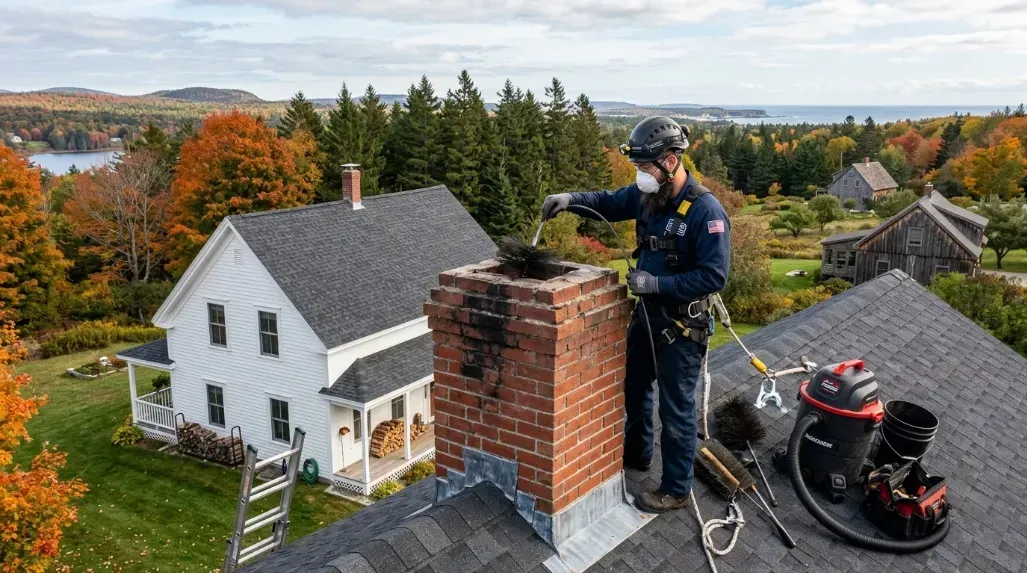
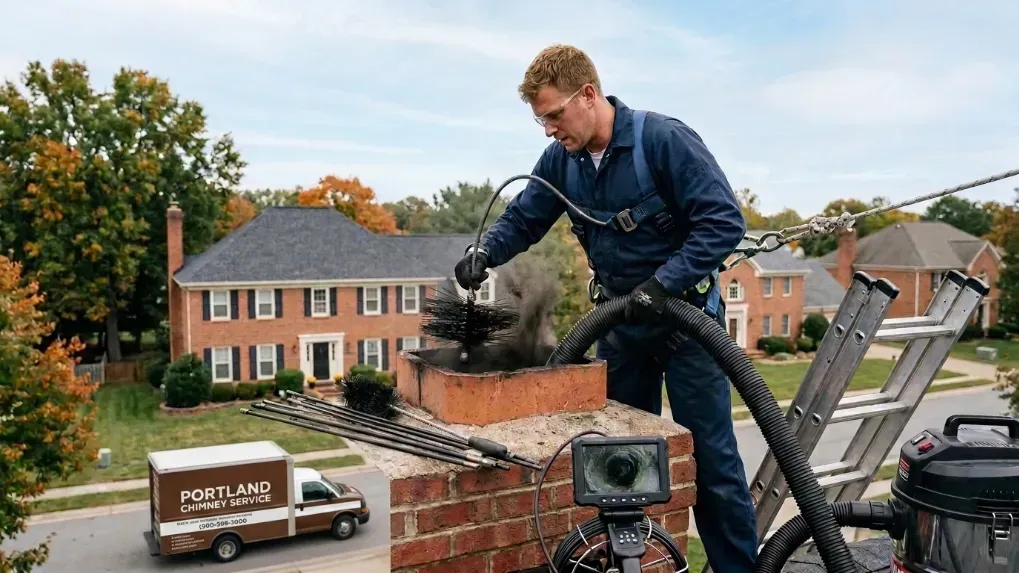
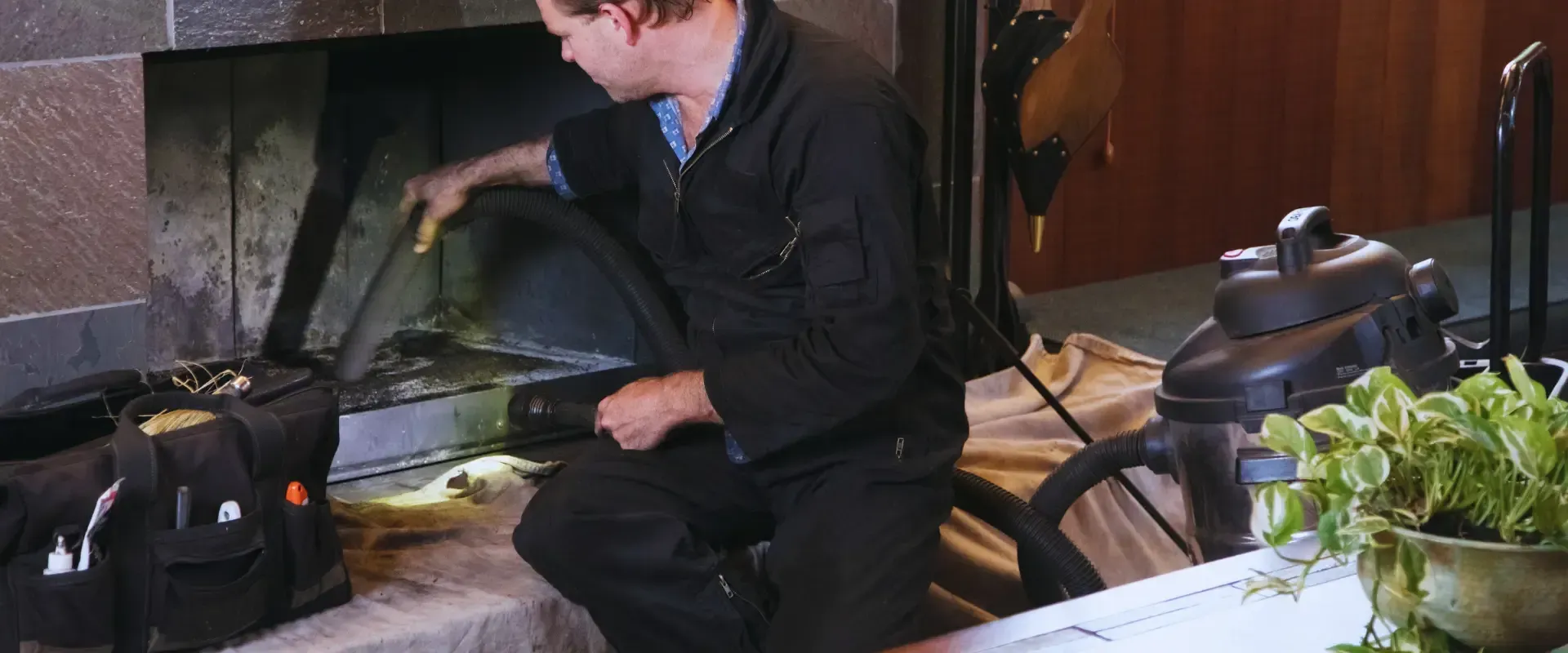
cleaning the chimney

My Journey with Portland's Unique Chimney Challenges

Living in Portland, Maine, I've learned that our chimneys face unique challenges. Our coastal location, combined with harsh winters and humid summers, creates specific maintenance needs that differ from other parts of the country. As a chimney maintenance specialist, I've seen how proper care can prevent costly repairs and ensure your family's safety.


After working with hundreds of Portland homeowners, I understand the importance of adapting maintenance strategies to our local climate. The salt air from Casco Bay, frequent fog, and intense freeze-thaw cycles make our chimneys particularly vulnerable to damage.


Understanding Your Chimney's Role in Home Safety


The Hidden Risks of Neglected Chimneys

Your chimney does more than just vent smoke – it's a crucial component of your home's safety system. Here's what I've discovered through years of experience:

  • Creosote buildup can lead to dangerous chimney fires
  • Damaged masonry allows water infiltration
  • Poor ventilation may cause carbon monoxide buildup
  • Deteriorating mortar joints compromise structural integrity


How Portland's Weather Impacts Your Chimney


Portland's climate presents specific challenges for chimney maintenance:


"The freeze-thaw cycles in Portland can cause more damage to your chimney in one winter than years of normal wear and tear in milder climates." - Portland Masonry Expert

Our unique weather patterns create a perfect storm for chimney damage:


Weather Condition Impact on Your Chimney Coastal Salt Air Accelerates brick deterioration Freeze-Thaw Cycles Creates cracks in mortar Heavy Rain Tests waterproofing effectiveness Snow/Ice Adds weight stress to structure


Essential Chimney Maintenance: A Year-Round Approach


Spring Inspection Checklist

After winter's harsh conditions, here's what I recommend checking:

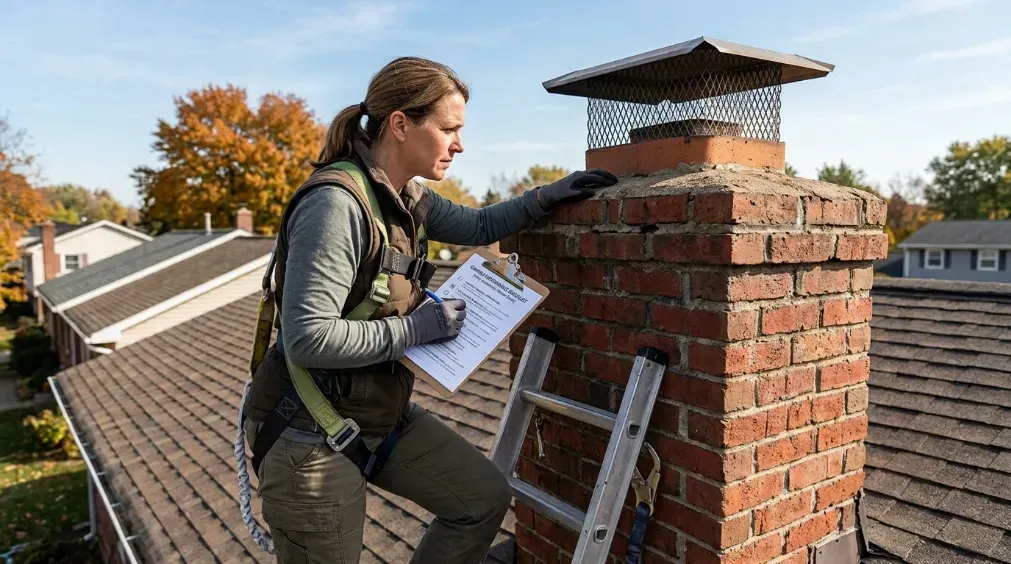
  1. Examine exterior masonry for new cracks
  2. Look for water stains in your attic
  3. Check the chimney cap and crown
  4. Assess flashing integrity
  5. Schedule professional cleaning

Contact our team for a thorough spring inspection.


Summer Preparation Tips

Summer is the perfect time for preventive maintenance:

  1. Schedule waterproofing services
  2. Replace damaged bricks
  3. Update chimney liner if needed
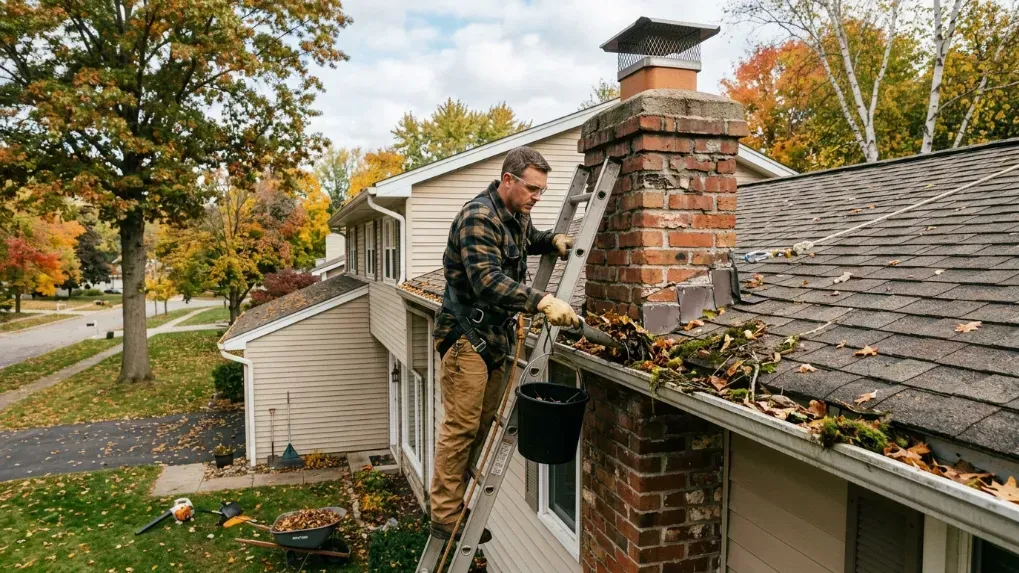
  4. Clean out winter debris


Fall Readiness Guide

Before heating season begins:

  1. Clear all obstructions
  2. Test damper operation
  3. Check smoke and CO detectors
  4. Schedule professional cleaning
  5. Repair any summer storm damage


Winter Protection Strategies

During our harshest season:

  1. Keep snow away from chimney base
  2. Monitor for ice damming
  3. Watch for unusual odors
  4. Maintain proper burning practices
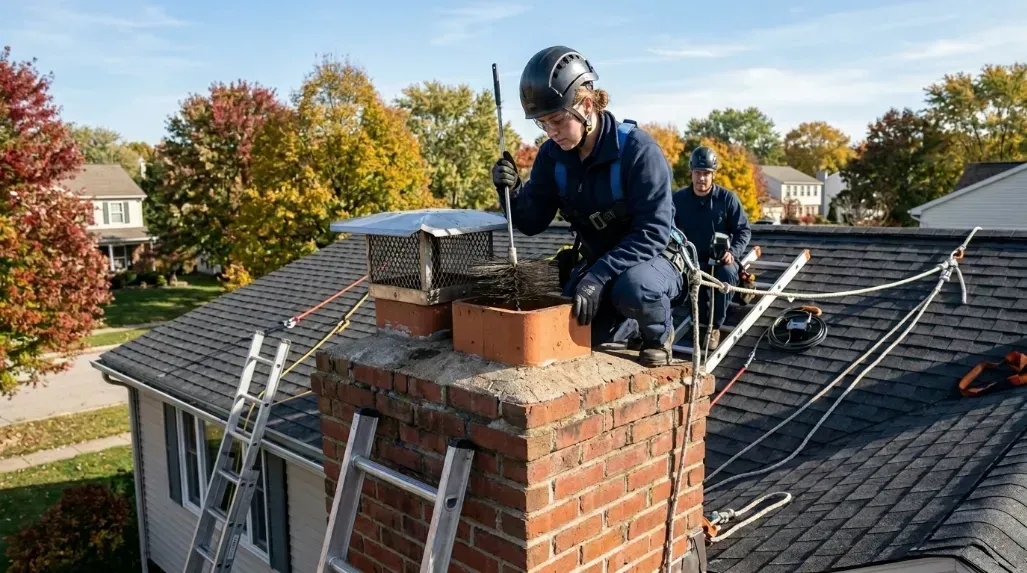
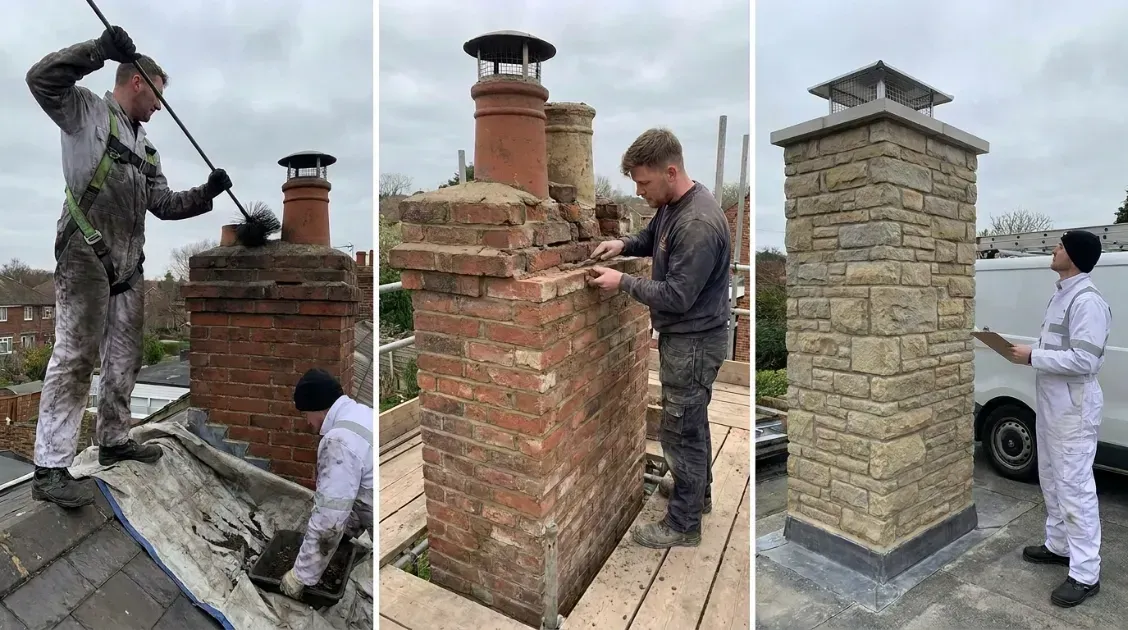
chimney cleaning

The Magic of Chimney Waterproofing


Why I Recommend Waterproofing in Portland

Our coastal environment makes waterproofing absolutely vital. I've seen how proper waterproofing can extend a chimney's life by decades. The best part? It's a one-time investment that keeps protecting your home year after year.


The Waterproofing Process Explained

Here's my step-by-step approach to chimney waterproofing:

  1. Clean and prepare surfaces
  2. Repair any existing damage
  3. Apply penetrating sealer
  4. Protect surrounding areas
  5. Allow proper curing time


Stainless Steel Liners: Your Chimney's Best Friend


Benefits of Installing Stainless Steel Liners

I always recommend stainless steel liners for Portland homes because they:

  • Resist corrosion from coastal air
  • Improve heating efficiency
  • Prevent water damage
  • Last for decades
  • Meet all safety codes


Installation Process and Timeline

A typical liner installation includes:

  1. Initial inspection (1 day)
  2. Old liner removal (1 day)
  3. New liner installation (1-2 days)
  4. Final testing (1 day)


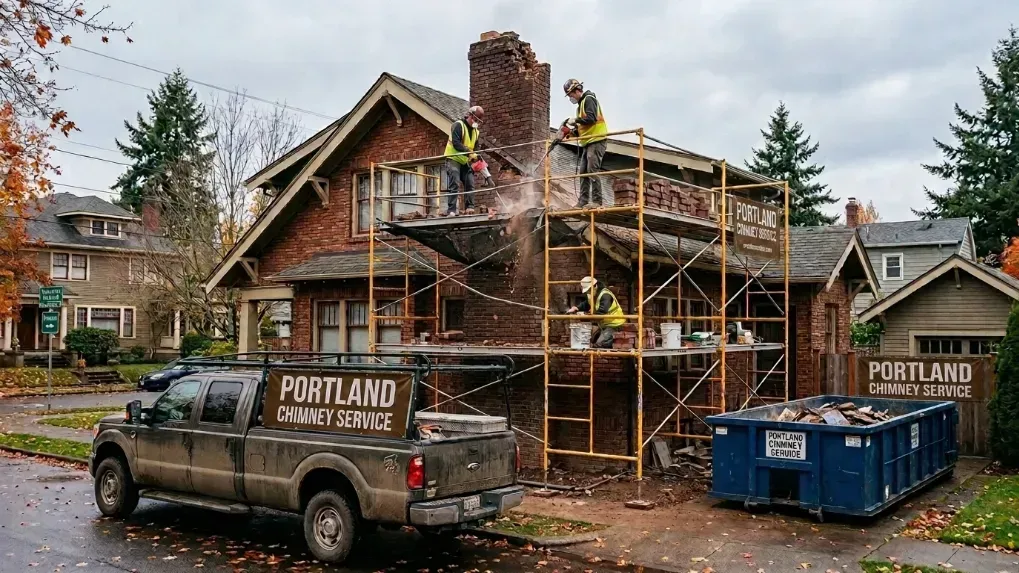
Masonry Maintenance: Demolition and Tuckpointing


Signs You Need Tuckpointing

Watch for these warning signals:

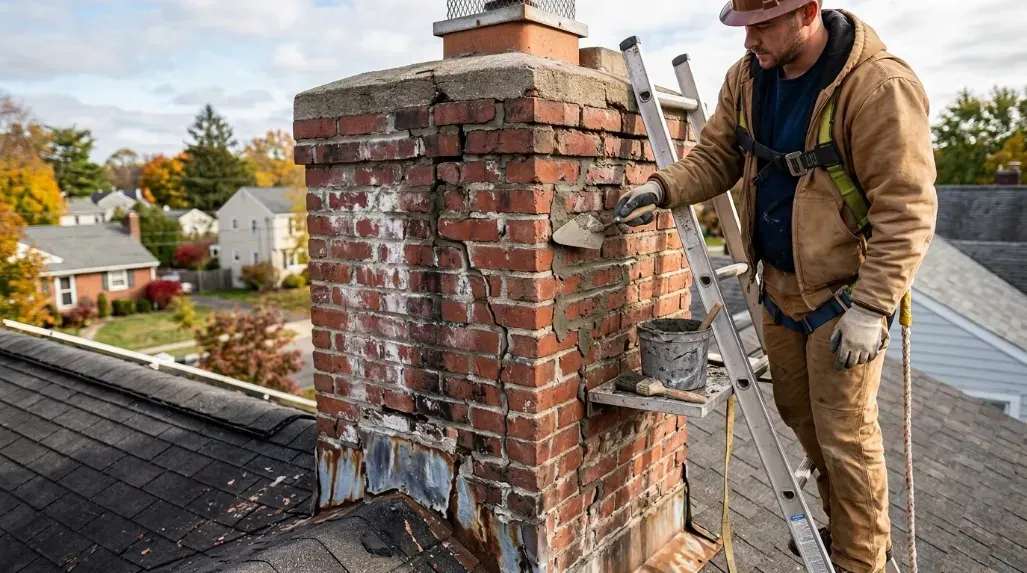
  • Crumbling mortar joints
  • White residue (efflorescence)
  • Loose bricks
  • Visible cracks
  • Water stains


The Restoration Process

My approach to restoration includes:

  1. Documentation of damage
  2. Mortar matching
  3. Joint preparation
  4. New mortar application
  5. Curing and sealing


Professional Tips from My Experience

Based on my years serving Portland homeowners, here are my top recommendations:

  1. Don't skip annual inspections
  2. Address small issues promptly
  3. Invest in quality materials
  4. Consider local weather patterns
  5. Maintain proper documentation


Seasonal Maintenance Calendar

Season Primary Focus Secondary Tasks Spring Inspection Repair winter damage Summer Waterproofing Masonry repairs Fall Cleaning Safety checks Winter Monitoring Snow management


FAQs About Chimney Maintenance

Q: How often should I have my chimney inspected in Portland? A: I recommend annual inspections due to our harsh weather conditions. Schedule yours today.

Q: What makes stainless steel liners better than other options? A: From my experience, stainless steel liners offer superior durability and corrosion resistance, especially important in Portland's coastal climate.

Q: How long does waterproofing last? A: In Portland's climate, a quality waterproofing job typically lasts 5-7 years.

Q: When is the best time for chimney maintenance? A: I recommend scheduling maintenance in late spring or early summer when weather conditions are optimal.

Q: How much does tuckpointing cost? A: While costs vary, investing in timely tuckpointing typically saves thousands compared to major repairs later.


Key Takeaways

  • Regular maintenance prevents costly repairs
  • Professional waterproofing extends chimney life
  • Stainless steel liners provide superior protection
  • Prompt tuckpointing prevents structural damage
  • Local weather requires specialized care
  • Annual inspections save money long-term


Conclusion

As a Portland homeowner, your chimney deserves special attention. Through proper maintenance, waterproofing, and timely repairs, you can protect your home and family while avoiding costly emergency repairs. Our local weather presents unique challenges, but with the right care and attention, your chimney can provide safe, efficient service for decades to come.


Want to learn more about protecting your home? Visit our homepage to explore our services, or contact us to schedule your personalized chimney inspection. Our experienced team is ready to help you maintain your chimney's health and your home's safety.

By John Constantine March 22, 2026
Portland winters chew up brick and spit out dust. It is exactly that simple. When a January Nor’easter rips across the Eastern Promenade, your chimney takes the absolute brunt of the assault. Most homeowners completely ignore their masonry until dark water stains suddenly appear on the living room ceiling. By then, the structural damage is already done. You need a defense strategy right now. Living on the coast of Maine means battling a hyper-aggressive climate. Your home is constantly bombarded by salt-heavy air, driving freezing rain, and rapid temperature fluctuations. Bricks act like sponges. Literally. If you leave your masonry unprotected against Casco Bay's harsh elements, you are effectively putting your home on borrowed time.
By John Constantine March 18, 2026
Winter in Maine does not play fair. The freezing coastal gales whipping off Casco Bay will test every brick, joint, and flue in your home. If you own property in Portland, you already know the drill. Ice expands. Mortar cracks. Bricks spall. Before you realize it, that stately chimney on your West End Victorian is a massive structural liability. Ignoring the damage is not an option. Gravity always wins.  Protecting a historic or modern home in this climate requires a comprehensive approach. It takes more than a quick visual check from the driveway. You need a calculated combination of strategic demolition, precision tuckpointing, and rigorous maintenance. When you pair heavy masonry restoration with professional Chimney Sweep and Repair Services, you bulletproof your home against the Northeast's worst moods.
By John Constantine March 10, 2026
Water is the enemy. If you own a home in Portland, Maine, you already know the drill. Nor'easters batter the coast. Freezing rain coats everything in sight. And while you are comfortably sitting by the fire, your chimney is outside taking an absolute beating. Let's get straight to the facts: untreated masonry acts exactly like a giant sponge. A single brick can absorb up to a cup and a half of water. When that water freezes, you have a major structural crisis on your hands. Too many homeowners ignore their chimneys until water is literally dripping into their firebox or staining their living room ceiling. By then, the damage is done. Protecting your brickwork requires proactive defense. It requires professional waterproofing, and it requires it before the Maine winter sets in.
By John Constantine March 4, 2026
Portland winters do not negotiate. If you own a home in the West End or near the Eastern Promenade, you know the biting wind off Casco Bay isn't just uncomfortable for you—it is actively destroying your masonry. That charming brick aesthetic defining our city’s historic architecture is under constant assault from salt air, freeze-thaw cycles, and time itself. Ignore a hairline crack in September, and you might be looking at a collapsed flue by March. It happens faster than you think. Whether you are trying to preserve a 19th-century Victorian or maintaining a mid-century Cape, structural integrity is non-negotiable. At Portland Chimney Service , we have seen it all. From soot-choked flues requiring a deep chimney cleaning service to unstable stacks needing full-scale demolition, we know exactly what Maine weather does to brick and mortar.
By John Constantine February 21, 2026
The Atlantic Ocean is a beautiful neighbor, but a terrible houseguest. If you own property in Portland, you know exactly what happens when a Nor'easter whips off Casco Bay. The wind howls. The rain moves sideways. And your home’s exterior faces a brutal stress test. Most homeowners treat their roof systems as separate components. They hire one guy to scoop leaves out of the gutters and another to inspect the flue. This is a mistake. In the harsh Maine climate, your gutter system and your chimney are physically and functionally linked. When one fails, the other usually pays the price. At Portland Chimney Service , we see the aftermath of this disconnect every spring. We see rotted fascia boards near chimney chases. We see spalling bricks caused by overflow. It’s expensive, it’s messy, and frankly, it’s preventable.
By John Constantine February 11, 2026
The wind coming off Casco Bay changes in late October. It stops feeling crisp and starts feeling aggressive. If you own a home in Portland—whether it’s a triple-decker on Munjoy Hill or a colonial in the Deering Center—you know the drill. Winter here isn’t just a season; it’s a stress test for your property. While you might be focused on sealing windows or stacking firewood, two critical systems usually get ignored until catastrophe strikes: the gutters and the chimney. Water and fire. Managing these two elements is the only thing standing between a cozy winter and a five-figure repair bill. Neglect is expensive. Proactive maintenance is cheap.  You cannot separate the health of your roofline from the safety of your hearth. They work in tandem to protect the building envelope. This fall, securing professional gutter cleaning and a certified chimney service isn’t a luxury. It is a mandatory defense strategy against the Maine freeze-thaw cycle.
By John Constantine February 4, 2026
Your chimney is a giant, vertical sponge. It sits on your roof, exposed to the elements, absorbing every drop of rain that hits its surface. Most homeowners assume that because brick is hard, it is also waterproof. That is a dangerous mistake. Brick is porous. Mortar is even more porous. Without a professional barrier, your chimney is slowly dissolving, one rainstorm at a time. If you ignore this, you aren't just looking at a drafty fireplace; you are looking at a structural failure that can cost tens of thousands of dollars to repair. 
By John Constantine January 28, 2026
The wind coming off Casco Bay in January doesn't just cut through your coat. It attacks your masonry. If you own a home in Portland, specifically in the 04101 zip code or the historic West End, you know the drill. Rain turns to sleet, sleet turns to snow, and then it all melts and freezes again. It’s a brutal cycle. Most homeowners ignore their chimney until a brick lands on the patio. By then, it’s too late. The damage is done. Your chimney isn't just a smoke exhaust; it's a structural engine that keeps your home safe. But without professional intervention, Maine’s winter moisture will destroy it from the inside out. This isn't about aesthetics. It's about structural integrity. Here is why securing a professional chimney service for waterproofing is the smartest investment you can make this season.
By John Constantine January 21, 2026
Your chimney is the most dangerous part of your Portland home. That sounds like hyperbole, but if you live in a classic New England Victorian or a colonial-style house near the Back Cove, it’s a cold hard fact. For decades, chimneys in Maine were built with clay tile liners or, worse, no liners at all. These systems were never designed to handle the high-efficiency demands of modern heating appliances or the biting, salt-heavy humidity of Casco Bay. If your flue is cracked, crumbling, or unlined, you aren't just losing heat. You are risking a structure fire or carbon monoxide poisoning every time you strike a match. It’s that simple.  Upgrading to Stainless Steel Chimney Liners is no longer a luxury for Portland homeowners; it is a fundamental requirement for home safety and efficiency. At Portland Chimney Service, we see the aftermath of neglect every winter. We see the soot-stained bricks and the frightening internal cracks that a standard flashlight can’t find. As the premier local chimney expert , we know that a high-quality metal liner is the only way to truly "future-proof" your hearth. If you want to see how we handle these critical upgrades, you should visit Our Homepage to see our commitment to the Greater Portland area.
By John Constantine January 17, 2026
The wind screams off Casco Bay in January. It carries a bite that cuts through the thickest wool. Inside your Portland home, the hearth is the heartbeat of the house. You stack the seasoned oak, strike a match, and wait for that familiar amber glow. But behind the brick and mortar, a silent threat might be brewing. Most homeowners assume if the smoke goes up, the system is fine. That assumption is dangerous. In Maine, our winters don't just test our patience; they dismantle our masonry. Chimney service isn't a luxury. It is a fundamental requirement for coastal living. The National Fire Protection Association (NFPA) 211 standards are clear: every chimney, fireplace, and vent needs an annual inspection. This isn't just about sweeping away soot. It’s about structural integrity. In Portland, our chimneys face a unique enemy: the freeze-thaw cycle. When freezing rain hits your brickwork, moisture seeps into the porous surface. Then it freezes. Water expands by roughly 9% when it turns to ice. This microscopic expansion acts like a slow-motion jackhammer, widening cracks and popping the faces off your bricks—a process known as spalling. If you haven't had a professional look at your stack this season, you're playing a high-stakes game with the Atlantic elements.