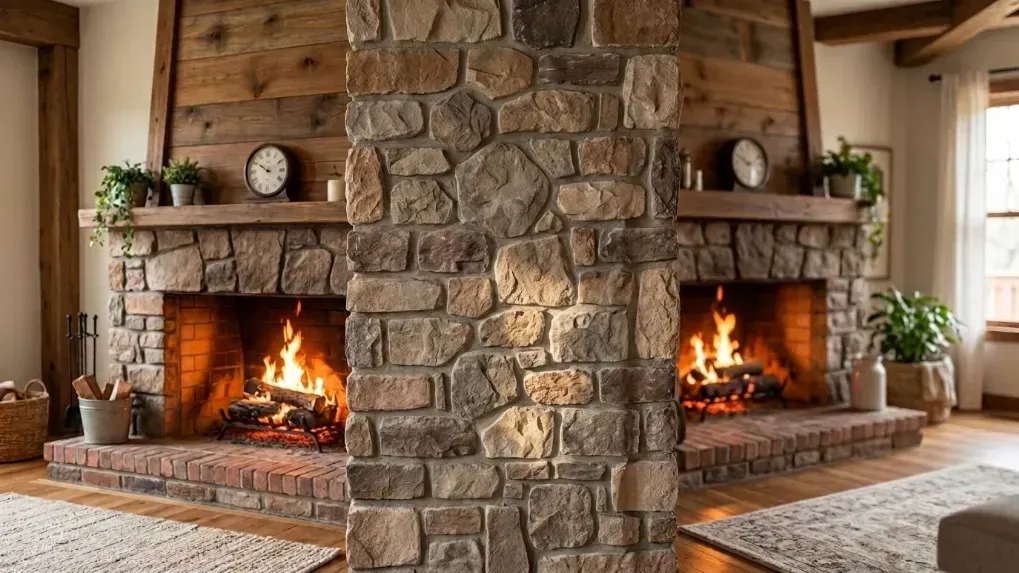
As the autumn leaves drop and the crisp coastal air settles into Portland, homeowners begin preparing their properties for the harsh winter ahead. Stacking firewood and testing the heating system are routine chores. Yet, one of the most critical structural components of your home often goes overlooked. Your chimney handles extreme heat, corrosive byproducts, and freezing external temperatures simultaneously. Expecting this complex masonry structure to perform flawlessly without regular evaluation is a significant safety risk.
For residents in Portland, Maine, the combination of coastal moisture, freezing temperatures, and heavy winter storms creates a uniquely demanding environment for brick and mortar. Neglecting regular maintenance can lead to devastating consequences, including aggressive structural deterioration, toxic gas leaks, and catastrophic property fires. Prioritizing proactive maintenance with Portland Chimney Service ensures your home remains warm, safe, and efficient throughout the coldest months of the year.
The Critical Need for a Professional Chimney Inspection
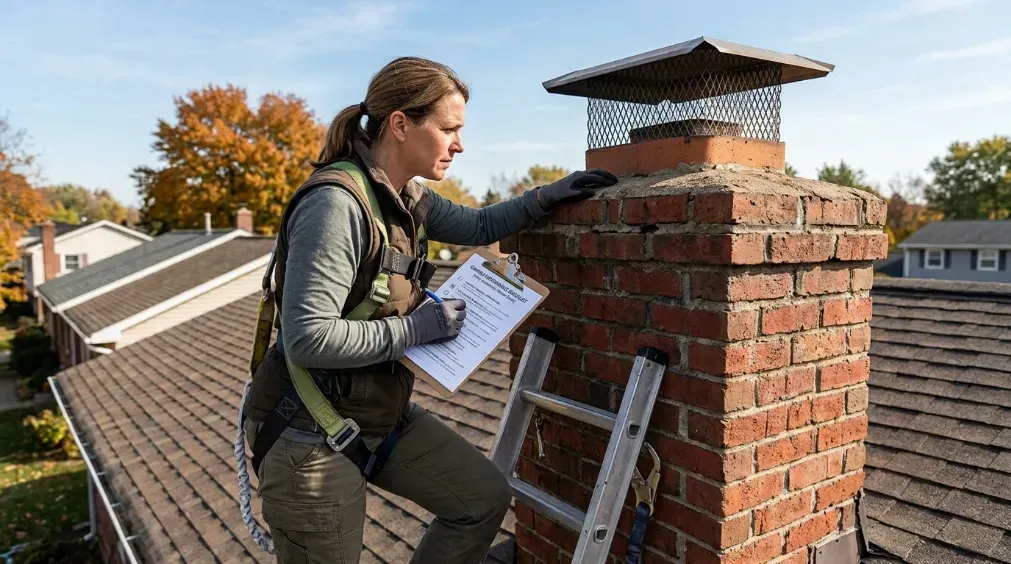
A comprehensive chimney inspection serves as your first line of defense against unseen hazards. Many homeowners mistakenly assume that if smoke exits the top of the flue, the system is functioning perfectly. This assumption ignores the complex internal workings of the venting system. The National Fire Protection Association recommends an annual evaluation to verify that the structure is sound, free of blockages, and operating at peak efficiency.
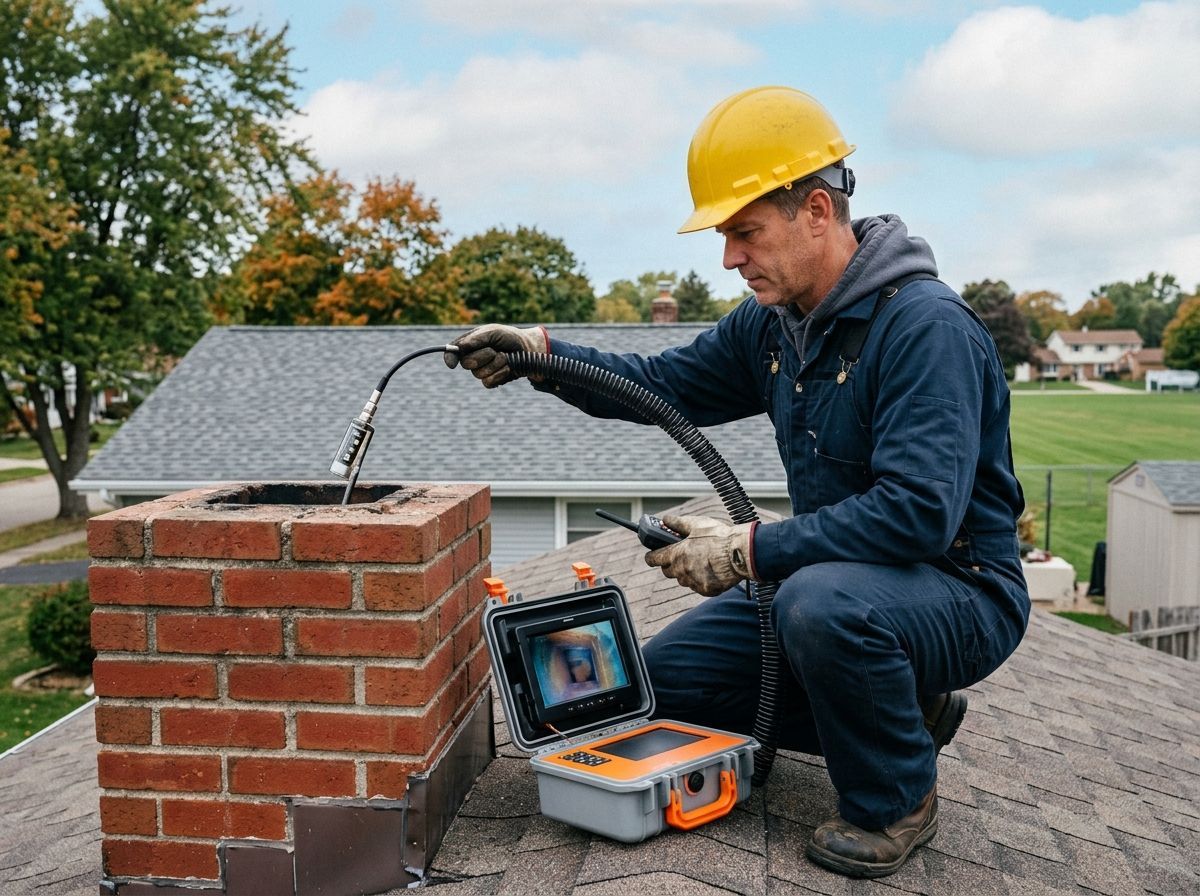
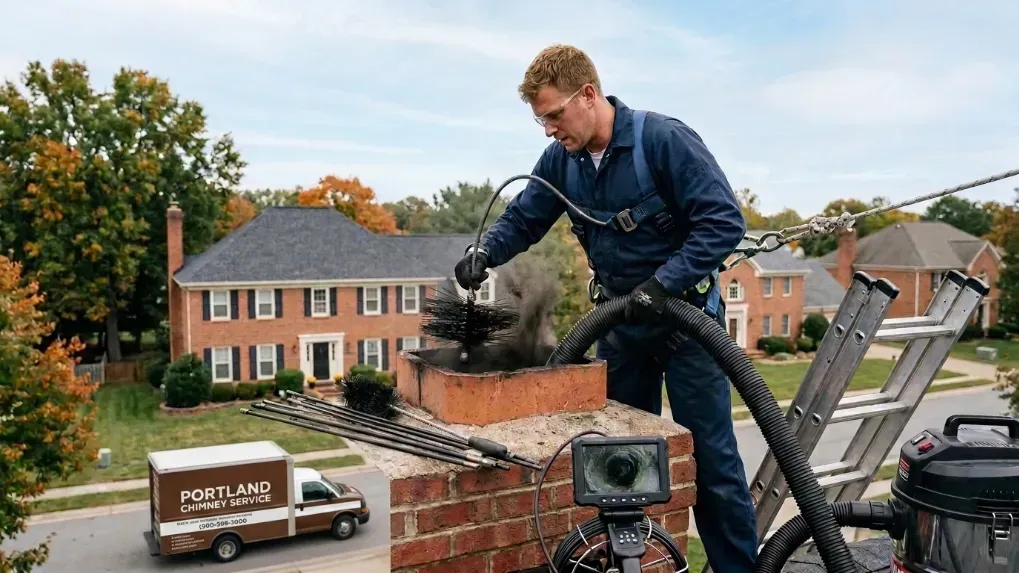
Professionals utilize different levels of evaluation based on the specific circumstances of the home. A basic visual assessment covers the easily accessible portions of the interior and exterior. However, a more thorough evaluation utilizes specialized video scanning equipment to navigate the entire length of the flue liner. This technology allows technicians to identify hairline cracks, missing mortar joints, and hidden blockages that are completely invisible from the fireplace opening.
Animals frequently seek refuge inside warm masonry structures during the fall. Raccoons, squirrels, and birds often build nests inside the flue, creating dangerous blockages. If you ignite a fire without realizing a nest is present, the smoke and toxic carbon monoxide will quickly back up into your living space. A thorough pre-winter evaluation guarantees the passageway is completely clear.
Understanding the Dangers of Creosote and Soot
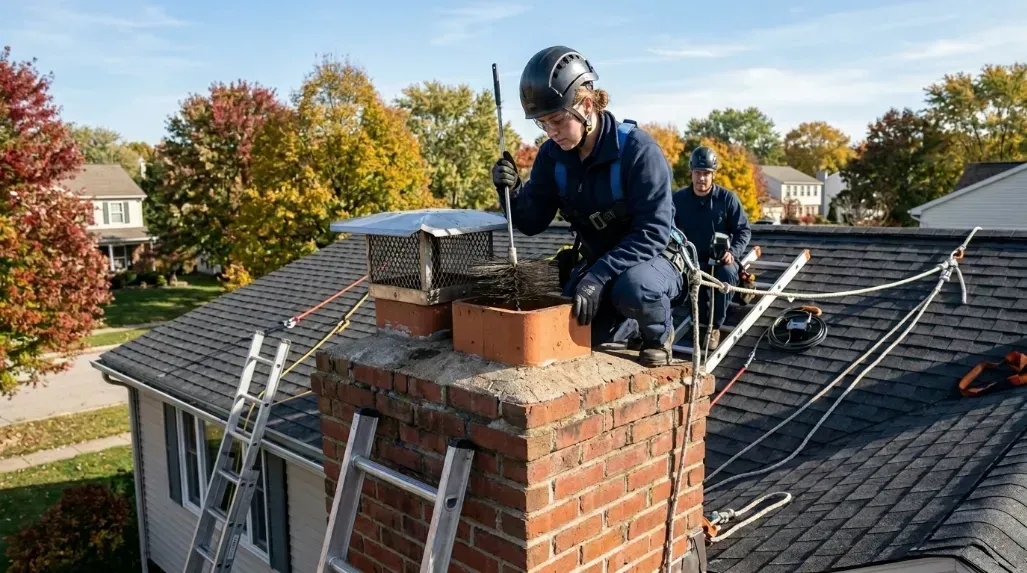
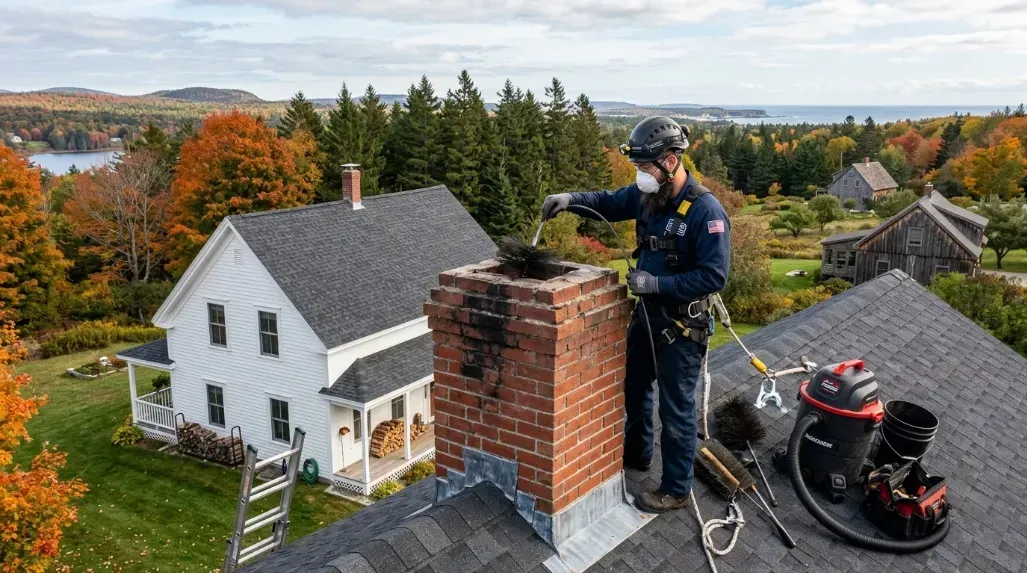
Every time you burn wood, combustion byproducts travel up the flue. As these heated gases reach the cooler upper sections of the masonry, they condense on the walls, forming a highly combustible substance known as creosote. Routine chimney cleaning is absolutely essential to remove this dangerous buildup before it accumulates to a critical level.
Creosote develops in three distinct stages, each progressively more difficult to remove. The first stage presents as a loose, flaky soot that brushes away relatively easily. The second stage forms a brittle, crusty layer that requires specialized scraping tools to dislodge. The third and most dangerous stage is glazed creosote. This thick, tar-like substance coats the interior walls and is incredibly resilient.
Glazed creosote requires chemical treatments to break down before mechanical removal is even possible. If a stray spark ignites this highly concentrated fuel source, it can trigger a severe chimney fire. These fires burn at temperatures exceeding two thousand degrees Fahrenheit. This extreme heat can melt metal liners, shatter clay tiles, and easily spread to the combustible framing of your home. Professional sweeping removes this fuel source, effectively eliminating the risk of an internal fire.
Identifying Masonry and Structural Damage Early
The climate in Portland, Maine, creates a brutal cycle of abuse for exterior masonry. Brick and mortar are naturally porous materials. When exposed to coastal rain and snow, these materials absorb moisture like a sponge. As the temperature plummets overnight, the trapped water freezes and expands by approximately nine percent.
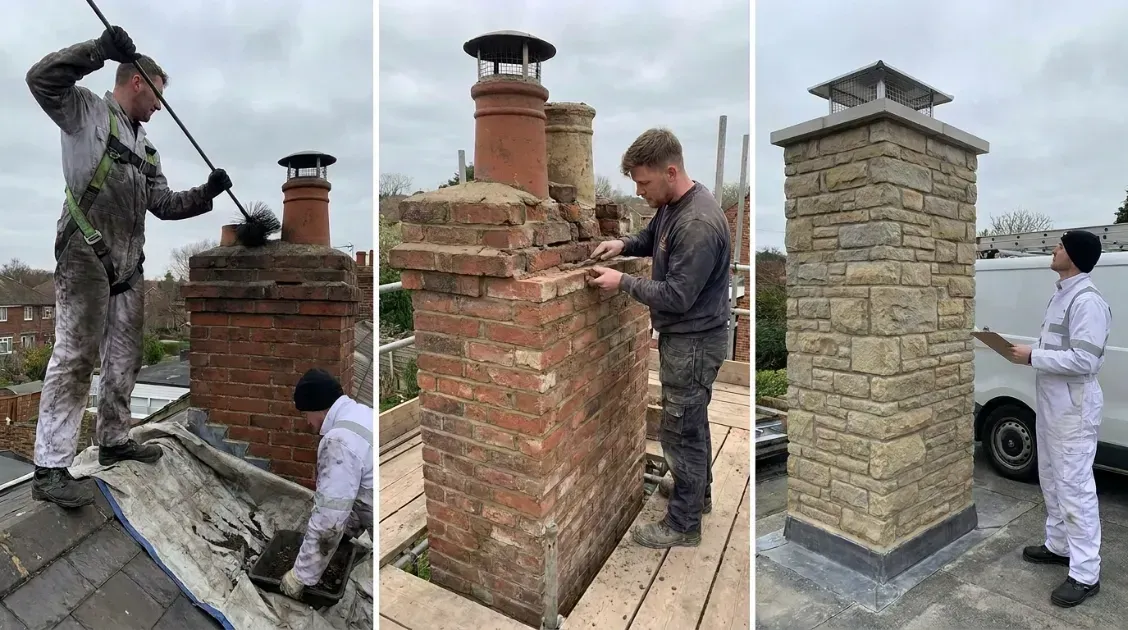
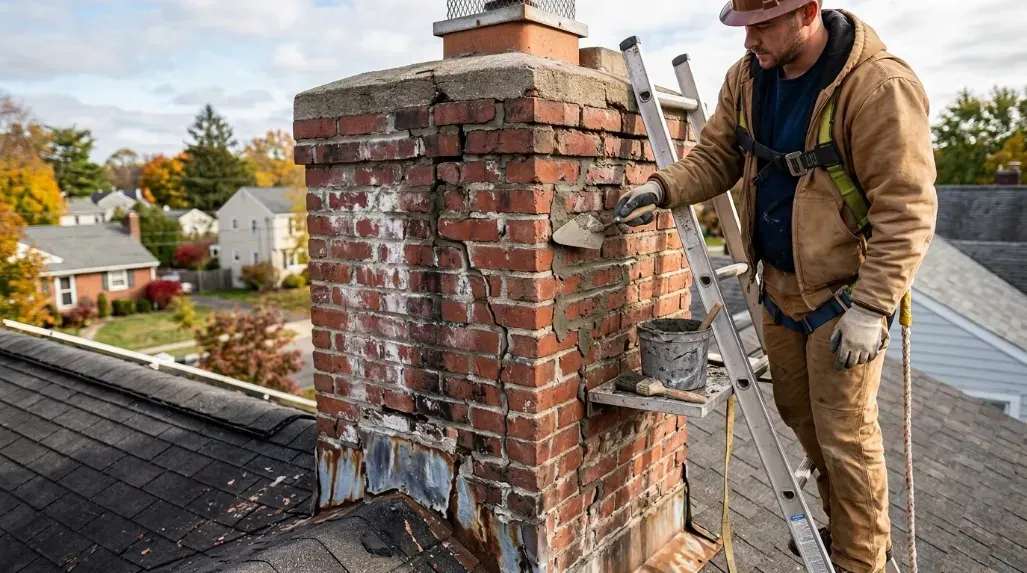
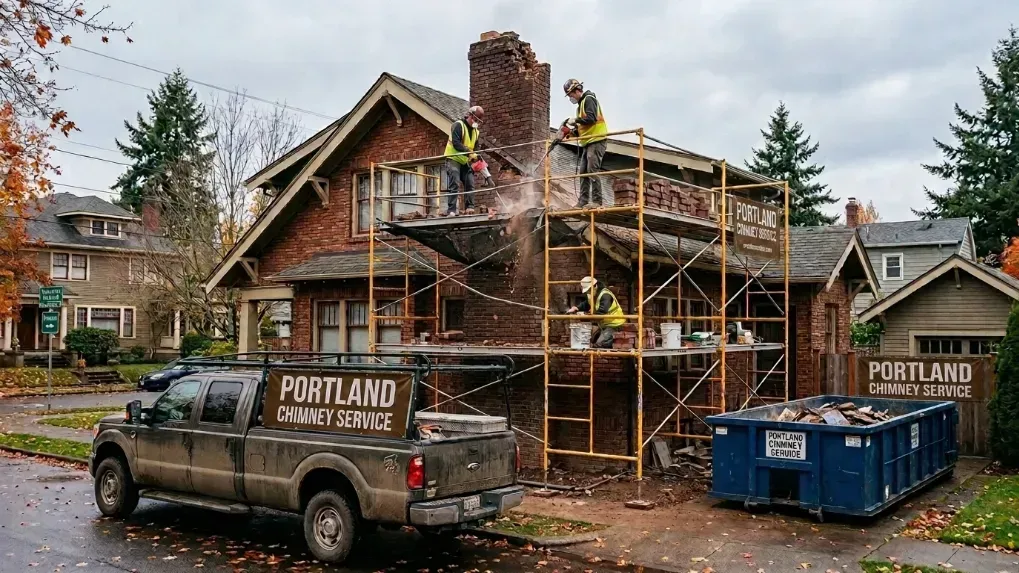
This expansion exerts massive internal pressure on the masonry, causing the faces of the bricks to pop off and the mortar joints to crumble. This process is known as spalling. Left unaddressed, spalling can compromise the entire structural integrity of the stack, leading to a potential collapse. Addressing these issues early through professional demolition and tuckpointing prevents a minor deterioration problem from turning into a massive rebuilding project.
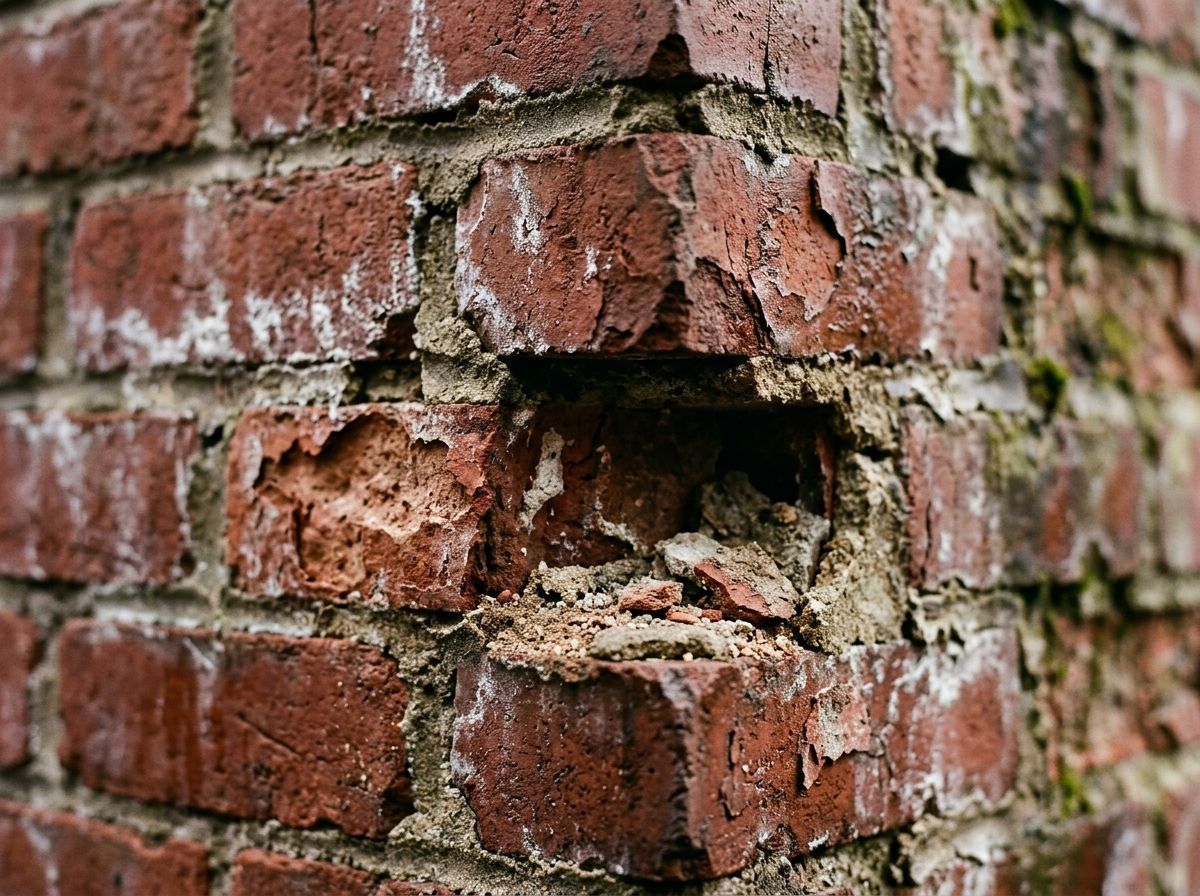
Moisture is the primary enemy of any masonry structure. Once the mortar begins to fail, water gains easy access to the interior components of the system. This water can rust the damper, rot the adjacent roof decking, and stain your interior ceilings. Implementing chimney waterproofing treatments creates a vapor-permeable barrier. This specialized coating stops liquid water from entering the pores of the brick while still allowing trapped water vapor to safely escape.
Upgrading and Protecting the Flue System
The flue liner is an essential safety component that serves three vital functions. First, it protects the adjacent combustible materials of your home from the intense heat of the fire. Second, it protects the masonry itself from the corrosive byproducts of combustion. Third, it provides a correctly sized draft for the heating appliance, ensuring optimal efficiency.
Older homes in Maine often feature unlined brick chimneys or terra cotta clay liners that have cracked over decades of use. When a liner fails, toxic gases like carbon monoxide can easily seep into the living areas of the house. Furthermore, the extreme heat from a fire can transfer through the damaged masonry and ignite the wooden framing surrounding the stack.
Installing highly durable stainless steel liners is the most effective way to restore safety and efficiency to an older system. These heavy-duty liners are resistant to extreme heat and corrosive gases, providing a smooth, continuous pathway for smoke to exit the home. They are particularly important when upgrading to modern, high-efficiency wood stoves or gas inserts, which require very specific venting parameters to operate correctly.
Comprehensive Chimney Repair Solutions
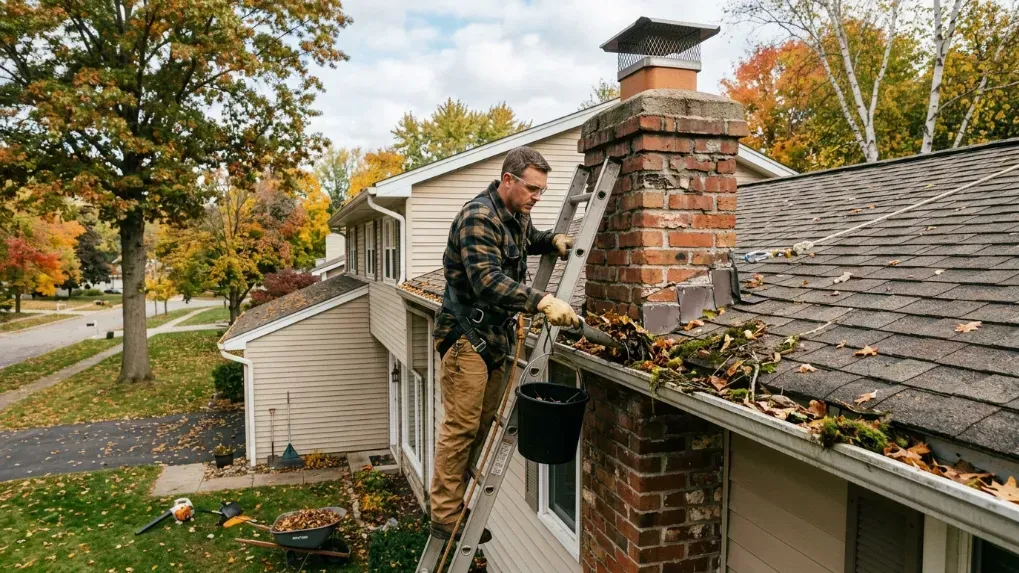
Routine maintenance often reveals minor issues that require immediate attention to prevent severe water damage. The chimney crown, located at the very top of the structure, serves as an umbrella. It slopes away from the flue opening, directing rainwater off the masonry and onto the roof. Because the crown is exposed to the harshest weather conditions, it frequently develops cracks. Sealing or rebuilding a damaged crown is a vital chimney repair task that keeps water out of the internal structure.
Similarly, the flashing where the brick meets the roofline is a common source of persistent leaks. As the house settles and the temperature fluctuates, the metal flashing can warp, rust, or pull away from the brickwork. Replacing damaged flashing ensures a watertight seal and protects your interior walls from expensive water damage.
Below is a detailed breakdown of common structural issues, their symptoms, associated risks, and the appropriate professional solutions.
| Component Issue | Warning Symptoms | Potential Risks | Professional Solution |
|---|---|---|---|
| Cracked Crown | Visible fissures at the top, water stains in the firebox | Internal water damage, accelerated masonry rot | Crown sealing with elastomeric coating or full concrete rebuild |
| Failing Mortar | Crumbly joints, brick faces popping off (spalling) | Structural instability, potential partial collapse | Professional tuckpointing and application of waterproofing sealant |
| Damaged Flue Liner | Pieces of clay tile in the firebox, poor drafting | Carbon monoxide leaks, high risk of house fire | Installation of a properly sized, insulated stainless steel liner |
| Deteriorated Flashing | Water pooling in the attic, stains on ceilings | Rotted roof decking, severe mold growth | Custom fabrication and installation of overlapping metal flashing |
| Missing Rain Cap | Animal noises in the flue, excess moisture, debris buildup | Blocked venting, rusted damper, animal infestations | Sizing and mounting a durable stainless steel protective cap |
Optimizing Heating Efficiency
Beyond safety concerns, a poorly maintained venting system drastically reduces the efficiency of your heating appliance. When creosote coats the interior walls of the flue, it creates a rough surface that restricts the upward flow of smoke and gases. This restriction slows down the draft, causing the fire to burn less efficiently.
A sluggish draft means your wood fire will not generate the maximum amount of heat possible. You will end up burning more wood to achieve the same level of warmth, costing you time, money, and physical effort. Furthermore, a slow-moving draft allows smoke to cool faster inside the flue, accelerating the accumulation of even more creosote.
Professional maintenance breaks this negative cycle. By clearing away the restrictive buildup, the sweep restores the smooth flow of air. The fire receives the oxygen it needs to burn hot and clean, maximizing the heat output while minimizing harmful emissions. In a region where winter energy costs are consistently high, optimizing your secondary heating sources is a smart financial decision.
Why Choose Local Maine Experts
Understanding the specific environmental challenges of Portland is essential for effective masonry care. National guidelines provide a baseline, but local climate variables dictate the true maintenance requirements of your home. The freeze-thaw cycles and salty coastal air require specific construction materials and specialized sealants that out-of-state contractors might not utilize.

Our team understands the architectural history of the region, from historic downtown properties to modern suburban builds. You can learn more about our commitment to the local community and our professional qualifications by reading About Us. We bring decades of localized experience to every job site, ensuring that our recommendations are perfectly tailored to protect your home against the specific rigors of a New England winter.
Scheduling Your Pre-Winter Service
Waiting until the first major snowstorm to address your fireplace is a mistake that leaves many homeowners scrambling. As the temperatures drop, service schedules fill up rapidly. Proactive homeowners schedule their maintenance visits during the late summer and early fall, guaranteeing their systems are ready the moment the cold weather arrives.
Do not leave the safety of your home and family to chance. By the time you notice an issue from the ground level, the internal damage is often extensive and costly to rectify. A routine evaluation takes a fraction of the time and cost compared to a major masonry reconstruction project.
Whether you need a basic sweeping, complex tuckpointing, or a custom liner installation, our team is ready to assist. Secure your peace of mind before the harsh winter weather arrives by contacting our team today. You can also reach us directly at (207) 835-3683 to schedule an appointment with our experienced technicians.
Frequently Asked Questions
How often should I have my chimney inspected in Portland?
The National Fire Protection Association advises homeowners to have their chimneys, fireplaces, and vents inspected at least once a year. In Maine, scheduling this evaluation in the late summer or early fall is ideal, ensuring the system is clean, structurally sound, and fully prepared for the heavy use required during the long winter season.
What is the difference between a standard sweep and an inspection?
A sweep specifically involves the mechanical removal of soot, creosote, and debris from the flue and firebox. An inspection is a comprehensive diagnostic evaluation of the entire structural system. While a sweep cleans the system, an inspection checks for hidden dangers like cracked flue liners, failing mortar joints, and concealed water damage.
Why does my fireplace smell like a campfire during the summer?
A campfire odor during warmer months usually indicates a buildup of creosote inside the flue combined with high humidity. As the humid summer air travels down the chimney, it carries the smell of the porous, soot-covered masonry into your living room. A professional cleaning and the installation of a tight-sealing top-mounted damper will eliminate this unpleasant odor.