Key Insights and Takeaways


Protecting your brickwork from the harsh coastal climate of Portland requires proactive vapor-permeable waterproofing to prevent destructive freeze-thaw cycles. Relying on professional chimney services ensures that internal moisture can escape while blocking exterior rainwater. Properly preparing the masonry and sealing it with commercial-grade products extends the lifespan of your entire heating system.

* Freeze-thaw cycles cause trapped moisture to expand, leading to costly spalling and mortar decay.

* Standard hardware store sealants trap internal moisture and accelerate masonry damage from the inside out.

* Existing masonry defects must be repaired via tuckpointing or crown repair before applying waterproofing treatments.


Portland winters bring heavy snow, freezing rain, and relentless coastal winds off the Atlantic. This climate creates a punishing environment for exterior masonry. Bricks and mortar are highly porous materials that act like sponges during wet weather, absorbing moisture from rain, sleet, and humidity. When that trapped moisture freezes, it expands, causing irreversible structural damage over time.


At Portland Chimney, we have spent years studying how local weather patterns deteriorate brickwork on residential properties. Understanding the mechanics of masonry water damage is the first step in preserving the integrity of your heating system. Ignoring early warning signs inevitably leads to massive structural failure and expensive rebuilding projects. You can learn more about our background and our dedication to specialized masonry preservation on our about us page.

The Destructive Cycle of Moisture and Masonry in Portland, ME

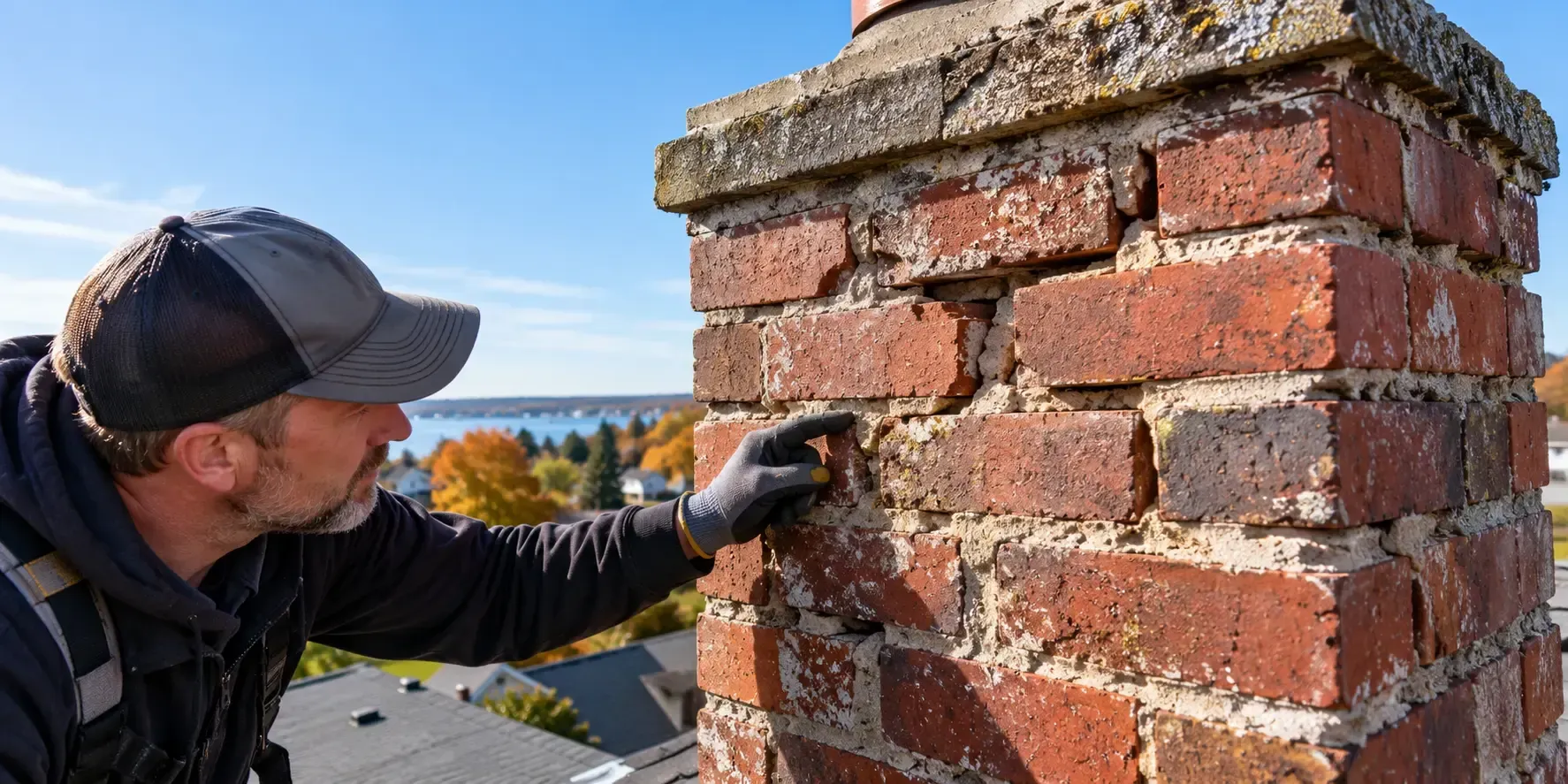
In Portland, ME, the fluctuating temperatures of late fall and early spring cause constant freeze and thaw cycles. When water infiltrates unprotected brick or mortar, it sits in the microscopic voids of the material. As temperatures drop below freezing, this trapped water turns into ice and expands by roughly nine percent.

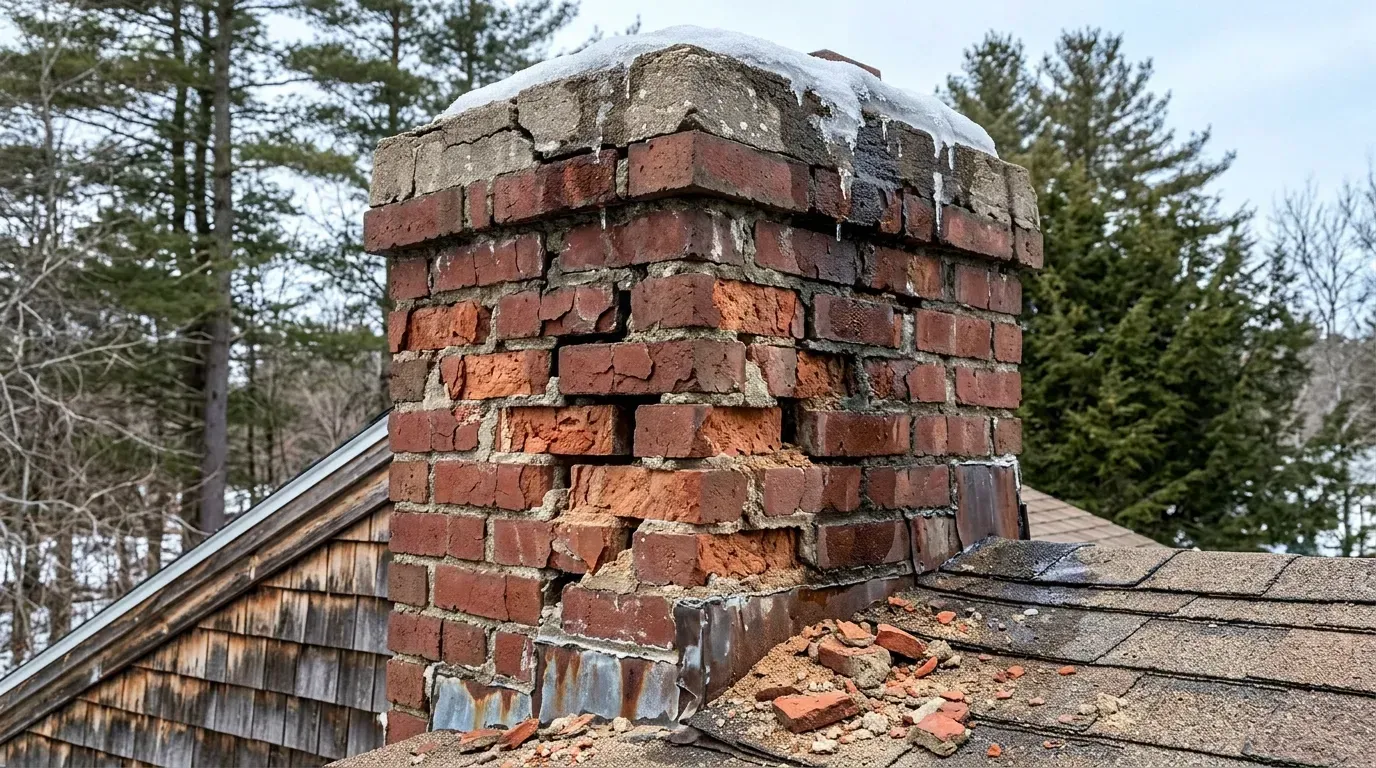
This immense internal pressure forces the hard outer face of the brick to pop off. This specific condition is known as spalling.
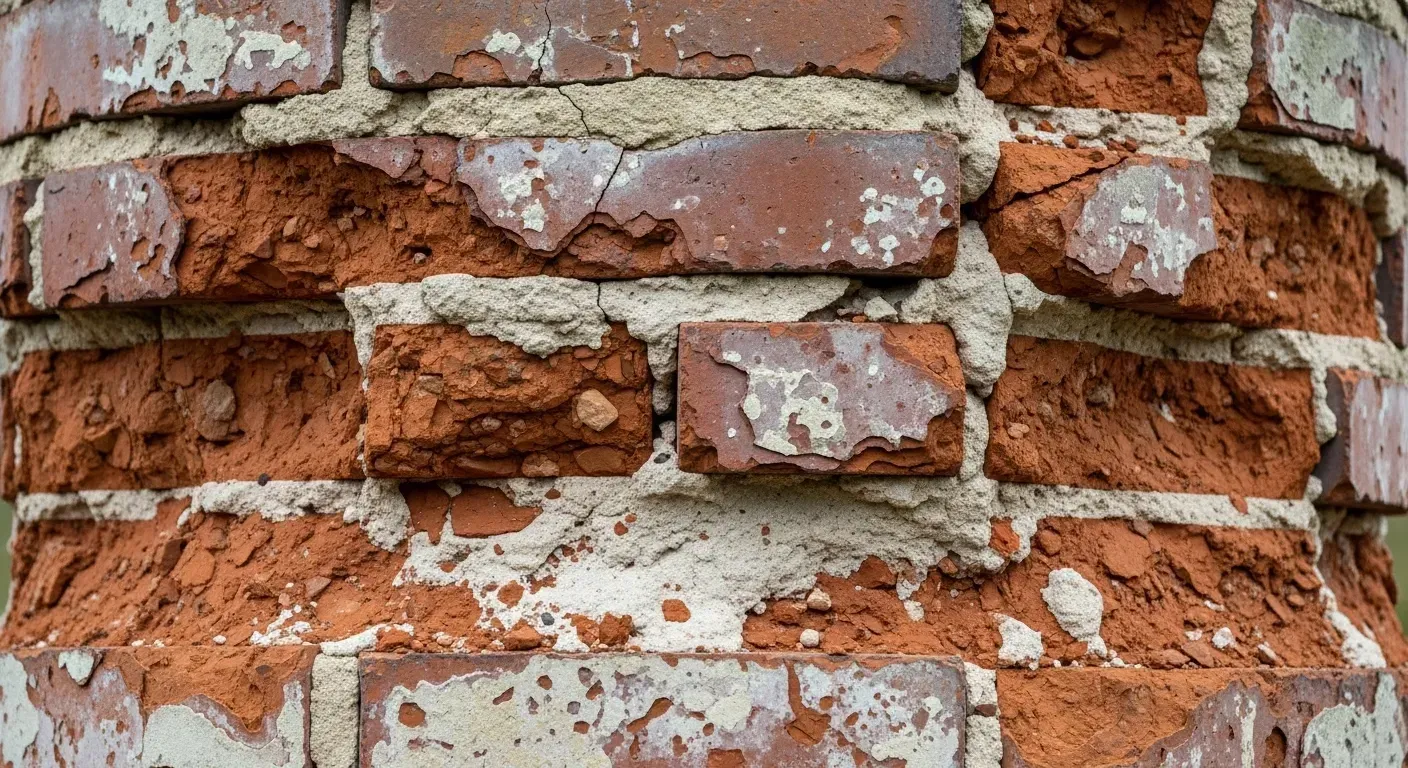

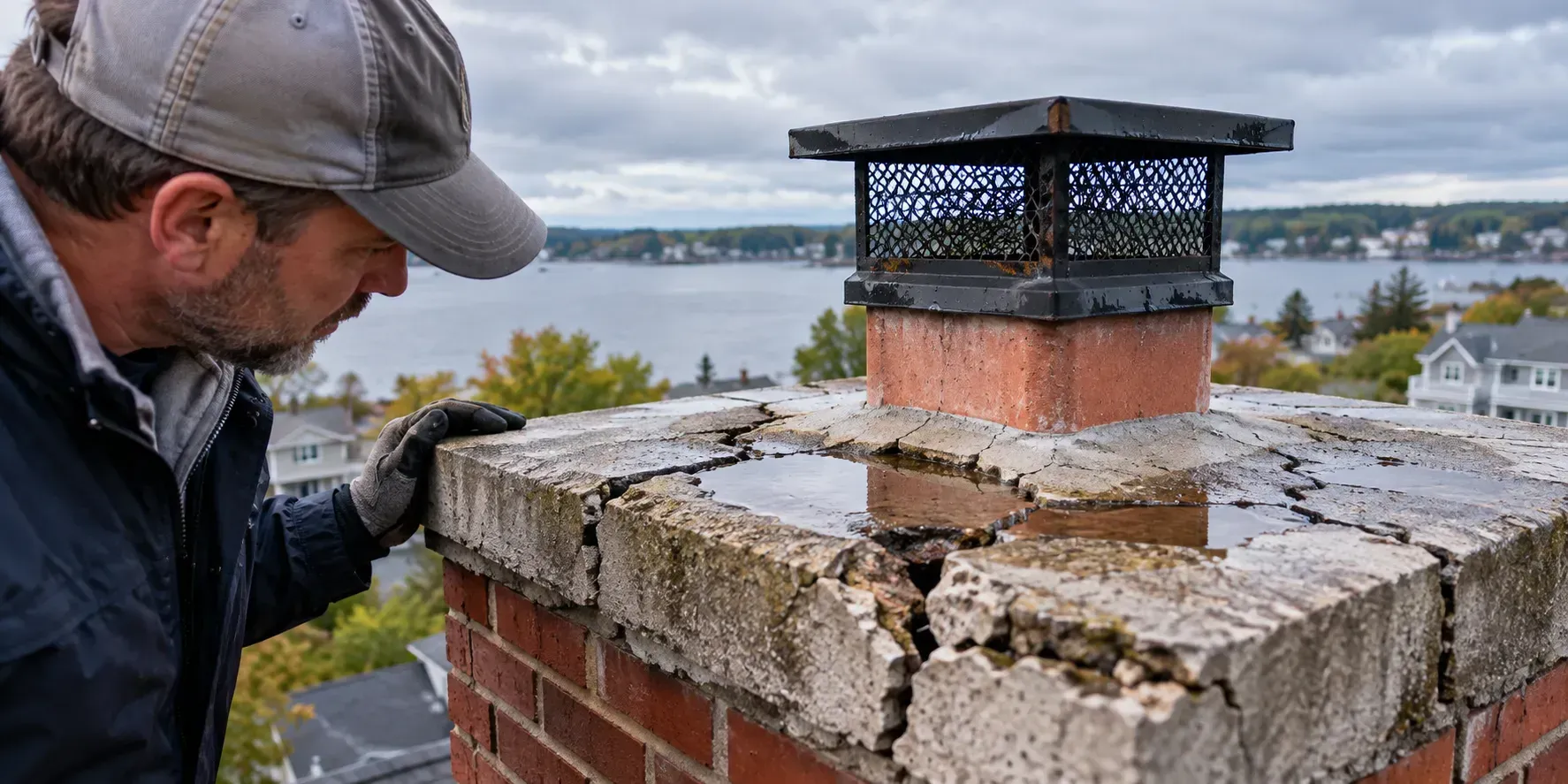
Once spalling begins, the rate of deterioration accelerates rapidly. The softer inner core of the brick is exposed, absorbing water much faster than the intact exterior surface. The structural integrity of the entire stack becomes severely compromised. The damage often begins near the very top of the structure where exposure is greatest. If you notice early signs of deterioration at the top of your system, review our guide on how soon Portland homeowners should repair a cracked chimney crown to understand the urgency of addressing upper masonry flaws before winter sets in.

Why You Need Specialized Chimney Services for Waterproofing

Many homeowners mistakenly believe that applying a generic brick sealer from a local hardware store will solve their moisture problems. Standard masonry sealers form a non-porous film over the surface of the brick. While these products stop water from entering from the outside, they also trap moisture that originates from inside the home.


Combustion gases from your heating appliance contain significant amounts of water vapor. This vapor must escape through the porous bricks. If a film-forming sealer blocks this exit, the trapped vapor condenses inside the bricks, freezes during cold nights, and causes massive spalling from the inside out.


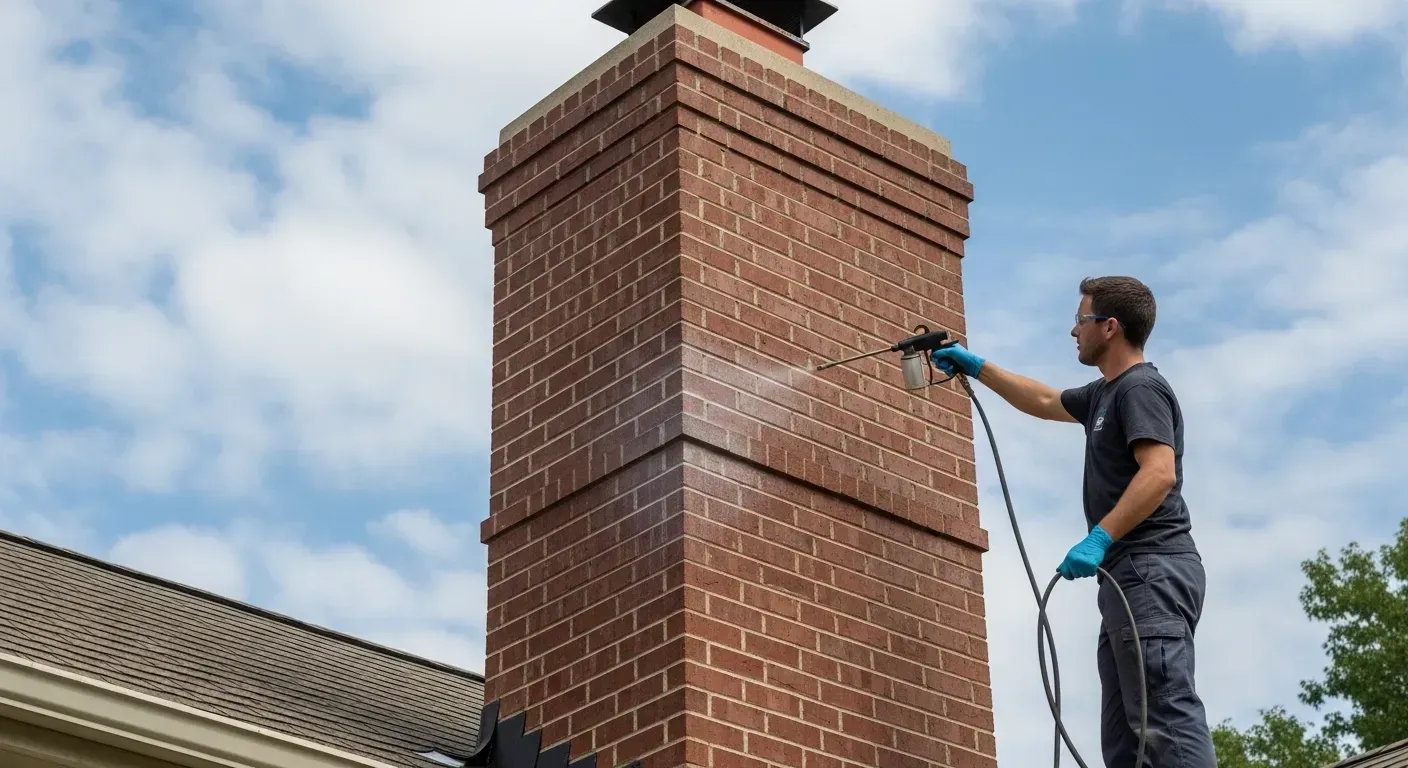
Professional chimney services rely entirely on vapor-permeable water repellents. These advanced formulas penetrate deep into the masonry. They line the microscopic pores with a chemical barrier while leaving those pores open so the structure can breathe. This allows internal moisture to escape as a gas while preventing liquid rainwater from entering. You can explore the specific commercial-grade products and application methods we use on our dedicated chimney waterproofing page.

Identifying the Warning Signs of Water Infiltration

Catching water damage early saves you from expensive reconstruction. Inspect your exterior masonry regularly for these specific indicators of moisture intrusion:

  • Efflorescence: White, powdery stains on the exterior bricks indicate that water is moving through the masonry and leaving natural salt deposits behind on the surface.
  • Vegetative Growth: Moss, mold, and algae thrive in damp environments. Green stains on your brickwork mean the masonry is holding excess water.
  • Deteriorating Mortar: Mortar joints that are crumbling, receding, or missing entirely create direct pathways for driving rainwater.
  • Interior Dampness: Musty smells in your fireplace or peeling wallpaper adjacent to the chimney stack strongly suggest a persistent leak.

When these signs are ignored for multiple seasons, simple waterproofing applications are no longer sufficient. Severe structural failure requires comprehensive demolition and tuckpointing to restore the safety and stability of the system before any sealants can be applied.

Protecting the Interior Flue from Moisture

Exterior bricks are only one part of the moisture equation. When water enters a damaged crown or deteriorating mortar joints, it often finds its way directly into the flue. Traditional clay tile liners are highly susceptible to moisture damage. Water mixing with creosote creates highly corrosive acids that eat away at clay tiles and mortar joints from the inside.

Upgrading your interior venting system provides a crucial line of defense against these corrosive elements. Installing high-quality stainless steel liners ensures that acidic moisture and combustion byproducts remain safely contained. Stainless steel completely resists the acidic byproducts of condensation, extending the lifespan of your entire heating system while keeping your home safe from carbon monoxide leaks. Furthermore, a dry, insulated flue drafts significantly better than a cold, damp clay liner.

The Professional Waterproofing Process

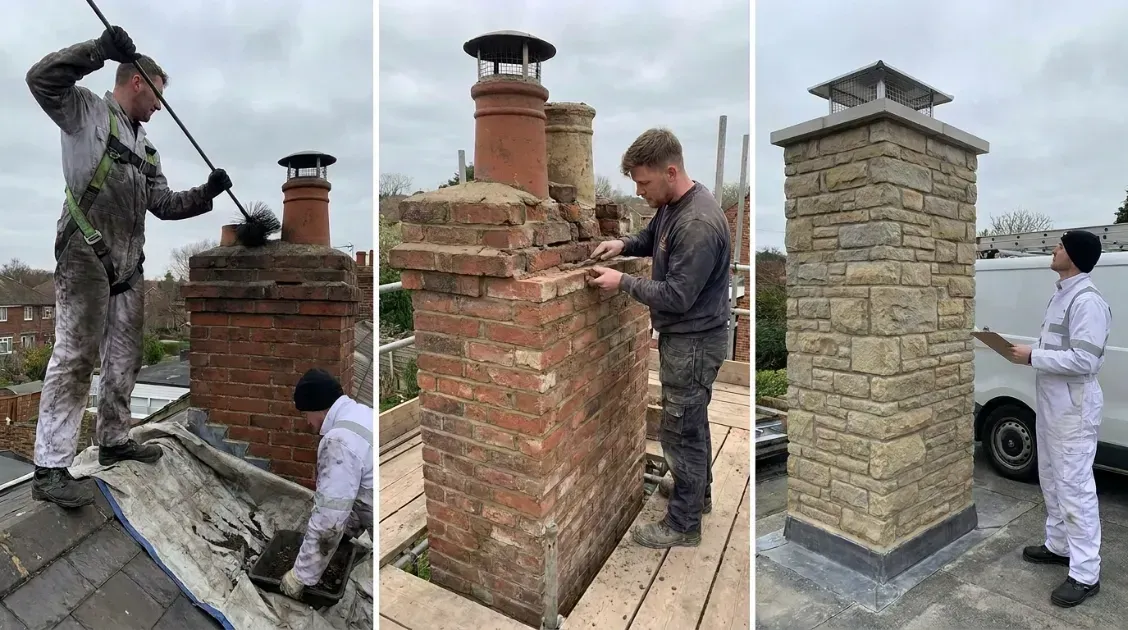
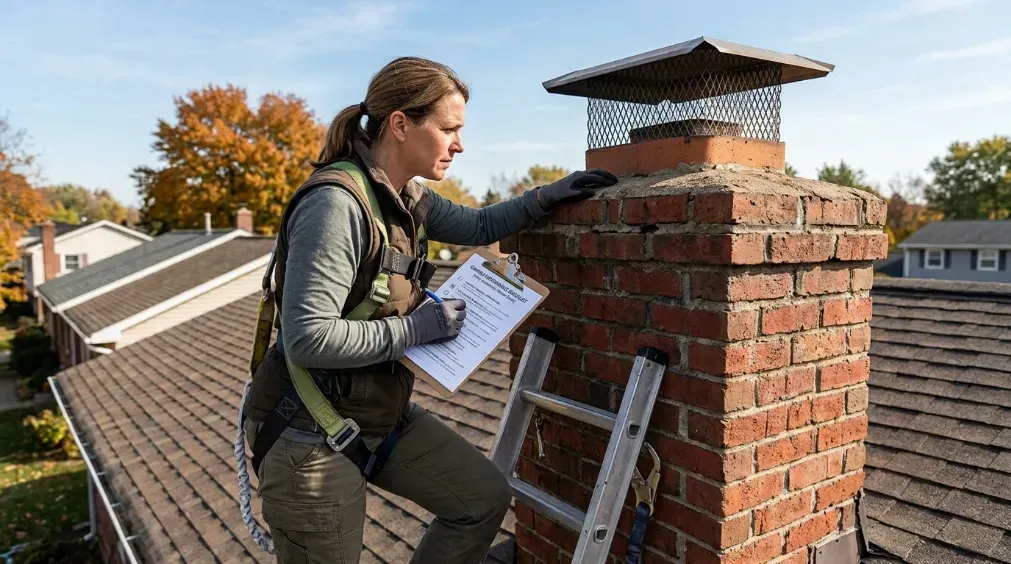
Effective water protection requires meticulous preparation. We start with a comprehensive evaluation of the structure. Before applying any repellent, all existing masonry defects must be properly corrected. Applying a waterproofing agent over cracked mortar or spalling bricks will not stop water from entering those obvious physical gaps.


Our technicians clean the masonry thoroughly to remove algae, moss, efflorescence, and environmental pollutants. This vital step ensures the water repellent can penetrate the pores of the brick and mortar completely without obstruction. We then apply a commercial-grade, breathable silane-siloxane formula. This treatment chemically bonds with the silica in the masonry, altering the surface tension so that water beads up and rolls off instantly.


If you are ready to protect your home from the harsh coastal weather of Maine, reach out through our contact us page to schedule a thorough structural evaluation. We will ensure your masonry is properly prepped and protected for decades to come.


Frequently Asked Questions

  • How long does professional chimney waterproofing last?

    When applied correctly using commercial-grade, vapor-permeable silane-siloxane products, professional waterproofing typically lasts between ten and fifteen years. The exact longevity depends on the severity of the local weather exposure and the condition of the bricks at the time of application.


  • Can waterproofing be applied during the winter?

    Waterproofing treatments require specific temperature conditions to cure properly. The temperature generally needs to remain above freezing for at least twenty-four hours during and after application. For this reason, we schedule these services from spring through late fall in the Portland area.


  • Will applying a water repellent fix an existing leak?

    No, water repellents are a preventative measure, not a structural repair. If you have an active leak, the source is likely a cracked crown, missing mortar joints, or damaged flashing. These structural defects must be repaired completely before applying a waterproofing treatment to the surrounding masonry.
By John Constantine June 3, 2026
Key Insights and Takeaways Upgrading your venting system with a stainless steel liner is a crucial step for protecting historic and modern homes in Portland, ME from fire hazards and structural degradation. These highly durable metal liners optimize heating efficiency, resist corrosive combustion byproducts, and prevent dangerous exhaust gases from entering your living space. When combined with professional exterior masonry care, a new liner provides a comprehensive defense against Maine's harsh winter weather. * Stainless steel liners improve draft efficiency by keeping exhaust gases hot and buoyant. * Professional installation ensures the liner is accurately sized to meet strict fire safety codes. * Pairing internal lining with exterior waterproofing maximizes the lifespan of your masonry structure.
By John Constantine May 23, 2026
Portland homeowners must address chimney crown cracks immediately to prevent severe water damage caused by Maine's harsh freeze-thaw cycles. Delaying these vital repairs allows moisture to destroy exterior masonry and compromise interior structures. Engaging local professionals for timely restoration protects your property value and ensures long-term structural safety. * Hairline fractures should be sealed immediately to prevent seasonal ice expansion. * Severe structural cracks require the complete removal and casting of a new concrete slab. * Prolonged neglect leads to expensive secondary damage, including brick spalling and mortar decay.
By John Constantine May 17, 2026
Maintaining a historic or established property in Portland requires a deep understanding of the unique challenges posed by the local climate. Homeowners in Maine face harsh winters, coastal humidity, and severe freeze-thaw cycles. While a functioning fireplace offers comfort during long winter months, an unmaintained heating system presents significant risks. Failing masonry, hidden blockages, and internal structural decay can compromise the safety of your family and the value of your property. Understanding the specific vulnerabilities of your brickwork and venting systems is the first step in responsible homeownership. Portland Chimney Services prioritizes structural preservation and fire prevention, helping local residents protect their investments. By identifying warning signs early, you can avoid dangerous failures and highly expensive reconstruction projects down the road.
By John Constantine May 9, 2026
Homeowners across Portland are noticing a disturbing trend regarding their property exteriors. Brickwork that stood strong for decades is suddenly crumbling, flaking, and showing severe signs of structural distress. Many property owners attribute this rapid degradation to simple old age or poor initial construction. The truth is far more specific and deeply tied to shifting environmental conditions unique to the Maine coast.  The structural integrity of historical and modern masonry relies heavily on environmental stability. When that stability disappears, the rate of decay accelerates exponentially. For residents living in everything from historic West End Victorian homes to mid-century suburban builds, understanding the mechanics behind this failure is the first step in preventing a catastrophic collapse.
By John Constantine May 1, 2026
Winters in Portland, ME, bring heavy snow, freezing rain, biting coastal winds, and highly corrosive salt air. This constant moisture and drastic temperature fluctuation take a severe toll on exterior residential masonry. Many property owners completely miss the slow, quiet deterioration of their mortar joints until the structural integrity of their roofline is visibly compromised. Evaluating aging brickwork correctly is a highly specialized skill that determines whether a structure requires routine maintenance or a complete, ground-up rebuild.  Brick is a naturally porous material. It absorbs water from rain, coastal fog, and melting snow throughout the year. When temperatures drop below freezing during long Maine winters, this trapped moisture expands. The resulting pressure forces both the brick and the mortar to crack, flake, and crumble. This destructive physical process is known as spalling. As we detailed previously, ignored moisture intrusion is a severe issue damaging Portland homes faster than anyone realizes . Addressing the root cause early prevents minor mortar decay from turning into a costly structural emergency.
By John Constantine April 26, 2026
Homeowners often associate fireplace hazards with dramatic events like sudden flue fires or intense smoke backing up into a living room. The reality of masonry deterioration is much quieter. A slow and relentless process is actively compromising the structural integrity of houses across Portland, Maine. This hidden threat is water infiltration. When water combines with the harsh local climate, it creates a recipe for rapid architectural decay that easily goes unnoticed until major repairs become absolutely necessary. Families living in historic properties and modern builds alike share this specific structural vulnerability. Moisture acts as both a corrosive solvent and an expanding wedge. Bricks and mortar are inherently porous materials. They function much like hard sponges that soak up rain, sleet, and the heavy atmospheric moisture constantly blowing in off Casco Bay. Without proper intervention, this constant absorption leads to irreversible damage. 
By John Constantine April 17, 2026
Portland, Maine, presents a unique set of challenges for residential architecture. The coastal freeze and thaw cycles combined with high humidity take a significant toll on exterior masonry and internal heating systems. When winter temperatures drop across Casco Bay, heating systems work relentlessly to keep homes warm. This constant use places intense stress on your fireplace and flue. Maintaining a safe and efficient heating system requires professional oversight from the team at Portland Chimney . One of the most vital upgrades a homeowner can invest in is a modern flue liner. Understanding how these systems work will help you make informed decisions about your property.
By John Constantine April 8, 2026
The coastal climate of Portland, ME presents a unique and demanding environment for exterior masonry. Historic brickwork across the region faces relentless exposure to freezing temperatures, driving rain, and corrosive salty air. Over decades of seasonal cycles, these elements systematically break down mortar joints and compromise structural integrity. Homeowners eventually face a critical juncture where preventative maintenance is no longer sufficient. Deciding between targeted restoration and partial rebuilding requires a deep understanding of masonry physics. For property owners navigating these challenges, Portland Chimney provides precision masonry solutions tailored to New England architecture. Identifying the exact point of failure within a brick structure dictates whether a minor mortar repair will suffice or if controlled demolition is required to protect the home. The Foundation of Quality Chimney Services: Exploring Tuck Pointing Mortar acts as both the binding agent and the deliberate weak point in any masonry structure. It is designed to absorb structural shifts and weather impacts, saving the harder bricks from cracking. However, this means the mortar will inevitably erode. When the mortar begins to flake, crumble, or recess, the brickwork loses its vital support system.  Tuck pointing is the precise craft of removing degraded mortar and replacing it with fresh, color-matched material. Masons use specialized diamond-tipped grinders to route out the failing joints to a specific depth, usually about three-quarters of an inch. This prepares a clean, solid channel for the new mortar to adhere to. The fresh mortar is then carefully pressed, or "tucked," into the joints and struck with a specialized tool to shed water effectively.
By John Constantine April 2, 2026
Living on the coast of Maine brings distinct weather challenges for residential structures. The continuous cycle of freezing and thawing, combined with heavy Atlantic moisture, creates a highly hostile environment for exterior brick and mortar. Water absorption causes rapid degradation of masonry over time. Protecting your property requires a proactive and calculated approach to exterior maintenance. As the leading experts at Portland Chimney Service , we understand exactly how local precipitation impacts residential masonry and what is required to stop structural decay before it compromises your home.
By John Constantine March 25, 2026
Maine winters don't play fair. One day it's a quiet, picturesque snowfall over the Old Port, and the next, a brutal coastal Nor'easter is slamming freezing sleet sideways into your brickwork. Your chimney takes the absolute worst of it. It stands exposed. Vulnerable. If you are relying on an old, cracked clay flue to protect your family from a house fire, you are playing a dangerous game of roulette. It is time to upgrade. Historical homes in the West End and mid-century capes in Deering Center share a common enemy: the freeze-thaw cycle. Masonry absorbs moisture. When the temperatures plummet off Casco Bay, that trapped water freezes and expands, shattering clay liners from the inside out. Clay fails. Stainless steel survives. Period.