Key Insights and Takeaways


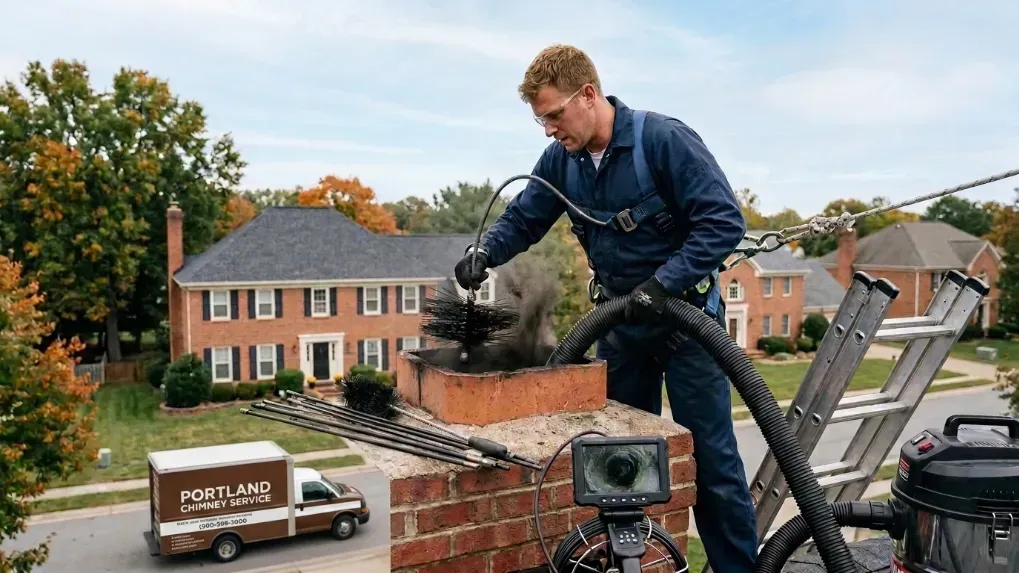
Preparing your masonry for freezing temperatures requires recognizing subtle indicators of structural and functional decay. Securing professional maintenance ensures your heating system operates safely while protecting your property from severe internal damage.

Identifying persistent odors and poor drafting prevents dangerous creosote fires.

Addressing white masonry stains stops the destructive freeze-thaw cycle.

Upgrading damaged clay liners to stainless steel protects your home framework.

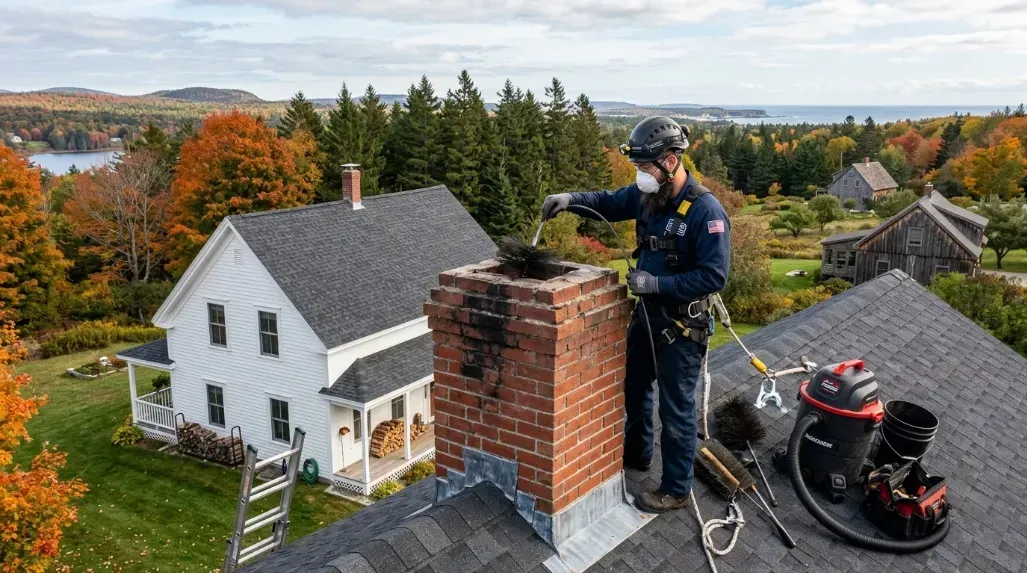
Preparing a commercial or residential property for severe Maine winter conditions demands proactive heating infrastructure management. Property managers frequently neglect masonry structural health until critical failures actively disrupt their daily facility operations. Overlooking subtle warning indicators can yield substantial property damage or hazardous carbon monoxide exposure inside buildings.

Routine maintenance ensures heating equipment operates safely and efficiently during peak winter production or residential months. Understanding the fundamental mechanics of heating systems assists administrators in identifying potential facility liabilities quite early. To understand the rigorous quality standards our technicians follow, read more about our local masonry experts. Recognizing early indicators of masonry damage remains the primary step toward securing your valuable real estate assets.

Key Indicators Requiring Professional Chimney Sweep and Repair Services

Fireplaces withstand extreme thermal fluctuations and severe atmospheric conditions throughout the standard fiscal calendar year. These environmental factors consistently accelerate the baseline depreciation of exterior brickwork and internal mechanical components. Identifying specific structural problems enables property managers to resolve minor complications before they necessitate extensive reconstruction.

1. Persistent Odors and Poor Drafting

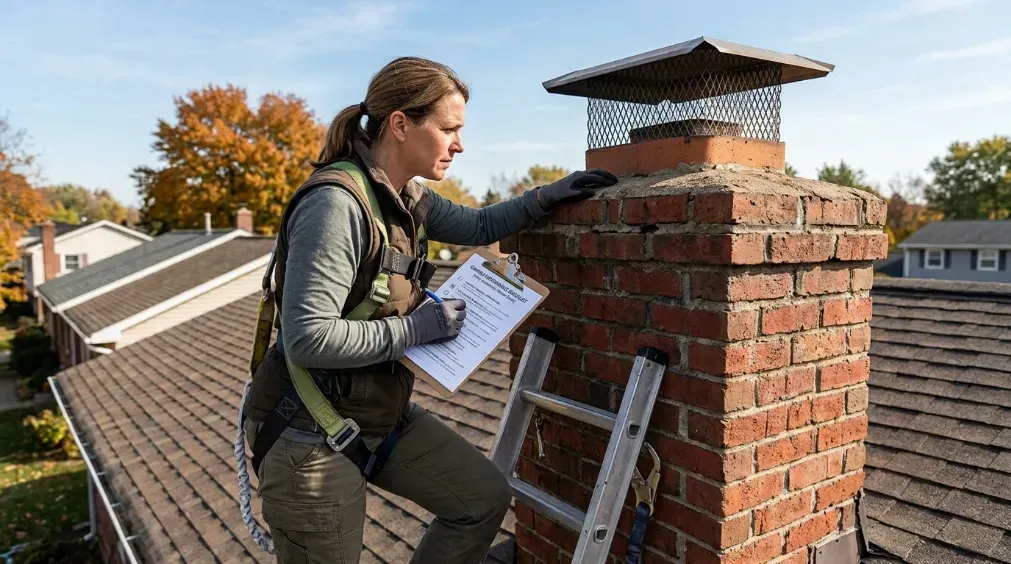
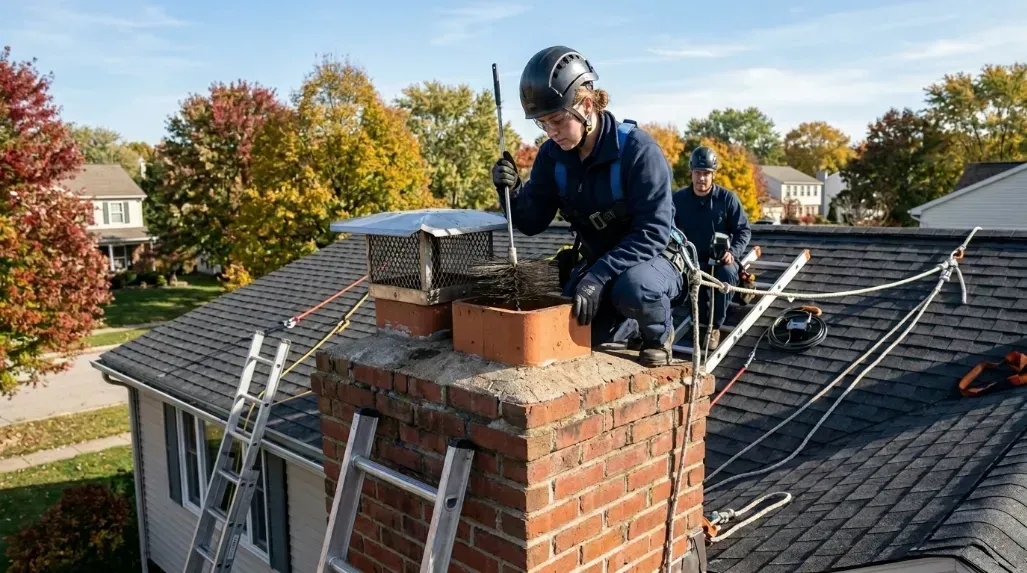
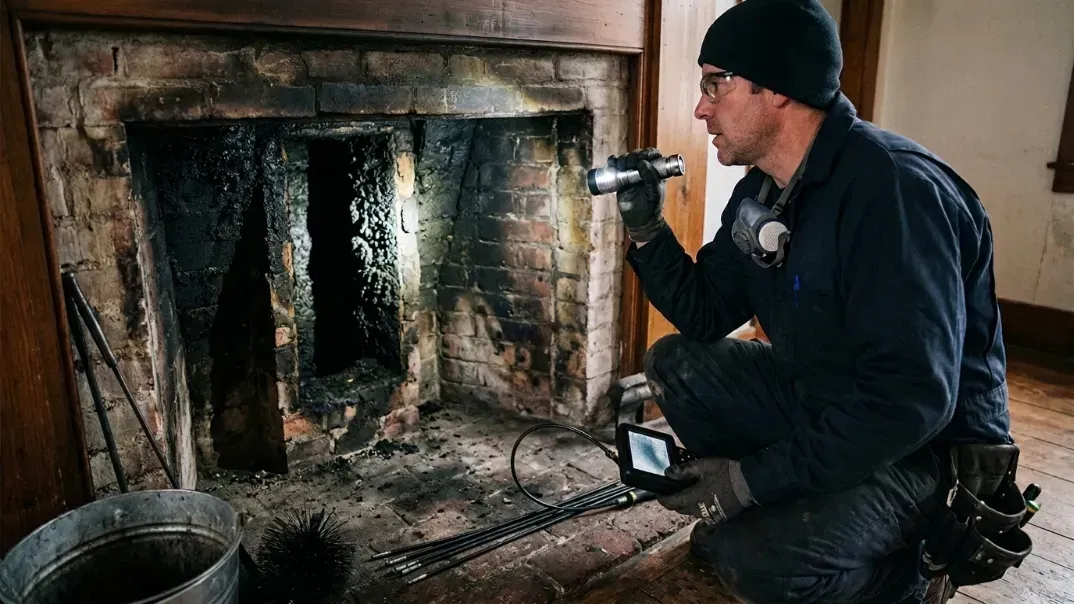
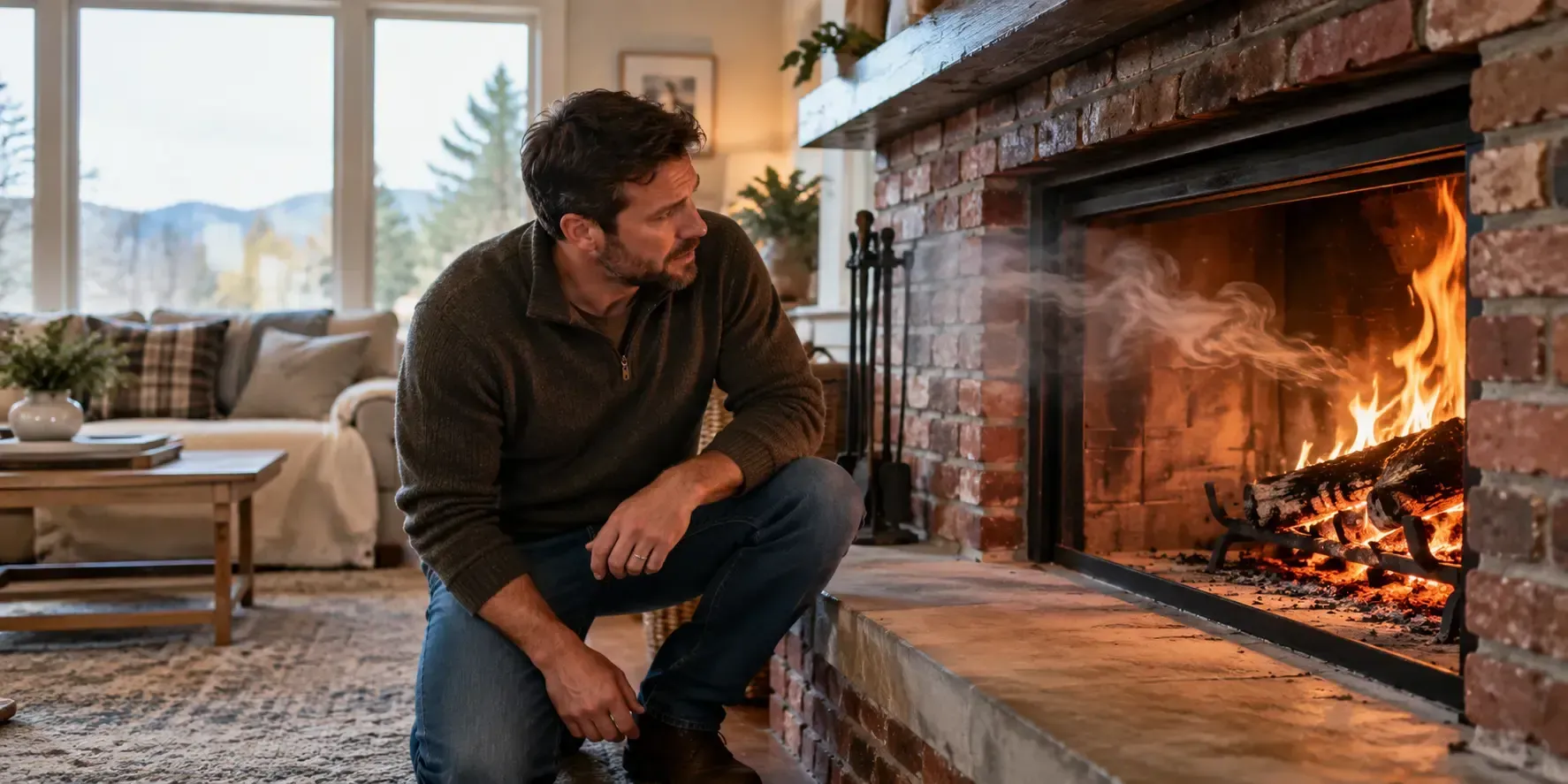
A properly optimized fireplace infrastructure should never expel smoke or pungent odors into your interior environment. Detecting a distinct combustion odor while the unit remains inactive strongly indicates substantial internal creosote accumulation. Creosote represents a highly volatile combustion byproduct that gathers continuously along the interior surfaces of flues.

When restricted airflow occurs due to this particulate matter, hazardous gases fail to ventilate properly outdoors. This inadequate drafting introduces a substantial fire liability requiring immediate technical intervention from certified service providers. To properly select a qualified contractor for this defect, review our detailed guide on finding trusted local inspection specialists.

2. Efflorescence and Exterior Moisture Intrusion

White crystalline deposits appearing on exterior masonry represent significantly more than a basic superficial visual deficiency. Industry professionals officially classify this powdery particulate matter as a chemical condition known as efflorescence. This develops when moisture infiltrates porous brick materials, dissolves internal natural salts, and extracts those minerals.

Observing visible efflorescence strongly indicates that your structural masonry is actively absorbing hazardous environmental water. If left unaddressed before freezing temperatures arrive, trapped condensation will freeze, expand, and fracture architectural frameworks. Implementing professional chimney waterproofing solutions seals exterior masonry and prevents this destructive cycle from compromising structural integrity.

3. Crumbling Mortar and Spalling Masonry

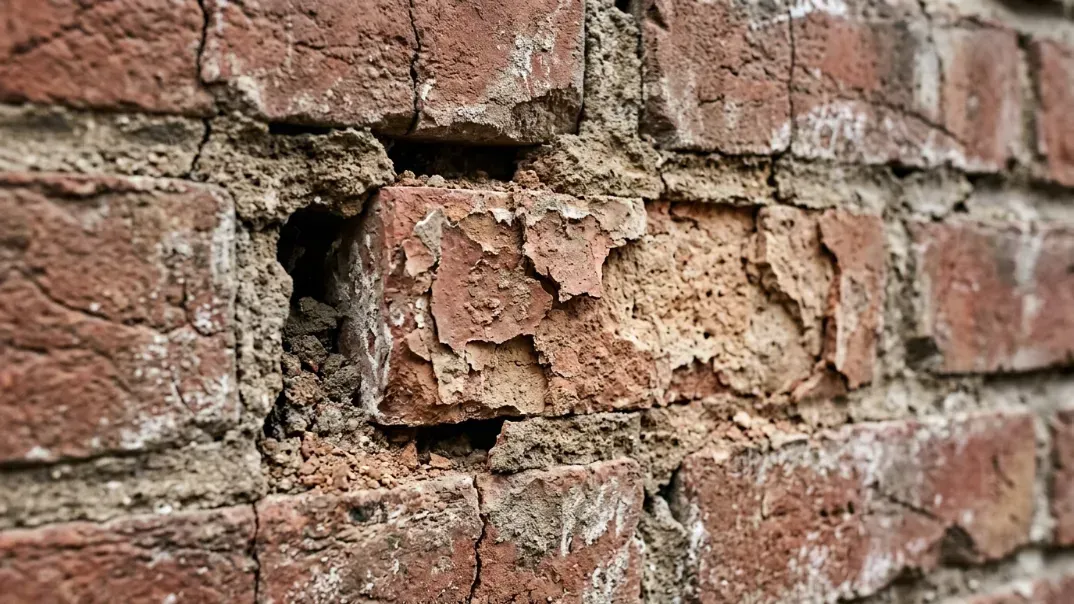
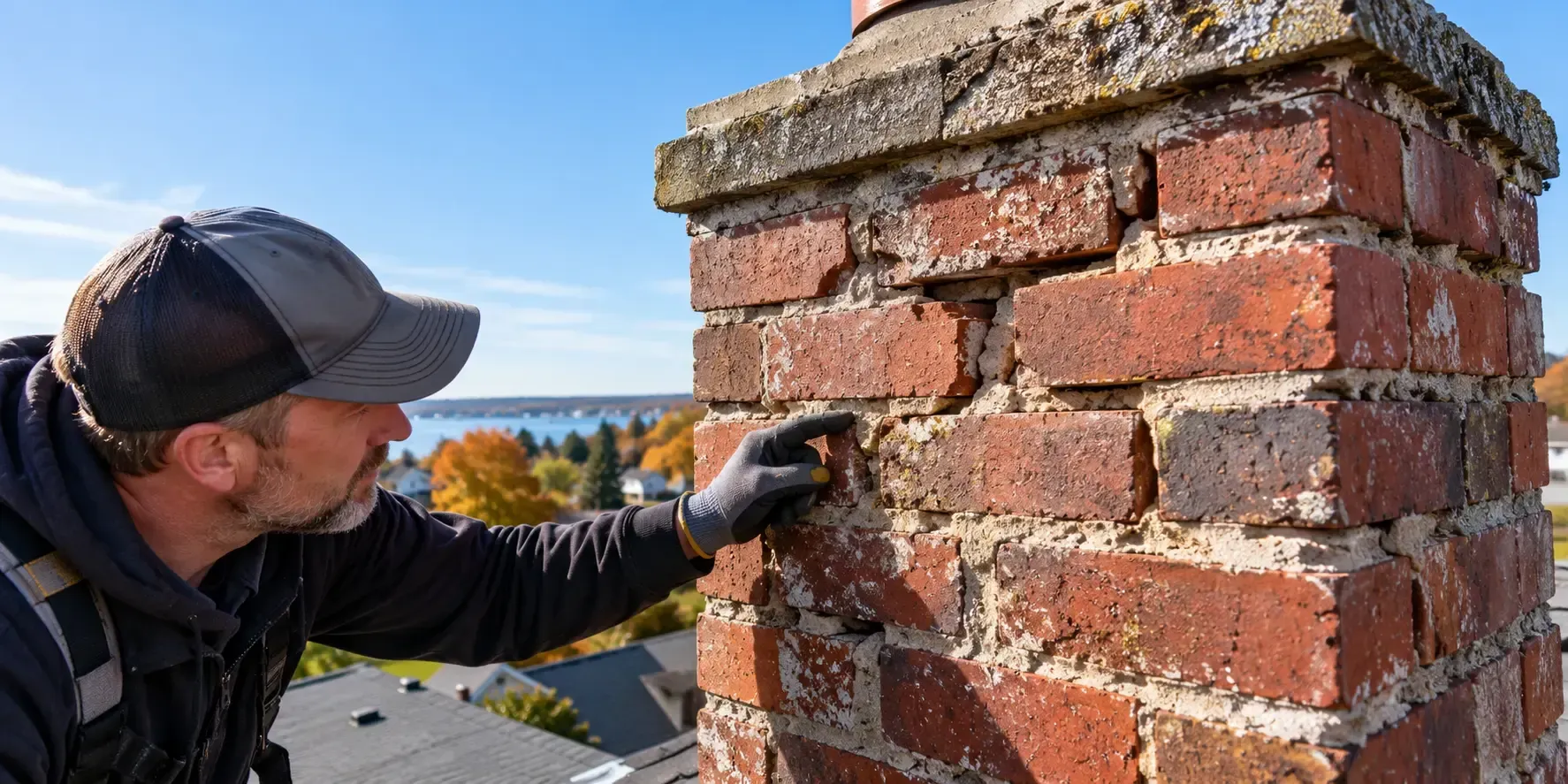
The cyclical freezing and thawing typical of New England climates proves exceptionally destructive to exterior mortar joints. Facility managers must inspect exterior brickwork situated above the primary roofline with careful attention to structural details. If observers notice brick fragments detaching or mortar turning into dust, the masonry is exhibiting active spalling.

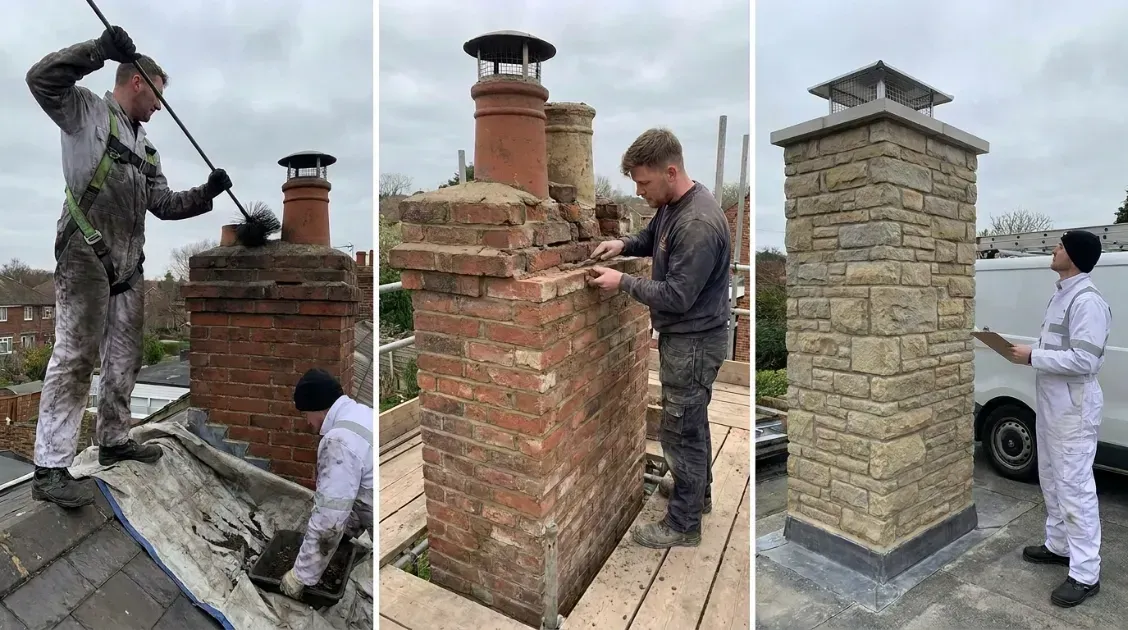
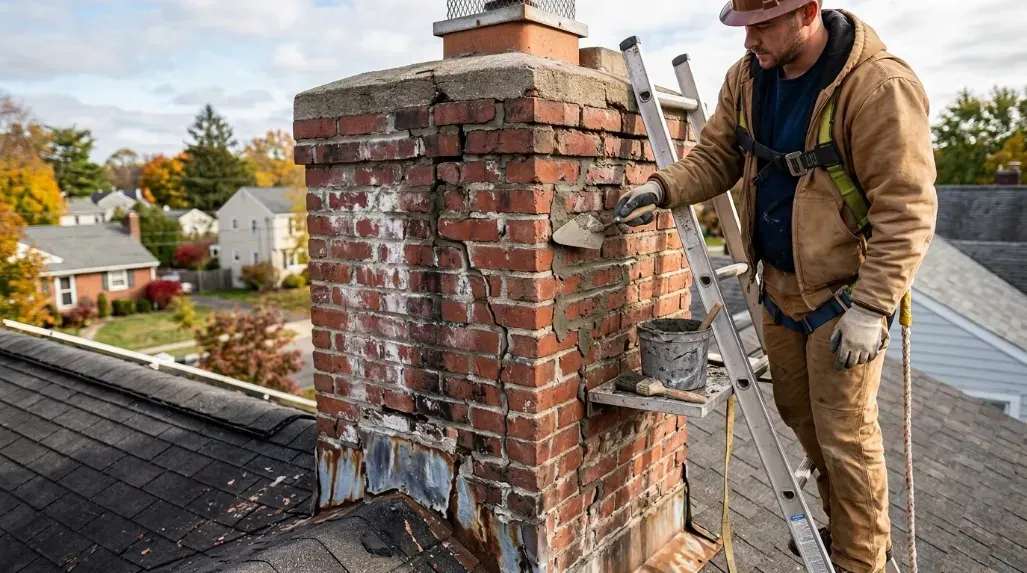
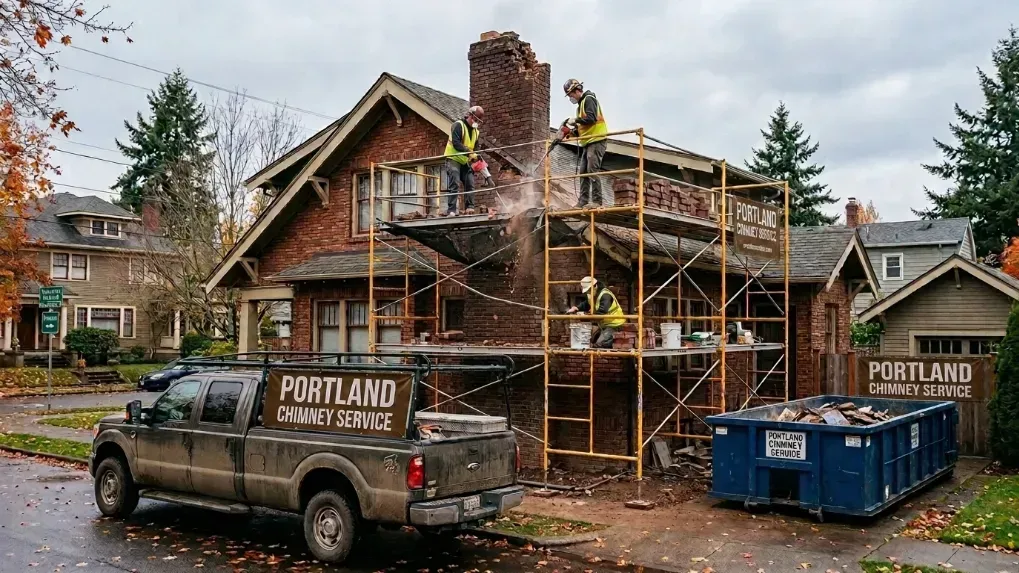
Degraded mortar severely compromises the critical foundational support holding your entire vertical chimney structure firmly together. Unchecked, this progressive material degradation can cause a partial or complete collapse of the exterior masonry stack. Restoring architectural integrity requires the immediate application of specialized precision masonry techniques from highly trained professionals. Depending on decay severity, properties may require comprehensive demolition and tuckpointing services to properly reconstruct compromised segments.
4. Shaling Flue Tiles and Interior Debris

Internal flue liners function as the primary structural barrier between high temperatures and combustible wooden building frameworks. Numerous older commercial properties feature traditional clay tile liners that turn brittle following decades of thermal exposure. Discovering thin clay fragments collecting at the base of a firebox indicates the liner is actively failing.

Engineering professionals officially identify this specific structural material breakdown using the technical industry term known as shaling. Compromised liners permit extreme thermal energy to transfer directly toward the surrounding combustible materials of building structures. Upgrading to modern stainless steel liners provides permanent structural solutions that significantly enhance operational safety and drafting efficiency.

5. Rust Formation on Firebox Components

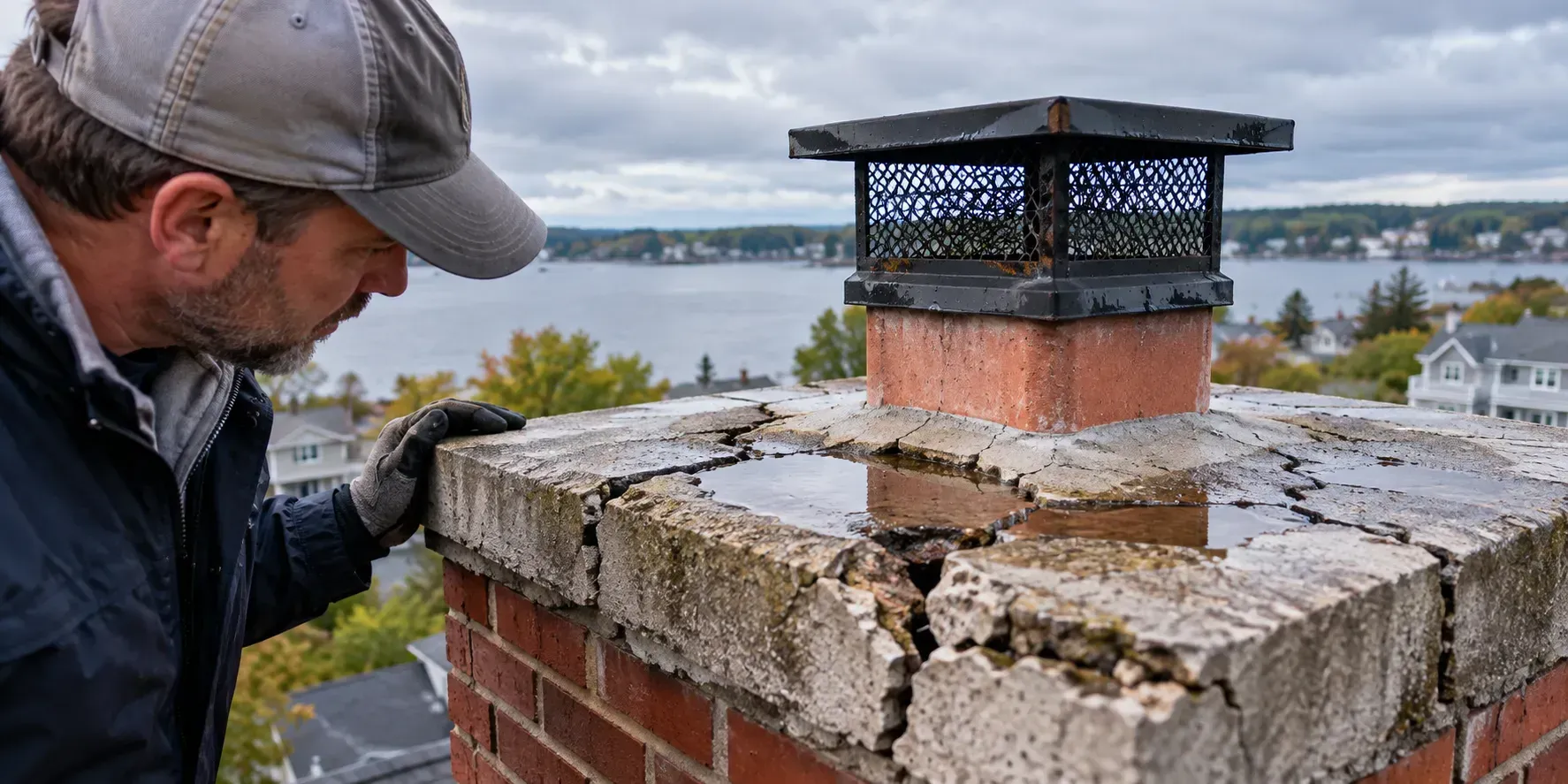
Steel and cast iron mechanical systems should never exhibit active corrosion or exterior iron oxide rust accumulation. If facility dampers prove difficult to operate or display orange oxidation, moisture is penetrating exterior weather defenses. Water intrusion frequently originates from a fractured concrete crown or degraded flashing seals positioned near the roofline.

Corrosion fundamentally compromises the mechanical functionality of the damper apparatus, preventing it from establishing a proper seal. This mechanical failure permits regulated indoor climate air to escape properties constantly, thereby inflating seasonal heating expenditures. Resolving this chemical oxidation requires pinpointing the precise moisture entry point and replacing the compromised metal components.

Protecting Your Portland Property

Operating a defective fireplace system introduces unnecessary risk liabilities to real estate investments and daily commercial occupants. Timely diagnostic intervention remains the most highly cost effective strategy for managing comprehensive commercial masonry maintenance schedules. As the recognized authority in local structural repair, Portland Chimney Service successfully delivers incredibly precise diagnostic evaluations.

Our technical specialists operate locally out of our headquarters at 449 Forest Park D, Portland, ME 04101. We analyze the specific environmental stressors that severely impact coastal Maine commercial architecture and critical facility infrastructure. Property managers must not wait for severe winter weather events to discover their heating systems operate unsafely. We advise administrators to reach out to our scheduling department by calling (207) 835-3683 to secure structural evaluations.


Frequently Asked Questions

  • How often should I schedule a professional inspection?

    Standard industry safety protocols strictly mandate an annual inspection for any active wood burning or gas heating infrastructure. Consistent evaluations proactively detect microscopic material fractures, volatile creosote accumulation, and thoroughly concealed building exterior moisture intrusion. Discovering these operational issues early prevents these property liabilities from escalating into highly expensive structural facility failures.


  • What causes white stains to appear on my exterior brickwork?

    Industry engineering professionals classify these particular crystalline chemical deposits appearing on commercial exterior surfaces as structural efflorescence. These deposits indicate that groundwater or environmental precipitation is actively penetrating your highly porous exterior building masonry. As the moisture evaporates completely into the atmosphere, it leaves behind concentrated internal structural mineral salt deposits. This ongoing chemical process clearly signals an urgent operational requirement for applying professional exterior waterproofing sealant treatments.


  • Can I repair crumbling exterior mortar myself?

    Applying new mortar directly over decaying joints permanently traps moisture inside the architecture and accelerates material degradation. Executing correct tuckpointing requires certified commercial contractors to extract the damaged material to a precise structural depth. Technical specialists then meticulously apply a scientifically matched, weather resistant mortar formulation to restore the masonry base.
By John Constantine June 30, 2026
Finding a reliable professional to maintain your masonry and venting system is critical for property owners in Southern Maine. Routine inspections and preventative repairs protect your home from the severe impacts of coastal weather and prevent dangerous internal fires. * Annual inspections are essential to identify creosote buildup and minor masonry damage before they escalate. * The New England freeze and thaw cycle is the leading cause of structural spalling and mortar deterioration. * Always hire certified, fully insured local professionals to guarantee adherence to rigorous safety standards.
By John Constantine June 24, 2026
Key Insights and Takeaways Annual chimney maintenance is a critical safety requirement for Portland homeowners relying on fireplaces and wood stoves during harsh Maine winters. Routine sweeping eliminates highly combustible creosote buildup while allowing professionals to spot moisture damage caused by extreme coastal freeze and thaw cycles. Partnering with localized experts ensures your masonry remains structurally sound and your home stays efficiently warm all season long. * Annual sweepings remove highly flammable creosote, directly preventing devastating house fires. * Routine professional inspections identify early structural failing and dangerous carbon monoxide leaks. * Clean, unobstructed flues dramatically improve heating efficiency and lower winter utility costs.
By John Constantine June 24, 2026
As the autumn leaves drop and the crisp coastal air settles into Portland, homeowners begin preparing their properties for the harsh winter ahead. Stacking firewood and testing the heating system are routine chores. Yet, one of the most critical structural components of your home often goes overlooked. Your chimney handles extreme heat, corrosive byproducts, and freezing external temperatures simultaneously. Expecting this complex masonry structure to perform flawlessly without regular evaluation is a significant safety risk. For residents in Portland, Maine, the combination of coastal moisture, freezing temperatures, and heavy winter storms creates a uniquely demanding environment for brick and mortar. Neglecting regular maintenance can lead to devastating consequences, including aggressive structural deterioration, toxic gas leaks, and catastrophic property fires. Prioritizing proactive maintenance with Portland Chimney Service ensures your home remains warm, safe, and efficient throughout the coldest months of the year. The Critical Need for a Professional Chimney Inspection  A comprehensive chimney inspection serves as your first line of defense against unseen hazards. Many homeowners mistakenly assume that if smoke exits the top of the flue, the system is functioning perfectly. This assumption ignores the complex internal workings of the venting system. The National Fire Protection Association recommends an annual evaluation to verify that the structure is sound, free of blockages, and operating at peak efficiency.
By John Constantine June 3, 2026
Key Insights and Takeaways Upgrading your venting system with a stainless steel liner is a crucial step for protecting historic and modern homes in Portland, ME from fire hazards and structural degradation. These highly durable metal liners optimize heating efficiency, resist corrosive combustion byproducts, and prevent dangerous exhaust gases from entering your living space. When combined with professional exterior masonry care, a new liner provides a comprehensive defense against Maine's harsh winter weather. * Stainless steel liners improve draft efficiency by keeping exhaust gases hot and buoyant. * Professional installation ensures the liner is accurately sized to meet strict fire safety codes. * Pairing internal lining with exterior waterproofing maximizes the lifespan of your masonry structure.
By John Constantine May 30, 2026
 Key Insights and Takeaways Protecting your brickwork from the harsh coastal climate of Portland requires proactive vapor-permeable waterproofing to prevent destructive freeze-thaw cycles. Relying on professional chimney services ensures that internal moisture can escape while blocking exterior rainwater. Properly preparing the masonry and sealing it with commercial-grade products extends the lifespan of your entire heating system. * Freeze-thaw cycles cause trapped moisture to expand, leading to costly spalling and mortar decay. * Standard hardware store sealants trap internal moisture and accelerate masonry damage from the inside out. * Existing masonry defects must be repaired via tuckpointing or crown repair before applying waterproofing treatments.
By John Constantine May 23, 2026
Portland homeowners must address chimney crown cracks immediately to prevent severe water damage caused by Maine's harsh freeze-thaw cycles. Delaying these vital repairs allows moisture to destroy exterior masonry and compromise interior structures. Engaging local professionals for timely restoration protects your property value and ensures long-term structural safety. * Hairline fractures should be sealed immediately to prevent seasonal ice expansion. * Severe structural cracks require the complete removal and casting of a new concrete slab. * Prolonged neglect leads to expensive secondary damage, including brick spalling and mortar decay.
By John Constantine May 17, 2026
Maintaining a historic or established property in Portland requires a deep understanding of the unique challenges posed by the local climate. Homeowners in Maine face harsh winters, coastal humidity, and severe freeze-thaw cycles. While a functioning fireplace offers comfort during long winter months, an unmaintained heating system presents significant risks. Failing masonry, hidden blockages, and internal structural decay can compromise the safety of your family and the value of your property. Understanding the specific vulnerabilities of your brickwork and venting systems is the first step in responsible homeownership. Portland Chimney Services prioritizes structural preservation and fire prevention, helping local residents protect their investments. By identifying warning signs early, you can avoid dangerous failures and highly expensive reconstruction projects down the road.
By John Constantine May 9, 2026
Homeowners across Portland are noticing a disturbing trend regarding their property exteriors. Brickwork that stood strong for decades is suddenly crumbling, flaking, and showing severe signs of structural distress. Many property owners attribute this rapid degradation to simple old age or poor initial construction. The truth is far more specific and deeply tied to shifting environmental conditions unique to the Maine coast.  The structural integrity of historical and modern masonry relies heavily on environmental stability. When that stability disappears, the rate of decay accelerates exponentially. For residents living in everything from historic West End Victorian homes to mid-century suburban builds, understanding the mechanics behind this failure is the first step in preventing a catastrophic collapse.
By John Constantine May 1, 2026
Winters in Portland, ME, bring heavy snow, freezing rain, biting coastal winds, and highly corrosive salt air. This constant moisture and drastic temperature fluctuation take a severe toll on exterior residential masonry. Many property owners completely miss the slow, quiet deterioration of their mortar joints until the structural integrity of their roofline is visibly compromised. Evaluating aging brickwork correctly is a highly specialized skill that determines whether a structure requires routine maintenance or a complete, ground-up rebuild.  Brick is a naturally porous material. It absorbs water from rain, coastal fog, and melting snow throughout the year. When temperatures drop below freezing during long Maine winters, this trapped moisture expands. The resulting pressure forces both the brick and the mortar to crack, flake, and crumble. This destructive physical process is known as spalling. As we detailed previously, ignored moisture intrusion is a severe issue damaging Portland homes faster than anyone realizes . Addressing the root cause early prevents minor mortar decay from turning into a costly structural emergency.
By John Constantine April 26, 2026
Homeowners often associate fireplace hazards with dramatic events like sudden flue fires or intense smoke backing up into a living room. The reality of masonry deterioration is much quieter. A slow and relentless process is actively compromising the structural integrity of houses across Portland, Maine. This hidden threat is water infiltration. When water combines with the harsh local climate, it creates a recipe for rapid architectural decay that easily goes unnoticed until major repairs become absolutely necessary. Families living in historic properties and modern builds alike share this specific structural vulnerability. Moisture acts as both a corrosive solvent and an expanding wedge. Bricks and mortar are inherently porous materials. They function much like hard sponges that soak up rain, sleet, and the heavy atmospheric moisture constantly blowing in off Casco Bay. Without proper intervention, this constant absorption leads to irreversible damage.