Key Insights and Takeaways
Crumbling masonry poses a severe safety risk to Portland homes facing harsh coastal winters and freezing temperatures. Professional brick teardowns and restorations eliminate these dangers by removing decaying materials and rebuilding with climate-resistant mortar. Upgrading the system with waterproof sealants and modern metal flues ensures long-lasting structural integrity and optimal heating performance.
- Spalling bricks and powdery mortar are critical warning signs that require immediate professional assessment.
- A controlled demolition safely removes damaged sections without harming the surrounding roof or landscape.
- Applying breathable water repellents and installing stainless steel liners drastically extends the lifespan of new masonry.

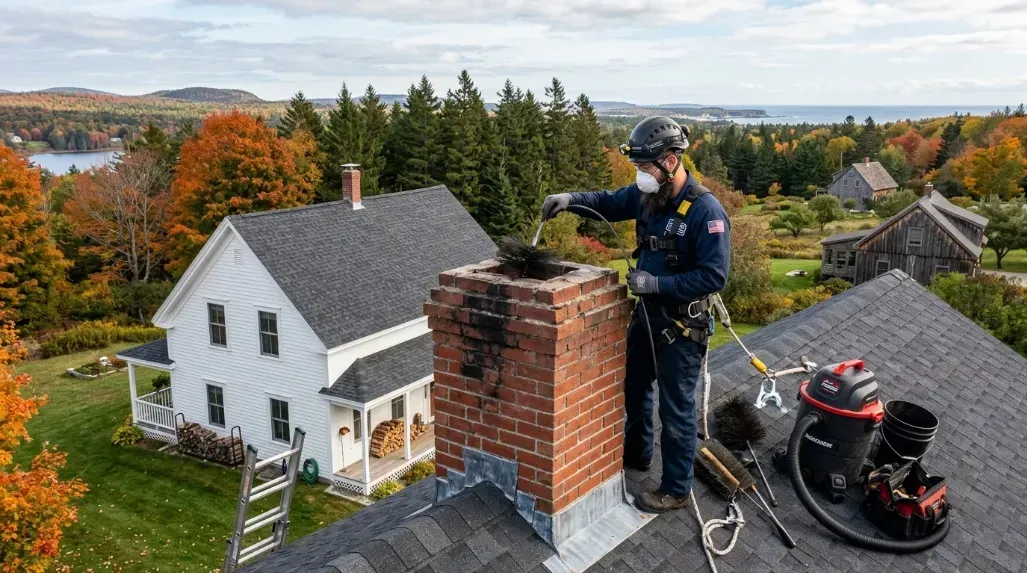
Harsh coastal winters take a heavy toll on brick structures. Homeowners in Portland, Maine often face deteriorating brickwork. Freezing temperatures and biting winds cause severe damage over time. When bricks fail, your entire heating system becomes a safety hazard. Addressing this decay promptly prevents costly internal water damage.
Water is the primary enemy of any brick structure. Moisture enters tiny cracks in your mortar joints during autumn rainfall. Winter temperatures then freeze that trapped moisture. The expanding ice pushes against the bricks from the inside out. This continuous freeze and thaw cycle shatters solid masonry. Trusting Portland Chimney Service ensures your structure receives proper attention. We understand exactly how the local climate impacts residential architecture.
Warning Signs of Severe Masonry Decay
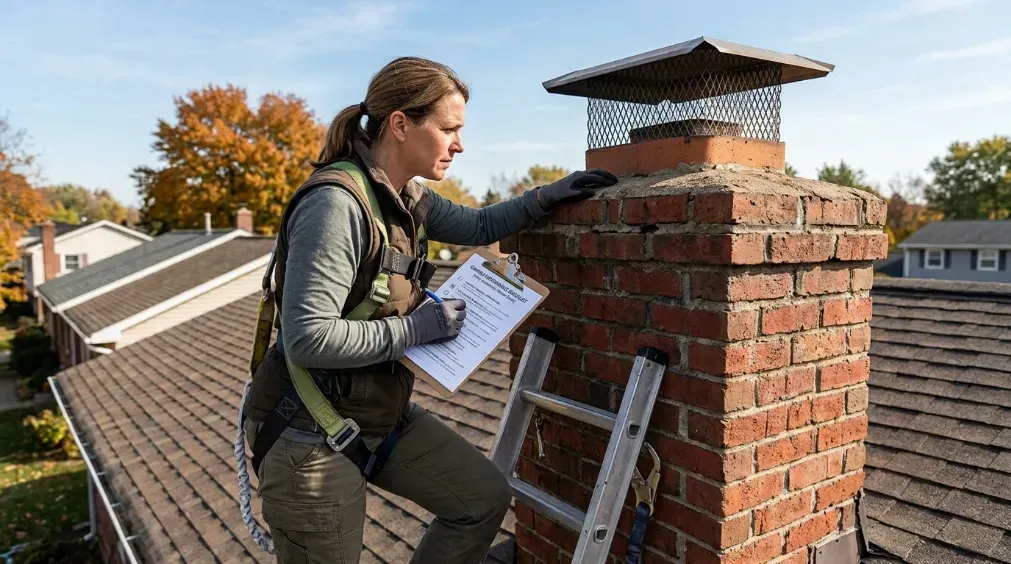
Knowing when to call a professional can save your property. Visual inspections from the ground often reveal significant red flags. You should contact a specialist if you notice any of these structural issues:
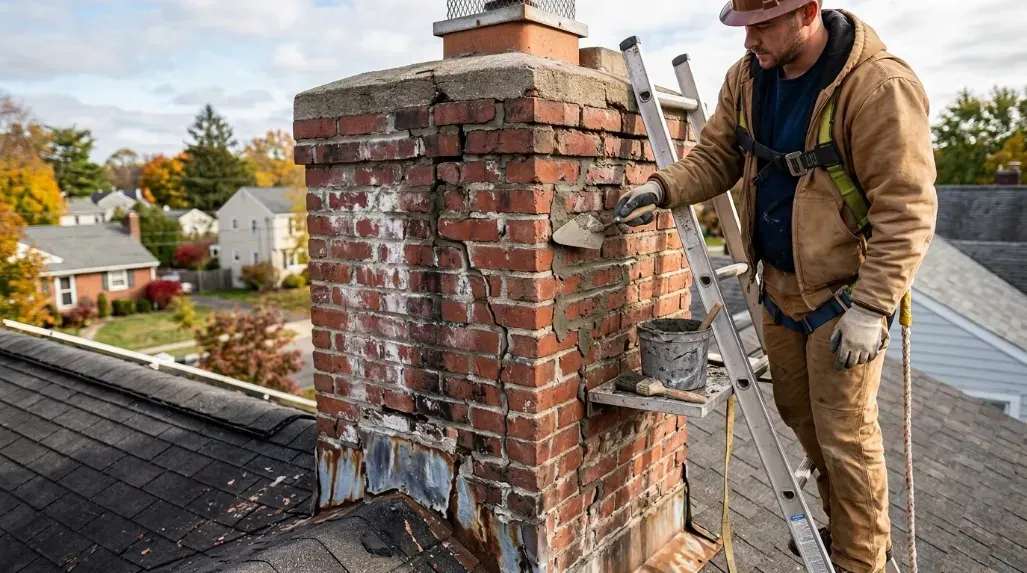
- Spalling Bricks: This happens when the face of a brick breaks off and falls to the roof. It leaves the soft inner core exposed to the elements.
- Crumbling Mortar: Mortar acts as the glue holding your structure together. If it looks like powdery sand, it has lost its structural integrity.
- Leaning Structures: A visible tilt indicates severe structural failure. This presents an immediate collapse hazard and requires urgent demolition.
- White Staining: White, powdery stains on the brick surface are called efflorescence. This indicates heavy water saturation inside the masonry system.
Minor cracking might only require a simple surface patch. However, deep structural failure demands a more intensive approach. Complete structural renewal is often the safest choice for older homes.
The Chimney Demolition and Masonry Restoration Process
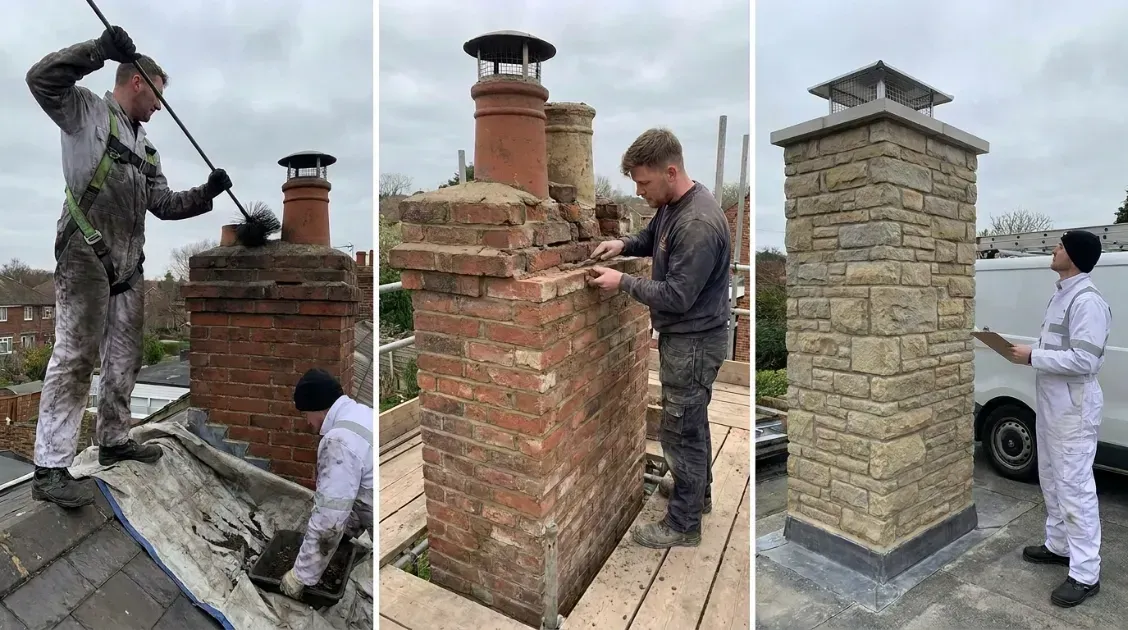
Partial or total brick failure requires a systematic approach. The Chimney Demolition and Masonry Restoration process involves carefully removing dangerous materials and rebuilding the structure. Safety is our primary concern during every phase of this project.
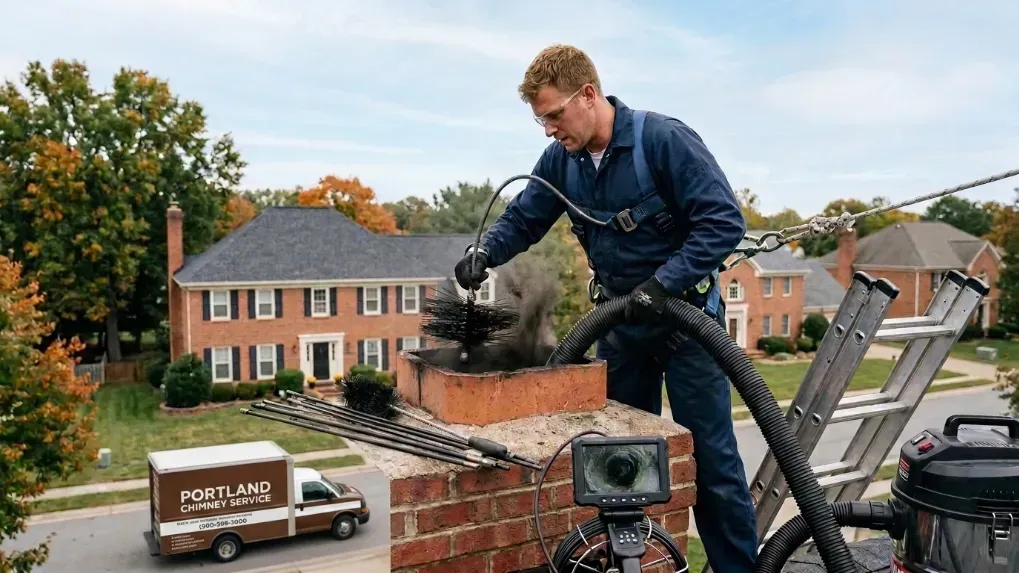
The first step is a controlled teardown. We set up secure scaffolding to protect your roof and landscaping. Our technicians then remove the damaged bricks layer by layer. We inspect the underlying framework for hidden water damage as we work. Removing compromised material stops decay from spreading to healthier sections of the home. You can learn more about our specific teardown methods by exploring our chimney demolition and tuckpointing services.
Rebuilding is the next crucial phase. We select high-quality bricks to match the aesthetic of your Portland home. Our masons mix durable mortar designed to withstand heavy coastal weather. We carefully lay each brick to ensure perfect alignment and structural stability. We also reconstruct the crown to shed rainwater away from the flue opening.

Upgrading Your Masonry for Long-Term Protection
Rebuilding the exterior is only part of the solution. Protecting your new investment requires defensive upgrades. Fresh masonry still needs help fighting off Maine weather.
The easiest way to block moisture is through professional sealing. We apply a breathable, industrial-grade water repellent to the fresh exterior. This product allows internal vapors to escape while blocking exterior rain. Applying this barrier adds years to the life of your new bricks. You can read the specific details regarding our chimney waterproofing applications on our website.
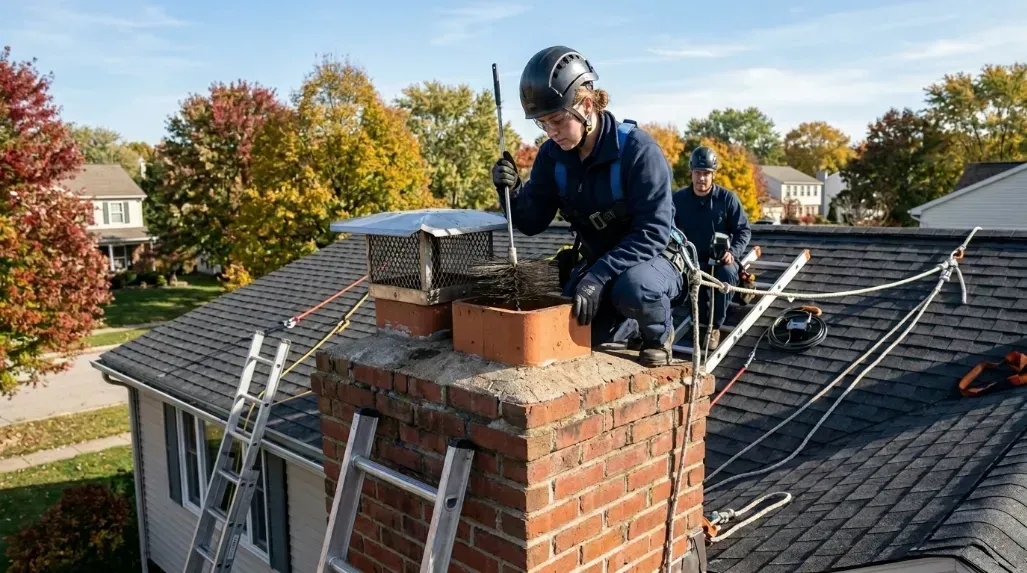
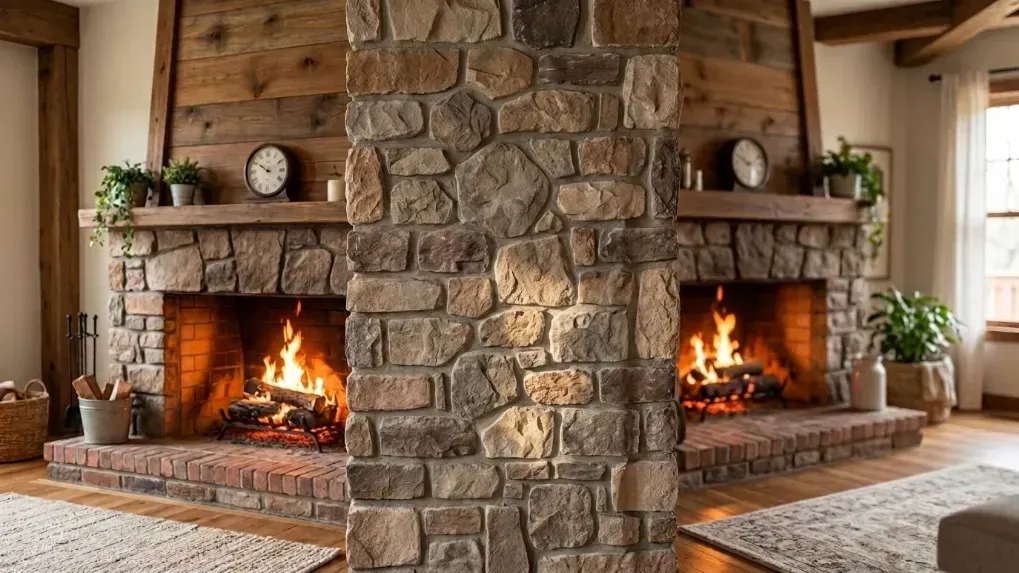
You should also consider the internal health of your flue. Demolition exposes the inner lining of your venting system. Many older Portland homes still rely on outdated clay tiles. These clay tiles crack easily under intense heat. We strongly recommend upgrading to modern stainless steel liners during a rebuild. A metal liner prevents toxic gases from seeping into your living space. It also improves heating efficiency by optimizing the draft.
The Value of Local Expertise in Maine
Hiring a local masonry expert makes a massive difference. National chains often use standard materials unsuited for coastal environments. Salt air degrades basic mortar mixes very quickly. We use specialized materials engineered specifically for the Portland, ME 04101 area.
Our team takes pride in matching historic brickwork. Many neighborhoods feature unique architectural details. We carefully source materials that blend seamlessly with your original aesthetic. For more information on our dedication to the community, please review our company background.
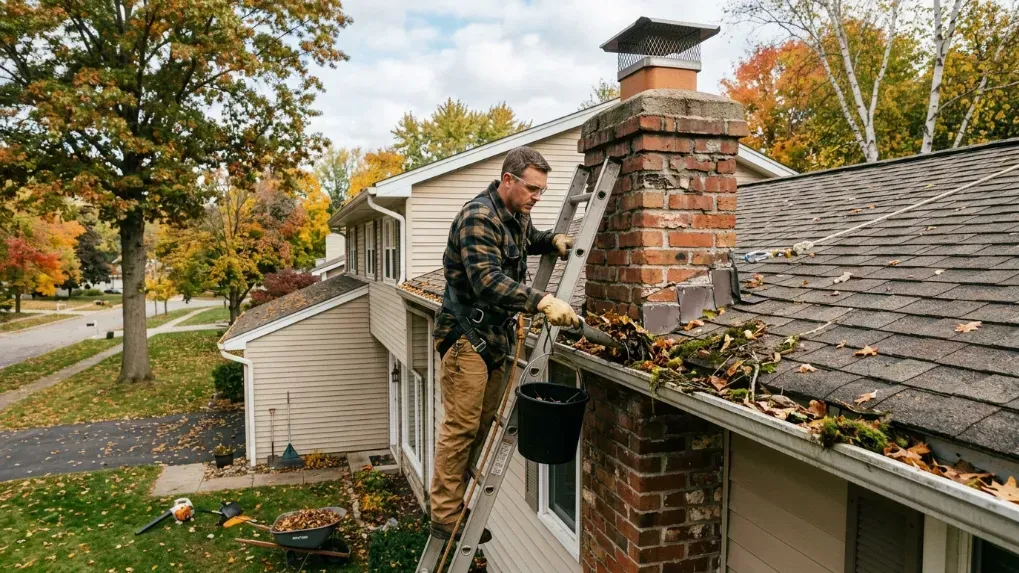
Maintaining your new masonry requires a proactive approach. Annual inspections catch minor issues before they require another demolition. Keeping your roof drainage clear also protects the brickwork from cascading water. We highly recommend reviewing our guide on routine chimney and gutter maintenance for practical tips.
If you suspect your brickwork is failing, do not wait for a collapse. Proactive replacement keeps your family warm and secure. Please reach out to our team today or call us directly at (207) 835-3683 to schedule an evaluation.
Frequently Asked Questions
How long does a typical structural rebuild take?
Most residential teardown and rebuilding projects take between two and four days. The timeline depends heavily on the size of the structure and the weather conditions. We always secure the work area overnight to protect your home from sudden rain.
Do I need a permit for masonry restoration?
Significant structural changes usually require a local building permit in Portland. We handle the entire permitting process for our clients. We ensure that all our work complies fully with Maine residential building codes.
Can you match the color of my historic bricks?
Yes, we specialize in historical masonry matching. We source replacement materials from specialized suppliers to match the exact shade and texture of your original bricks. We also tint our fresh mortar to blend perfectly with the older, weathered joints on your home.