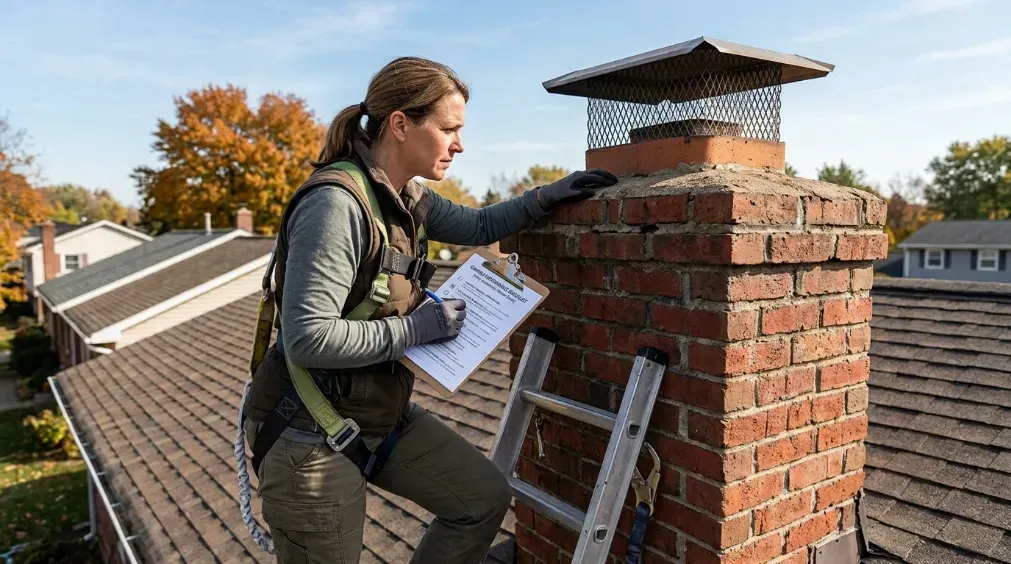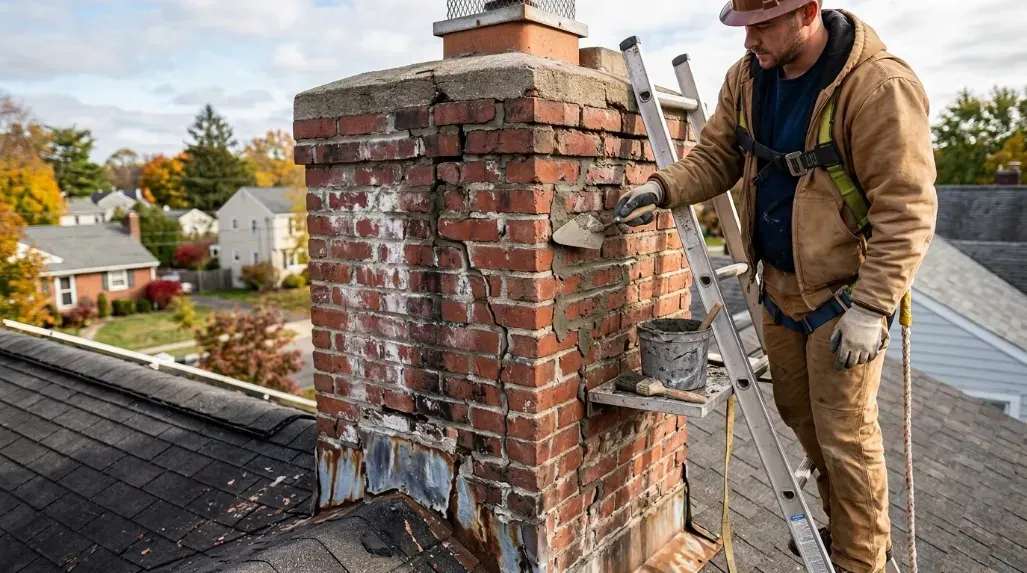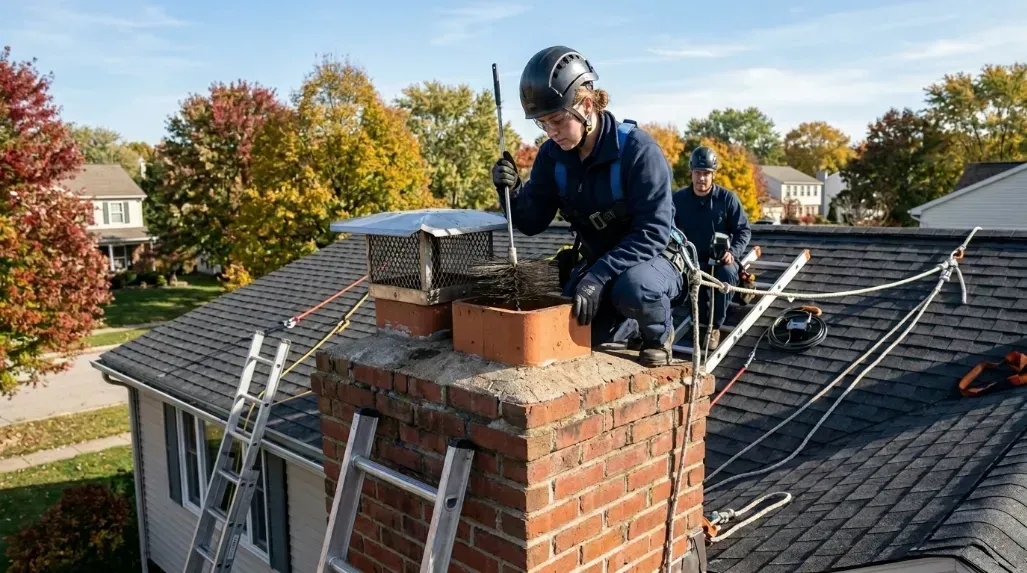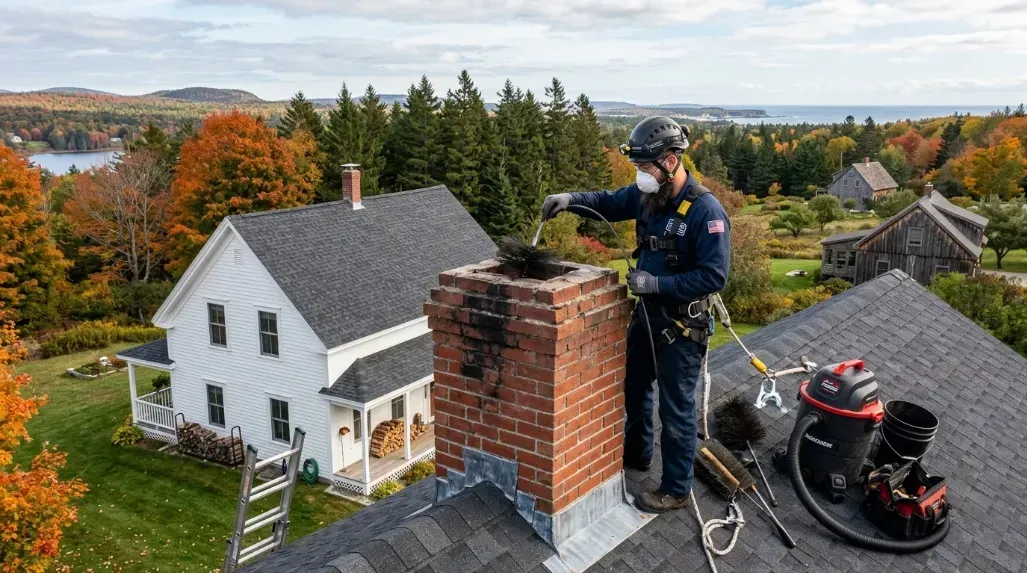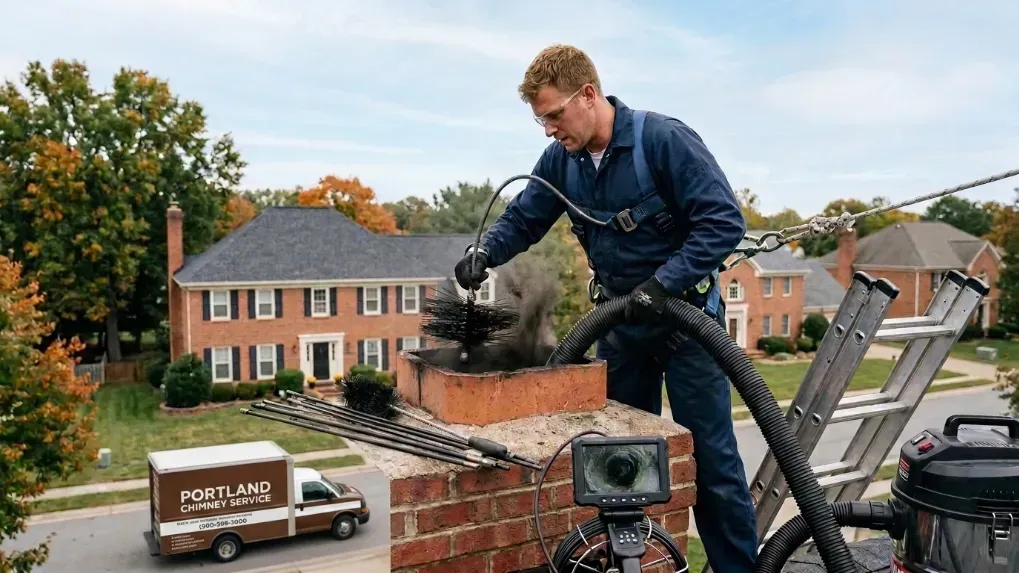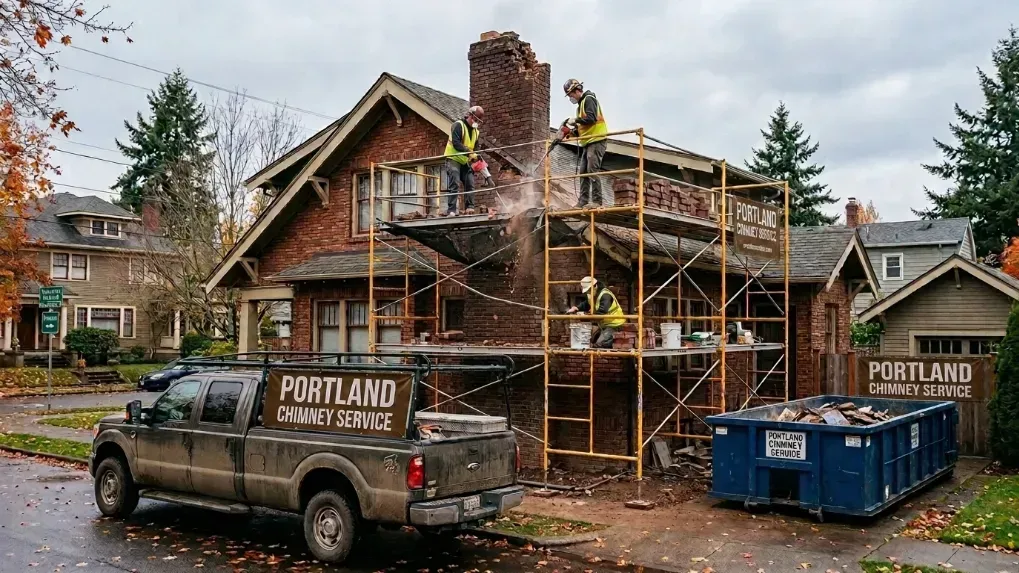
Finding a reliable professional to maintain your masonry and venting system is critical for property owners in Southern Maine. Routine inspections and preventative repairs protect your home from the severe impacts of coastal weather and prevent dangerous internal fires.
* Annual inspections are essential to identify creosote buildup and minor masonry damage before they escalate.
* The New England freeze and thaw cycle is the leading cause of structural spalling and mortar deterioration.
* Always hire certified, fully insured local professionals to guarantee adherence to rigorous safety standards.
Securing Your Maine Property: How to Find a Reliable Chimney Service Near You
Owning a home in Southern Maine comes with distinct responsibilities. Homeowners understand that maintaining a property through harsh winters, heavy snowfall, and coastal moisture requires diligence. The fireplace often serves as the heart of the home during the colder months, providing both warmth and comfort. However, the structural integrity of the masonry and the safety of the venting system require specialized, proactive care.
Finding a professional to inspect, maintain, and repair this critical home feature is not a decision to take lightly. A neglected fireplace can lead to severe structural damage, decreased property value, and significant safety hazards for your family. This article outlines exactly what established property owners need to look for when securing professional chimney maintenance and repair.
The Impact of Southern Maine Weather on Masonry
Older homes throughout Portland and the surrounding communities boast beautiful, historic masonry. While these structures were built to last, they are entirely exposed to the elements. The specific climate of New England presents unique challenges that accelerate wear and tear on brickwork and mortar.
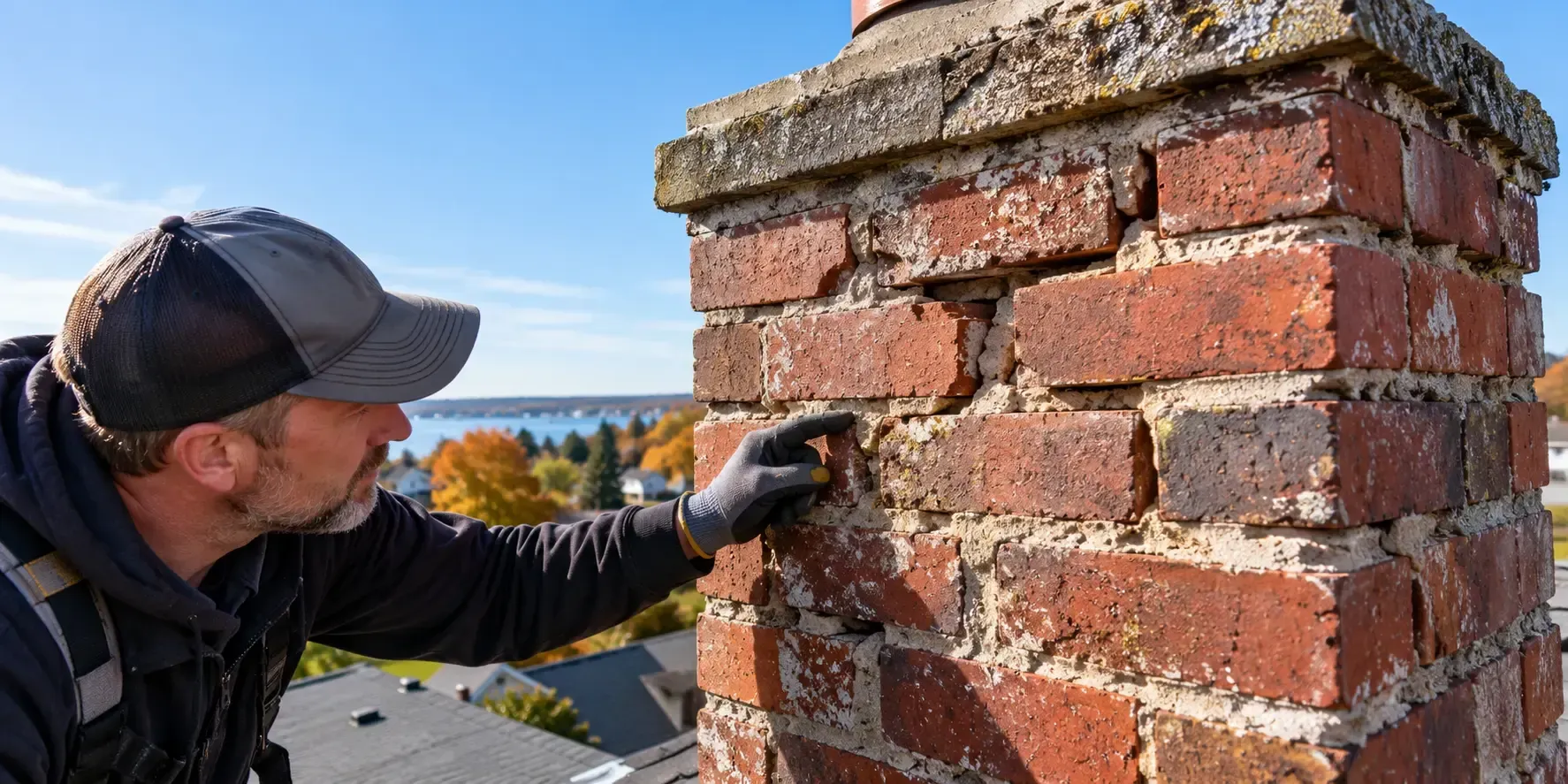
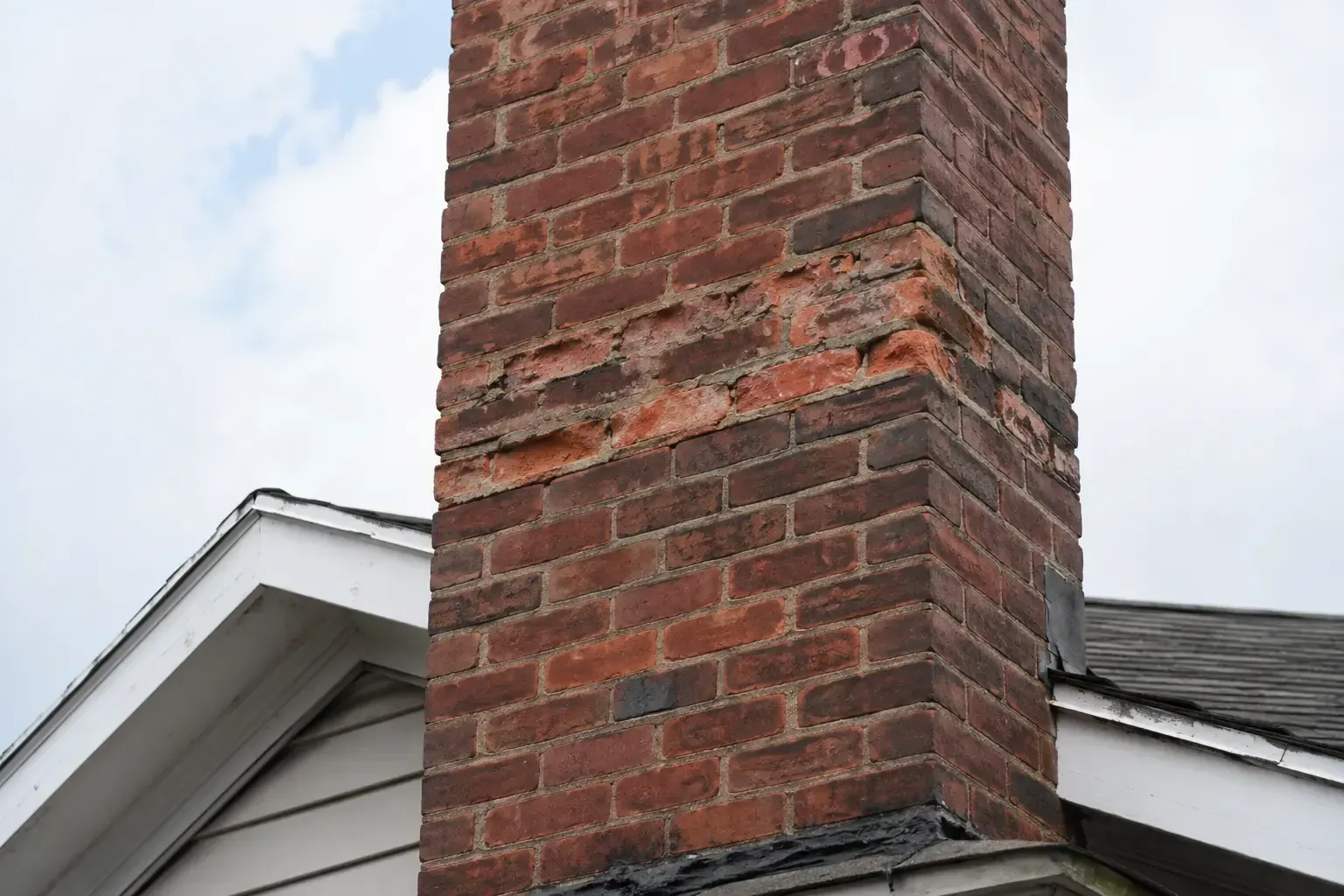
The primary culprit of structural degradation is the freeze and thaw cycle. Brick and mortar are naturally porous materials. When rain or melting snow saturates the masonry, the moisture settles into tiny crevices. As temperatures plummet overnight, this trapped water freezes and expands. This continuous expansion and contraction slowly breaks apart the mortar joints and causes the face of the bricks to sheer off, a process known as spalling.
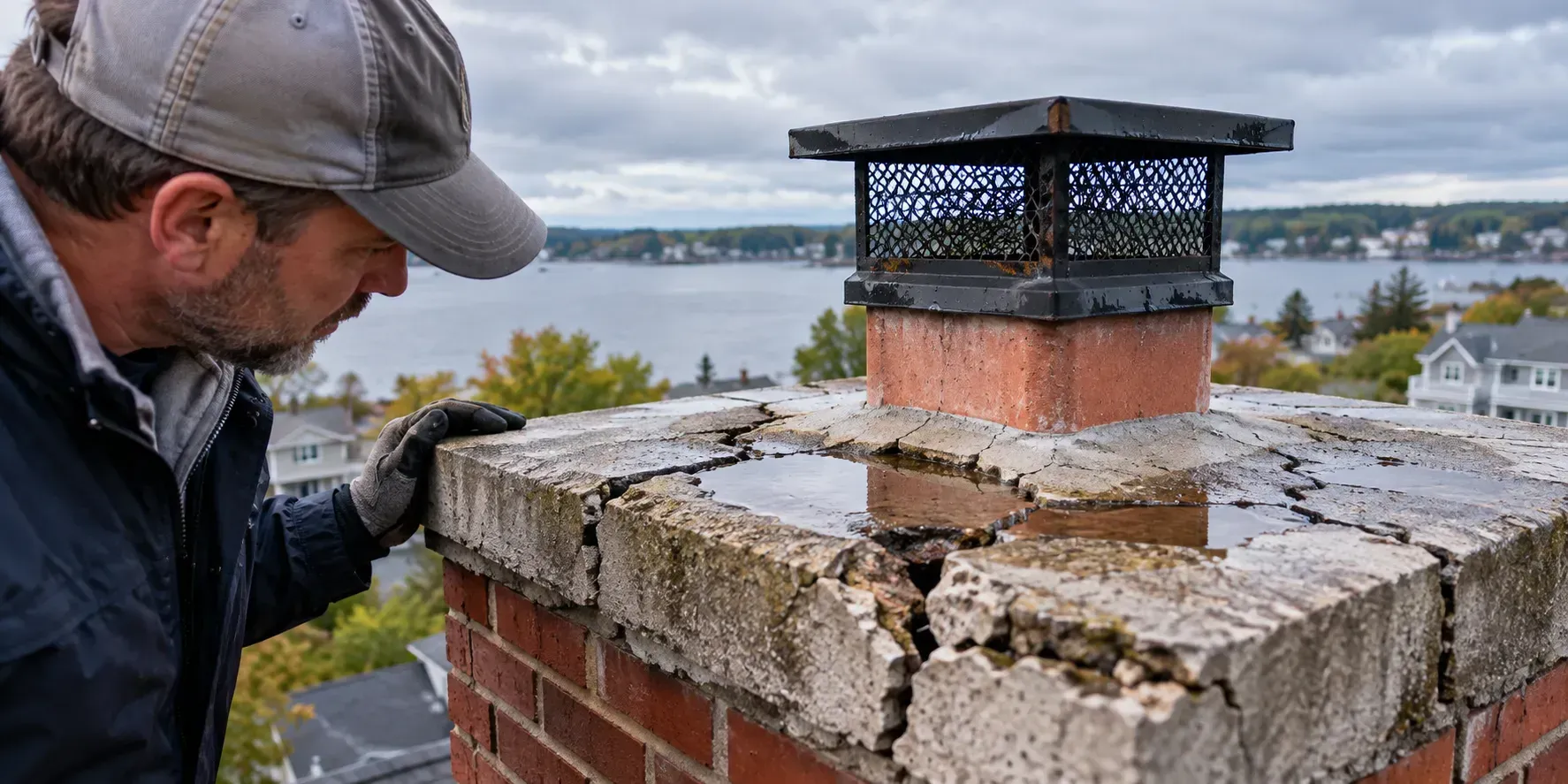
Without a properly fitted cap and a professional waterproofing treatment, water will eventually bypass the exterior defenses and infiltrate the flue. Moisture inside the flue mixes with residual creosote to form a highly corrosive acid that deteriorates the liner. For homeowners prioritizing the long-term value of their investment, keeping water out of the venting system is paramount.
Critical Warning Signs of Structural Wear
Property owners should routinely observe their home exteriors and fireplaces for early indicators of trouble. Catching these warning signs early often prevents the need for extensive, costly rebuilding projects.
- White Staining (Efflorescence): A powdery white substance on the exterior brickwork indicates that moisture is traveling through the masonry and leaving salt deposits behind. While the stain itself washes off, the underlying moisture problem requires professional diagnosis.
- Crumbling Mortar: If you find small pieces of mortar on your roof or the ground around your home, the joints are deteriorating. Tuckpointing is necessary to restore the structural integrity before the bricks become loose.
- Rust on the Firebox or Damper: Rust is a clear indicator that water is entering the flue. This moisture often stems from a missing rain cap, a cracked crown, or compromised flashing near the roofline.
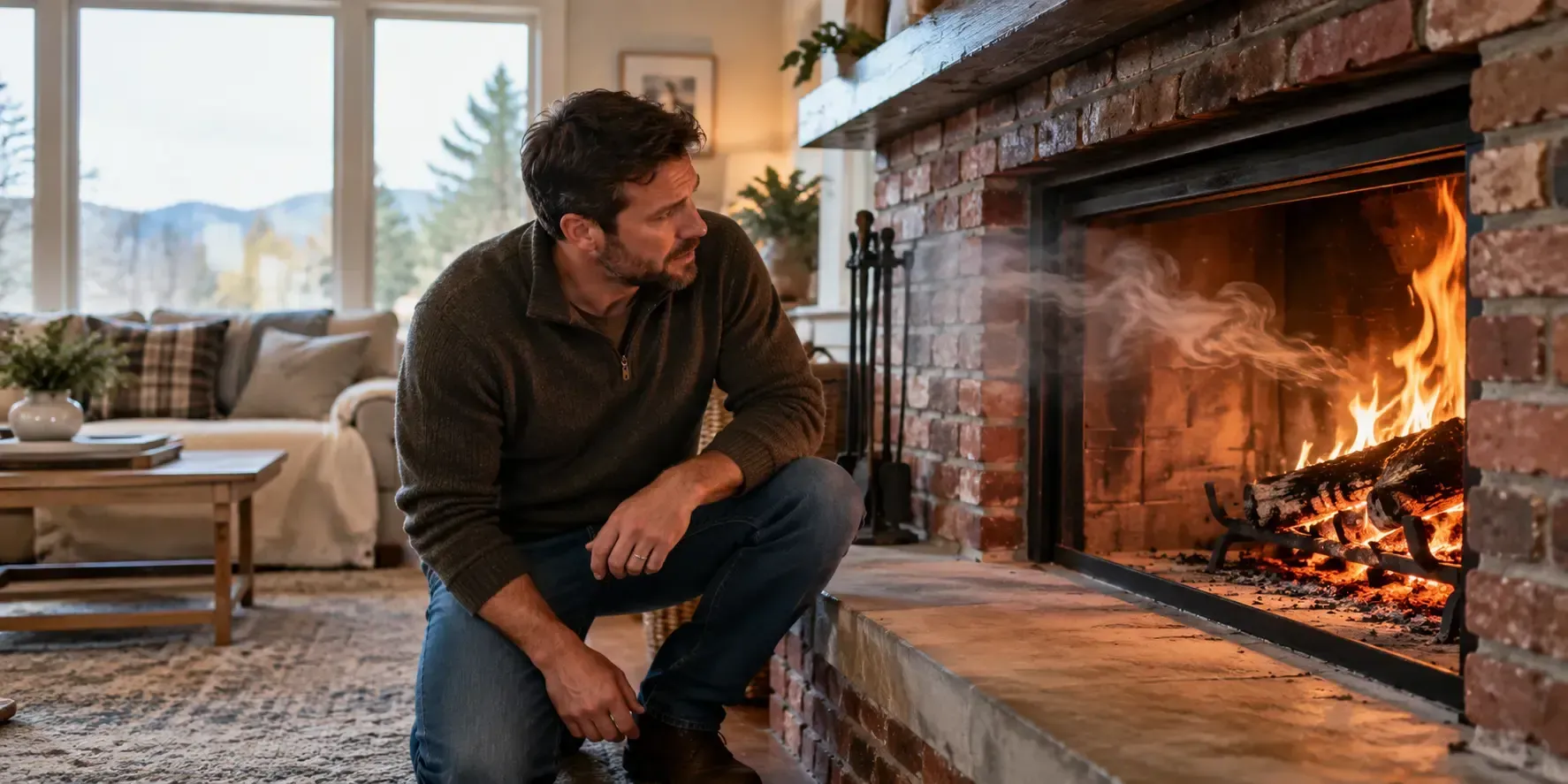
- Strong Odors: A strong, campfire-like smell entering the living room during humid summer days or after a heavy rainstorm points to an excess of moisture mixing with creosote buildup.
Addressing these issues promptly ensures the venting system remains safe for operation when the winter heating season begins.
Navigating NFPA Inspection Guidelines
The National Fire Protection Association outlines specific levels of inspection to ensure safety and structural soundness. Understanding these levels helps property owners communicate effectively with technicians.
| Inspection Level | Core Purpose | Typical Scenario | Estimated Duration |
|---|---|---|---|
| Level 1 | Basic visual check of easily accessible areas. | Annual maintenance for a system used regularly with no prior issues. | 30 to 45 minutes |
| Level 2 | Detailed inspection including attic, crawlspace, and video scanning of the flue. | Buying or selling a home, after a major storm, or changing fuel types. | 1 to 2 hours |
| Level 3 | Invasive inspection requiring the removal of structural components. | Investigating severe structural damage or suspected hidden hazards. | Varies significantly |
Routine Level 1 and Level 2 inspections form the foundation of proper preventative maintenance for established homeowners.
Evaluating a Local Chimney Service for Your Property
Hiring a contractor to work on your home requires vetting. Not all companies operate with the same level of expertise, insurance, or local accountability. When evaluating a local chimney service, property owners should focus on a few key indicators of professionalism and reliability.
First, verify that the technicians carry appropriate industry certifications. Certifications from recognized bodies indicate a commitment to continuing education and adherence to strict safety codes. A certified technician understands the complex thermodynamics of venting systems and can identify subtle hazards that an untrained eye might miss.
Second, inquire about comprehensive liability insurance. Working on roofs and handling highly flammable byproducts like creosote carries inherent risks. A reputable company will happily provide proof of insurance to protect you and your property during the project.
Third, look for a strong local presence and a history of positive community feedback. Companies deeply rooted in the Portland area understand the specific architectural styles of the region and the unique weather patterns that cause damage. They rely on their local reputation for continued business, which incentivizes high-quality workmanship and transparent pricing.
Detailed, written estimates are another hallmark of a trustworthy provider. A professional will clearly outline the scope of work, the materials required, and the estimated timeline. They will take the time to explain their findings and answer your questions without resorting to high-pressure sales tactics.
Prioritizing Preventative Maintenance
For homeowners transitioning into their retirement years, as well as busy families balancing demanding schedules, dealing with emergency home repairs is highly stressful. The most effective way to eliminate this stress is by adopting a preventative mindset.
Annual sweeping removes highly combustible creosote from the flue. Creosote accumulation is the leading cause of internal fires, which can quickly spread to the framing of the house. Regular sweeping mitigates this risk entirely.
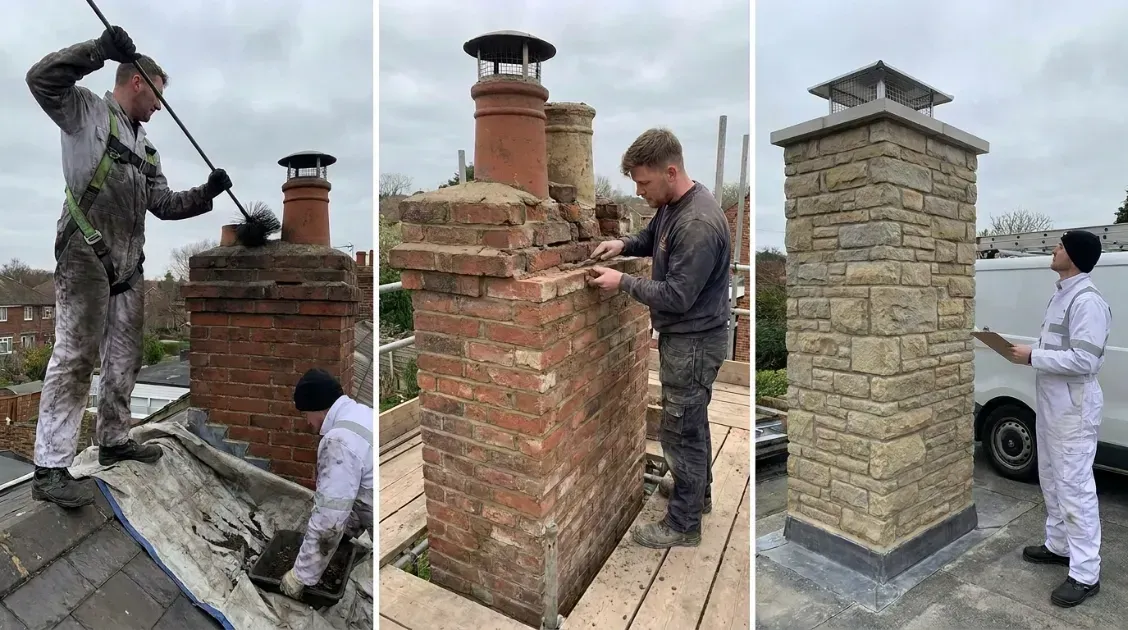
Furthermore, annual inspections allow professionals to identify minor issues before they escalate. Replacing a cracked crown or sealing a small gap in the flashing costs significantly less than rebuilding an entirely collapsed masonry structure. Partnering with a dedicated team ensures your property remains safe, efficient, and well-maintained year after year.
Partnering with Portland Chimney Service
Residents of Southern Maine require a maintenance partner they can rely on for honest assessments and precise execution. Operating out of 449 Forest Park D Portland, ME 04101, our team is dedicated to preserving the safety and historical integrity of local homes. Whether you need a standard annual cleaning, intricate masonry restoration, or a comprehensive video inspection, we bring decades of localized expertise directly to your doorstep.
We encourage homeowners to be proactive about their property maintenance. You can reach our office directly at 207 835-3683 to discuss your specific concerns. To schedule an inspection or request a detailed consultation regarding masonry repairs, please visit our website and contact our team today. Our focus remains entirely on providing peace of mind through rigorous safety standards and superior craftsmanship.
Frequently Asked Questions
How often should my fireplace be inspected?
The National Fire Protection Association recommends that all fireplaces, vents, and solid fuel-burning appliances be inspected at least once a year. If you use your wood stove or fireplace as a primary heating source, you may require sweeping more frequently depending on the rate of creosote accumulation.
What is a chimney liner and why is it important?
A liner is a protective barrier installed inside the flue, typically made of stainless steel or clay tile. It serves three critical functions. It protects the house framing from combustible heat, it shields the masonry from corrosive byproducts of combustion, and it provides a correctly sized draft for the specific heating appliance.
Can I perform masonry repairs myself?
While minor aesthetic touch-ups might seem simple, structural masonry repair requires specific expertise. Improper mortar mixes will fail quickly during the Maine freeze and thaw cycle. Furthermore, mistakes in structural repairs can lead to dangerous blockages or toxic gas leaks inside the home. It is always safest to rely on a professional for these tasks.