Key Insights and Takeaways
Upgrading your venting system with a stainless steel liner is a crucial step for protecting historic and modern homes in Portland, ME from fire hazards and structural degradation. These highly durable metal liners optimize heating efficiency, resist corrosive combustion byproducts, and prevent dangerous exhaust gases from entering your living space. When combined with professional exterior masonry care, a new liner provides a comprehensive defense against Maine's harsh winter weather.
* Stainless steel liners improve draft efficiency by keeping exhaust gases hot and buoyant.
* Professional installation ensures the liner is accurately sized to meet strict fire safety codes.
* Pairing internal lining with exterior waterproofing maximizes the lifespan of your masonry structure.
Heating a home in Portland, ME requires a venting system that is built to withstand rigorous conditions. The structural integrity of your flue dictates how efficiently and safely your heating appliance operates during the long, freezing winter months. Many historic homes throughout coastal Maine still rely on older, unlined clay tile flues. Over decades of use, these traditional masonry materials deteriorate under the constant stress of extreme temperature fluctuations and the highly acidic byproducts generated from wood or gas combustion.
Upgrading your system with modern materials prevents hazardous conditions while significantly improving draft performance. When you invest in the proper infrastructure for your heating system, you ensure that dangerous exhaust gases are safely expelled from your living space. The team at Portland Chimney understands the unique architectural and environmental demands of southern Maine, providing solutions that protect your property from the inside out.
The Function and Importance of Flue Lining
To understand why a liner is necessary, it helps to examine the basic anatomy of a safe heating system. A flue liner serves three primary functions. First, it contains the products of combustion, ensuring that smoke, carbon monoxide, and other hazardous gases are directed cleanly outside your home. Second, it protects the masonry walls of the structure from the corrosive byproducts of combustion. Finally, a proper liner provides a protective barrier against heat transfer to combustible materials framing your house, which is a critical factor in preventing house fires.
When you burn fuel, the exhaust gases carry moisture and particulate matter. As these warm gases rise, they meet the cooler ambient air inside the flue. In a poorly insulated or oversized clay flue, these exhaust gases cool too rapidly. This cooling creates heavy condensation and accelerates the accumulation of creosote on the flue walls. A properly sized and insulated liner maintains higher flue temperatures, which keeps exhaust gases buoyant and drastically reduces the buildup of dangerous, combustible creosote.
Why Portland Residents Need Professional Chimney Services
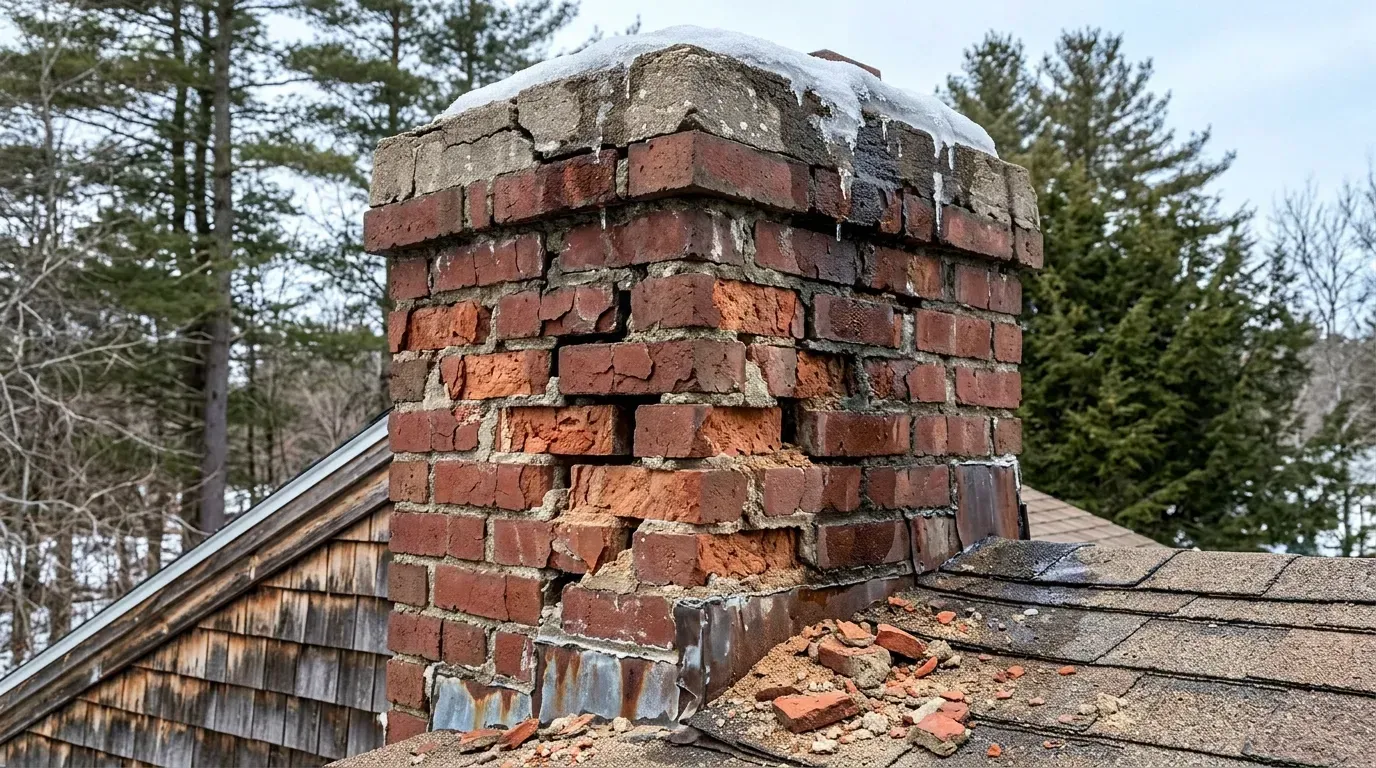
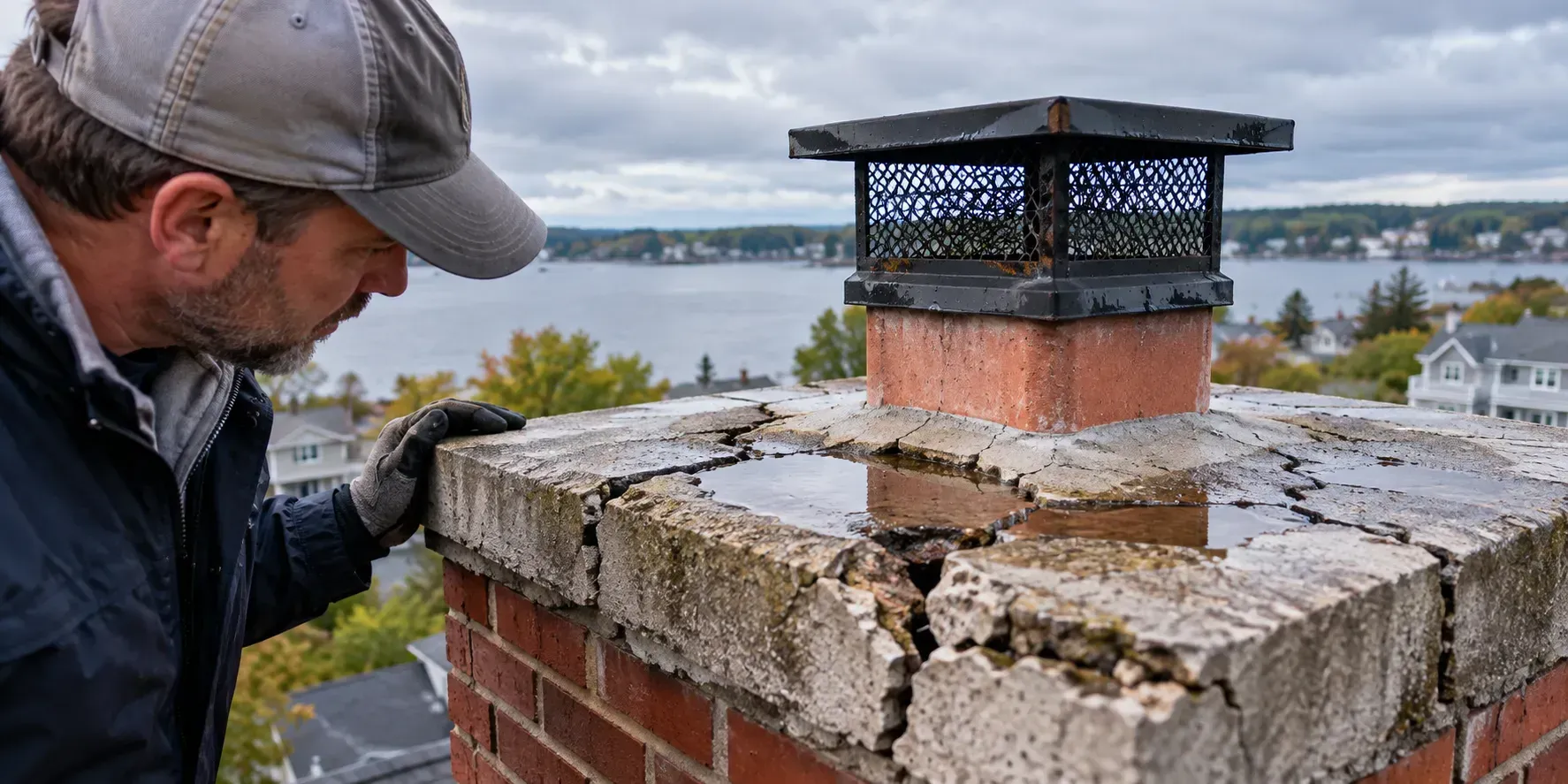
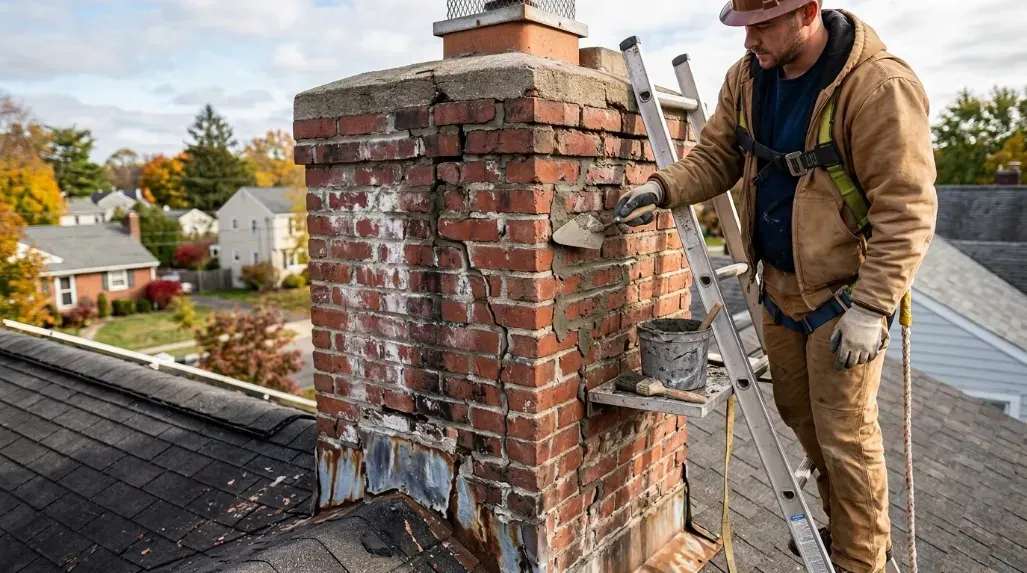
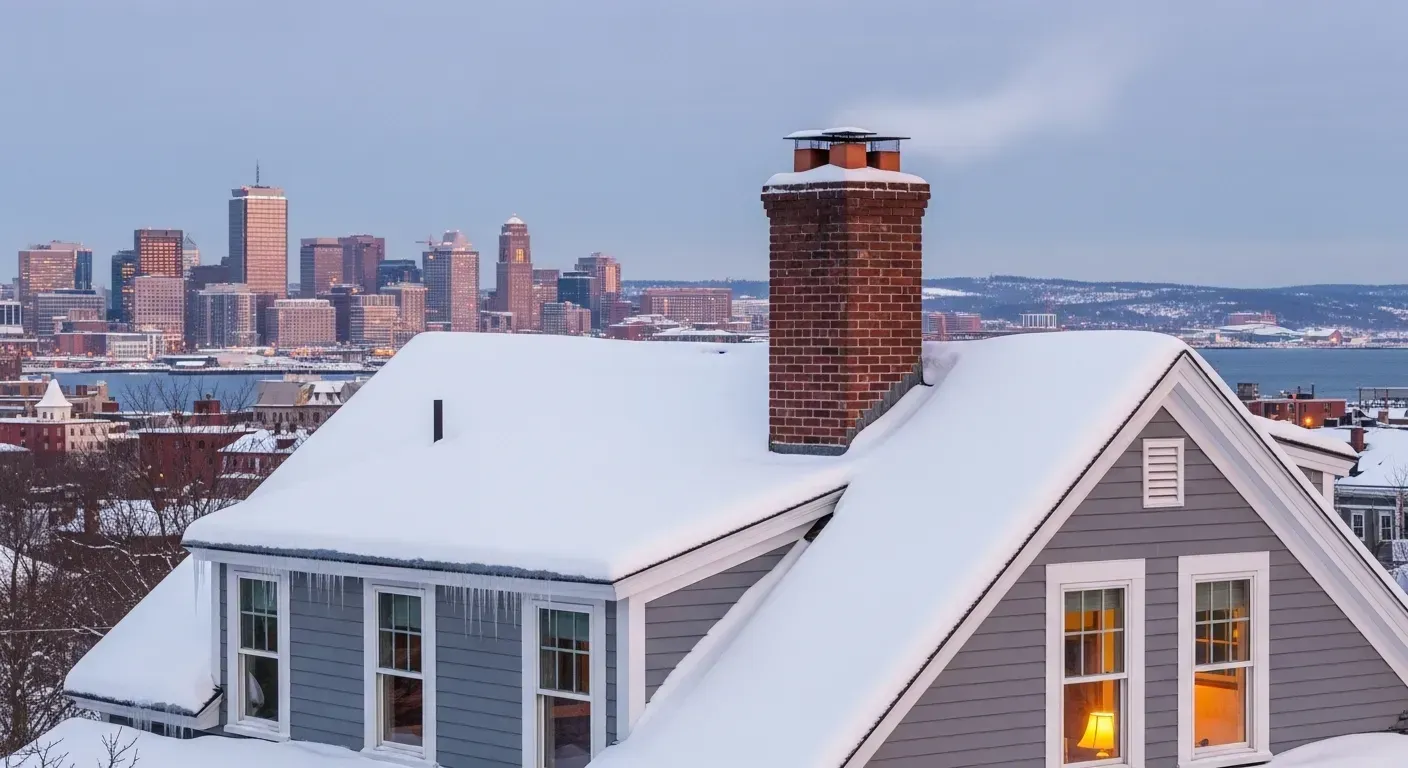
The harsh coastal weather of Maine presents distinct challenges for masonry structures. The constant freeze and thaw cycle wreaks havoc on exterior brickwork, while internal condensation degrades the mortar joints from the inside. Combining these internal and external pressures causes older structures to degrade rapidly. This is why securing professional Chimney Services is highly recommended for homeowners looking to maintain their property values and ensure their personal safety.
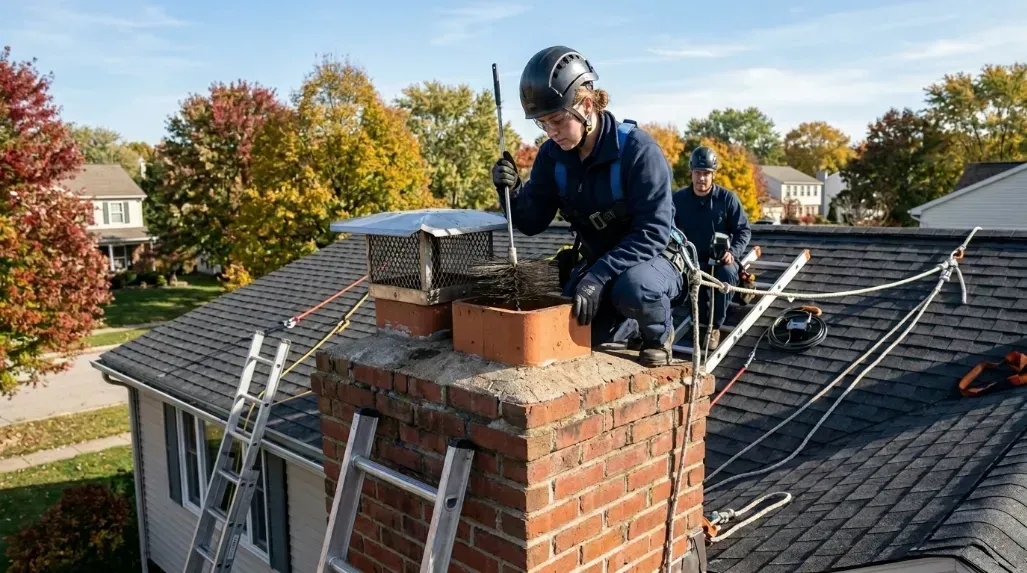
Attempting to repair or line a flue without professional training often leads to disastrous results. Proper installation requires precise mathematical calculations to match the volume of the liner to the specific requirements of your heating appliance. If a liner is too large, the draft will be sluggish. If it is too small, the appliance will not vent properly, leading to dangerous backdrafting into the home.
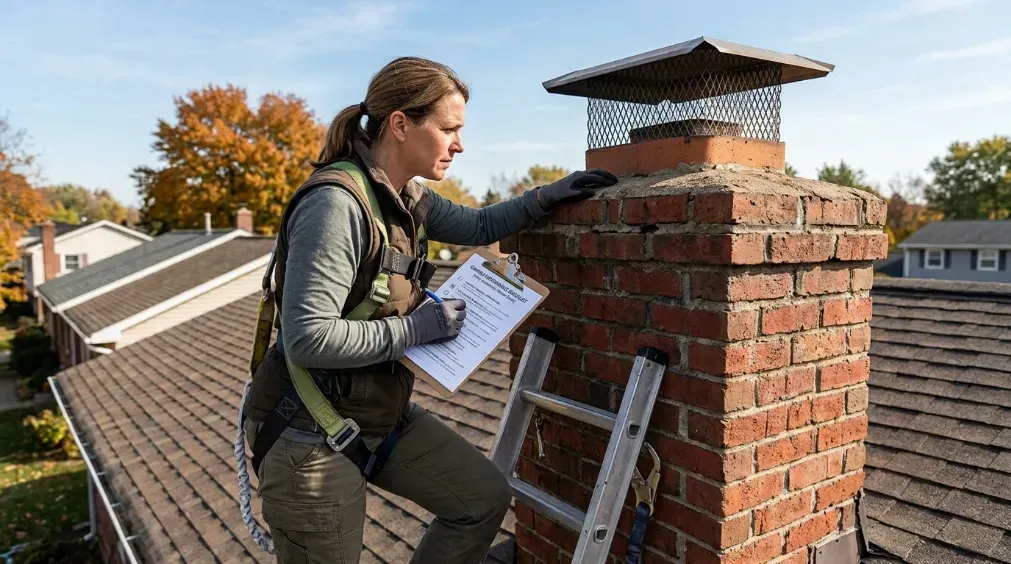
By relying on our team at Portland Chimney, you guarantee that every component of your venting system is evaluated, sized, and installed according to strict fire safety codes. Professional attention ensures that the entire system works in harmony, mitigating the specific environmental threats that Portland homes face every year.
The Clear Advantages of Stainless Steel Liners
When it comes to upgrading a venting system, homeowners have a few material options, but metal alloys consistently offer the most reliable performance. Specifically, stainless steel liners stand out as the superior choice for both new installations and historic retrofits.
Unlike traditional clay tiles that crack under thermal shock, high-grade stainless steel is engineered to withstand extreme temperatures without compromising its structural integrity. The metallurgy of these liners, typically crafted from durable 304 or 316 stainless steel alloys, provides exceptional resistance to the corrosive sulfuric acids found in combustion exhaust and the heavy coastal moisture prevalent in Portland.
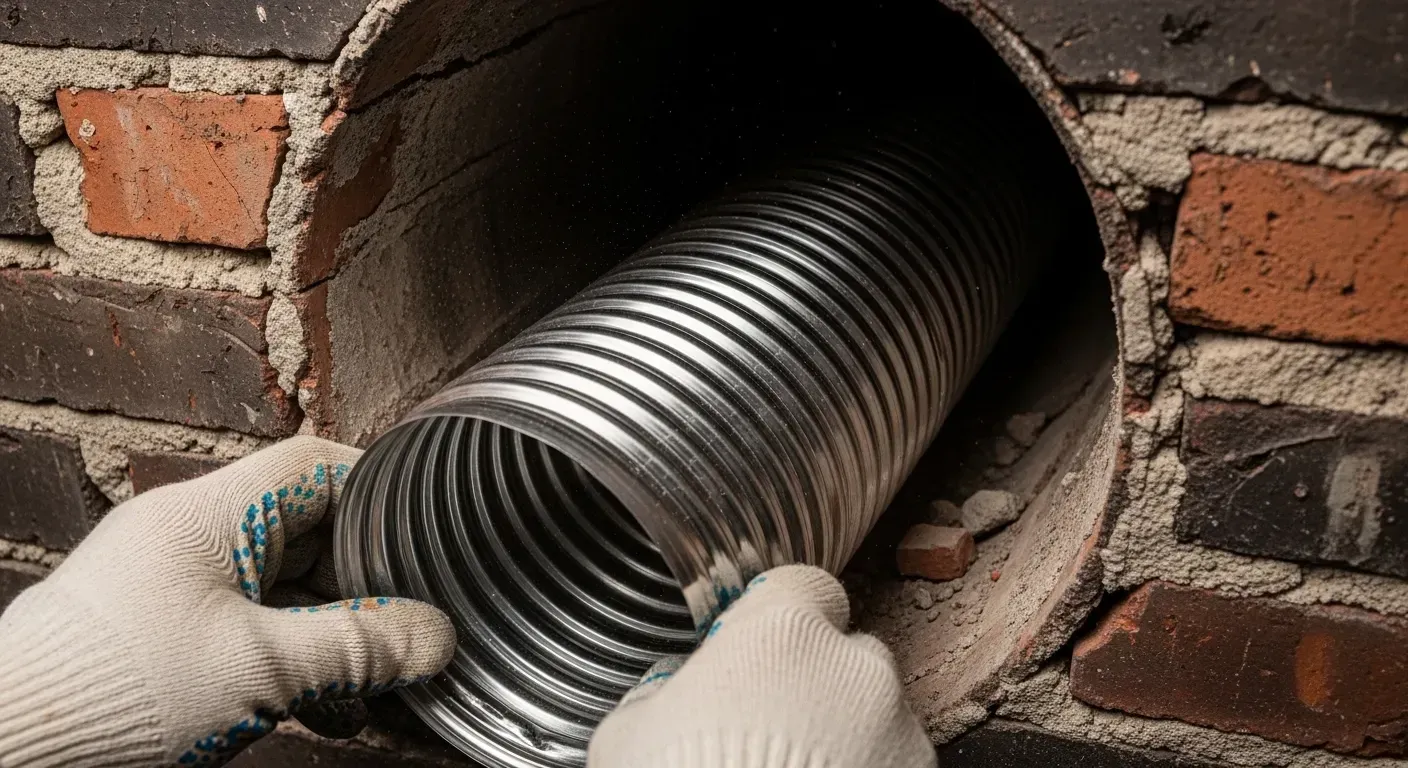
Stainless steel systems come in both rigid and flexible profiles. Flexible liners are particularly useful for historic homes with offset or uniquely shaped flues, allowing the metal to contour safely through the existing structure without requiring destructive alterations to the home. Rigid liners provide incredibly smooth interior walls that optimize airflow and maximize the efficiency of your appliance.
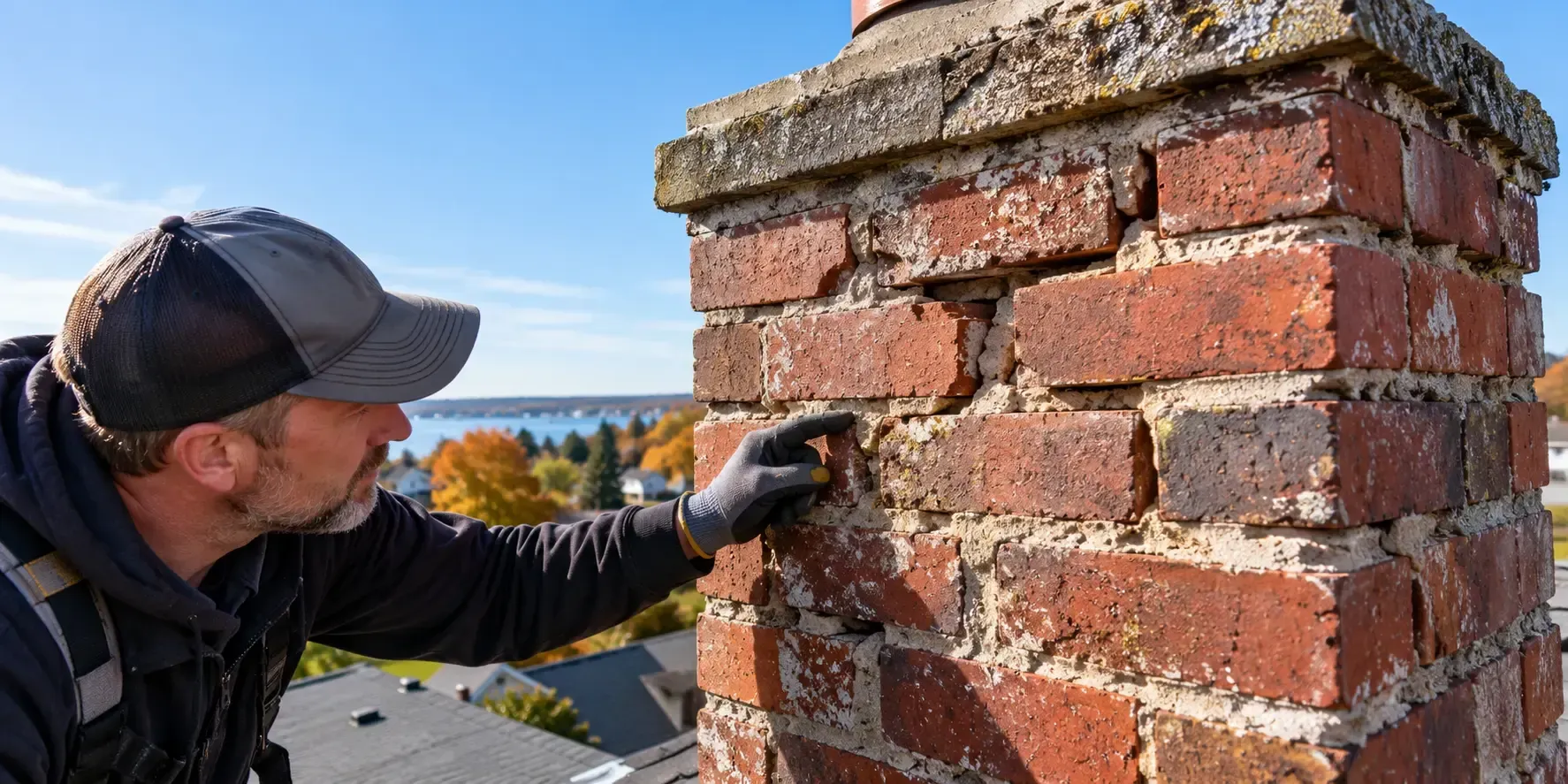
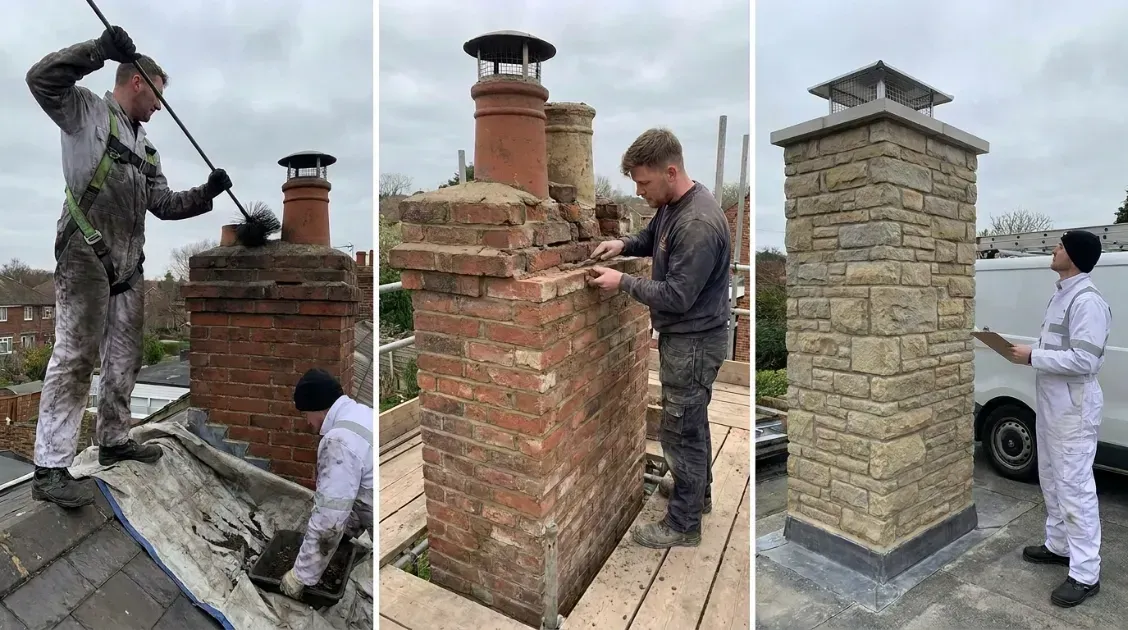
Furthermore, these metal liners are often wrapped in high-temperature ceramic insulation before installation. This insulation layer is crucial because it keeps the flue gases hot all the way to the top of the termination cap. During the installation process, a technician will also assess the overall health of the masonry surrounding the new liner. If the brickwork has already suffered extensive damage from years of neglect, it is highly efficient to address those issues concurrently through professional demolition and tuckpointing services.
Integrating Liners with Comprehensive Masonry Protection
A new metal liner effectively protects your home from the inside out, but a truly resilient structure requires defense on all fronts. Exterior water intrusion can severely damage the masonry envelope that houses your new venting system. Wind-driven rain and snow easily penetrate porous brick and degrading mortar joints.
Once water enters the masonry, freezing temperatures cause the moisture to expand, leading to cracked bricks and crumbling structural supports. To maximize the lifespan of your entire system, internal lining should be paired with proper exterior sealing. You can learn more about protecting the exterior brickwork by exploring our chimney waterproofing solutions. Additionally, reviewing our recent guide on defending your Portland home against Maine weather with expert chimney waterproofing provides deeper insight into managing coastal moisture.
Securing Your Home for the Next Maine Winter
Taking a proactive approach to your home heating infrastructure saves significant time, money, and stress. Do not wait until the first major freeze to discover that your venting system is compromised or operating inefficiently. Upgrading to a premium metal liner provides immediate peace of mind, better appliance performance, and long-term structural protection.
If you live in the greater Portland area and have concerns about the safety or efficiency of your current setup, taking action now is the most responsible choice. Please reach out to schedule an inspection and ensure your home is fully prepared for the heating season.
Frequently Asked Questions
How long do stainless steel liners typically last?
When installed correctly and maintained with annual cleanings, high-quality stainless steel liners often last for the lifetime of the home. The durable metal alloys are specifically designed to resist heat fatigue and chemical corrosion, making them a permanent solution for most residential applications.
Can a new liner improve my fireplace draft?
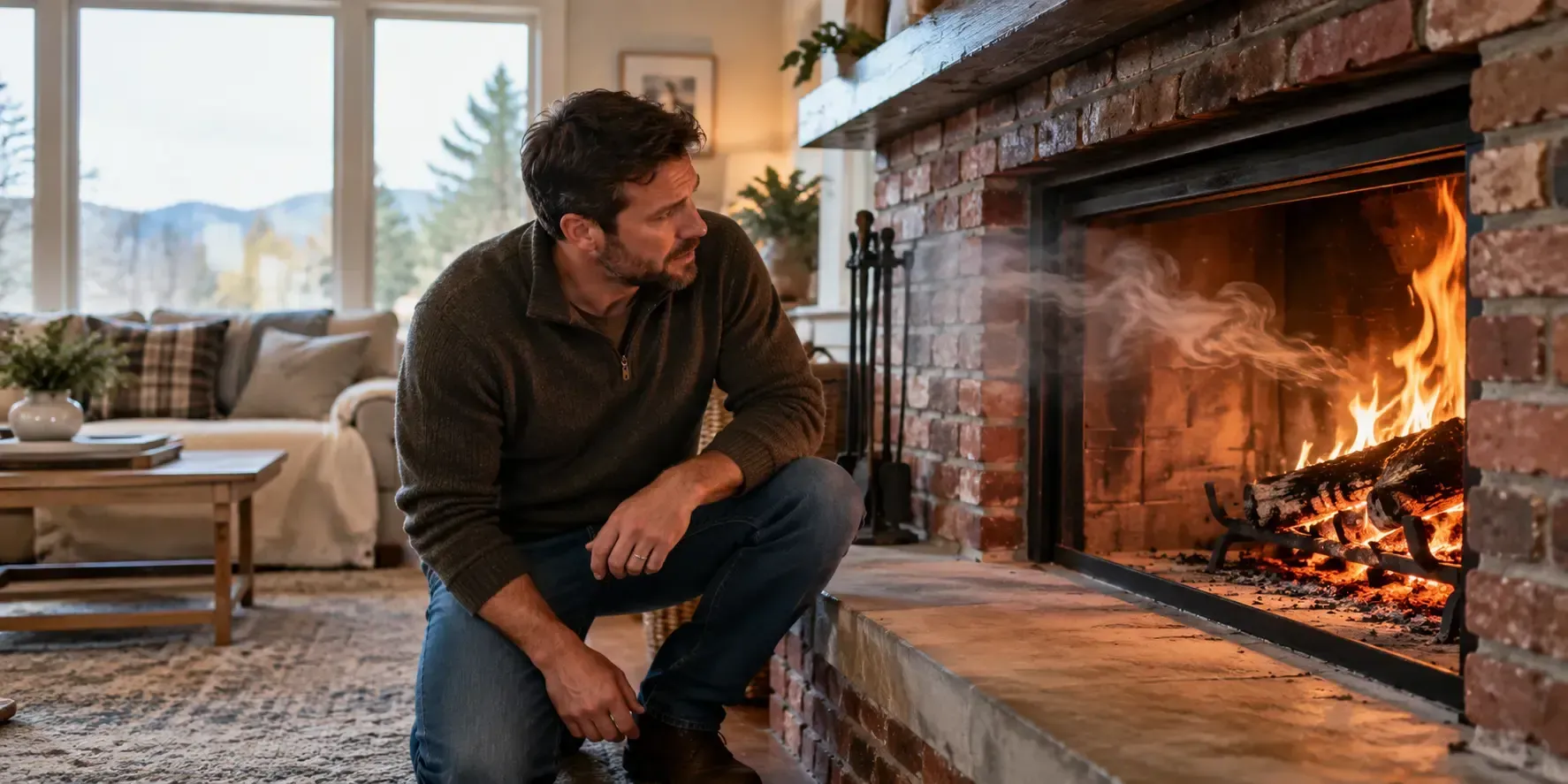
Yes. Installing an insulated stainless steel liner keeps exhaust gases significantly hotter as they travel up the flue. Hotter gases are more buoyant, which directly translates to a stronger, more consistent draft and less smoke backing up into your living room.
Is a stainless steel liner required for a wood stove insert?
Building codes and safety standards require wood stove inserts to be connected to a properly sized continuous liner that runs from the appliance collar all the way to the termination cap. This ensures that the high-temperature exhaust is safely contained and expelled without coming into contact with the oversized original masonry flue.