Key Insights and Takeaways


Your chimney liner is a critical safety barrier that protects your home from fire hazards and toxic gases. Recognizing early warning signs like interior rust, falling mortar, and drafting issues can save you from costly structural repairs. Trusting a local professional to inspect and replace failing components ensures your property remains safe during harsh Maine winters.

  • Rust flakes or reddish stains in the firebox indicate metal corrosion and potential gas leaks.
  • Crumbling interior mortar and white exterior staining are clear signs of internal moisture damage.
  • Severe drafting issues and smoke spillage often point to a warped or collapsed internal barrier.

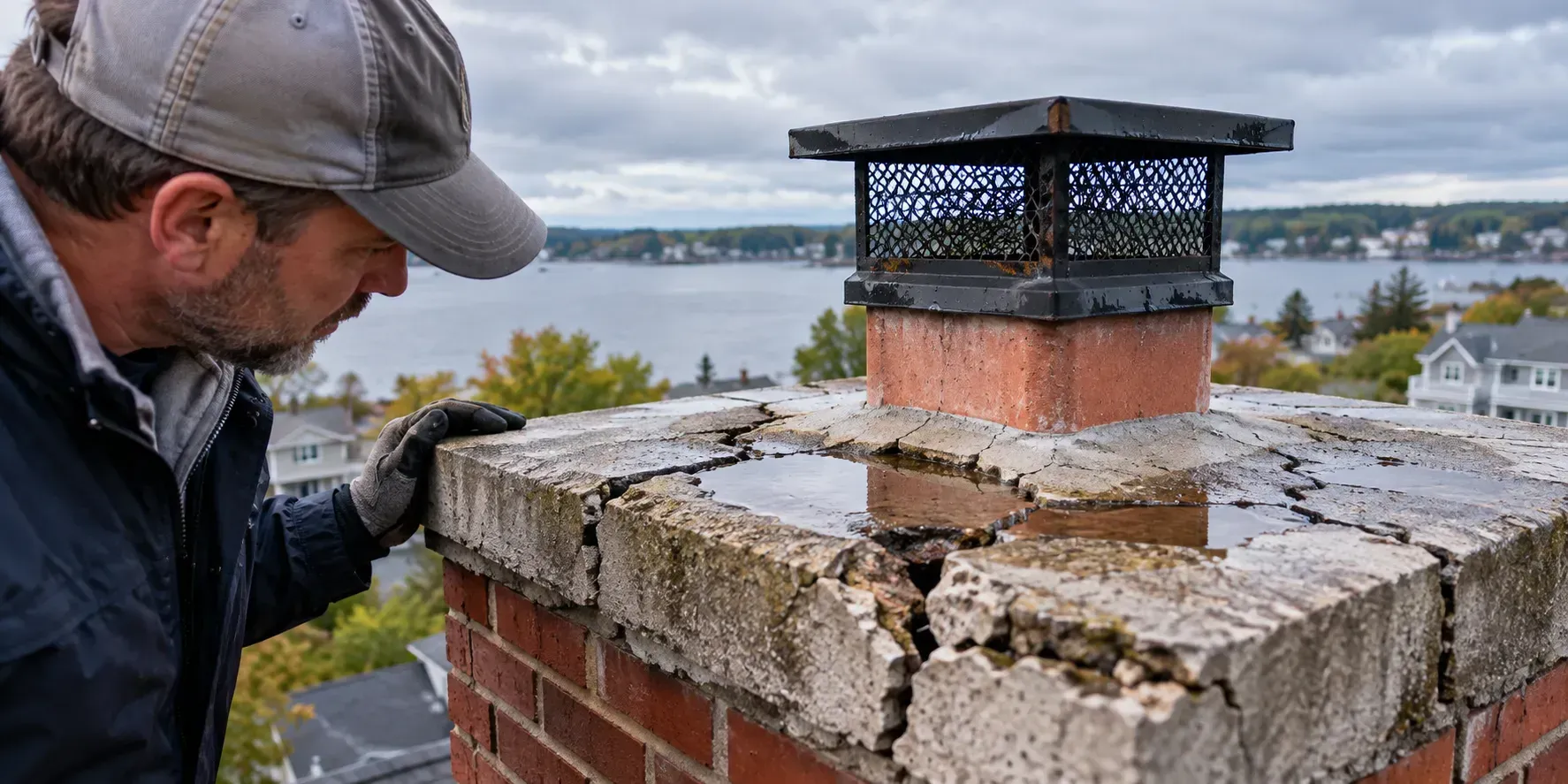
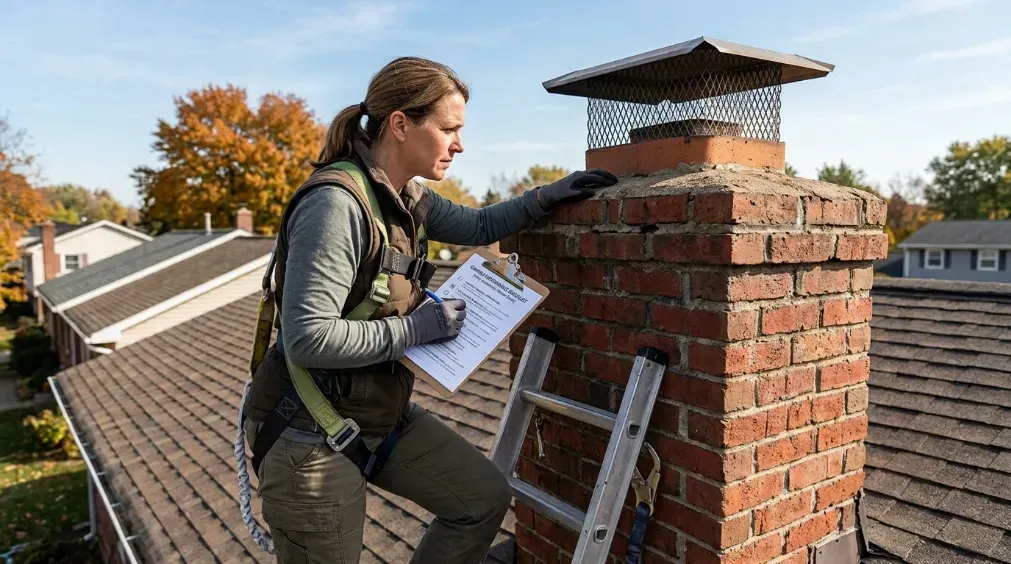
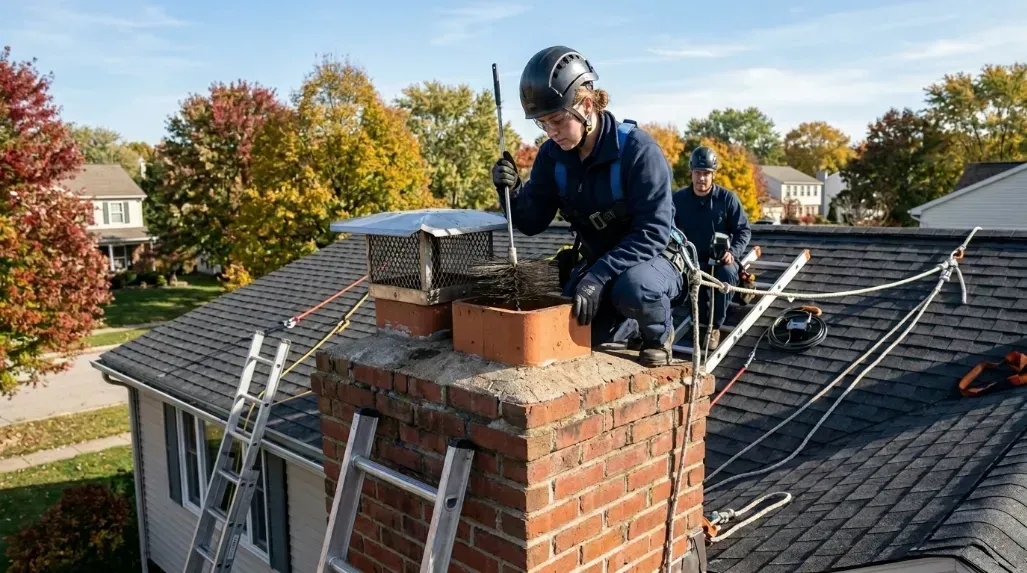
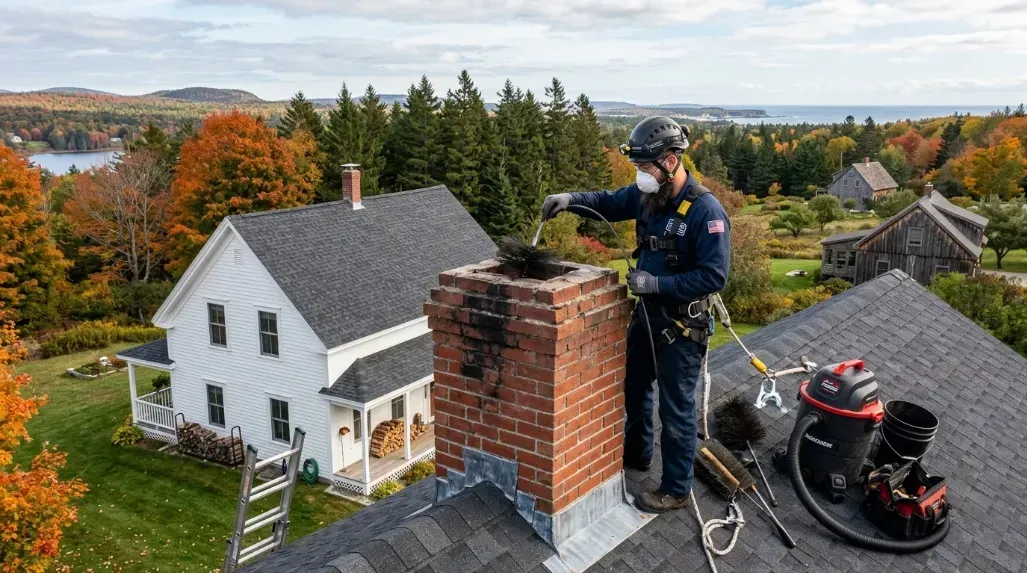
A professional chimney sweep inspecting a metal liner on a residential roof in Portland, ME

Owning a home in Portland, ME 04101 comes with unique maintenance requirements. The cold New England winters mean your heating system runs heavily for months at a time. The coastal air also brings salt and moisture. Both factors put immense stress on your masonry.

Your chimney does much more than vent smoke. It protects your property from extreme heat and toxic gases. A critical component of this protection is the internal metal tube that carries the exhaust. Over time, even the best materials break down. Recognizing the early signs of wear can save you from severe structural damage or dangerous house fires.

The Core Purpose of Your Stainless Steel Chimney Liner

Many historic homes in Portland feature traditional brick or stone chimneys. Masonry alone cannot withstand the acidic byproducts of burning wood or gas.

A liner serves three essential functions. First, it protects the surrounding woodwork in your house from catching fire. Second, it protects the brick and mortar from corrosive combustion gases. Third, it provides a correctly sized flue for heating appliances. This ensures optimal draft and efficiency.

When you install high-quality stainless steel liners, you create a safe barrier. However, these metal inserts endure extreme temperature fluctuations. They also face constant exposure to soot and creosote. Eventually, they will require replacement.

5 Warning Signs You Need Chimney Sweep and Repair Services

Waiting for a total failure is a costly mistake. You should monitor your system throughout the heating season. Below are five distinct signs that indicate your flue requires professional attention.

1. Visible Rust and Corrosion

Stainless steel resists rust quite well. However, it is not entirely rustproof. The combination of acidic creosote and coastal moisture can cause oxidation.

If you notice rust flakes in your firebox, you have a problem. You might also see reddish stains near the damper. This indicates that the metal is degrading. Once the metal corrodes, it develops tiny holes. These holes allow toxic carbon monoxide to leak into your living space. If you see signs of rust, it is time to call for a professional inspection.


Close-up of rusted and corroded metal pieces inside a chimney firebox.

2. Crumbling Mortar and Falling Debris

Your metal flue is designed to protect the masonry structure. If the metal cracks or fails, moisture and exhaust gases will penetrate the brickwork.

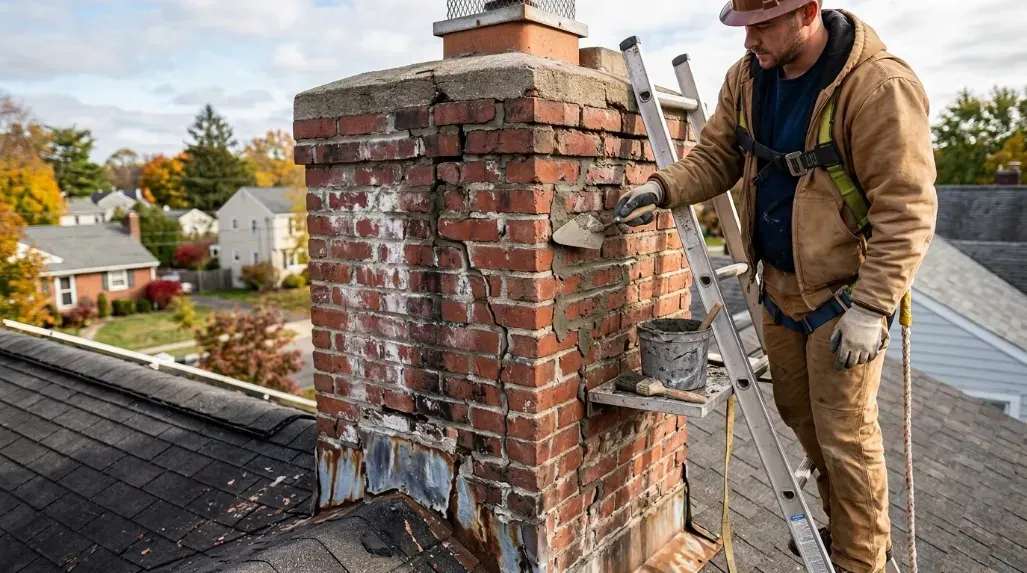
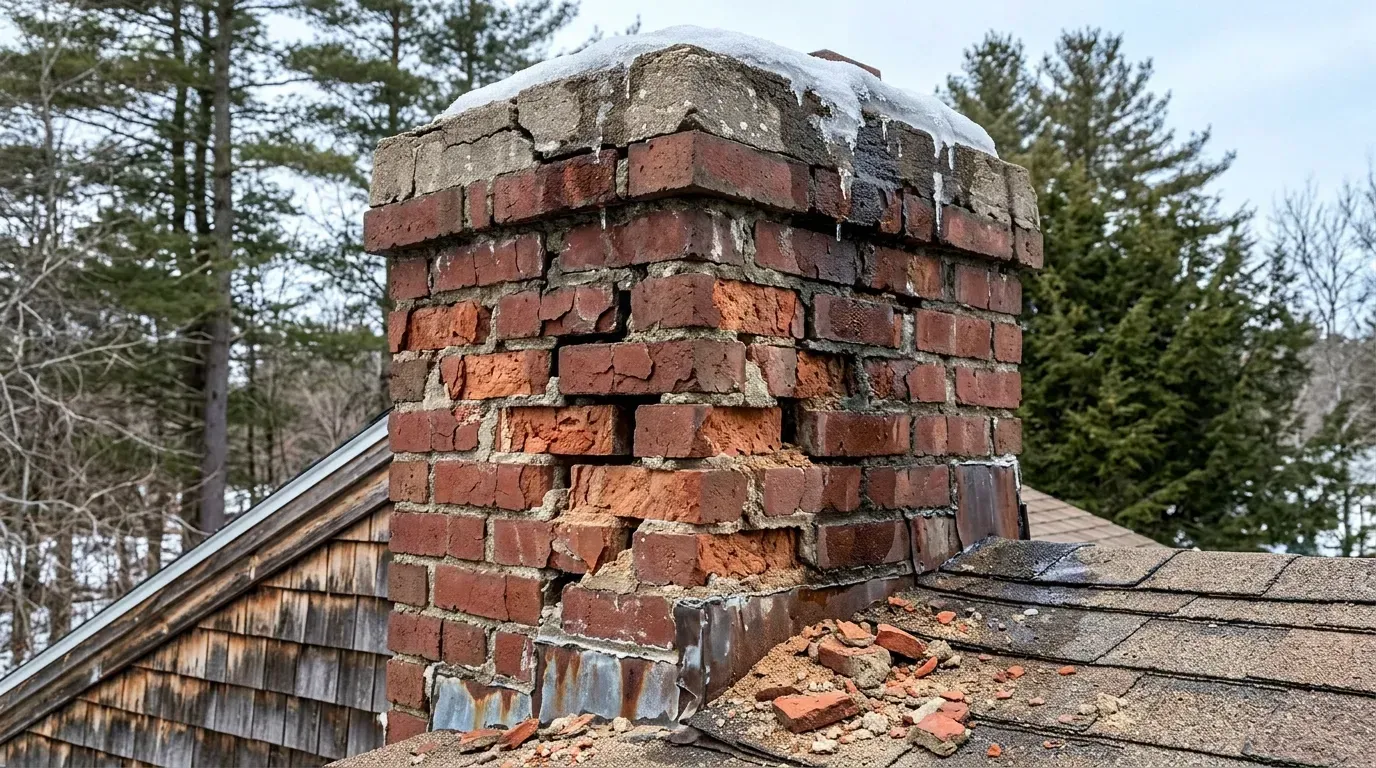
When moisture enters the masonry, it freezes and thaws during our cold Portland winters. This process destroys the mortar from the inside out. You might find small piles of sand, grit, or broken brick inside your fireplace. This debris often points to a failed internal barrier. Fixing this requires targeted demolition and tuckpointing to restore structural integrity.

3. White Staining on Exterior Bricks

Have you ever noticed a powdery white substance on your exterior brick? This is called efflorescence. It happens when water moves through the masonry and leaves salt deposits behind.

While efflorescence seems like an exterior issue, it often starts internally. A damaged metal flue allows condensation to soak into the surrounding bricks. This constant wetness forces minerals to the surface. Addressing this issue early is vital. You can learn more about protecting your masonry in our complete guide to protecting your masonry from water damage.

4. Severe Drafting Issues and Odors

A properly functioning flue creates an updraft. This pulls smoke and gases out of your home. If your liner is deteriorating, it can warp or collapse inward.

A collapsed tube restricts airflow. You will likely notice smoke spilling back into your room when you light a fire. You might also smell strong, pungent odors even when the fireplace is cold. These odors indicate a buildup of moisture and creosote trapped behind a compromised barrier.


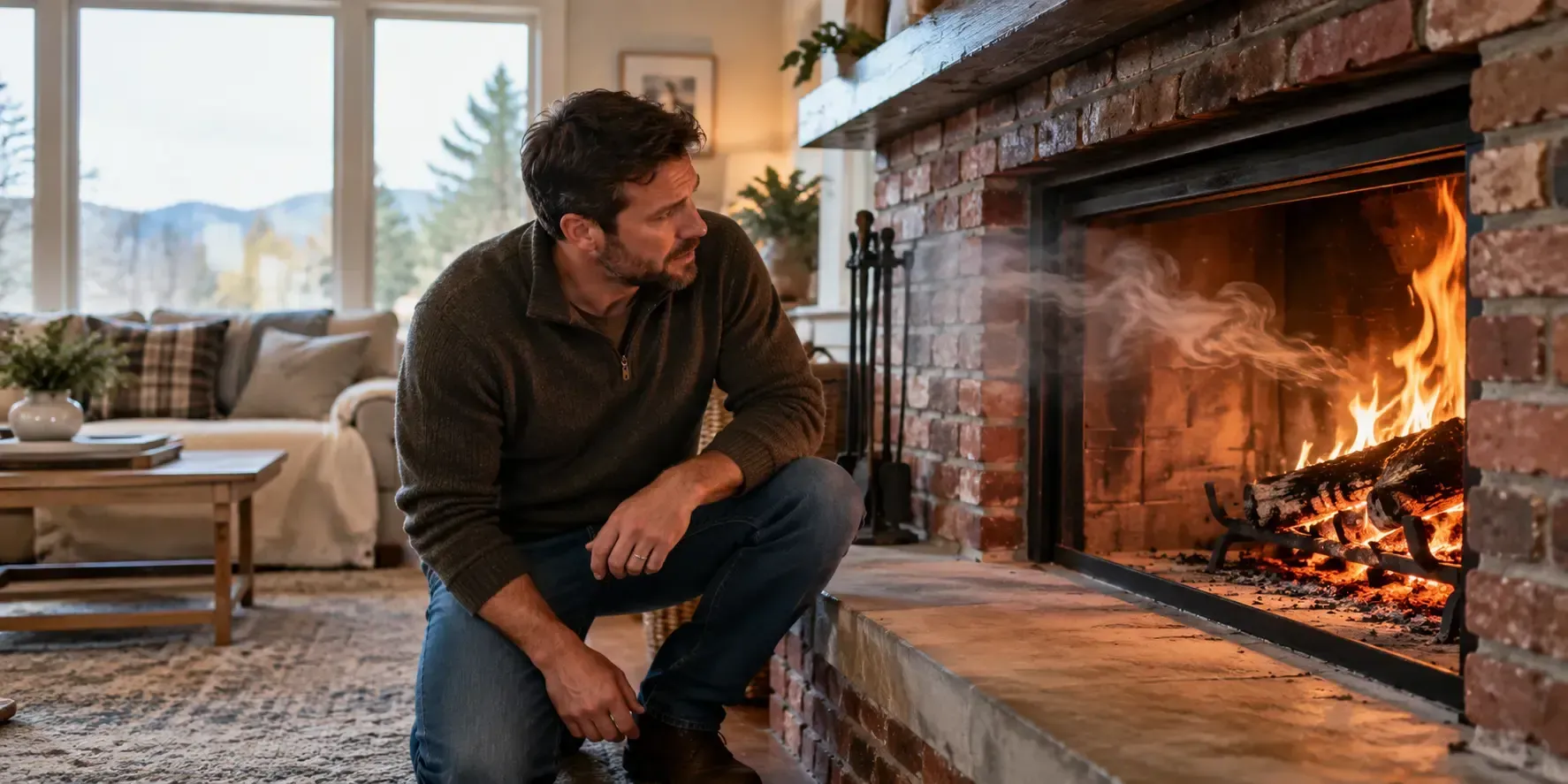
A homeowner looking concerned as smoke gently spills out of a living room fireplace

5. Persistent Moisture and Condensation

Water is the greatest enemy of any heating system. A fully intact metal tube keeps moisture out. A failing one traps moisture inside.

If you hear dripping sounds inside the wall during a rainstorm, you have a leak. You might also notice damp patches on the walls adjacent to the fireplace. A compromised flue allows rainwater and condensation to bypass the protective barriers. In these cases, you often need both a new metal insert and comprehensive chimney waterproofing services to dry out the system.

Why Portland Professionals Trust Our Team

Maintaining a home in Maine requires diligence. You need contractors who understand the local climate and building codes. Ignoring a failing exhaust system is a massive safety risk. Routine maintenance prevents unexpected disasters.

We have built our reputation on honest assessments and reliable craftsmanship. We do not cut corners. Our focus is always on the safety and longevity of your property. If you suspect your heating system is showing signs of age, you can trust our experienced team to provide clear answers.

As a trusted local business, Portland Chimney Service provides complete diagnostic and restoration solutions. We handle everything from basic sweeps to total structural rebuilds. Do not wait for a small leak to become a massive repair bill. Please reach out to us directly to schedule a thorough evaluation of your property. You can also call us at (207) 835-3683 to speak with a specialist today.


Frequently Asked Questions

  • How long does a metal flue last?

    A high-quality metal tube can last between 15 and 25 years. The exact lifespan depends on the grade of the metal and how often the system is maintained. Regular sweeping removes corrosive buildup and extends its life.


  • Can I inspect my own flue for damage?

    You can look for obvious signs like rust or falling debris in the firebox. However, most damage occurs high up in the dark exhaust column. A professional sweep uses specialized camera equipment to find hidden cracks and holes safely.

  • Does a damaged flue cause carbon monoxide leaks?

    Yes. Carbon monoxide is a deadly, odorless gas produced by combustion. If the metal barrier has cracks or rust holes, this toxic gas can easily escape into your living areas instead of venting safely outside.
By John Constantine July 22, 2026
Key Insights and Takeaways Maintaining your roof, gutters, and chimney is essential for protecting your property from harsh weather conditions. By following a structured seasonal checklist, you can prevent minor issues from turning into expensive structural damage. Partnering with a local professional ensures your exterior systems remain functional and safe throughout the year. Clear gutters in the spring to prevent water overflow and foundation damage. Use the dry summer months to schedule waterproofing and masonry repairs. Always inspect and clean your flue in the fall to remove flammable creosote buildup.
By John Constantine July 11, 2026
Key Insights and takeaways Water damage is the leading cause of early masonry failure for homes in Portland, Maine. Applying a professional, vapor-permeable sealant protects your bricks from destructive freeze-thaw cycles without trapping harmful moisture inside. Partnering with skilled local experts ensures your entire system stays dry, structurally sound, and beautiful for years to come. * Vapor-permeable waterproofing protects bricks from expanding ice and spalling. * Signs of water damage include white chalky stains, musty odors, and a rusting firebox. * Proper defense requires addressing cracked crowns, torn flashing, and decaying mortar joints first.
By John Constantine July 6, 2026
Key Insights and Takeaways  Preparing your masonry for freezing temperatures requires recognizing subtle indicators of structural and functional decay. Securing professional maintenance ensures your heating system operates safely while protecting your property from severe internal damage. Identifying persistent odors and poor drafting prevents dangerous creosote fires. Addressing white masonry stains stops the destructive freeze-thaw cycle. Upgrading damaged clay liners to stainless steel protects your home framework.
By John Constantine June 30, 2026
Finding a reliable professional to maintain your masonry and venting system is critical for property owners in Southern Maine. Routine inspections and preventative repairs protect your home from the severe impacts of coastal weather and prevent dangerous internal fires. * Annual inspections are essential to identify creosote buildup and minor masonry damage before they escalate. * The New England freeze and thaw cycle is the leading cause of structural spalling and mortar deterioration. * Always hire certified, fully insured local professionals to guarantee adherence to rigorous safety standards.
By John Constantine June 24, 2026
Key Insights and Takeaways Annual chimney maintenance is a critical safety requirement for Portland homeowners relying on fireplaces and wood stoves during harsh Maine winters. Routine sweeping eliminates highly combustible creosote buildup while allowing professionals to spot moisture damage caused by extreme coastal freeze and thaw cycles. Partnering with localized experts ensures your masonry remains structurally sound and your home stays efficiently warm all season long. * Annual sweepings remove highly flammable creosote, directly preventing devastating house fires. * Routine professional inspections identify early structural failing and dangerous carbon monoxide leaks. * Clean, unobstructed flues dramatically improve heating efficiency and lower winter utility costs.
By John Constantine June 24, 2026
As the autumn leaves drop and the crisp coastal air settles into Portland, homeowners begin preparing their properties for the harsh winter ahead. Stacking firewood and testing the heating system are routine chores. Yet, one of the most critical structural components of your home often goes overlooked. Your chimney handles extreme heat, corrosive byproducts, and freezing external temperatures simultaneously. Expecting this complex masonry structure to perform flawlessly without regular evaluation is a significant safety risk. For residents in Portland, Maine, the combination of coastal moisture, freezing temperatures, and heavy winter storms creates a uniquely demanding environment for brick and mortar. Neglecting regular maintenance can lead to devastating consequences, including aggressive structural deterioration, toxic gas leaks, and catastrophic property fires. Prioritizing proactive maintenance with Portland Chimney Service ensures your home remains warm, safe, and efficient throughout the coldest months of the year. The Critical Need for a Professional Chimney Inspection  A comprehensive chimney inspection serves as your first line of defense against unseen hazards. Many homeowners mistakenly assume that if smoke exits the top of the flue, the system is functioning perfectly. This assumption ignores the complex internal workings of the venting system. The National Fire Protection Association recommends an annual evaluation to verify that the structure is sound, free of blockages, and operating at peak efficiency.
By John Constantine June 3, 2026
Key Insights and Takeaways Upgrading your venting system with a stainless steel liner is a crucial step for protecting historic and modern homes in Portland, ME from fire hazards and structural degradation. These highly durable metal liners optimize heating efficiency, resist corrosive combustion byproducts, and prevent dangerous exhaust gases from entering your living space. When combined with professional exterior masonry care, a new liner provides a comprehensive defense against Maine's harsh winter weather. * Stainless steel liners improve draft efficiency by keeping exhaust gases hot and buoyant. * Professional installation ensures the liner is accurately sized to meet strict fire safety codes. * Pairing internal lining with exterior waterproofing maximizes the lifespan of your masonry structure.
By John Constantine May 30, 2026
 Key Insights and Takeaways Protecting your brickwork from the harsh coastal climate of Portland requires proactive vapor-permeable waterproofing to prevent destructive freeze-thaw cycles. Relying on professional chimney services ensures that internal moisture can escape while blocking exterior rainwater. Properly preparing the masonry and sealing it with commercial-grade products extends the lifespan of your entire heating system. * Freeze-thaw cycles cause trapped moisture to expand, leading to costly spalling and mortar decay. * Standard hardware store sealants trap internal moisture and accelerate masonry damage from the inside out. * Existing masonry defects must be repaired via tuckpointing or crown repair before applying waterproofing treatments.
By John Constantine May 23, 2026
Portland homeowners must address chimney crown cracks immediately to prevent severe water damage caused by Maine's harsh freeze-thaw cycles. Delaying these vital repairs allows moisture to destroy exterior masonry and compromise interior structures. Engaging local professionals for timely restoration protects your property value and ensures long-term structural safety. * Hairline fractures should be sealed immediately to prevent seasonal ice expansion. * Severe structural cracks require the complete removal and casting of a new concrete slab. * Prolonged neglect leads to expensive secondary damage, including brick spalling and mortar decay.
By John Constantine May 17, 2026
Maintaining a historic or established property in Portland requires a deep understanding of the unique challenges posed by the local climate. Homeowners in Maine face harsh winters, coastal humidity, and severe freeze-thaw cycles. While a functioning fireplace offers comfort during long winter months, an unmaintained heating system presents significant risks. Failing masonry, hidden blockages, and internal structural decay can compromise the safety of your family and the value of your property. Understanding the specific vulnerabilities of your brickwork and venting systems is the first step in responsible homeownership. Portland Chimney Services prioritizes structural preservation and fire prevention, helping local residents protect their investments. By identifying warning signs early, you can avoid dangerous failures and highly expensive reconstruction projects down the road.