Key Insights and Takeaways


Maintaining your roof, gutters, and chimney is essential for protecting your property from harsh weather conditions. By following a structured seasonal checklist, you can prevent minor issues from turning into expensive structural damage. Partnering with a local professional ensures your exterior systems remain functional and safe throughout the year.

  • Clear gutters in the spring to prevent water overflow and foundation damage.
  • Use the dry summer months to schedule waterproofing and masonry repairs.
  • Always inspect and clean your flue in the fall to remove flammable creosote buildup.
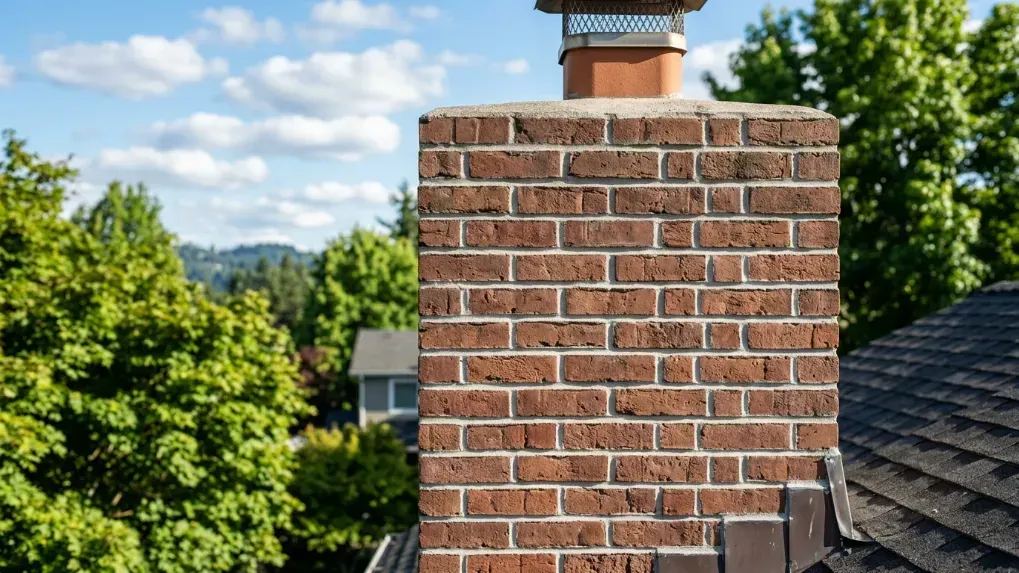
A close-up of a brick chimney showing clean mortar lines on a sunny day in Portland.

Chimney and Gutter Maintenance Checklist Every Homeowner Should Follow

Owning a property requires constant upkeep to protect your investment. Your roof, gutters, and chimney work together as a complete system to shield your property from the elements. When one part fails, the rest of the structure is at risk. Water damage causes severe structural issues when ignored. A solid maintenance routine prevents these costly repairs. This checklist helps you organize essential seasonal tasks to keep your system functioning properly year-round.

Why Homeowners Need a Seasonal Maintenance Plan

Weather in Portland, ME, puts serious stress on exterior structures. Winters bring freezing temperatures and heavy snow. Springs deliver constant coastal rain and high winds. This continuous cycle of freezing and thawing is harsh on brick, mortar, and metal.


Without a plan, small cracks turn into major leaks. Gutters clogged with pine needles allow water to overflow. That water pools around your foundation or saturates your siding. Routine checks save you money. They extend the lifespan of your exterior features. Staying proactive is the best way to avoid emergency repairs in the middle of a winter storm.

Spring Gutter and Chimney Tasks

Spring is the perfect time to assess the damage left behind by winter ice and snow. The weather warms up enough to safely inspect your exterior.

Clearing Winter Debris

Your gutters catch a lot of debris during winter storms. Branches, twigs, and leftover leaves block the downspouts. You must clear these blockages before the heavy spring rains arrive. Grab a sturdy ladder and manually remove the debris. Flush the gutters with a garden hose. Watch the water flow out of the downspouts to ensure there are no hidden clogs.

Masonry and Tuckpointing

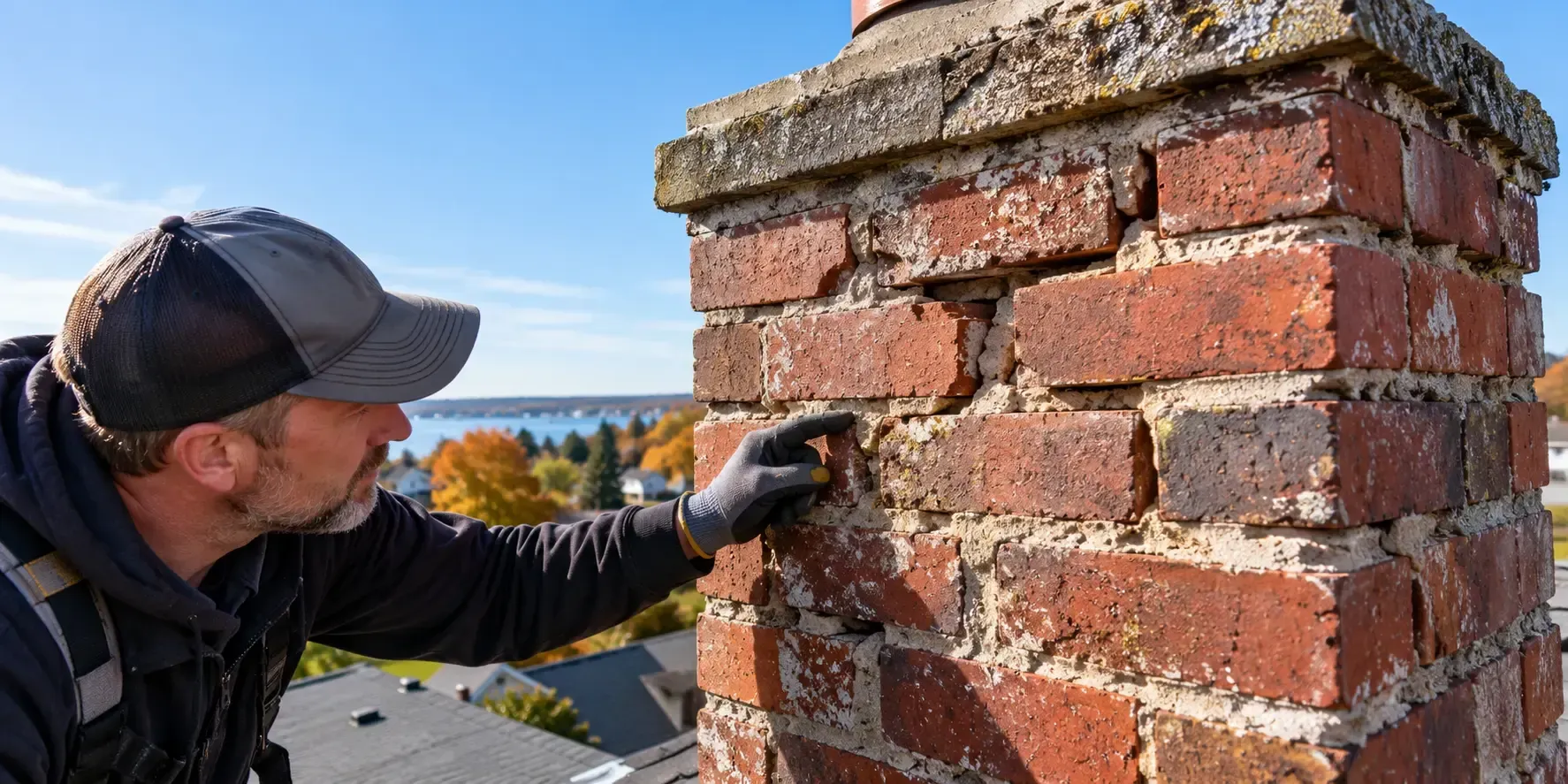
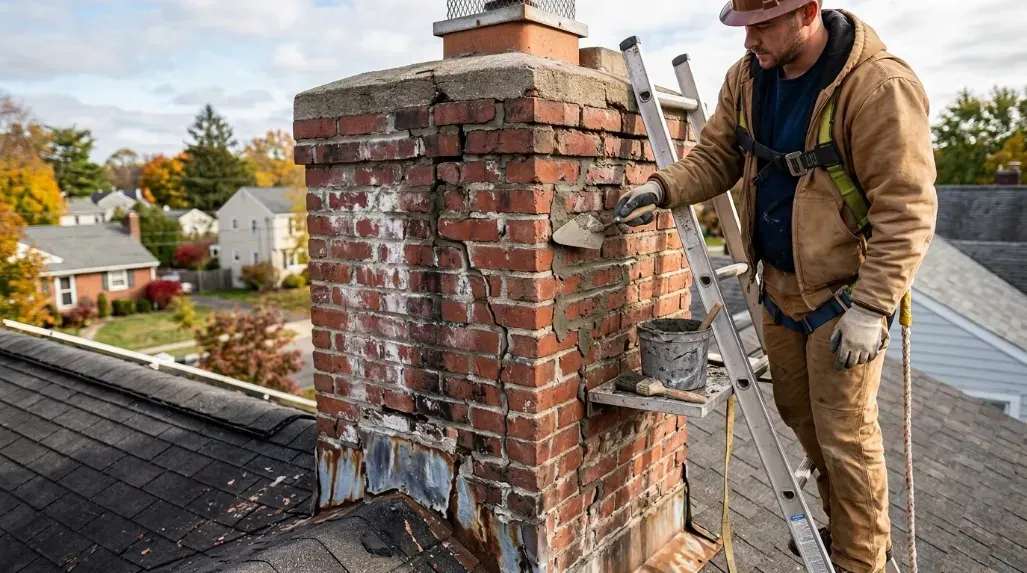
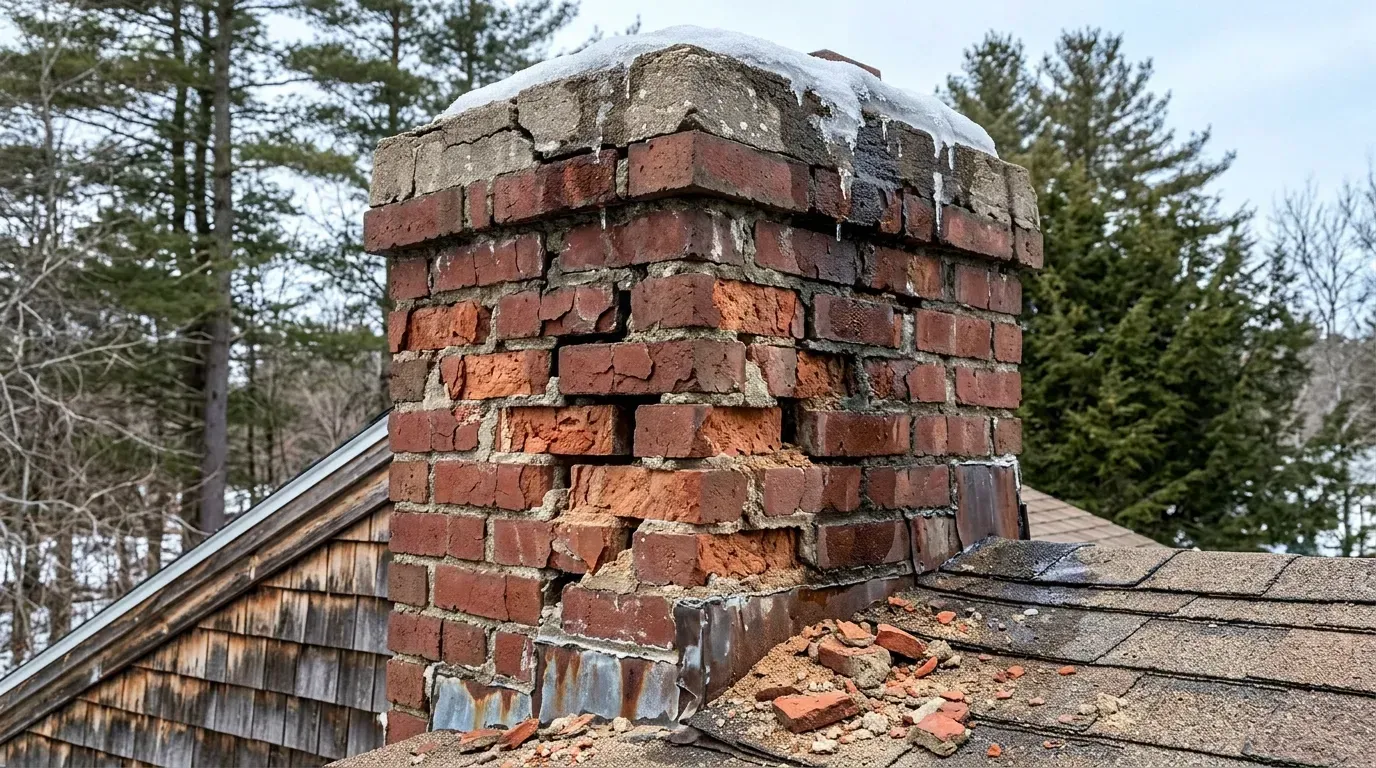
Winter ice causes mortar to crack and crumble. Moisture enters small gaps in the brickwork, freezes, and expands. Take a close look at the exterior of your chimney. If you notice loose bricks or missing mortar, you need professional repairs. Proper demolition and tuckpointing restores the structural integrity of your masonry. Fixing these issues in the spring prevents water from penetrating the structure during summer rainstorms.

Summer Chimney Upgrades

Summer brings dry, reliable weather to Portland. This makes it the ideal season for major preventative maintenance and system upgrades.

Waterproofing Protection

Bricks and mortar are highly porous materials. They act like sponges when exposed to moisture. Over time, this moisture degrades the structure. Applying a breathable water repellent protects the masonry from future decay. You can schedule professional chimney waterproofing during the dry summer months. This treatment allows trapped moisture to escape while blocking rain from entering.
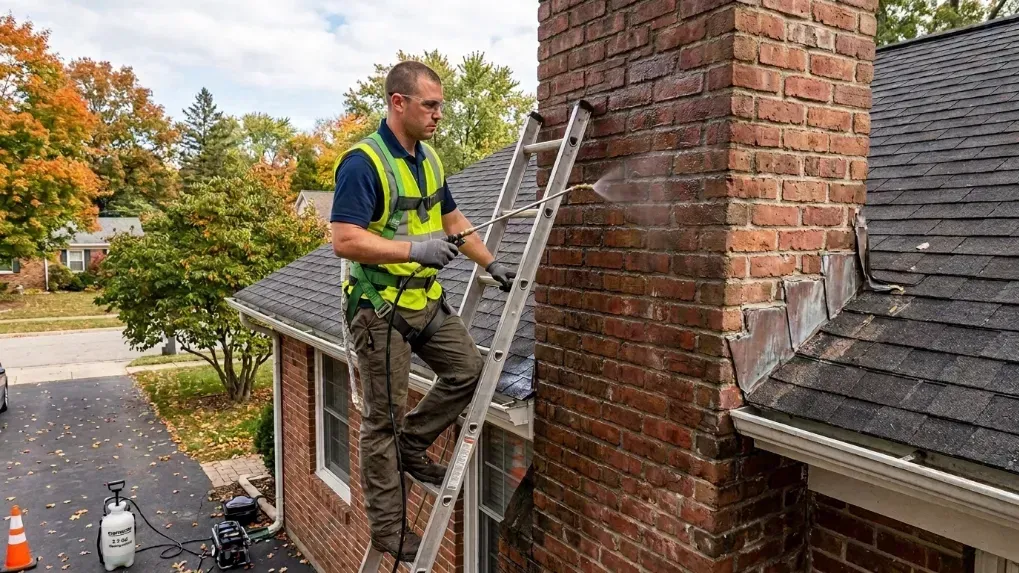


A professional technician applying a clear waterproofing spray to an exterior brick chimney

Upgrading Caps and Crowns

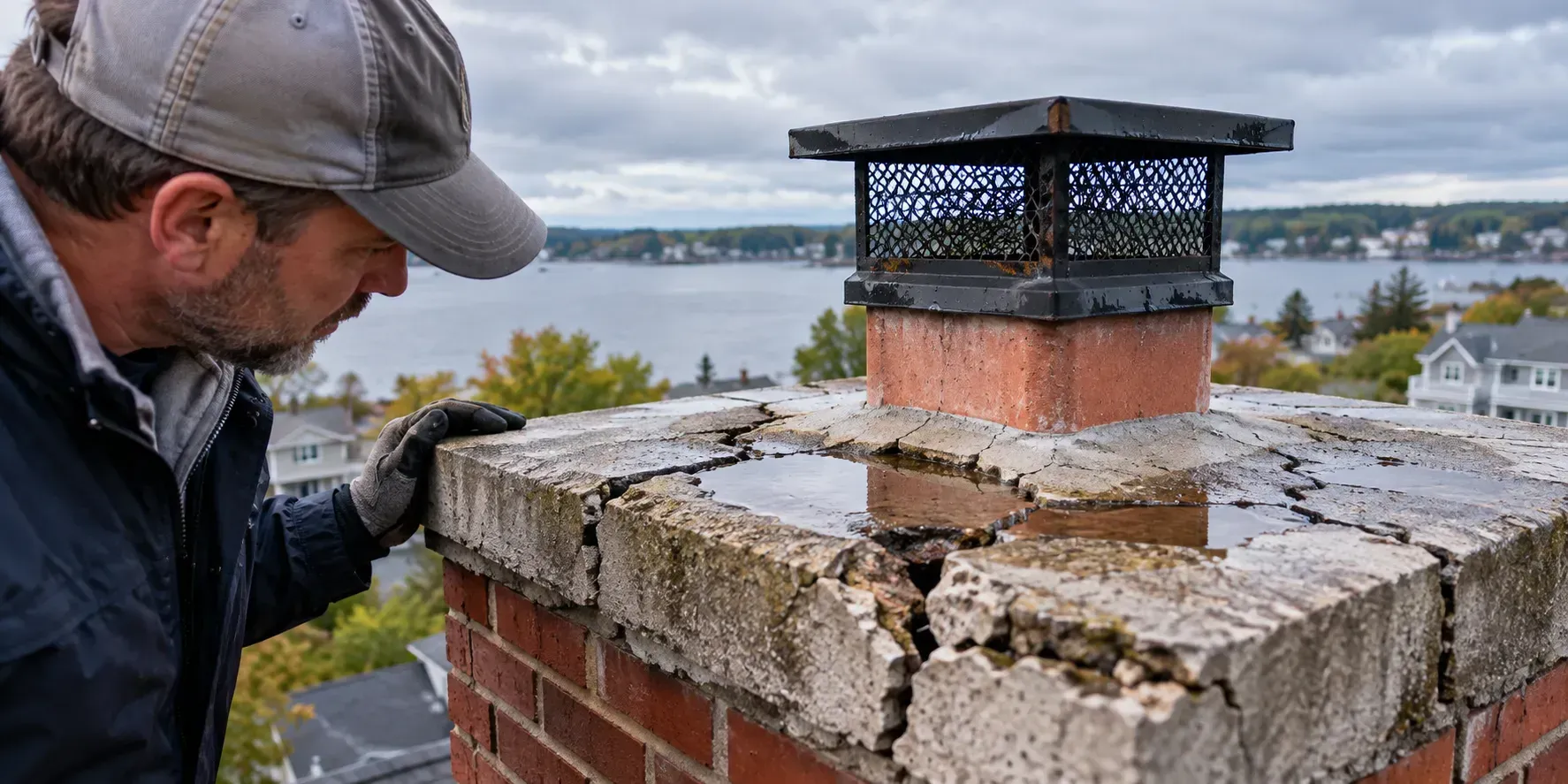
The crown sits at the very top of your chimney. It directs water away from the flue. Summer is the best time to repair a cracked crown. You should also check the metal cap. The cap keeps rain, birds, and squirrels out of the flue. If your cap is rusted or missing, replace it immediately.

Fall Preparation Checklist

Fall is the busiest season for chimney professionals. You want your fireplace ready before the first frost hits Maine.

Flue Inspections and Cleaning

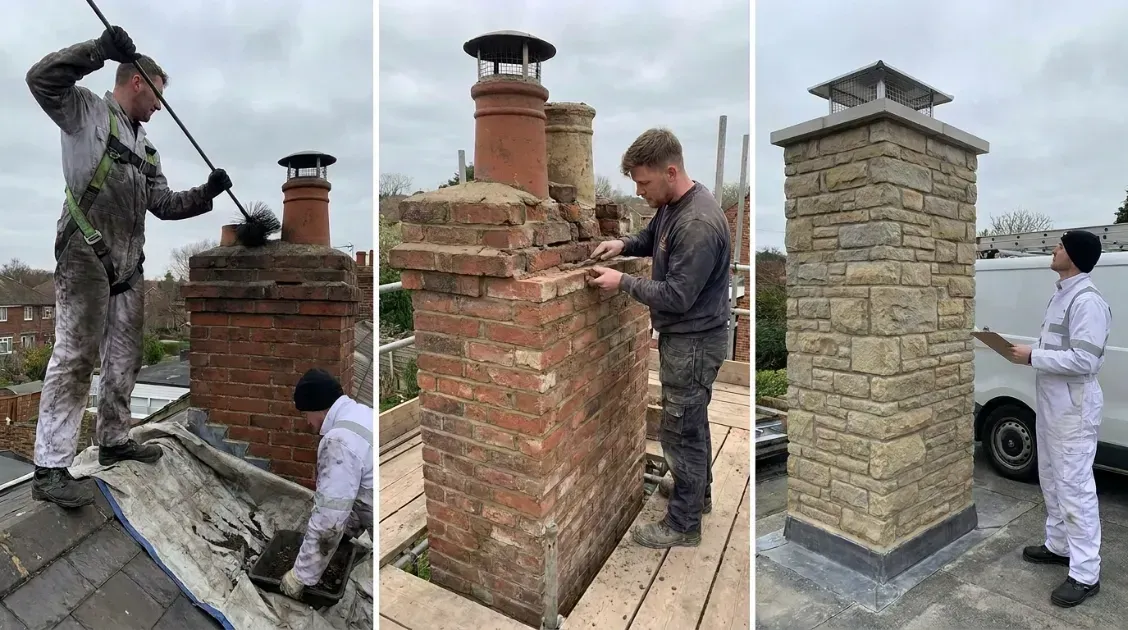
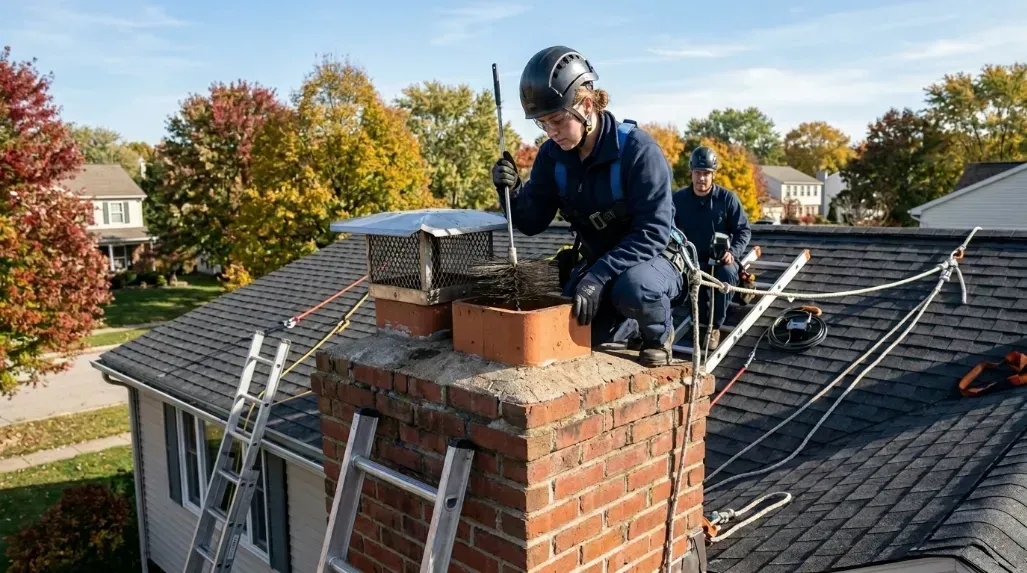
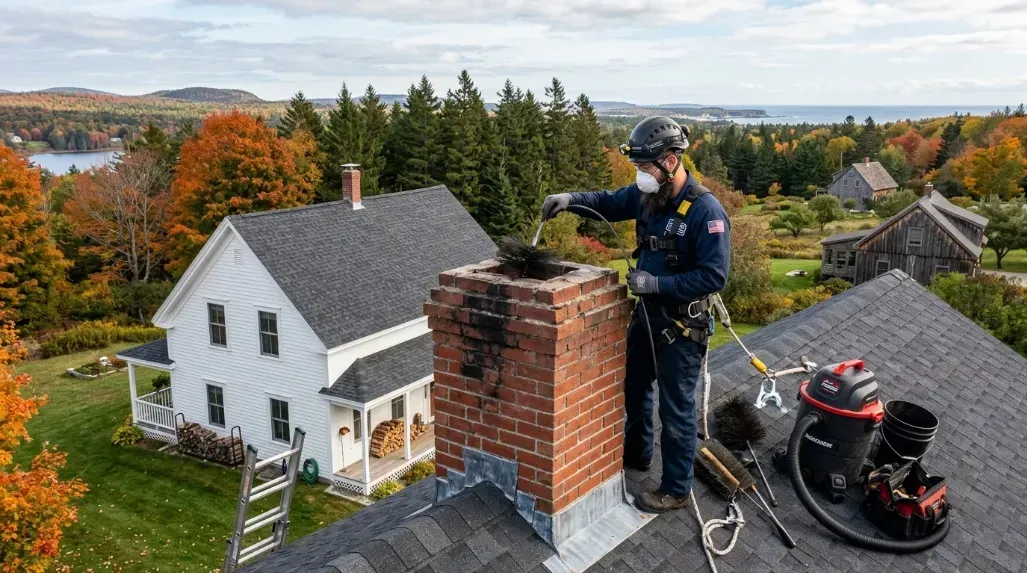
Burning wood creates creosote. Creosote is a highly flammable byproduct that coats the inside of your flue. A buildup of this substance is a major fire hazard. You must schedule a professional inspection and cleaning every fall. A certified technician will sweep the flue to remove hazardous buildup. They also check for internal blockages like bird nests or fallen leaves.

Inspecting Stainless Steel Liners

Your liner protects the combustible materials of your house from extreme heat. It also guides harmful gases safely outside. Damaged liners put your family at risk of carbon monoxide exposure. If you experience drafting issues or excessive moisture, you might need an upgrade. Knowing the warning signs it is time to replace your stainless steel chimney liner helps you act quickly. Modern stainless steel liners offer excellent durability and improve the safety of older fireplaces.
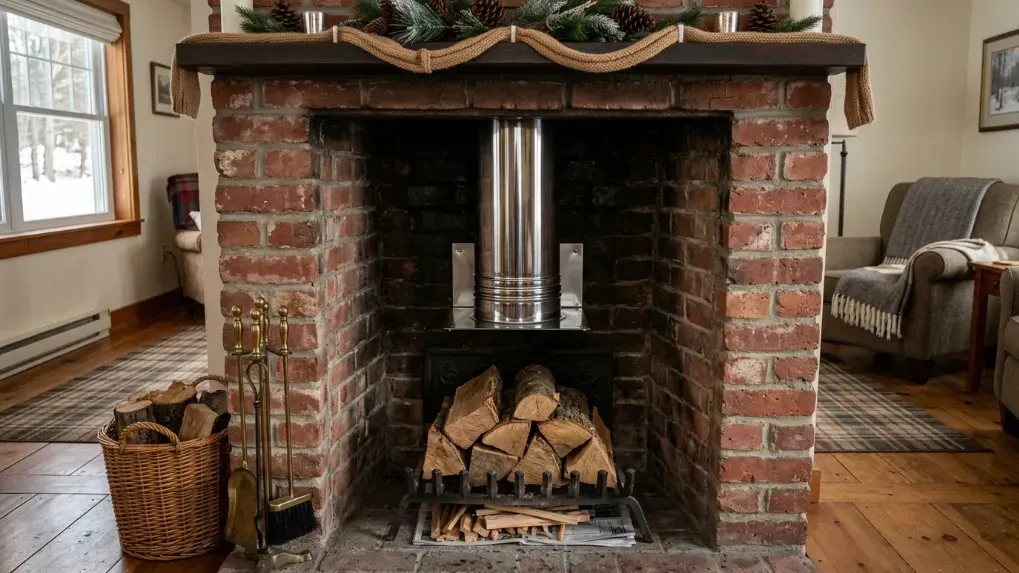

A clean stainless steel chimney liner ready for a winter fire setup

Winter Safety Steps

Winter maintenance is all about observation and safe operation. The hard work is already done. Now you need to monitor the system.

Managing Ice and Snow

Keep a close eye on your gutters after heavy snowstorms. Ice dams form when heat escapes through the roof and melts the snow. The water runs down to the cold gutters and freezes solid. This ice damages gutters and pushes water under your roofing shingles. Ensure your attic is properly insulated to prevent ice dams. Carefully remove snow from lower roof edges if safe to do so.

Safe Fireplace Use

Always burn dry, seasoned wood. Wet wood produces excess smoke and creates rapid creosote buildup. Keep flammable items away from the hearth. Always use a protective metal screen to stop sparks from entering the room. Never leave a burning fire completely unattended.

Working with Local Experts

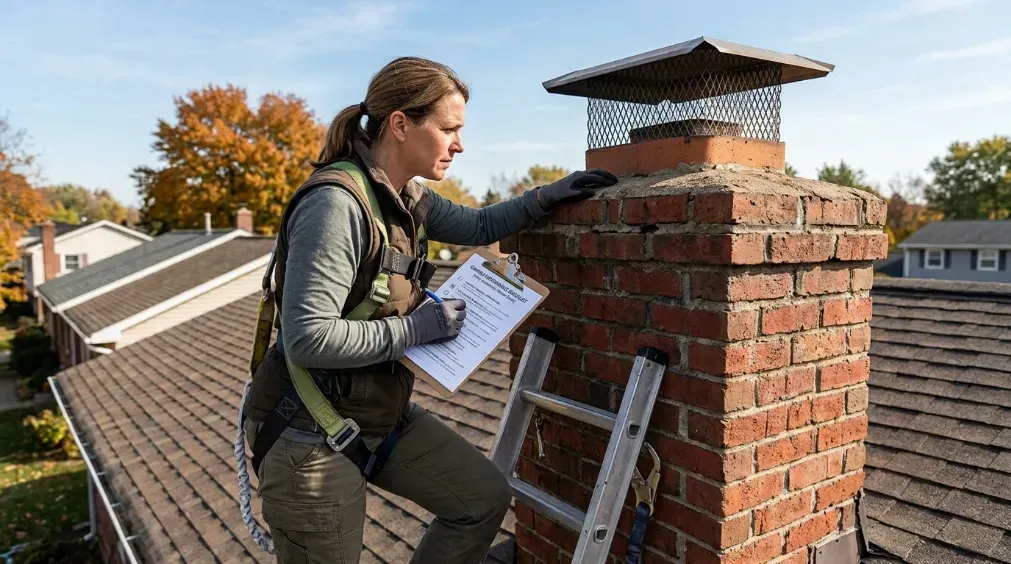
Maintaining your property takes effort and knowledge. Some tasks are easy to do yourself. Others require specialized tools and training. Climbing tall ladders and handling masonry repairs can be dangerous. Partnering with experienced professionals ensures the job is done correctly and safely.

Portland Chimney Service provides comprehensive maintenance solutions for residents across the region. We understand exactly how the local climate impacts your home. You can learn more about our team and our commitment to quality service. If you are ready to secure your property for the upcoming season, schedule an inspection today. Let us help you keep your exterior systems running smoothly.


Frequently Asked Questions

  • How often should I clean my chimney in Portland?

    You should have your system inspected and cleaned at least once a year. If you use your fireplace heavily during the winter, you may need a second cleaning midway through the season to remove creosote buildup.


  • Can clogged gutters damage my chimney?

    Yes. When gutters clog, water overflows and saturates the surrounding exterior walls. If this water pools near the masonry base or splashes continuously against the brick, it causes the mortar to deteriorate rapidly.

  • What is the best time of year for masonry repairs?

    Spring and summer are the best seasons for masonry work. The temperatures are consistently above freezing, which allows new mortar to cure properly. Repairing masonry in the dry months ensures your property is sealed before winter arrives.
By John Constantine July 15, 2026
Key Insights and Takeaways Your chimney liner is a critical safety barrier that protects your home from fire hazards and toxic gases. Recognizing early warning signs like interior rust, falling mortar, and drafting issues can save you from costly structural repairs. Trusting a local professional to inspect and replace failing components ensures your property remains safe during harsh Maine winters. Rust flakes or reddish stains in the firebox indicate metal corrosion and potential gas leaks. Crumbling interior mortar and white exterior staining are clear signs of internal moisture damage. Severe drafting issues and smoke spillage often point to a warped or collapsed internal barrier.
By John Constantine July 11, 2026
Key Insights and takeaways Water damage is the leading cause of early masonry failure for homes in Portland, Maine. Applying a professional, vapor-permeable sealant protects your bricks from destructive freeze-thaw cycles without trapping harmful moisture inside. Partnering with skilled local experts ensures your entire system stays dry, structurally sound, and beautiful for years to come. * Vapor-permeable waterproofing protects bricks from expanding ice and spalling. * Signs of water damage include white chalky stains, musty odors, and a rusting firebox. * Proper defense requires addressing cracked crowns, torn flashing, and decaying mortar joints first.
By John Constantine July 6, 2026
Key Insights and Takeaways  Preparing your masonry for freezing temperatures requires recognizing subtle indicators of structural and functional decay. Securing professional maintenance ensures your heating system operates safely while protecting your property from severe internal damage. Identifying persistent odors and poor drafting prevents dangerous creosote fires. Addressing white masonry stains stops the destructive freeze-thaw cycle. Upgrading damaged clay liners to stainless steel protects your home framework.
By John Constantine June 30, 2026
Finding a reliable professional to maintain your masonry and venting system is critical for property owners in Southern Maine. Routine inspections and preventative repairs protect your home from the severe impacts of coastal weather and prevent dangerous internal fires. * Annual inspections are essential to identify creosote buildup and minor masonry damage before they escalate. * The New England freeze and thaw cycle is the leading cause of structural spalling and mortar deterioration. * Always hire certified, fully insured local professionals to guarantee adherence to rigorous safety standards.
By John Constantine June 24, 2026
Key Insights and Takeaways Annual chimney maintenance is a critical safety requirement for Portland homeowners relying on fireplaces and wood stoves during harsh Maine winters. Routine sweeping eliminates highly combustible creosote buildup while allowing professionals to spot moisture damage caused by extreme coastal freeze and thaw cycles. Partnering with localized experts ensures your masonry remains structurally sound and your home stays efficiently warm all season long. * Annual sweepings remove highly flammable creosote, directly preventing devastating house fires. * Routine professional inspections identify early structural failing and dangerous carbon monoxide leaks. * Clean, unobstructed flues dramatically improve heating efficiency and lower winter utility costs.
By John Constantine June 24, 2026
As the autumn leaves drop and the crisp coastal air settles into Portland, homeowners begin preparing their properties for the harsh winter ahead. Stacking firewood and testing the heating system are routine chores. Yet, one of the most critical structural components of your home often goes overlooked. Your chimney handles extreme heat, corrosive byproducts, and freezing external temperatures simultaneously. Expecting this complex masonry structure to perform flawlessly without regular evaluation is a significant safety risk. For residents in Portland, Maine, the combination of coastal moisture, freezing temperatures, and heavy winter storms creates a uniquely demanding environment for brick and mortar. Neglecting regular maintenance can lead to devastating consequences, including aggressive structural deterioration, toxic gas leaks, and catastrophic property fires. Prioritizing proactive maintenance with Portland Chimney Service ensures your home remains warm, safe, and efficient throughout the coldest months of the year. The Critical Need for a Professional Chimney Inspection  A comprehensive chimney inspection serves as your first line of defense against unseen hazards. Many homeowners mistakenly assume that if smoke exits the top of the flue, the system is functioning perfectly. This assumption ignores the complex internal workings of the venting system. The National Fire Protection Association recommends an annual evaluation to verify that the structure is sound, free of blockages, and operating at peak efficiency.
By John Constantine June 3, 2026
Key Insights and Takeaways Upgrading your venting system with a stainless steel liner is a crucial step for protecting historic and modern homes in Portland, ME from fire hazards and structural degradation. These highly durable metal liners optimize heating efficiency, resist corrosive combustion byproducts, and prevent dangerous exhaust gases from entering your living space. When combined with professional exterior masonry care, a new liner provides a comprehensive defense against Maine's harsh winter weather. * Stainless steel liners improve draft efficiency by keeping exhaust gases hot and buoyant. * Professional installation ensures the liner is accurately sized to meet strict fire safety codes. * Pairing internal lining with exterior waterproofing maximizes the lifespan of your masonry structure.
By John Constantine May 30, 2026
 Key Insights and Takeaways Protecting your brickwork from the harsh coastal climate of Portland requires proactive vapor-permeable waterproofing to prevent destructive freeze-thaw cycles. Relying on professional chimney services ensures that internal moisture can escape while blocking exterior rainwater. Properly preparing the masonry and sealing it with commercial-grade products extends the lifespan of your entire heating system. * Freeze-thaw cycles cause trapped moisture to expand, leading to costly spalling and mortar decay. * Standard hardware store sealants trap internal moisture and accelerate masonry damage from the inside out. * Existing masonry defects must be repaired via tuckpointing or crown repair before applying waterproofing treatments.
By John Constantine May 23, 2026
Portland homeowners must address chimney crown cracks immediately to prevent severe water damage caused by Maine's harsh freeze-thaw cycles. Delaying these vital repairs allows moisture to destroy exterior masonry and compromise interior structures. Engaging local professionals for timely restoration protects your property value and ensures long-term structural safety. * Hairline fractures should be sealed immediately to prevent seasonal ice expansion. * Severe structural cracks require the complete removal and casting of a new concrete slab. * Prolonged neglect leads to expensive secondary damage, including brick spalling and mortar decay.
By John Constantine May 17, 2026
Maintaining a historic or established property in Portland requires a deep understanding of the unique challenges posed by the local climate. Homeowners in Maine face harsh winters, coastal humidity, and severe freeze-thaw cycles. While a functioning fireplace offers comfort during long winter months, an unmaintained heating system presents significant risks. Failing masonry, hidden blockages, and internal structural decay can compromise the safety of your family and the value of your property. Understanding the specific vulnerabilities of your brickwork and venting systems is the first step in responsible homeownership. Portland Chimney Services prioritizes structural preservation and fire prevention, helping local residents protect their investments. By identifying warning signs early, you can avoid dangerous failures and highly expensive reconstruction projects down the road.