Key Insights and Takeaways
Regular maintenance of your wood-burning systems is a critical requirement for home safety during cold Maine winters. Professional chimney services remove highly combustible creosote buildup and repair hidden structural damage that leads to dangerous flue fires. By partnering with local experts to address moisture intrusion and masonry decay, homeowners can safely enjoy their fireplaces all season long.
- Creosote buildup happens in three stages, with the third stage requiring specialized tools to prevent high-temperature fires.
- Water damage and freezing temperatures compromise structural integrity, making waterproofing and proper lining essential.
- Annual inspections identify early warning signs like crumbling clay tiles and poor drafting before they cause a disaster.

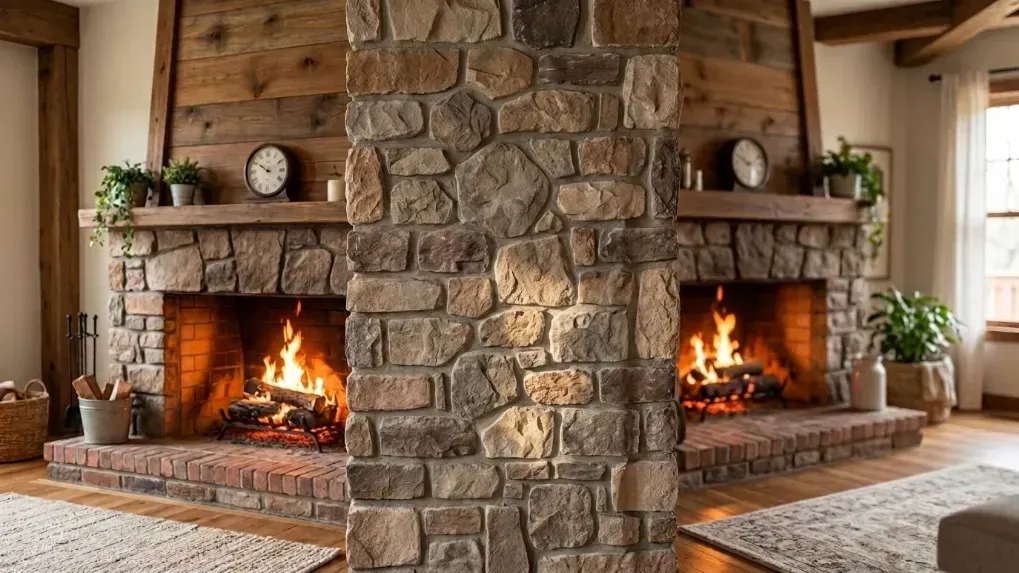
When temperatures drop in Portland, ME, residents rely on their fireplaces for warmth and comfort. A well-maintained fireplace provides an excellent source of heat during freezing coastal winters. But this comfort comes with a serious responsibility. Neglecting basic maintenance can turn a cozy living room feature into a severe safety hazard.
Routine inspections and sweepings do more than just keep your hearth looking clean. They form the first line of defense against catastrophic property damage. Understanding how these systems work is the key to protecting your family.
The Hidden Threat Inside Your Flue
Every time you burn wood, combustion byproducts travel up your flue. These byproducts include smoke, water vapor, unburned wood particles, and various minerals. As this mixture reaches the cooler upper sections of your masonry, it condenses. This condensation forms a sticky, highly flammable substance known as creosote.
Creosote accumulation is the leading cause of flue fires in the United States. It builds up in three distinct stages.
The first stage is light and flaky. It is relatively easy to brush away with basic tools. The second stage appears as a shiny, tar-like substance. This stage requires specialized equipment to remove safely. The third stage is the most dangerous. It hardens into a dense, highly combustible glaze. If a spark catches third-stage creosote, it can ignite a fire that burns at temperatures exceeding 2000 degrees Fahrenheit.
Fires burning at this temperature can crack clay tiles and melt mortar. Once the flue lining fails, the flames can quickly spread to the combustible wood framing of your house.
How Professional Chimney Services Keep Your Home Safe
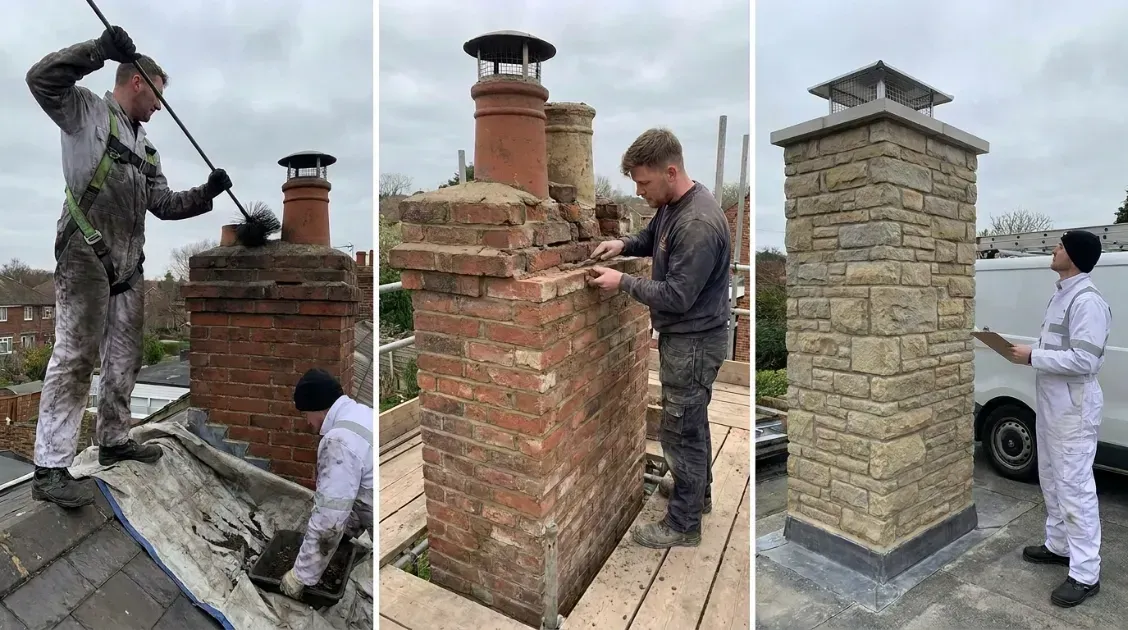
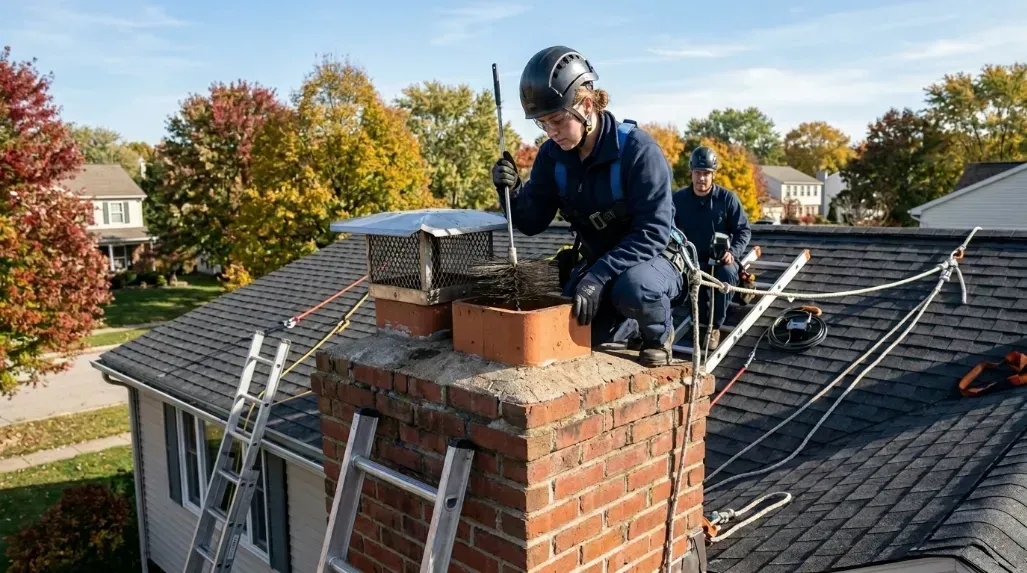
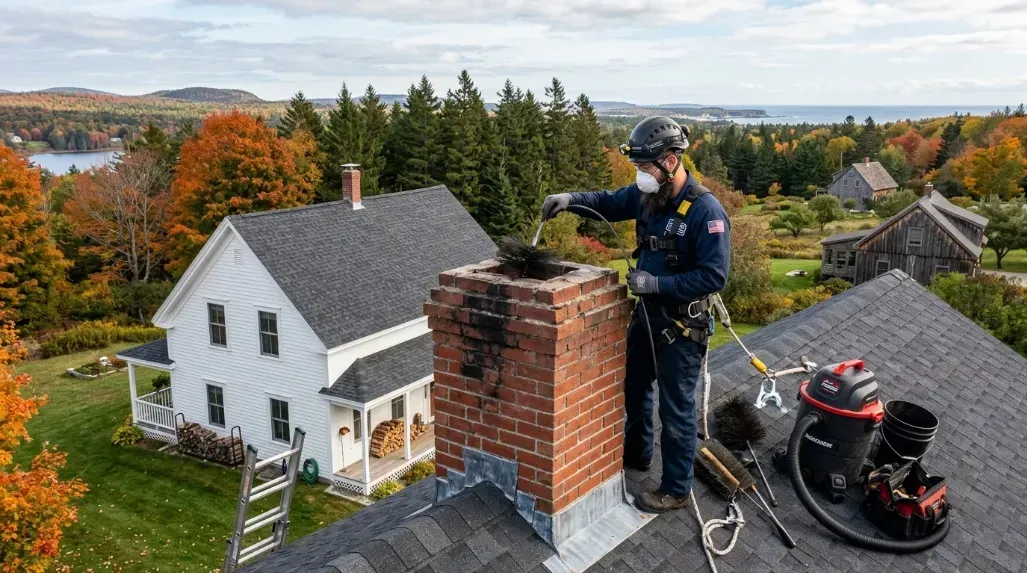
Homeowners cannot safely manage severe creosote buildup on their own. This is where professional intervention becomes absolutely vital. Comprehensive chimney services provide the deep cleaning necessary to remove dangerous deposits. Certified technicians use industrial grade brushes, chemical treatments, and high-powered vacuums to restore the inside of your flue.
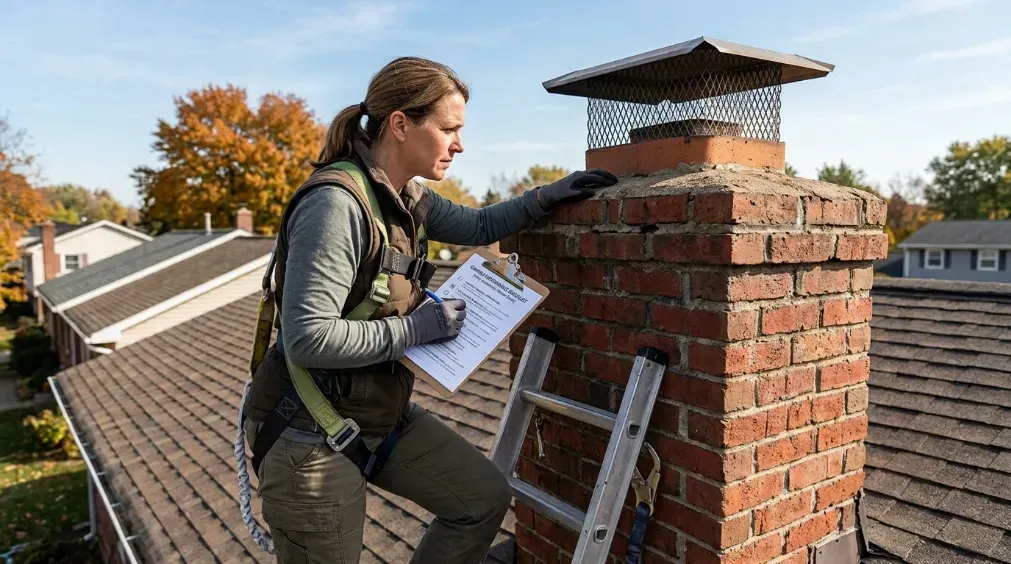
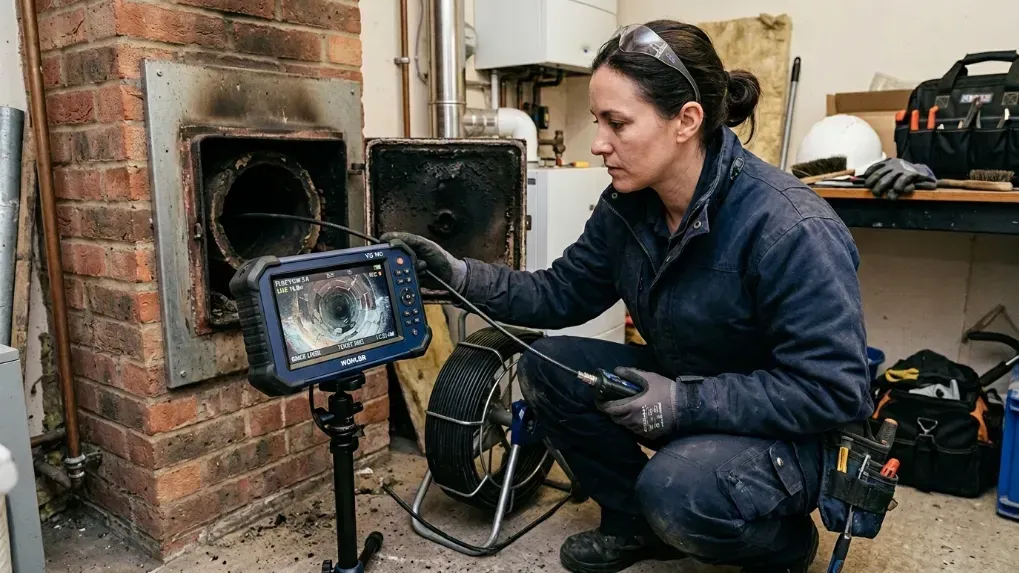
Beyond basic sweeping, professionals conduct detailed video inspections. A camera lowered into the flue reveals hidden dangers that are invisible from the firebox. Technicians look for cracked tiles, missing mortar joints, and heavy soot blockages. Finding these issues early prevents minor damage from escalating into a dangerous situation.
Addressing Structural Wear and Tear
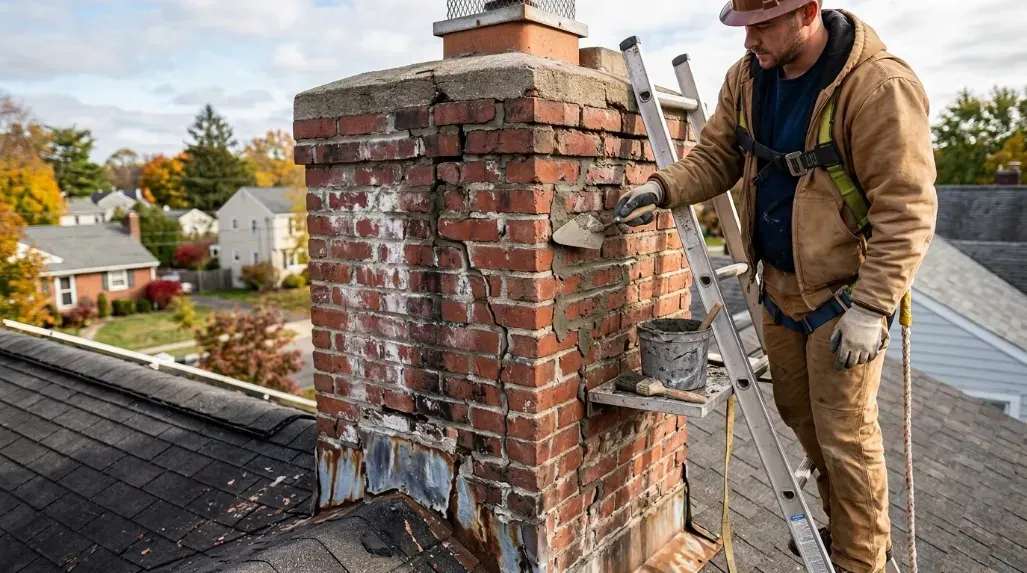
Masonry is durable but not invincible. Years of extreme temperature fluctuations cause bricks and mortar to expand and contract. This constant movement eventually leads to structural decay. When mortar joints fail, dangerous heat and toxic gases can escape into your living space.
Addressing these structural weaknesses requires expert attention. Many times, the safest option involves installing stainless steel liners. A new metal liner creates a seamless path for smoke and gases to exit your home.
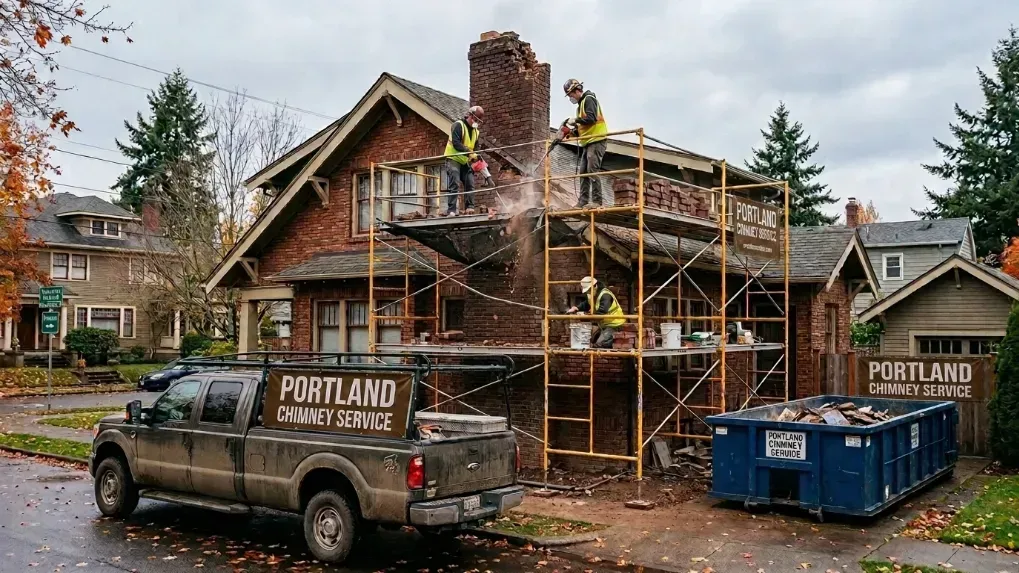
In cases of severe neglect, simple repairs are not enough. The structure may require complete demolition and tuckpointing to restore its integrity. Handling these extensive repairs properly is a matter of safety. If you are dealing with a severely compromised structure, you can read our detailed guide on expert chimney demolition and masonry restoration for more information.
Stopping Moisture Before It Causes Harm
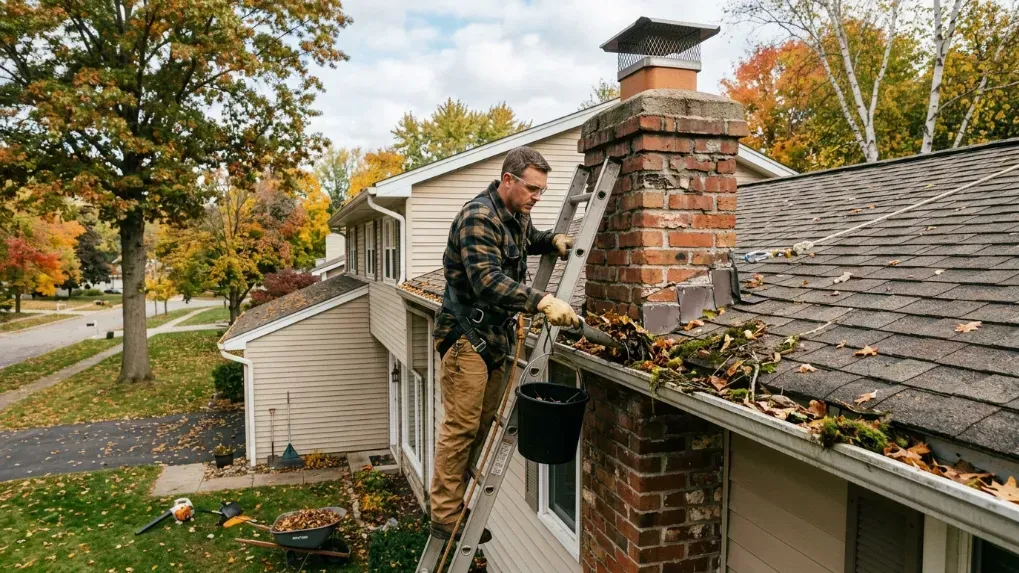
Water is the natural enemy of masonry. Rain, snow, and ice constantly batter the exterior of your home. Bricks act like sponges, absorbing external moisture. When the temperature drops below freezing, the trapped water expands. This expansion causes the face of the bricks to pop off, a process known as spalling.
Moisture damage also weakens the internal structure. Water mixing with creosote creates a highly corrosive acid. This acid eats away at the internal lining, creating gaps where fire can escape. Investing in professional chimney waterproofing stops this destructive cycle. A breathable water repellent allows trapped vapors to escape while preventing rain from entering the porous bricks.
Early Warning Signs You Should Never Ignore
Your fireplace will often give you warning signs before a disaster occurs. Paying attention to these signals can save your home.
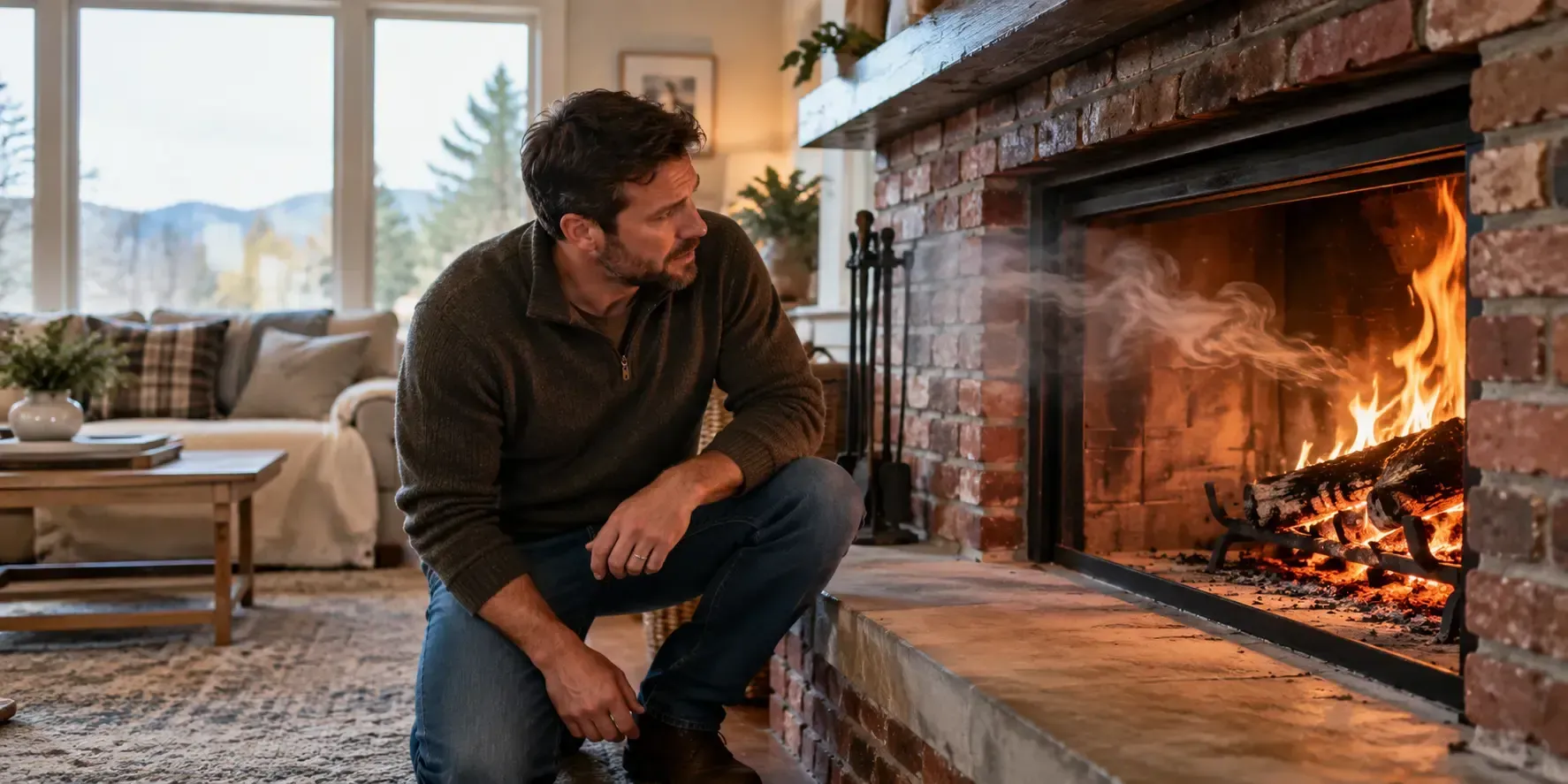
First, pay attention to unusual odors. A strong, campfire-like smell during the summer indicates heavy creosote buildup. Second, watch for poor drafting. If smoke billows back into your living room, you likely have a severe blockage.
Third, inspect your firebox for crumbling debris. Finding pieces of broken clay tile in your hearth means your flue lining is failing. Finally, listen for strange noises. A loud, roaring sound like a freight train coming from the flue means a fire is actively burning inside. If you hear this, evacuate immediately and call emergency services.
Partnering With the Right Local Experts
Routine maintenance is an investment in your property and your peace of mind. Taking a proactive approach ensures your heating system operates safely and efficiently all winter long.
If you live in the 04101 area, you need a local team that understands the unique demands of coastal Maine weather. Portland Chimney Service provides comprehensive solutions for every type of masonry and ventilation issue. You can learn more about our experienced team and our commitment to local safety standards online.
Do not wait until the first winter storm hits to think about your flue. You can call our office at (207) 835-3683 to schedule your inspection today.
Frequently Asked Questions
How often should I schedule an inspection?
You should have a professional inspect your fireplace at least once a year. Annual inspections catch minor wear and tear before it becomes a major fire hazard. If you burn wood daily during the winter, you may need a sweeping twice a year.
Can I clean my flue by myself?
Basic debris removal from the firebox is safe for homeowners. However, deep cleaning the flue requires specialized tools and training. Attempting to remove hardened creosote without proper equipment can damage the lining and increase your fire risk.
What does a professional video inspection do?
A video inspection allows technicians to see the entire length of the flue lining. It identifies cracked tiles, dangerous blockages, and missing mortar that cannot be seen with a flashlight. This ensures every hidden hazard is properly documented and repaired.