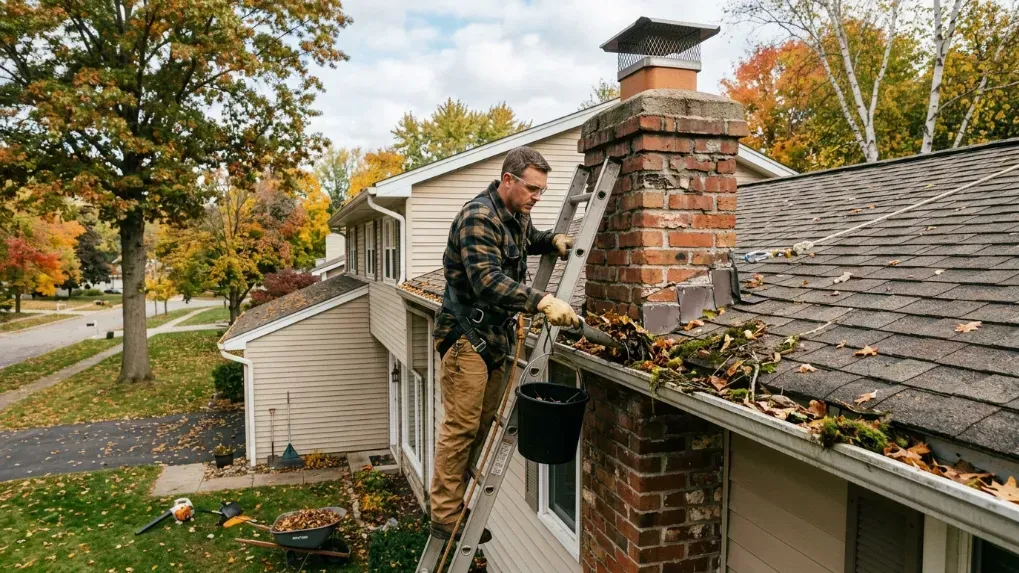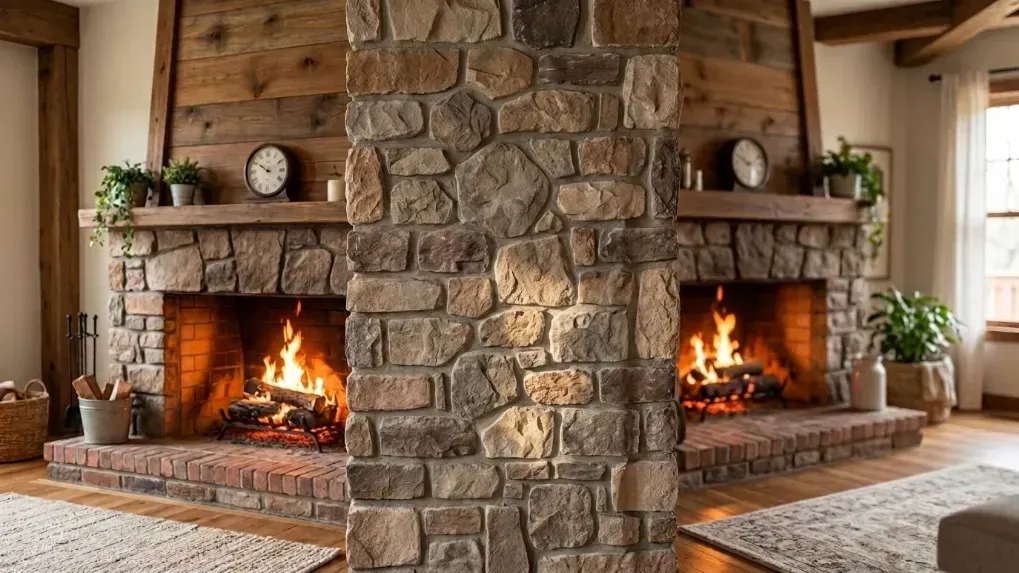
If you live in Portland, Maine, you already know how important your fireplace and chimney are during the long, cold winters. Between harsh weather conditions, frequent fireplace use, and the buildup of creosote and debris, chimneys require regular maintenance to function safely and efficiently.
At Portland Chimney Service, we help Portland residents identify chimney problems and provide professional cleaning services that protect families and homes. Whether you need routine maintenance, safety inspections, creosote removal, or emergency cleaning, certified chimney sweeps deliver knowledgeable guidance and safe solutions you can trust.
What Are the Warning Signs for Chimney Cleaning?
Chimney cleaning becomes necessary when specific warning signs indicate dangerous buildup, blockages, or efficiency problems. Recognizing these indicators helps homeowners schedule timely cleaning that prevents fires and maintains safe operation.
Common warning signs requiring chimney cleaning include:
Strong smoky or burning odors coming from the fireplace
Difficulty starting or maintaining fires
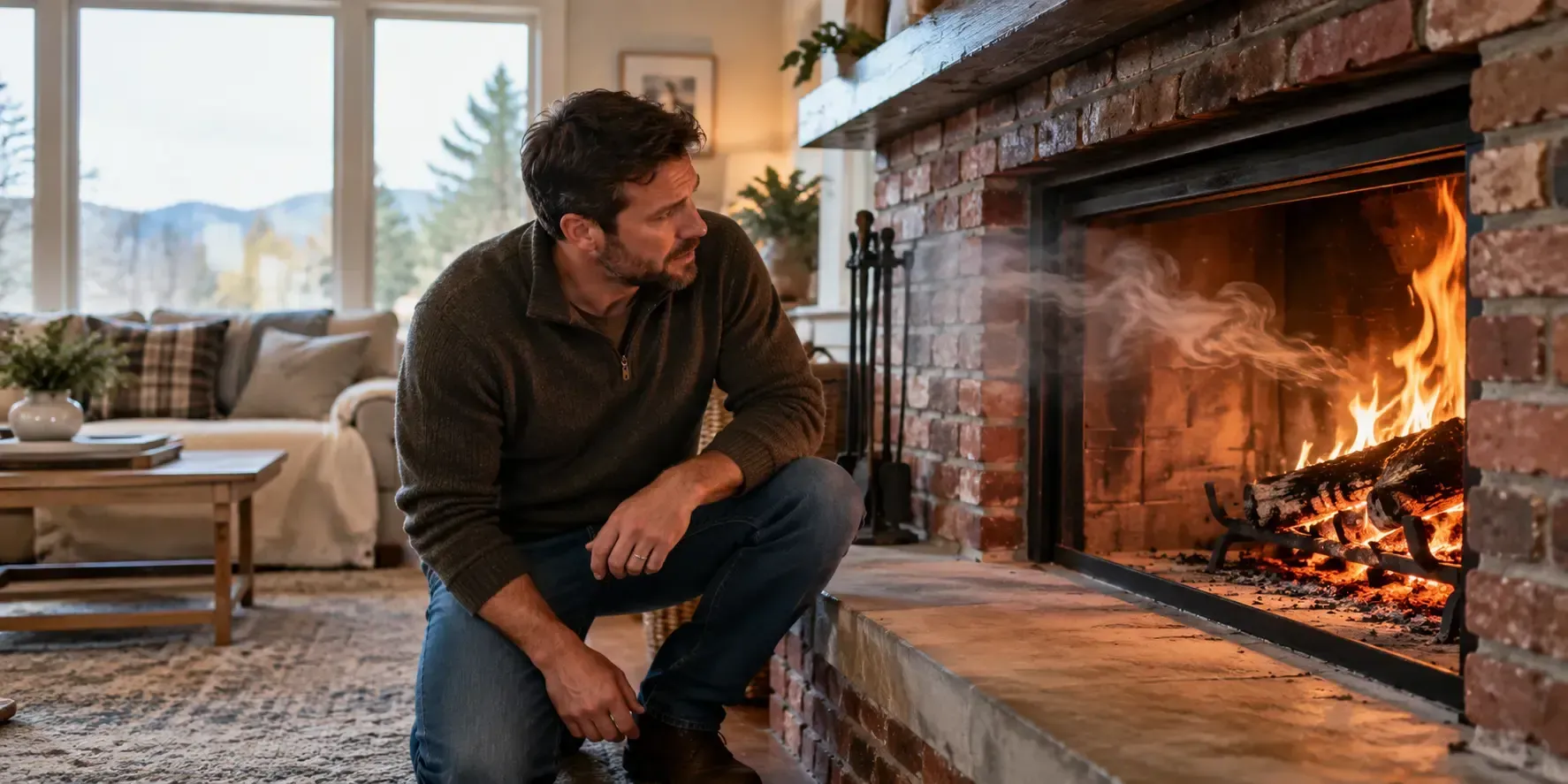
Smoke entering the room instead of going up the chimney
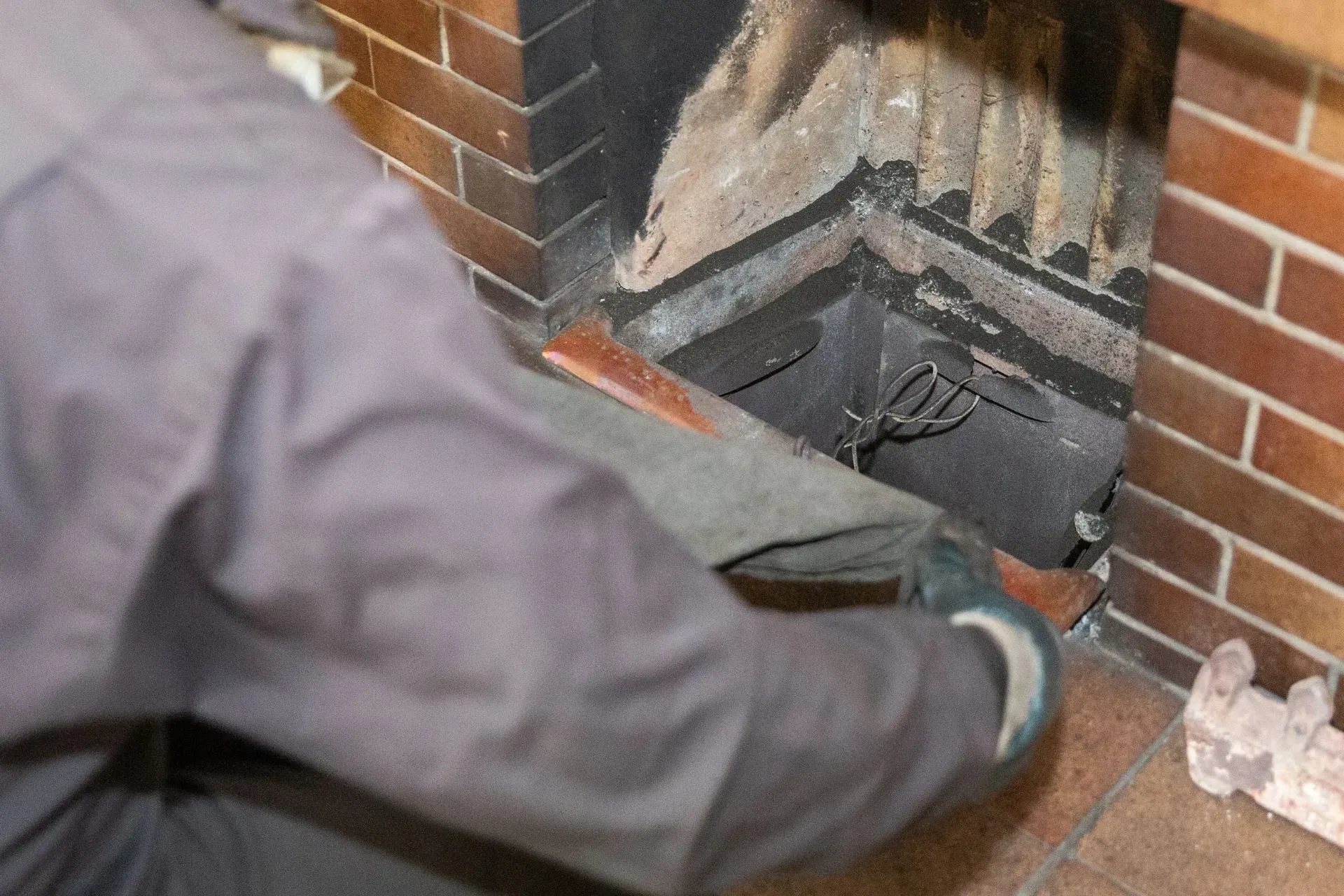
Black or brown stains on fireplace walls
Excessive soot buildup on fireplace doors or screens
Animals or debris visible in the chimney opening
For example, a homeowner in the West End can notice smoke backing up into their living room during fireplace use, schedule professional chimney cleaning, and have dangerous creosote deposits safely removed before they cause a chimney fire.
Why Recognizing Warning Signs Matters in Portland, Maine
Portland's climate and heating patterns create unique chimney maintenance challenges. With long winters, frequent wood burning, cold temperatures that encourage creosote formation, older historic homes, and heavy seasonal use, recognizing warning signs becomes essential for home safety.
Identifying problems early eliminates fire hazards and dangerous situations. It allows scheduled cleaning during optimal weather, prevents carbon monoxide exposure, and maintains control over timing and costs. This makes warning sign recognition a critical skill for local homeowners.
According to the National Fire Protection Association, failure to clean chimneys is a leading cause of home heating fires. In fact, many Portland residents have prevented dangerous chimney fires by recognizing warning signs and scheduling professional cleaning promptly.
As one of our certified chimney sweeps often says:
"Recognizing chimney warning signs in Portland is not just about maintenance. It's about protecting your family, your home, and preventing preventable fires and carbon monoxide poisoning."
Critical Warning Signs That Require Immediate Attention
Understanding which warning signs demand urgent action helps you prioritize safety and make timely decisions. Some indicators require immediate professional inspection and cleaning.
Visible Creosote Buildup: Black, tar like substance coating chimney walls indicates dangerous accumulation requiring immediate removal.
Smoke Backup Into Home: Smoke entering living spaces instead of exiting through chimney signals serious blockage or draft problems.
Oily or Tarry Deposits: Shiny black deposits on fireplace walls indicate third degree creosote, which is highly flammable.
Strong Burning Smell: Persistent burning odors when fireplace is not in use suggest creosote buildup on hot chimney surfaces.
Damper Difficulty: Damper that won't open or close properly may be obstructed by creosote or debris.
Chimney Fire Evidence: Loud cracking or popping sounds, dense smoke, or intense heat indicate active or recent chimney fire.
Warning Sign Severity Assessment:
| Warning Sign | Severity Level | Response Timeline | Professional Service |
|---|---|---|---|
| Active Chimney Fire | Critical | Call 911 immediately | Emergency response required |
| Smoke Backup | High | Within days | Required immediately |
| Heavy Creosote | High | Within 1 to 2 weeks | Required soon |
| Strong Odors | Moderate | Within 2 to 4 weeks | Recommended |
| Poor Draft | Moderate | Before next use | Recommended |
| Minor Soot | Low | Within season | Scheduled maintenance |
How to Identify Chimney Problems in Portland
Recognizing chimney issues requires systematic observation and understanding of normal versus abnormal chimney performance. Regular monitoring helps you catch problems early.
Visual Inspection: Look up the chimney with a flashlight to check for visible creosote, debris, or animal nests.
Smoke Performance: Observe how smoke behaves when starting fires. It should rise smoothly up the chimney without backing into the room.
Odor Check: Notice any unusual smells, especially during humid weather when moisture activates creosote odors.
Soot Accumulation: Monitor how quickly soot builds up on fireplace doors, screens, and surrounding walls.
Draft Assessment: Check if the damper opens freely and if you feel good air movement up the chimney.
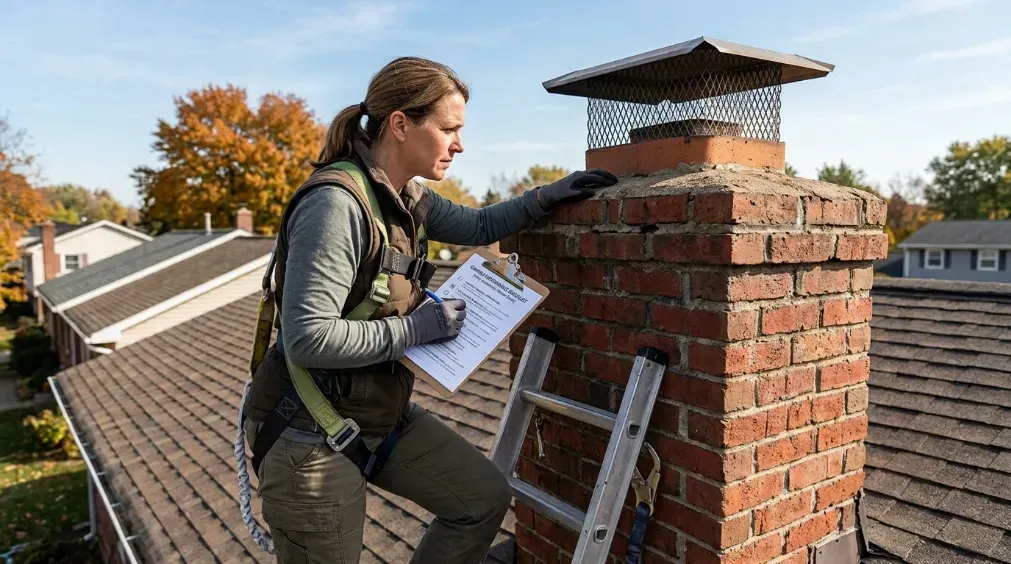
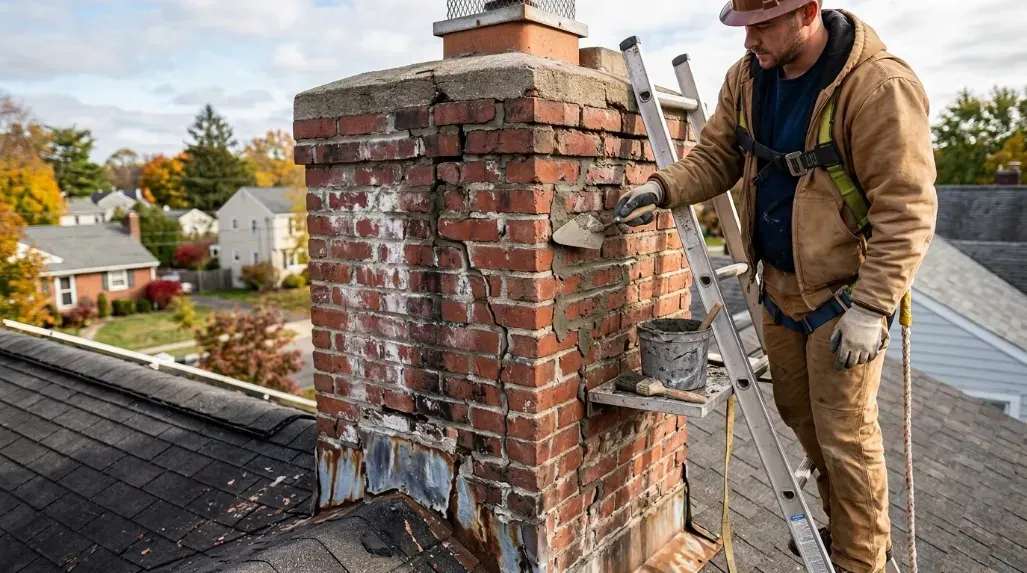
External Examination: Inspect the chimney exterior for white staining (efflorescence), cracked masonry, or damaged chimney cap.
Fireplace Efficiency: Notice if fires are harder to start or maintain than in previous seasons.
Carbon Monoxide Detectors: Install and monitor CO detectors near fireplace areas for early warning.
Professional Chimney Cleaning in Portland
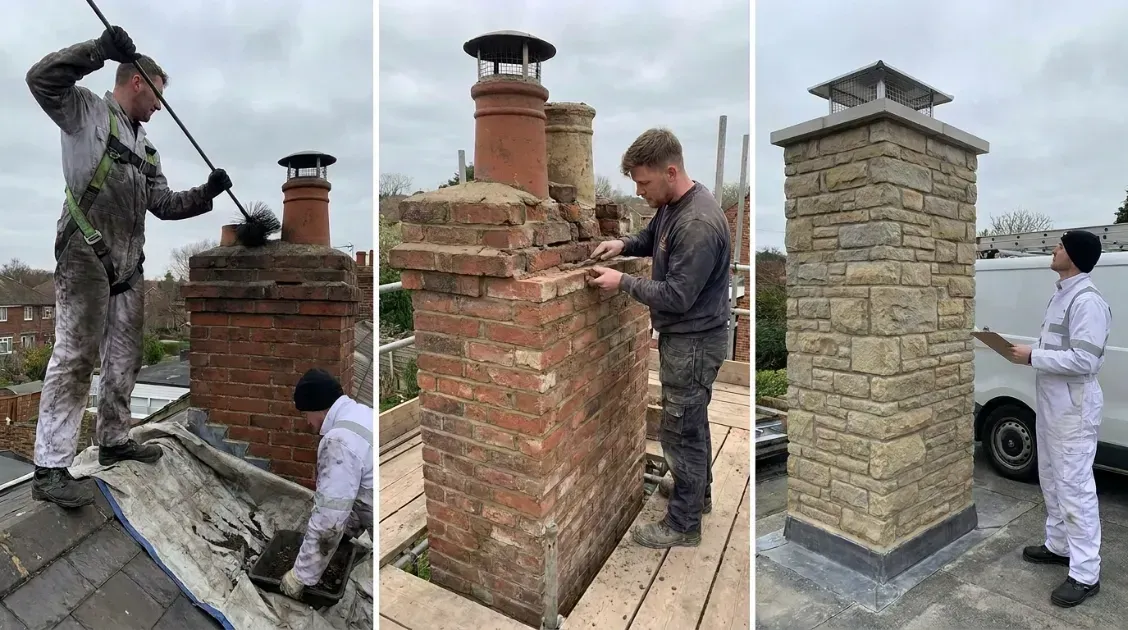
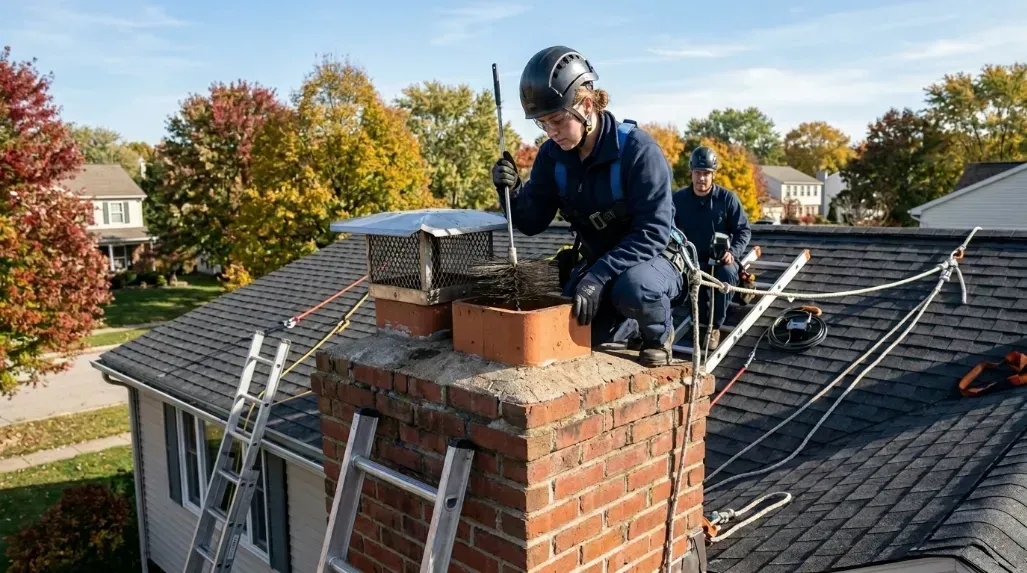
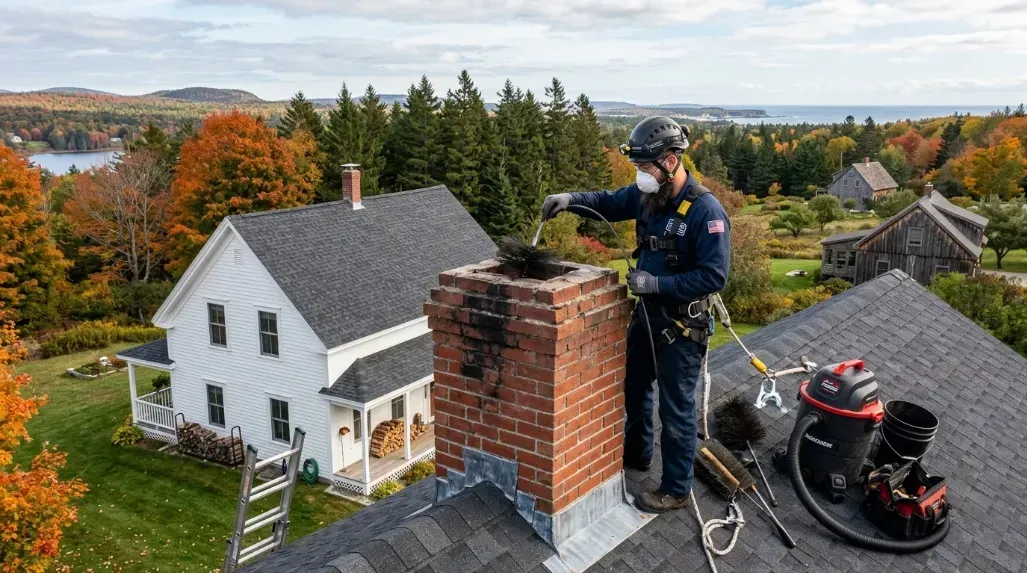
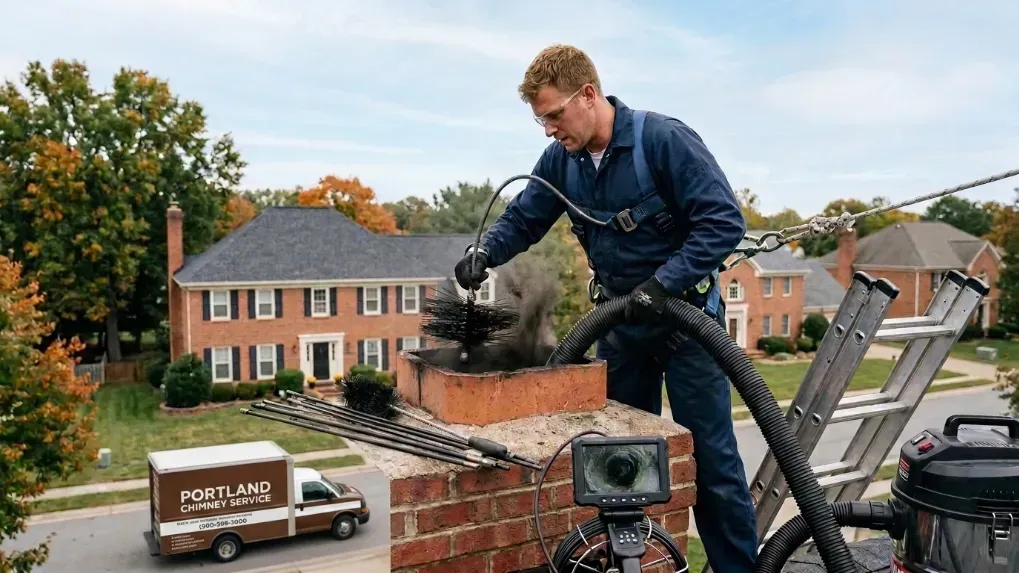
Working with Portland Chimney Service ensures thorough cleaning and safe operation. Our team cleans chimneys systematically and provides clear safety recommendations.
Here's how our process works:
Initial Consultation: You contact us with concerns about chimney performance or to schedule routine maintenance.
Pre Cleaning Inspection: Certified sweeps inspect the entire chimney system from firebox to cap, checking for damage, blockages, and creosote levels.
Protection Setup: We protect your home with drop cloths and seal off the fireplace opening to contain dust and debris.
Thorough Cleaning: Using professional brushes, vacuums, and tools, we remove all creosote, soot, and debris from chimney walls.
Chimney Cap and Crown Check: We inspect and clean the chimney cap and check the crown for cracks or damage.
Final Inspection: We verify the chimney is completely clean and draft is working properly.
Written Report: You receive documentation of our findings, work performed, and any recommendations for repairs or follow up.
Once cleaned, your chimney operates safely and efficiently throughout the heating season.
Homeowner's Chimney Monitoring Checklist
Here's a quick checklist to help you monitor your chimney for warning signs in Portland.
Step 1: Inspect your fireplace before the heating season and monthly during regular use.
Step 2: Look for obvious warning signs like smoke backup, strong odors, or visible creosote.
Step 3: Document unusual performance or changes in fireplace operation.
Step 4: Schedule annual professional chimney cleaning before heavy winter use.
Step 5: Act promptly on professional recommendations to ensure safety.
Step 6: Install and maintain carbon monoxide detectors near all sleeping areas.
Expert Tips and Local Insights
In Portland, regular chimney maintenance provides essential protection for families and homes. Understanding local heating patterns and common problems helps homeowners stay safe.
"Chimney warning signs in Portland often appear gradually during the heating season. Homeowners who burn wood regularly should schedule cleaning at least annually, while those with heavy use may need cleaning twice per season to prevent dangerous buildup," says one of our certified chimney sweeps.
Whether you live in the Old Port, Munjoy Hill, Riverton, or Deering, knowing what to look for keeps your home safe and your heating system working efficiently throughout Maine's long winters.
Common Chimney Problems in Portland
Portland's climate and heating practices create specific chimney maintenance challenges. Understanding common local problems helps you recognize warning signs more effectively.
Creosote Accumulation: Burning unseasoned wood or smoldering fires accelerates creosote formation requiring more frequent cleaning.
Ice Damming in Chimney: Freeze thaw cycles can damage chimney masonry and cause water infiltration problems.
Animal Nesting: Birds, squirrels, and raccoons often nest in chimneys during warmer months, creating dangerous blockages.
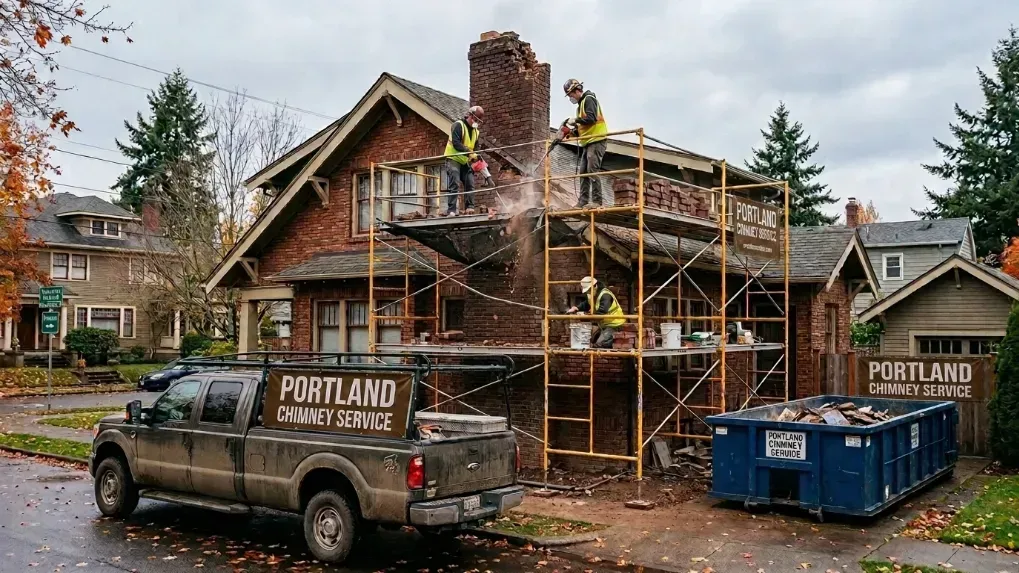
Historic Chimney Issues: Many Portland homes have older chimneys with deteriorating mortar or missing liner systems.
Salt Air Corrosion: Proximity to the ocean accelerates deterioration of chimney caps and metal components.
Condensation Problems: Cold Maine temperatures combined with warm flue gases create condensation that damages chimney interiors.
Conclusion
Understanding the warning signs that indicate your chimney needs cleaning in Portland, Maine helps you maintain a safe, efficient heating system. By recognizing smoke backup, creosote buildup, strong odors, draft problems, and performance issues, you can schedule professional cleaning before dangerous situations develop.
If you suspect your chimney shows warning signs requiring cleaning or inspection, contact Portland Chimney Service today to schedule your professional chimney service. Let's help you maintain a safe, warm home throughout the winter season.
Key Takeaways
Smoke backing up into your home indicates immediate cleaning need
Heavy creosote buildup appears as black, shiny, tar like coating on chimney walls
Strong burning odors when fireplace is not in use signal dangerous deposits
Annual professional cleaning prevents chimney fires and maintains efficiency
Portland homeowners should schedule cleaning before heavy winter use begins.
Frequently Asked Questions
What are the most obvious signs my chimney needs cleaning in Portland?
The most obvious signs include smoke entering your home instead of going up the chimney, strong smoky or tar like odors, heavy soot on fireplace doors, and difficulty starting or maintaining fires.
How often should I have my chimney cleaned in Portland?
Most Portland homeowners should have chimneys professionally cleaned at least once annually, ideally before the heating season. Homes with heavy wood burning use may need cleaning twice per year.
Can I clean my chimney myself in Portland?
While minor soot removal is possible, professional cleaning is strongly recommended. Certified chimney sweeps have specialized tools, training, and safety equipment to thoroughly clean chimneys and identify hidden problems.
What happens if I don't clean my chimney regularly?
Neglecting chimney cleaning leads to dangerous creosote buildup that can ignite and cause chimney fires. It also reduces efficiency, causes smoke problems, and can result in carbon monoxide entering your home.
When is the best time to schedule chimney cleaning in Portland?
Late summer or early fall is ideal for chimney cleaning in Portland, before the heating season begins. This ensures your chimney is safe and ready for winter use.
How do I know if I had a chimney fire?
Signs of chimney fire include loud cracking or roaring sounds, dense smoke, intense heat, and a strong burning smell. Even small chimney fires can damage your chimney liner and require immediate professional inspection.