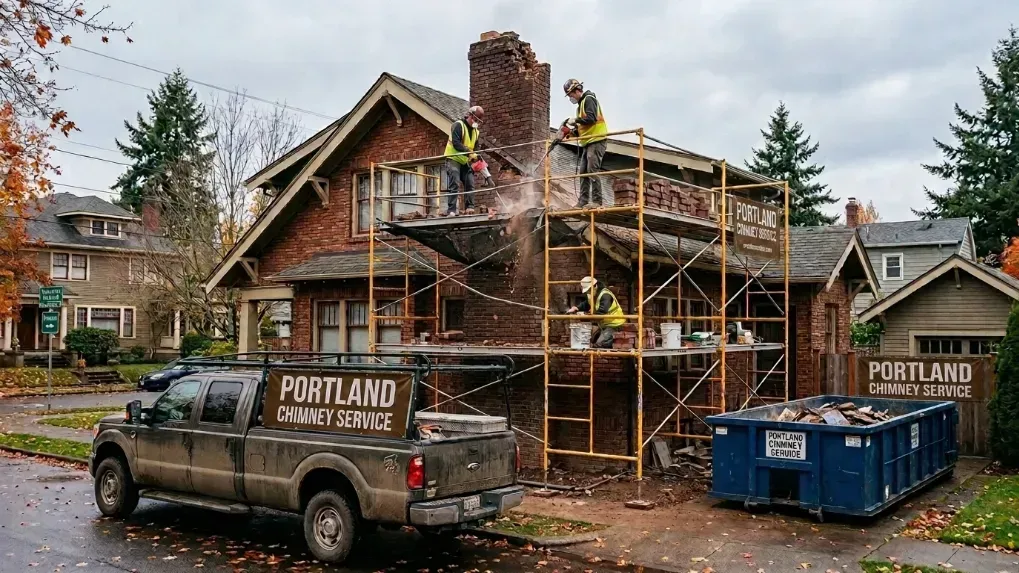
Homeowners across Portland are noticing a disturbing trend regarding their property exteriors. Brickwork that stood strong for decades is suddenly crumbling, flaking, and showing severe signs of structural distress. Many property owners attribute this rapid degradation to simple old age or poor initial construction. The truth is far more specific and deeply tied to shifting environmental conditions unique to the Maine coast.
The structural integrity of historical and modern masonry relies heavily on environmental stability. When that stability disappears, the rate of decay accelerates exponentially. For residents living in everything from historic West End Victorian homes to mid-century suburban builds, understanding the mechanics behind this failure is the first step in preventing a catastrophic collapse.
The Core Issue: Accelerated Freeze-Thaw Cycles
The primary culprit behind the sudden failure of local masonry is an increase in the frequency of extreme freeze-thaw cycles. Portland, Maine experiences a distinct combination of high coastal moisture and rapidly fluctuating winter temperatures.
Brick and mortar are inherently porous materials. They act much like hard sponges, absorbing moisture from coastal fog, driving rain, and melting snow. Under historically normal winter conditions, temperatures would drop below freezing and stay there for extended periods. Today, shifting weather patterns cause temperatures to oscillate wildly between freezing and thawing multiple times within a single week.
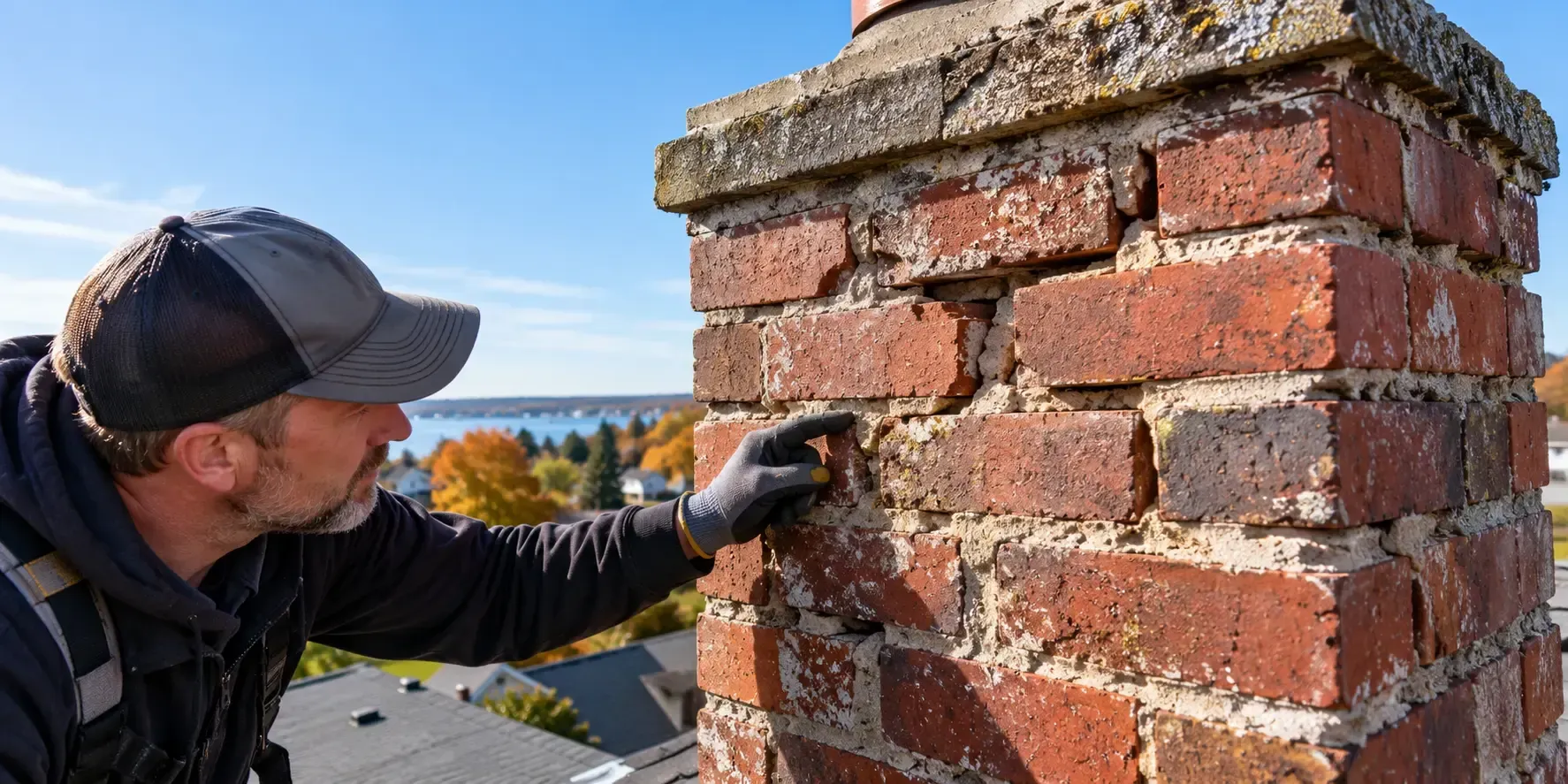
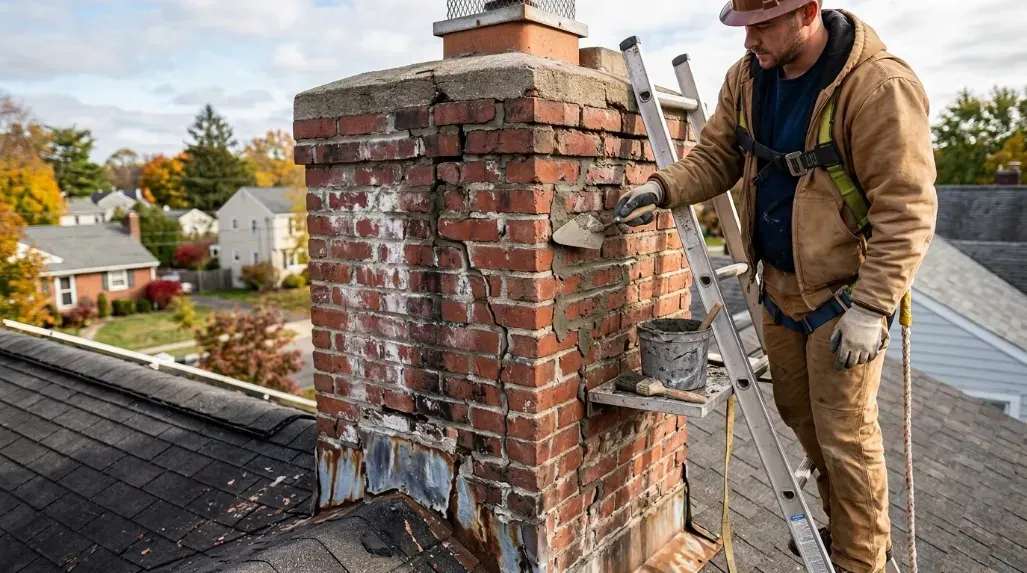
When water penetrates the microscopic voids within a brick and the temperature drops below thirty-two degrees Fahrenheit, that trapped water expands by roughly nine percent. This expansion exerts massive internal pressure on the masonry. When the ice melts a day later, it leaves behind larger micro-fractures that absorb even more water during the next precipitation event. This destructive loop repeats endlessly throughout the Maine winter. The result is a process called spalling, where the face of the brick literally pops off, exposing the softer interior clay to the harsh elements.
Architectural Vulnerability in Maine Neighborhoods
The housing stock in Portland contributes significantly to this widespread issue. A vast majority of homes in neighborhoods like Deering Center, Rosemont, and the West End were constructed well over fifty years ago. The building materials used during those eras were exceptional for their time, but they were not engineered to withstand the modern frequency of extreme weather fluctuations.
Historical mortar was typically mixed with a higher ratio of lime. Lime mortar is softer and designed to flex slightly with the building, allowing moisture to evaporate naturally. However, decades of exposure to acidic rain and salty ocean air have leached the binding agents out of this mortar. Once the mortar joints fail, water easily bypasses the protective outer layer of the brickwork and flows directly into the core of the chimney structure.
| Weather Condition | Physical Effect on Masonry | Recommended Solution | Urgency Level |
|---|---|---|---|
| Rapid Freeze-Thaw | Brick spalling and internal fracturing | Masonry sealant application | High |
| Heavy Coastal Rain | Mortar joint deterioration and softening | Tuckpointing and joint repair | High |
| Salty Ocean Air | Efflorescence and mineral deposits | Chemical cleaning and sealing | Moderate |
| Nor'easter Winds | Crown cracking and cap displacement | Crown rebuilding and cap installation | Critical |
How Preventative Chimney Services Stop Structural Failure
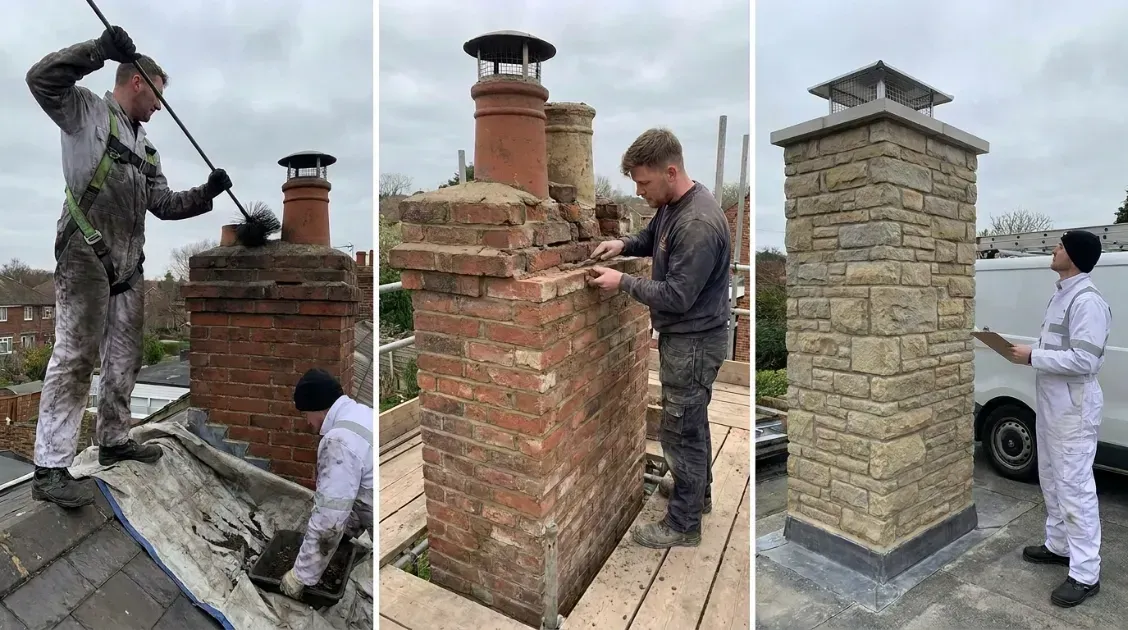
Addressing masonry vulnerability requires a proactive approach. Waiting until bricks are actively falling onto the roof ensures a massive repair bill and significant safety hazards. Engaging professional chimney services is the most effective way to halt the progression of water damage and restore the structural integrity of your property.
Professional Masonry Waterproofing
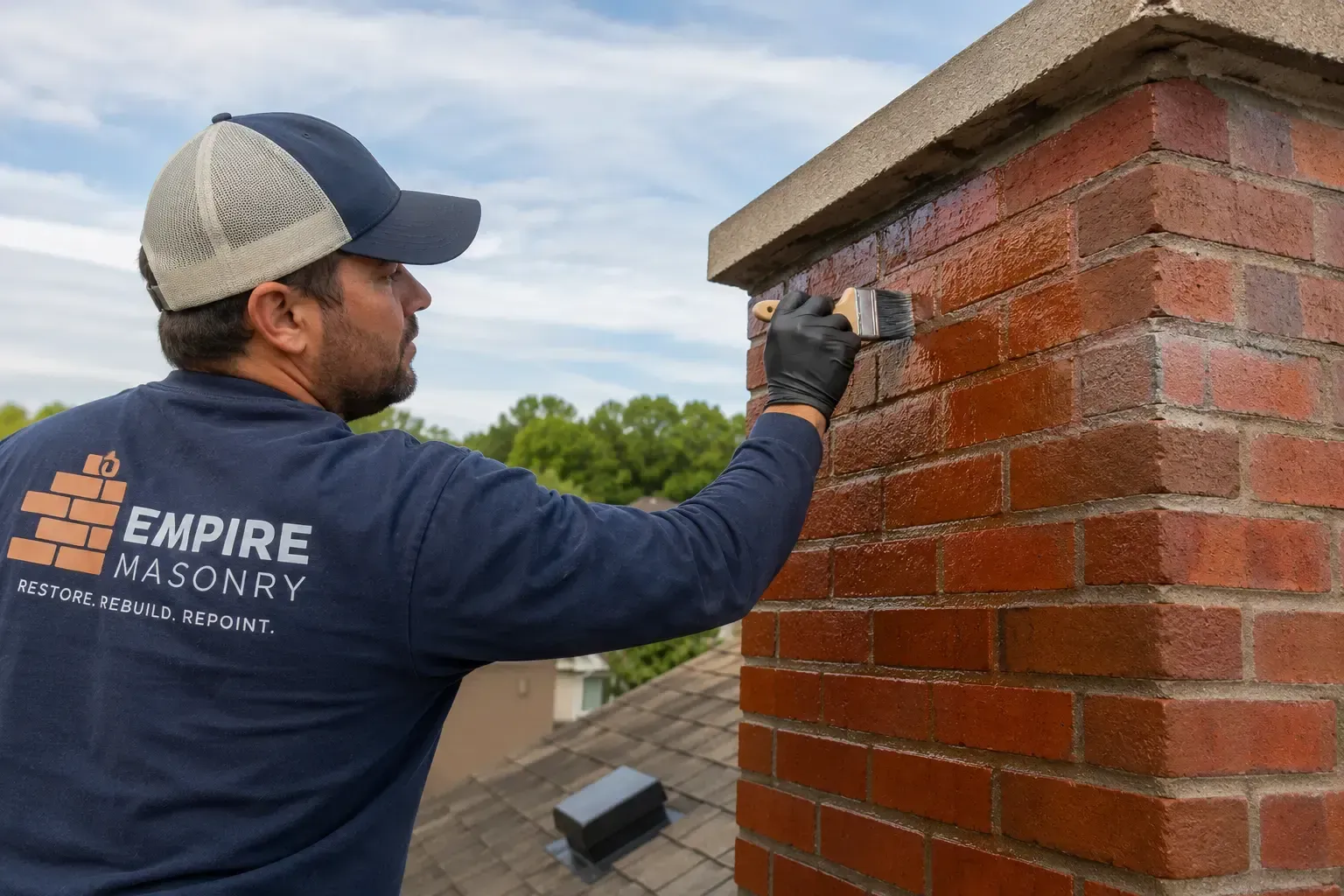
One of the most critical interventions available is the application of a commercial-grade masonry water repellent. Unlike standard paints or cheap hardware store sealers that trap moisture inside the brick, professional waterproofing products are vapor permeable. This means they allow the chimney to breathe and release internal moisture while actively repelling exterior water. A proper waterproofing treatment dramatically reduces the water absorption rate, essentially neutralizing the threat of the freeze-thaw cycle.
Expert Tuckpointing and Mortar Restoration
When the mortar joints between the bricks begin to recede, crack, or turn to powder, the structural weight of the chimney is compromised. Tuckpointing is the precise process of removing damaged mortar and replacing it with fresh material that matches the historical composition and compressive strength of the original structure. This process stops water infiltration at the seams and prevents the chimney from leaning or collapsing under its own weight.
Concrete Crown Rebuilding
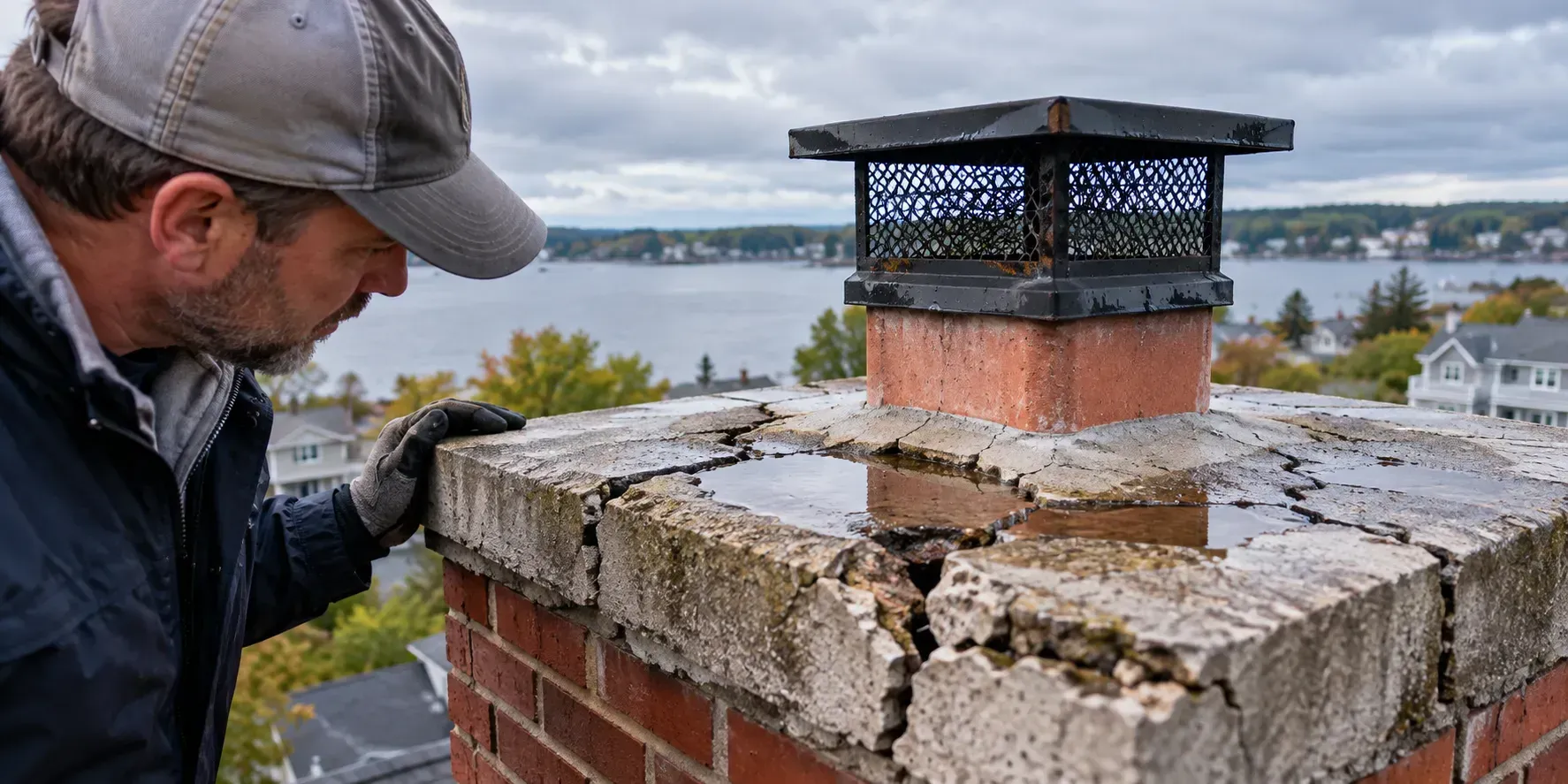
The crown is the flat or slightly sloped concrete surface at the very top of the chimney. Its sole purpose is to shed water away from the flue opening and the vertical brick walls. Unfortunately, many original crowns were built using standard masonry mortar instead of reinforced concrete. These weak crowns crack easily under extreme weather conditions, creating a direct funnel for rainwater to pour into the center of the masonry column. Rebuilding the crown with reinforced, weather-resistant concrete is a mandatory step in comprehensive chimney preservation.
Identifying the Early Warning Signs of Masonry Decay
Homeowners must remain vigilant and routinely inspect their exteriors for the early indicators of moisture damage. Catching these signs early often makes the difference between a simple maintenance procedure and a complete structural rebuild.
The most common early warning sign is efflorescence. This appears as a powdery white stain blooming on the exterior of the brick. Efflorescence is composed of soluble salts left behind when trapped water evaporates from the masonry. While the white powder itself is easily washed away, its presence is a guaranteed indicator that abnormal levels of moisture are traveling through the chimney walls.
Another critical sign is the presence of small masonry flakes at the base of the chimney or sitting in the roof gutters. This indicates that spalling has already begun. Furthermore, interior signs should never be ignored. If you notice peeling wallpaper near the fireplace, damp patches on the ceiling around the chimney breast, or a persistent musty odor coming from the firebox, water has already breached the entire thickness of the masonry.
The Financial Impact of Deferred Maintenance
Maintaining a home requires strict attention to the areas exposed to the harshest elements. For property owners planning to live in their homes for decades, protecting the masonry is a vital financial strategy. The cost of preventative maintenance is entirely predictable and highly manageable.
Conversely, ignoring the early warning signs of water intrusion leads to catastrophic financial consequences. A chimney that has lost its structural integrity cannot simply be patched. It must be carefully dismantled and completely rebuilt from the roofline up. This requires expensive scaffolding, permits, raw materials, and days of highly skilled labor. Beyond the exterior costs, a leaking chimney often causes hidden rot within the wooden framing of the house, leading to mold remediation and drywall replacement.
Moreover, compromised masonry presents a severe fire hazard. If the internal clay flue liner cracks due to shifting brickwork, combustible heat and toxic gases can easily escape into the walls of the home. Ensuring your chimney is structurally sound is not merely about aesthetic appeal; it is a fundamental requirement for the safety of your property.
Securing Your Home Before the Next Maine Winter
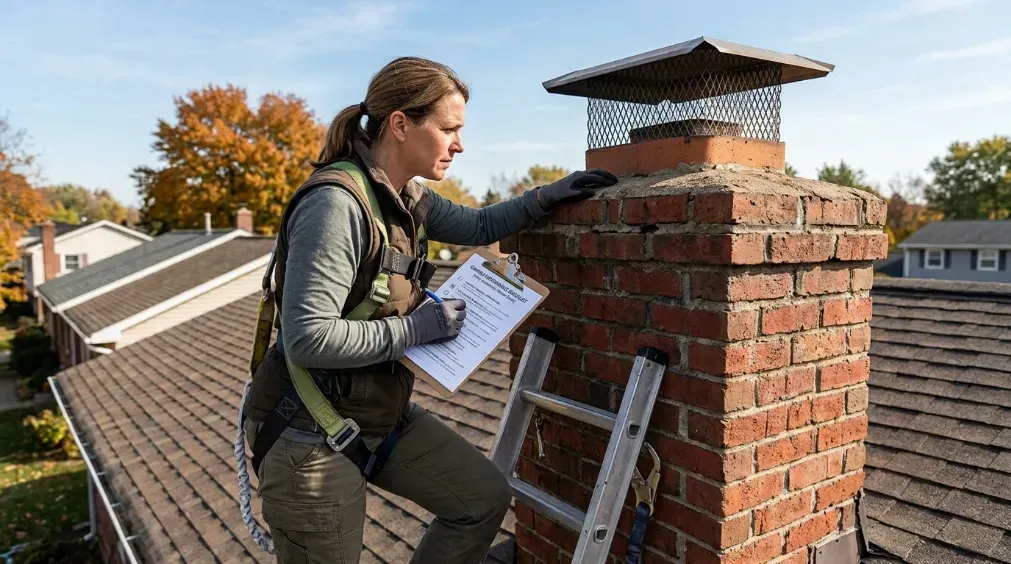
The climate in Portland will continue to challenge the durability of local properties. Homeowners must prioritize routine exterior maintenance to counteract the aggressive nature of local weather patterns. A visual inspection from the ground is rarely sufficient to gauge the true condition of your mortar, crown, and flashing.
Protecting your property requires the trained eye of a masonry professional who understands the specific environmental pressures of the Maine coastline. Taking proactive steps today ensures your fireplace remains safe, functional, and visually appealing for decades to come. To schedule a comprehensive evaluation of your masonry and explore targeted preservation strategies, reach out to the experts at Portland Chimney Service.
Frequently Asked Questions
How often should my masonry be inspected?
You should schedule a professional inspection at least once every twelve months. Annual inspections allow technicians to identify microscopic cracks, receding mortar, and early moisture intrusion before the freeze-thaw cycle exacerbates the damage.
Can I waterproof my brickwork myself?
Applying over-the-counter sealants is highly discouraged. Retail hardware products are often silicone-based, which seals the brick completely and traps existing moisture inside the masonry. This trapped moisture will destroy the brick from the inside out during the first winter freeze. Always rely on vapor-permeable professional products.
How do I know if my chimney crown is cracked?
Because the crown sits at the highest point of the structure, damage is usually invisible from the ground. Signs of a failed crown include water dripping into your firebox, rust appearing on your damper, or sudden deterioration of the brickwork directly below the top of the chimney. A professional roof-level inspection is the only definitive way to assess crown health.
What are the signs of moisture damage inside my chimney?
Efflorescence (white powdery deposits on brick), spalling (flaking or crumbling surfaces), and musty odors are clear indicators of water intrusion. Left untreated, moisture can weaken mortar joints and compromise the structural integrity of the chimney.