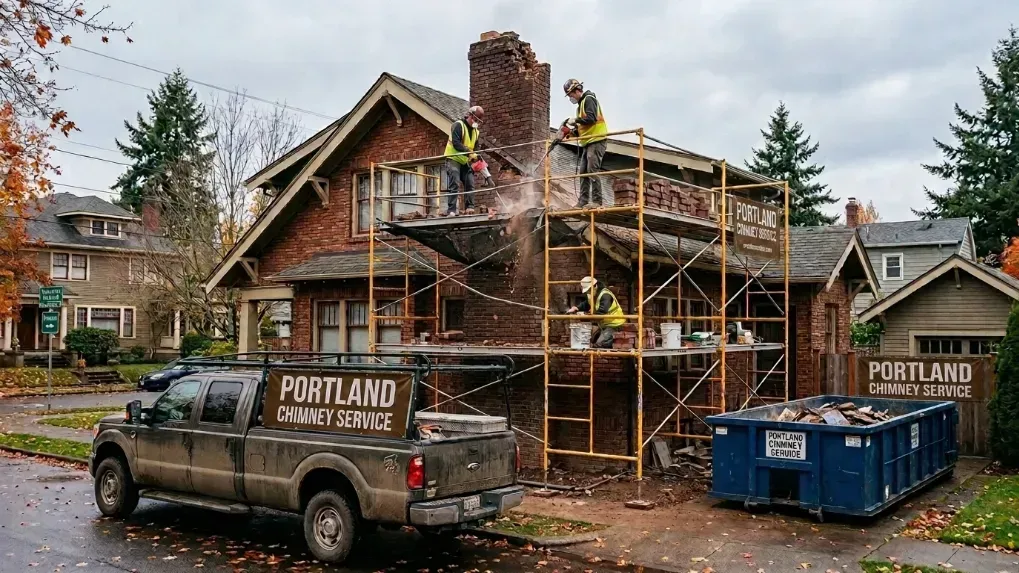
Portland homeowners must address chimney crown cracks immediately to prevent severe water damage caused by Maine's harsh freeze-thaw cycles. Delaying these vital repairs allows moisture to destroy exterior masonry and compromise interior structures. Engaging local professionals for timely restoration protects your property value and ensures long-term structural safety.
* Hairline fractures should be sealed immediately to prevent seasonal ice expansion.
* Severe structural cracks require the complete removal and casting of a new concrete slab.
* Prolonged neglect leads to expensive secondary damage, including brick spalling and mortar decay.
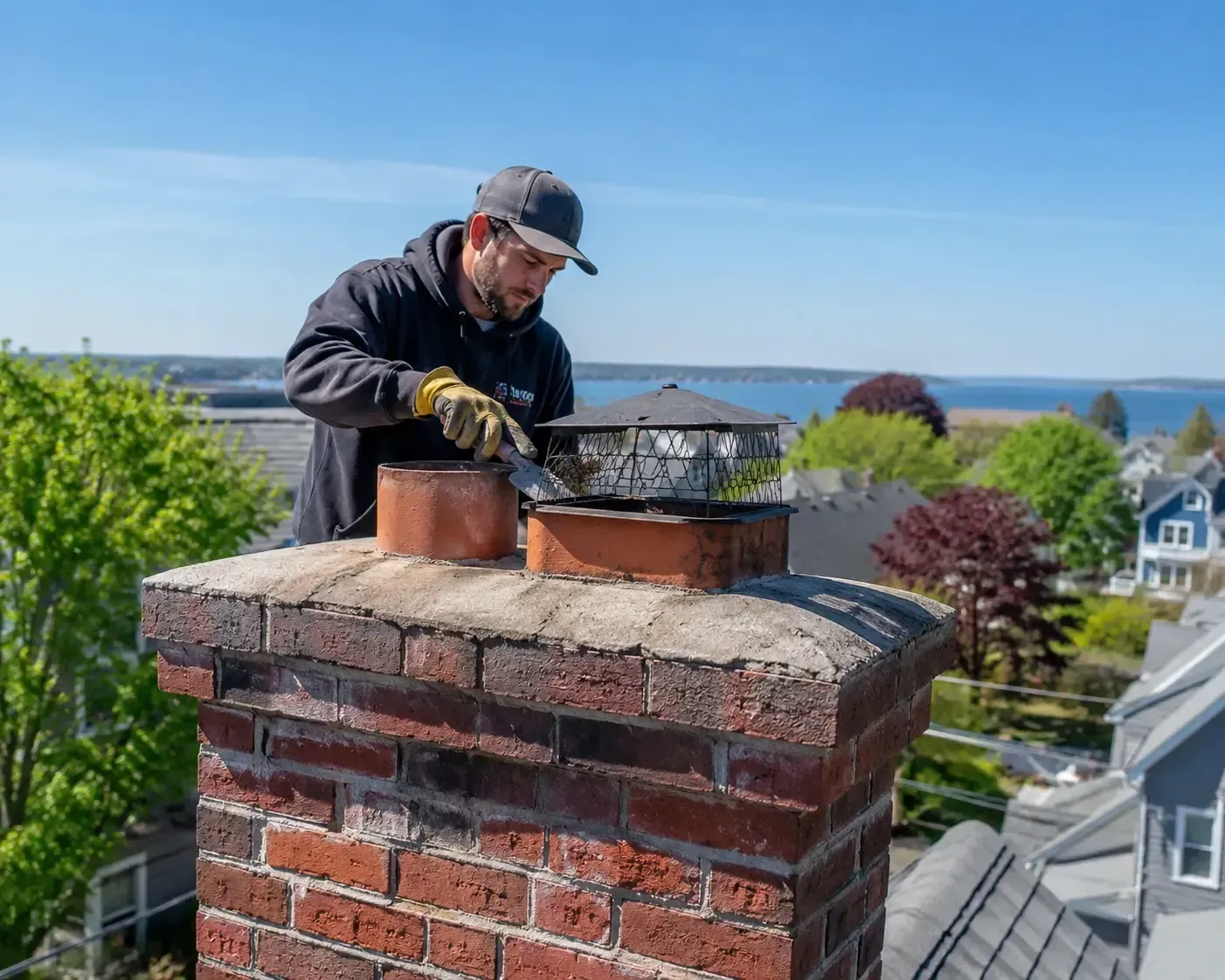
Maintaining a historic or contemporary home in Portland requires vigilance against the harsh coastal climate. Your masonry takes a beating from heavy snowfall, driving rain, and sharp temperature drops. At the very top of your structure sits the chimney crown, a crucial concrete slab designed to shed water away from the flue and the bricks below. When a crack appears in this concrete, property owners often wonder how long they can wait before calling a professional. The answer is straightforward: repairs should happen immediately before the Maine winter accelerates the damage.
The Role of the Chimney Crown in Home Protection
A chimney crown serves as the primary roof for your masonry. Unlike a metal chimney cap that covers the flue opening, the crown is the concrete seal spanning the top of the brickwork. It is constructed with a slight slope to direct water away from the chimney exterior and prevent moisture from pooling. When constructed correctly, this solid mass of Portland cement resists weathering and provides structural integrity to the upper courses of brick.
However, concrete is naturally porous. Over time, exposure to the elements causes normal wear. Once the crown develops a fissure, its ability to repel water is severely compromised. Moisture penetrates the gap and travels downward into the core of your chimney. For homeowners in Portland, Maine, this water intrusion leads to rapid degradation of both the exterior masonry and the interior flue lining.
The Difference Between a Proper Concrete Crown and a Cement Wash
Many older homes in Maine were constructed with a cement wash rather than a proper concrete crown. A wash is simply a thin layer of leftover mortar sloped over the top row of bricks. Mortar is designed to bond bricks together, not to withstand direct exposure to rain and snow across a horizontal surface. Because it lacks aggregate stone for strength, a mortar wash degrades rapidly, often cracking within the first few years of installation.
In contrast, a correctly engineered chimney crown is constructed from Portland cement containing aggregate stone, forming a durable concrete slab. It should be poured with an overhang that extends at least two inches past the brickwork, creating a drip edge. This structural feature forces water to fall directly onto the roof rather than running down the vertical face of the masonry. Upgrading from a crumbling mortar wash to a solid concrete structure is a highly effective way to permanently resolve recurring moisture issues.
How Maine Weather Accelerates Masonry Damage
The coastal climate of Maine presents a unique set of challenges for masonry structures. Portland experiences intense freeze-thaw cycles throughout the late fall, winter, and early spring. During the day, temperatures may rise enough to melt ice and snow, allowing liquid water to seep into any existing hairline fractures in the chimney crown. As temperatures plummet below freezing overnight, that trapped water expands by roughly nine percent as it turns into solid ice.
This expansion exerts immense pressure on the surrounding concrete. A microscopic fissure can widen into a significant structural crack over the course of a single winter. As the gap grows, more water enters the system, creating a destructive loop that eventually shatters the crown and compromises the brickwork below. Addressing these cracks before the freezing temperatures arrive is a fundamental aspect of property preservation for any local homeowner.
Timeline for Action: When to Schedule Chimney Services
Determining the exact timeframe for repair depends entirely on the severity of the damage. However, waiting is never the financially sound choice. To maintain property value and ensure the safety of your home, scheduling professional Chimney Services at the first sign of wear is essential. Delaying this basic maintenance allows water to reach areas that are far more expensive to fix.
Identifying Hairline Cracks
Hairline cracks are narrow, shallow fissures that form on the surface of the concrete. They are often the result of natural settling or minor thermal expansion. If you or a technician spot these during an annual inspection, they should be addressed before the next rainy season. While your chimney will not collapse overnight from a surface flaw, sealing these cracks immediately prevents them from turning into larger structural issues. Water-repellent sealants are typically sufficient at this stage to restore the protective barrier.
Structural Cracks and Missing Concrete
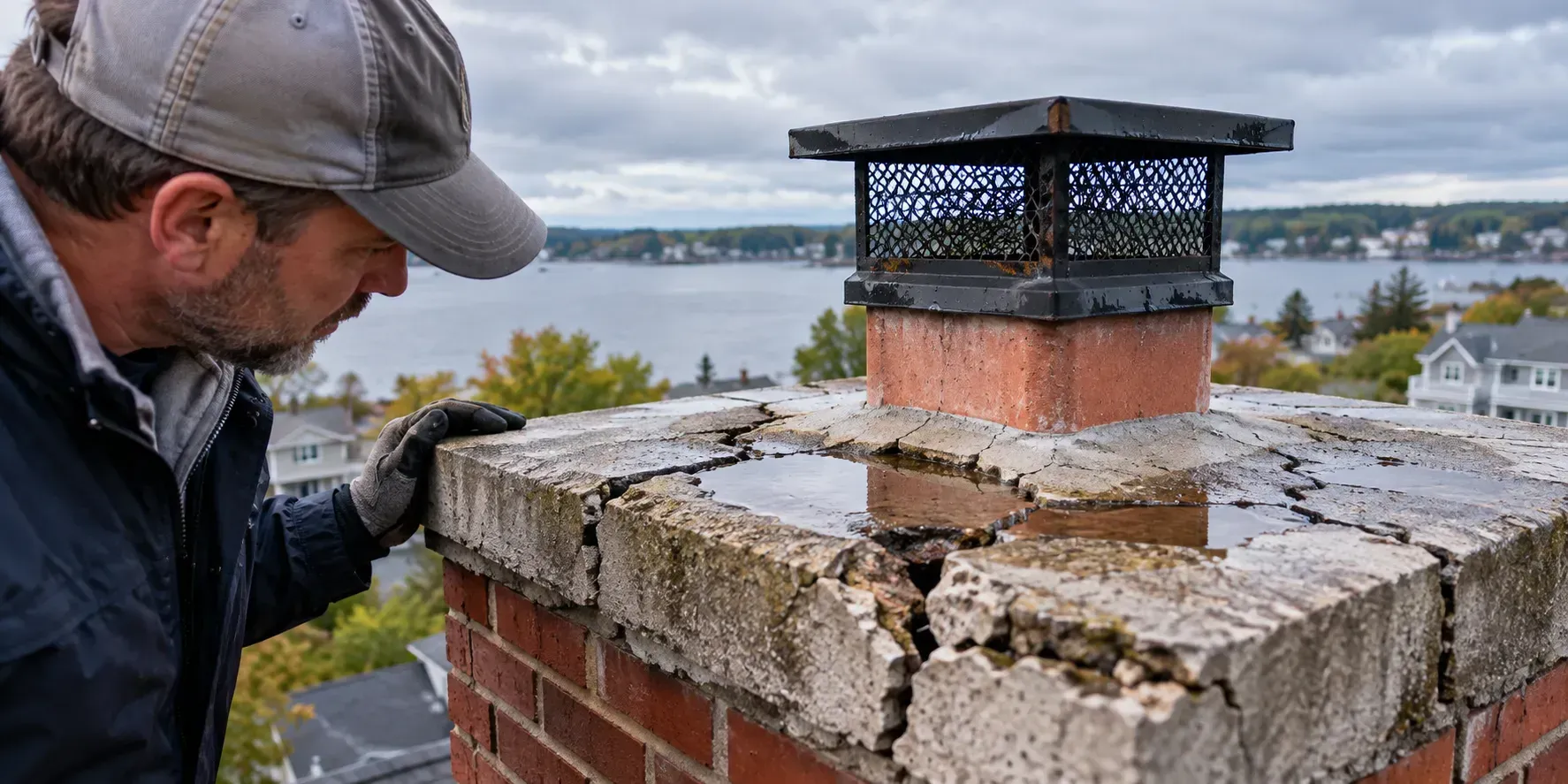
If the cracks have widened significantly, or if chunks of the concrete are missing entirely, the crown has failed. Water is actively pouring into the chimney chase. In these cases, repairs cannot wait. The issue must be corrected as soon as a dry weather window permits. Neglecting structural cracks will inevitably lead to water staining on your interior ceilings, rotting wood framing, and severe masonry decay. At this level of deterioration, a technician will likely need to cast a new crown rather than patch the old one.
Assessing Damage Severity and Repair Protocols
Understanding the progression of masonry failure helps property owners make informed decisions about maintenance budgets. The table below outlines the stages of crown degradation, the associated risks of water intrusion, and the standard interventions required to restore the structure.
| Crack Severity | Visual Indicators | Moisture Risk Level | Recommended Intervention |
|---|---|---|---|
| Surface Wear | Small, webbing lines less than 1/16 inch wide | Low to Moderate | Apply an elastomeric crown sealant to waterproof the surface. |
| Minor Fissures | Visible cracks between 1/16 and 1/8 inch wide | Moderate | Clean the area, fill gaps with high-bond patching material, and seal. |
| Structural Cracks | Deep gaps exceeding 1/8 inch, visible separation | High | Remove loose material, perform partial resurfacing, and apply bonding agents. |
| Total Failure | Missing concrete chunks, exposed brick underneath | Critical | Complete demolition of the old crown and pouring a new, reinforced concrete slab. |
Safe Methods for Inspecting Your Chimney Crown
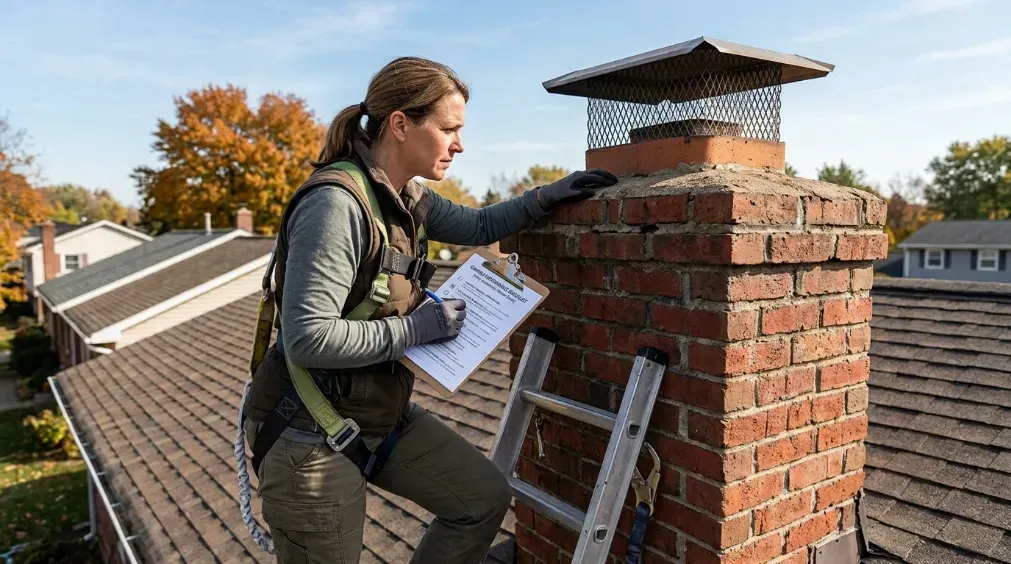
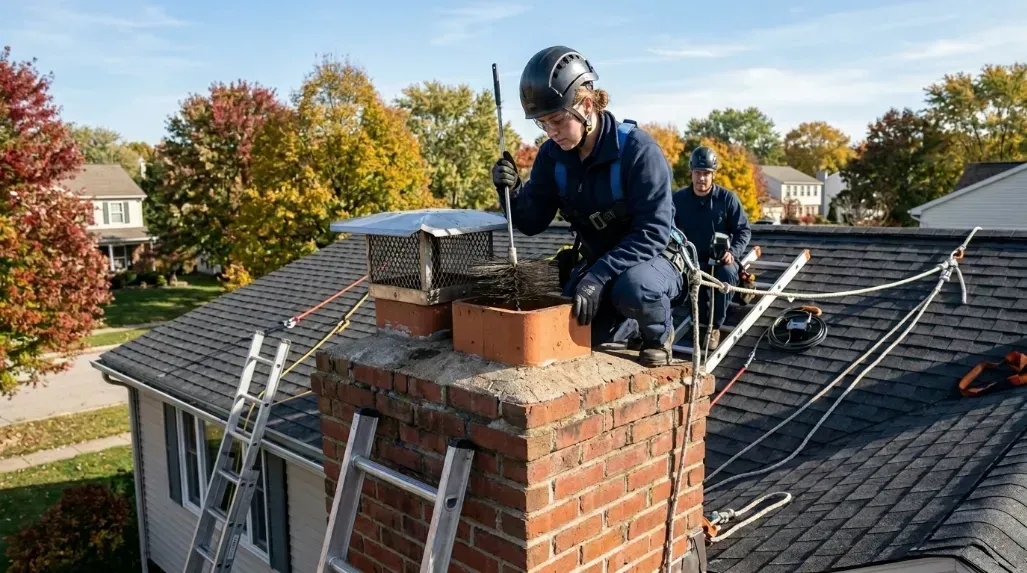
Because the crown sits at the highest point of your home, identifying damage requires effort. Homeowners should never walk on steeply pitched or icy roofs to perform self-inspections, as the risk of a severe fall is immense. Instead, use a pair of binoculars from the ground to survey the top of the structure. Look for obvious signs of distress, such as missing chunks of material, visible gaps, or green algae growth near the top courses of brick, which indicates heavy moisture saturation.
Another clear indicator of crown failure can be found inside the home. If you notice a damp, musty odor coming from the fireplace, peeling paint on the wall above the mantel, or rusted damper components, water is already inside the system. These interior symptoms mean the exterior barrier has been breached. Scheduling professional inspections allows for early detection of fractures before they manifest as interior leaks.
The Hidden Costs of Delayed Maintenance
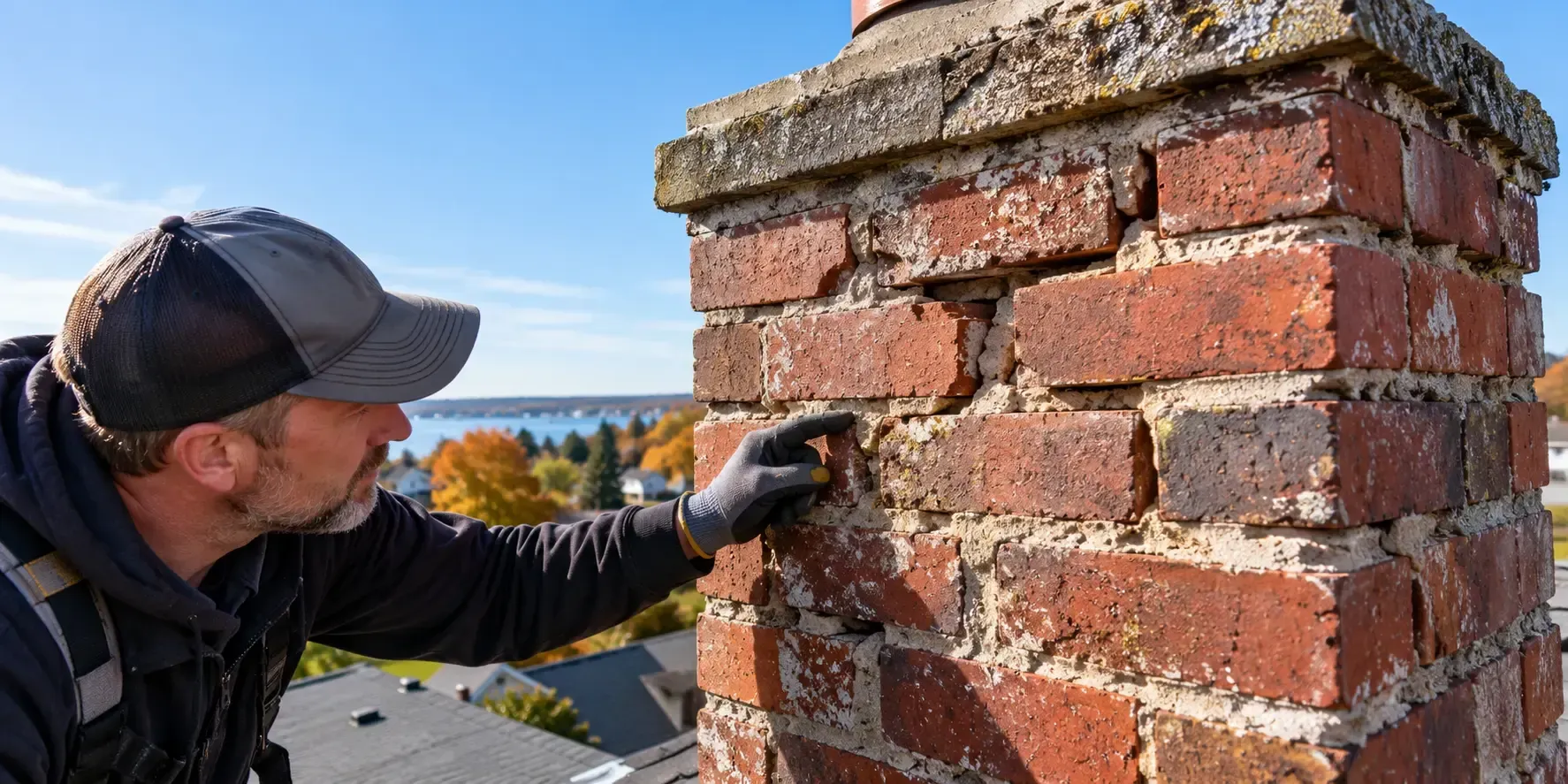
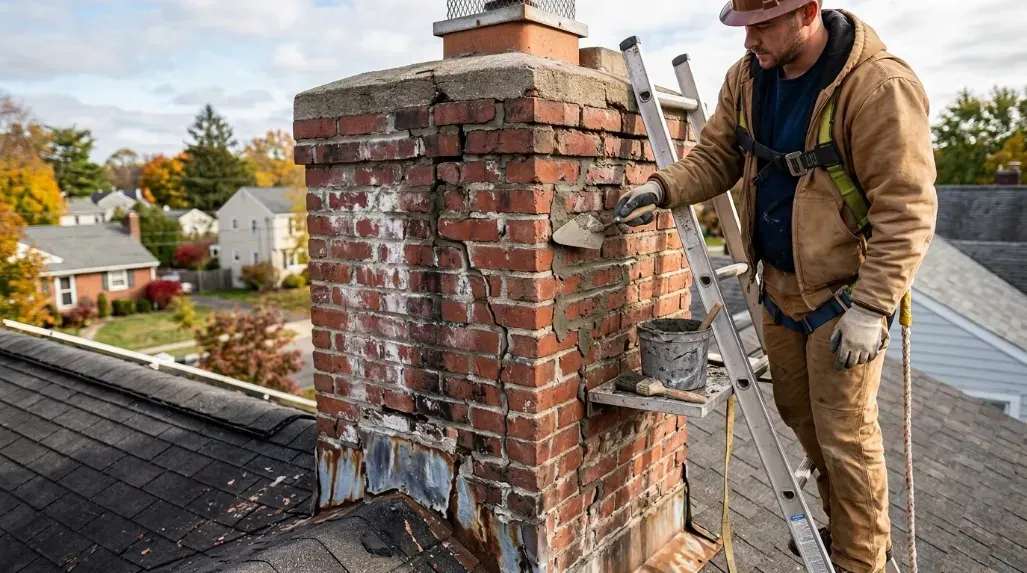
When a damaged crown is ignored, the resulting water intrusion causes a cascade of expensive problems throughout the home. Water that enters through the top of the chimney gravity feeds down through the porous bricks and mortar. This constant saturation causes a condition known as spalling, where the face of the brick flakes off and crumbles to the ground.
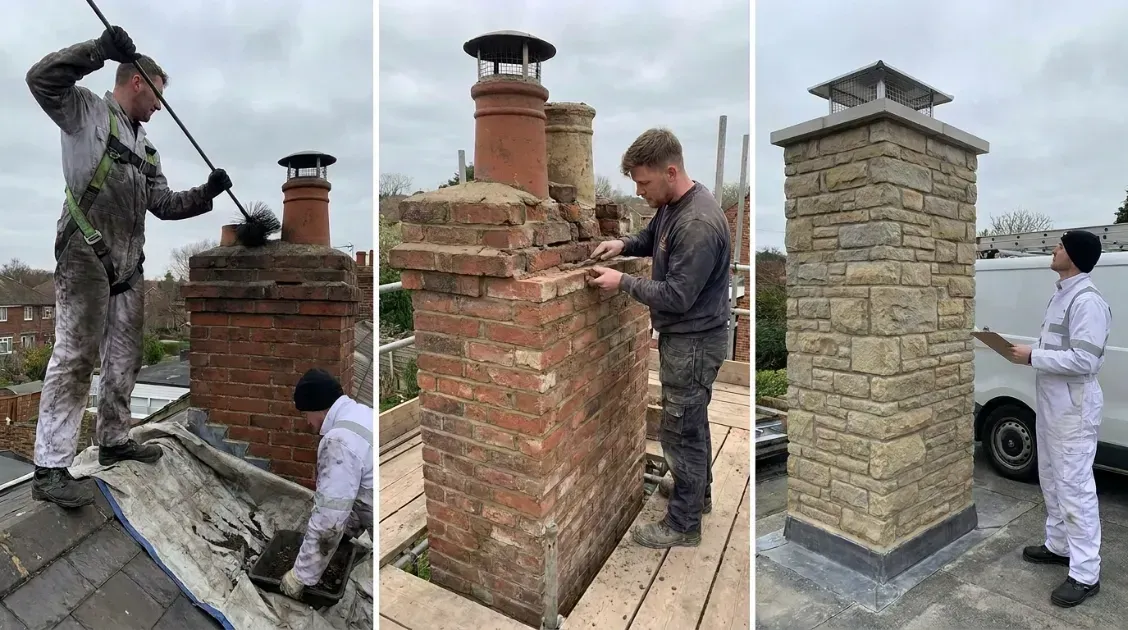
If the damage has progressed to this point, simple crown repair is no longer sufficient. Property owners will need to invest in professional demolition and tuckpointing to replace the decaying mortar joints and stabilize the structure. Tuckpointing grinds out the ruined mortar and replaces it with fresh material to restore the structural integrity of the masonry.
Furthermore, persistent moisture creates an ideal environment for mold and mildew growth inside the home. Water can easily bridge the gap between the masonry and the wooden framing of your attic or walls.
Once the structural repairs are finished, applying comprehensive chimney waterproofing solutions ensures that the bricks themselves repel rain and snow, rather than absorbing it. A breathable, siloxane-based water repellent allows trapped water vapor to escape while blocking external liquid moisture from entering. Homeowners who prioritize waterproofing your chimney save thousands in future masonry replacements.
Selecting the Right Team for Your Portland Property
Masonry requires highly specialized knowledge, particularly when dealing with the specific climatic demands of coastal Maine. General contractors or handymen often lack the specialized materials and training required to properly cast a concrete crown or match historic mortar profiles. Choosing a dedicated local masonry team ensures that the materials used are formulated to withstand the exact freeze-thaw conditions present in our region.
For homeowners seeking reliable repairs, Portland Chimney Service provides comprehensive masonry restoration, from minor sealant applications to complete structural rebuilds. Operating out of 449 Forest Park D Portland, ME 04101, our team understands the architectural nuances of local neighborhoods and the weather patterns that threaten them. You can reach our technicians at +1 207 835-3683 to schedule an assessment of your exterior masonry before the winter storms arrive.
By taking a proactive approach to home maintenance, you preserve the aesthetic appeal of your property and protect your family from the secondary hazards of water damage. Inspecting your roofline annually and acting immediately upon finding a cracked crown is a fundamental responsibility of property ownership.
Frequently Asked Questions
How long does a typical chimney crown repair take?
Most minor crown repairs and sealant applications can be completed in a few hours, provided the weather is dry. If the crown has failed completely and requires a full tear-off and rebuild, the process generally takes a full day, followed by a curing period for the new concrete.
Can I patch a cracked chimney crown myself?
While temporary caulking might stop a leak for a few weeks, do-it-yourself repairs usually fail quickly due to improper material selection and inadequate surface preparation. Standard hardware store caulk cannot withstand the extreme temperature fluctuations of a Maine winter. Professional masons use specialized elastomeric products or pour high-strength concrete for permanent results.
Does homeowners insurance cover chimney crown damage?
Standard homeowners insurance typically covers sudden, accidental damage caused by events like falling tree branches or severe storms. However, it rarely covers damage resulting from long-term wear and tear, lack of maintenance, or standard freeze-thaw weathering. Regular maintenance remains the sole responsibility of the property owner.
Can small cracks in a crown lead to major water damage?
Yes. Even hairline cracks allow moisture to seep in, which can damage masonry, cause leaks, and weaken the chimney structure over time.