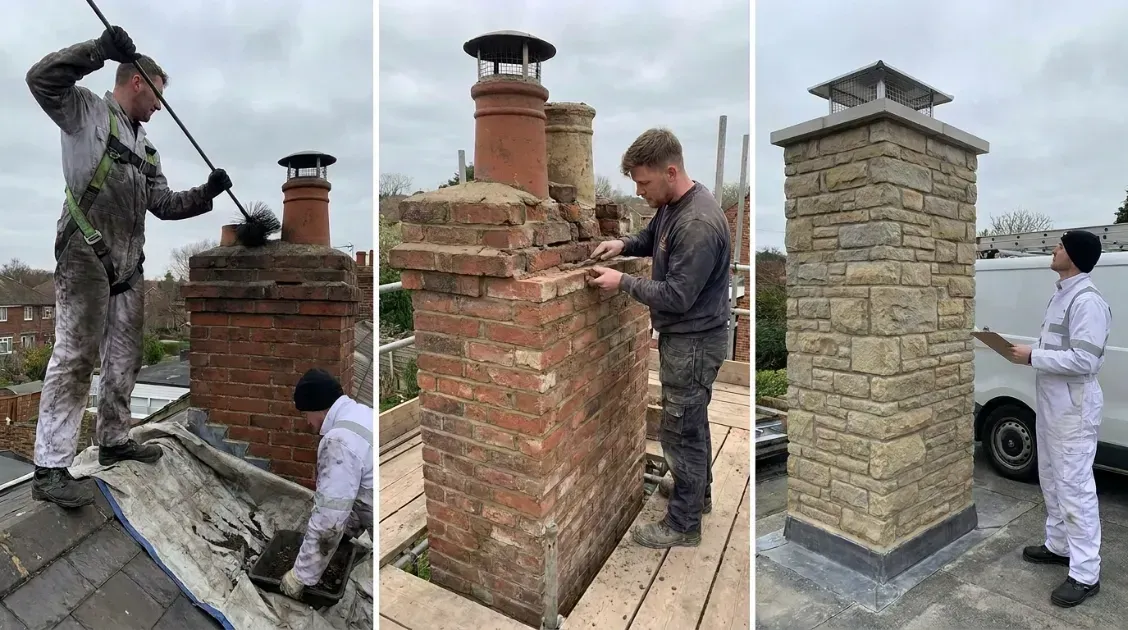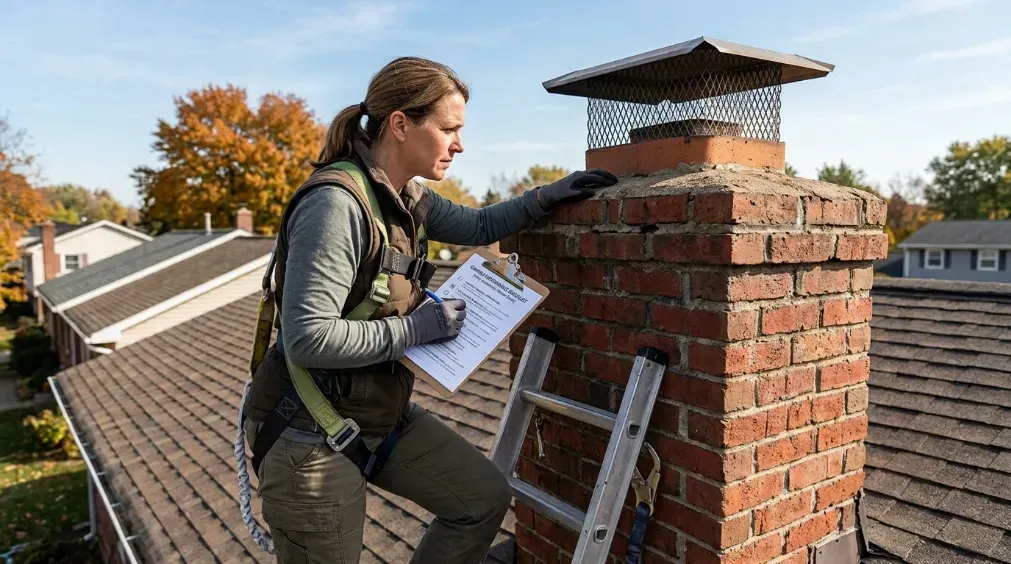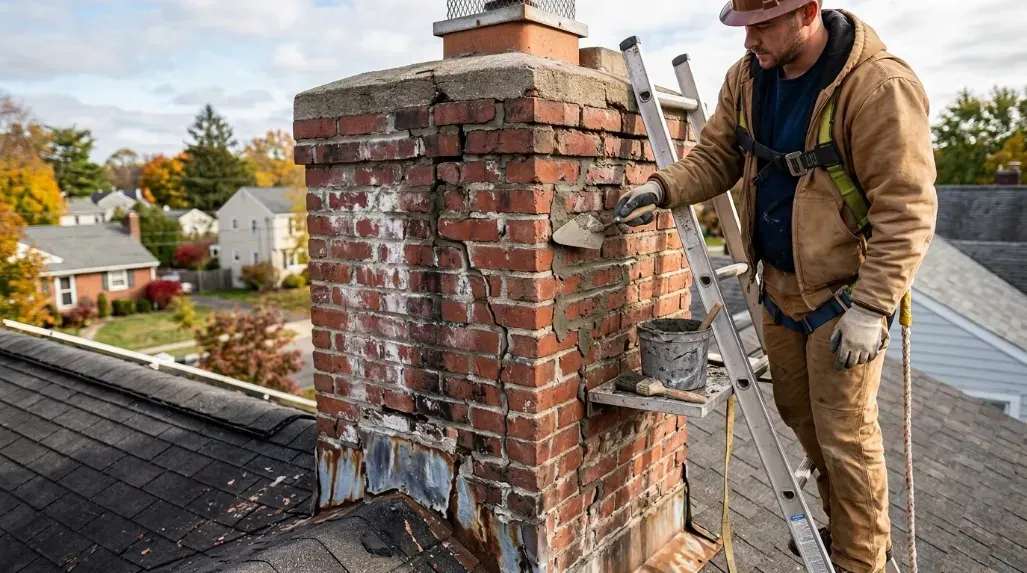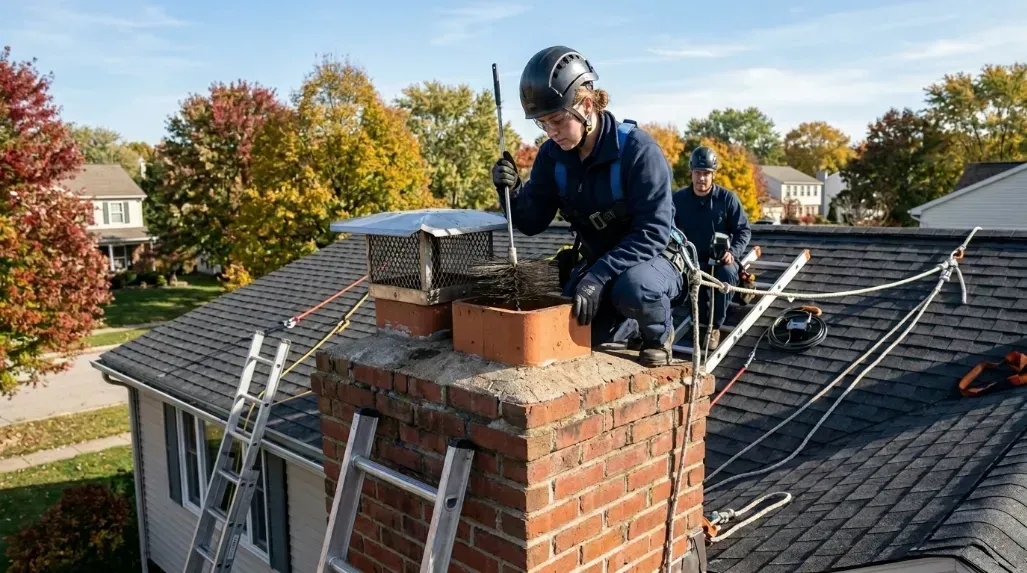
If your fireplace is acting up, don’t ignore the warning signs. Learn what strange fireplace symptoms mean, why they happen, and when to call for a professional Chimney Service in Portland, ME.


Introduction

There’s nothing quite like a cozy fire on a cold Maine evening. But if your fireplace starts smoking, smelling odd, or acting differently, it’s trying to tell you something. Just like any other home system, your chimney and fireplace need regular care to stay safe and efficient.


In Portland, ME, where winters are long and heating systems get heavy use, these strange fireplace symptoms could point to hidden issues that need attention. From creosote buildup to structural wear, understanding these signs can help prevent costly chimney repair and keep your home safe and warm all season long.


This guide explains what these symptoms mean, why they happen, and how to fix them with help from a trusted Chimney Sweep and Chimney Service in Portland, ME.

What Is a Chimney Service?

A chimney service covers everything from inspections and cleanings to full repairs and relining. The main goal is to ensure your fireplace and chimney system operate safely and efficiently.


Common Chimney Services Include:

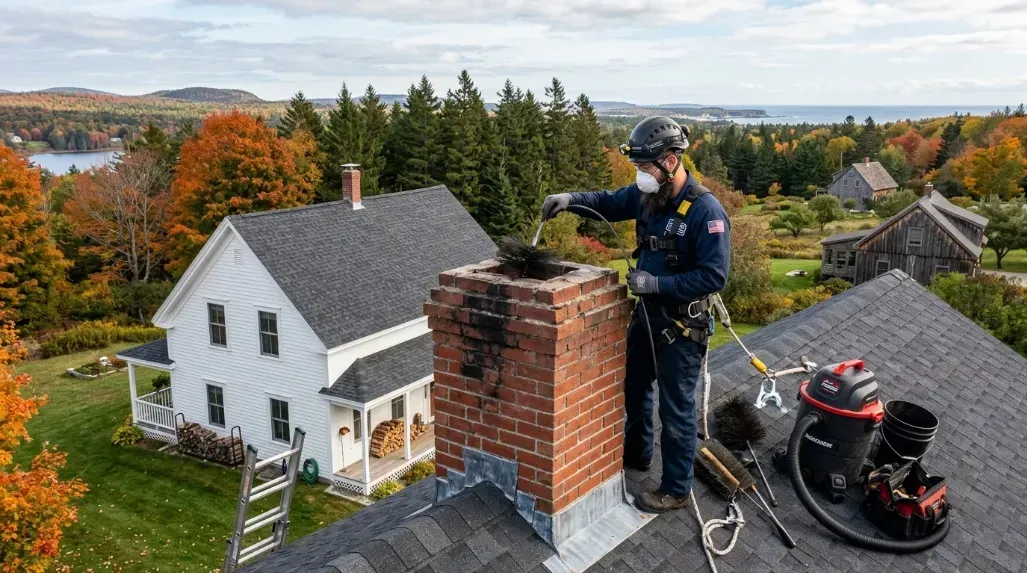
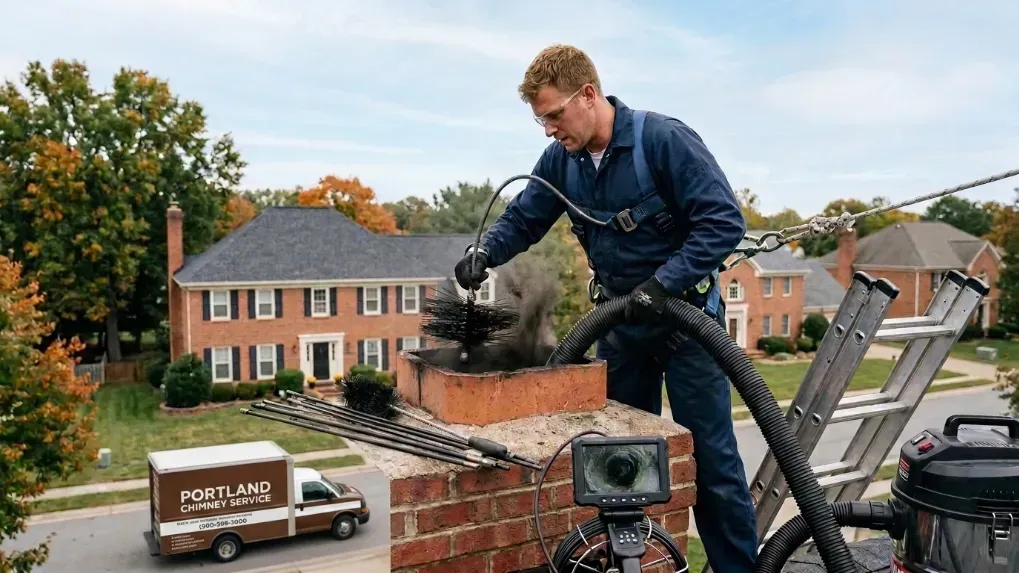
  • Chimney Sweep: Removes creosote, soot, and blockages to reduce fire risk.
  • Chimney Inspection: Identifies cracks, leaks, or obstructions.
  • Chimney Repair: Fixes masonry damage, liners, or flashing.
  • Chimney Cap Installation: Prevents animals and debris from entering.
  • Waterproofing: Protects against Portland’s coastal moisture and freeze-thaw damage.


If you’re unsure which service you need, check out our Services Page for detailed descriptions.


Why Chimney Service Matters in Portland, ME

Portland’s coastal climate is beautiful but tough on masonry. Between snow, ice, salt air, and fluctuating temperatures, chimneys take a beating. Moisture seeps into cracks, freezes, and expands — leading to structural problems over time.


Regular chimney service in Portland, ME keeps your system in shape, helps prevent chimney fires, and ensures proper ventilation. It also protects your home’s air quality, especially important during those long winter months when homes are sealed tight.


Local Expert Tip:
“In Portland, we recommend a full chimney inspection every fall before heavy fireplace use begins,” says
Mark D., owner of Portland Chimney Service. “The damp climate accelerates wear, so early detection is key to safety.”


Strange Fireplace Symptoms (and What They Mean)

1. Smoke Backs Up Into the Room

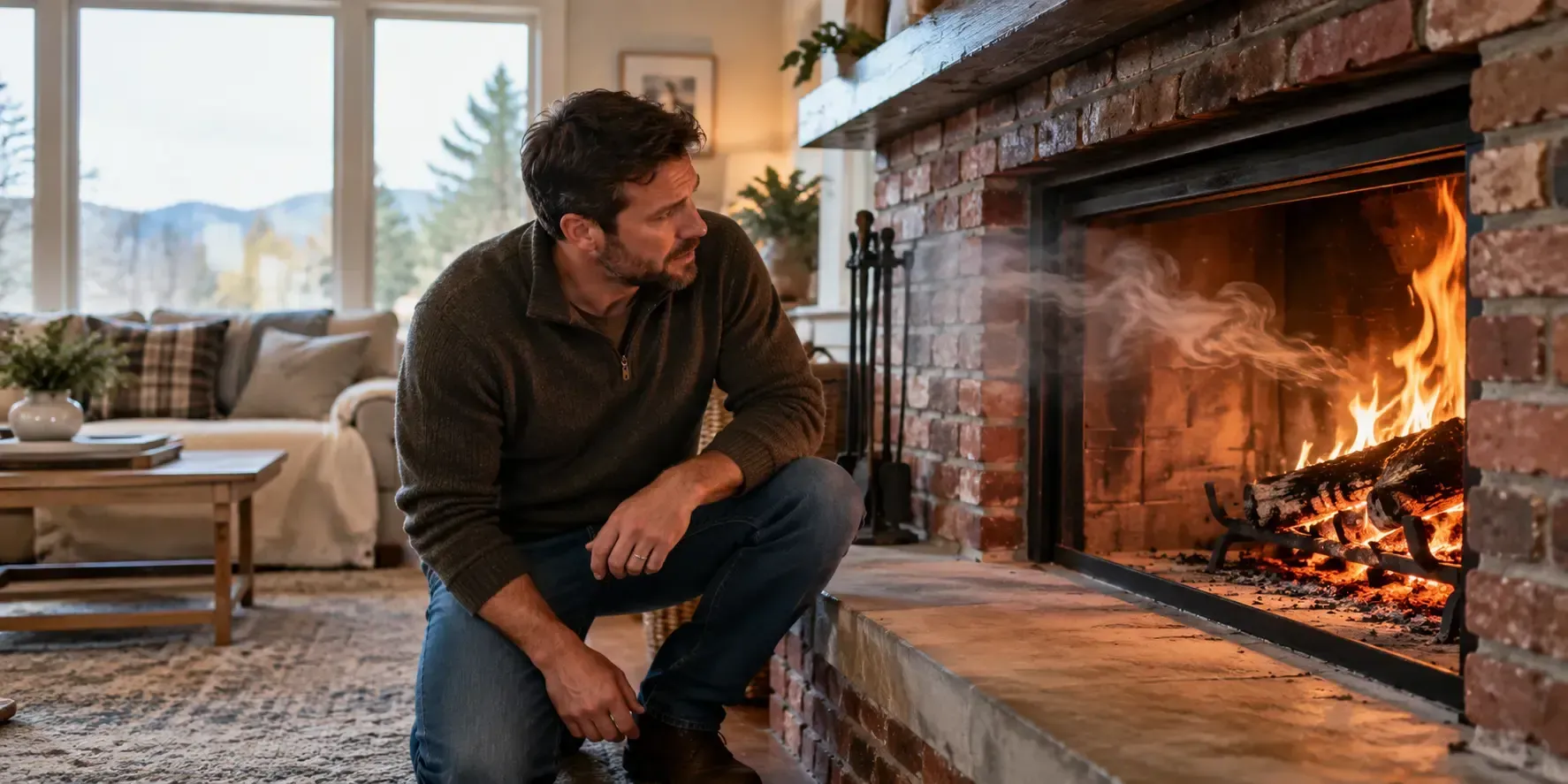
If you notice smoke filling your living room, your chimney may be clogged or your damper stuck. This can also happen if there’s negative air pressure from exhaust fans or tight insulation.


Possible Causes:

  • Creosote buildup
  • Bird nests or debris
  • Closed or broken damper


What to Do:
Open windows slightly to improve airflow and schedule a
chimney sweep immediately.


2. Unusual Odors from the Fireplace

That sour, smoky smell isn’t normal. It’s often caused by moisture mixing with creosote or animal nesting materials.


Possible Causes:

  • Water leaks in chimney crown
  • Poor ventilation
  • Animal activity


Local Insight:
With Portland’s humid summers and damp winters, odor issues are common if chimneys aren’t regularly cleaned.


3. Crumbling or White-Stained Brick

White residue (efflorescence) means water is seeping through the masonry. Left untreated, it can lead to structural damage.


Fix:
A professional
chimney repair can reseal and waterproof your chimney to prevent further moisture intrusion.


4. Difficulty Starting or Maintaining Fires

If fires won’t catch or burn weakly, your chimney might not be drafting properly.


Common Causes:

  • Blocked flue
  • Cold air downdraft
  • Incorrect wood type


Try preheating the flue by burning a small roll of newspaper before lighting your fire.


5. Strange Sounds or Animal Activity

Scratching or chirping sounds indicate that birds, squirrels, or raccoons have moved in. Installing a chimney cap prevents future intrusions.


When to Schedule Chimney Service in Portland, ME

Timing matters, especially with Maine’s seasonal shifts.

Season Best Services to Schedule Reason
Spring Chimney inspection, waterproofing Assess winter damage
Summer Chimney repair, rebuilds Warm weather speeds drying
Fall Chimney sweep, safety check Prepare for heating season
Winter Emergency repairs Handle sudden issues safely

For year-round peace of mind, visit our About Page to learn about our maintenance programs.


How Chimney Repair Works

When you book a chimney repair, here’s what to expect:

  1. Inspection: A certified technician checks for cracks, leaks, and creosote.
  2. Diagnosis: They identify the root cause (e.g., damaged liner, loose bricks).
  3. Repair Plan: You’ll get a quote with service options.
  4. Restoration: Masonry is fixed, and the flue is cleaned and sealed.
  5. Final Check: The system is tested for safe draft and ventilation.


You can easily schedule service through our Contact Page.


Service Comparison Table

Service Type Average Cost (Portland, ME) Frequency Key Benefit
Chimney Sweep $150–$250 Annually Reduces fire risk
Chimney Inspection $100–$200 Annually Detects issues early
Chimney Repair $300–$1,200+ As needed Extends lifespan
Waterproofing $200–$500 Every 5 years Prevents moisture damage


Portland Homeowner Fireplace Safety Checklist

  • Schedule annual chimney inspection
  • Clean fireplace and remove ashes
  • Install a carbon monoxide detector
  • Keep damper open when burning
  • Use seasoned hardwood only
  • Have a chimney sweep before each winter


Expert Advice for Portland, ME Homeowners

“We see a spike in chimney fire calls every January,” notes Sarah L., a Portland fire safety inspector.
“Many could be avoided with pre-season inspections and cleanings.”


The damp Portland climate increases creosote buildup, so staying proactive isn’t just smart — it’s safe.


What Happens If You Ignore the Signs?

Ignoring strange fireplace symptoms can lead to:

  • Chimney fires
  • Carbon monoxide leaks
  • Expensive structural repairs
  • Poor indoor air quality


It’s always better (and cheaper) to fix minor problems early than face a full rebuild later.


Key Takeaways

  • Chimney service is vital for safe fireplace operation.
  • Portland’s wet, coastal weather accelerates chimney wear.
  • Schedule chimney sweeps and inspections annually — preferably in spring or fall.
  • Don’t ignore unusual smells, smoke, or masonry changes.
  • Contact a local expert to ensure long-term safety and comfort.


FAQs

What’s the best time to schedule chimney service in Portland, ME?
Spring and fall are ideal to check for winter damage and prepare for heating season.


How often should I have my chimney swept?
Once per year or after every cord of wood burned, whichever comes first.


Can I clean my own chimney?
DIY cleaning isn’t recommended. A professional
chimney sweep uses specialized tools and cameras for thorough results.


Why does my fireplace smell bad when it rains?
Moisture is likely mixing with creosote deposits. Waterproofing and proper ventilation fix this.


What causes white stains on chimney bricks?
Efflorescence — a sign of trapped moisture that needs prompt attention.


Who should I call for chimney repair in Portland, ME?
You can reach out to
Portland Chimney Service for inspections, repairs, and expert advice.


Conclusion

Your fireplace should bring comfort — not concern. If you’ve noticed strange smoke, smells, or sounds, don’t ignore them. They’re your chimney’s way of asking for help.


Regular maintenance and prompt chimney repair not only protect your home but also ensure cozy, worry-free winters in Portland, ME.


Ready to schedule service? Visit our Home Page or Contact Page today to book your inspection.
By John Constantine March 22, 2026
Portland winters chew up brick and spit out dust. It is exactly that simple. When a January Nor’easter rips across the Eastern Promenade, your chimney takes the absolute brunt of the assault. Most homeowners completely ignore their masonry until dark water stains suddenly appear on the living room ceiling. By then, the structural damage is already done. You need a defense strategy right now. Living on the coast of Maine means battling a hyper-aggressive climate. Your home is constantly bombarded by salt-heavy air, driving freezing rain, and rapid temperature fluctuations. Bricks act like sponges. Literally. If you leave your masonry unprotected against Casco Bay's harsh elements, you are effectively putting your home on borrowed time.
By John Constantine March 18, 2026
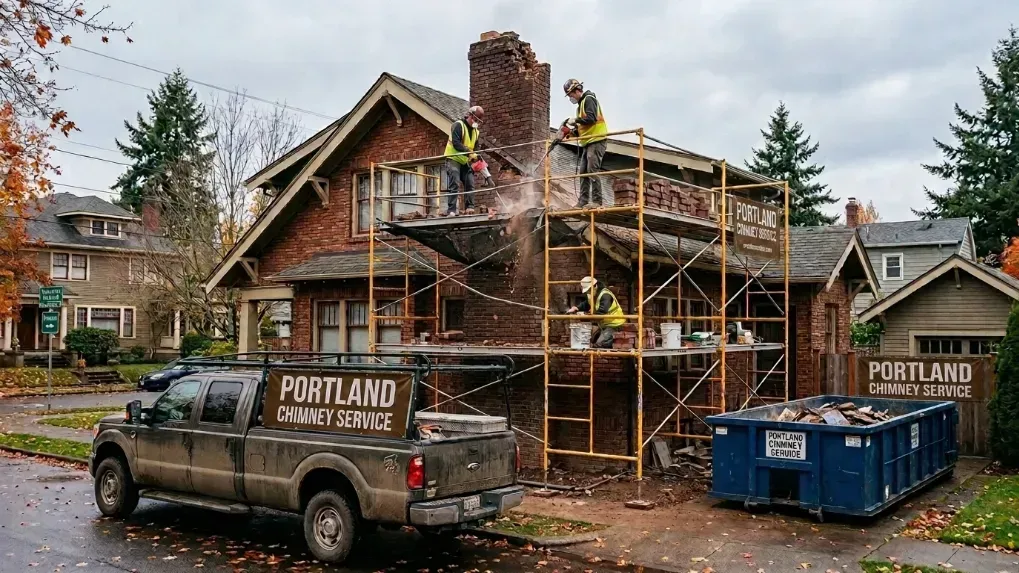
Winter in Maine does not play fair. The freezing coastal gales whipping off Casco Bay will test every brick, joint, and flue in your home. If you own property in Portland, you already know the drill. Ice expands. Mortar cracks. Bricks spall. Before you realize it, that stately chimney on your West End Victorian is a massive structural liability. Ignoring the damage is not an option. Gravity always wins.  Protecting a historic or modern home in this climate requires a comprehensive approach. It takes more than a quick visual check from the driveway. You need a calculated combination of strategic demolition, precision tuckpointing, and rigorous maintenance. When you pair heavy masonry restoration with professional Chimney Sweep and Repair Services, you bulletproof your home against the Northeast's worst moods.
By John Constantine March 10, 2026
Water is the enemy. If you own a home in Portland, Maine, you already know the drill. Nor'easters batter the coast. Freezing rain coats everything in sight. And while you are comfortably sitting by the fire, your chimney is outside taking an absolute beating. Let's get straight to the facts: untreated masonry acts exactly like a giant sponge. A single brick can absorb up to a cup and a half of water. When that water freezes, you have a major structural crisis on your hands. Too many homeowners ignore their chimneys until water is literally dripping into their firebox or staining their living room ceiling. By then, the damage is done. Protecting your brickwork requires proactive defense. It requires professional waterproofing, and it requires it before the Maine winter sets in.
By John Constantine March 4, 2026
Portland winters do not negotiate. If you own a home in the West End or near the Eastern Promenade, you know the biting wind off Casco Bay isn't just uncomfortable for you—it is actively destroying your masonry. That charming brick aesthetic defining our city’s historic architecture is under constant assault from salt air, freeze-thaw cycles, and time itself. Ignore a hairline crack in September, and you might be looking at a collapsed flue by March. It happens faster than you think. Whether you are trying to preserve a 19th-century Victorian or maintaining a mid-century Cape, structural integrity is non-negotiable. At Portland Chimney Service , we have seen it all. From soot-choked flues requiring a deep chimney cleaning service to unstable stacks needing full-scale demolition, we know exactly what Maine weather does to brick and mortar.
By John Constantine February 21, 2026
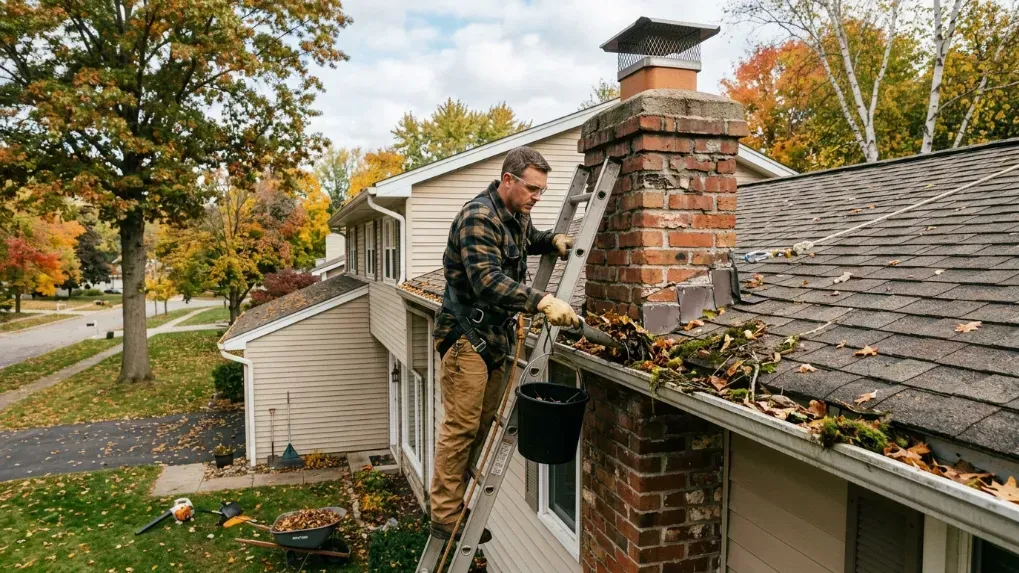
The Atlantic Ocean is a beautiful neighbor, but a terrible houseguest. If you own property in Portland, you know exactly what happens when a Nor'easter whips off Casco Bay. The wind howls. The rain moves sideways. And your home’s exterior faces a brutal stress test. Most homeowners treat their roof systems as separate components. They hire one guy to scoop leaves out of the gutters and another to inspect the flue. This is a mistake. In the harsh Maine climate, your gutter system and your chimney are physically and functionally linked. When one fails, the other usually pays the price. At Portland Chimney Service , we see the aftermath of this disconnect every spring. We see rotted fascia boards near chimney chases. We see spalling bricks caused by overflow. It’s expensive, it’s messy, and frankly, it’s preventable.
By John Constantine February 11, 2026
The wind coming off Casco Bay changes in late October. It stops feeling crisp and starts feeling aggressive. If you own a home in Portland—whether it’s a triple-decker on Munjoy Hill or a colonial in the Deering Center—you know the drill. Winter here isn’t just a season; it’s a stress test for your property. While you might be focused on sealing windows or stacking firewood, two critical systems usually get ignored until catastrophe strikes: the gutters and the chimney. Water and fire. Managing these two elements is the only thing standing between a cozy winter and a five-figure repair bill. Neglect is expensive. Proactive maintenance is cheap.  You cannot separate the health of your roofline from the safety of your hearth. They work in tandem to protect the building envelope. This fall, securing professional gutter cleaning and a certified chimney service isn’t a luxury. It is a mandatory defense strategy against the Maine freeze-thaw cycle.
By John Constantine February 4, 2026
Your chimney is a giant, vertical sponge. It sits on your roof, exposed to the elements, absorbing every drop of rain that hits its surface. Most homeowners assume that because brick is hard, it is also waterproof. That is a dangerous mistake. Brick is porous. Mortar is even more porous. Without a professional barrier, your chimney is slowly dissolving, one rainstorm at a time. If you ignore this, you aren't just looking at a drafty fireplace; you are looking at a structural failure that can cost tens of thousands of dollars to repair. 
By John Constantine January 28, 2026
The wind coming off Casco Bay in January doesn't just cut through your coat. It attacks your masonry. If you own a home in Portland, specifically in the 04101 zip code or the historic West End, you know the drill. Rain turns to sleet, sleet turns to snow, and then it all melts and freezes again. It’s a brutal cycle. Most homeowners ignore their chimney until a brick lands on the patio. By then, it’s too late. The damage is done. Your chimney isn't just a smoke exhaust; it's a structural engine that keeps your home safe. But without professional intervention, Maine’s winter moisture will destroy it from the inside out. This isn't about aesthetics. It's about structural integrity. Here is why securing a professional chimney service for waterproofing is the smartest investment you can make this season.
By John Constantine January 21, 2026
Your chimney is the most dangerous part of your Portland home. That sounds like hyperbole, but if you live in a classic New England Victorian or a colonial-style house near the Back Cove, it’s a cold hard fact. For decades, chimneys in Maine were built with clay tile liners or, worse, no liners at all. These systems were never designed to handle the high-efficiency demands of modern heating appliances or the biting, salt-heavy humidity of Casco Bay. If your flue is cracked, crumbling, or unlined, you aren't just losing heat. You are risking a structure fire or carbon monoxide poisoning every time you strike a match. It’s that simple.  Upgrading to Stainless Steel Chimney Liners is no longer a luxury for Portland homeowners; it is a fundamental requirement for home safety and efficiency. At Portland Chimney Service, we see the aftermath of neglect every winter. We see the soot-stained bricks and the frightening internal cracks that a standard flashlight can’t find. As the premier local chimney expert , we know that a high-quality metal liner is the only way to truly "future-proof" your hearth. If you want to see how we handle these critical upgrades, you should visit Our Homepage to see our commitment to the Greater Portland area.
By John Constantine January 17, 2026
The wind screams off Casco Bay in January. It carries a bite that cuts through the thickest wool. Inside your Portland home, the hearth is the heartbeat of the house. You stack the seasoned oak, strike a match, and wait for that familiar amber glow. But behind the brick and mortar, a silent threat might be brewing. Most homeowners assume if the smoke goes up, the system is fine. That assumption is dangerous. In Maine, our winters don't just test our patience; they dismantle our masonry. Chimney service isn't a luxury. It is a fundamental requirement for coastal living. The National Fire Protection Association (NFPA) 211 standards are clear: every chimney, fireplace, and vent needs an annual inspection. This isn't just about sweeping away soot. It’s about structural integrity. In Portland, our chimneys face a unique enemy: the freeze-thaw cycle. When freezing rain hits your brickwork, moisture seeps into the porous surface. Then it freezes. Water expands by roughly 9% when it turns to ice. This microscopic expansion acts like a slow-motion jackhammer, widening cracks and popping the faces off your bricks—a process known as spalling. If you haven't had a professional look at your stack this season, you're playing a high-stakes game with the Atlantic elements.