Key Takeaways
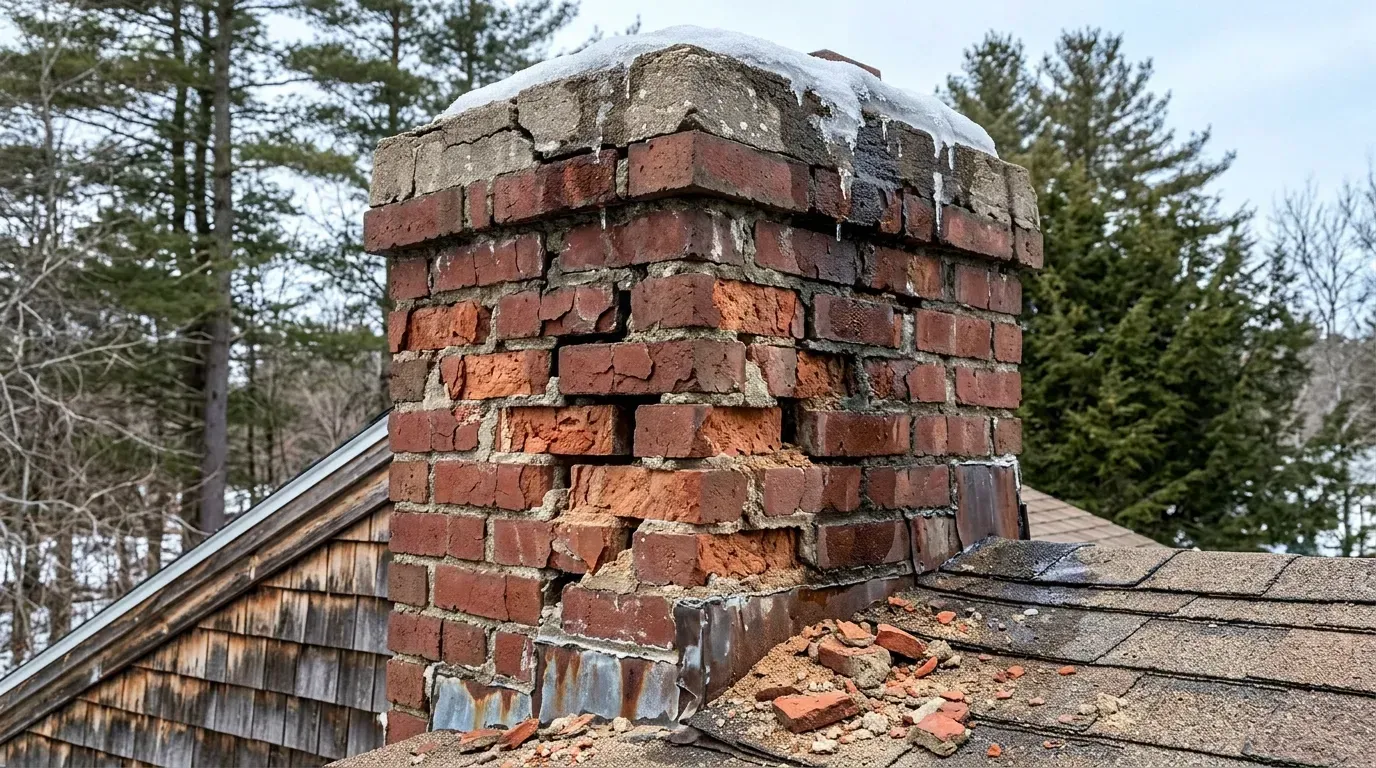
- Cracks and open joints are common paths for water into the chimney system.
- Early sealing and crown work limit interior staining and freeze damage.
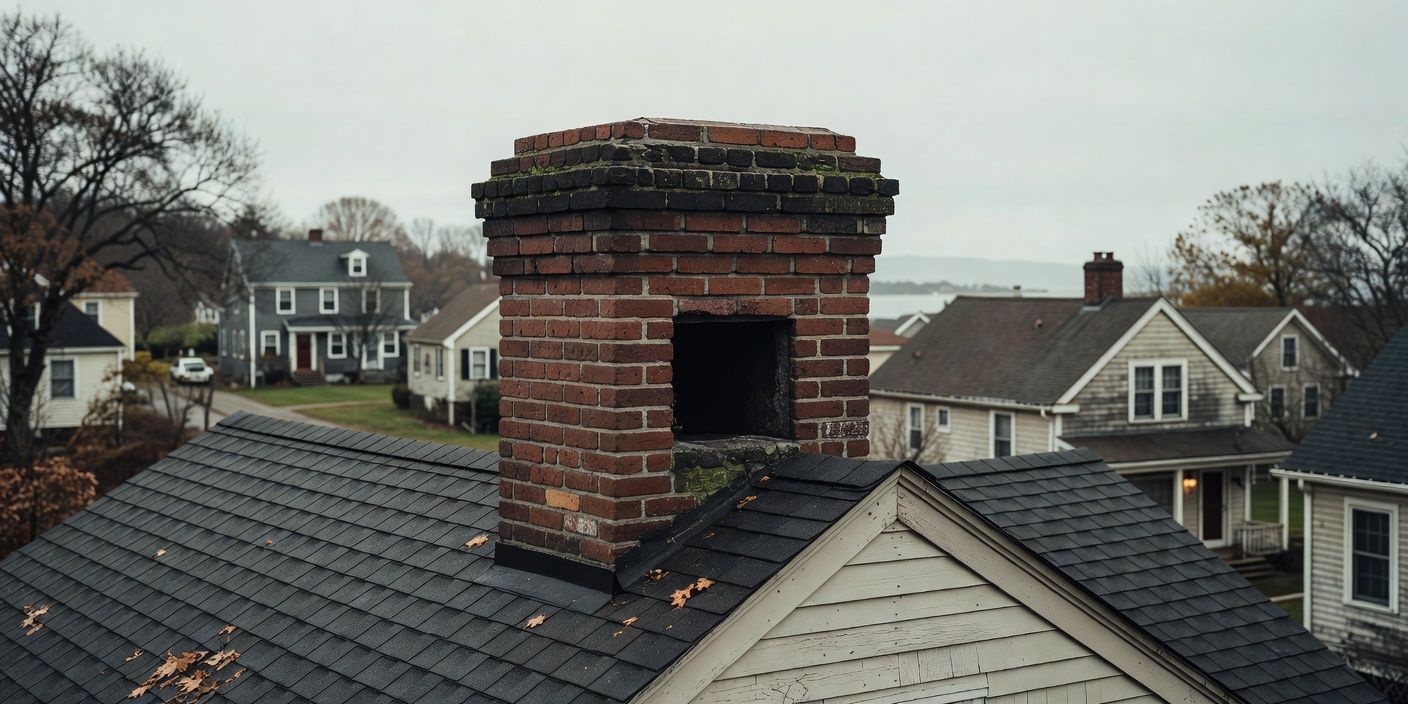
- Leaks often show as damp smell, rust, or white residue on masonry.
- Local inspection confirms whether tuckpointing, liners, or flashing need work.
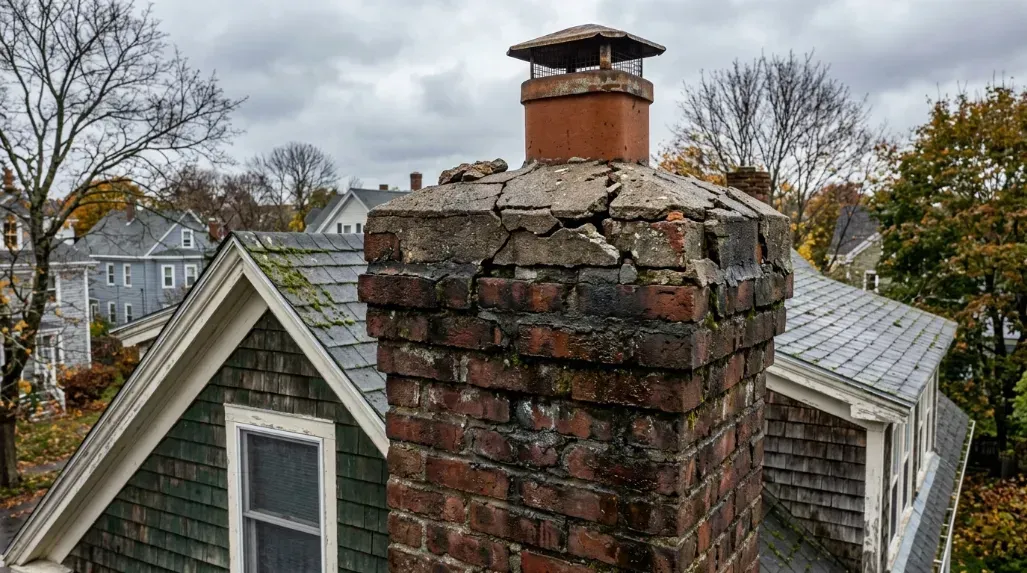
In Portland, ME 04101, small masonry flaws can funnel rain into the flue and chase. Portland Chimney Service handles chimney repair for cracks, leaks, and water damage with clear diagnostics and lasting seals. Homeowners get practical next steps from a local crew that knows coastal weather and older stacks.
Why do chimney cracks and leaks need prompt attention?
Cracks, failed crowns, and loose flashing let rain track into the flue and chase, where freeze-thaw and moisture can loosen mortar, stain walls, and stress the structure in Portland, ME 04101 homes; timely chimney repair services stop that path before damage spreads. Our certified chimney technicians for reliable chimney care document findings so you know scope and cost.
Which chimney repair option fits cracks, leaks, or water damage?
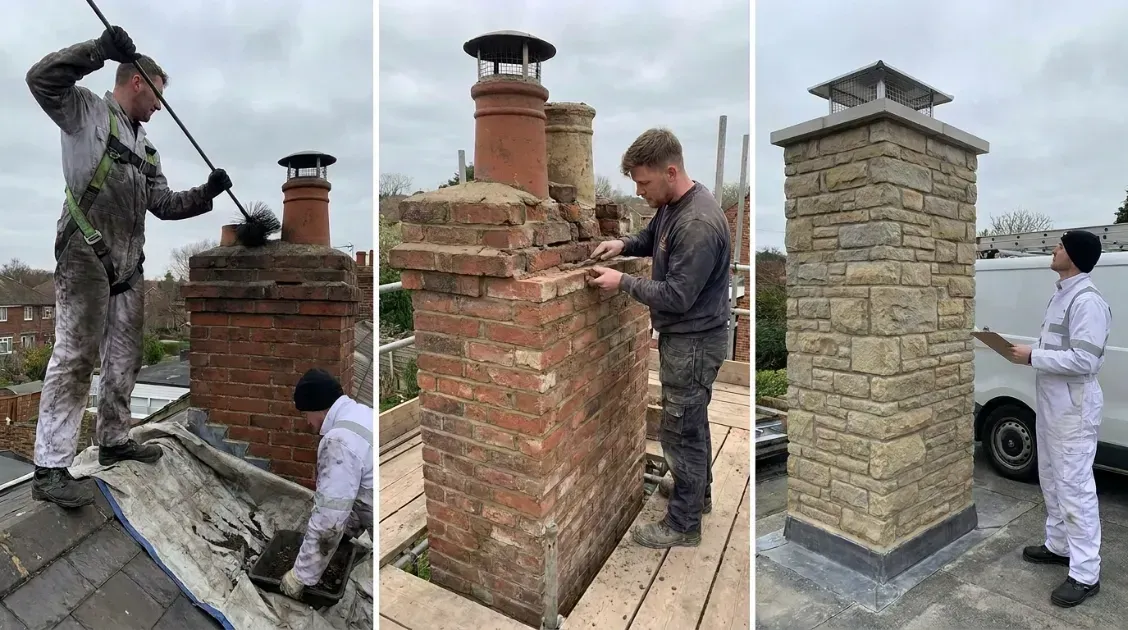
For Portland, ME 04101 stacks, match the fix to the failure: hairline mortar and open joints need tuckpointing, cracked crowns need rebuild or seal, failed step flashing needs metal work, and soaked interiors often need liner or chase drying plus waterproofing so freeze-thaw does not reopen paths after chimney repair is complete.
| Option | Best for | Watch-out | Typical next step |
|---|---|---|---|
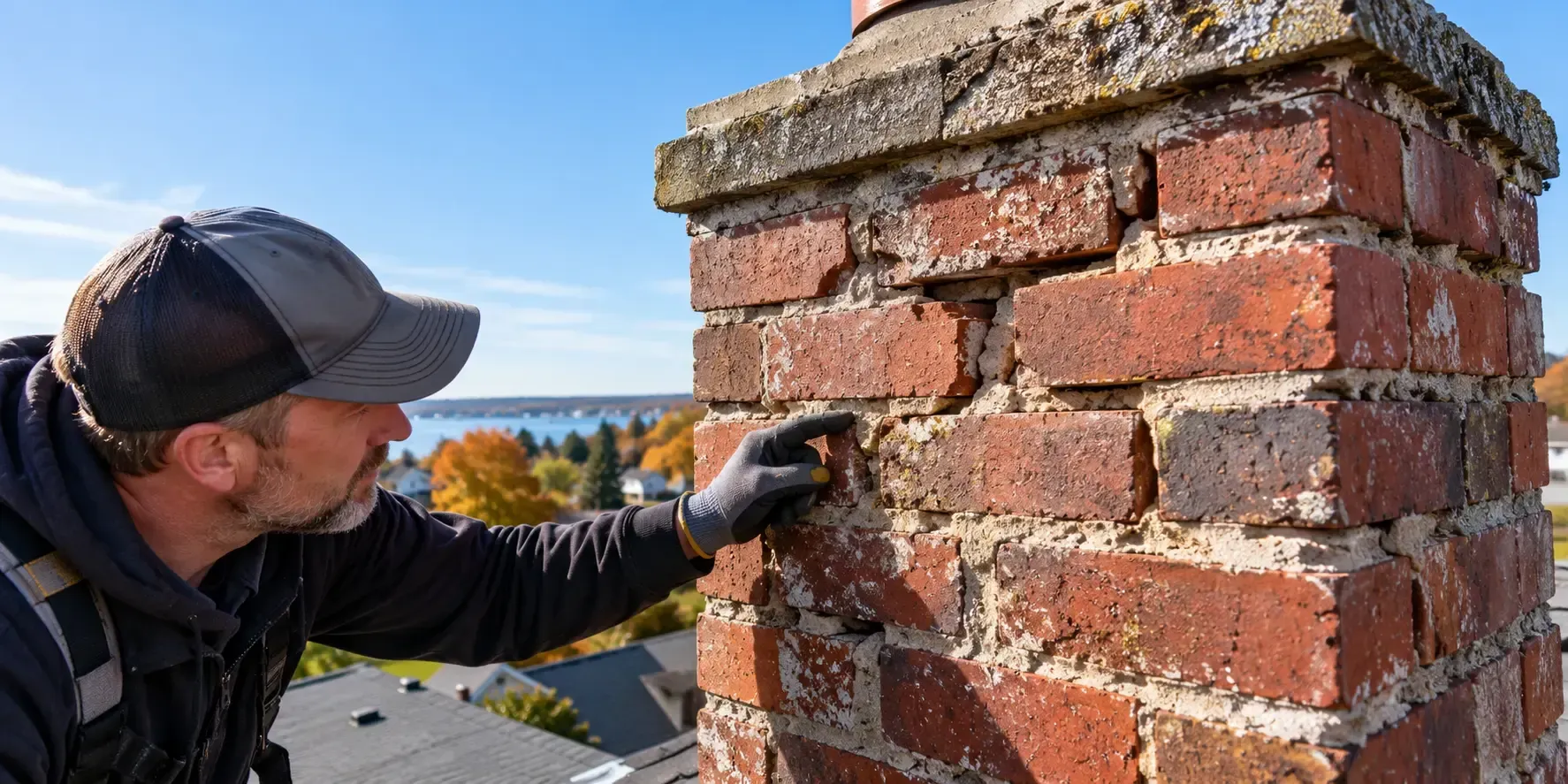
| Tuckpointing | Cracked or missing mortar joints | Soft historic brick needs matching mortar | Rake, repoint, cure, then water check |
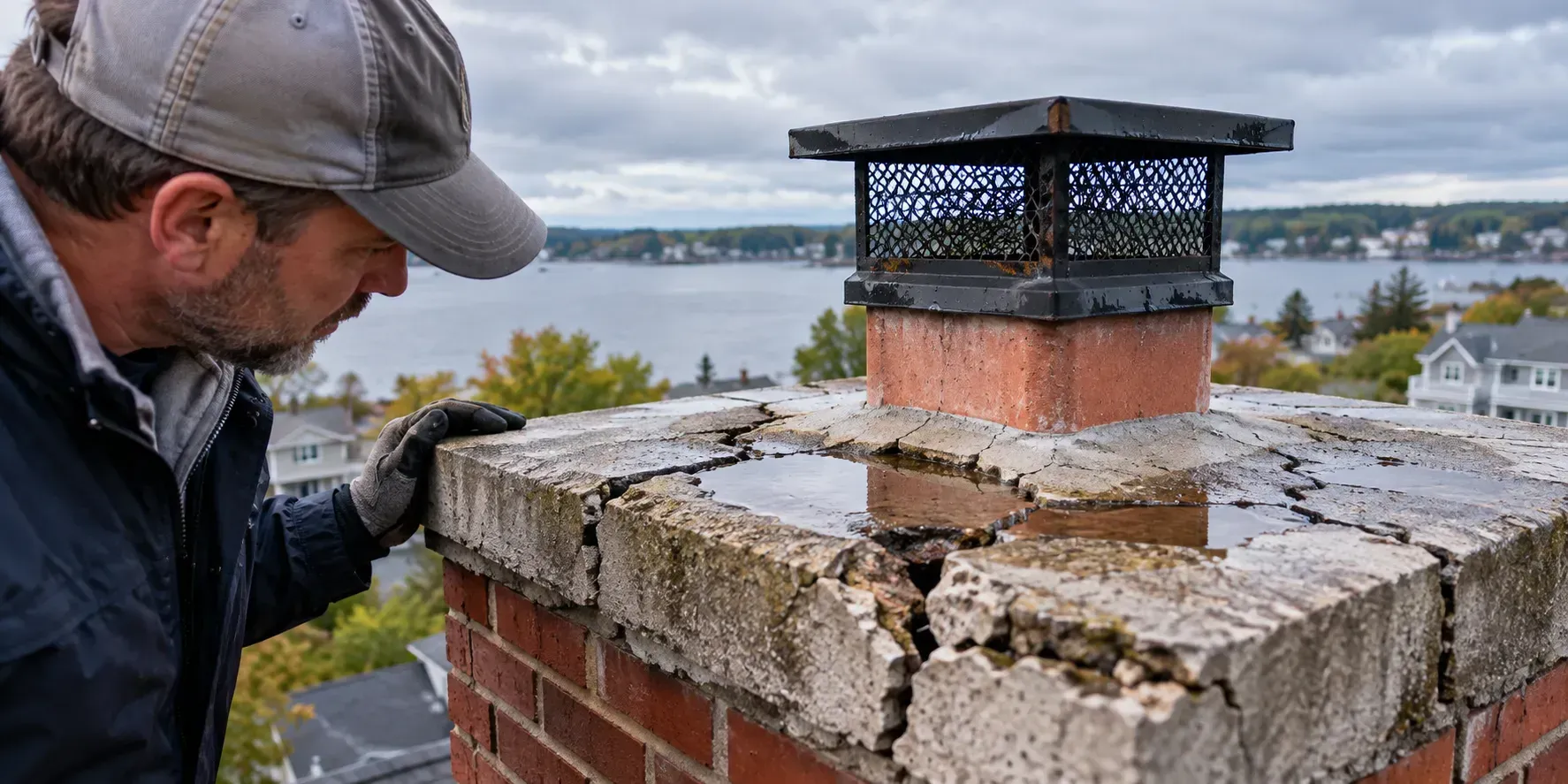
| Crown repair or rebuild | Ponding, hairline crown cracks | Thin coatings over failed concrete fail fast | Rebuild slope, seal perimeter, reinspect |
| Flashing replacement | Wall stains at roof-chimney joint | Caulk-only patches rarely last coastal rain | Counterflash into masonry, tie to roofing |
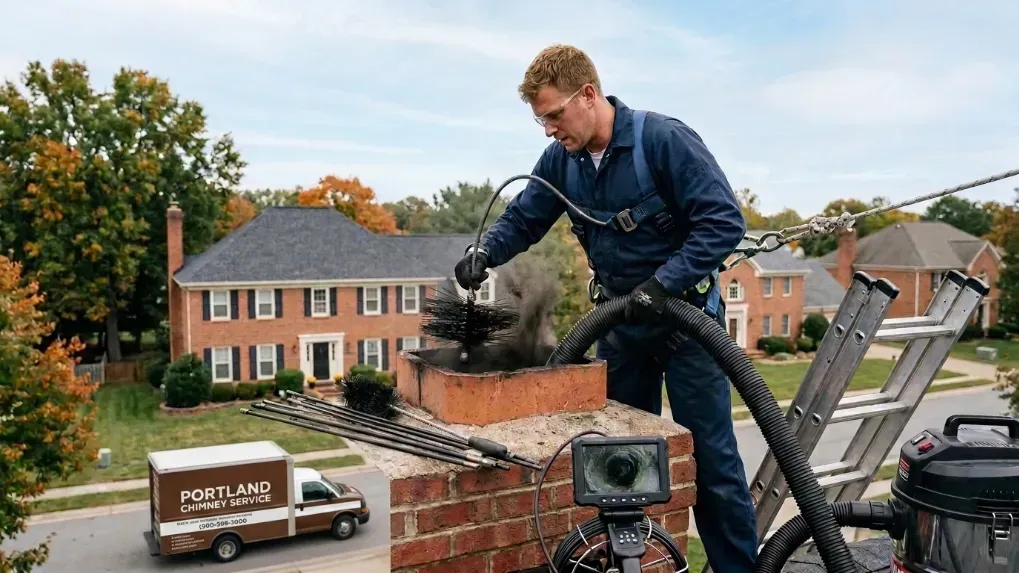
Our approach starts with moisture mapping, not guesswork. Coastal wind-driven rain hits crowns and step flashings first. We photograph open joints, rusted dampers, and chase stains so scope stays honest.
After repairs, a short water test confirms the path is closed. If stains return, we recheck flashing and chase, not the same patch twice.
Ready for a clear plan on your stack? Contact Portland Chimney Service to schedule inspection and repair timing around Portland weather.
Which Chimney Issues Need Repair First in Portland, ME 04101?
In Portland, ME 04101, prioritize active water entry, loose crown concrete, failed roof flashing, and open mortar joints before cosmetic brick work, because coastal rain and freeze-thaw widen small paths fast; address liner rust and interior damp next so smoke and moisture stay controlled while chimney repair locks the structure. Start at the top. Crowns that pond water drive leaks into the flue and masonry core. Flashing at the roof line follows close behind when wall stains track below the chase.
Mortar gaps matter when bricks shift or joints hollow out. Soft historic brick needs compatible repointing, not hard modern mix that cracks again.
Interior clues help rank urgency. White residue, rusted dampers, and musty chase air often mean liner or waterproofing work after the outer shell is dry. Portland Chimney Service sequences work so exterior seals do not trap moisture still moving inside. Our crews match scope to what you see and what a moisture check shows.
Pair repairs with care from
certified chimney technicians for reliable chimney care so inspection, rebuild, and sealing stay aligned. That keeps one crew accountable from diagnosis through cure time.
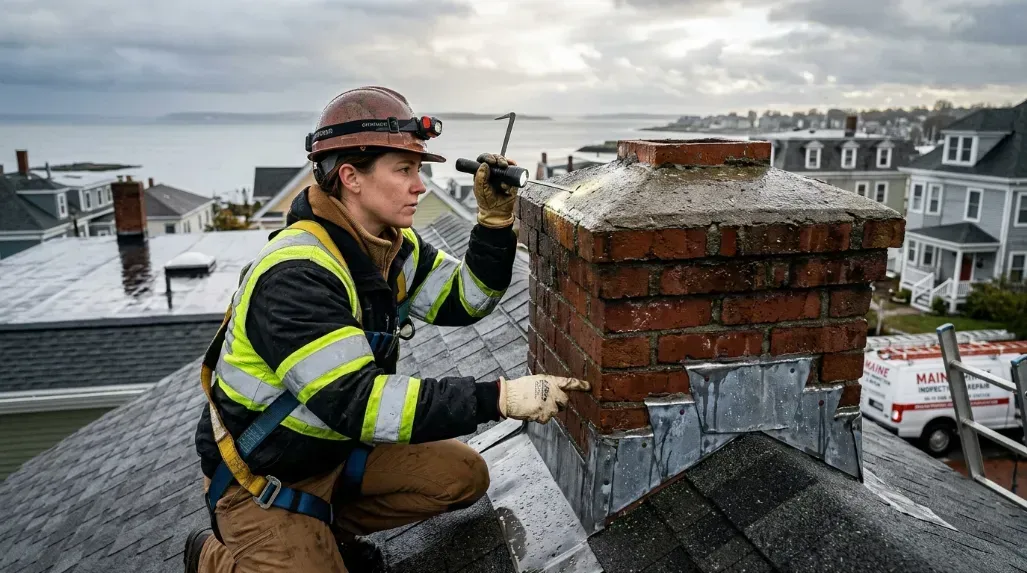
If you are unsure what fails first on your stack, a site visit ranks risks in plain order and sets repair timing around local weather windows.
Why cracks and leaks escalate in Portland weather
Coastal rain and freeze–thaw cycles open mortar and crown hairlines quickly, so early chimney repair stops water from soaking brick, flue liners, and framing. Portland, ME 04101 homes near the bay see salt air and wind-driven rain push moisture past weak flashing long before interior stains show. Acting on small gaps protects draft, structure, and indoor air without waiting for a full rebuild.
Water follows the path of least resistance from crown to chase. Once it freezes in joints, bricks spall and metal rusts. A ranked inspection—crown, flashing, mortar, liner—matches scope to damage instead of guessing.
Common failure points crews check first
Crowns that pond water drive leaks into the flue and masonry core. Flashing at the roof line follows when wall stains track below the chase. Mortar gaps matter when bricks shift or joints hollow out. Soft historic brick needs compatible repointing, not hard modern mix that cracks again.
Interior clues rank urgency. White residue, rusted dampers, and musty chase air often mean liner or waterproofing work after the outer shell is dry. Portland Chimney Service sequences work so exterior seals do not trap moisture still moving inside. Crews match scope to what you see and what a moisture check shows.
Pair repairs with care from
certified chimney technicians for reliable chimney care so inspection, rebuild, and sealing stay aligned. One crew stays accountable from diagnosis through cure time.
How chimney repair is scoped on site
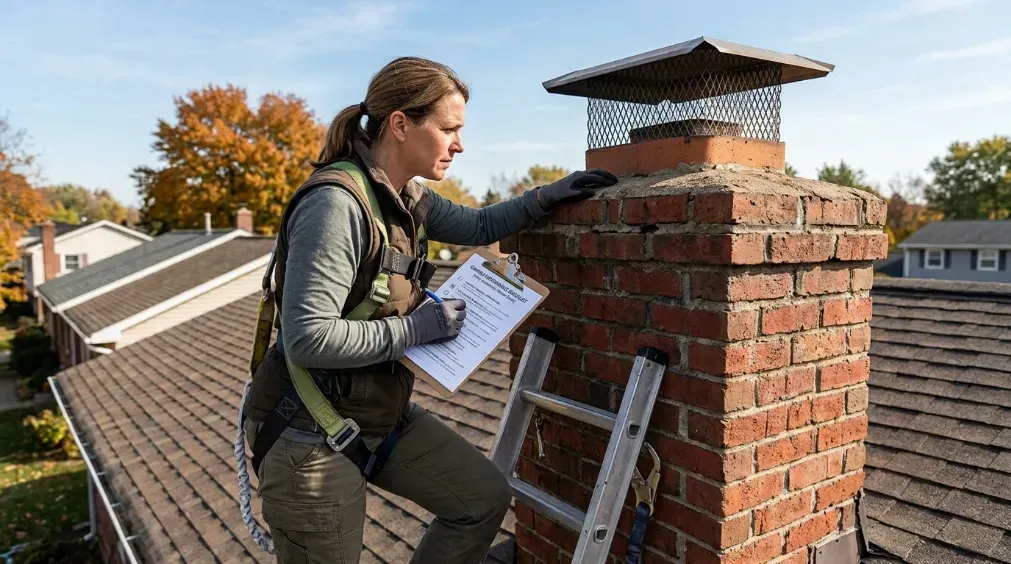
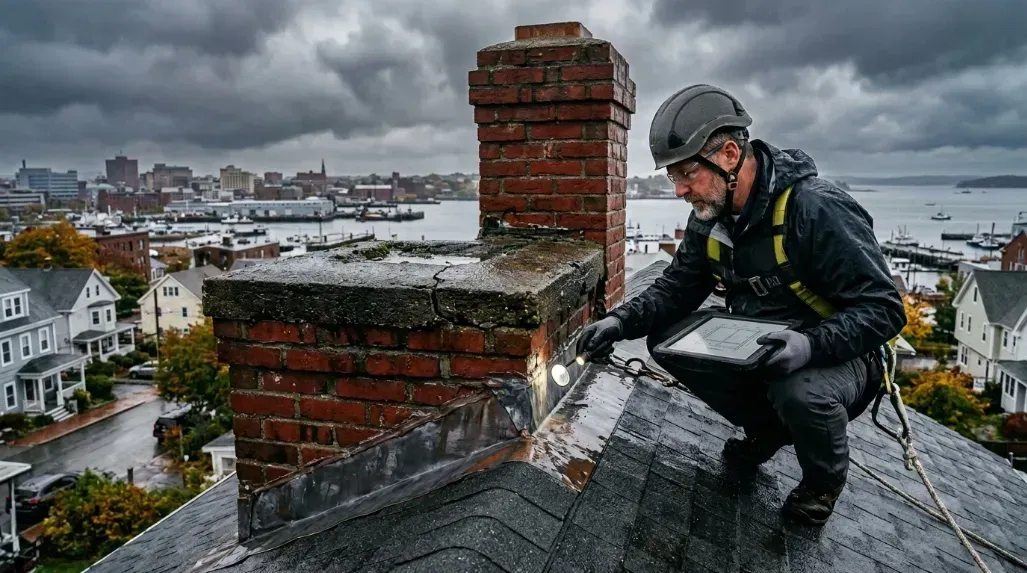
Technicians walk the roof, probe soft mortar, and check flue condition before any sealant goes on. Moisture meters and camera views show whether water is still active inside the chase. That evidence sets order: shed water first, then stabilize masonry, then address liner rust and interior damp so smoke and moisture stay controlled while chimney repair.
Preferred Source on Google Search
Add www.portlandchimneyservice.com to customize your search feed across Top Stories.