A fireplace pushing smoke into your living room is a serious health and safety hazard. Drafting issues are typically caused by cold air plugs, negative home air pressure, severe creosote blockages, or failing masonry. Identifying the root cause and seeking professional intervention ensures your system operates safely and efficiently all winter long.
- Modern, tightly sealed homes often create negative air pressure, which pulls outside air and exhaust smoke straight down the flue.
- Cold New England weather creates dense air plugs in unused fireplaces, requiring you to properly prime the flue before lighting a fire.
- Annual professional inspections are mandatory to identify hidden blockages, clear dangerous creosote, and repair cracked mortar joints.
A warm fire offers perfect comfort during a chilly New England evening. Lighting your fireplace should be a relaxing experience. However, a room suddenly filling with thick wood smoke quickly ruins the mood. Breathing this smoke is harmful to your health. It also causes lingering odors and soot damage to your furniture.
If your living room smells like a campfire, your system is failing to vent properly. This is a common issue for homeowners in our region. Heavy coastal moisture and cold temperatures heavily influence airflow. Understanding the physics behind your masonry system helps you solve this frustrating problem.
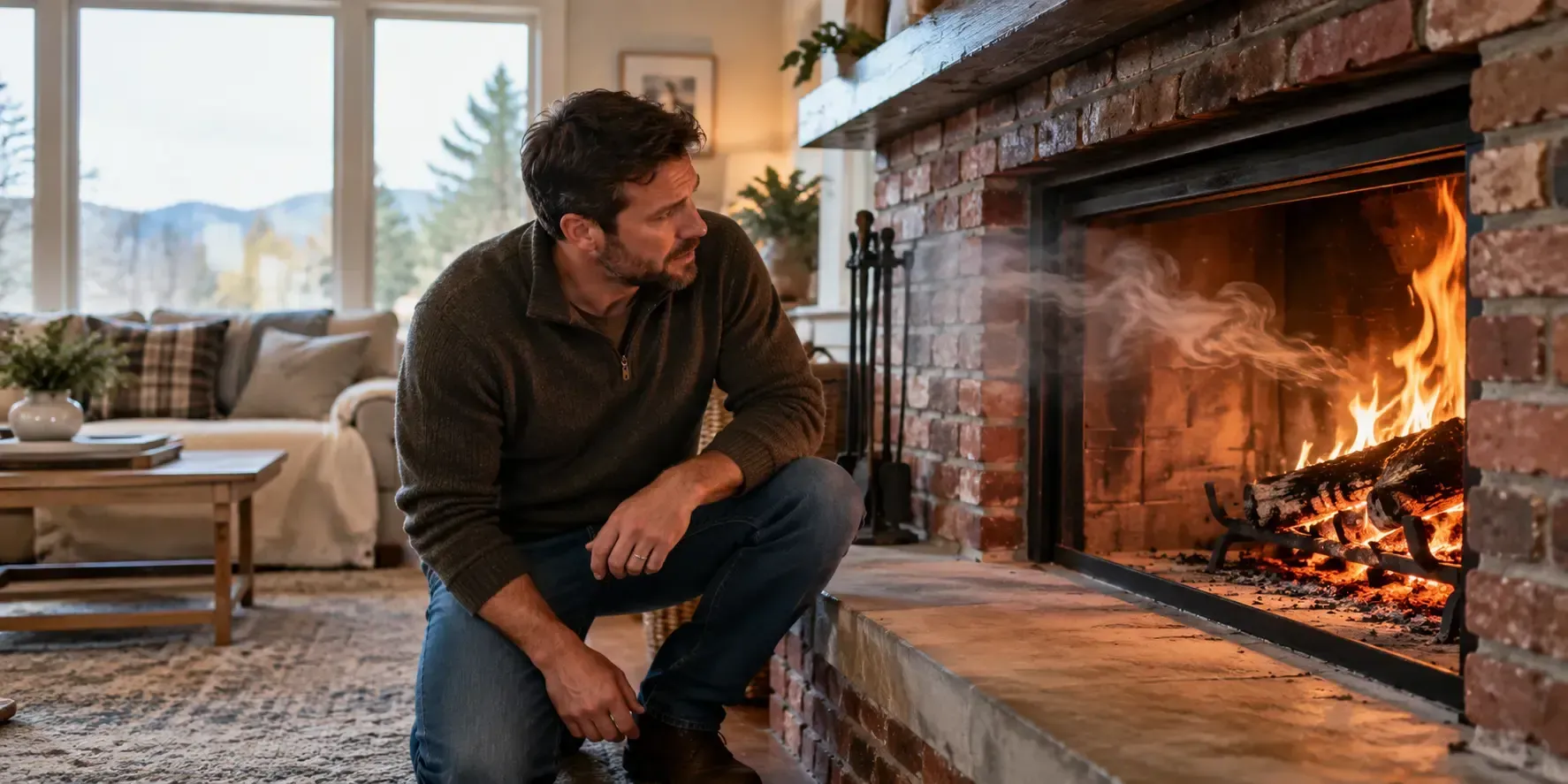
Portland Chimney Service routinely helps local homeowners diagnose and fix these complex drafting issues. We want to share our expertise. Here is a detailed breakdown of the exact reasons your system might be pushing exhaust into your living space.
Understanding Chimney Draft Problems
A fireplace operates on a very simple scientific principle. Hot air is less dense than cold air. When you light a fire, the heated exhaust gases rise naturally. They travel up the flue and exit outside. This upward movement is called the draft.
A strong draft creates a natural vacuum. It pulls the exhaust gases out of your living room. It also pulls fresh oxygen into the firebox to keep the flames burning bright.
Chimney draft problems occur when this natural airflow is disrupted. Sometimes the upward pull is too weak. Other times, the flow completely reverses. A reversed draft pushes the toxic exhaust gases straight down the flue. The smoke has nowhere to go except directly into your home. Several different factors can cause this disruption. We will explore the most common culprits below.
Why Fireplace Smoke Comes Back Into a Portland Maine House
Our local climate plays a massive role in fireplace performance. Southern Maine experiences freezing winter temperatures. We also deal with heavy, damp coastal air. These environmental factors create a specific phenomenon known as a cold air plug.
When your fireplace sits unused, the masonry gets extremely cold. The air inside the flue also chills. Cold air is heavy and dense. This heavy air sinks down the length of your flue. It eventually settles right above your damper. It creates an invisible, heavy plug of freezing air.
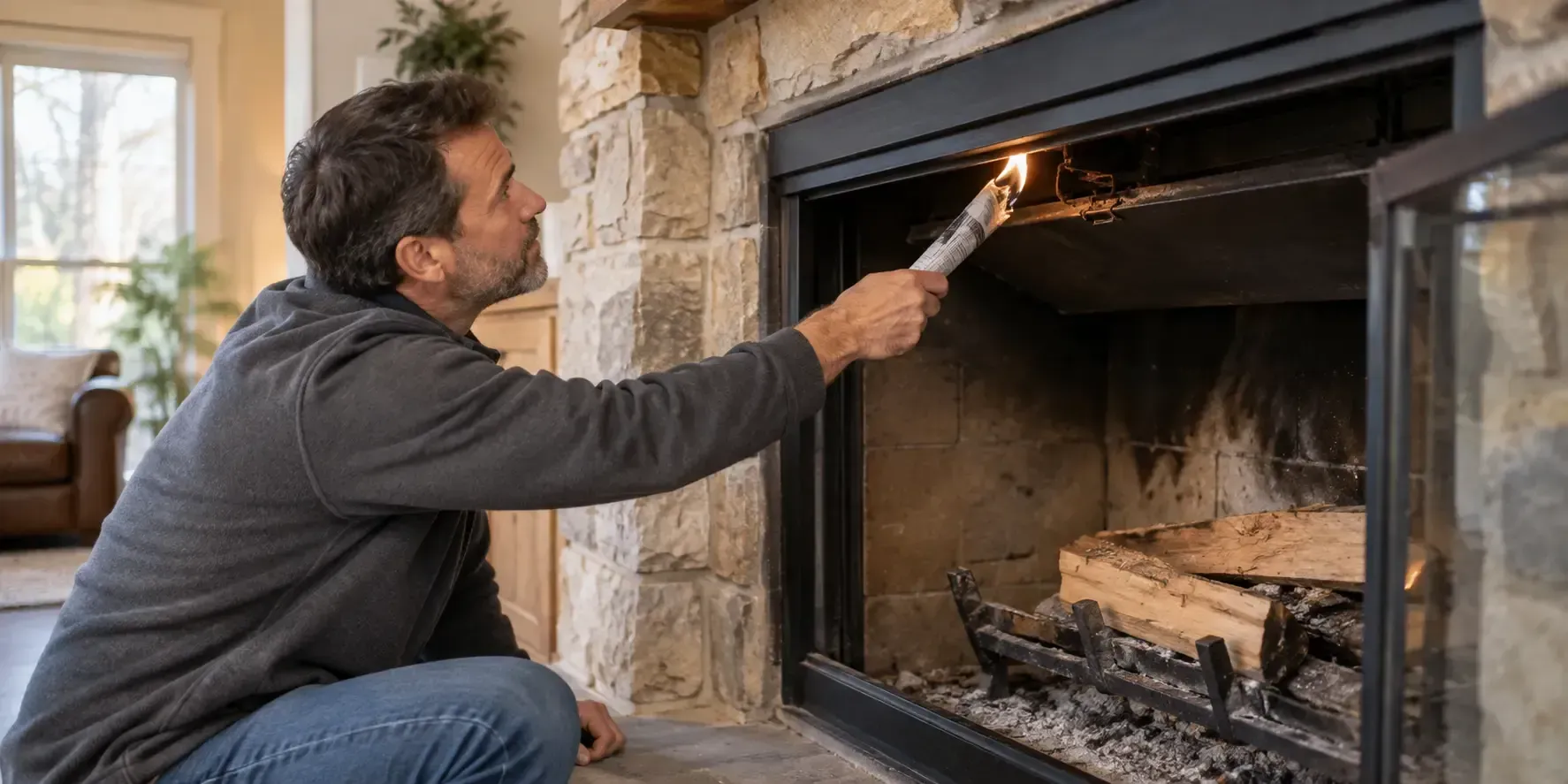
When you light your kindling, the weak initial heat hits this heavy cold plug. The hot smoke cannot push through the dense barrier. The smoke bounces off the cold air and spills backward into your living room. This explains why fireplace smoke comes back into a Portland Maine house during the first few minutes of a new fire.
You must prime the flue to fix this issue. Roll up a piece of newspaper. Light the end of the paper. Hold the burning paper high up near the open damper for a few minutes. This sends a concentrated stream of heat up the structure. The heat warms the cold air and pushes the invisible plug out the top. Once you establish an upward draft, you can safely light the main fire.
If priming does not work, your flue might be incorrectly sized for your firebox. Installing a stainless steel liner often corrects sizing issues and improves the upward draft dramatically.
The Impact of Negative Home Air Pressure
Modern homes are built to be highly energy efficient. Builders seal every crack and gap. They install high-quality windows and thick weather stripping. This is great for keeping your heating bills low. However, a tightly sealed house can completely ruin your fireplace draft.
Your fireplace needs to consume large amounts of oxygen to maintain a fire. If your house is sealed tight, the fire quickly consumes the available oxygen in the room. The house then develops negative air pressure. The air pressure inside the house drops lower than the air pressure outside.
Your house will actively try to equalize this pressure imbalance. It will desperately search for a way to pull fresh air inside. The easiest path for outside air to enter your home is straight down the wide open chimney pipe. This massive rush of downward air pushes all the smoke into your room.
Other household appliances make this negative pressure even worse. Exhaust fans constantly pump indoor air outside. Common culprits include:
- Kitchen range hoods
- Bathroom exhaust fans
- Clothes dryers
- Attic ventilation fans
If you run these appliances while enjoying a fire, you are fighting the natural draft. You can easily test for negative pressure. Crack a window in the same room as the fireplace. If the smoke immediately stops spilling into the room, your house is suffering from a pressure imbalance. You simply need to provide an outside air source to solve the problem.
Dangerous Blockages and Debris
A physical obstruction guarantees smoke will enter your home. The exhaust gases physically cannot escape if the exit is blocked. Blockages are incredibly common in older properties.
Wildlife often causes these obstructions. Birds, squirrels, and raccoons constantly search for warm, dark places to build nests. They frequently choose unprotected flues. A large bird nest will completely choke the exhaust path. Leaves, twigs, and fallen branches also accumulate over the seasons.
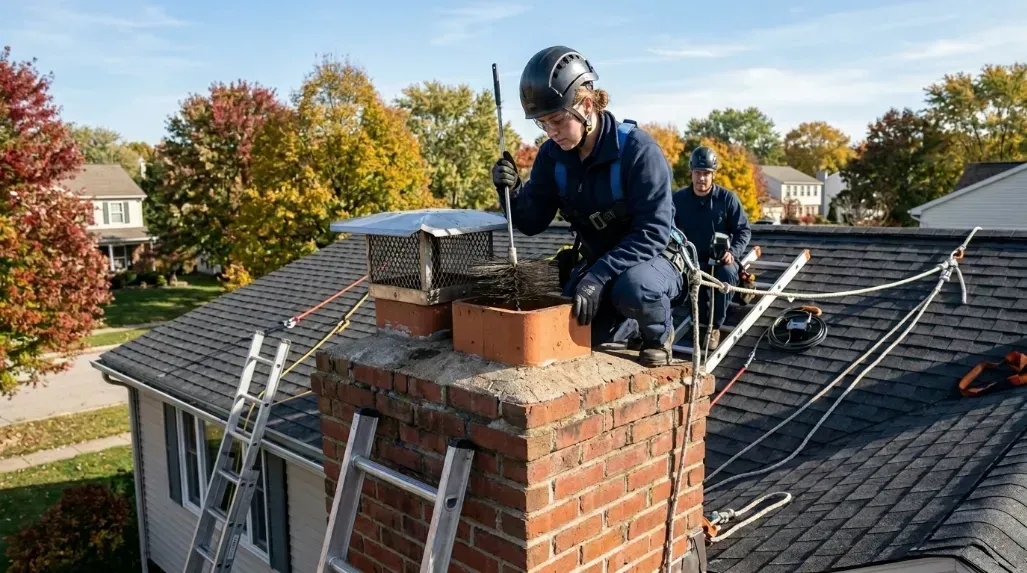
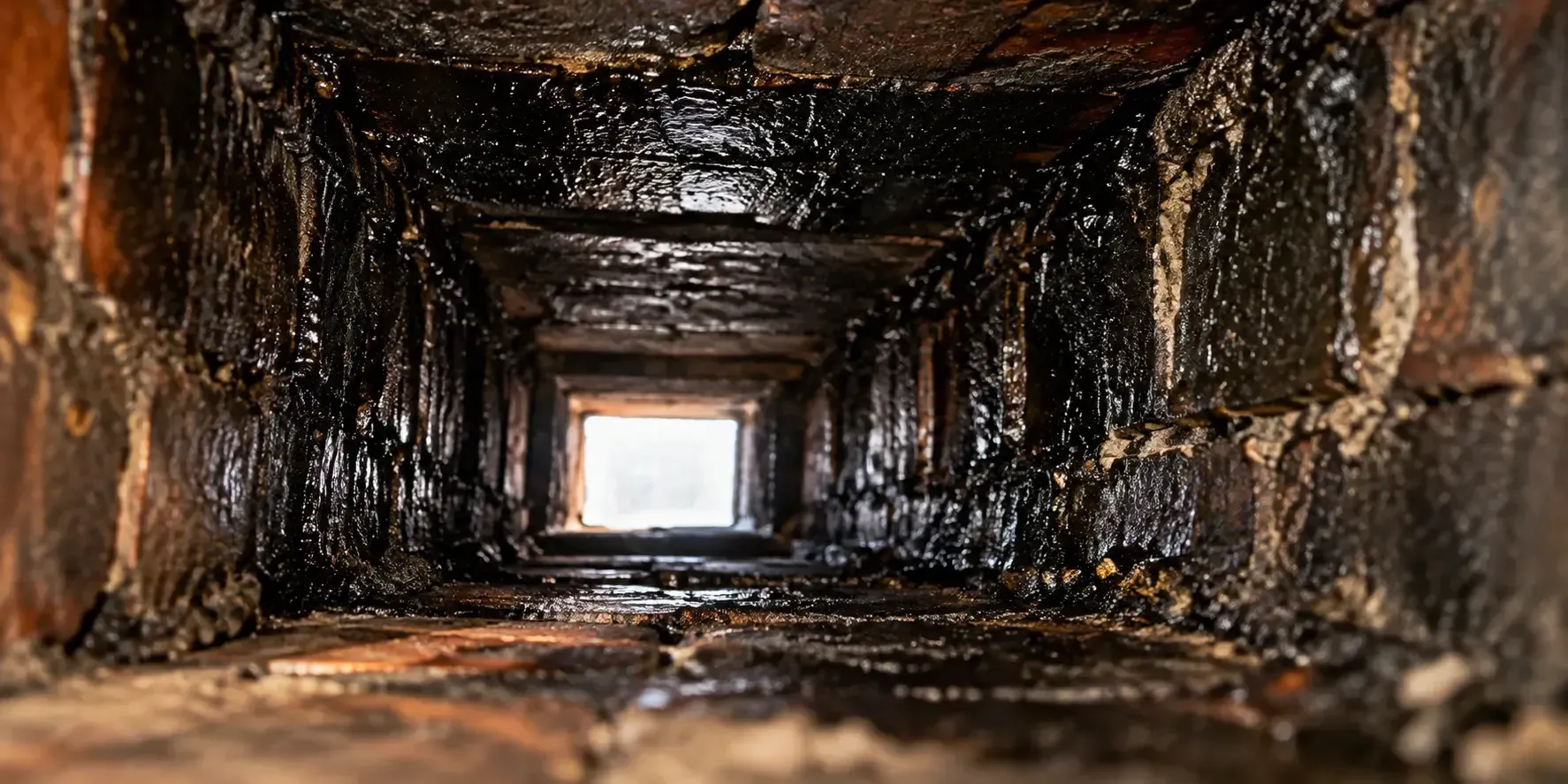
Creosote accumulation is another dangerous form of blockage. Burning wood naturally produces a sticky, highly flammable substance called creosote. This substance coats the inner walls of your flue. If you do not schedule routine sweeping and restoration, the creosote grows incredibly thick. It restricts the diameter of the pipe. This chokes the draft and forces smoke backward. Heavy creosote is also the leading cause of catastrophic flue fires.
Closed or Damaged Dampers
The damper is a mechanical door located above the firebox. It controls the airflow. You must open the damper completely before lighting a fire. This seems like obvious advice. However, forgetting to open the damper is the number one cause of smoke spillage.
Sometimes, the damper appears open but is actually broken. The metal components rust over time. The tracks become jammed with soot and debris. The handle might move freely, but the metal plate remains stuck in a partially closed position. A rusted damper restricts the draft and traps the exhaust gases.
If your damper is difficult to operate, you need a professional repair. You should never force a stuck handle. You could snap the metal linkage.
Masonry Degradation and Water Intrusion
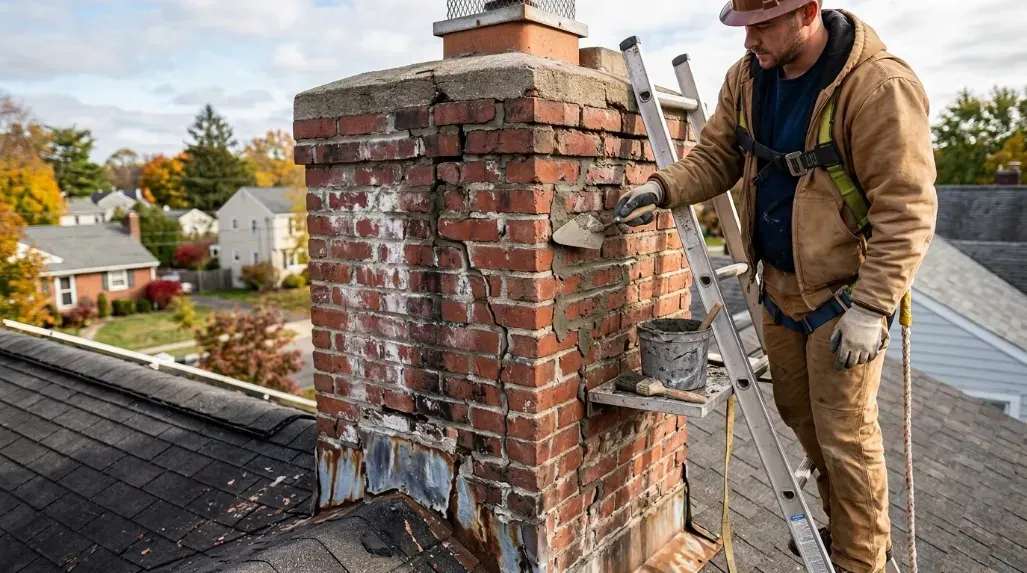
Water is the biggest enemy of a brick masonry system. The freeze and thaw cycles in Maine destroy older mortar joints. When water enters the masonry, it freezes and expands. This cracks the bricks and turns the solid mortar into crumbling sand.
Severe masonry damage directly impacts how your fireplace breathes. Large cracks in the exterior brickwork allow cold air to leak into the flue. This disrupts the thermal lift required for a strong draft.
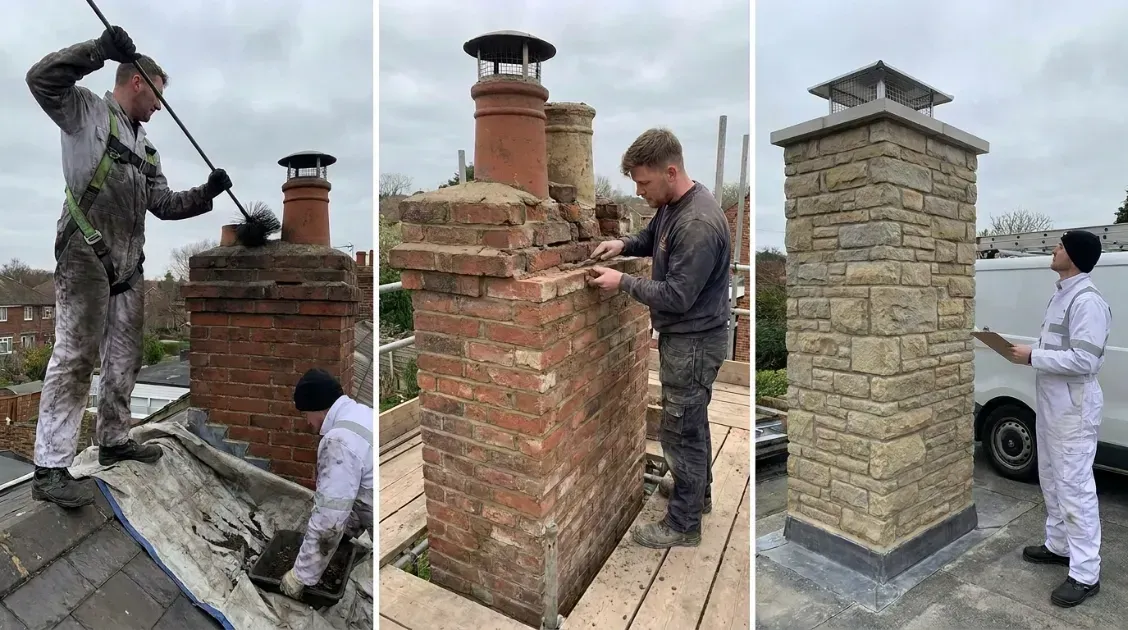
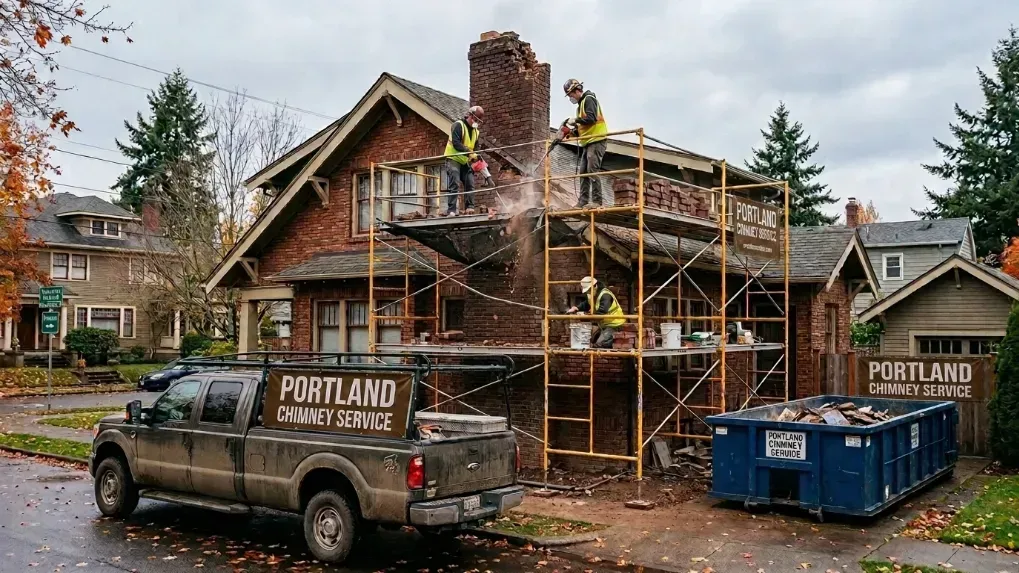
If you notice pieces of brick falling onto your roof, your system is failing. Our team specializes in precision demolition and tuckpointing services to rebuild the structural integrity of your setup. Once the bricks are repaired, we highly recommend applying professional chimney waterproofing solutions. Waterproofing prevents future water intrusion and protects your draft.
Diagnostic Table: Identifying Your Smoke Problem
Finding the exact cause of a drafting issue requires careful observation. We designed this reference guide to help you pinpoint the most likely culprit.
| Symptom Observed | Most Likely Cause | Easy DIY Check | Recommended Professional Fix |
|---|---|---|---|
| Smoke puffs out only when lighting the fire. | Heavy cold air plug in the flue. | Hold a burning newspaper near the damper to prime it. | Flue resizing or liner installation if the issue persists. |
| Smoke stops when a nearby window is opened. | Negative home air pressure. | Turn off kitchen and bathroom exhaust fans. | Install a dedicated outside makeup air kit. |
| Smoke billows out constantly despite priming. | Physical blockage or heavy creosote. | Visually inspect the damper to ensure it is open. | Professional sweeping and camera inspection. |
| Brick fragments are found in the firebox. | Severe masonry degradation. | Look for visible exterior cracks from the ground. | Professional structural rebuilding and sealing. |
Proper Fire Building Techniques
The way you build your fire impacts the amount of smoke produced. Many people build fires incorrectly. They place large logs on the grate and stuff newspaper underneath. This creates a smoldering, low-temperature fire. Smoldering fires produce massive amounts of heavy smoke and very little heat.
We recommend using the top-down burn method. Place your largest logs at the bottom of the grate. Add a layer of medium logs across the top. Finally, place your small kindling and fire starters at the very peak of the pile.
Light the kindling at the top. The fire will burn downward slowly. This method produces immediate heat at the top of the pile. This immediate heat warms the flue quickly and establishes a powerful upward draft. It also burns much cleaner and produces significantly less smoke.
Always use seasoned firewood. Wet or green wood contains trapped moisture. When you burn wet wood, the fire wastes energy boiling the water instead of producing heat. This creates steam, heavy smoke, and dangerous creosote. You should only burn wood that has been dried for at least six months.
Why You Need a Professional Chimney Inspection Portland Maine
Ignoring a smoke problem is dangerous. Wood smoke contains carbon monoxide. This is a tasteless, odorless, and deadly gas. If smoke is entering your room, carbon monoxide is entering your room too.
You should never guess when it comes to fire safety. A visual check from the living room cannot reveal internal structural damage. You need specialized equipment to see inside the dark flue.
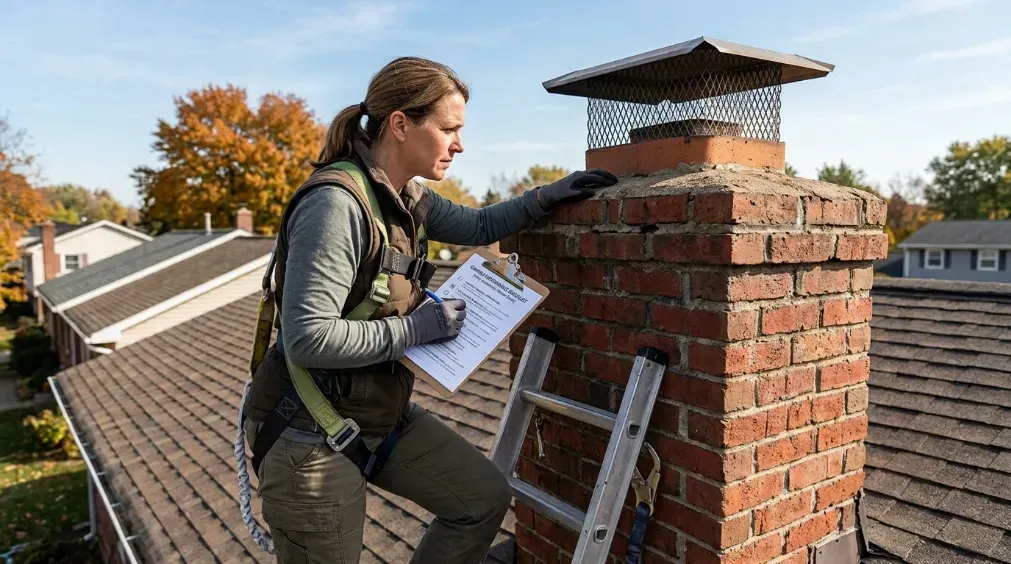
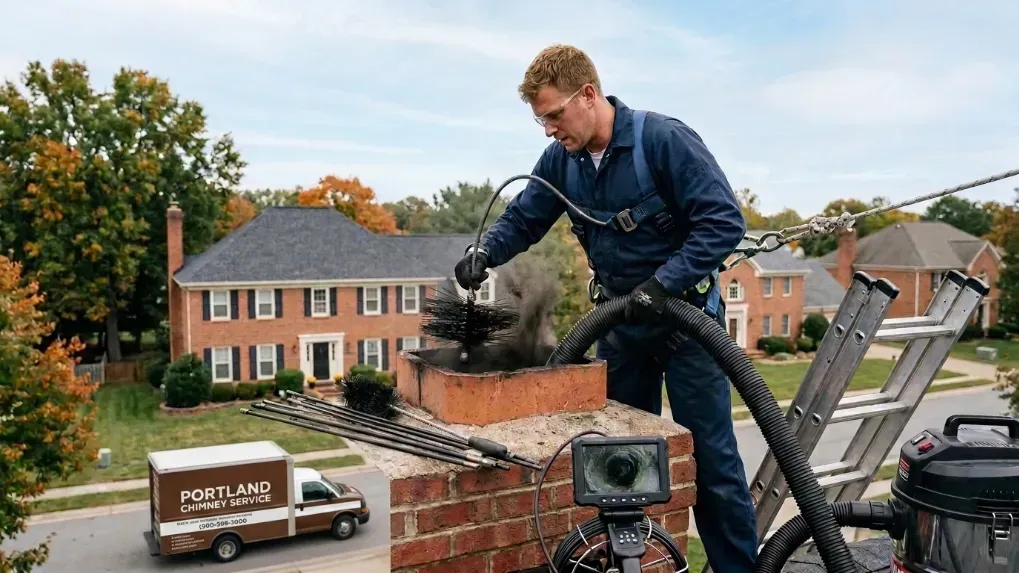
Booking a thorough chimney inspection Portland Maine is the only way to guarantee your system is safe to use. Our certified technicians use specialized video cameras to scan every inch of your inner masonry. We identify hidden blockages, dangerous creosote, and hidden cracks.
If you are dealing with draft issues, please reach out to Portland Chimney Service. You can easily schedule a diagnostic visit with our crew. We are dedicated to keeping your home safe and warm. Feel free to learn more about our team and our deep commitment to local homeowners. When you choose our trusted local experts, you get honest advice and reliable repairs.
Frequently Asked Questions
Can an unheated chimney cause smoke problems?
Yes. An unheated flue fills with cold, dense air. This creates a heavy plug. The cold plug blocks the upward movement of hot smoke. You must warm the air inside the pipe before starting your main fire.
Does closing doors in the house change chimney airflow?
Yes. Closing interior doors changes how air moves through your home. It can trap the fireplace in a small room. The fire quickly consumes the available oxygen in that closed room, leading to negative pressure and smoke spillage.
How often should I check my masonry system?
You should schedule a professional sweep and evaluation once a year. Annual maintenance removes flammable buildup. It also catches minor water damage before it turns into an expensive structural failure.