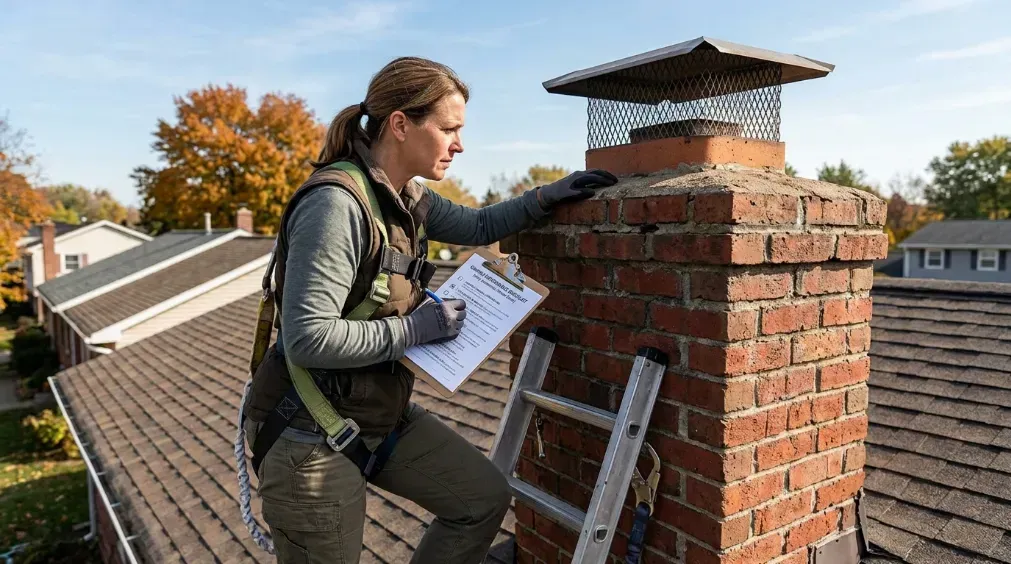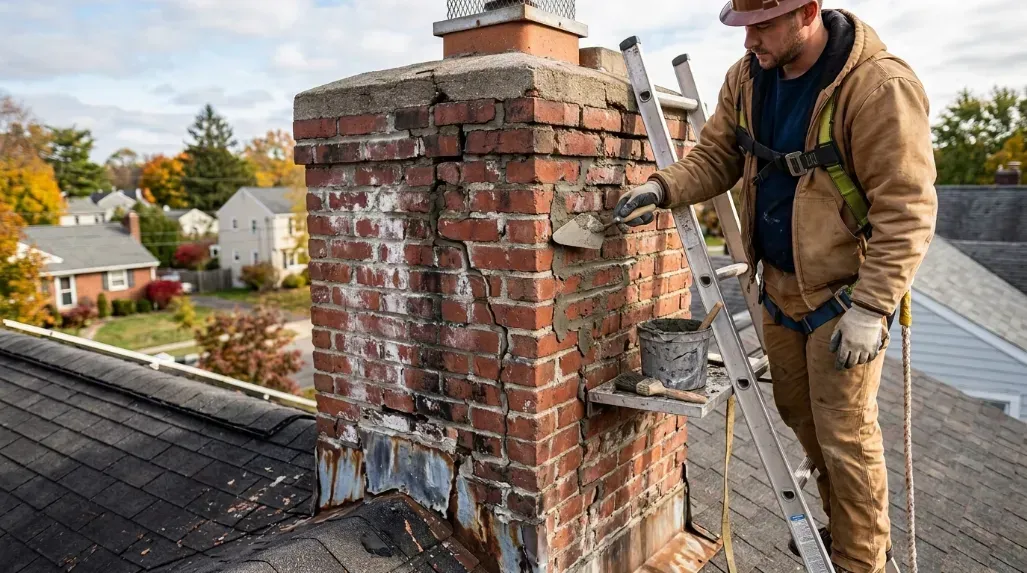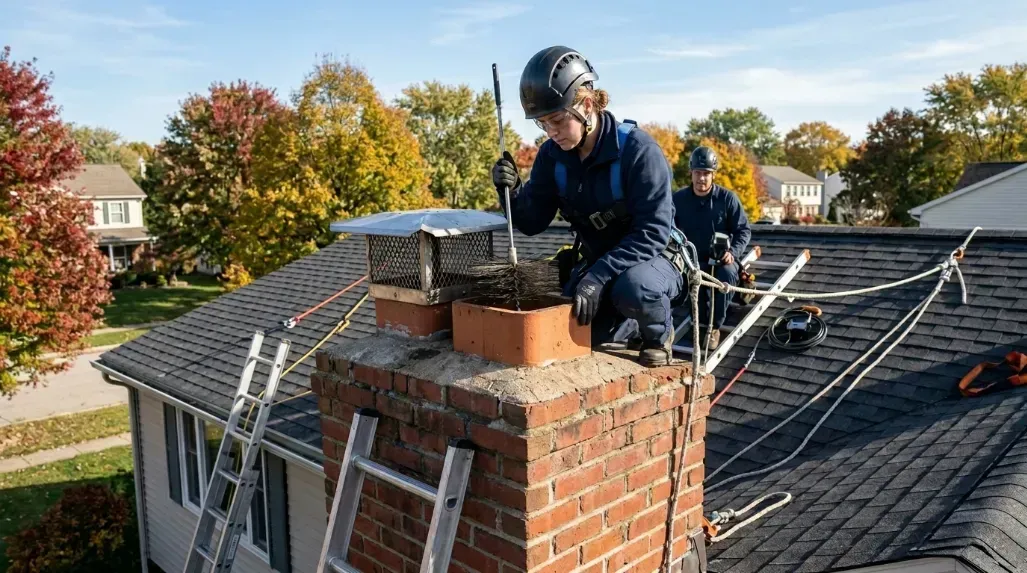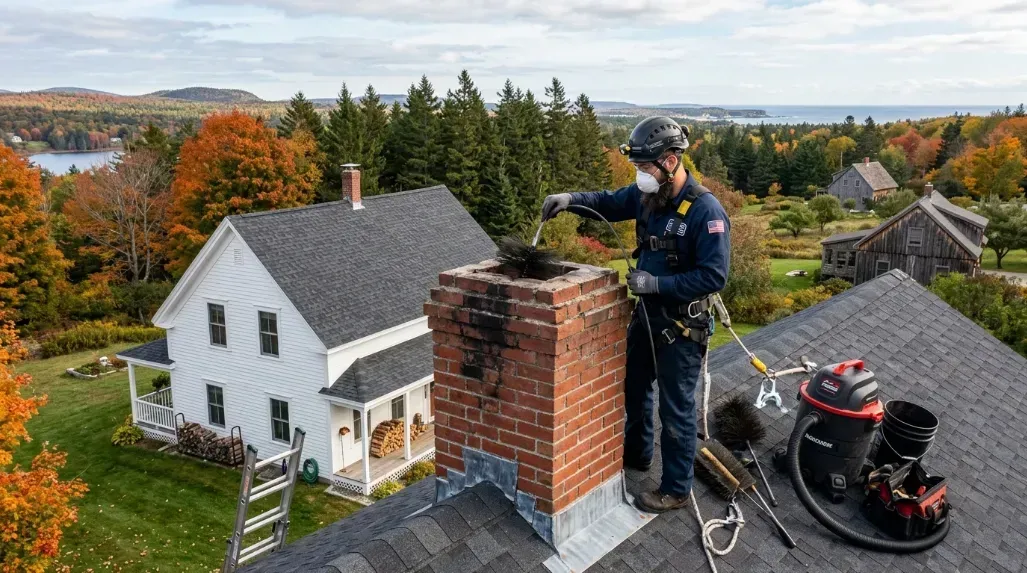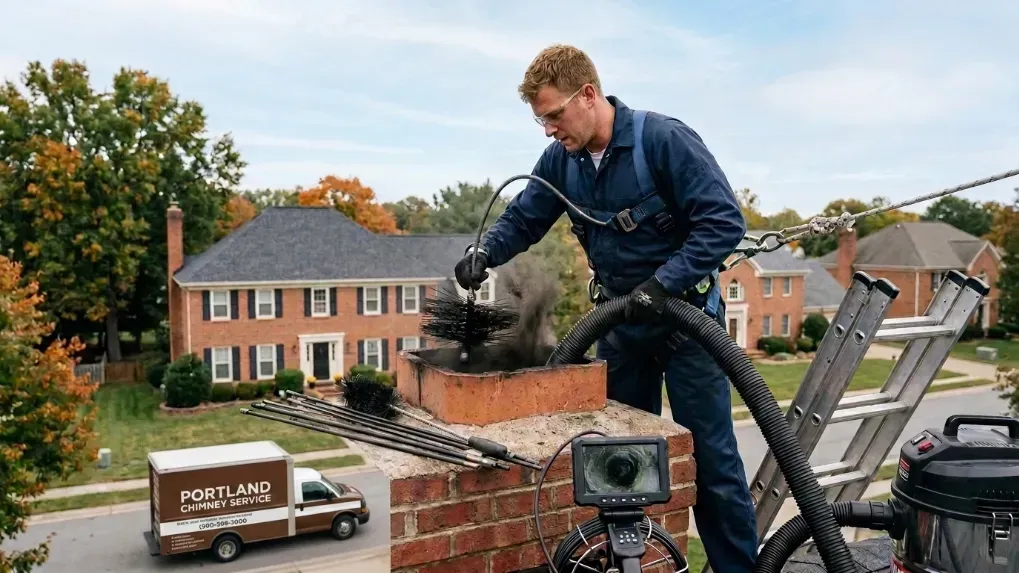
Knowing the signs a Portland homeowner may need a stainless steel chimney liner helps you protect draft, reduce creosote risk, and keep flue gases contained in older masonry. Portland Chimney Service inspects liners across Portland, ME and nearby Southern Maine so owners, landlords, and managers can decide on repair or replacement with clear next steps.
Key takeaways
- Cracked, missing, or unlined flues often point to liner work after a full inspection.
- Heavy creosote, smoke spillage, or weak draft can signal liner gaps or corrosion.
- Water stains, white residue, or rust near the chimney may mean liner failure.
- Appliance changes or code updates frequently require a properly sized stainless liner.
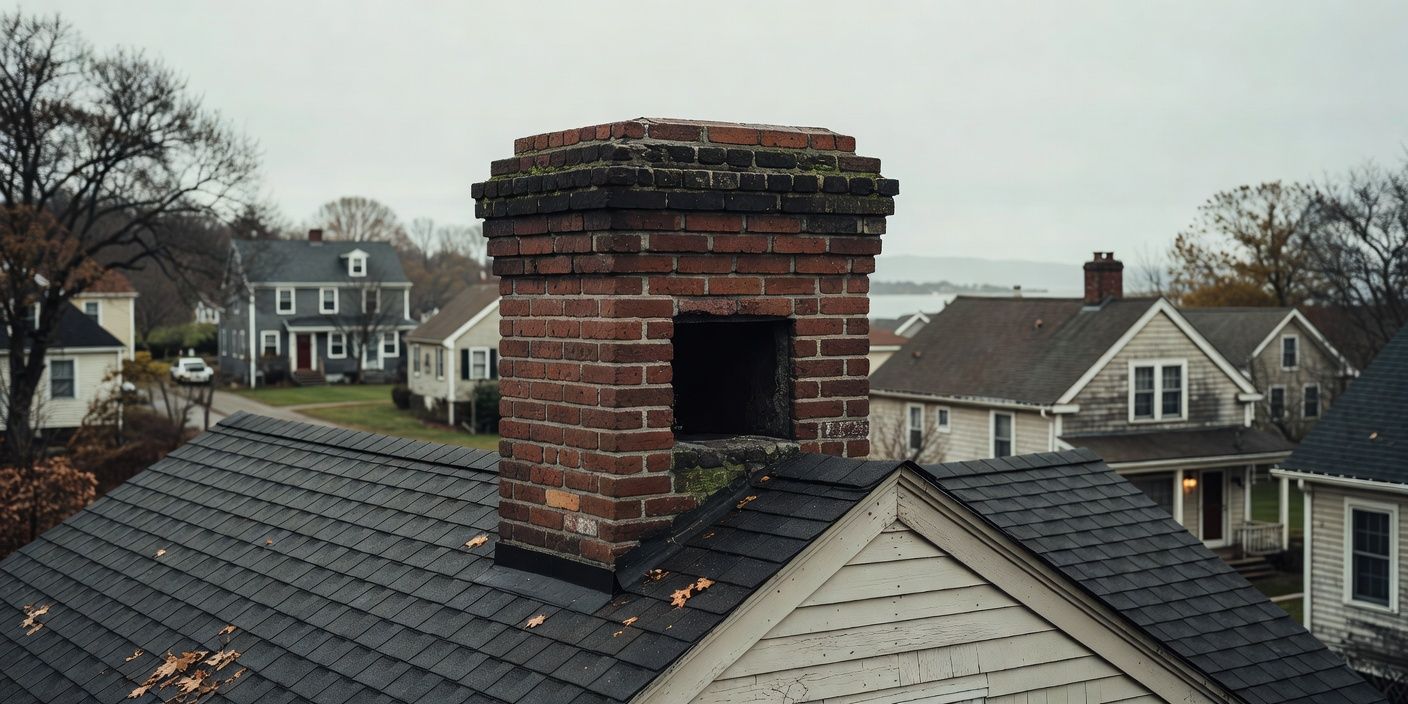
When is a stainless steel chimney liner recommended?
A stainless steel chimney liner is often recommended when masonry is damaged, the flue is undersized or unlined, moisture is entering the stack, or a new stove or furnace needs a continuous, code-aligned path for exhaust; chimney liner and related services address those conditions after inspection.
Which liner warning signs matter most in Portland homes?
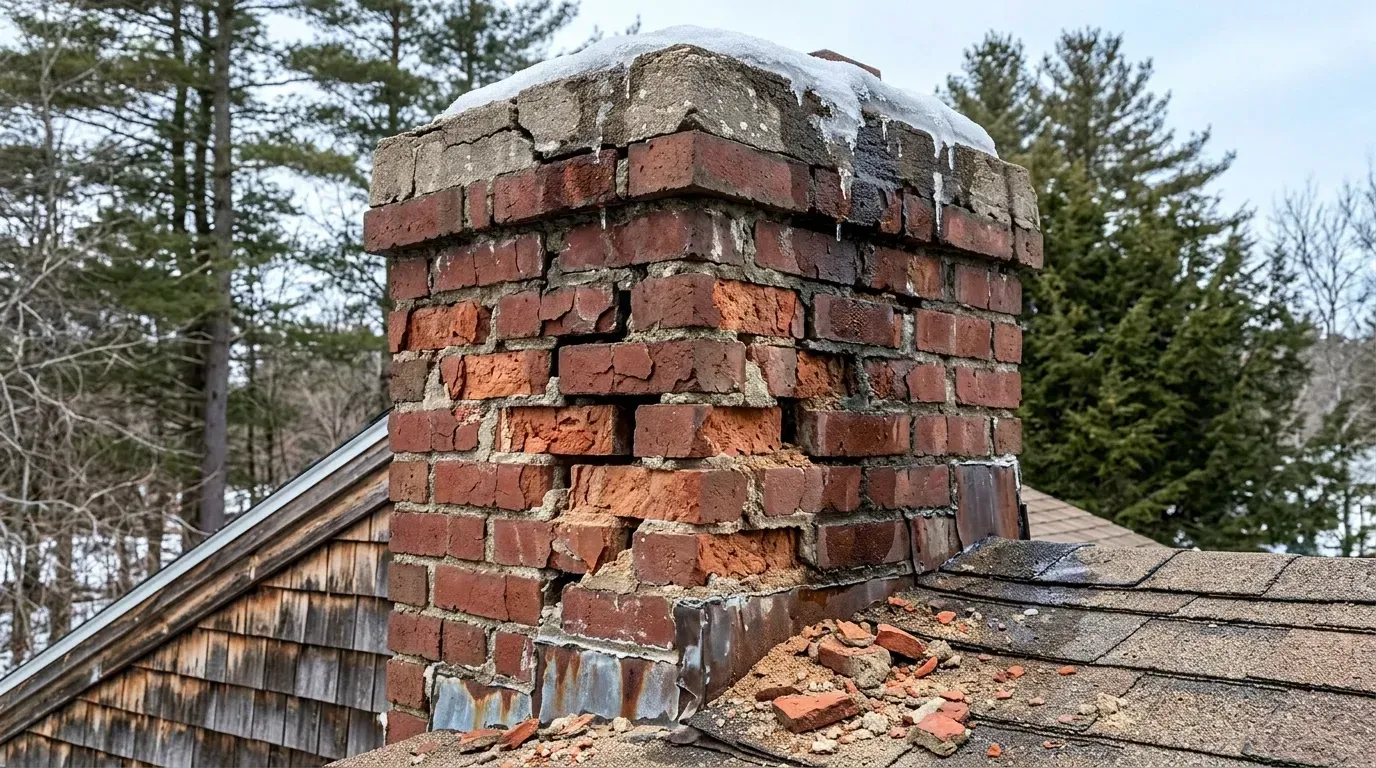
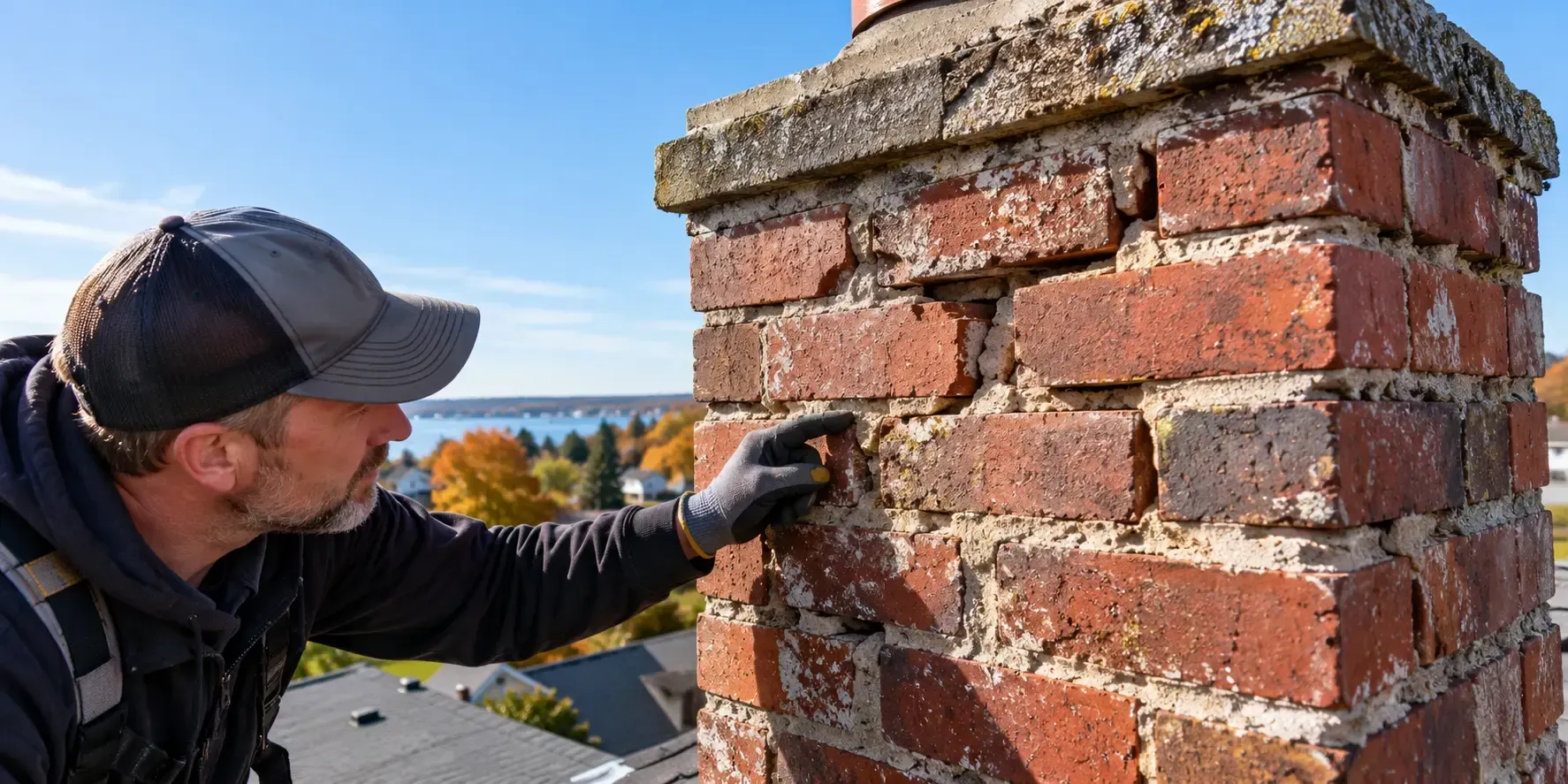
The clearest signs a Portland homeowner may need a stainless steel chimney liner are open mortar gaps, missing clay tiles, heavy glazed creosote, smoke that spills into rooms, rust or white staining on the stack, and a stove or furnace that no longer matches the old flue size after a careful on-site check by trained techs.
| Sign or trigger | Best for acting soon | Watch-out |
|---|---|---|
| Cracked or missing clay tiles | Containing heat and exhaust in masonry | Ignoring small chips that widen each season |
| Persistent smoke spillage or weak draft | Restoring safe burn and room air quality | Blaming only the appliance without a flue look |
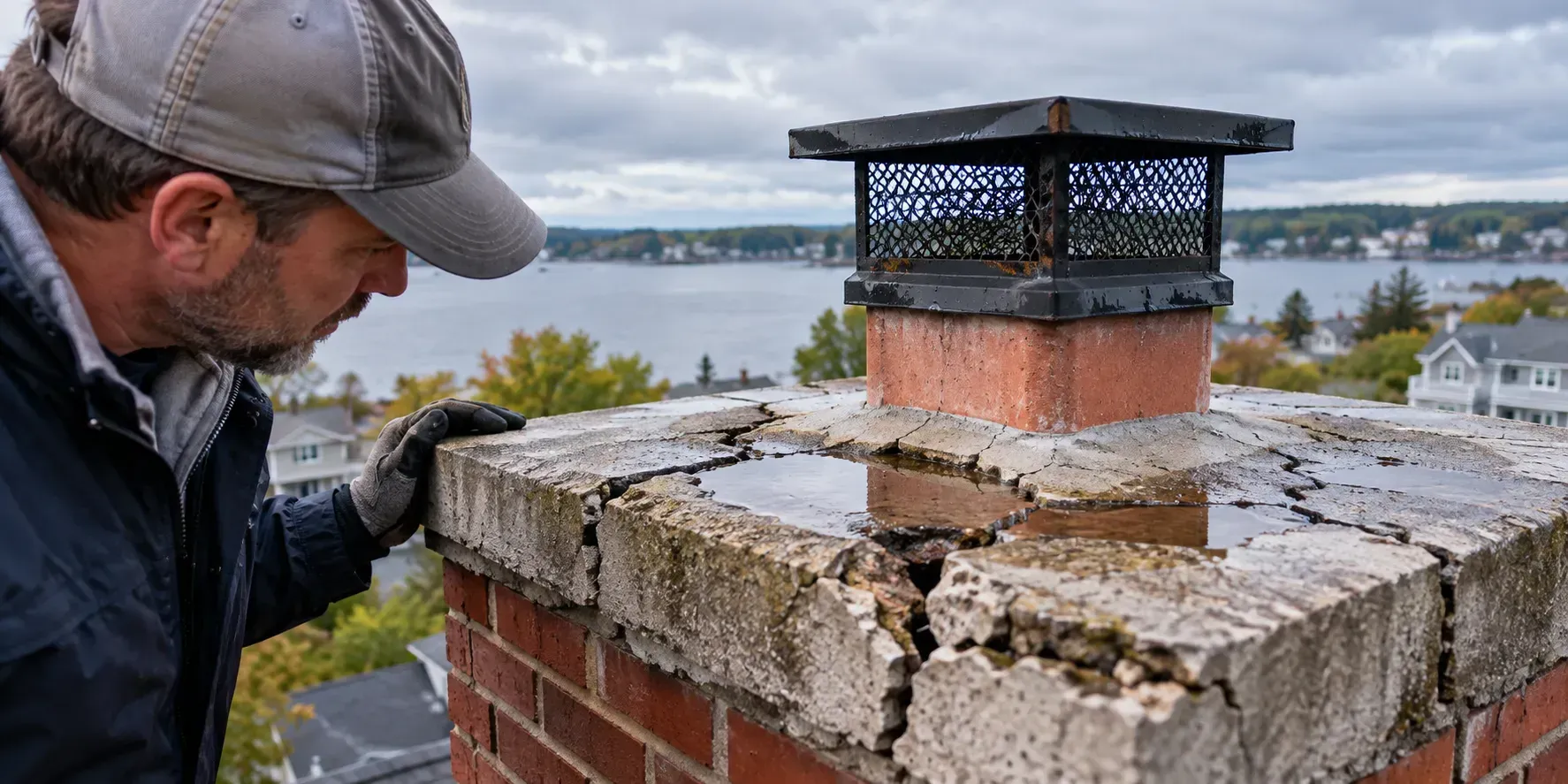
| Water stains, efflorescence, or rust | Stopping moisture before freeze–thaw damage | Painting over stains without fixing the path |
| New insert, stove, or furnace hookup | Matching diameter and listing requirements | Using the old unlined chase as “good enough” |
Coastal damp and temperature swings in Portland, ME stress unlined or broken flues. Landlords and managers should treat recurring odor or soot as a systems issue, not a one-time clean.
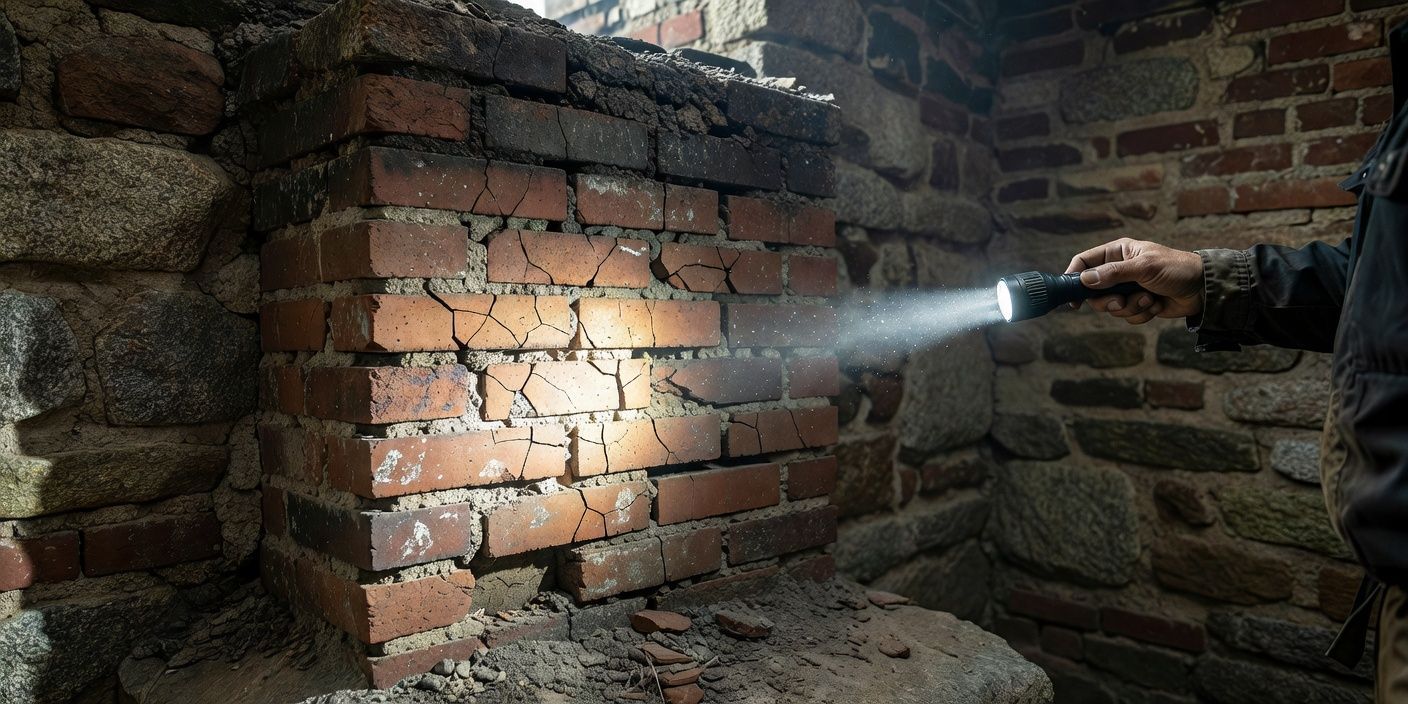
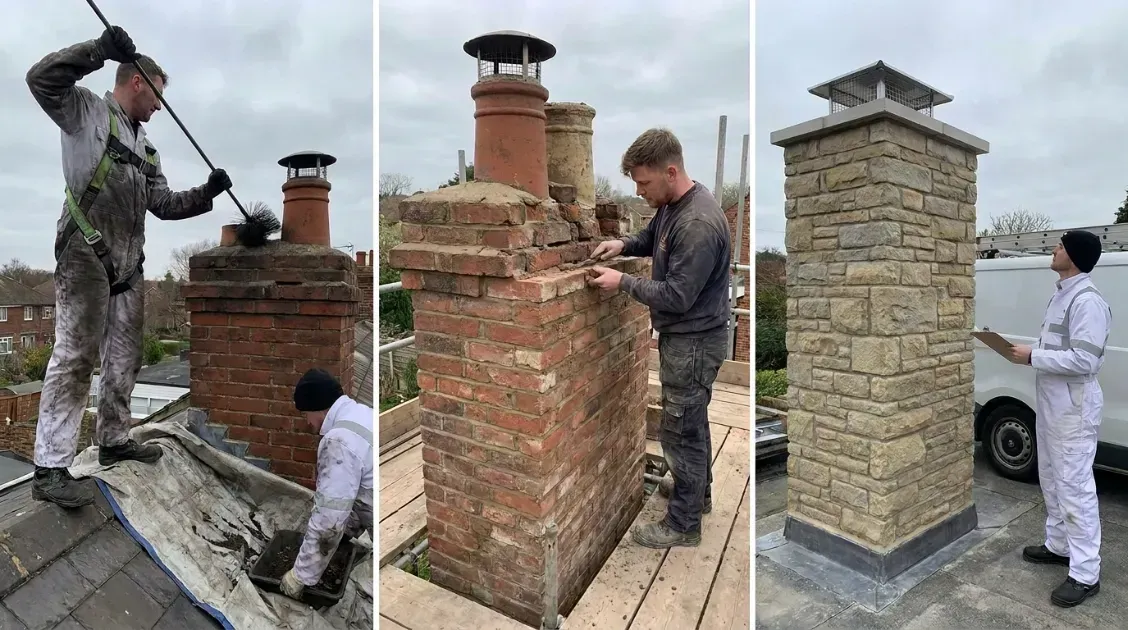
The inspection approach used by our team pairs camera or visual flue review with appliance notes so liner sizing is not guesswork. If several rows in the table match your property, schedule a liner evaluation before the next heavy-use stretch.
Stainless Steel Liner or Clay Tile Repair Alone: Which Fits a Portland Home?
A stainless steel chimney liner is often the clearer choice when clay tiles are cracked, missing, or undersized for a new stove or furnace, because it rebuilds a continuous, correctly sized path for heat and exhaust and better resists coastal moisture than patching scattered tile damage alone in many Portland, ME masonry stacks.
Repairing a few tiles can help when damage is local and the flue diameter still matches the appliance listing. Widespread spalling, open joints, or a mismatched insert usually outgrow spot fixes. Southern Maine freeze–thaw cycles and damp air push water into gaps, so partial work can fail again within a few seasons.
A full liner from Portland Chimney Service creates a smooth, listed conduit that contains creosote and combustion gases while protecting the masonry shell. That option pairs well with inserts and high-efficiency furnaces that need tight draft and precise diameter.
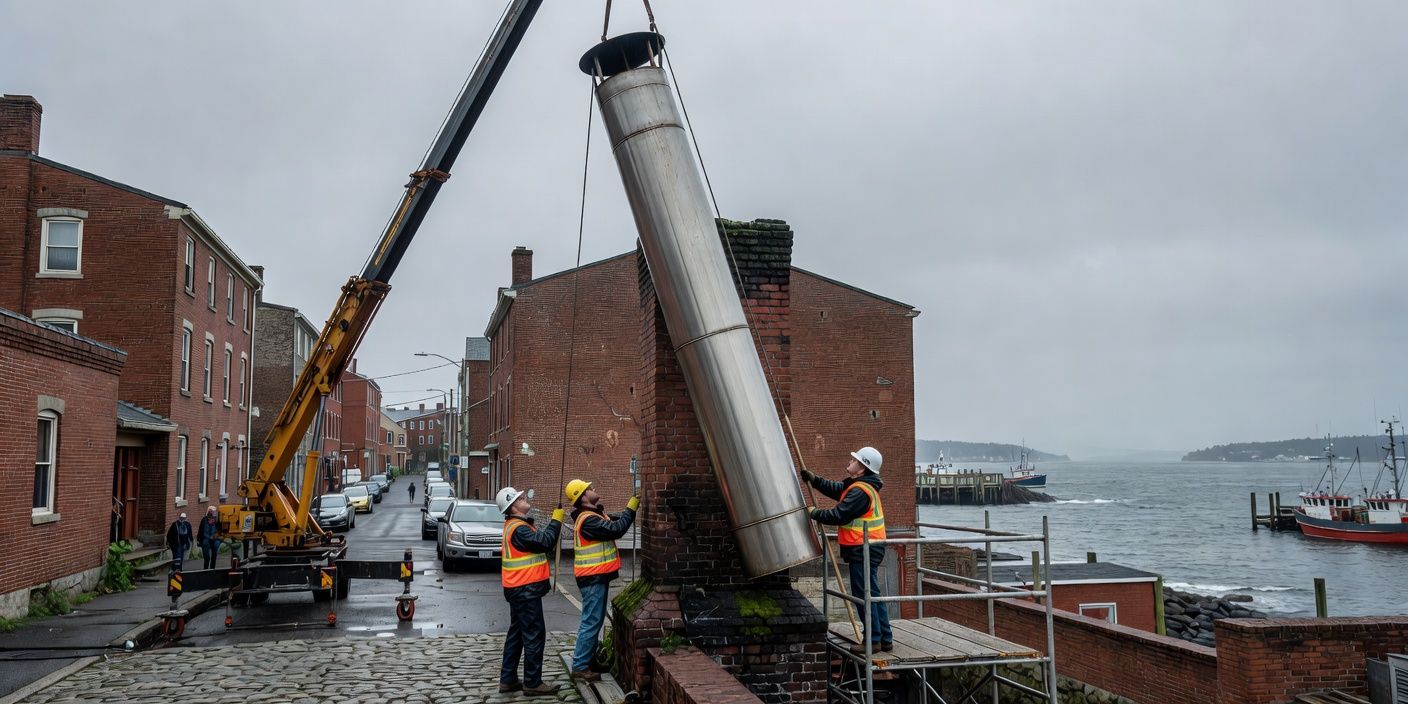
Choose tile-only work only after a tech confirms the rest of the flue is sound. For appliance changes or multi-tile failure, review liner and related chimney services and plan the next step with a site visit rather than another temporary patch.
When clay damage and appliance changes point to a liner
A stainless steel chimney liner is often recommended when clay tiles are cracked, missing, or too small for a new stove or furnace, because it restores a continuous, code-aligned flue that contains heat and exhaust and holds up better against Portland’s damp, freeze–thaw weather than repeated tile patches alone.
Local tile repair can still make sense if a technician finds only isolated damage and the flue size still matches the appliance listing. Once spalling, open joints, or an undersized path show up across multiple sections, spot fixes rarely restore safe draft for long.
Signs a Portland homeowner may need a stainless steel chimney liner
Common signs a Portland homeowner may need a stainless steel chimney liner include loose or missing clay tiles, white staining on the chimney exterior, smoke odors indoors, poor draft after a stove or furnace upgrade, and creosote that builds faster than expected after routine cleaning.
Coastal moisture and winter cycles drive water into masonry gaps. That moisture freezes, widens cracks, and can leave gaps where exhaust reaches the brick shell. An insert or high-efficiency unit that needs a precise diameter often fails inspection or draft tests on an old, irregular clay flue.
How a full liner compares with tile-only repair
| Situation | Tile-only repair | Stainless steel liner |
|---|---|---|
| Few cracked tiles, correct size | Often enough | Usually not required |
| Many failed tiles or open joints | Temporary at best | Preferred continuous path |
| New insert or furnace | Rarely matches listing | Sized to appliance |
| Damp coastal exposure | Gaps can reopen | Smooth, corrosion-resistant conduit |
A listed liner from the team’s method rebuilds the flue as one smooth path. It limits creosote adhesion points, protects surrounding masonry, and supports the draft modern appliances need.
Next step for Portland and Southern Maine properties
Schedule a chimney inspection before another patch season. Homeowners, landlords, and property managers can contact Portland Chimney Service for a site visit across verified Southern Maine service areas and a clear recommendation on liner versus limited tile work.
Preferred Source on Google Search
Add www.portlandchimneyservice.com to customize your search feed across Top Stories.