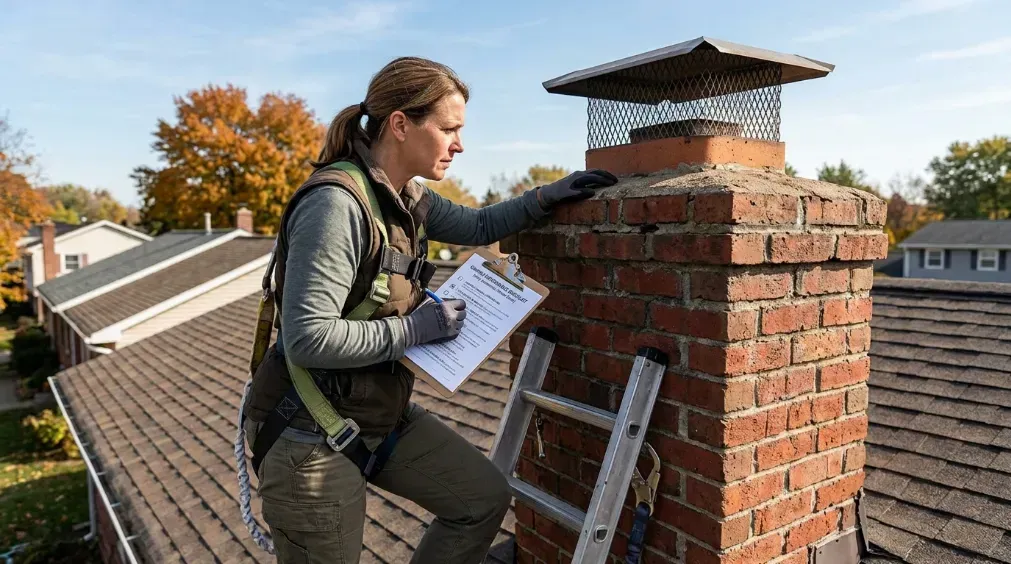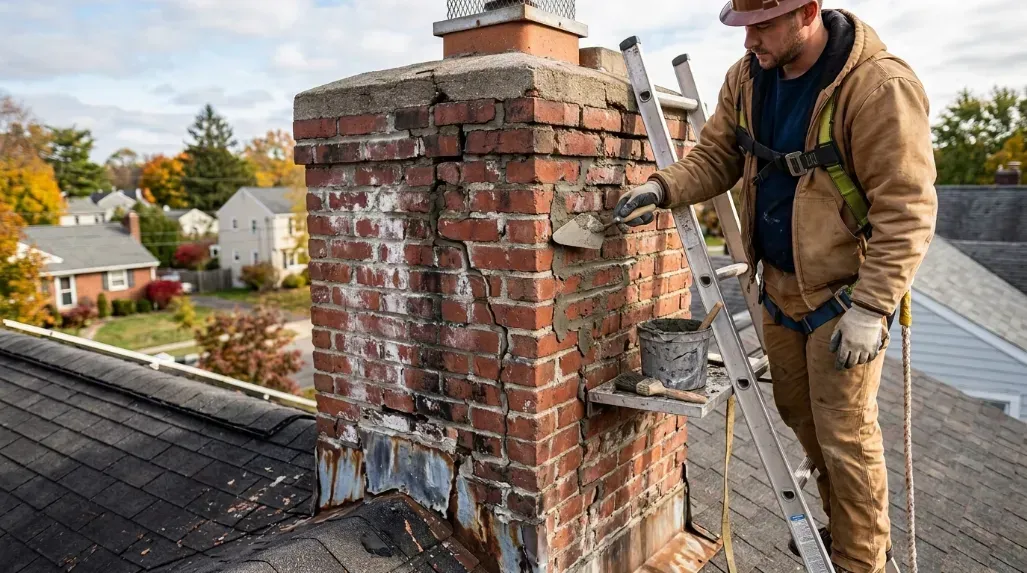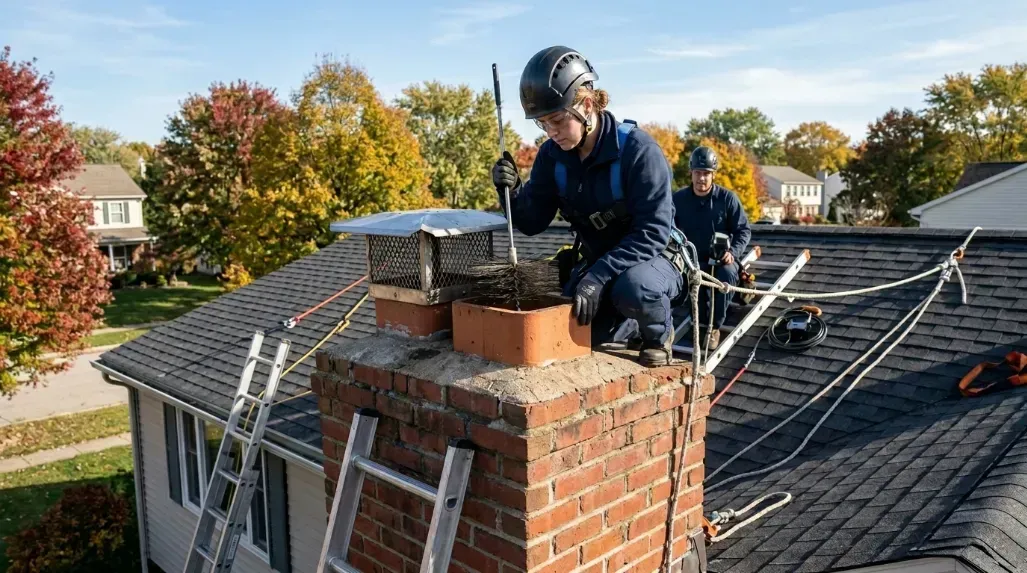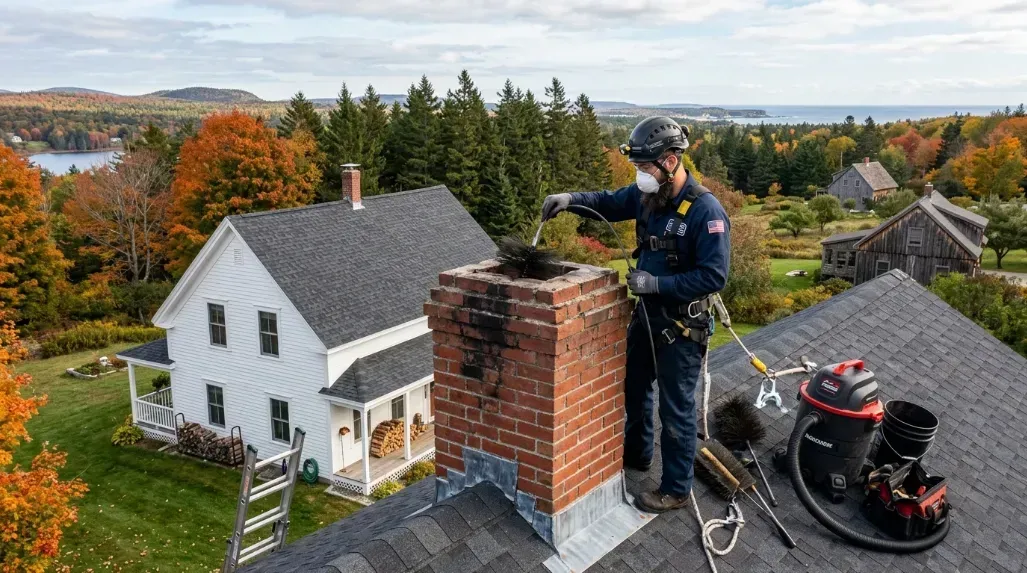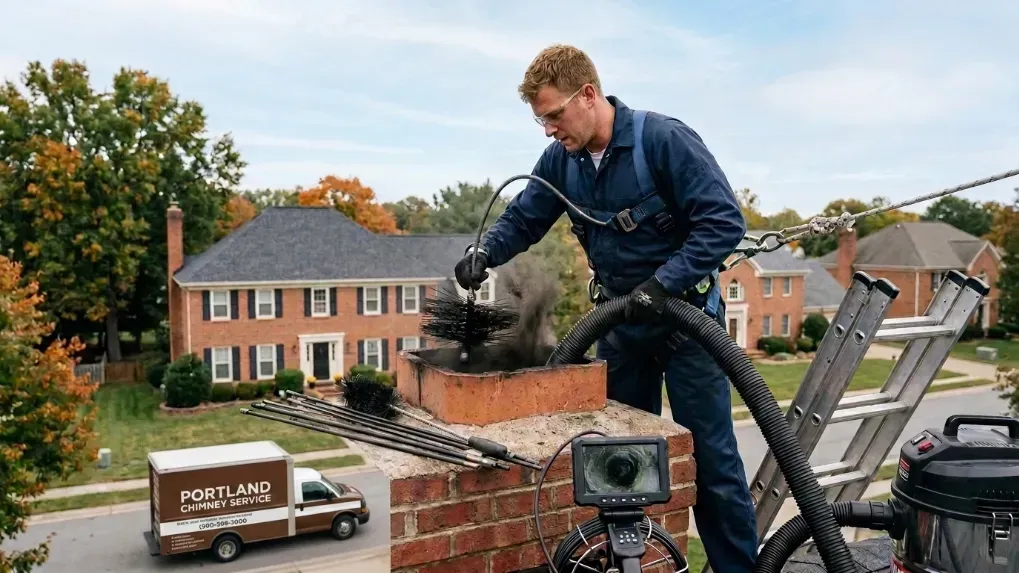
Maine winters drive water into brick and mortar, then freeze it so joints crack and spall. Homeowners in Portland, ME need clear steps before damage spreads. Portland Chimney Service explains how freeze-thaw weather harms masonry and when chimney waterproofing Maine protects flues, crowns, and exteriors after inspection.
Key takeaways
- Water in mortar expands when it freezes and pries bricks apart.
- Portland coastal moisture plus repeated freezes speeds chimney masonry wear.
- Unsealed crowns and open joints let water reach the flue and liner.
- Early sealing and repairs limit costly rebuilds for local property managers.
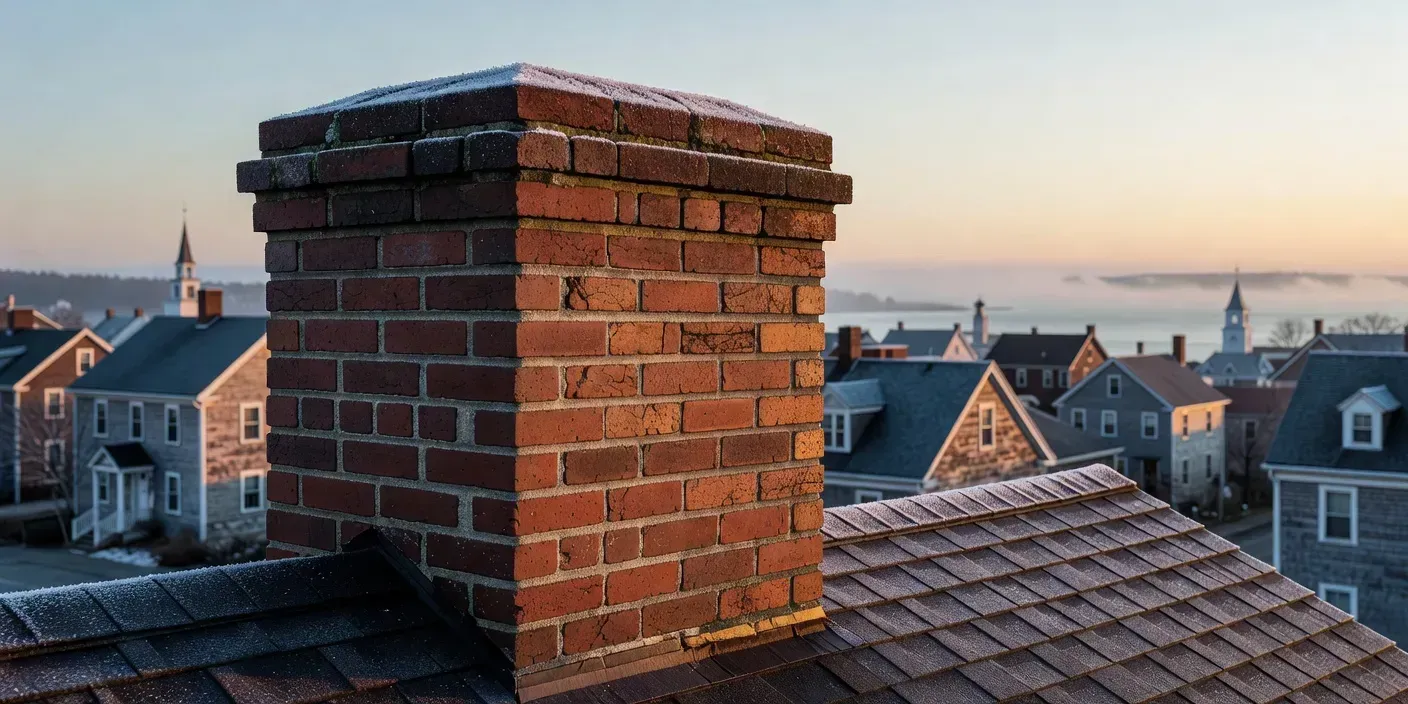
How does freeze-thaw weather damage chimney brick in Portland Maine?
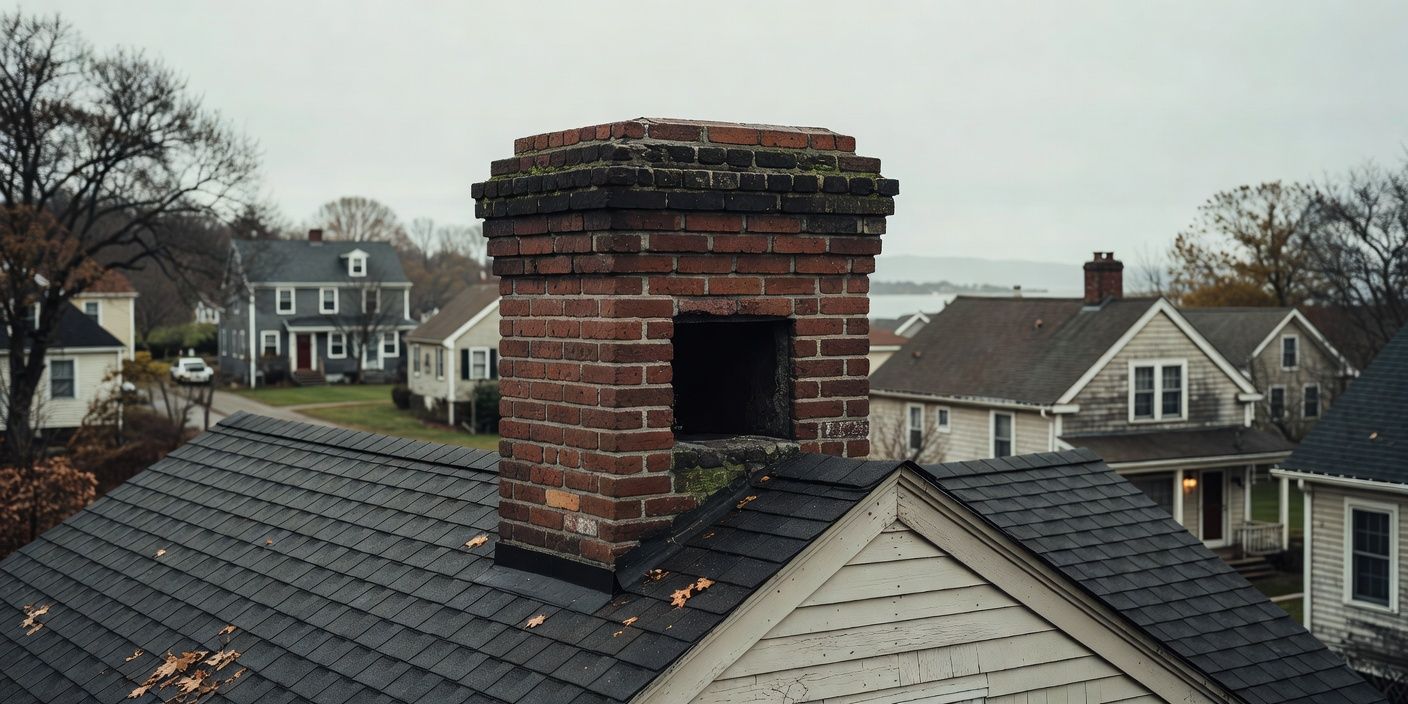
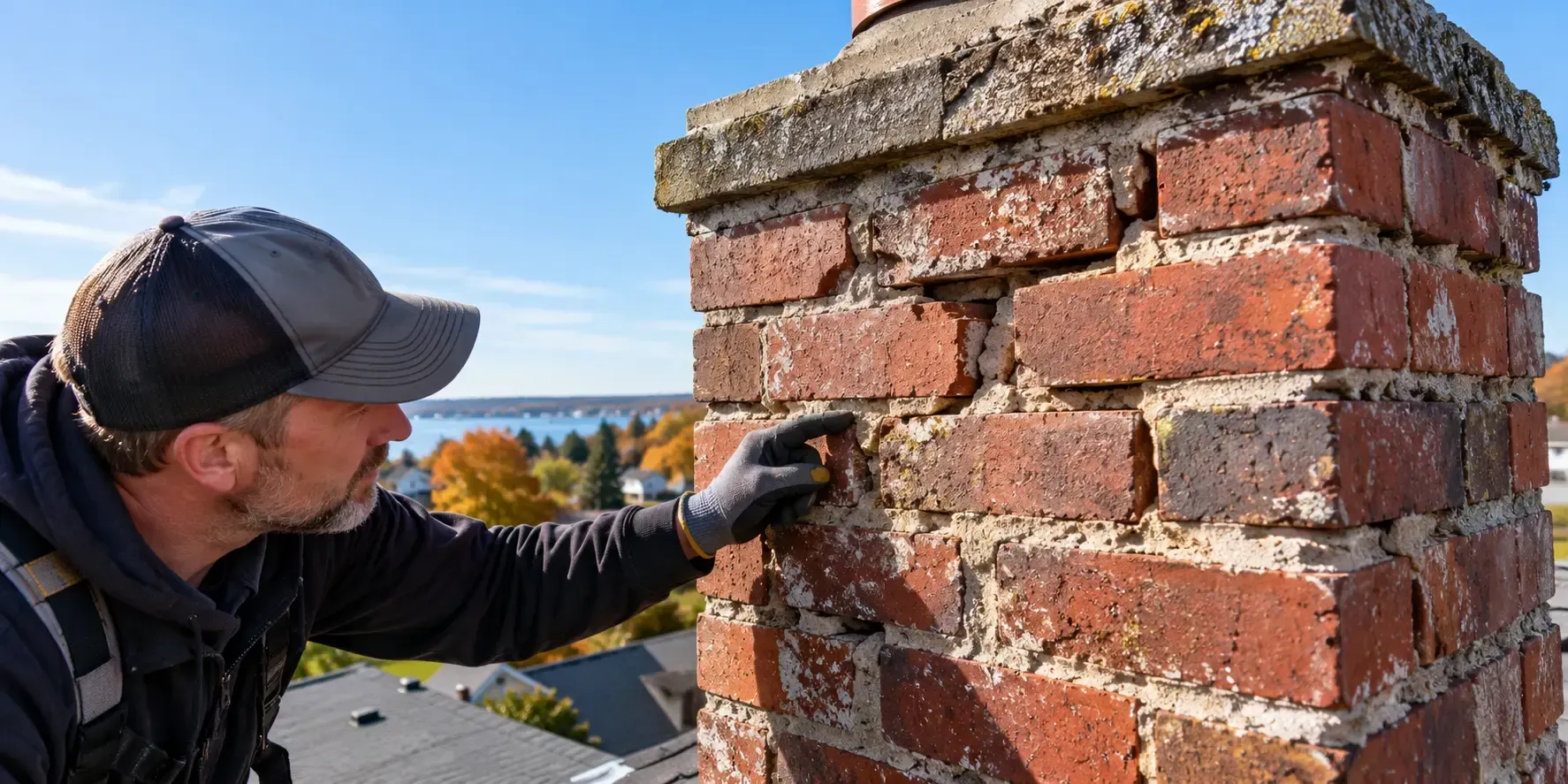
Freeze-thaw cycles push liquid water into porous brick and soft mortar; ice expands, widens hairline cracks, and sheds face material until the structure sheds water poorly and needs professional assessment. In Southern Maine, wet snow, rain, and cold nights repeat this stress on exposed stacks. Landlords and homeowners should watch for loose brick, white staining, and damp interiors. When water reaches the flue path, a stainless liner may become part of the plan—see when a stainless steel chimney liner may be recommended.
Which chimney waterproofing Maine option fits your stack?
Chimney waterproofing Maine works best after cracks and crowns are sound; breathable masonry sealers shed rain while open joints, failed crowns, or active leaks need repair first so freeze-thaw ice cannot keep prying Portland brick apart through another wet winter season.
| Option | Best for | Watch-out |
|---|---|---|
| Breathable silane/siloxane sealer | Sound brick needing chimney waterproofing Maine | Sealing over open joints traps moisture |
| Crown rebuild or coating | Flat or cracked crowns holding meltwater | Coatings fail if substrate is loose |
| Tuckpointing soft mortar | Spalling faces and wide joints in Portland, ME | Incomplete joints still admit freeze-thaw water |
| Full rebuild of failed courses | Severe masonry water damage above the roofline | Delay raises cost for landlords and managers |
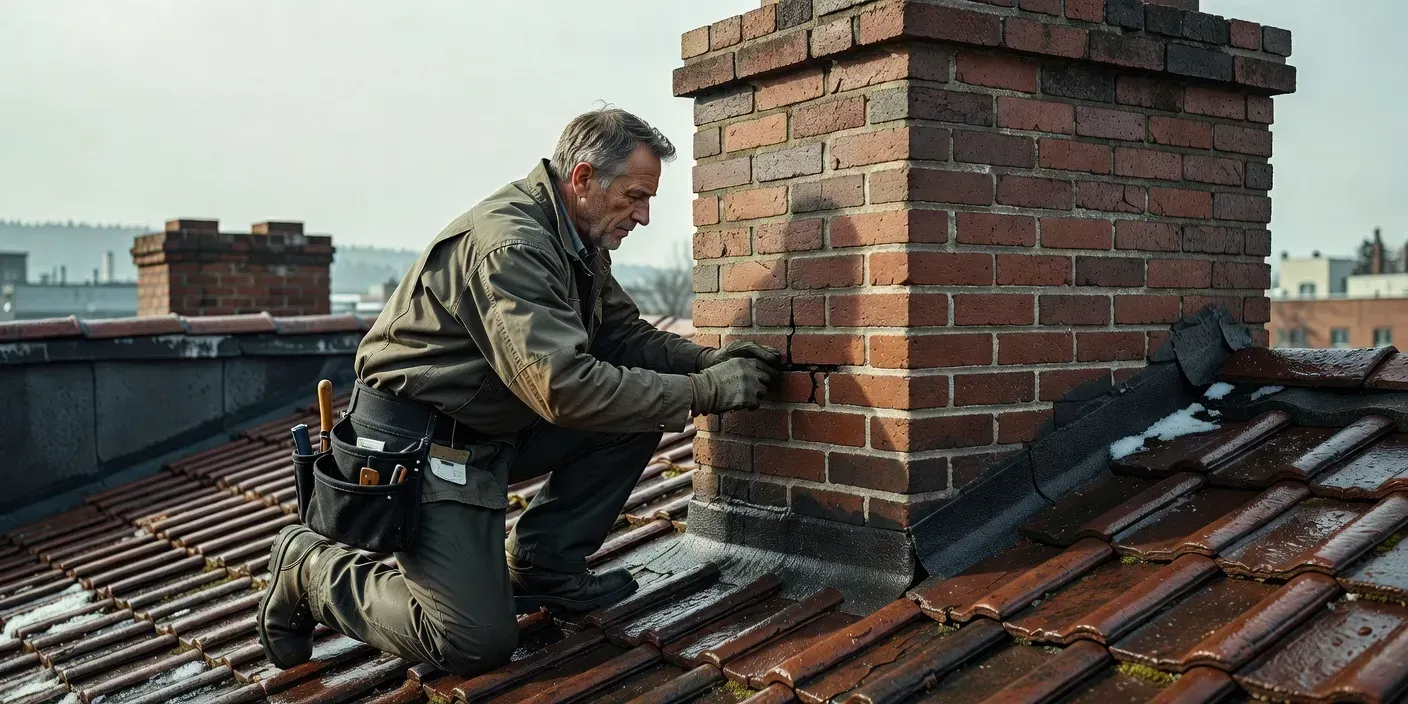
Choose sealing only when the stack sheds water and mortar is tight. Our services pair inspection with targeted waterproofing so coastal moisture does not restart the cycle. The team method documents joint depth, crown slope, and interior dampness before product goes on. Property managers should schedule work in dry windows, then monitor after the first hard freeze. For a site visit and next-step plan, contact Portland Chimney Service with photos of stained brick or wet basements near the flue.
Which Repair Comes First After Freeze-Thaw Brick Damage in Portland?
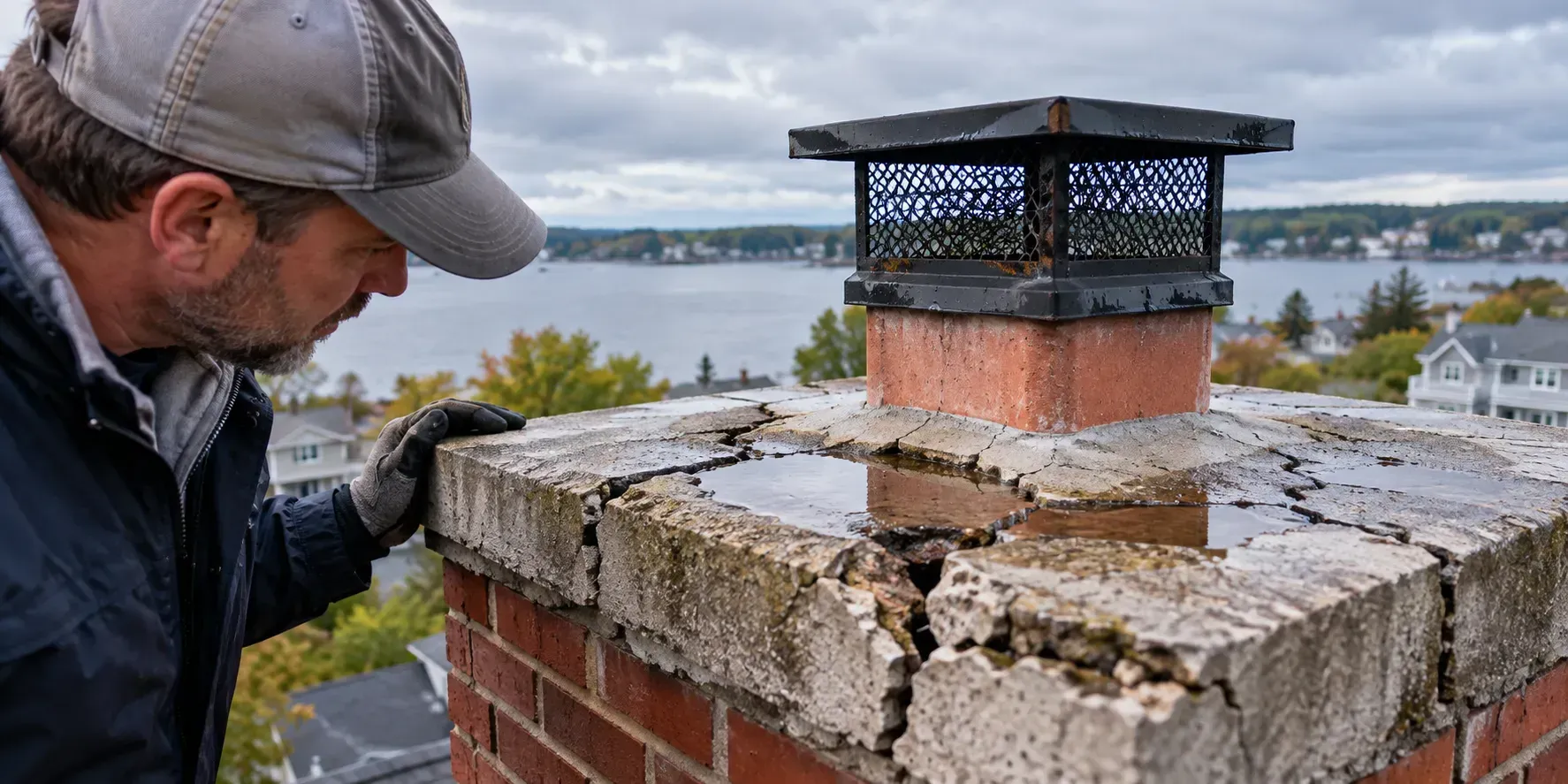
Chimney waterproofing Maine works only after open joints, cracked crowns, and failed flashing stop admitting meltwater; sealers alone cannot reverse spalling once freeze-thaw weather has already loosened Portland brick faces, so inspection, tuckpointing, and crown correction usually precede any water-repellent coating on coastal stacks.
Sound mortar and a sloping crown come first. Soft joints still pull rain into the wall, then ice expands overnight. Sealing over those gaps traps moisture and speeds masonry water damage.
When interior staining or draft issues appear with exterior spalling, a liner check may follow exterior work. Many Portland, ME owners review when a stainless steel chimney liner may be recommended after the outer masonry is stabilized.
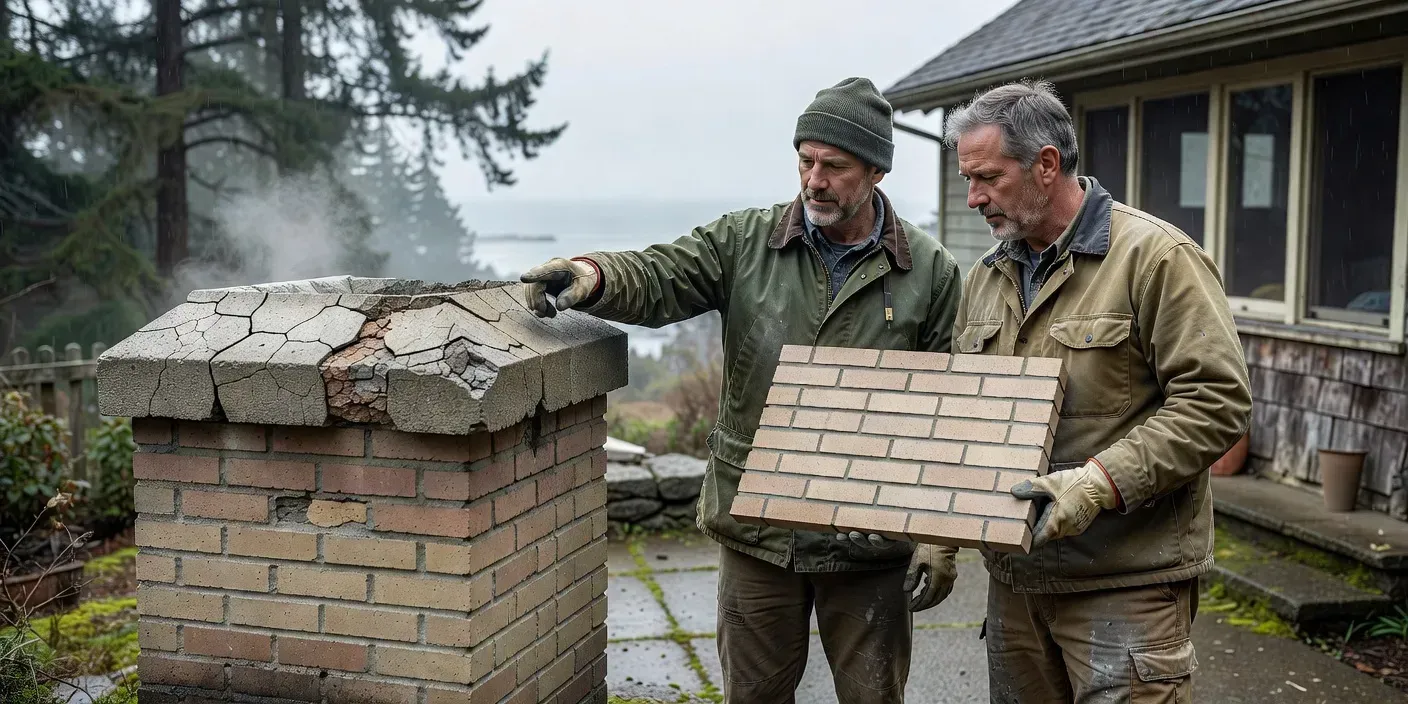
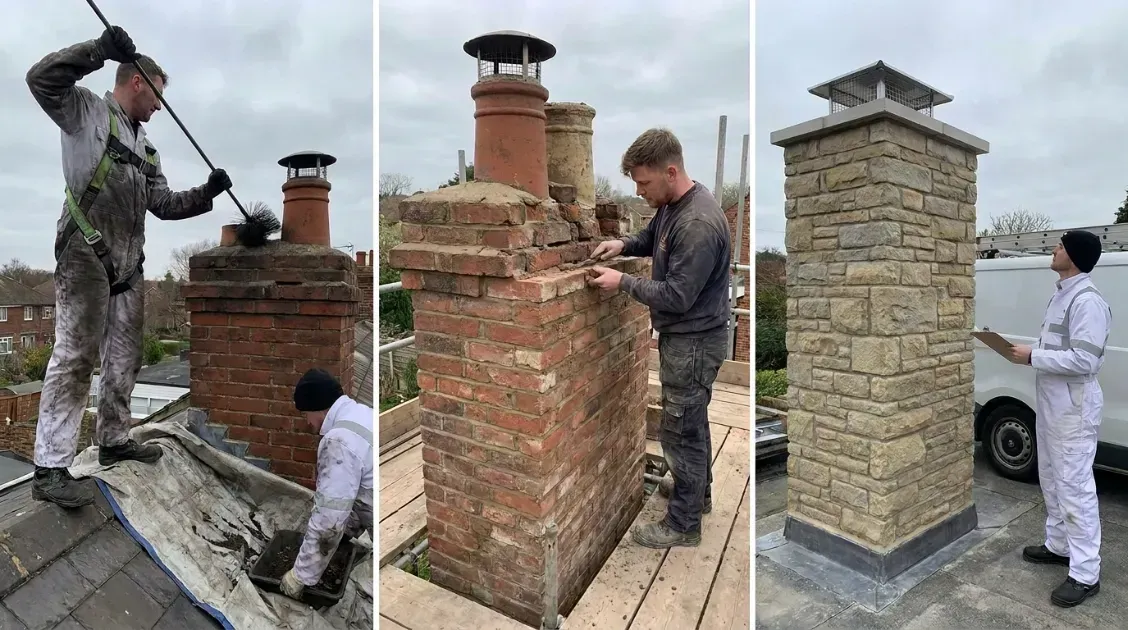
Portland Chimney Service sequences repairs so waterproofing lasts through wet winters rather than peeling after the first thaw. Landlords and managers gain clearer budgets when failed courses are rebuilt before product is applied.
How Portland Homeowners Limit Ongoing Masonry Water Damage
Chimney waterproofing Maine after tuckpointing and crown repair reduces how freeze thaw weather damages chimney brick in Portland Maine by blocking meltwater that soaks soft mortar overnight and expands into face spalls; services pair inspection with breathable coatings only on sound brick.
The team method records joint depth and crown slope first. Managers then plan seasonal checks instead of emergency rebuilds. For a timed next step before hard freezes, contact for a Portland, ME site visit.
Frequently Asked Questions
Why does freeze-thaw weather crack chimney brick faster near Portland, ME?
Coastal moisture soaks mortar and brick, then overnight freezes expand trapped water and loosen faces. Repeated cycles open joints, lift crowns, and drive masonry water damage down the flue path. Chimney waterproofing Maine helps only after those entry points are closed and the stack can shed meltwater cleanly.
When should chimney waterproofing Maine be applied on a coastal stack?
Apply water-repellent coatings only after cracked crowns, open joints, and failed flashing stop admitting water. Sealing over active leaks traps moisture and speeds spalling. Sound tuckpointing and a positive crown slope come first so the product protects brick rather than hiding unfinished repair work.
Can landlords delay exterior masonry work if the fireplace still draws?
Draft alone does not prove the chimney is dry. Exterior spalling and soft mortar still admit meltwater that stains interiors and weakens the structure over successive winters. Stabilizing the outer masonry before coatings or liner decisions keeps budgets predictable for multi-unit Southern Maine properties.
Preferred Source on Google Search
Add www.portlandchimneyservice.com to customize your search feed across Top Stories.