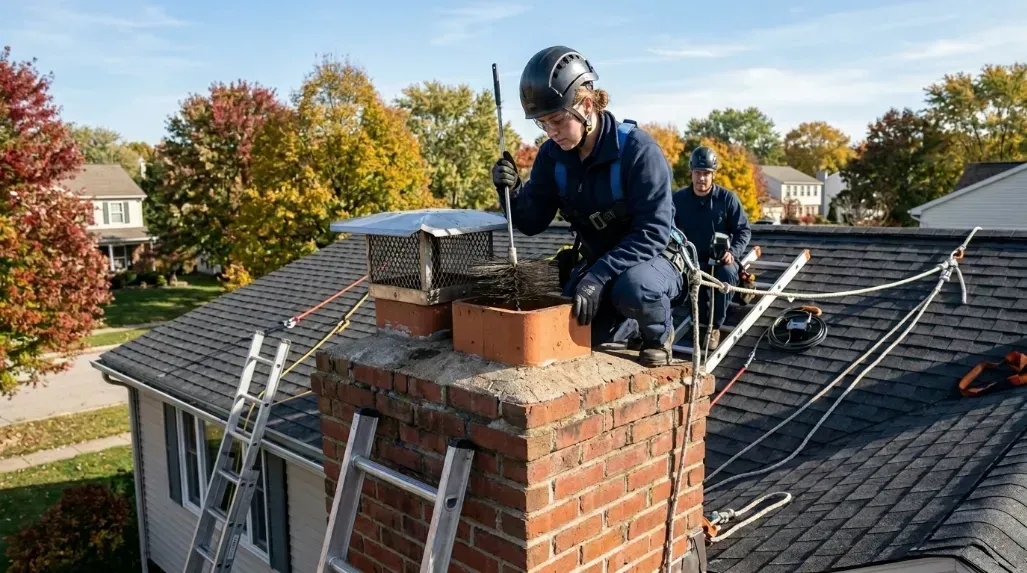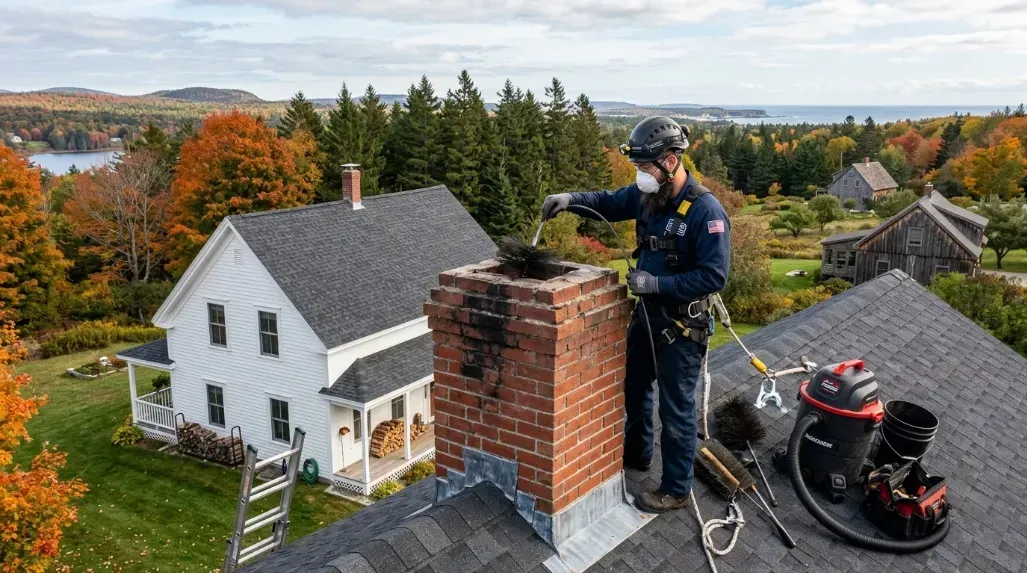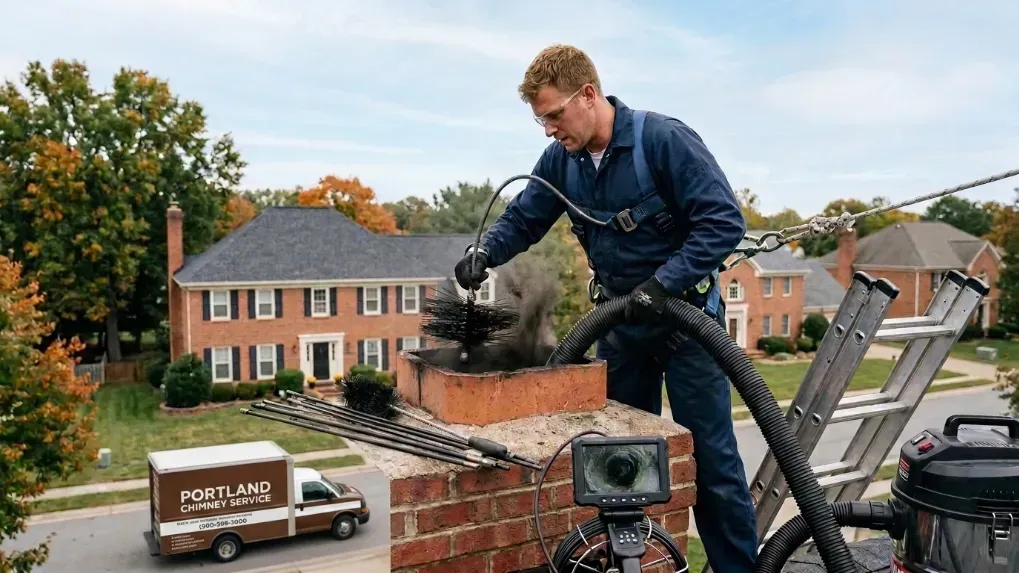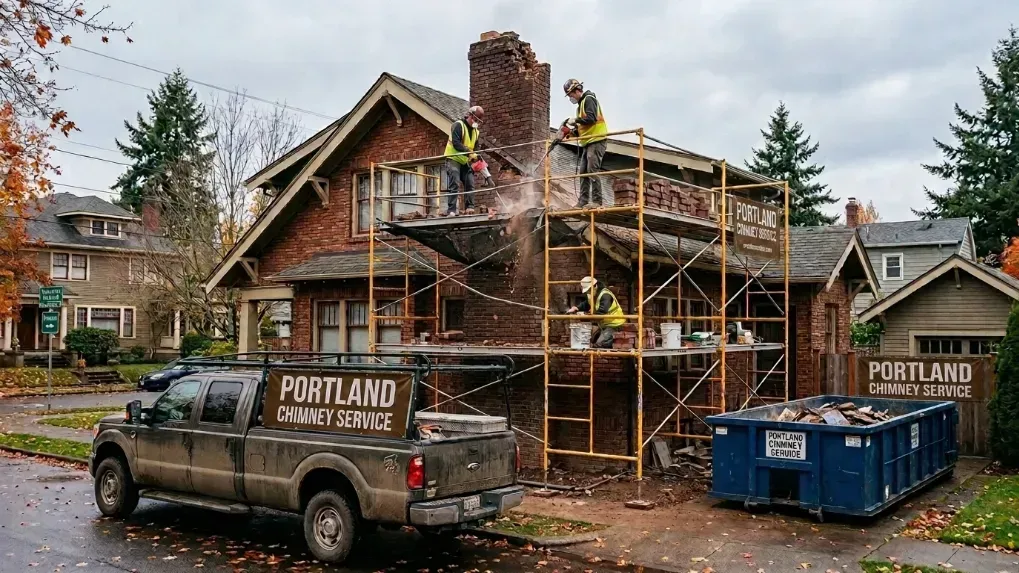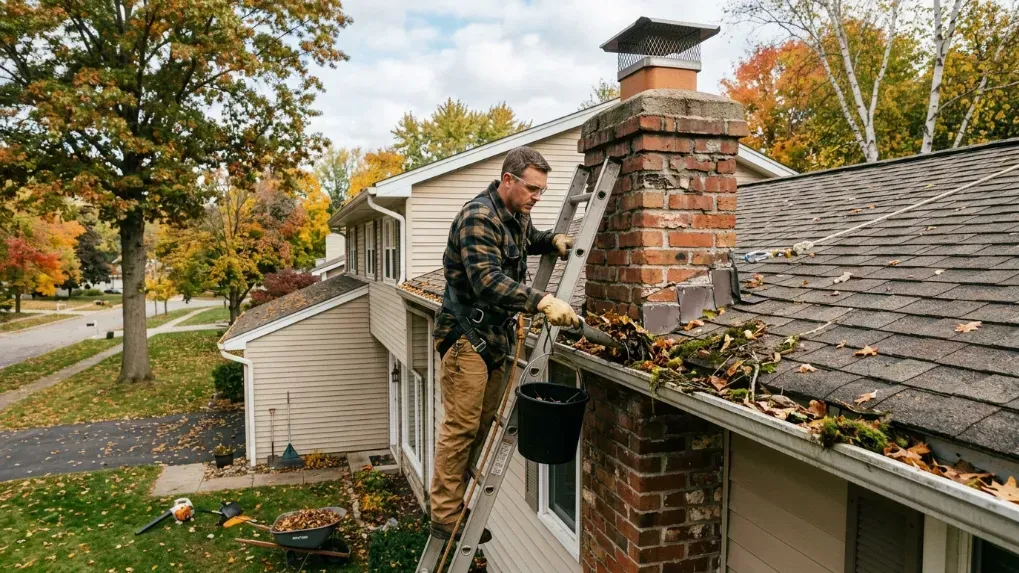
Accurately identifying chimney damage helps you secure the correct repairs before harsh Maine winters worsen the problem. Crumbling mortar requires precise tuckpointing, while spalling brick often demands complete brick replacement to restore structural safety. Catching these distinct issues early saves property owners significant time and money.
- Crumbling mortar appears as gray, sandy powder falling from the joints and is fixed via tuckpointing.
- Spalling brick involves the red outer face of the brick flaking off due to severe freeze-thaw cycles.
- Waterproofing is a crucial preventive step to protect repaired masonry from coastal Maine's relentless moisture.
Finding red dust or gray debris on your roof is a clear warning sign. Your chimney is suffering from masonry damage. Homeowners and property managers in coastal Maine face harsh weather conditions year after year. These conditions accelerate wear and tear on exterior structures. When you notice damage, calling a professional is the right next step.
Knowing exactly how to describe the problem saves time. It helps your contractor bring the right tools. It also helps them prepare an accurate assessment. Two of the most common issues are failing mortar and flaking bricks. They might look similar from the ground. However, they require entirely different repair methods.
We will explain how to identify these specific problems. This knowledge empowers you to make informed decisions about your property. Rely on the experts at Portland Chimney Service for a thorough evaluation. We are ready to help you protect your investment.
The Difference Between Crumbling Mortar and Spalling Chimney Brick
Understanding the difference between crumbling mortar and spalling chimney brick is critical. These terms refer to two distinct materials failing under stress. A chimney consists of masonry units and the paste that holds them together. The masonry units are usually clay bricks. The paste is mortar. Damage to either component compromises the entire structure.
Identifying Crumbling Mortar Joints
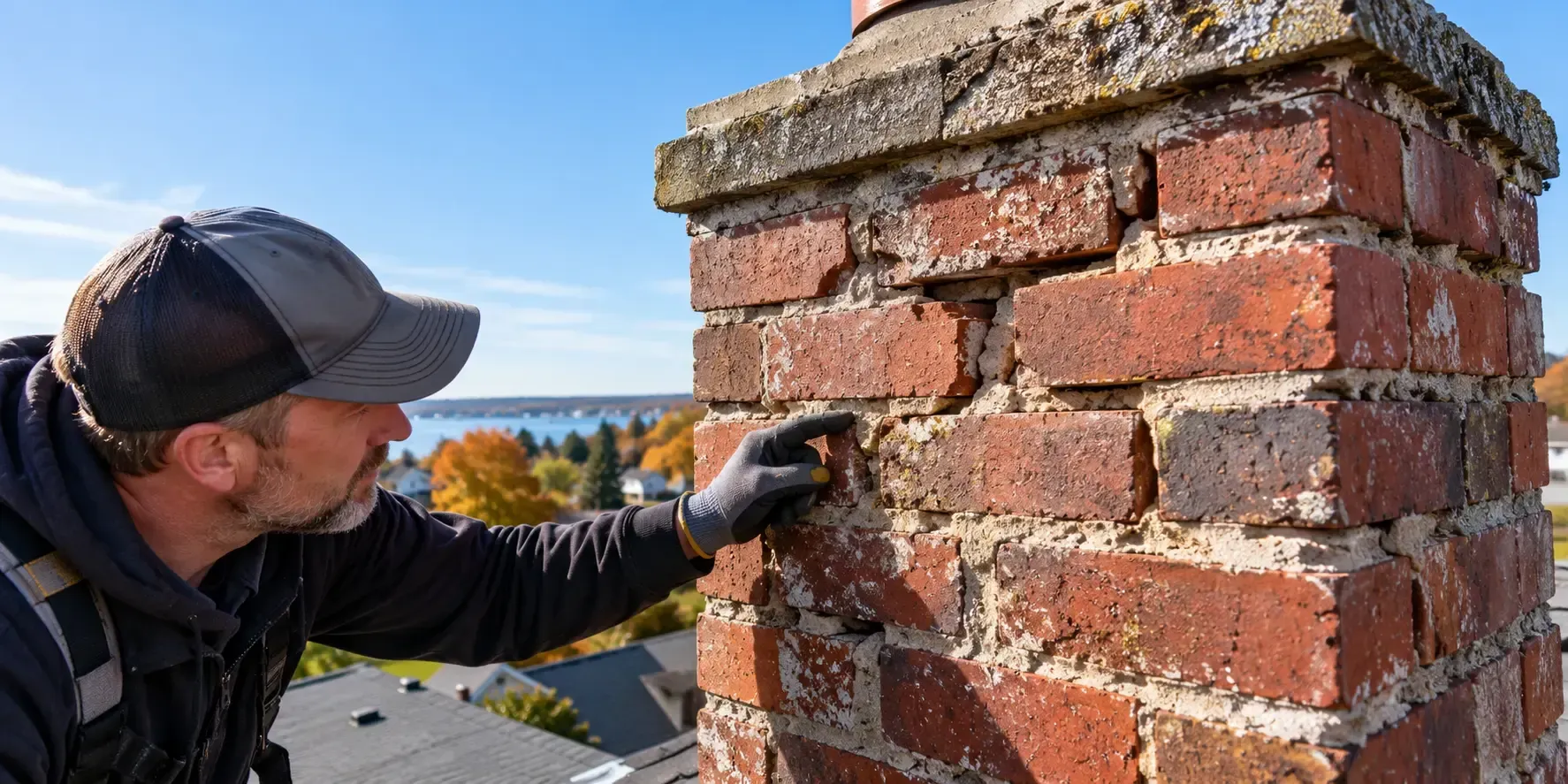
Mortar is the gray material sitting between your bricks. It is designed to be slightly softer than the bricks themselves. This softness allows the chimney to flex during temperature changes. Over time, exposure to rain and wind washes away the binding elements.
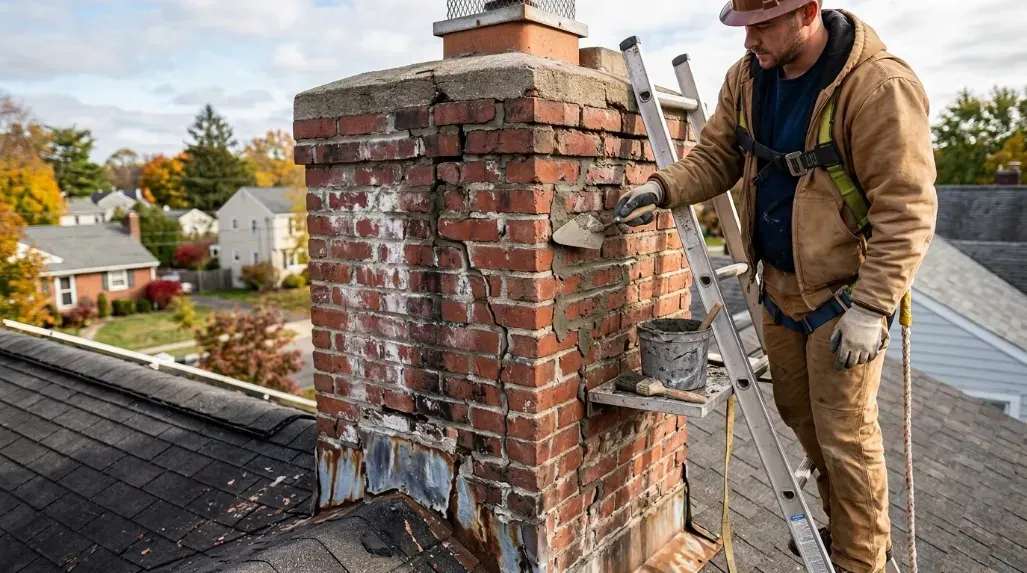
You might notice the mortar joints receding deeper into the wall. The surface may look sandy or powdery. Sometimes, entire chunks of gray material fall onto your roof. This means the joints have failed. They can no longer keep moisture out of the chimney interior. If you catch this early, we can perform targeted demolition and tuckpointing. This service restores the structural integrity without a full rebuild.
Recognizing Spalling Brick Damage
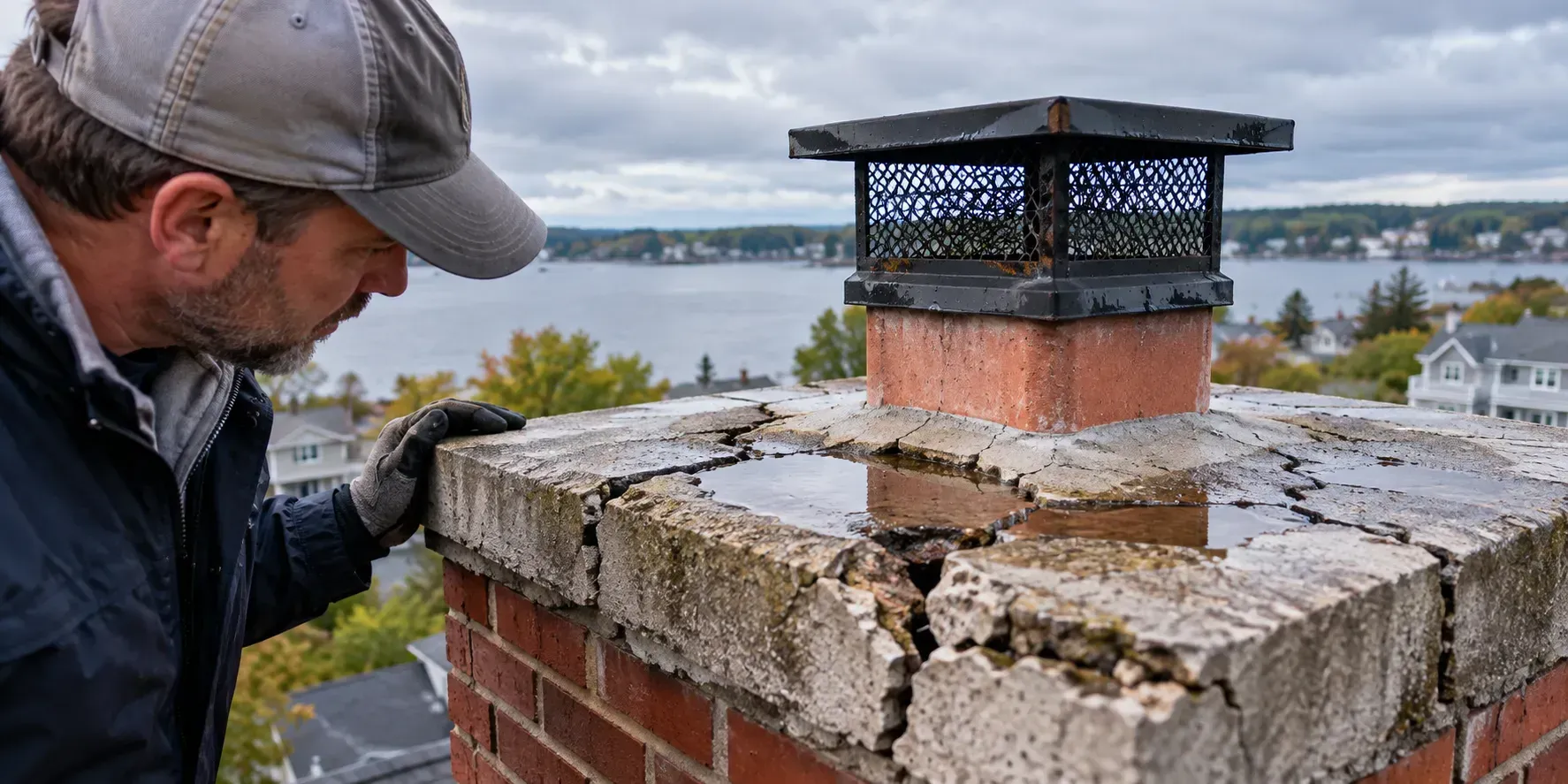
Spalling refers specifically to the bricks themselves. Bricks are porous materials. They absorb water like a sponge. When water enters a brick and freezes, the water expands. This expansion creates immense internal pressure.
The pressure eventually forces the outer face of the brick to pop off. You will see red or orange flakes littering your roof line. The brick face will look jagged, rough, and pitted. Once the hard outer crust of a brick breaks away, the soft inner core is exposed. This inner core degrades very rapidly. Spalling brick is a serious condition. If ignored, the chimney can lose its structural stability. You can learn more about how water can enter your chimney system to prevent this issue.
Why Coastal Maine Weather Accelerates Masonry Damage
The climate in Southern Maine is uniquely destructive to masonry. Homeowners here deal with constant moisture. We also experience brutal winter cold. This combination creates a relentless freeze-thaw cycle.
Water expands by roughly nine percent when it turns into ice. Coastal storms drive rain deep into porous brick and mortar. The temperature then drops below freezing overnight. The trapped water expands violently. This forces the masonry materials apart from the inside. The sun rises, the ice melts, and the water settles deeper into the new cracks. The following night, the cycle repeats.
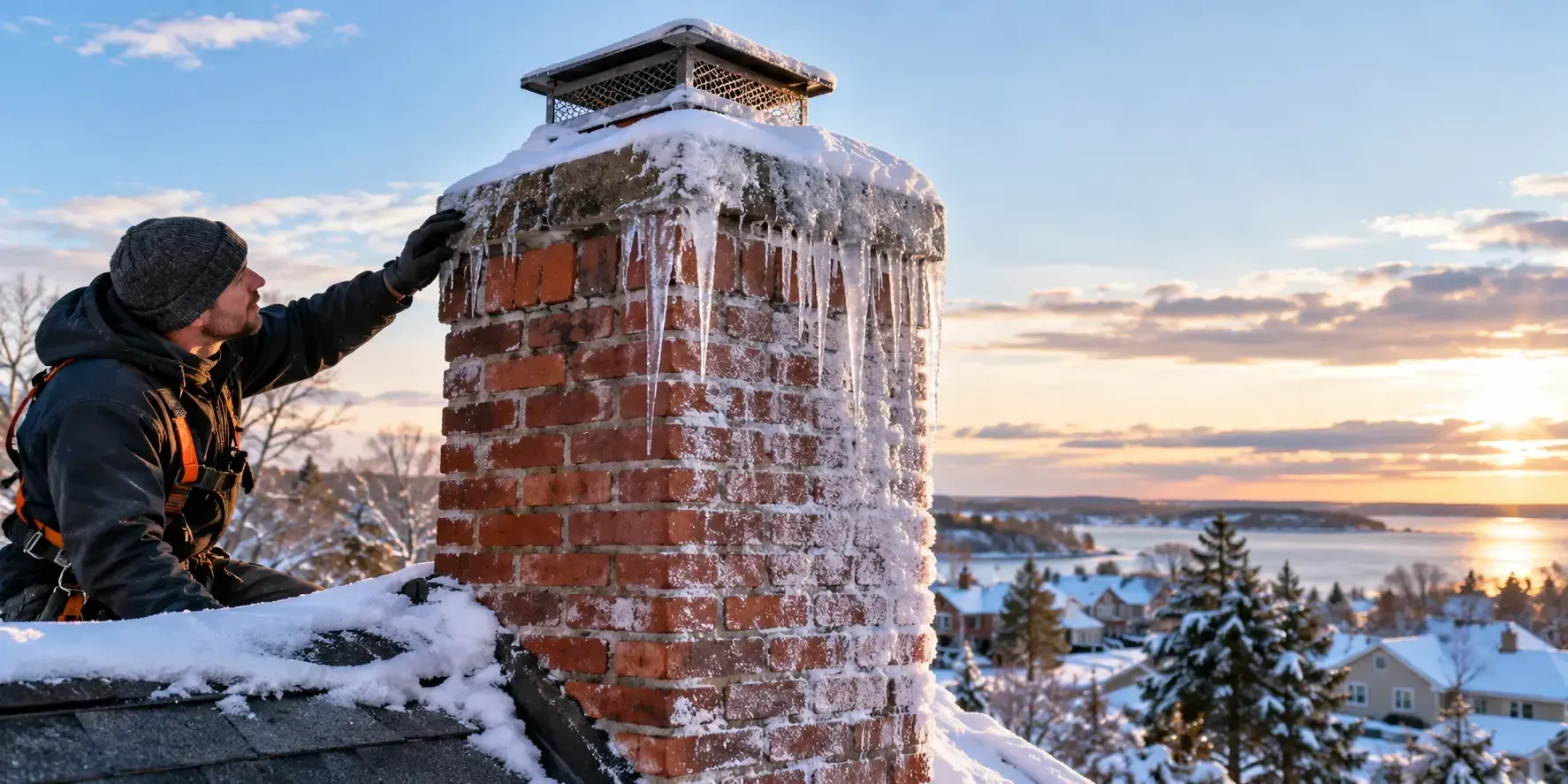
Portland properties also face salt spray from the ocean. Salt is highly corrosive. It accelerates the breakdown of cement and clay. High winds strip away the natural protective barriers on older bricks. Landlords and property managers must remain vigilant. A small crack in October can turn into a massive hole by April. Frequent visual inspections are the best defense against severe winter damage.
The Essentials of Chimney Tuckpointing Maine
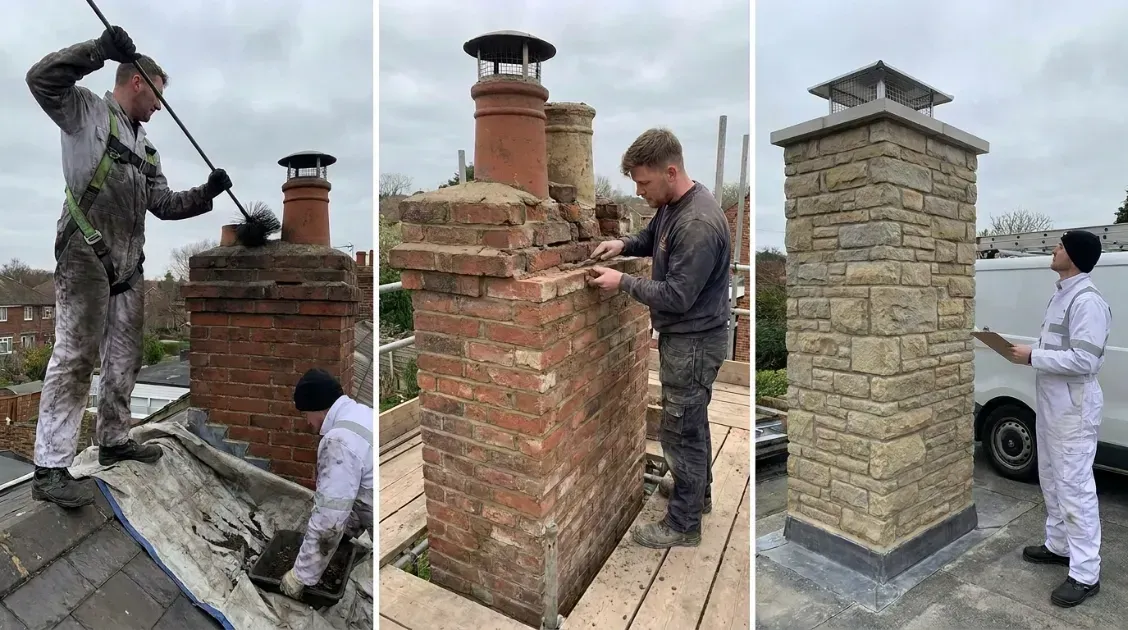
When the mortar fails but the bricks remain solid, we use a specific repair process. This process is called tuckpointing. It is a highly specialized skill. Professional chimney tuckpointing Maine properties requires precision and the right materials.
First, we carefully grind out the old, failing mortar. We remove the decayed material to a uniform depth. This step is crucial for the new mortar to bond properly. We use specialized diamond-blade grinders and hand chisels. Care is taken not to damage the surrounding bricks.
Next, we mix fresh mortar. The new mixture must match the physical properties of the original mortar. Using a modern, rock-hard cement on a historic Portland home can cause the softer bricks to crush. We carefully pack the new mortar into the cleaned joints. Finally, we tool the joints to create a smooth, water-resistant finish. This process restores the structural strength of the chimney. It also completely revitalizes the visual appeal of your home.
When to Call for Chimney Masonry Repair Portland
Timing is everything when dealing with masonry damage. Catching issues early saves property owners significant money. If you wait until bricks are falling into the yard, the repair becomes a major construction project.
Minor crumbling mortar usually only needs tuckpointing. However, widespread spalling bricks require a different approach. You cannot simply patch a spalled brick with cement. The damaged bricks must be physically cut out and replaced. If too many bricks have spalled, the entire structure becomes unsafe. In these cases, a partial or complete chimney rebuild is necessary.
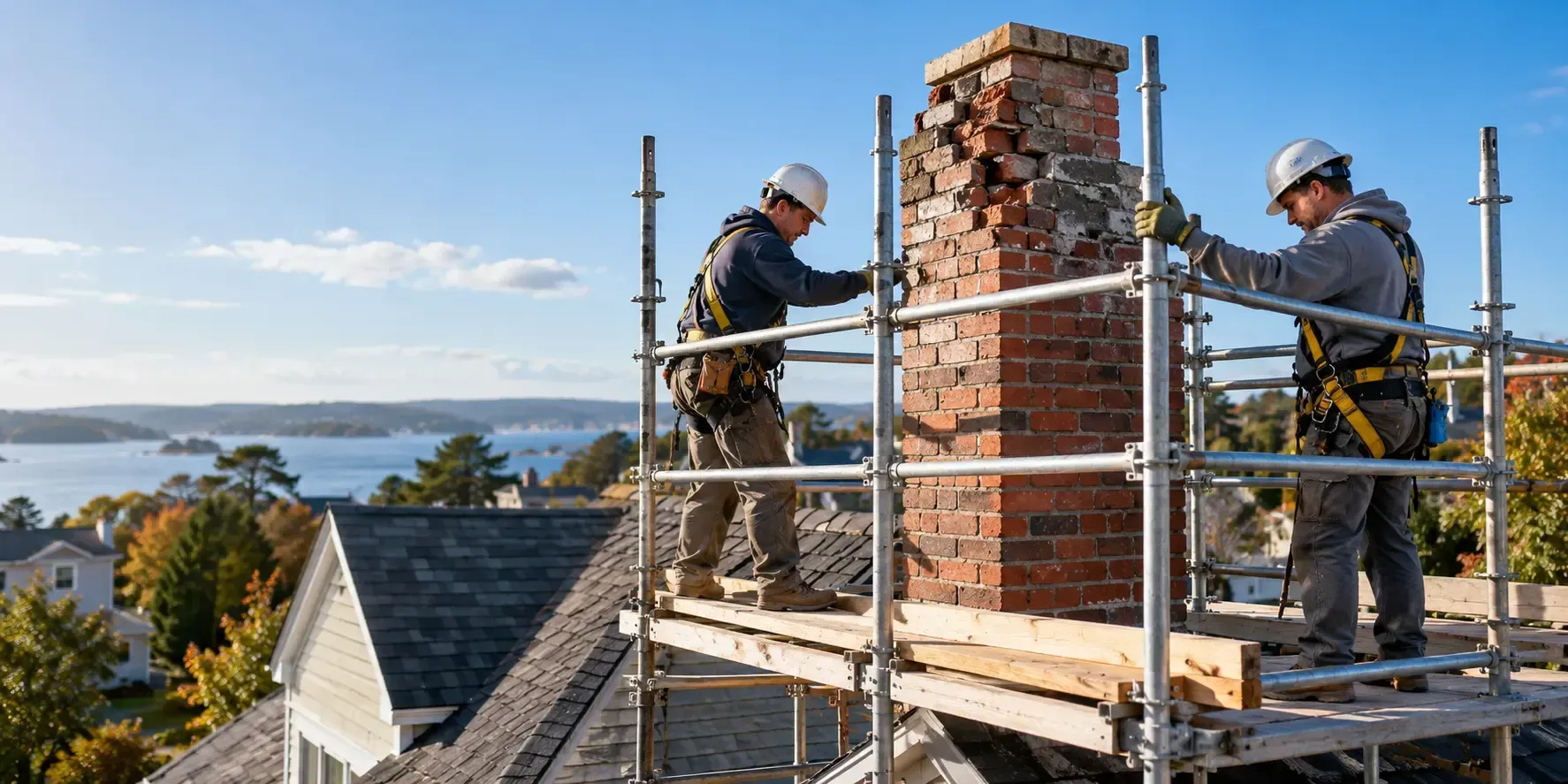
Prompt chimney masonry repair Portland protects more than just the exterior wall. Water entering through damaged masonry can saturate your interior walls. It can rot the wood framing of your roof. It can also rust the internal components of your heating system. Upgrading your internal systems with stainless steel liners provides an extra layer of protection. It keeps corrosive exhaust gases away from the inside of your brickwork. Always schedule an inspection at the first sign of red flakes or gray powder.
Masonry Damage Identification Guide
Use this simple reference guide to understand the visual cues on your property. This helps you explain the exact issue to your masonry professional.
| Damage Type | Visual Signs | Primary Cause | Recommended Solution |
|---|---|---|---|
| Spalling Brick | Red flakes, pitted brick faces, missing outer crusts. | Freeze-thaw cycles expanding trapped water. | Brick replacement or partial rebuild. |
| Crumbling Mortar | Recessed joints, sandy gray powder, loose masonry. | Weathering, age, and acidic rain. | Professional grinding and tuckpointing. |
| Crown Cracks | Fissures on the top cement cap of the chimney. | Thermal expansion and poor original materials. | Crown sealing or complete crown pouring. |
| White Staining | Chalky white streaks running down the brick. | Efflorescence from internal water movement. | Waterproofing and leak source repair. |
Preventive Steps to Protect Your Property
The best way to handle chimney damage is to stop it before it starts. Prevention is highly cost-effective. Once your masonry is in good condition, you must keep water out. Water is the primary enemy of brick and mortar.
We highly recommend professional chimney waterproofing for all properties in Southern Maine. This process involves applying a specialized, breathable sealant to the exterior masonry. The sealant acts like a raincoat for your chimney. It prevents liquid water from soaking into the porous bricks. Crucially, it still allows internal water vapor to escape. Never use standard exterior paint on a chimney. Paint traps moisture inside, which guarantees rapid spalling during the next winter freeze.
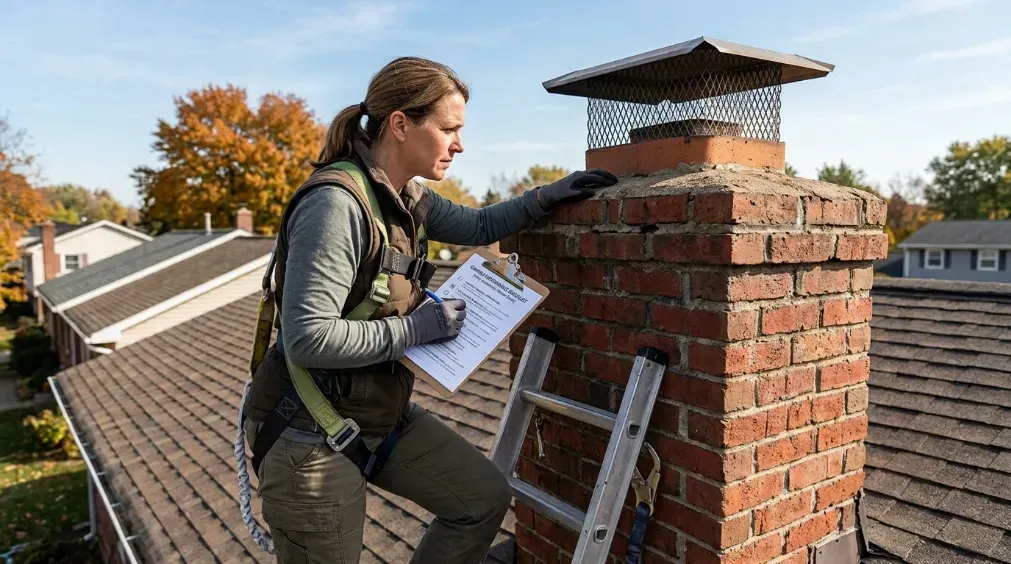
Regular sweeping and visual inspections are also vital. A trained eye can spot hairline cracks that you might miss from the ground.
Trusted Help for Southern Maine Homes
Your chimney is a vital structural and functional element of your home. Do not leave its care to chance. Trust local professionals who understand the specific demands of the coastal Maine climate.
We serve homeowners, landlords, and property managers throughout Portland and the surrounding areas. Our headquarters is located at 449 Forest Park D, Portland, ME. You can reach our dedicated office directly by calling 207-835-3683. We pride ourselves on transparent communication and high-quality craftsmanship.
To learn more about our background and dedication to the community, read about our experienced team. Do not wait for a small mortar crack to become a major winter emergency. Reach out today and schedule an inspection to secure your property for the years ahead.
Frequently Asked Questions
Can I fix crumbling chimney mortar myself?
Attempting DIY tuckpointing is not recommended. Incorrectly mixed mortar can actually accelerate brick damage. Professional masons ensure the new mortar matches the compressive strength of the existing structure. They also possess the tools to grind out joints safely without shattering the surrounding bricks.
Does spalling brick mean I need a whole new chimney?
Not always. If you only have a few spalled bricks, a mason can carefully cut them out and replace them individually. However, if the spalling covers a large area and structural integrity is lost, a partial or total rebuild will be required. An inspection is necessary to know for sure.
How long does professional tuckpointing last?
When performed correctly by experienced professionals, tuckpointing can easily last 20 to 30 years. The longevity depends heavily on local weather conditions and ongoing maintenance. Applying a breathable waterproofing sealant after the new mortar cures will significantly extend its lifespan.