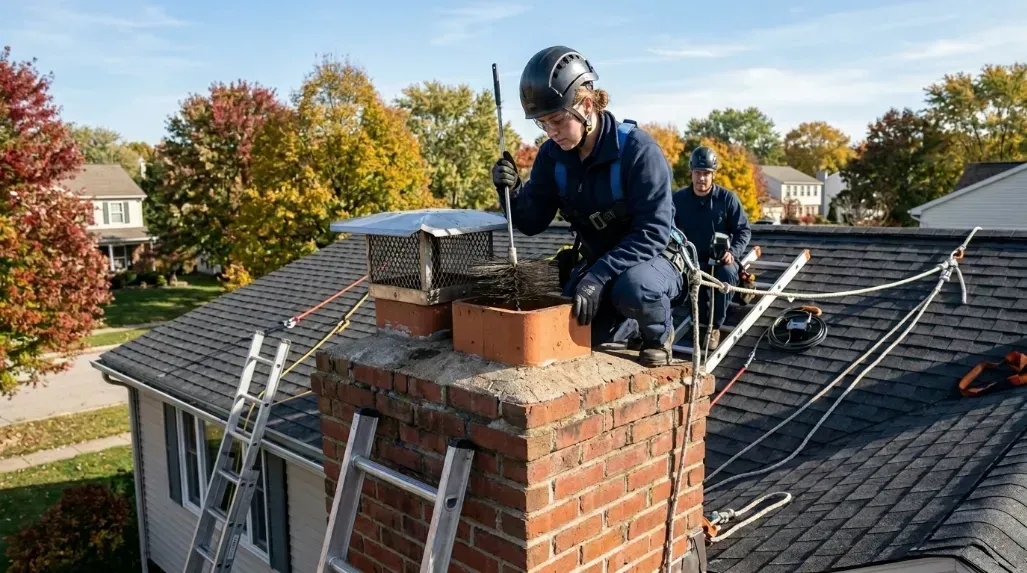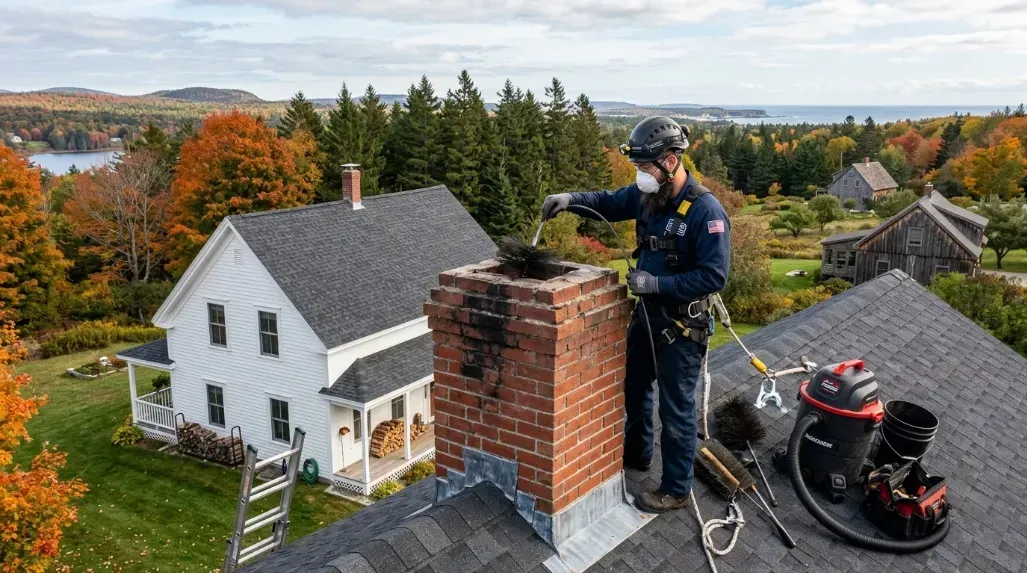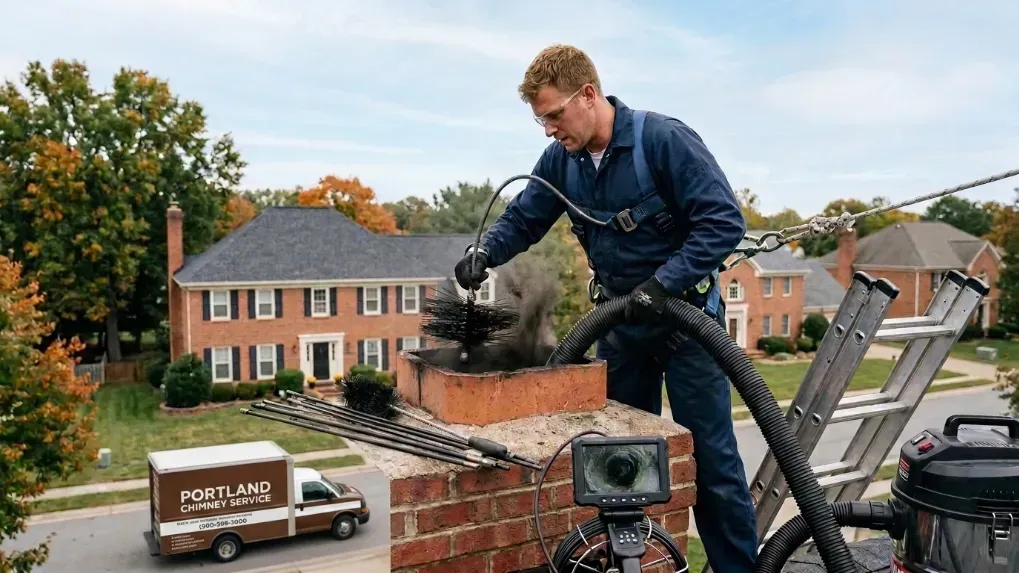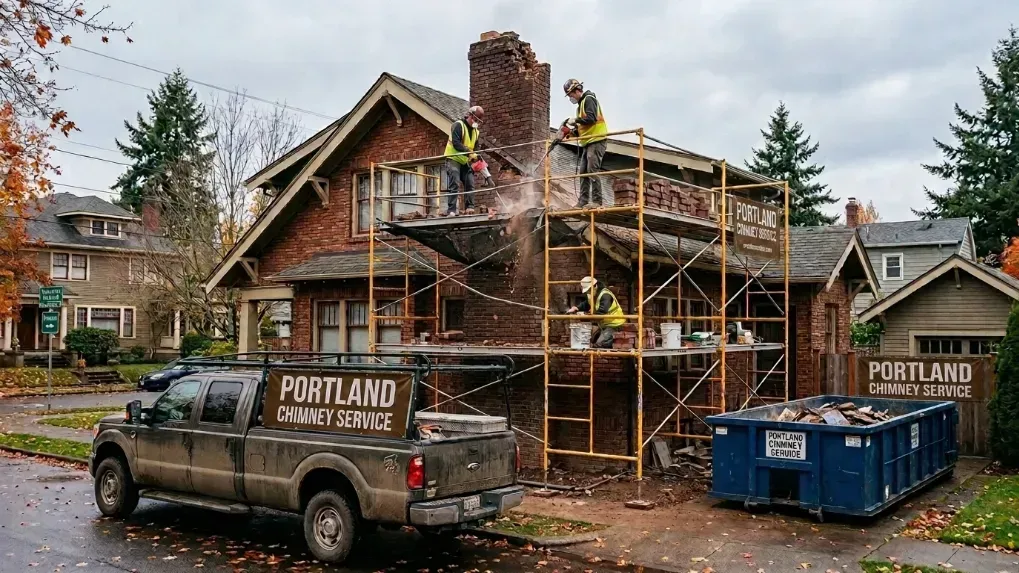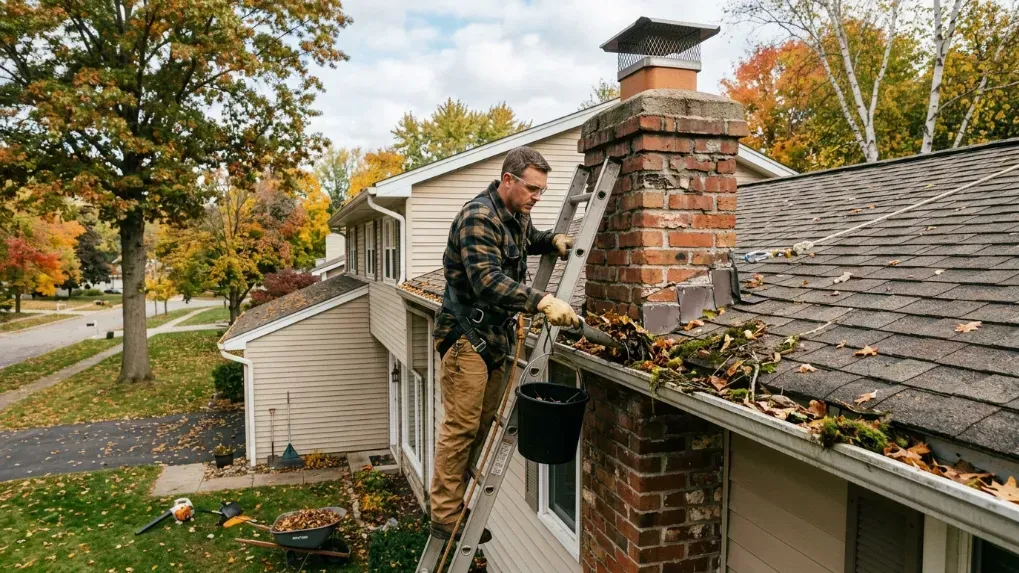
Coastal Maine's harsh weather, salt air, and relentless freeze-thaw cycles create the perfect storm for chimney leaks. Water easily enters homes through cracked concrete crowns, failing metal flashing, and deteriorating mortar joints, causing expensive interior damage. Applying a breathable silane-siloxane water repellent and completing timely masonry repairs are the best ways to protect your Portland property.
- Deteriorating flashing and cracked crowns are the leading entry points for water in coastal homes.
- Spalling occurs when trapped moisture inside porous bricks freezes, expands, and shatters the masonry.
- Professional silane-siloxane waterproofing repels exterior rainwater while allowing internal vapors to escape safely.
Living on the coast of Maine brings beautiful ocean views and crisp breezes. It also brings relentless weather conditions. Heavy rain, sleet, and freezing snow batter your home constantly. Your masonry structure stands entirely exposed to these elements day and night. Because of this extreme exposure, water intrusion is a constant threat.
Homeowners across the region face this frustrating issue every year. Moisture finds its way through tiny gaps and hairline cracks. Once inside, it destroys drywall, rots wood framing, and damages expensive ceilings. Ignoring a small drip always leads to massive repair bills later. You must understand how and why these leaks happen. Knowing the vulnerable spots helps you protect your property. The team at Portland Chimney Service sees these structural issues daily. We want to help you identify the warning signs early before disaster strikes.
Common Causes of Chimney Leaks in Coastal Maine Homes
Water is incredibly persistent. It will follow the path of least resistance into your house. A masonry stack has several critical transition points. These intersections are highly vulnerable to water entry. Here is a breakdown of where moisture usually breaches your defenses.
Cracked and Deteriorating Crowns
The crown sits at the very top of your stack. It serves as the primary umbrella for the entire brick structure. Builders typically construct this part from concrete or specialized mortar. Its main job is to shed rainwater away from the flue opening.
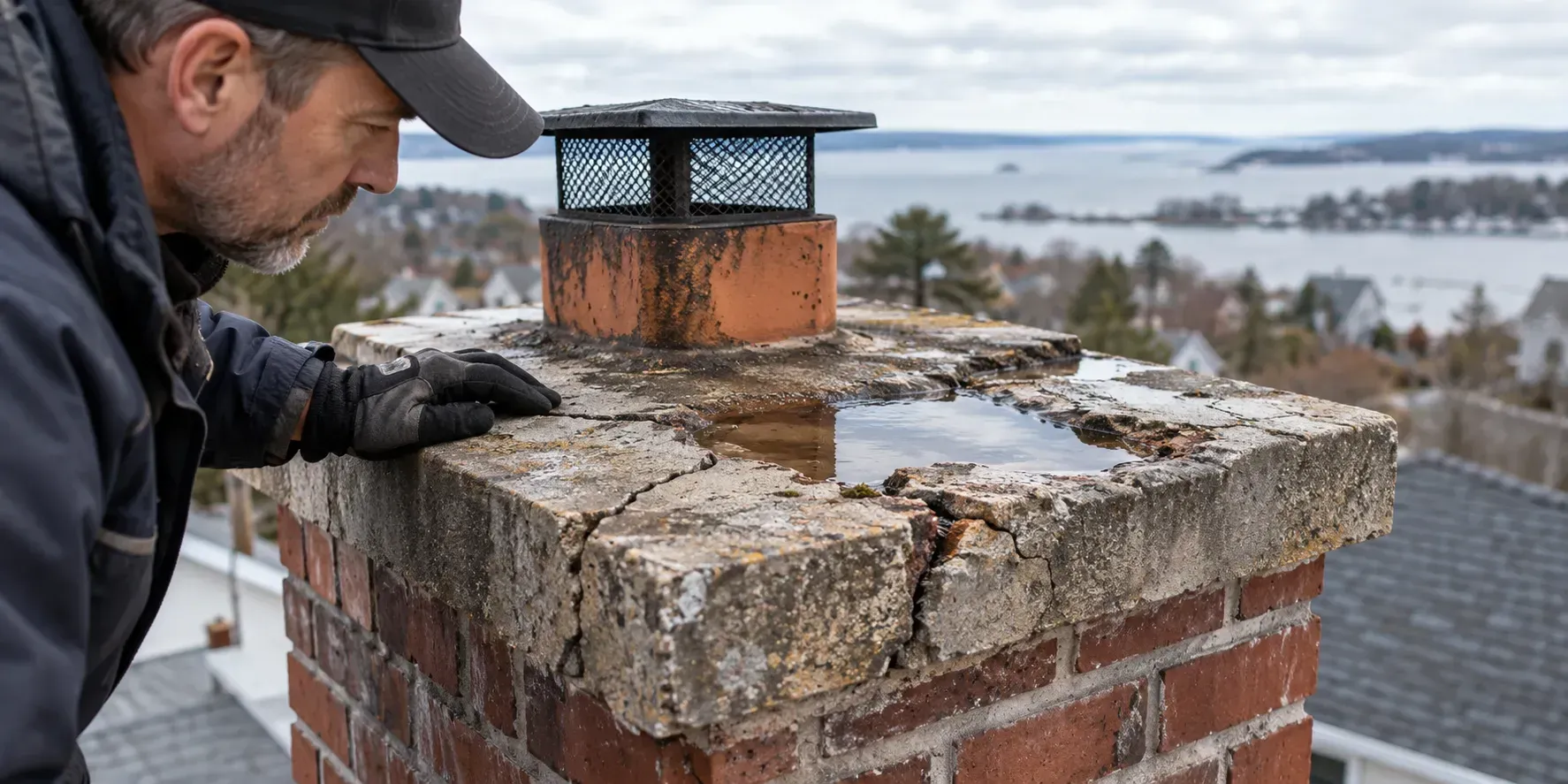
Over time, constant exposure to the hot sun and freezing rain causes severe damage. Small cracks begin to form on the surface. These fissures might look tiny from the ground. However, they allow significant amounts of water to seep inside the concrete. A compromised crown lets rain pour directly down the internal masonry walls. Catching these surface cracks early prevents severe internal water damage.
Flashing Failures at the Roofline
Flashing consists of thin metal strips bridging the chimney and roof shingles. This specific intersection is the most notorious spot for water entry. Roofers weave sheet metal into the surrounding shingles. They also embed a second metal layer directly into the masonry joints.
High winds from coastal storms frequently bend or loosen these metal pieces. The sealant used around the metal also dries out and shrinks over time. When the flashing lifts up, water runs right under your roof shingles. This specific failure often causes brown water stains on your ceiling. It is one of the most frequent issues our local experts fix for homeowners.
Porous Bricks and Failing Mortar Joints
Bricks and mortar are inherently porous building materials. They act exactly like rigid sponges when exposed to heavy rainfall. In Southern Maine, driving rain frequently saturates the exterior brickwork. The mortar joints between the bricks bear the brunt of this weathering.
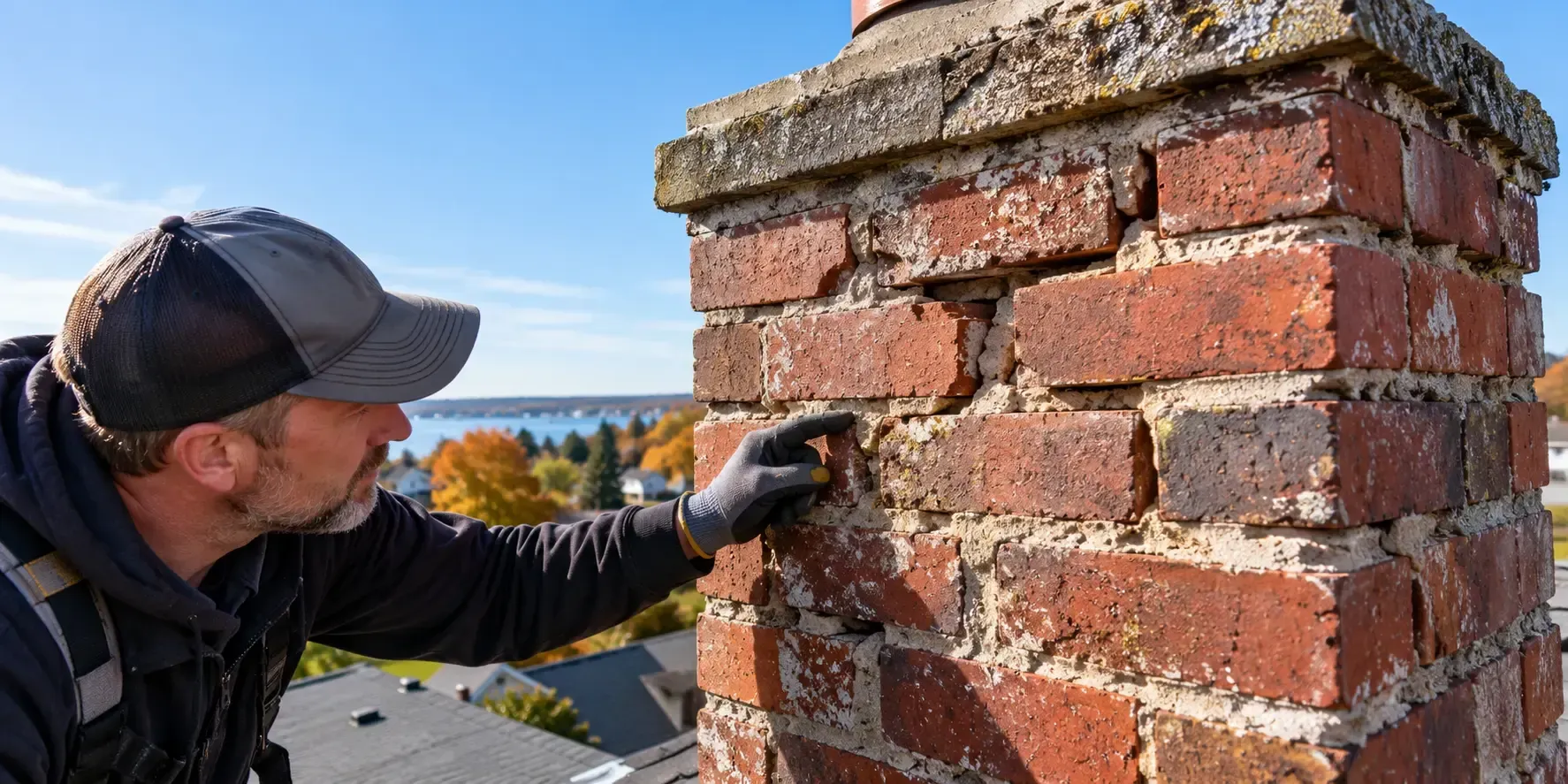
As the mortar ages, it becomes incredibly soft and begins to crumble. This deterioration leaves deep open voids between the bricks. Water easily blows into these empty spaces during a heavy storm. Eventually, this moisture travels entirely through the wall into your living room. If the internal damage changes your home airflow, you might notice strange drafts. For instance, you can read about why smoke may drift back into a Portland home due to structural damage.
Unprotected Flue Openings
The flue is the large vertical tunnel carrying dangerous smoke outside. A missing or damaged cap allows heavy rain to fall straight down this hole. Without a secure cover, every single rainstorm dumps water directly into your house.
This moisture pools at the bottom of the firebox. It causes metal dampers to rust shut and destroys the fireplace floor. Installing a proper top cover is a simple but vital defense strategy.
The Impact of Salt Air and Freeze-Thaw Cycles
Coastal Maine presents a unique challenge for masonry structures. The environment here is much harsher than inland areas. The ocean breeze carries tiny particles of salt. This salt air is highly corrosive to metal components. It eats away at metal flashing, caps, and chase covers much faster than normal.
Furthermore, our region experiences intense freeze-thaw cycles. During a winter day, the temperature might rise enough to melt snow. This melted water quickly seeps into the porous bricks. When the sun sets, the temperature drops rapidly below freezing. The trapped water turns into solid ice and expands with incredible force.
This expansion shatters the brick from the inside out. The face of the brick literally pops off and falls to the roof. Masons call this destructive process spalling. Once spalling begins, the structural integrity of the entire stack drops rapidly. This cycle repeats dozens of times every single winter in Portland.
Expert Leaking Chimney Repair Solutions
When water breaches your home, you need immediate professional intervention. Patching a hole with standard roof tar is a terrible idea. Tar traps moisture inside the brick and accelerates structural rotting. You need proper chimney services designed to fix the root cause.
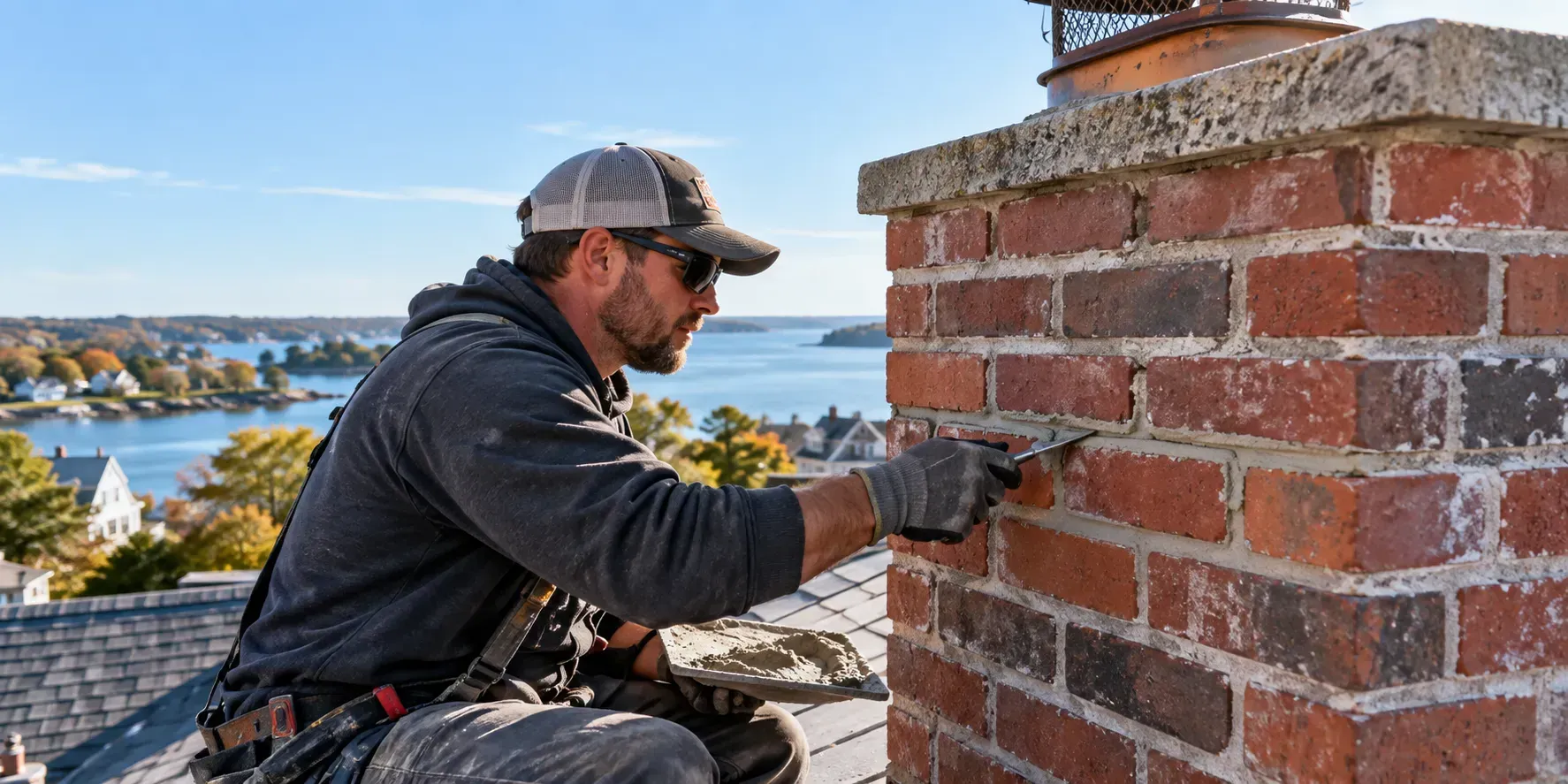
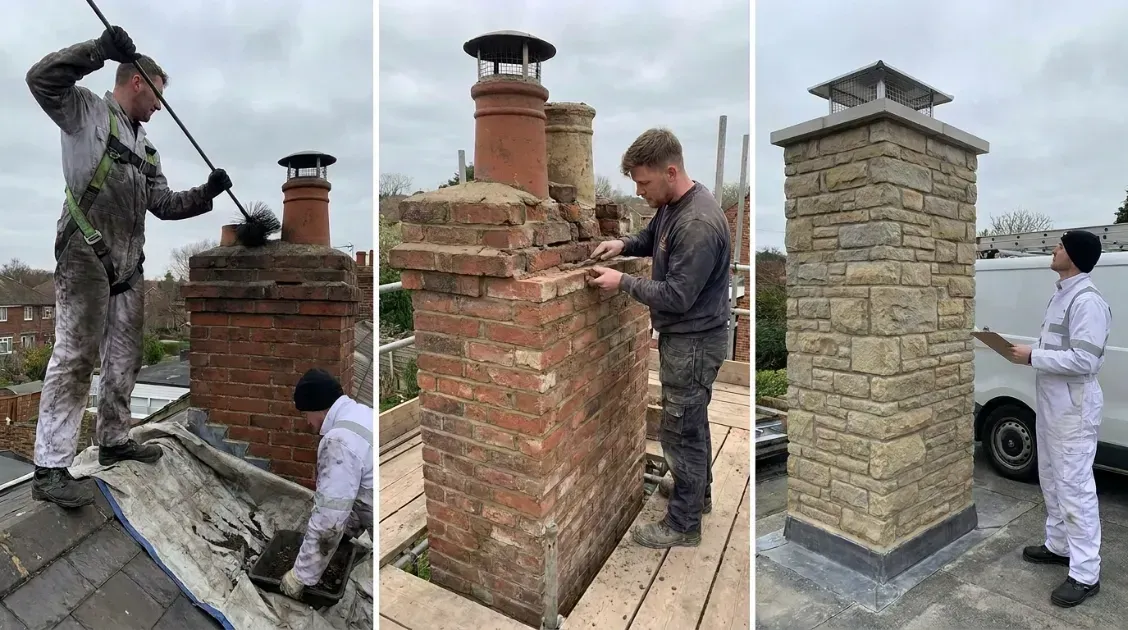
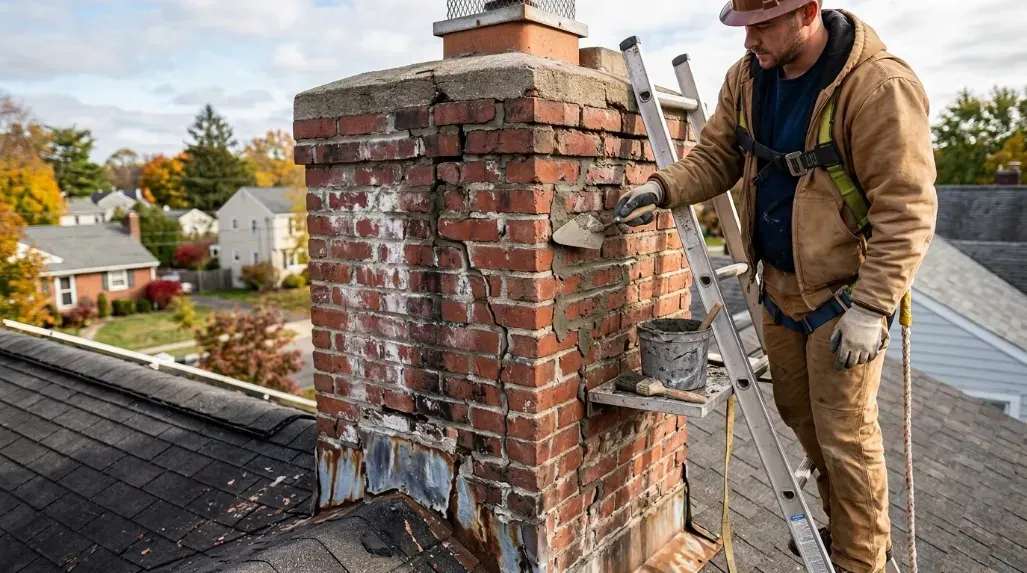
If your mortar is crumbling, professionals use a process called tuckpointing. Masons carefully grind out the old, failing mortar. They replace it with fresh, color-matched mortar. This process restores the structural strength and stops water from entering the joints. It makes the wall look brand new again.
When the crown is heavily damaged, patching it is rarely enough. A proper leaking chimney repair requires a complete crown rebuild. Technicians build a wooden form around the top. They pour a brand new, overhanging concrete crown. This overhang features a drip edge. The drip edge forces water to fall directly onto the roof, missing the bricks entirely.
For internal water damage, the flue itself might need attention. Old clay tiles crack easily when exposed to pooling water. Upgrading to modern stainless steel liners provides a watertight pathway for exhaust. These sturdy metal liners prevent condensation from leaking into the surrounding masonry.
If your flashing is bent or rusted, technicians must tear it out. They custom-bend new aluminum, copper, or galvanized steel. They cut deep grooves into the brick to anchor the new metal securely. They seal the joints with professional-grade polyurethane caulking. This provides a watertight seal that flexes naturally with changing temperatures.
Why Chimney Waterproofing Portland ME Properties Matters
Stopping leaks after they start is important. Preventing them from happening in the first place is much better. Preventative maintenance saves you thousands of dollars in water damage repairs. The most effective defense against coastal weather is professional waterproofing.
Homeowners must understand that standard hardware store sealants do not work on masonry. Paint and clear silicone sealers trap moisture inside the brick. When that trapped water freezes, it destroys the wall instantly.
Proper chimney waterproofing Portland ME requires a specialized silane-siloxane compound. This commercial product acts like a breathable raincoat for your masonry. The liquid soaks deeply into the brick pores and cures invisibly. It creates a powerful barrier that repels liquid rainwater completely.
However, this specialized barrier remains entirely vapor permeable. This means natural condensation from inside the house can still escape as a gas. The brick can finally breathe while staying perfectly dry on the outside. Applying this water repellent is a fast and cost-effective process. It dramatically extends the life of your mortar joints and brick faces. We highly recommend applying this treatment every five to ten years for maximum protection.
Preventative Maintenance Timelines
Staying ahead of the weather requires a proactive approach. Regular inspections help catch minor issues before they become major leaks. Use the following table to understand the typical lifespan of your exterior components.
| Component Name | Typical Material | Average Lifespan | Signs of Failure |
|---|---|---|---|
| Flashing | Aluminum / Copper | 15 to 25 Years | Lifted edges, rust, indoor ceiling stains |
| Crown | Concrete / Mortar | 10 to 20 Years | Visible surface cracks, missing chunks |
| Rain Cap | Stainless Steel | 15 to Lifetime | Rust streaks, water in the firebox |
| Masonry Joints | Sand and Cement | 25 to 30 Years | Crumbly texture, spalling brick faces |
| Waterproofing | Silane-Siloxane | 5 to 10 Years | Bricks darken and soak up water rapidly |
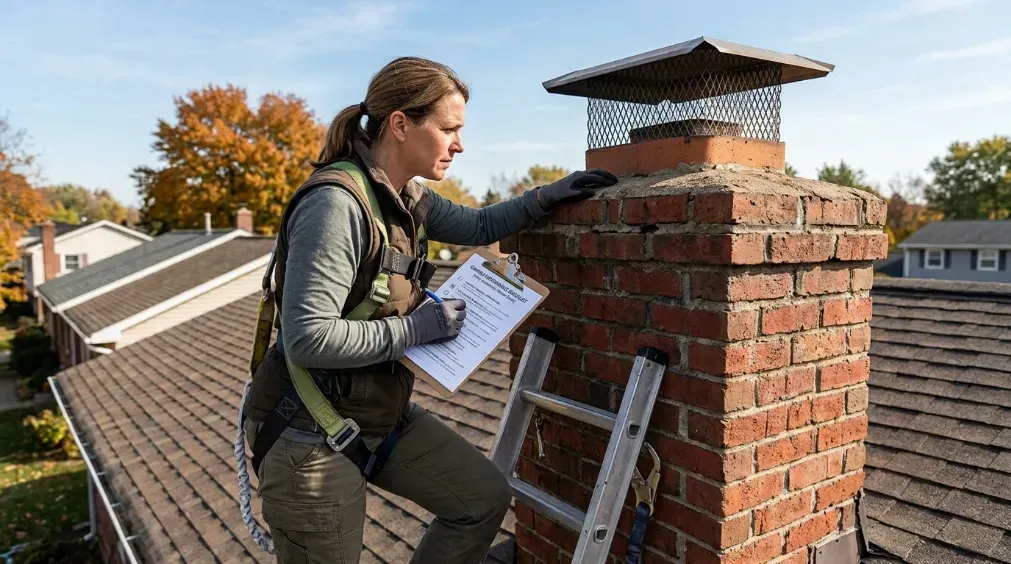
Routine visual checks from the ground can reveal obvious problems. However, a professional evaluation is necessary for a complete health check. Having a certified technician inspect the system annually is the best practice. They have the training to spot microscopic cracks you might miss.
If you suspect moisture is entering your home, do not wait for the next storm. Contact our office immediately to schedule a thorough diagnostic evaluation. You can reach out directly and contact us to secure your property against the harsh Maine winter.
Frequently Asked Questions
How do I know if my chimney is leaking?
The most common signs are brown water stains on the ceiling or walls near the fireplace. You might also notice a damp, musty smell coming from the firebox. Puddles inside the hearth or white powdery stains on exterior bricks are also strong indicators of water intrusion.
Can I seal a leaking chimney myself?
Applying hardware store sealants or roof tar usually makes the problem worse. These products trap existing moisture inside the porous brick. When winter arrives, that trapped moisture freezes and causes the brick surface to break apart. Always hire a professional to apply breathable masonry water repellents.
Does homeowners insurance cover chimney water damage?
Insurance coverage depends entirely on the cause of the leak. If a sudden severe storm or a fallen tree damages the structure, your policy might cover the repairs. However, insurance rarely covers damage caused by long-term neglect, aging mortar, or gradual wear and tear.
Protecting your home requires diligence and expert help. Stay dry and secure by addressing small maintenance items today. If you need assistance, call Portland Chimney Service at 207-835-3683 or visit us at 449 Forest Park D, Portland, ME.