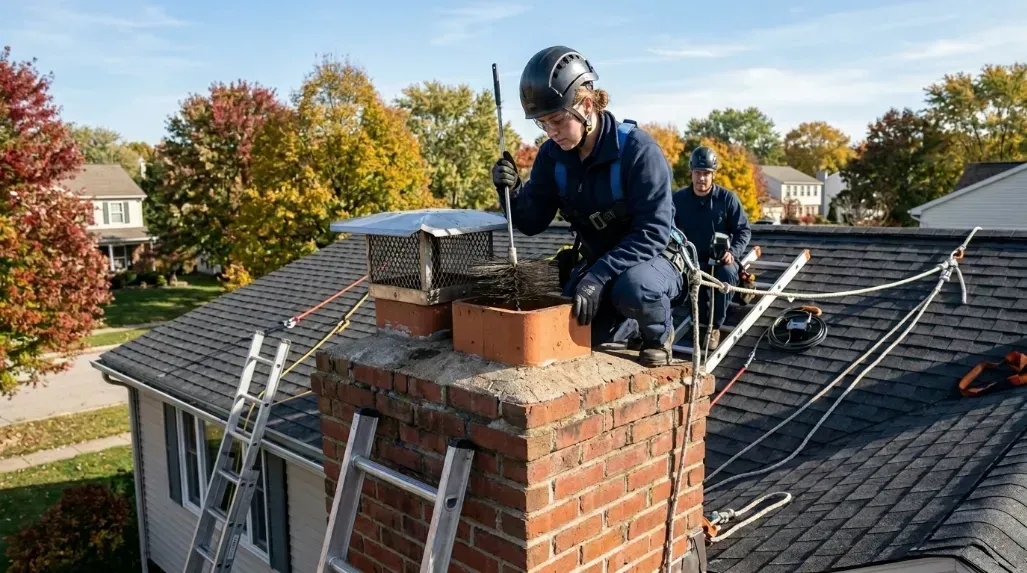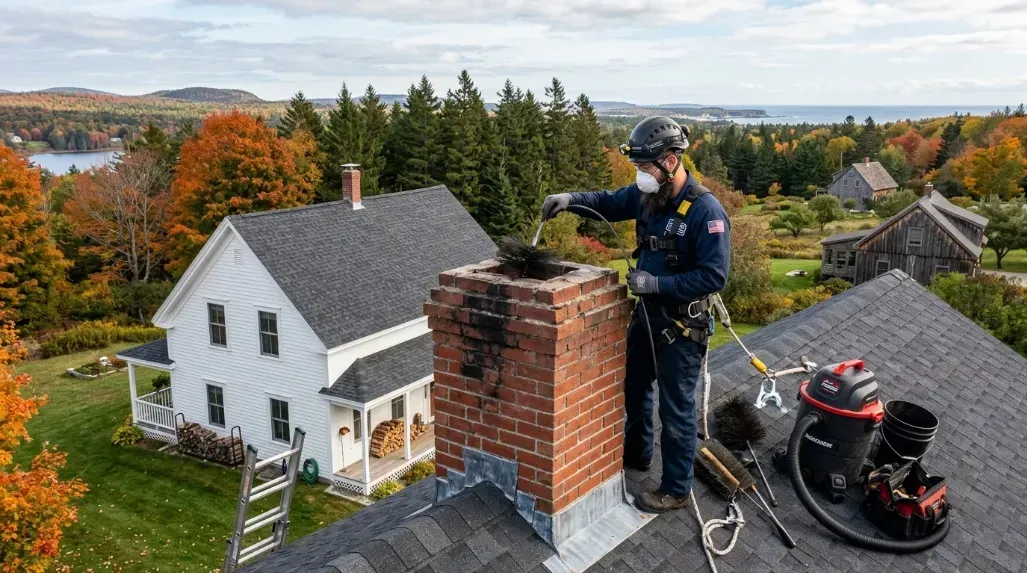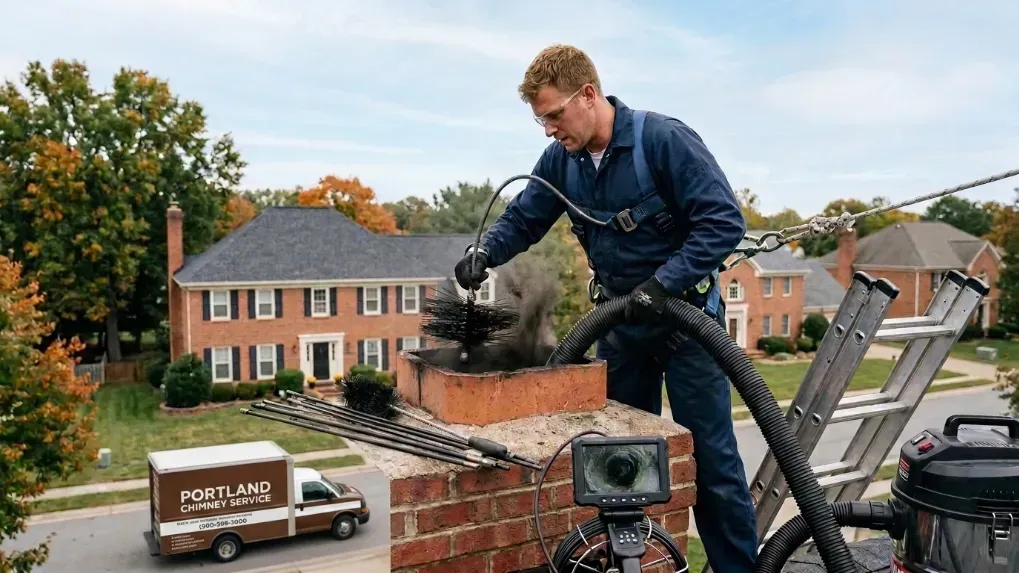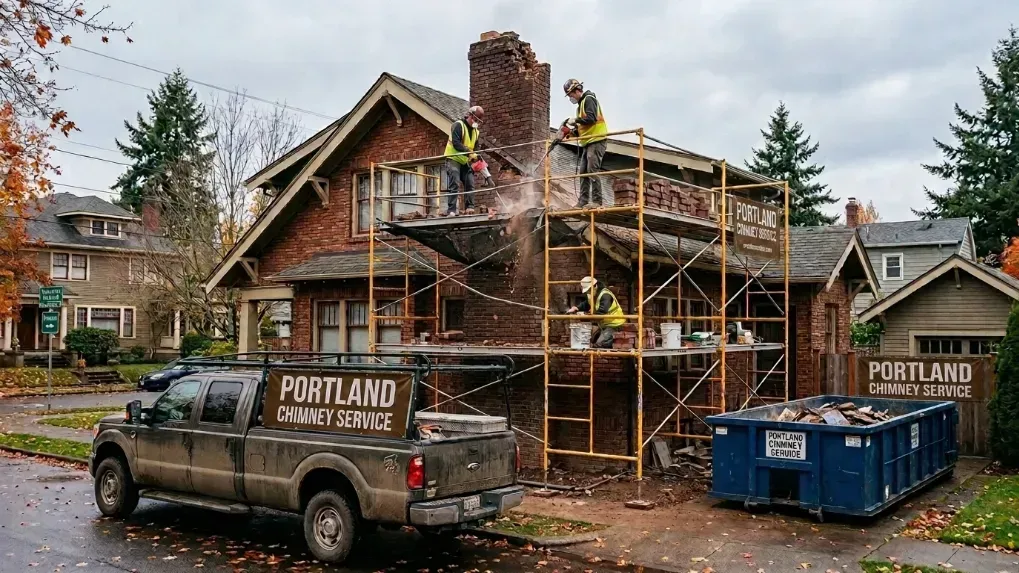
As the heart of many homes, a fireplace provides warmth, comfort, and a cozy ambiance. However, without proper care, your chimney can become a significant safety hazard, leading to devastating house fires and expensive structural damage. Proactive maintenance is not just a recommendation; it's an essential step to protect your home and family. Here at
Portland Chimney Service, we believe that understanding the risks and recognizing the warning signs are the first steps toward responsible fireplace ownership.
The Hidden Dangers Lurking in Your Chimney
Every time you enjoy a fire, byproducts like soot and creosote accumulate inside your chimney flue. Creosote is a highly flammable, tar-like substance that is the leading cause of chimney fires. A fire can erupt from a single spark igniting this buildup, reaching temperatures hot enough to crack flue tiles and spread to the rest of your home. Beyond the immediate fire risk, a neglected chimney can lead to other serious issues:
- Carbon Monoxide Poisoning: A blocked or obstructed chimney cannot vent harmful gases properly. Carbon monoxide, an odorless and colorless gas, can seep into your living space, posing a silent but deadly threat.
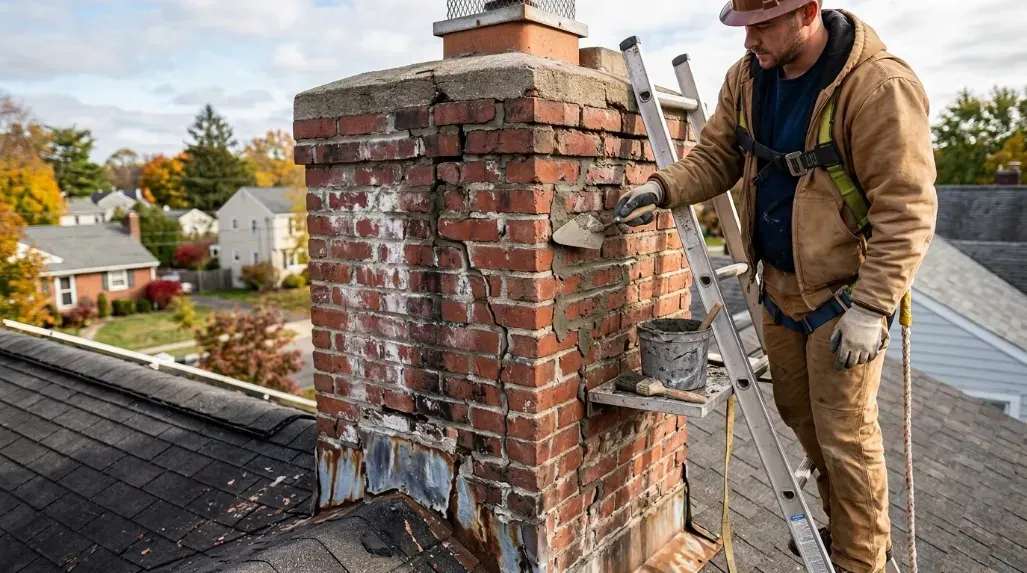
- Structural Damage: Moisture can penetrate cracks in the chimney's masonry, and when it freezes and thaws, it can cause bricks to crack and crumble—a process known as spalling. This deterioration can weaken the entire structure, leading to costly repairs or even a complete collapse.
- Reduced Efficiency: A dirty or blocked chimney restricts airflow, making your fireplace less efficient. This means you'll burn more wood for less heat, and your home may fill with smoke.
Signs Your Chimney Needs Immediate Attention
Being vigilant and knowing what to look for can help you catch problems early. If you notice any of the following signs, it's time to call a professional for an inspection and repair:
- Visible Soot or Creosote: A thick, dark buildup inside your firebox or on the damper is a clear indicator that a cleaning is overdue.
- Damaged Masonry: Cracked bricks, crumbling mortar joints, or white staining (efflorescence) on the exterior of your chimney are signs of moisture damage.
- Water Leaks: Puddles in your fireplace, water stains on ceilings or walls near the chimney, or a musty odor are red flags for water intrusion.
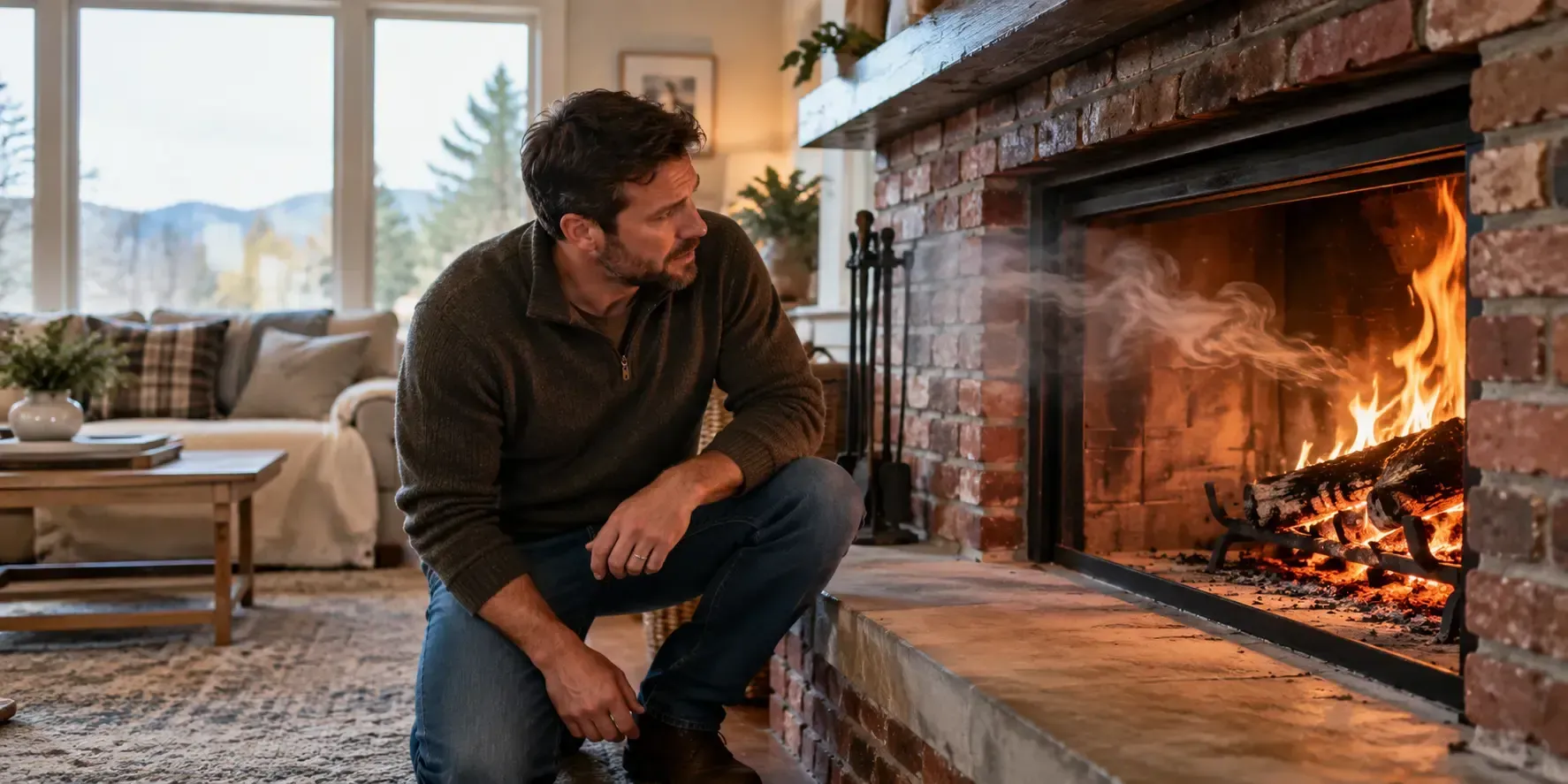
- Smoke in Your Home: If smoke is backing up into your room instead of going up the flue, it's a sign of a blockage or drafting issue.
- Damaged Flue Tiles: Finding bits of broken ceramic tile in your firebox indicates that the protective liner inside your chimney is deteriorating and needs immediate repair.
The Best Time for Chimney Maintenance
While chimney services can be performed year-round, the ideal times to schedule a sweep and inspection are in the late summer or early fall, before the heating season begins. This proactive approach ensures your chimney is safe and ready for the first cold snap. Scheduling during the off-season in spring or summer is also a smart choice, as it helps you avoid the autumn rush when demand for chimney professionals is at its peak. Waiting until you notice a problem in the middle of winter can lead to long wait times for an appointment.
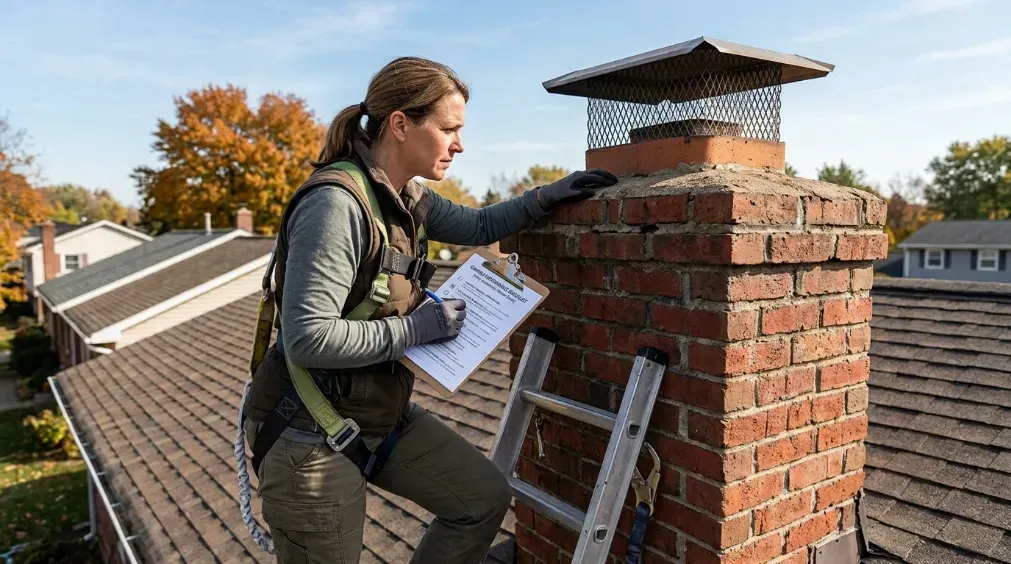
The National Fire Protection Association (NFPA) recommends that all chimneys, fireplaces, and vents be inspected at least once a year. This annual check-up is crucial for catching potential hazards before they escalate.
What to Expect from a Professional Inspection
Professional chimney inspections are categorized into three levels, as defined by the Chimney Safety Institute of America (CSIA).
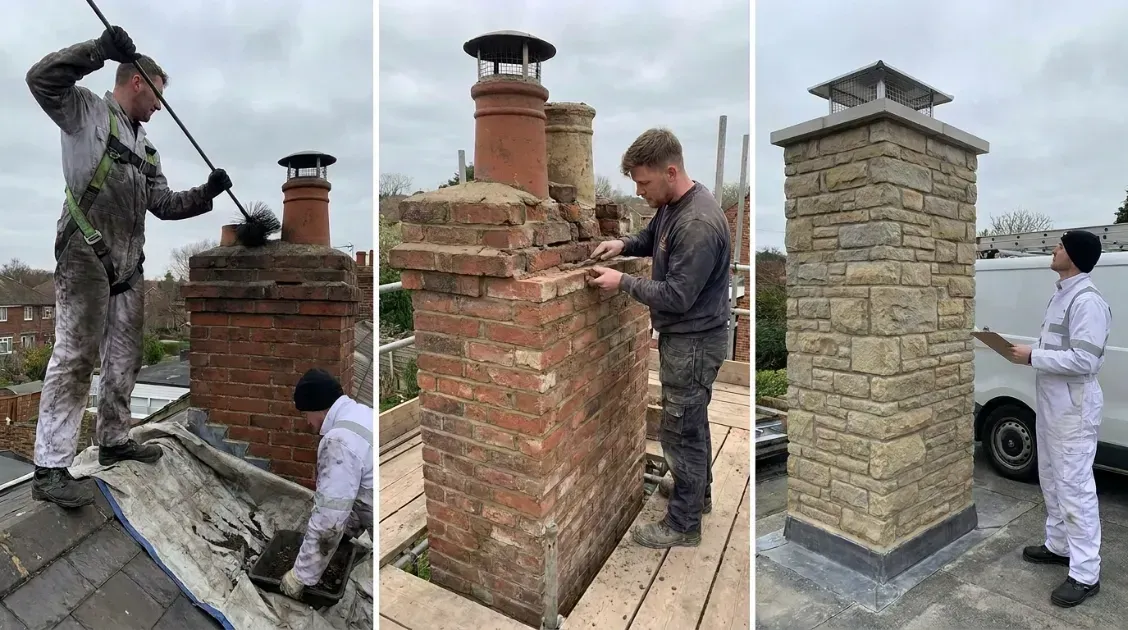
- Level 1 Inspection: This is a visual check of the readily accessible parts of your chimney and is recommended annually if you haven't experienced any issues.
- Level 2 Inspection: This more in-depth inspection, which may include video scanning, is required when changes are made to the system (like a new appliance) or when buying or selling a home.
- Level 3 Inspection: This is the most detailed inspection and is only necessary when a serious hazard is suspected and may require removing parts of the chimney or home to access concealed areas.
Protect Your Investment with Portland Chimney Service
Your home is your most significant investment; protecting it should be a top priority. Don't wait for a chimney fire or costly water damage to remind you of the importance of regular maintenance. The team at Portland Chimney Service has the expertise to ensure your chimney is clean, safe, and operating efficiently. By scheduling a professional chimney sweep and inspection now, you gain peace of mind knowing your family and home are protected. Contact Portland Chimney Service today to book your appointment before the cold weather arrives. Call us at (207) 835-3683 to keep your home safe and warm all winter long.
Frequently Asked Questions
How often should I have my chimney swept?
The Chimney Safety Institute of America (CSIA) and the National Fire Protection Association (NFPA) recommend an annual inspection and cleaning to ensure safety and efficiency. If you use your fireplace frequently, you may need more frequent cleanings.
What is creosote and why is it dangerous?
Creosote is a corrosive and highly flammable byproduct of burning wood that builds up on the inside of your chimney. It is the leading cause of chimney fires, which can cause significant damage to your home.
Can I clean my own chimney?
While DIY kits are available, a professional chimney sweep has the specialized tools and training to do the job thoroughly and safely. More importantly, a certified professional can identify potential structural issues or hazards that an untrained eye might miss, providing a comprehensive safety inspection along with the cleaning.