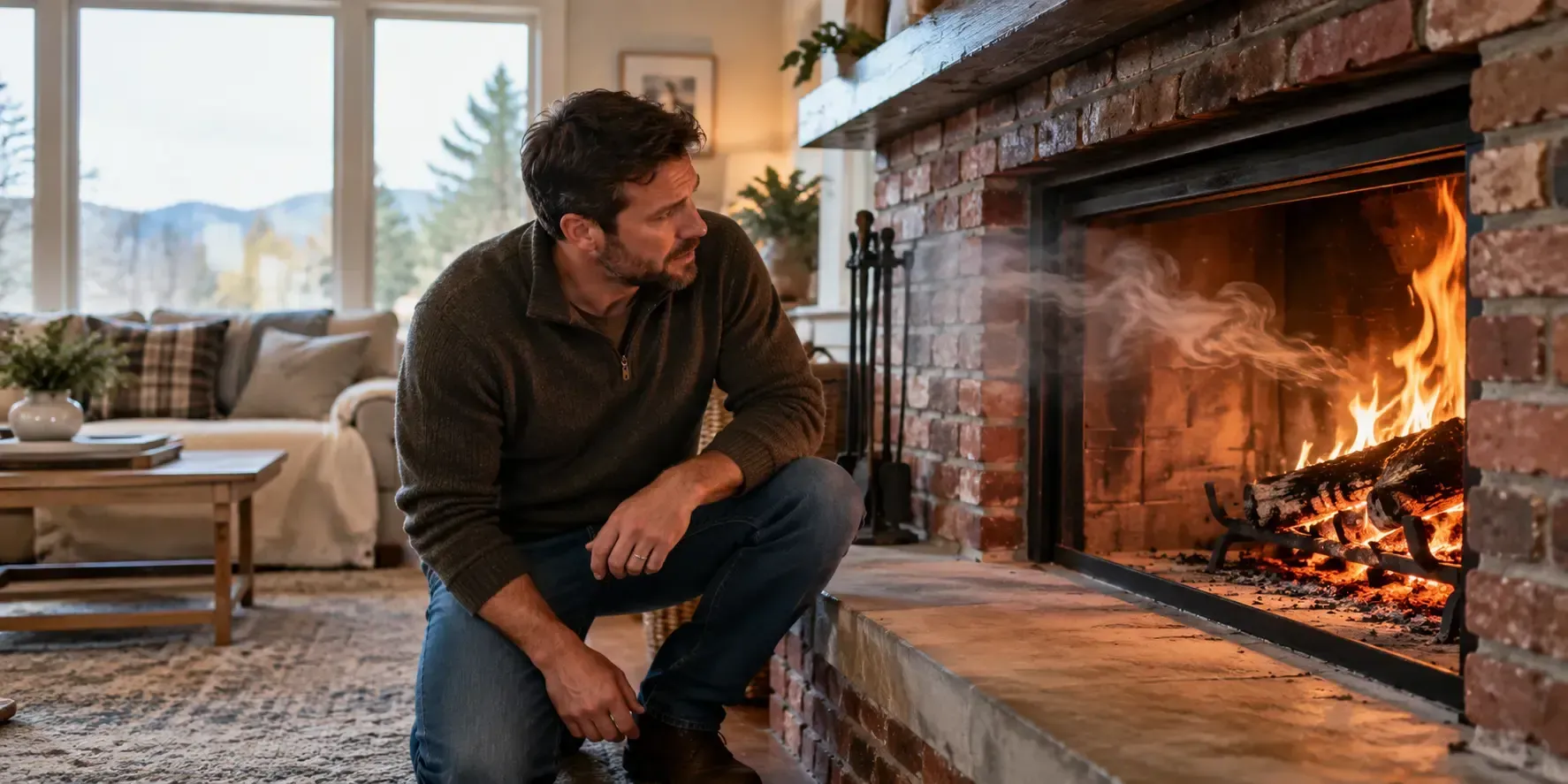
The wind screams off Casco Bay in January. It carries a bite that cuts through the thickest wool. Inside your Portland home, the hearth is the heartbeat of the house. You stack the seasoned oak, strike a match, and wait for that familiar amber glow. But behind the brick and mortar, a silent threat might be brewing. Most homeowners assume if the smoke goes up, the system is fine. That assumption is dangerous. In Maine, our winters don't just test our patience; they dismantle our masonry.
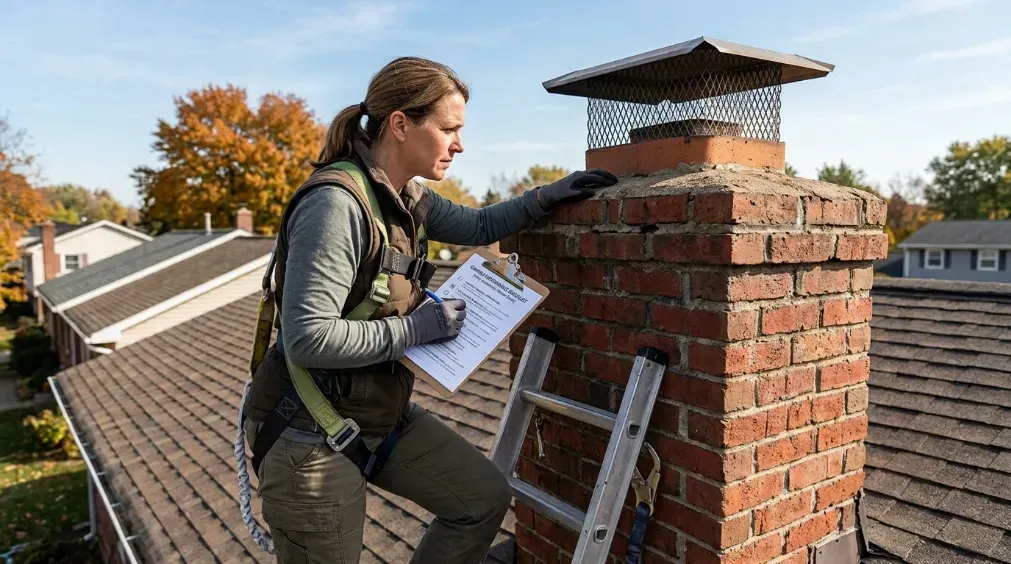
Chimney service isn't a luxury. It is a fundamental requirement for coastal living. The National Fire Protection Association (NFPA) 211 standards are clear: every chimney, fireplace, and vent needs an annual inspection. This isn't just about sweeping away soot. It’s about structural integrity. In Portland, our chimneys face a unique enemy: the freeze-thaw cycle. When freezing rain hits your brickwork, moisture seeps into the porous surface. Then it freezes. Water expands by roughly 9% when it turns to ice. This microscopic expansion acts like a slow-motion jackhammer, widening cracks and popping the faces off your bricks—a process known as spalling. If you haven't had a professional look at your stack this season, you're playing a high-stakes game with the Atlantic elements.
The Hidden Danger of Creosote and Coastal Humidity
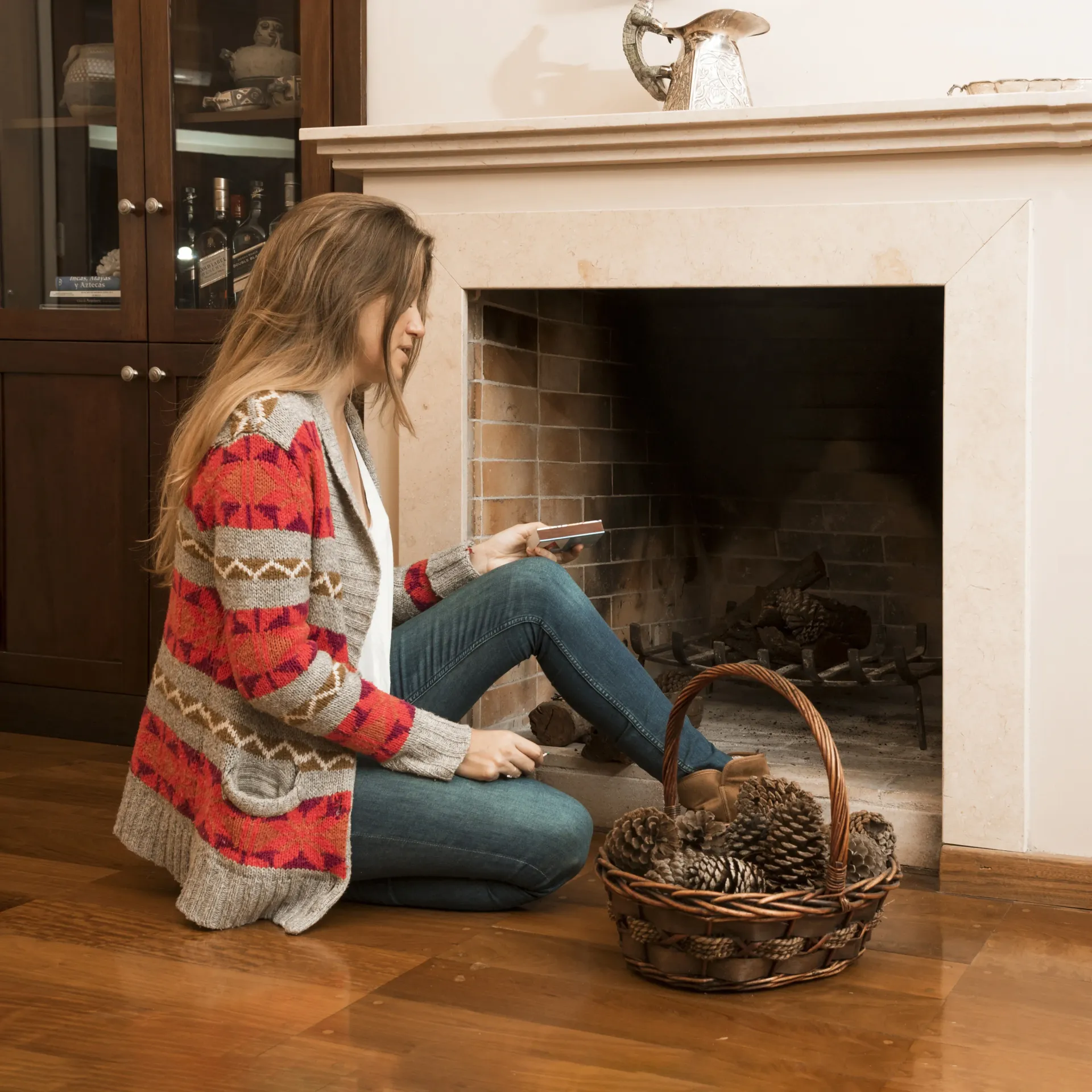
Portland’s humidity levels stay high even when the mercury drops. This moisture mixes with the byproducts of your wood fires to create a nasty substance called creosote. It's sticky. It's acidic. It’s highly flammable. According to the Chimney Safety Institute of America (CSIA), thousands of residential structure fires are caused by chimney issues every year. Most of these fires are preventable. A thick layer of creosote can ignite from a single stray spark, turning your flue into a blast furnace in seconds. You won't always see a chimney fire; sometimes they burn slow and hot, melting liners and igniting the wooden framing of your home without a sound.
Portland Chimney Service
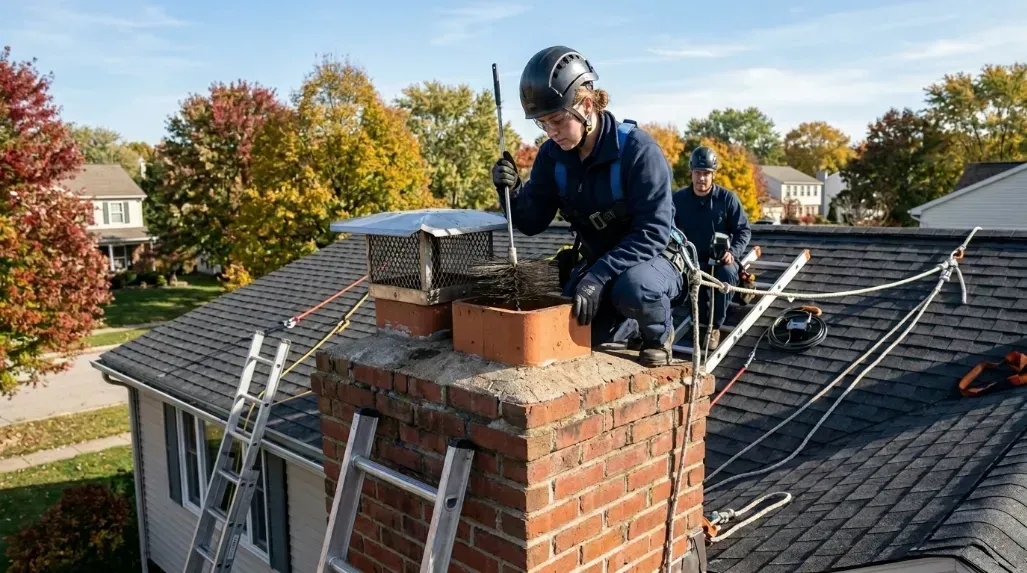
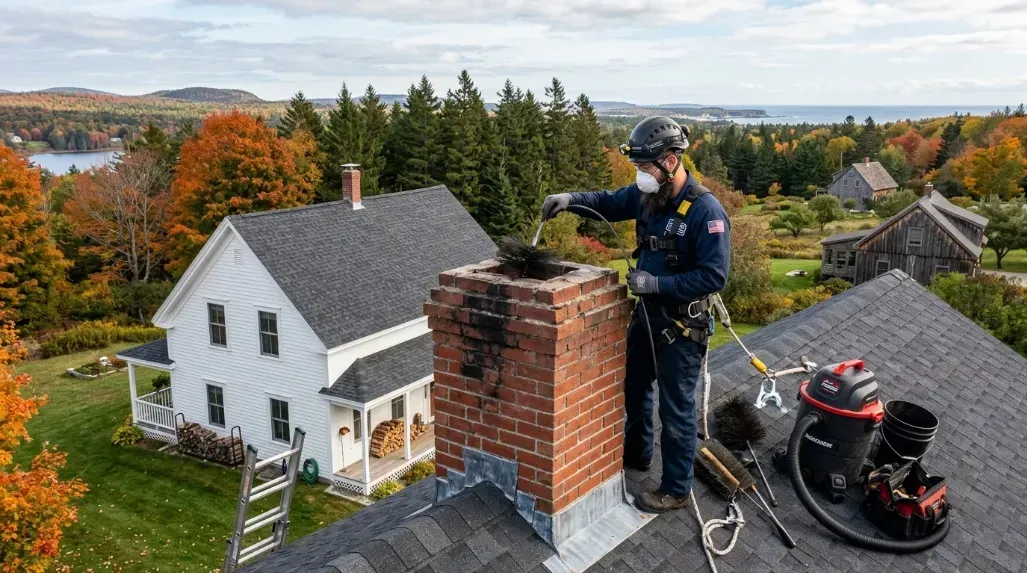
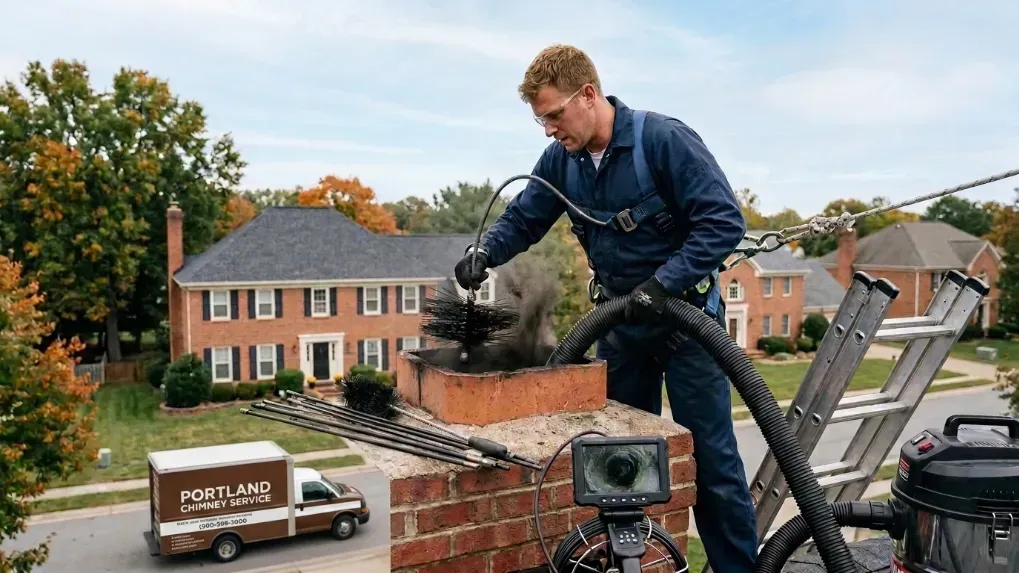
specializes in identifying these invisible hazards. We don't just glance up the flue with a flashlight. A real inspection involves high-resolution cameras that find the cracks your eyes can't see. If your liner is breached, carbon monoxide can seep into your bedrooms. It is a silent killer. It has no smell. It has no taste. By the time you feel the headache, it might be too late. This is why the
NFPA 211 mandates different levels of inspection based on your usage and any changes to the system. We ensure your home stays a sanctuary, not a hazard.
Maine Winters and Masonry Fatigue
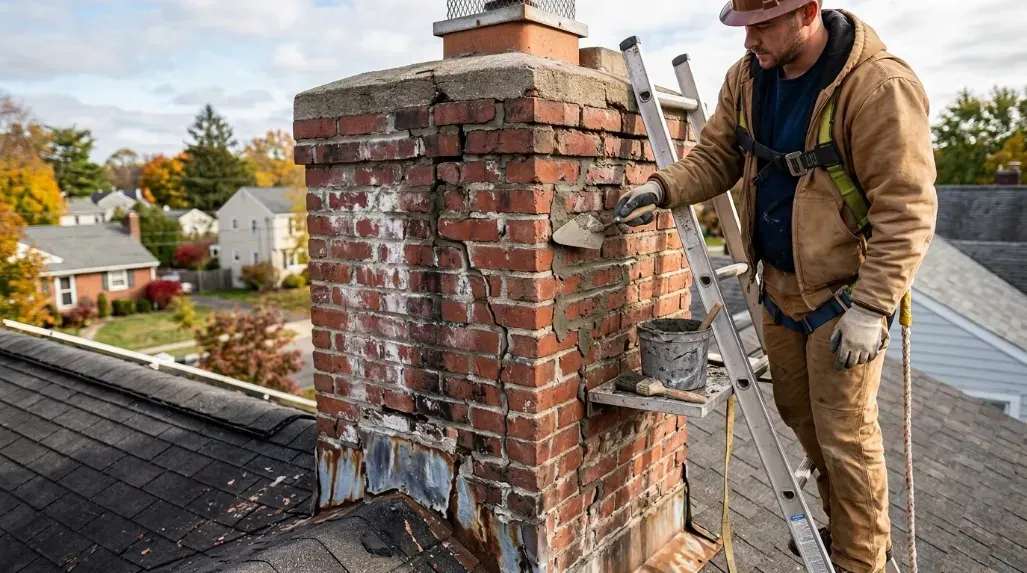
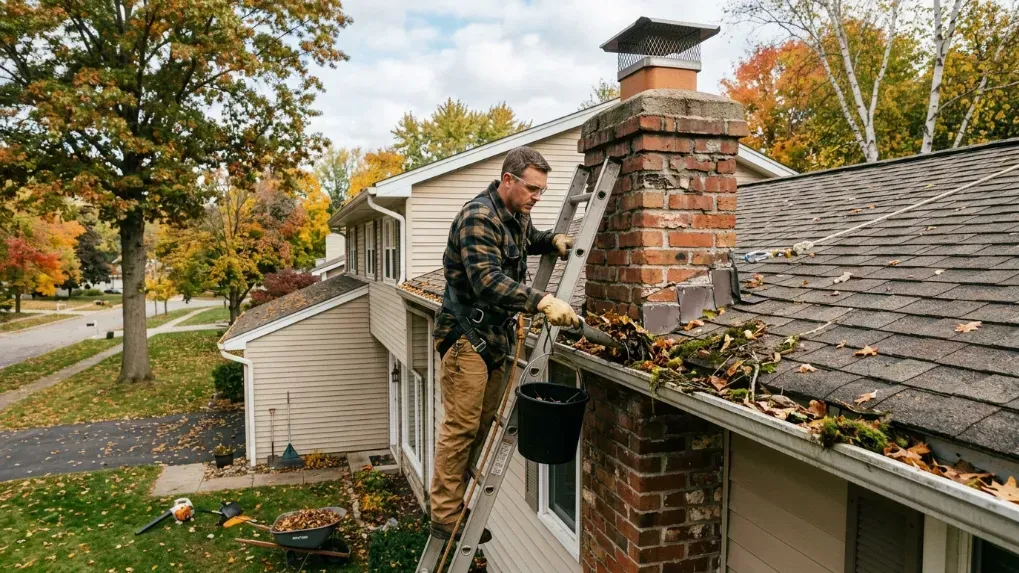
Look at your chimney from the driveway. Do you see white, powdery stains? That’s efflorescence. It’s a sign that water is moving through your bricks. Are there pieces of red clay on the ground? That’s your liner or your brickwork literally falling apart. The Portland Fire Code Section 603.6.1 specifically addresses masonry chimneys that are cracked or without proper liners. If your chimney is dangerous, the city requires repair or relining with a listed system. We see this constantly in older West End and East End homes. These historic structures are beautiful, but their chimneys weren't built for modern high-efficiency wood stoves or gas inserts.
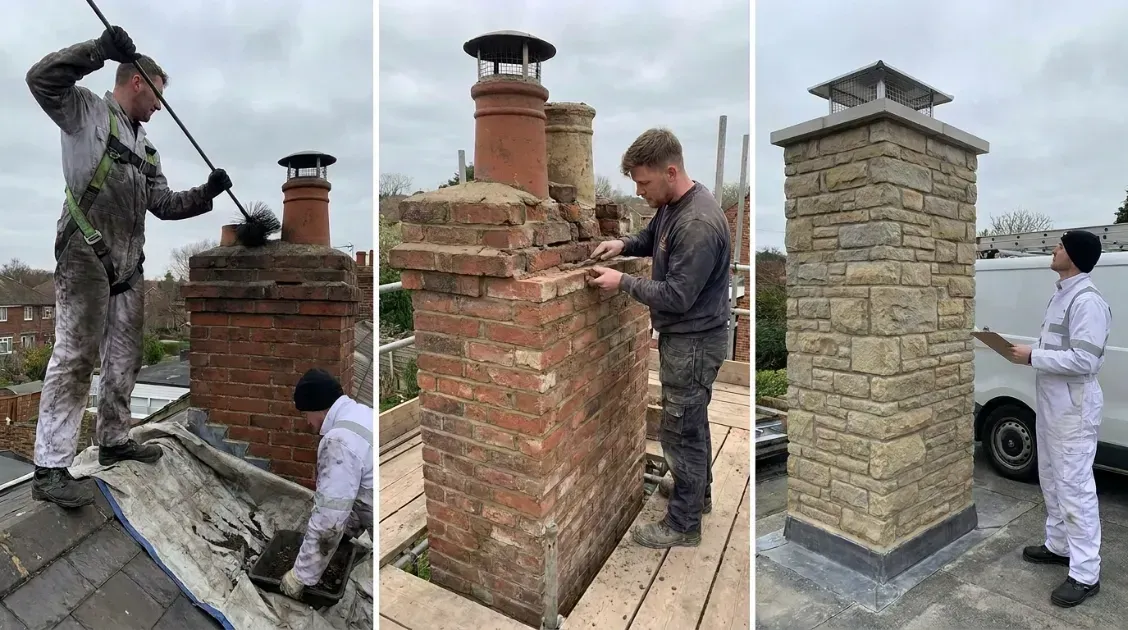
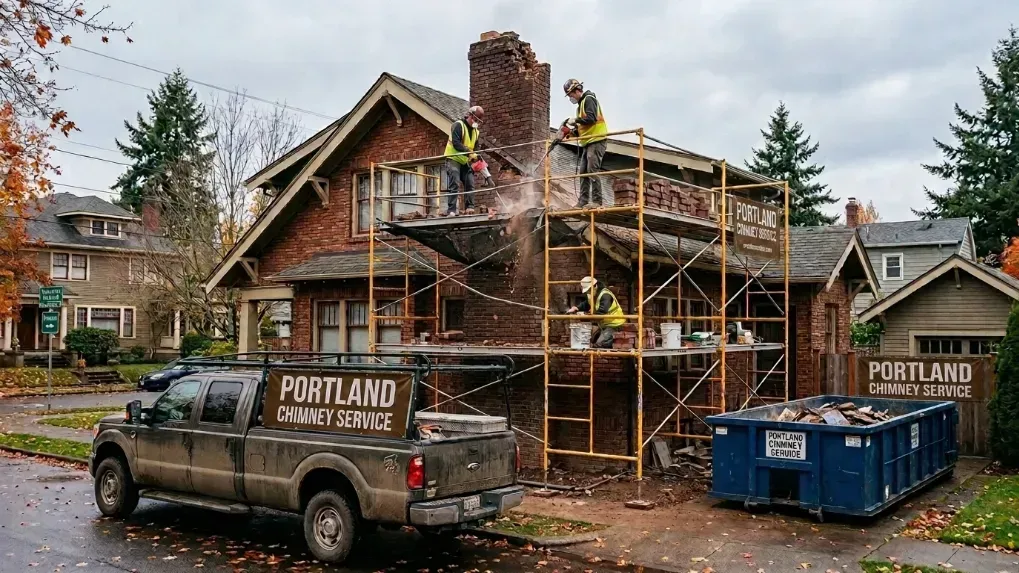
Repairing a chimney in the dead of winter is tough, but ignoring it is tougher. We handle everything from crown repair—the "roof" of your chimney—to full-scale repointing. If the mortar between your bricks is soft or missing, the whole stack is unstable. A Nor'easter with 60 mph gusts can easily topple a compromised chimney. We use specialized cold-weather mortars and enclosures to ensure repairs hold even when Portland is under a foot of snow. Don't wait for a collapse to call for help.
Burn Wise: The Maine Way to Heat
Safety starts with how you burn. The EPA’s Burn Wise program emphasizes the importance of seasoned wood. If your wood hisses or bubbles when it burns, it’s too wet. That moisture steals heat from your home and deposits creosote in your flue. We recommend burning wood with a moisture content below 20%. You can buy a cheap moisture meter at any local hardware store to check. It’s a small investment that pays off in safety and heat output. Also, avoid burning trash, cardboard, or Christmas greenery. These materials create intense, uncontrolled heat that can crack your flue tiles instantly.
State guidelines from
Maine.gov remind us that heating equipment is a leading cause of home fires in the state. This is especially true during our longest cold snaps when systems are pushed to their limits. Portland Chimney Service is your first line of defense. We provide the comprehensive chimney service Portland homeowners trust to keep their families warm and their property intact. Whether you have a traditional open fireplace or a modern pellet stove, the venting system is the most critical component of your home’s heating infrastructure.
Why Portland Chimney Service is the Industry Leader
We live here. We work here. We understand that a chimney in South Portland faces different stresses than one in the mountains. The salt air is corrosive. The wind is relentless. Our technicians are certified experts who don't cut corners. When we perform a chimney service, we provide a detailed report of our findings. We show you the photos. We explain the "why" behind every recommendation. We aren't just sweeps; we are masonry preservationists and fire safety advocates.
Your home is likely your biggest investment. Don't let a $200 problem turn into a $20,000 disaster. A simple inspection today can save your roof, your walls, and your life tomorrow. Give us a call. Let’s make sure your Portland winter is spent enjoying the fire, not fearing it.
Frequently Asked Questions
How often should I have a chimney service in Portland?
According to NFPA 211 standards, you should have your chimney inspected annually. Even if you don't use it frequently, animals can build nests, or Maine’s freeze-thaw cycles can cause structural damage. Regular chimney service ensures that creosote buildup and masonry cracks are addressed before they become fire hazards.
What are the signs that my chimney needs immediate repair?
Look for white salt stains (efflorescence), crumbling mortar, or "spalling" where brick faces fall off. Inside, if you smell smoke or see dark stains on walls near the chimney, stop using the fireplace immediately. These are signs of a breached liner or structural failure that requires professional chimney service.
Can a chimney be inspected or repaired during a Maine winter?
Yes. While spring and fall are ideal, professional chimney service technicians use specialized equipment and cold-weather materials to perform inspections and essential repairs throughout the winter. If a safety hazard is detected, it is better to repair it immediately than to risk a house fire during the coldest months.