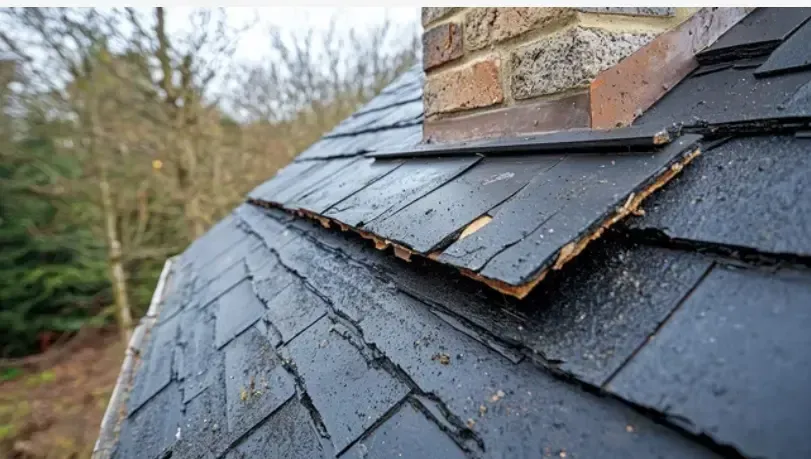
Maine winters don't play games. When a Nor'easter rolls off the Atlantic and hammers the Casco Bay, your fireplace isn't just a cozy aesthetic choice—it is a lifeline. But that brick-and-mortar tower rising from your roof is under constant assault. Between the salt air of the Old Port and the brutal freeze-thaw cycles of the Cumberland County winters, your chimney is likely the most neglected part of your home’s infrastructure. Ignoring it is a gamble you won't win.

Most homeowners assume a quick glance at the hearth is enough. It isn't. Effective chimney care requires more than a casual check; it demands a technical understanding of masonry, combustion physics, and Maine’s specific climate challenges. Whether you need a routine chimney sweep portland maine residents can trust or a full-scale structural rebuild, understanding the "why" behind the service is the first step toward a safe, warm winter.

The Coastal Maine Crisis: Why Your Masonry Is Cracking

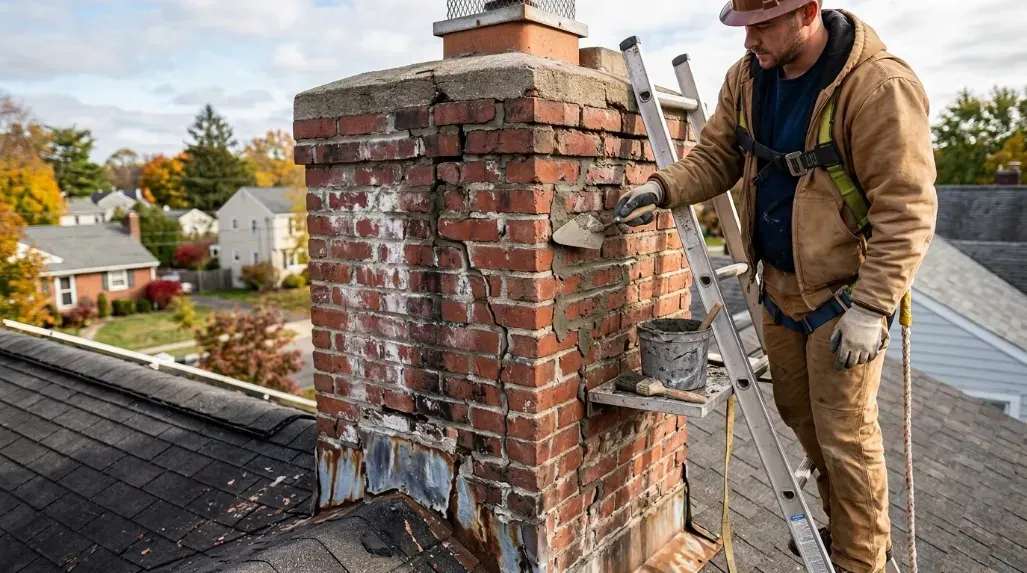
Portland’s geography is a nightmare for brick. We live in a high-moisture environment where humidity and salt spray are constant companions. Brick is porous. It acts like a sponge, soaking up autumn rains and heavy winter slush. When the temperature drops below freezing—which happens dozens of times a season in Portland—that trapped water expands. It turns into ice. This internal pressure literally shreds the brick from the inside out, a process known as spalling.


You might notice white, powdery stains on your chimney’s exterior. That’s efflorescence. It’s a red flag that water is moving through your masonry and leaching out minerals. If you see this, your chimney is already losing the war against the elements. Professional maine chimney services focus heavily on waterproofing and crown repair to stop this cycle before the entire structure becomes a collapse risk. A cracked chimney crown is essentially an open door for water, and once the internal flue tiles begin to crack, you’re looking at a serious fire hazard.


Chimney Sweeping: More Than Just Removing Soot

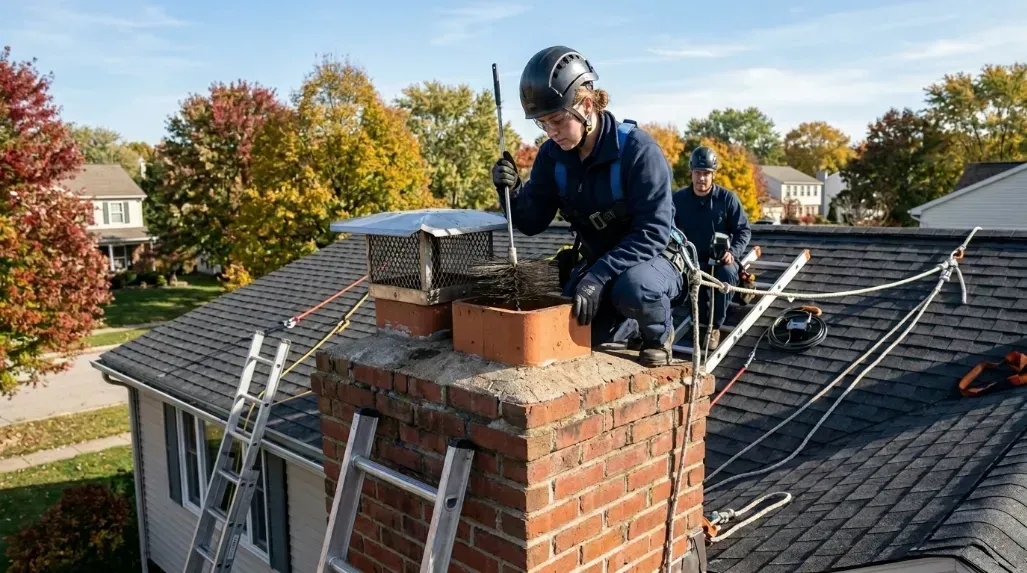
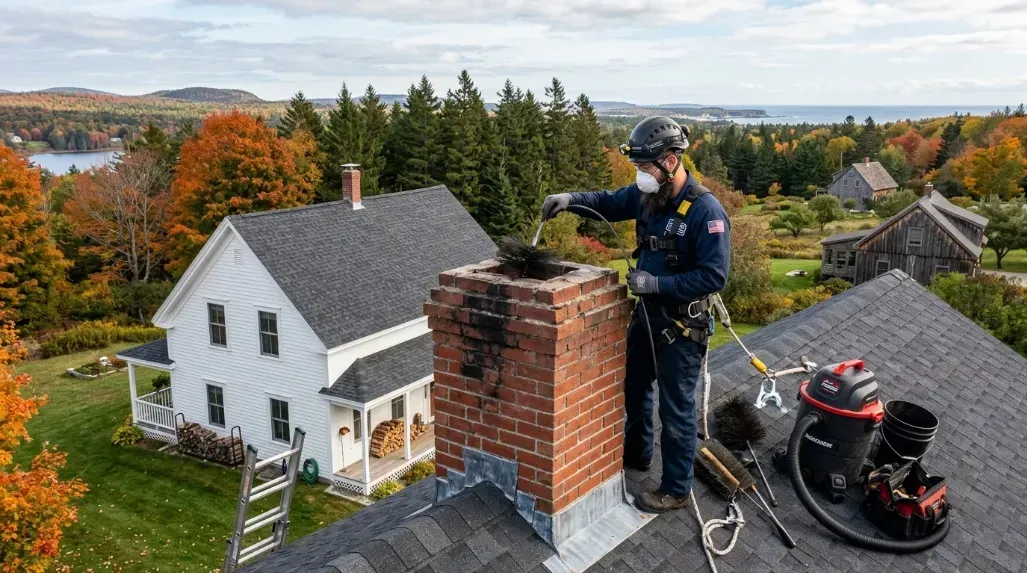
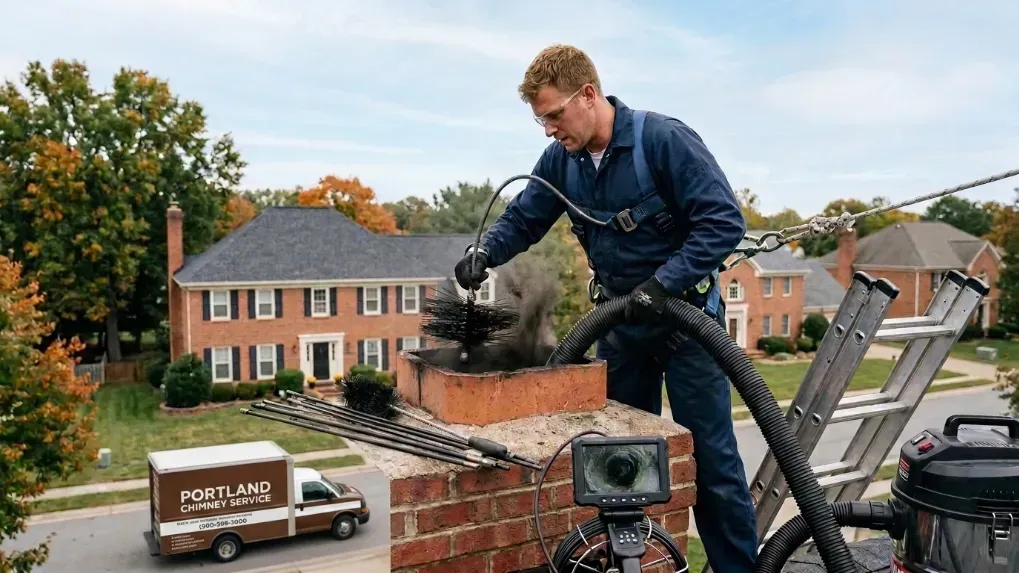
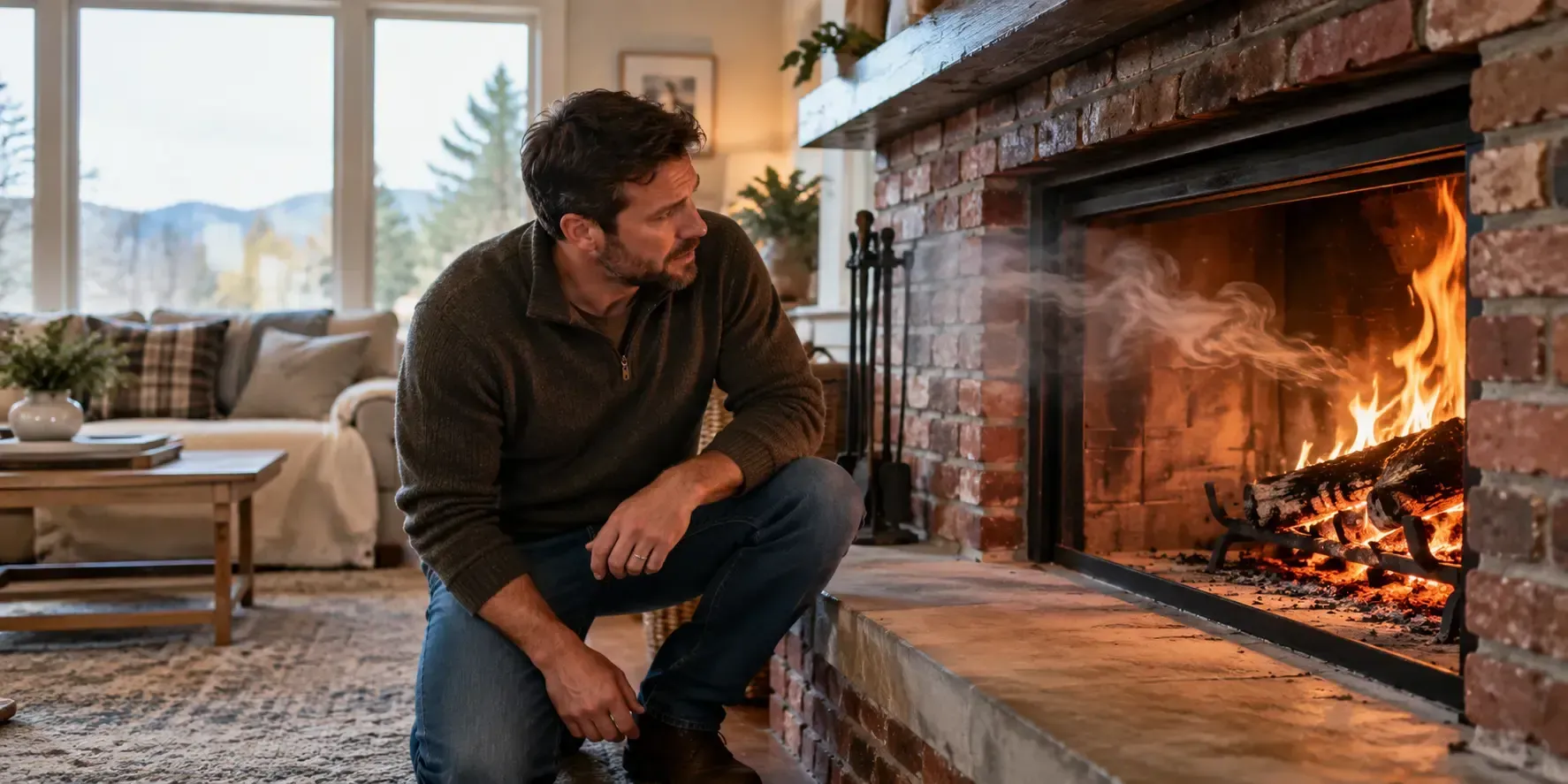
A professional portland maine chimney sweep does more than just push a brush. The real enemy is creosote. This tar-like byproduct of burning wood is highly flammable and comes in three stages. Stage one is flaky soot. Stage three is a thick, glazed gunk that is nearly impossible to remove without specialized chemical treatments or mechanical tools. If that glaze ignites, it burns at temperatures exceeding 2,000 degrees Fahrenheit. It can melt metal liners and shatter masonry in minutes.


According to the NFPA 211 standards, every chimney should be inspected annually. However, for those in the Portland area who rely on wood or pellets as their primary heat source, waiting twelve months might be a mistake. Local fire officials often see chimney fires in homes that were cleaned just a year prior because high-volume burning accelerates buildup. If you smell a campfire-like odor when the fireplace isn't in use, or if you see "honeycombed" chunks of creosote in the firebox, you need a sweep immediately. Don't wait for the first snow to find out your flue is obstructed.


Silent Killers: Flue Liners and Carbon Monoxide

The flue liner is the most critical safety component of your chimney. It’s the barrier that keeps heat and toxic gases away from your home’s wooden framing. In many of Portland’s historic homes, these liners are made of clay tiles. They were great in 1920. Today? They are often cracked, shifted, or missing entirely. When a liner fails, carbon monoxide—the "silent killer"—can seep through the masonry and into your living spaces.

Modern portland chimney service often involves upgrading these outdated systems to stainless steel liners. These are virtually indestructible and far better at handling the acidic condensate produced by modern oil and gas furnaces. If you are switching from an oil furnace to a high-efficiency gas model, your chimney must be re-evaluated. Gas exhaust is cooler and wetter, which can lead to rapid masonry deterioration if the liner isn't properly sized and insulated. Safety isn't just about fire; it’s about air quality.


Leak Repair and Long-Lasting Masonry

Finding a leak in your chimney is like finding a needle in a haystack—if the needle was made of water and the haystack was your living room ceiling. Often, the leak isn't the brick itself but the flashing. This is the metal transition where the chimney meets the roof. In Maine, ice dams can force water under the flashing, leading to rot in your roof deck. A specialized portland chimney service will inspect the flashing, the counter-flashing, and the "cricket"—the small peaked structure behind the chimney that diverts water.

For long-term protection, we recommend professional-grade water repellents. Unlike "sealers" that trap moisture inside the brick, these vapor-permeable treatments allow the masonry to breathe while shedding liquid water. It’s a small investment that can save you thousands in masonry rebuild costs later on. When you combine high-quality waterproofing with a properly installed chimney cap, you’ve essentially given your home a suit of armor against the Maine weather.


Choosing a Professional: What to Look For

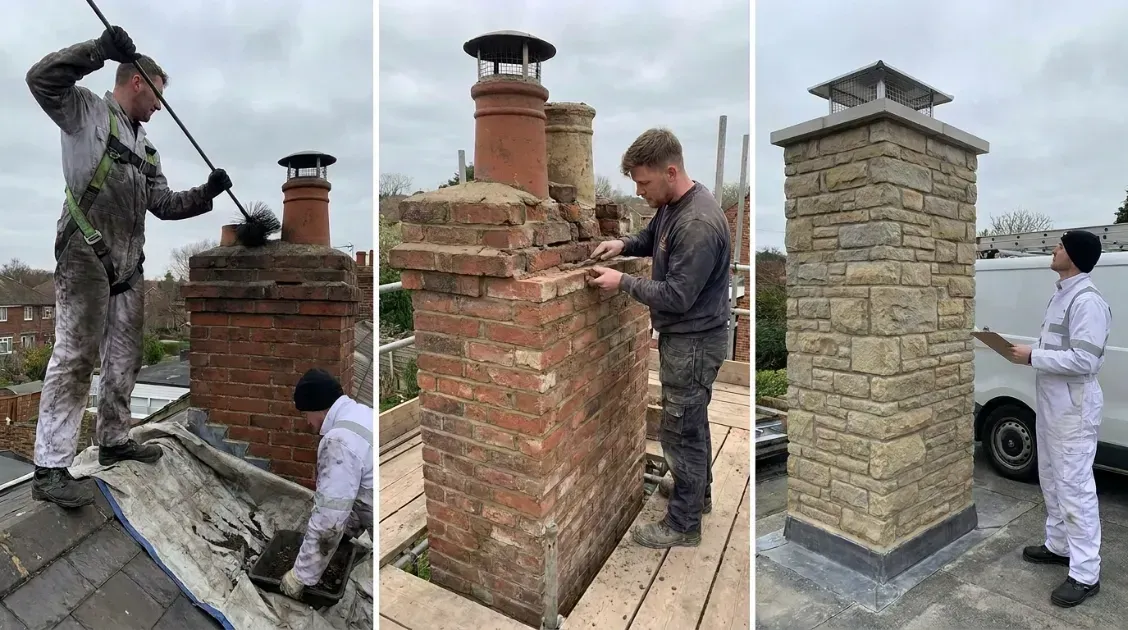
Don't hire a "guy with a truck and a brush." Chimney care is a technical trade. In the state of Maine, there is no formal licensing for chimney sweeps, which means anyone can claim to be an expert. You need to look for credentials. The Chimney Safety Institute of America (CSIA) certification is the gold standard. A certified technician understands the three levels of inspection and follows a strict code of ethics. They will provide a written report, often with internal camera footage of your flue.


Demand transparency. A reputable portland maine chimney sweep will explain the "why" behind their recommendations. They won't just tell you that you need a new crown; they’ll show you the cracks. They’ll explain the difference between repointing (fixing the mortar) and a full rebuild. Your home is likely your biggest asset. Don't trust its safety to an amateur who doesn't understand the nuances of Maine's building codes and environmental stressors.

Frequently Asked Questions

  • How often should I have a chimney sweep in Portland, Maine?

    Most homeowners should schedule a professional sweep once a year. However, if you use a wood stove as your primary heat source, you may need a cleaning twice a season. The Maine State Fire Marshal recommends annual inspections to identify creosote buildup and structural damage before the heating season begins.

  • What are the signs that my chimney has a leak?

    Common signs include water stains on the ceiling or walls near the chimney, a musty odor coming from the fireplace, or visible moisture inside the firebox. You might also notice "efflorescence," which is a white, powdery salt deposit on the exterior bricks caused by water moving through the masonry.

  • Is a chimney liner really necessary for my older Portland home?

    Yes. Many historic Portland homes have unlined or clay-lined chimneys that have deteriorated over decades. A liner is essential to protect your home from heat transfer and to prevent toxic gases like carbon monoxide from leaking through masonry cracks. Modern stainless steel liners are the preferred solution for long-lasting safety.

  • What is the average cost of chimney repairs in Maine?

    Minor repairs like chimney cap replacement or small mortar fixes typically cost between $200 and $800. More extensive work, such as a full masonry rebuild or a new stainless steel liner installation, can range from $2,500 to $7,000 depending on the height and complexity of the chimney structure.

  • Why is my chimney crown cracking?

    The chimney crown is the concrete "hat" on top of your chimney. In Maine, the constant cycle of freezing and thawing causes the concrete to expand and contract. Over time, this creates cracks that allow water to seep into the internal masonry, leading to expensive structural damage if not repaired quickly.
By John Constantine January 28, 2026
The wind coming off Casco Bay in January doesn't just cut through your coat. It attacks your masonry. If you own a home in Portland, specifically in the 04101 zip code or the historic West End, you know the drill. Rain turns to sleet, sleet turns to snow, and then it all melts and freezes again. It’s a brutal cycle. Most homeowners ignore their chimney until a brick lands on the patio. By then, it’s too late. The damage is done. Your chimney isn't just a smoke exhaust; it's a structural engine that keeps your home safe. But without professional intervention, Maine’s winter moisture will destroy it from the inside out. This isn't about aesthetics. It's about structural integrity. Here is why securing a professional chimney service for waterproofing is the smartest investment you can make this season.
By John Constantine January 21, 2026
Your chimney is the most dangerous part of your Portland home. That sounds like hyperbole, but if you live in a classic New England Victorian or a colonial-style house near the Back Cove, it’s a cold hard fact. For decades, chimneys in Maine were built with clay tile liners or, worse, no liners at all. These systems were never designed to handle the high-efficiency demands of modern heating appliances or the biting, salt-heavy humidity of Casco Bay. If your flue is cracked, crumbling, or unlined, you aren't just losing heat. You are risking a structure fire or carbon monoxide poisoning every time you strike a match. It’s that simple.  Upgrading to Stainless Steel Chimney Liners is no longer a luxury for Portland homeowners; it is a fundamental requirement for home safety and efficiency. At Portland Chimney Service, we see the aftermath of neglect every winter. We see the soot-stained bricks and the frightening internal cracks that a standard flashlight can’t find. As the premier local chimney expert , we know that a high-quality metal liner is the only way to truly "future-proof" your hearth. If you want to see how we handle these critical upgrades, you should visit Our Homepage to see our commitment to the Greater Portland area.
By John Constantine January 17, 2026
The wind screams off Casco Bay in January. It carries a bite that cuts through the thickest wool. Inside your Portland home, the hearth is the heartbeat of the house. You stack the seasoned oak, strike a match, and wait for that familiar amber glow. But behind the brick and mortar, a silent threat might be brewing. Most homeowners assume if the smoke goes up, the system is fine. That assumption is dangerous. In Maine, our winters don't just test our patience; they dismantle our masonry. Chimney service isn't a luxury. It is a fundamental requirement for coastal living. The National Fire Protection Association (NFPA) 211 standards are clear: every chimney, fireplace, and vent needs an annual inspection. This isn't just about sweeping away soot. It’s about structural integrity. In Portland, our chimneys face a unique enemy: the freeze-thaw cycle. When freezing rain hits your brickwork, moisture seeps into the porous surface. Then it freezes. Water expands by roughly 9% when it turns to ice. This microscopic expansion acts like a slow-motion jackhammer, widening cracks and popping the faces off your bricks—a process known as spalling. If you haven't had a professional look at your stack this season, you're playing a high-stakes game with the Atlantic elements.
By John Constantine January 14, 2026
Maine winters are mean. They don't just bring snow; they bring a relentless cycle of ice expansion that treats your brickwork like a stress ball. If you live in the Greater Portland area, your chimney isn't just an architectural feature. It is a porous, vertical sponge standing in the direct line of fire of Nor’easters and coastal humidity. Every year, homeowners across Cumberland County wake up to damp fireboxes or "spalling"—those chunks of red brick littering the lawn like debris from a slow-motion explosion. This isn't just a cosmetic annoyance. It is a structural SOS.
By John Constantine January 13, 2026
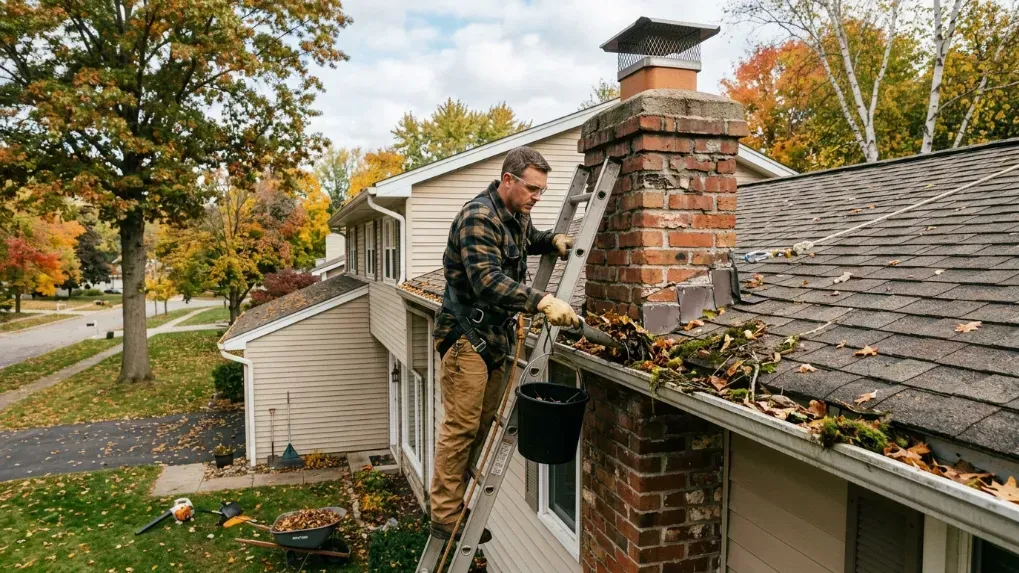
The wind whipping off Casco Bay doesn’t care about your schedule. If you live in the West End or own a triple-decker on Munjoy Hill, you know the drill. Winter in Portland isn't just a season; it’s a structural stress test for your home. While you’re stocking up on wood pellets and coffee brandy, your chimney and gutters are sitting ducks for the freeze-thaw cycle that defines Maine winters. Most folks wait until there is smoke pouring into their living room or an icicle the size of a harpoon hanging off the eaves before they call a professional. Don't be that person. Negligence is expensive. Let’s talk about why your chimney and gutters are the first line of defense against a 04101 winter, and why Portland Chimney Service is the only crew you want on your roof when the mercury drops.
By John Constantine January 5, 2026
There is nothing quite like the crackle of a warm fire on a chilly evening. It is the heart of the home, providing a sense of comfort and nostalgia that modern heating systems simply cannot replicate. However, that cozy ambiance comes with a significant responsibility. Behind the brick and mortar of your fireplace lies a complex venting system that, if neglected, can become a serious hazard to your property and your family. At Portland Chimney Service , we have spent over 35 years ensuring that homeowners can enjoy their hearths without fear. In this guide, we will explore why regular chimney inspections are not just a recommendation—they are a critical pillar of home safety.
By John Constantine January 2, 2026
As the heart of many homes, a fireplace provides warmth, comfort, and a cozy ambiance. However, without proper care, your chimney can become a significant safety hazard, leading to devastating house fires and expensive structural damage. Proactive maintenance is not just a recommendation; it's an essential step to protect your home and family. Here at Portland Chimney Service, we believe that understanding the risks and recognizing the warning signs are the first steps toward responsible fireplace ownership.
By John Constantine December 27, 2025
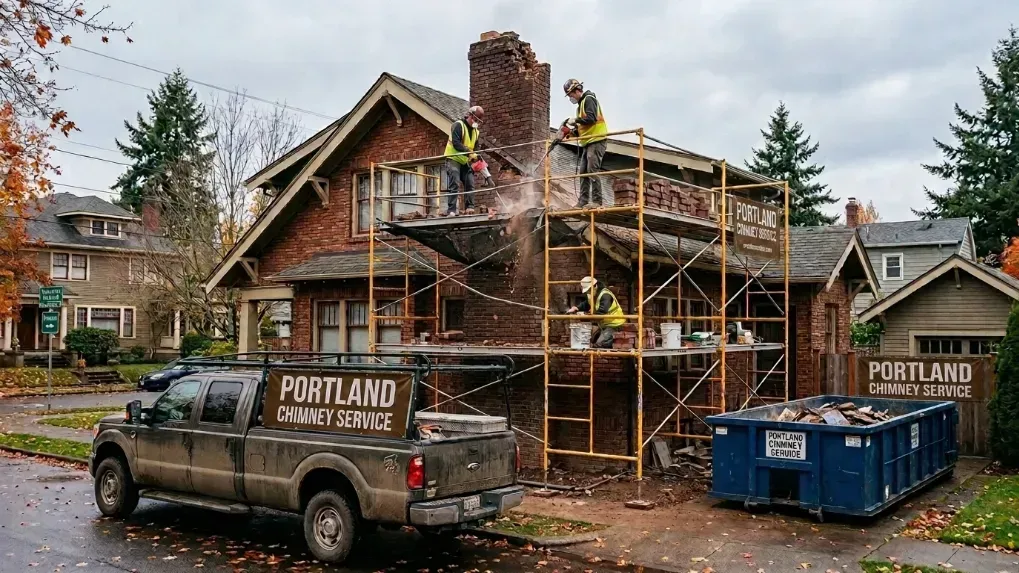
A chimney is often seen as the heart of a home—a symbol of warmth, comfort, and tradition. But what happens when this iconic structure becomes a liability? Over time, exposure to the elements, seismic activity, or simple neglect can turn a once-sturdy chimney into an unstable and dangerous hazard. When repairs are no longer a viable option, professional demolition becomes a necessary step to protect your home and family. This comprehensive guide will explain everything you need to know about the chimney demolition process.  Here at Portland Chimney Service , we understand that removing a part of your home is a big decision. Our goal is to provide clarity and expertise, ensuring the process is handled with the utmost safety and professionalism.
By John Constantine December 26, 2025
The iconic chimneys punctuating the skyline of Portland, Maine, are more than just architectural features; they are silent witnesses to our city's history, enduring harsh nor'easters, salty sea air, and relentless freeze-thaw cycles. But this resilience comes at a cost. The very elements that give our region its character are constantly working to break down the masonry of our homes. For homeowners in Portland and the surrounding Cumberland County area, understanding the health of your chimney isn't just about maintenance—it's about protecting your home's structural integrity, safety, and value. Here at Portland Chimney Service , we've seen firsthand what happens when chimney issues are ignored.  Eventually, every homeowner with a brick chimney will face a critical decision: is it time for repair through tuck pointing, or is the damage so severe that demolition is the only safe option? This guide will walk you through the unique challenges Portland chimneys face, help you identify the signs of distress, and provide a clear comparison between these two essential services.
By John Constantine December 19, 2025
As the heart of a home, a fireplace offers warmth, ambiance, and a cozy gathering spot. But behind the beautiful flames lies a complex system that requires careful maintenance to ensure safety. One of the most critical, yet often overlooked, components of this system is the chimney liner. Here at Portland Chimney Service, we understand that proper chimney liner fire safety is paramount to protecting your home and family. This post will illuminate the importance of chimney liners, their role in fire prevention, and why professional installation is key.