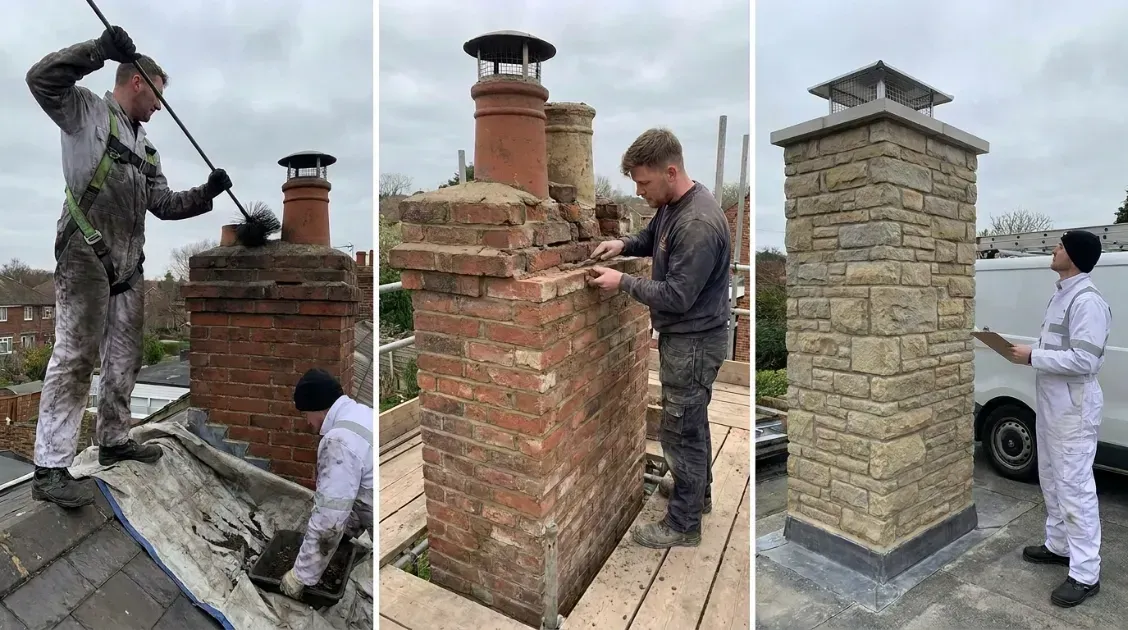
A chimney is often seen as the heart of a home—a symbol of warmth, comfort, and tradition. But what happens when this iconic structure becomes a liability? Over time, exposure to the elements, seismic activity, or simple neglect can turn a once-sturdy chimney into an unstable and dangerous hazard. When repairs are no longer a viable option, professional demolition becomes a necessary step to protect your home and family. This comprehensive guide will explain everything you need to know about the chimney demolition process.
Here at Portland Chimney Service, we understand that removing a part of your home is a big decision. Our goal is to provide clarity and expertise, ensuring the process is handled with the utmost safety and professionalism.
Signs Your Chimney May Need to Be Removed
It's not always obvious that a chimney has reached the end of its life. While some signs are dramatic, like a visible lean, others are more subtle. Ignoring these warnings can lead to catastrophic failure. Here are the key indicators that your chimney might require demolition:
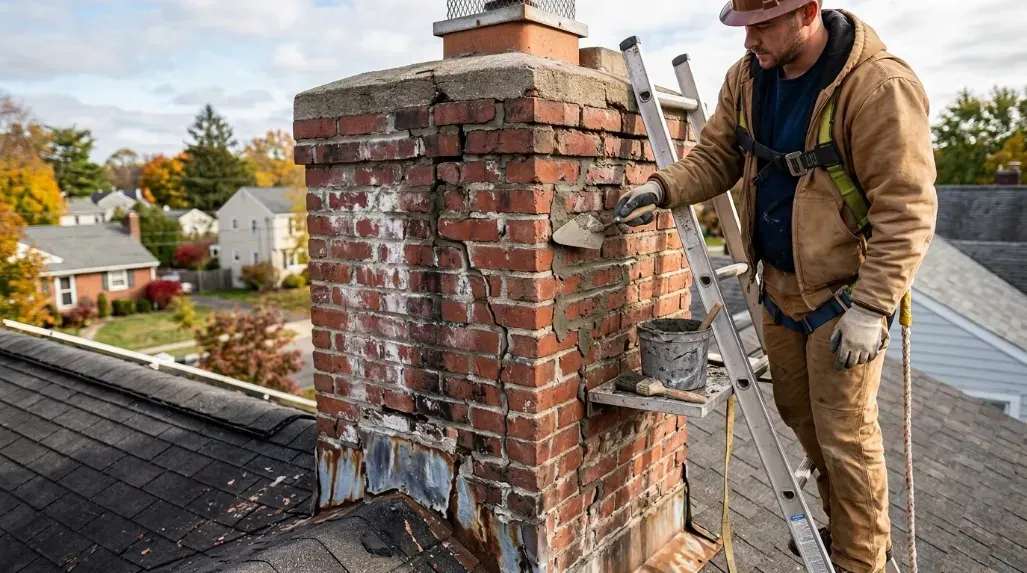
- Severe Spalling and Masonry Decay: If you see large patches of brick flaking, crumbling, or falling off, it's a sign of advanced moisture damage. This compromises the structural integrity of the entire chimney.
- Significant Leaning or Tilting: A leaning chimney is a clear and present danger. This is often caused by a failing foundation or footing and indicates an imminent risk of collapse. Do not ignore this sign.
- Extensive Cracking: While minor mortar cracks can be repaired, large, deep, or stair-step cracks in the bricks or mortar signal serious structural issues that may be beyond simple repair.
- Irreparable Water Damage: Decades of water penetration can lead to internal corrosion, rusted dampers, and a deteriorated flue liner. In older homes, this damage can be so extensive that a full rebuild or removal is the only safe option.
- Post-Event Damage: A chimney that has survived a significant fire or earthquake should be professionally inspected immediately. Hidden structural damage can make it unsafe to use or even leave standing.
- It's No Longer in Use: Many homeowners remove old, non-functional chimneys to reclaim interior space, eliminate a source of drafts, or simplify roof maintenance.
The Dangers of an Unstable Chimney
An unstable chimney is more than just an eyesore; it's a ticking time bomb. The potential risks are severe:
- Collapse: The most significant danger is a partial or full collapse. Tons of brick and mortar can come crashing down, destroying your roof, damaging your property, and posing a life-threatening risk to anyone nearby.
- Water Intrusion: A damaged chimney is a major entry point for water, leading to wood rot, ceiling and wall damage, and dangerous mold growth inside your home.
- Fire Hazard: Cracks in the chimney structure or flue liner can allow hot embers and toxic gases like carbon monoxide to escape into your home's walls or attic, creating a severe fire hazard.
- Pest Infestations: Damaged chimneys provide an inviting home for birds, rodents, and insects, which can cause further damage and introduce health risks.
The Professional Chimney Demolition Process: A Step-by-Step Overview
Chimney demolition is a complex and hazardous job that should never be attempted as a DIY project. It requires specialized knowledge, tools, and a meticulous safety plan. Here’s how a professional team like Portland Chimney Service handles the process:
Step 1: Thorough Inspection and Assessment
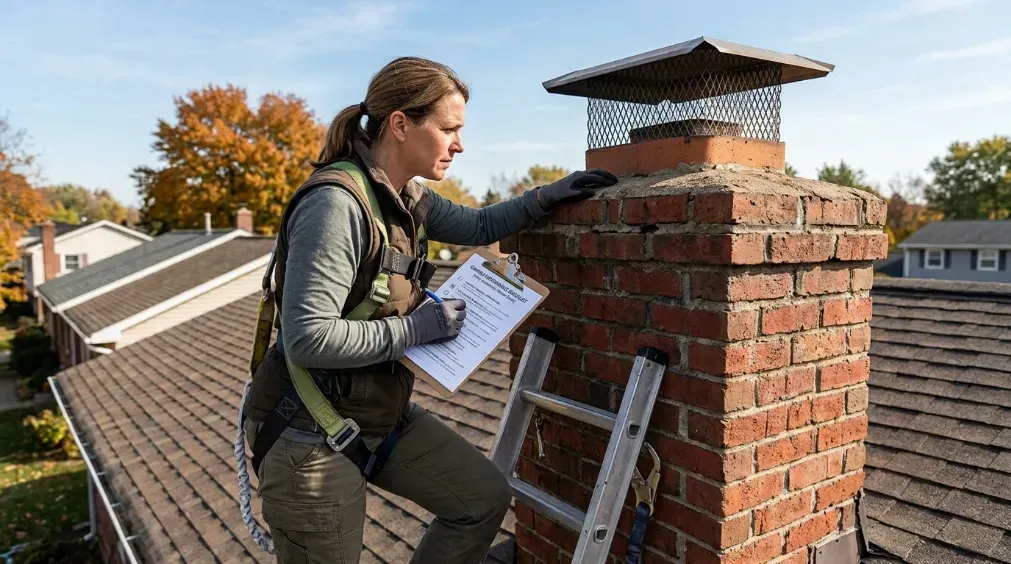
The process begins with a comprehensive evaluation. A certified technician will inspect the chimney from top to bottom, assessing its condition, construction materials, and how it integrates with your home's structure. This determines the best demolition method and identifies any potential challenges.
Step 2: Strategic Planning and Permitting
Based on the inspection, a detailed plan is created. This includes safety protocols, debris management, and a timeline. We also handle the necessary permitting with local authorities, ensuring the entire project is compliant with building codes.
Step 3: Site Preparation and Safety Measures
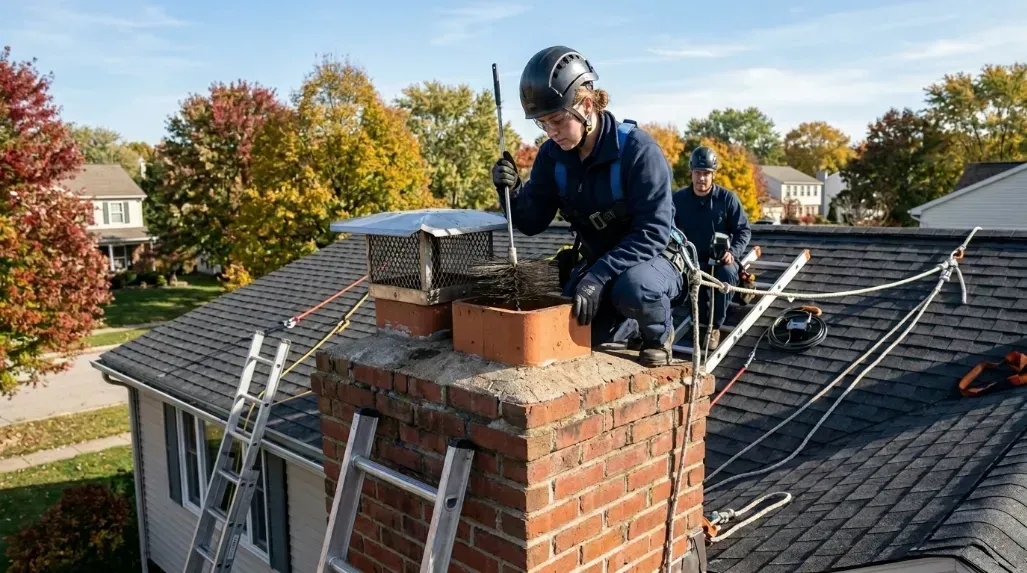
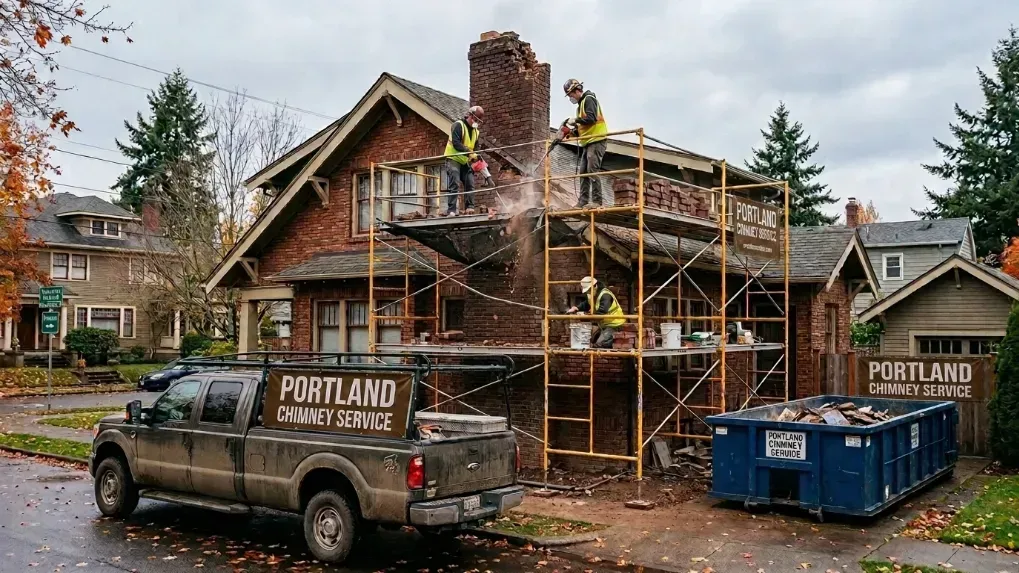
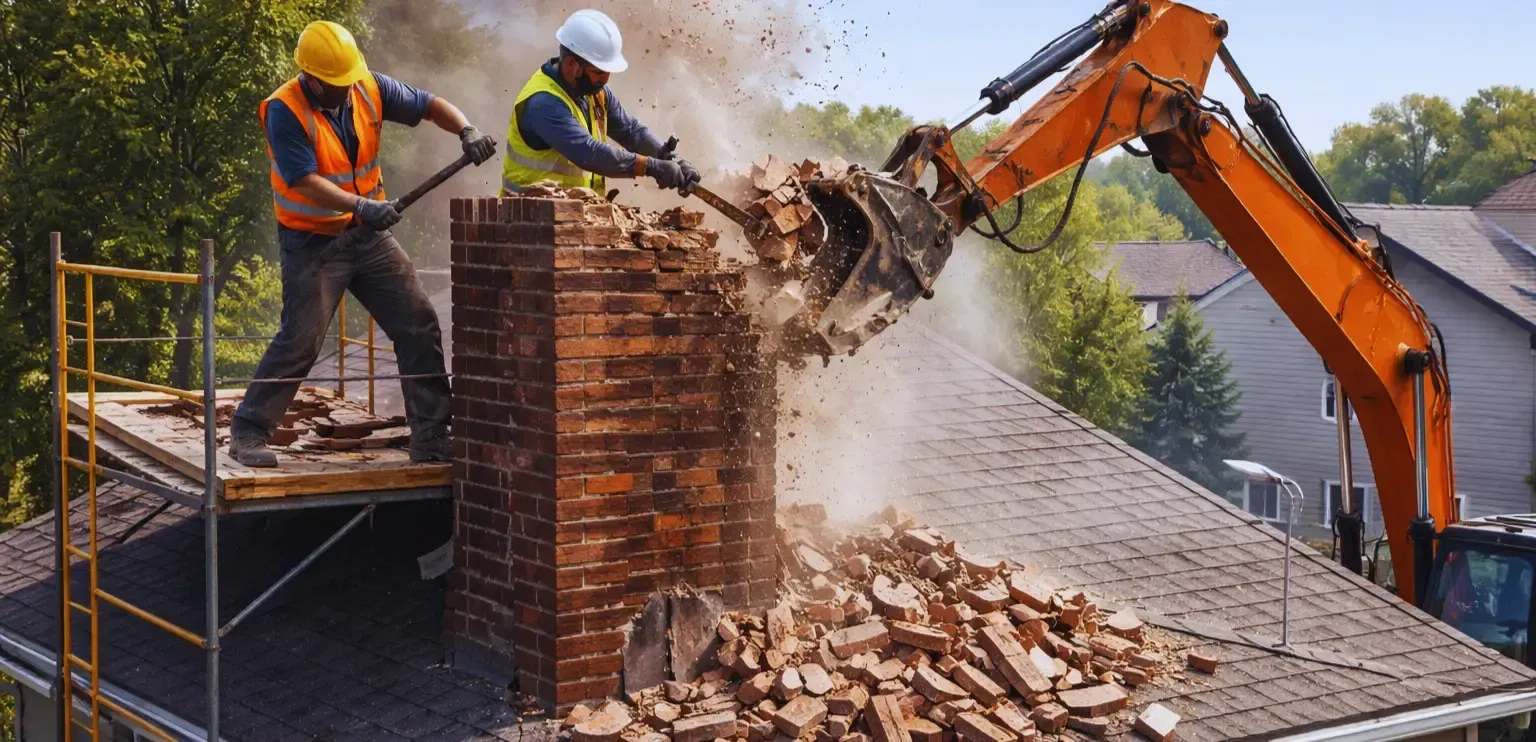
Safety is our top priority. The work area is secured to protect your property and landscaping. This involves setting up scaffolding, laying down heavy-duty tarps to protect your roof and grounds, and implementing dust control measures to keep your home clean.
Step 4: The Demolition Phase
The method of demolition depends on whether it's a partial or full removal:
- Partial Chimney Removal: This is common when only the portion of the chimney above the roofline is damaged. The chimney is carefully dismantled brick by brick down to just below the roof. This is a precise process to avoid damaging the roofing materials.
- Full Chimney Removal: For structurally unsound or completely unwanted chimneys, a full removal is necessary. This involves dismantling the exterior stack and then carefully removing the chimney breast and fireplace from inside your home, floor by floor. This is a more invasive process that requires structural considerations for the newly opened spaces.
Step 5: Debris Removal and Disposal
A significant amount of heavy debris is generated during demolition. Our team manages the entire cleanup process, loading and hauling away all materials for responsible disposal.
Step 6: Structural Repair and Weatherproofing
Once the chimney is gone, the resulting gaps in your roof, walls, and floors must be professionally repaired. This includes framing the openings, installing new sheathing and insulation, and matching the roofing and siding to create a seamless, weatherproof finish.
Partial vs. Full Chimney Removal: Which is Right for You?
Deciding between a partial and full demolition depends on your goals, budget, and the chimney's condition. The table below outlines the key differences:
| Feature | Partial Removal (to Roofline) | Full Removal (Complete) |
|---|---|---|
| Primary Goal | Eliminate a damaged or leaking stack above the roof. | Completely remove the entire chimney structure, inside and out. |
| Cost | Lower | Higher |
| Project Duration | Shorter (typically 1-3 days) | Longer (typically 3-7 days or more) |
| Interior Disruption | Minimal to none. | Significant, as interior walls, floors, and ceilings are opened. |
| Space Gained | None. The interior chimney breast remains. | Significant interior floor space is reclaimed on each level. |
| Best For | Fixing roofline leaks and spalling when the interior structure is sound. | Addressing major structural failure or repurposing interior space. |
Why Hire a Professional? The Portland Chimney Service Advantage
Choosing a qualified, experienced contractor is the most critical decision you'll make in this process. While the idea of saving money with a DIY approach might be tempting, the risks are far too high. A professional company brings indispensable assets to the job:
- Safety and Expertise: We have the training to safely dismantle heavy masonry structures without compromising your home's integrity. To learn more about our experienced team, visit our About Us page.
- Proper Equipment: We use industrial-grade equipment, from scaffolding and power tools to heavy-duty debris containers, ensuring the job is done efficiently and safely.
- Insurance and Liability: Portland Chimney Service is fully insured, protecting you and your property from any unforeseen accidents or damage.
- Code Compliance: We have an in-depth understanding of local building codes and permit requirements, ensuring your project is done right the first time.
Conclusion: Securing Your Home for the Future
Addressing a failing chimney is a proactive step toward ensuring the long-term safety and stability of your home. While demolition is a significant undertaking, it eliminates persistent problems and provides peace of mind. By understanding the signs of failure and the professional process involved, you can make an informed decision to protect your most valuable asset.
If you suspect your chimney is unstable or you're considering removal for any reason, don't wait for a small problem to become a disaster. Contact Portland Chimney Service today for a professional inspection and a no-obligation quote. Our team is here to help you find the safest and most effective solution for your home.
Frequently Asked Questions
Do I need a permit to demolish my chimney?
In most municipalities, yes. Chimney demolition is considered a structural alteration, and a permit is typically required to ensure the work is done safely and according to local building codes. A professional contractor like Portland Chimney Service will handle the entire permitting process for you.
How long does a chimney demolition take?
The timeline varies depending on the scope of the project. A partial demolition (above the roofline) can often be completed in 1 to 3 days. A full demolition, including interior work and repairs, is more complex and can take anywhere from 3 to 7 days or longer.
Will removing my chimney affect my home's value?
It can, but often in a positive way. Removing a non-functional or hazardous chimney eliminates a major point of concern for potential buyers and can increase usable interior space. While some buyers may value a traditional fireplace, removing a dangerous structure is always a net positive for your property's safety and value.
What happens to the space where the chimney used to be?
After a full demolition, the newly opened space is yours to reclaim! On the exterior, the roof and wall will be patched and finished to match the existing materials. Inside, the reclaimed square footage can be seamlessly integrated into your rooms, providing more space for furniture, storage, or an open-concept layout.