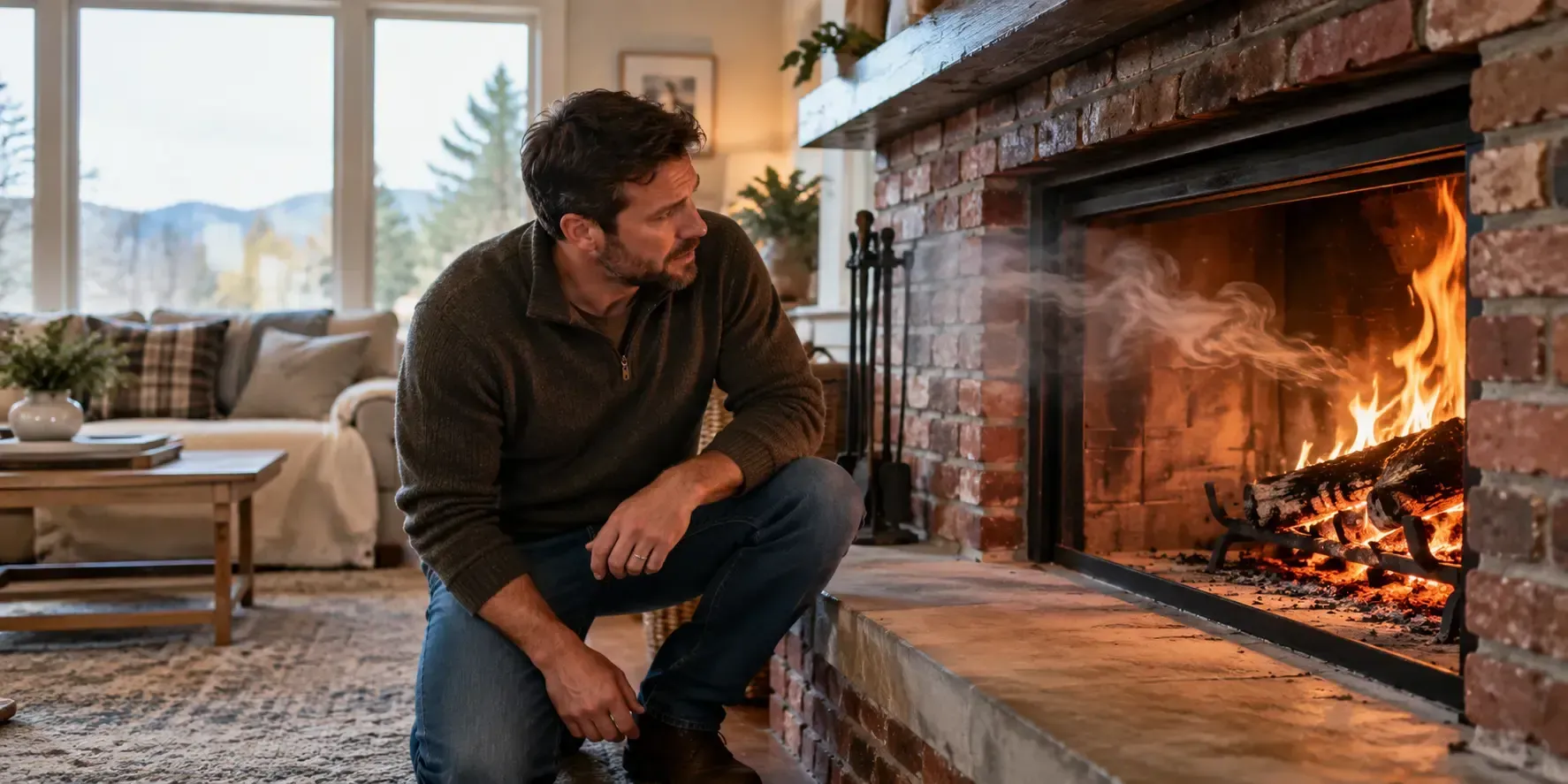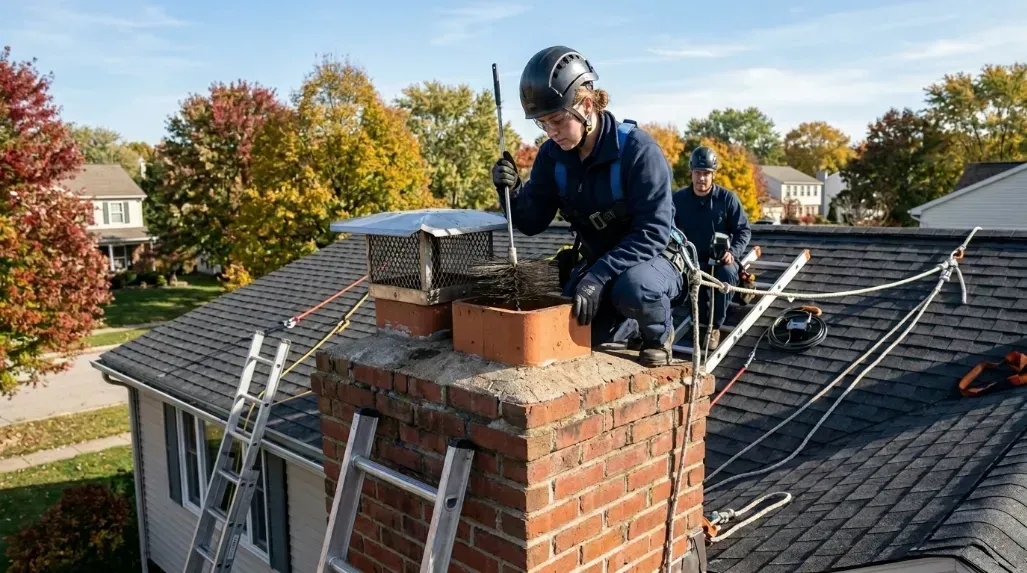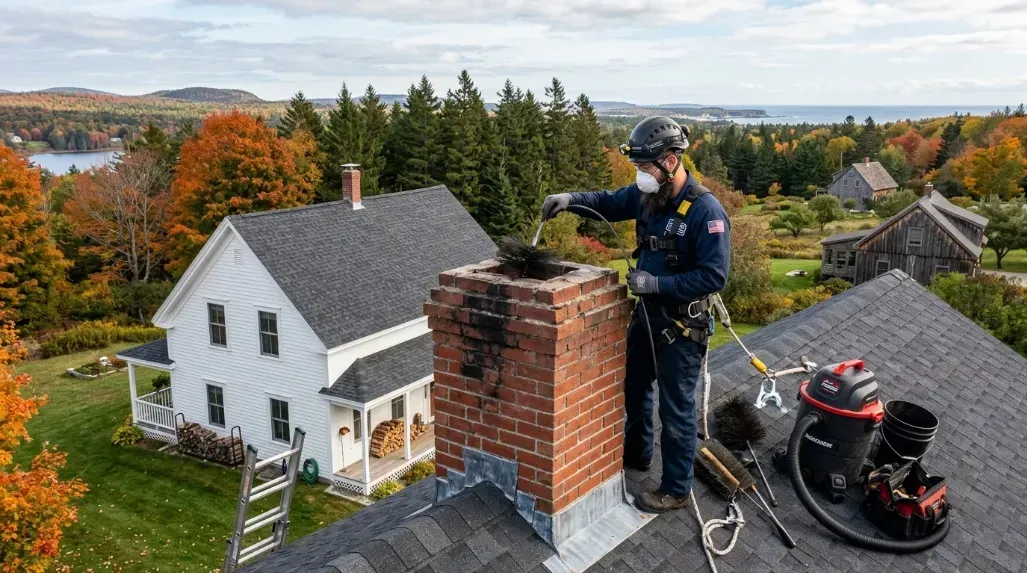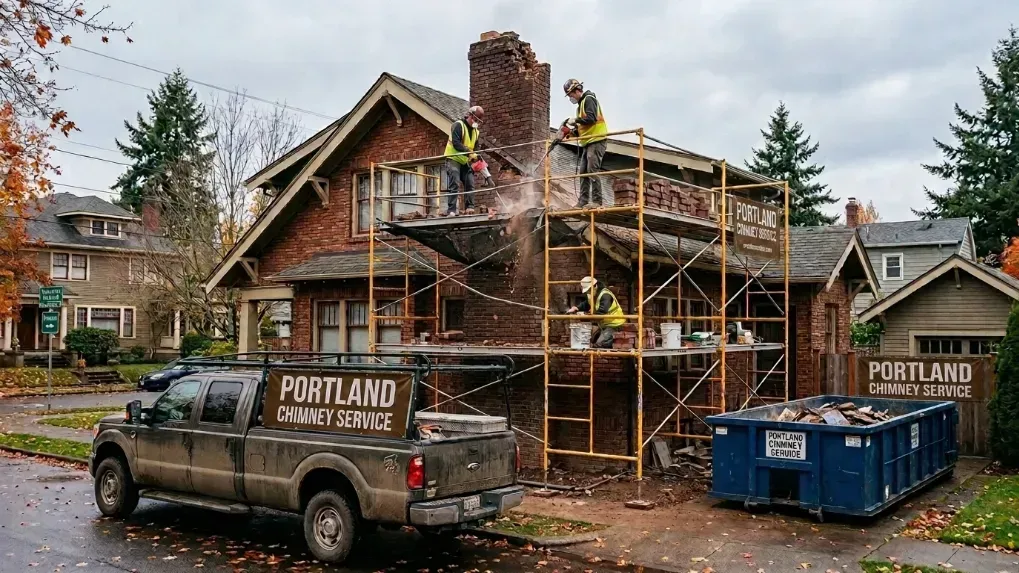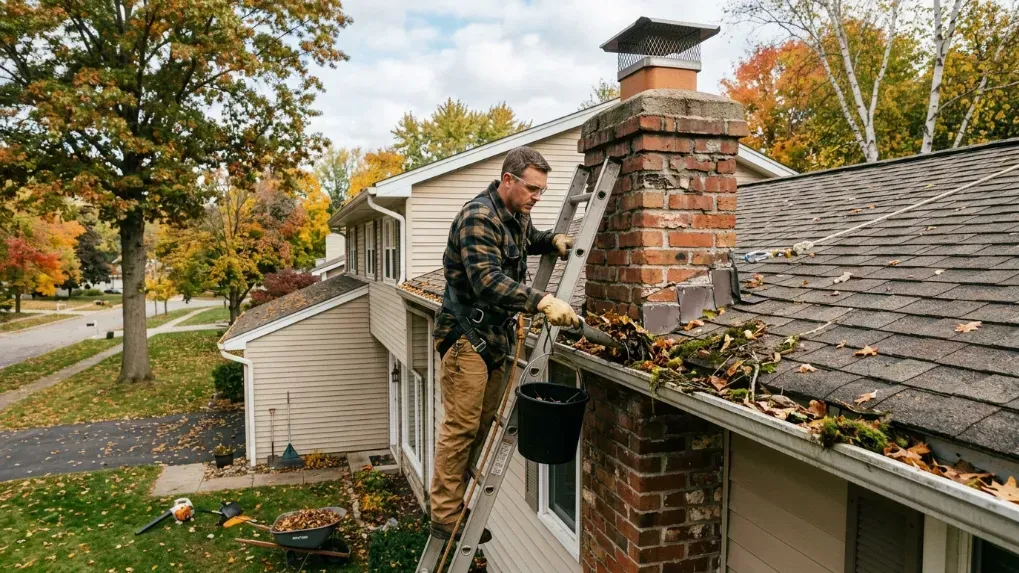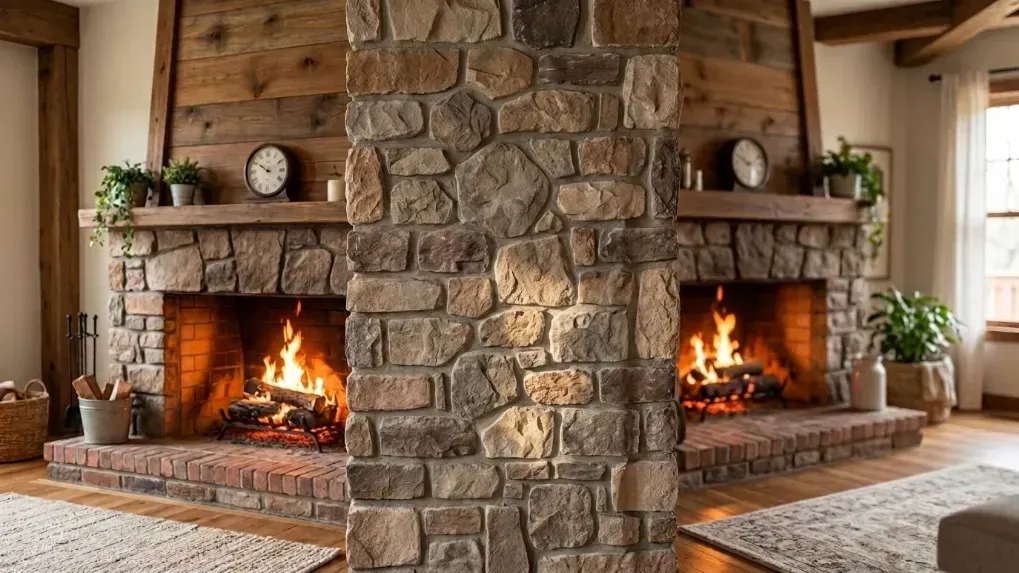
Your chimney is the most dangerous part of your Portland home. That sounds like hyperbole, but if you live in a classic New England Victorian or a colonial-style house near the Back Cove, it’s a cold hard fact. For decades, chimneys in Maine were built with clay tile liners or, worse, no liners at all. These systems were never designed to handle the high-efficiency demands of modern heating appliances or the biting, salt-heavy humidity of Casco Bay. If your flue is cracked, crumbling, or unlined, you aren't just losing heat. You are risking a structure fire or carbon monoxide poisoning every time you strike a match. It’s that simple.
Upgrading to Stainless Steel Chimney Liners is no longer a luxury for Portland homeowners; it is a fundamental requirement for home safety and efficiency. At Portland Chimney Service, we see the aftermath of neglect every winter. We see the soot-stained bricks and the frightening internal cracks that a standard flashlight can’t find. As the premier local chimney expert, we know that a high-quality metal liner is the only way to truly "future-proof" your hearth. If you want to see how we handle these critical upgrades, you should visit Our Homepage to see our commitment to the Greater Portland area.
The Hidden Decay in Portland’s Historic Chimneys
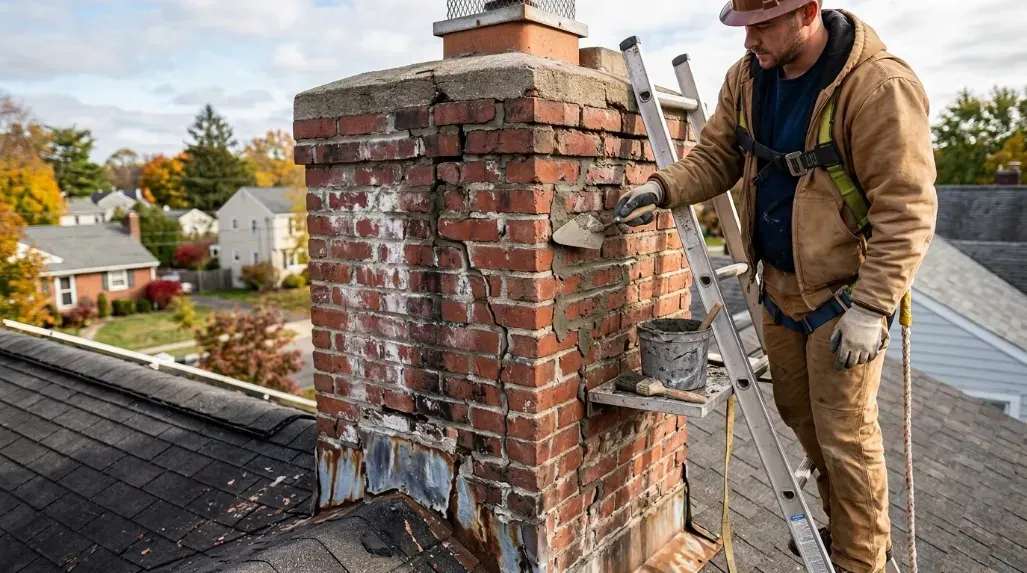
Portland is a city defined by its architecture. From the red-brick warehouses of the Old Port to the sprawling estates of the Western Promenade, masonry is our DNA. But masonry is porous. It breathes. Over time, the acidic byproducts of burning wood, oil, or gas eat away at the mortar joints inside your chimney. This process is called "efflorescence," but in plain English, your chimney is rotting from the inside out. When the internal structure fails, heat transfers to the wooden framing of your house. That is how "mysterious" house fires start in the middle of a February freeze.
Clay tiles, once the industry standard, are brittle. They cannot handle the rapid temperature swings common in Maine. One day it’s 45 degrees and raining; the next, it’s a sub-zero Nor'easter. This "freeze-thaw" cycle causes clay to expand and contract until it splits. Once a tile cracks, the seal is broken. Toxic gases like carbon monoxide can seep through those cracks and into your bedrooms. You won't smell it. You won't see it. But it's there. This is why we prioritize comprehensive chimney services that go beyond a simple sweep. You can learn more about the full scope of what we offer by visiting Our Main Services page.
Why choose stainless steel? It’s about resilience. A stainless steel liner creates a seamless, non-porous conduit for smoke and gases. It doesn't care about the freeze-thaw cycle. It doesn't crack under the pressure of a chimney fire. It provides a smooth surface that actually improves the "draft" of your fireplace or furnace, meaning more heat stays in your home and less money flies out the top of your roof. We aren't just talking about a pipe in a hole. We are talking about a precision-engineered safety system.
The Technical Superiority of Stainless Steel
Not all steel is created equal. If a contractor offers you a "bargain" liner, run the other way. In the corrosive environment of a chimney, cheap metal will rust through in a single season. We use heavy-duty, UL-listed stainless steel, typically in two specific grades: 304 and 316. For those burning wood, 304-grade steel is often sufficient. However, for Portland homes using oil, gas, or coal, 316-grade—often alloyed with titanium (316Ti)—is the gold standard. It resists the highly acidic condensate produced by modern furnaces.
Think of the liner as a second skin. When we install these systems, we often wrap them in high-density ceramic wool insulation. This is a non-negotiable step for many of our projects. Insulation keeps the flue gases hot, which prevents creosote from condensing on the walls. Creosote is the fuel for chimney fires. By keeping the flue hot and the gases moving fast, we virtually eliminate the risk of heavy buildup. This is the level of detail you get when working with a true local chimney expert. We understand the chemistry of combustion, not just the mechanics of masonry.
Our team has spent years refining these techniques. We’ve climbed the roofs of Munjoy Hill and navigated the tight crawlspaces of Deering Center. We know the specific challenges of Maine’s coastal climate. To understand the philosophy behind our work and our history in the community, feel free to read About Us and our dedication to local craftsmanship.
Draft, Efficiency, and the Science of Heat
Have you ever had a fireplace that smoked you out of the room? Or a furnace that seemed to run constantly without ever getting the house warm? The culprit is likely an improperly sized flue. Most old chimneys are way too big for modern appliances. When hot air enters a large, cold, masonry cavern, it slows down. It cools off. It loses its buoyancy. This causes "backdrafting," where smoke and carbon monoxide are pushed back into the living space.
Stainless steel liners allow us to "right-size" your flue. By matching the diameter of the liner to the specific requirements of your wood stove or furnace, we create a vacuum effect. The draft becomes strong and consistent. Your fire burns hotter and cleaner. Your furnace runs more efficiently because it isn't fighting against a cold column of air. This isn't just a safety upgrade; it’s an energy-efficiency upgrade that pays for itself over time in reduced fuel costs. In a city where heating oil prices can fluctuate wildly, every bit of efficiency counts.
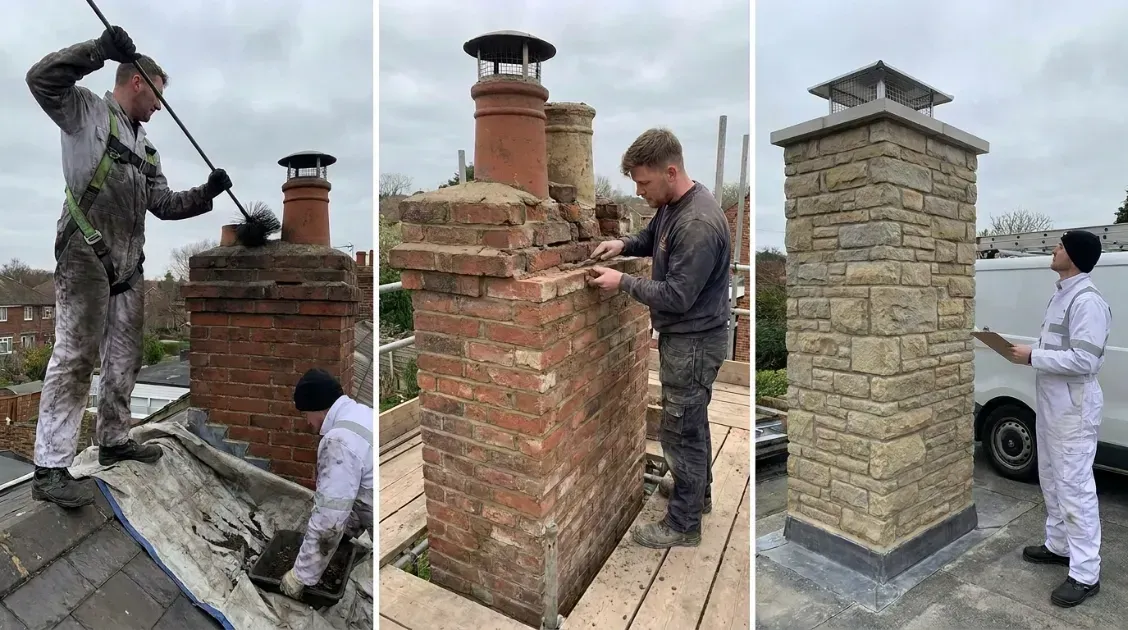
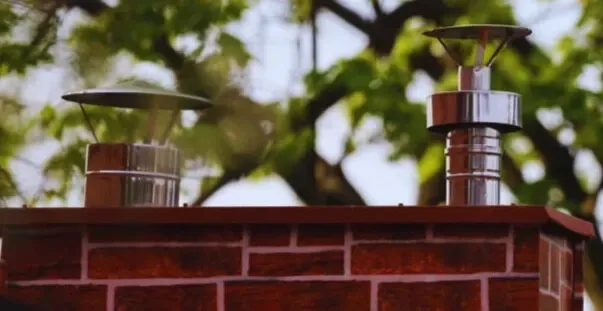
The installation process is surgical. We don't tear down your chimney. We work from the top down, carefully threading the flexible or rigid liner through the existing structure. We secure it with heavy-duty top plates and rain caps that keep out Maine’s notorious rain and nesting birds. It’s a clean, efficient process that usually takes less than a day but provides a lifetime of security. If you’re ready to schedule an inspection, you can easily Contact Us to get the process started.
The Insurance and Resale Reality
Let’s talk about money and liability. Insurance companies are getting smarter. In the past, they might have overlooked an unlined chimney. Today? Not a chance. Many homeowners in Portland are finding that their policies are being flagged during routine inspections. If you have a chimney fire and your flue wasn't up to code, your claim could be denied. That is a financial nightmare that no one wants to navigate. A UL-listed stainless steel liner is proof to your insurance provider that you have mitigated the primary risk of a house fire.
Furthermore, if you are planning to sell your home in Portland's competitive real estate market, a certified chimney system is a major selling point. Savvy buyers hire home inspectors who will absolutely look up that flue with a camera. If they see cracked tiles or raw brick, they will demand a credit or a repair before closing. By installing a liner now, you are protecting your equity. You are showing that the home has been maintained by professionals who understand chimney services at the highest level.
Don't wait for a disaster to happen. Don't wait for the "For Sale" sign to be in the yard. The peace of mind that comes from knowing your family is sleeping safely while the fire roars downstairs is worth every penny. We take pride in being the bridge between old-world masonry and modern safety standards.
Maintenance: The Life of Your Liner
Once your stainless steel liner is in place, you aren't off the hook for maintenance, but the job becomes significantly easier. Stainless steel is much easier to clean than porous clay. A professional sweep can clear out a steel liner in a fraction of the time, and because the surface is smooth, there are fewer nooks and crannies for creosote to hide in. We recommend an annual inspection and cleaning to ensure that the system remains in peak condition.
In Portland, we also have to deal with the salt air. Salt is a catalyst for corrosion. Even high-grade stainless steel benefits from a sturdy chimney cap to keep the salty mist and rain from sitting in the flue during the humid summer months. We include high-quality caps with every installation because we know that a chimney without a hat is just a bucket for the rain. We see the results of weather-beaten chimneys every day, and we know how to prevent that damage from reaching your interior walls.
Why Portland Chimney Service?
There are plenty of "handymen" with a ladder and a brush. But a chimney is a venting system for fire and poison. It is not the place for DIY projects or "good enough" repairs. We are the local chimney expert that Portland trusts because we don't cut corners. We know the local building codes, we understand the specific nuances of Maine's coastal weather, and we treat every home as if our own families were sleeping inside it.
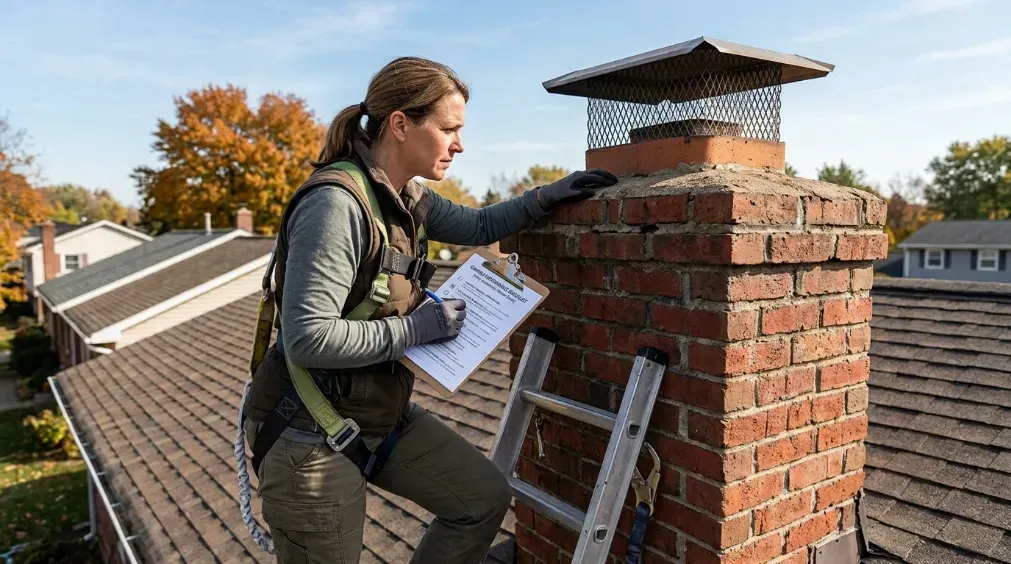
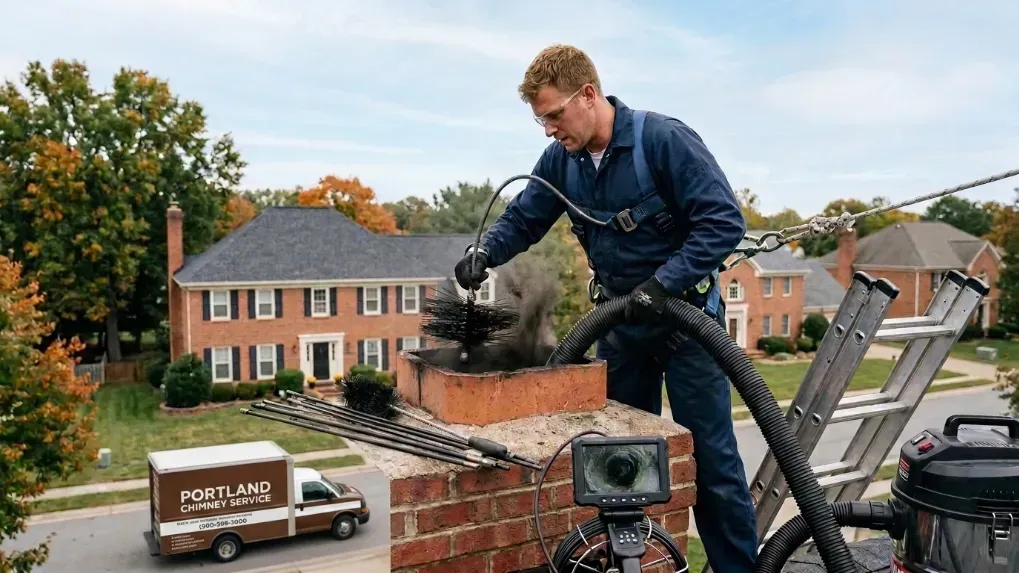
Our technicians are trained in the latest diagnostic technologies. We use internal video cameras to show you exactly what is happening inside your flue before we ever start work. We believe in transparency. If your chimney is in great shape, we will tell you. If it’s a fire hazard, we will show you why. That integrity is why we’ve been a staple of the Portland community for years.
Frequently Asked Questions
How long does a stainless steel chimney liner last?
When high-grade 316Ti stainless steel is used and professionally installed, these liners often come with a lifetime warranty. Generally, you can expect a high-quality liner to last 50 years or more, provided it is cleaned annually and maintained properly. It is a one-time investment for most homeowners.
Is a chimney liner required by law in Maine?
While specific local ordinances vary, most building codes in Maine and the NFPA 211 standards require that all masonry chimneys be lined to safely contain the products of combustion. If you are installing a new wood stove or furnace, a liner that matches the appliance's requirements is mandatory for safety and code compliance.
Can I install a chimney liner myself?
It is strongly discouraged. Installing a liner involves working at significant heights, handling heavy metal coils, and ensuring airtight seals at the appliance and the crown. Improper installation can lead to draft issues, house fires, or carbon monoxide leaks. Most warranties are only valid if the system is installed by a certified professional.
Does a stainless steel liner improve my fireplace’s heat?
Yes. By creating a correctly sized flue, the liner improves the draft. A better draft means the fire burns more efficiently and produces more radiant heat. When combined with insulation, the liner keeps the heat inside the flue, preventing it from being absorbed by the cold masonry, which results in more warmth for your home.
How do I know if my current chimney liner is failing?
Look for red flags like bits of clay tile on the floor of your fireplace, white staining (efflorescence) on the exterior brick, or a draft that feels sluggish. However, many failures are invisible to the naked eye. A professional video inspection is the only way to confirm the integrity of your flue and ensure your home is safe.
Your home in Portland is likely your most significant investment. Protect it. Ensure your family stays warm and safe throughout the long Maine winters. Whether you are in a historic home in the West End or a modern build in North Deering, your chimney requires expert attention. We are here to provide the protection, performance, and peace of mind you deserve. Reach out to the team at Portland Chimney Service today, and let's make sure your hearth is as safe as it is beautiful.