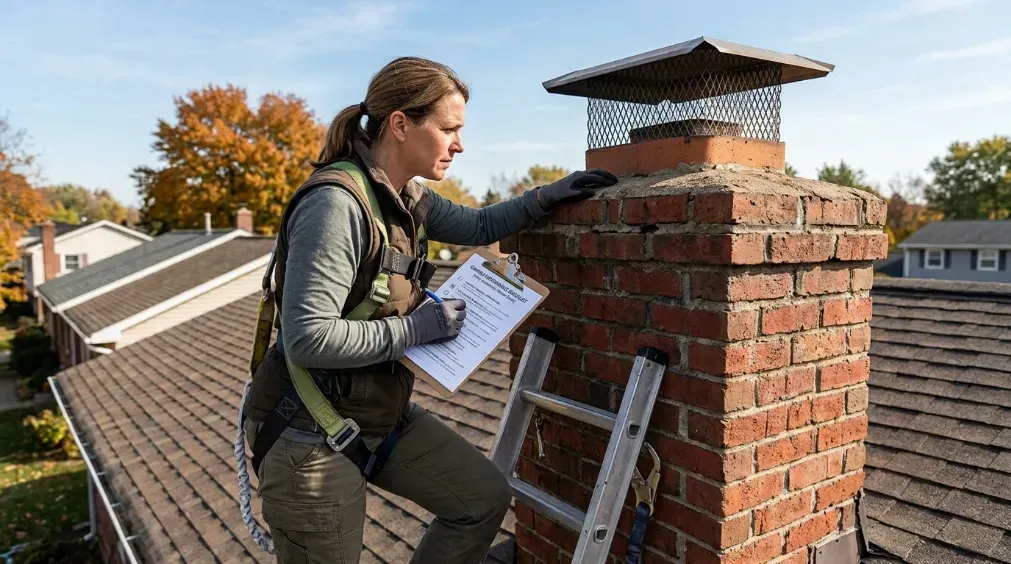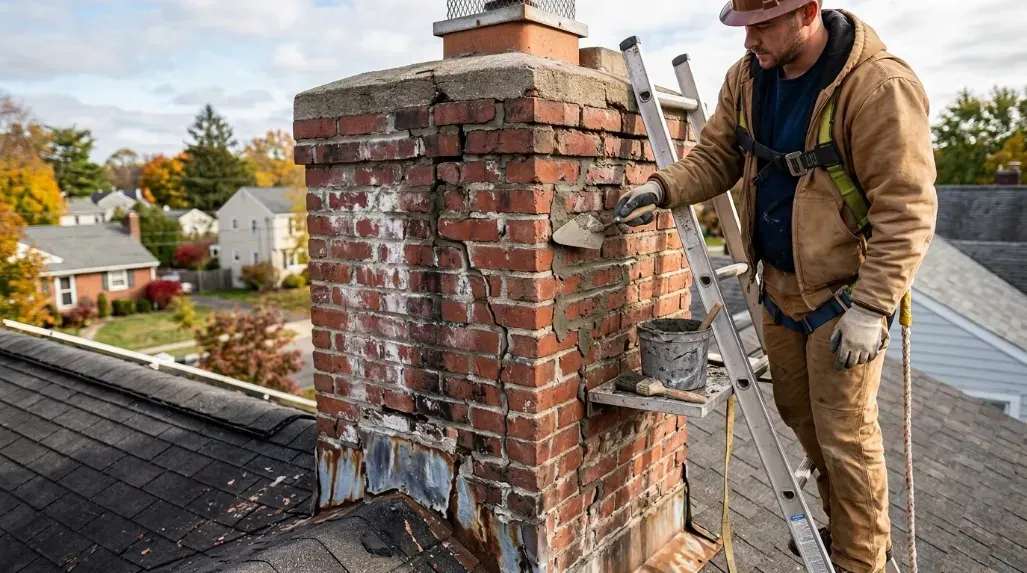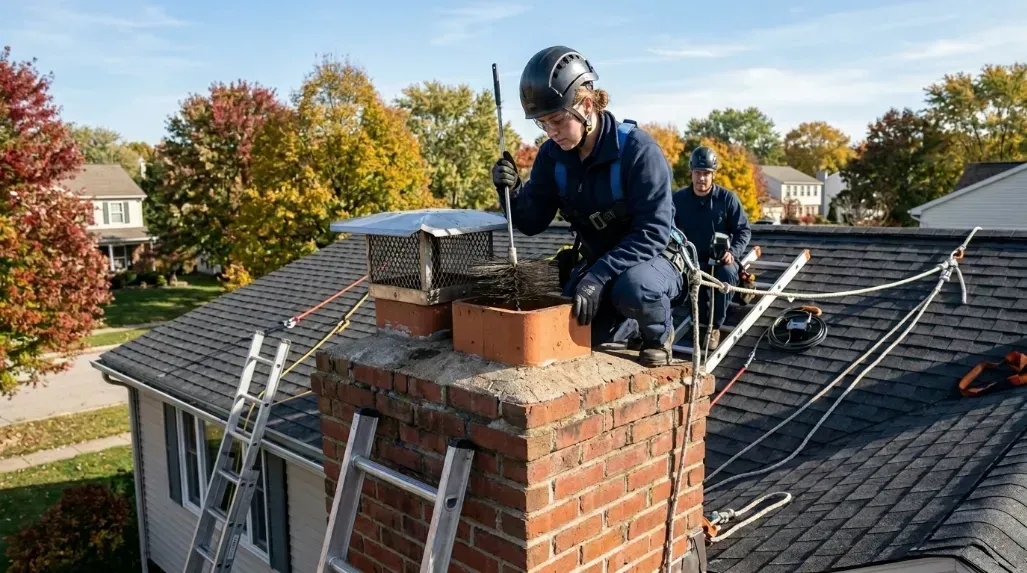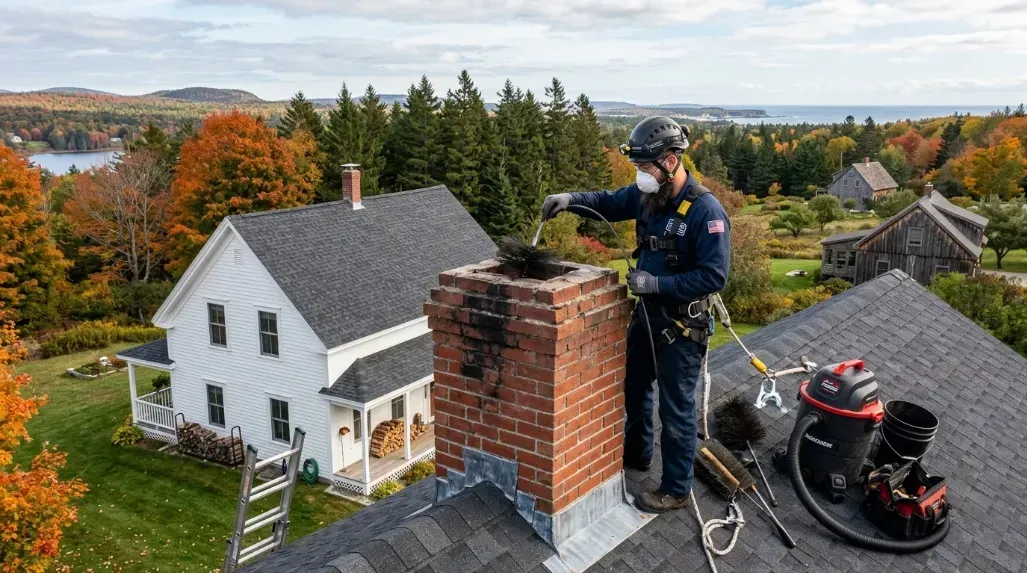
As the heart of a home, a fireplace offers warmth, ambiance, and a cozy gathering spot. But behind the beautiful flames lies a complex system that requires careful maintenance to ensure safety. One of the most critical, yet often overlooked, components of this system is the chimney liner. Here at Portland Chimney Service, we understand that proper chimney liner fire safety is paramount to protecting your home and family. This post will illuminate the importance of chimney liners, their role in fire prevention, and why professional installation is key.
What is a Chimney Liner and Why is it Essential?

A chimney liner, or flue liner, is a conduit made of clay, ceramic, or metal installed inside your chimney. Its primary purpose is to contain the byproducts of combustion—smoke, heat, and gases—and safely guide them out of your home. Without a functioning liner, your chimney is not just inefficient; it's a significant fire hazard. The Chimney Safety Institute of America (CSIA) emphasizes that unlined chimneys pose a severe risk, a fact supported by tests from the National Bureau of Standards which found them to be dangerously unsafe.

The Core Functions: How Liners Prevent Fires and Other Dangers

Understanding the fireplace chimney liner benefits starts with recognizing its three main safety functions:

  1. Protection Against Heat Transfer: The intense heat generated by a fire can transfer to the combustible materials surrounding your chimney, such as wood framing and insulation. A chimney liner acts as a crucial barrier, preventing this heat transfer and significantly reducing the risk of a house fire.
  2. Guarding Masonry from Corrosion: The byproducts of burning fuel are highly acidic and can eat away at the mortar and bricks of your chimney structure over time. This deterioration can create cracks and gaps, allowing hazardous gases to leak into your home and compromising the chimney's structural integrity. A liner protects the masonry, extending the life of your chimney.
  3. Preventing Carbon Monoxide Poisoning: A damaged or missing liner can allow dangerous gases, most notably carbon monoxide, to seep into your living spaces. Carbon monoxide is an odorless, colorless gas that can be fatal. A properly installed and maintained liner ensures these toxic gases are vented safely outside.

Understanding Chimney Liner Safety Regulations

To ensure homeowner safety, national standards have been established. The National Fire Protection Association (NFPA), in its NFPA 211 Standard for Chimneys, Fireplaces, Vents, and Solid Fuel-Burning Appliances, mandates that all chimneys must have a liner. These regulations are widely adopted by local building codes and are the benchmark for safe chimney construction and maintenance. The NFPA 211 standard also requires annual inspections of all chimneys and vents to detect potential issues early.

Types of Chimney Liners

There are three main types of chimney liners, each with its own set of characteristics:

  • Clay Tile Liners: These are the most common and traditional option, known for their affordability. However, they can crack under the stress of high temperatures and require professional installation.
  • Metal Liners: Typically made from stainless steel or aluminum, metal liners are durable, safe, and often used when relining an existing chimney. Stainless steel is particularly popular for its longevity and suitability for all fuel types.
  • Cast-in-Place Liners: This method involves pouring a cement-like material into the chimney to create a smooth, seamless liner. It's an excellent option for reinforcing older or damaged chimneys.

The Importance of Professional Chimney Liner Installation

While it might be tempting to consider a DIY approach, chimney liner installation is a complex process that requires precision and expertise. An improperly sized or installed liner can be just as dangerous as having no liner at all, leading to poor draft, creosote buildup, and increased fire risk.

At Portland Chimney Service, our certified technicians have the training and experience to ensure your chimney liner is installed correctly, adhering to all safety codes and manufacturer specifications. A professional assessment will determine the right type and size of liner for your specific appliance and chimney structure, guaranteeing safe and efficient operation for years to come.

Protect Your Home with Portland Chimney Service

Your chimney liner is an indispensable component of your home's safety system. Regular inspections are crucial to ensure it remains in good condition. If your home is older, or if you're unsure about the state of your chimney liner, don't wait for a problem to arise. Proactive maintenance is the key to fire prevention. Protect your home and loved ones by ensuring your chimney is properly lined and maintained. Contact the experts at Portland Chimney Service today at (207) 835-3683 to schedule an inspection or to discuss your chimney liner installation needs. We are committed to providing top-quality service and peace of mind.


Frequently Asked Questions

  • How do I know if my chimney liner is damaged?

    Signs of a damaged chimney liner can include visible cracks in the masonry, pieces of tile in your firebox, excessive soot, a poor draft, or a smoky smell in your home even when a fire isn't lit. The most reliable way to know for sure is to have a professional chimney inspection, which often includes a camera scan of the flue's interior.

  • How long does a chimney liner last?

    The lifespan of a chimney liner depends on the material. Clay tile liners can last for several decades with proper maintenance, but are susceptible to cracking. Stainless steel liners are very durable and often come with a lifetime warranty, typically lasting 15 to 25 years or more. The type of fuel you burn and how often you have your chimney cleaned also impact its longevity.


  • Is a chimney liner required for a gas fireplace?

    Yes, even gas appliances that vent through a chimney require a liner. Gas appliances produce corrosive condensation that can damage the chimney's masonry over time. A properly sized liner is essential for the safe and efficient operation of your gas fireplace or furnace.
By John Constantine January 28, 2026
The wind coming off Casco Bay in January doesn't just cut through your coat. It attacks your masonry. If you own a home in Portland, specifically in the 04101 zip code or the historic West End, you know the drill. Rain turns to sleet, sleet turns to snow, and then it all melts and freezes again. It’s a brutal cycle. Most homeowners ignore their chimney until a brick lands on the patio. By then, it’s too late. The damage is done. Your chimney isn't just a smoke exhaust; it's a structural engine that keeps your home safe. But without professional intervention, Maine’s winter moisture will destroy it from the inside out. This isn't about aesthetics. It's about structural integrity. Here is why securing a professional chimney service for waterproofing is the smartest investment you can make this season.
By John Constantine January 21, 2026
Your chimney is the most dangerous part of your Portland home. That sounds like hyperbole, but if you live in a classic New England Victorian or a colonial-style house near the Back Cove, it’s a cold hard fact. For decades, chimneys in Maine were built with clay tile liners or, worse, no liners at all. These systems were never designed to handle the high-efficiency demands of modern heating appliances or the biting, salt-heavy humidity of Casco Bay. If your flue is cracked, crumbling, or unlined, you aren't just losing heat. You are risking a structure fire or carbon monoxide poisoning every time you strike a match. It’s that simple.  Upgrading to Stainless Steel Chimney Liners is no longer a luxury for Portland homeowners; it is a fundamental requirement for home safety and efficiency. At Portland Chimney Service, we see the aftermath of neglect every winter. We see the soot-stained bricks and the frightening internal cracks that a standard flashlight can’t find. As the premier local chimney expert , we know that a high-quality metal liner is the only way to truly "future-proof" your hearth. If you want to see how we handle these critical upgrades, you should visit Our Homepage to see our commitment to the Greater Portland area.
By John Constantine January 17, 2026
The wind screams off Casco Bay in January. It carries a bite that cuts through the thickest wool. Inside your Portland home, the hearth is the heartbeat of the house. You stack the seasoned oak, strike a match, and wait for that familiar amber glow. But behind the brick and mortar, a silent threat might be brewing. Most homeowners assume if the smoke goes up, the system is fine. That assumption is dangerous. In Maine, our winters don't just test our patience; they dismantle our masonry. Chimney service isn't a luxury. It is a fundamental requirement for coastal living. The National Fire Protection Association (NFPA) 211 standards are clear: every chimney, fireplace, and vent needs an annual inspection. This isn't just about sweeping away soot. It’s about structural integrity. In Portland, our chimneys face a unique enemy: the freeze-thaw cycle. When freezing rain hits your brickwork, moisture seeps into the porous surface. Then it freezes. Water expands by roughly 9% when it turns to ice. This microscopic expansion acts like a slow-motion jackhammer, widening cracks and popping the faces off your bricks—a process known as spalling. If you haven't had a professional look at your stack this season, you're playing a high-stakes game with the Atlantic elements.
By John Constantine January 14, 2026
Maine winters are mean. They don't just bring snow; they bring a relentless cycle of ice expansion that treats your brickwork like a stress ball. If you live in the Greater Portland area, your chimney isn't just an architectural feature. It is a porous, vertical sponge standing in the direct line of fire of Nor’easters and coastal humidity. Every year, homeowners across Cumberland County wake up to damp fireboxes or "spalling"—those chunks of red brick littering the lawn like debris from a slow-motion explosion. This isn't just a cosmetic annoyance. It is a structural SOS.
By John Constantine January 13, 2026
The wind whipping off Casco Bay doesn’t care about your schedule. If you live in the West End or own a triple-decker on Munjoy Hill, you know the drill. Winter in Portland isn't just a season; it’s a structural stress test for your home. While you’re stocking up on wood pellets and coffee brandy, your chimney and gutters are sitting ducks for the freeze-thaw cycle that defines Maine winters. Most folks wait until there is smoke pouring into their living room or an icicle the size of a harpoon hanging off the eaves before they call a professional. Don't be that person. Negligence is expensive. Let’s talk about why your chimney and gutters are the first line of defense against a 04101 winter, and why Portland Chimney Service is the only crew you want on your roof when the mercury drops.
By John Constantine January 13, 2026
Maine winters don't play games. When a Nor'easter rolls off the Atlantic and hammers the Casco Bay, your fireplace isn't just a cozy aesthetic choice—it is a lifeline. But that brick-and-mortar tower rising from your roof is under constant assault. Between the salt air of the Old Port and the brutal freeze-thaw cycles of the Cumberland County winters, your chimney is likely the most neglected part of your home’s infrastructure. Ignoring it is a gamble you won't win. Most homeowners assume a quick glance at the hearth is enough. It isn't. Effective chimney care requires more than a casual check; it demands a technical understanding of masonry, combustion physics, and Maine’s specific climate challenges. Whether you need a routine chimney sweep portland maine residents can trust or a full-scale structural rebuild, understanding the "why" behind the service is the first step toward a safe, warm winter.
By John Constantine January 5, 2026
There is nothing quite like the crackle of a warm fire on a chilly evening. It is the heart of the home, providing a sense of comfort and nostalgia that modern heating systems simply cannot replicate. However, that cozy ambiance comes with a significant responsibility. Behind the brick and mortar of your fireplace lies a complex venting system that, if neglected, can become a serious hazard to your property and your family. At Portland Chimney Service , we have spent over 35 years ensuring that homeowners can enjoy their hearths without fear. In this guide, we will explore why regular chimney inspections are not just a recommendation—they are a critical pillar of home safety.
By John Constantine January 2, 2026
As the heart of many homes, a fireplace provides warmth, comfort, and a cozy ambiance. However, without proper care, your chimney can become a significant safety hazard, leading to devastating house fires and expensive structural damage. Proactive maintenance is not just a recommendation; it's an essential step to protect your home and family. Here at Portland Chimney Service, we believe that understanding the risks and recognizing the warning signs are the first steps toward responsible fireplace ownership.
By John Constantine December 27, 2025
A chimney is often seen as the heart of a home—a symbol of warmth, comfort, and tradition. But what happens when this iconic structure becomes a liability? Over time, exposure to the elements, seismic activity, or simple neglect can turn a once-sturdy chimney into an unstable and dangerous hazard. When repairs are no longer a viable option, professional demolition becomes a necessary step to protect your home and family. This comprehensive guide will explain everything you need to know about the chimney demolition process.  Here at Portland Chimney Service , we understand that removing a part of your home is a big decision. Our goal is to provide clarity and expertise, ensuring the process is handled with the utmost safety and professionalism.
By John Constantine December 26, 2025
The iconic chimneys punctuating the skyline of Portland, Maine, are more than just architectural features; they are silent witnesses to our city's history, enduring harsh nor'easters, salty sea air, and relentless freeze-thaw cycles. But this resilience comes at a cost. The very elements that give our region its character are constantly working to break down the masonry of our homes. For homeowners in Portland and the surrounding Cumberland County area, understanding the health of your chimney isn't just about maintenance—it's about protecting your home's structural integrity, safety, and value. Here at Portland Chimney Service , we've seen firsthand what happens when chimney issues are ignored.  Eventually, every homeowner with a brick chimney will face a critical decision: is it time for repair through tuck pointing, or is the damage so severe that demolition is the only safe option? This guide will walk you through the unique challenges Portland chimneys face, help you identify the signs of distress, and provide a clear comparison between these two essential services.