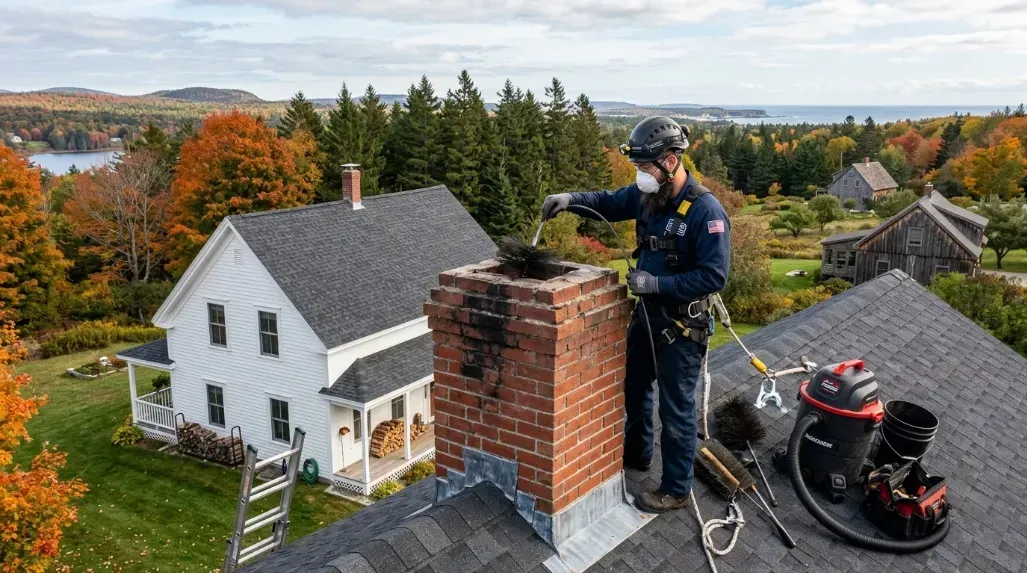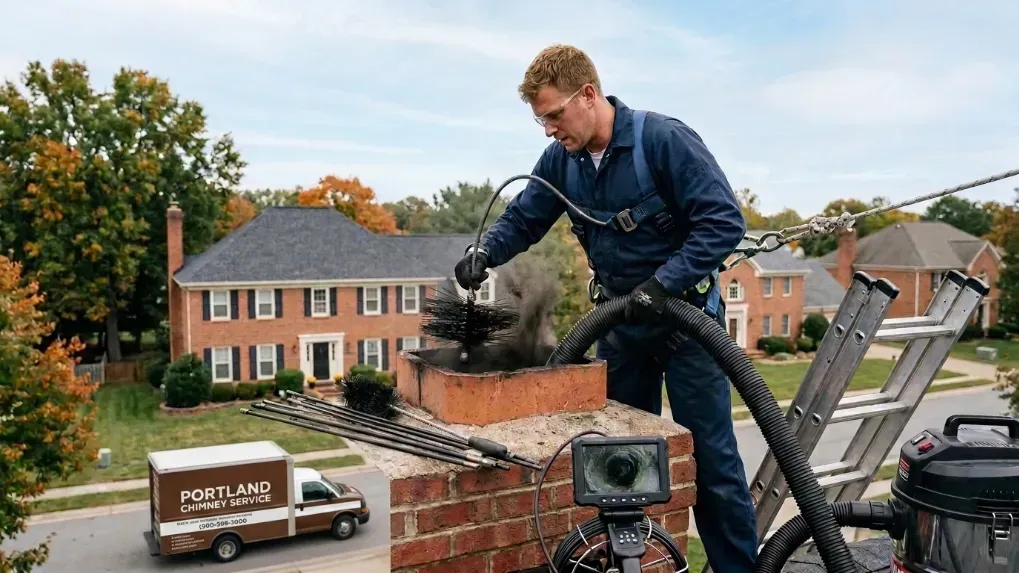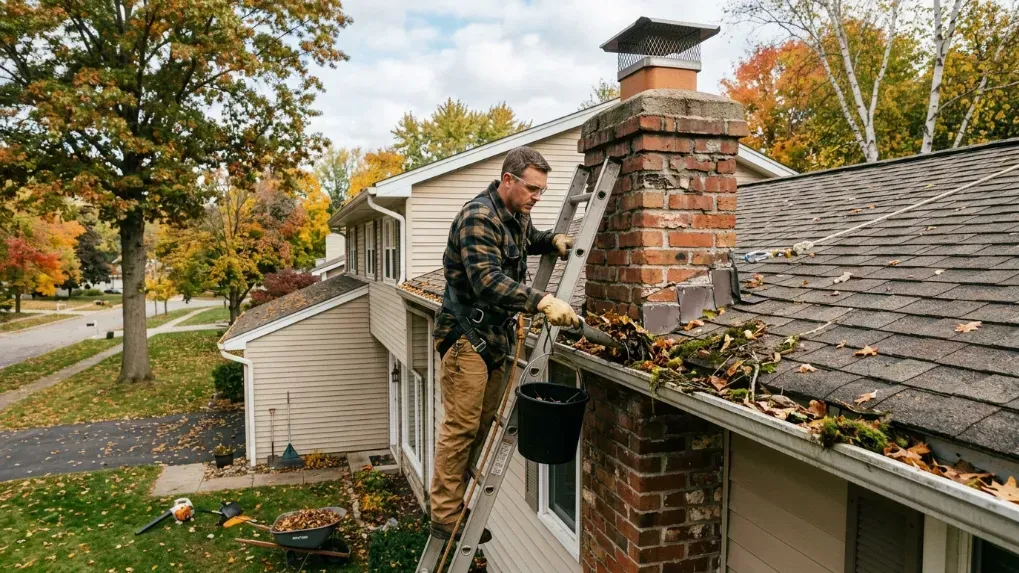
The iconic chimneys punctuating the skyline of Portland, Maine, are more than just architectural features; they are silent witnesses to our city's history, enduring harsh nor'easters, salty sea air, and relentless freeze-thaw cycles. But this resilience comes at a cost. The very elements that give our region its character are constantly working to break down the masonry of our homes. For homeowners in Portland and the surrounding Cumberland County area, understanding the health of your chimney isn't just about maintenance—it's about protecting your home's structural integrity, safety, and value. Here at Portland Chimney Service, we've seen firsthand what happens when chimney issues are ignored.
Eventually, every homeowner with a brick chimney will face a critical decision: is it time for repair through tuck pointing, or is the damage so severe that demolition is the only safe option? This guide will walk you through the unique challenges Portland chimneys face, help you identify the signs of distress, and provide a clear comparison between these two essential services.
The Unique Weathering Challenges for Chimneys in Portland, Maine
Your chimney is your home's most exposed and vulnerable component. In a coastal city like Portland, the forces of nature are particularly aggressive. Understanding these local factors is key to appreciating why proactive chimney care is so vital.
The Relentless Freeze-Thaw Cycle
Maine's winters are notorious for their temperature swings. During the day, snow melts, and rain seeps into the porous surfaces of bricks and mortar. When temperatures plummet overnight, this trapped water freezes and expands with incredible force—up to 9% in volume. This expansion creates and widens cracks in the mortar joints. This cycle repeats dozens of times each winter, acting like a tiny, relentless jackhammer, slowly prying your chimney apart from the inside out. The result is 'spalling' (flaking or peeling bricks) and crumbling mortar that compromises the entire structure.
Corrosive Coastal Air and Salt Damage
Living near Casco Bay has its perks, but the salt-laden air is a significant threat to masonry. Salt is hygroscopic, meaning it attracts and retains water. When salty moisture is absorbed by your chimney's bricks, it can lead to a white, powdery residue on the surface called efflorescence. While efflorescence itself is mostly a cosmetic issue, it's a clear sign that water and salt are penetrating your masonry, a process that leads to long-term degradation and weakens the mortar bonds.
The Legacy of Historic Portland Homes
From the West End's Victorian mansions to the brick homes of Munjoy Hill, Portland is rich with historic properties. Many of these older chimneys were built with lime-based mortar, which is softer and more porous than modern Portland cement-based mortars. While appropriate for the original construction, this older mortar is more susceptible to the harsh modern climate and requires specialized knowledge for proper repair. Using the wrong type of mortar for a repair can cause permanent damage to the historic bricks.
Understanding Chimney Tuck Pointing: The Art of Preservation
When you catch deterioration early, tuck pointing is a highly effective and cost-efficient method of restoring your chimney's strength and appearance. It's a meticulous process of preservation that stops water intrusion in its tracks.
What Exactly is Tuck Pointing?
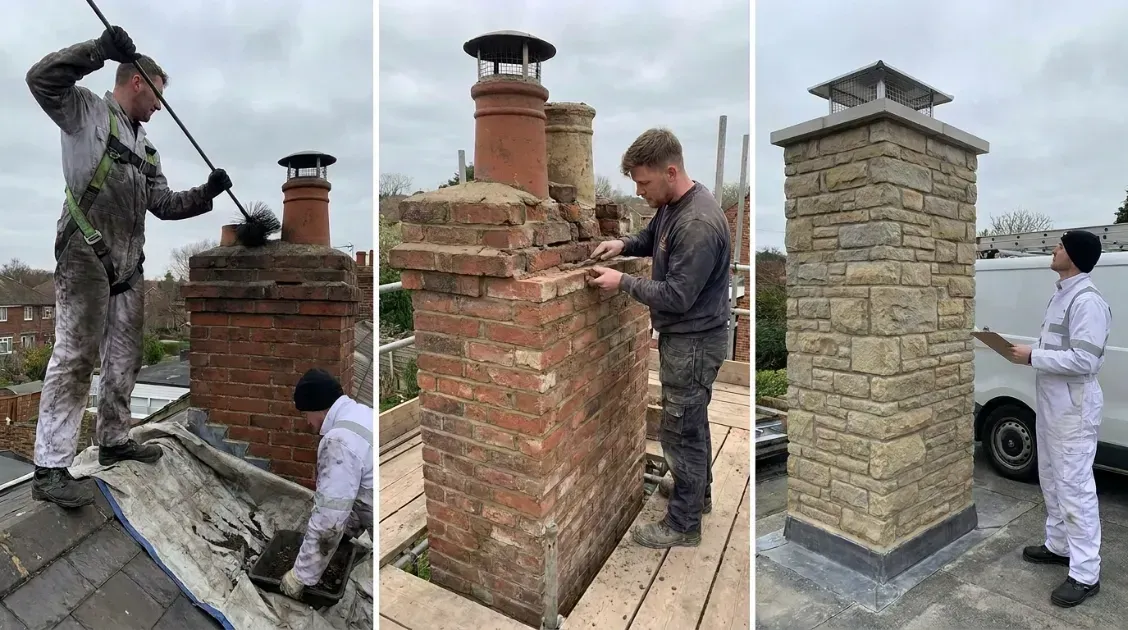
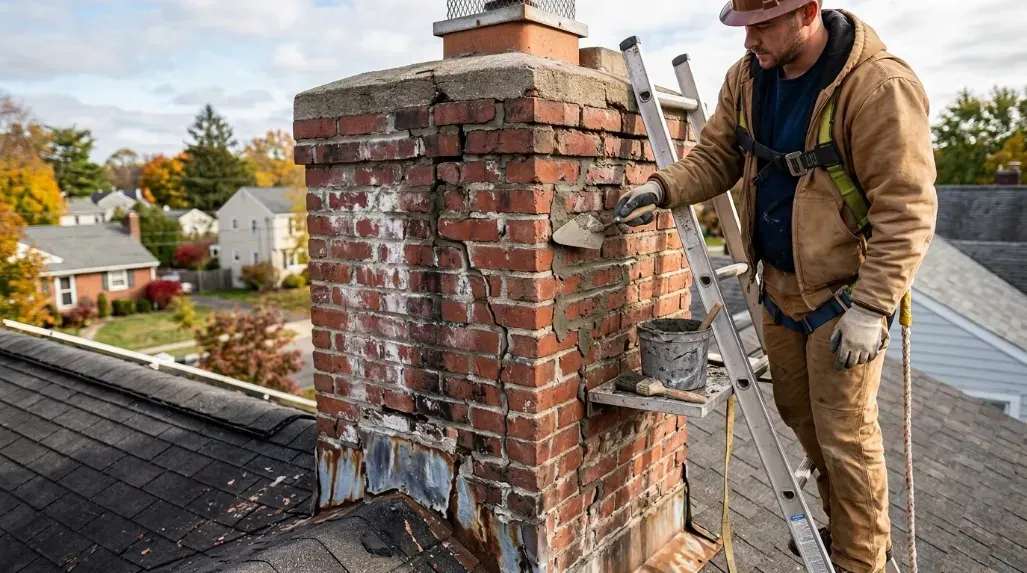
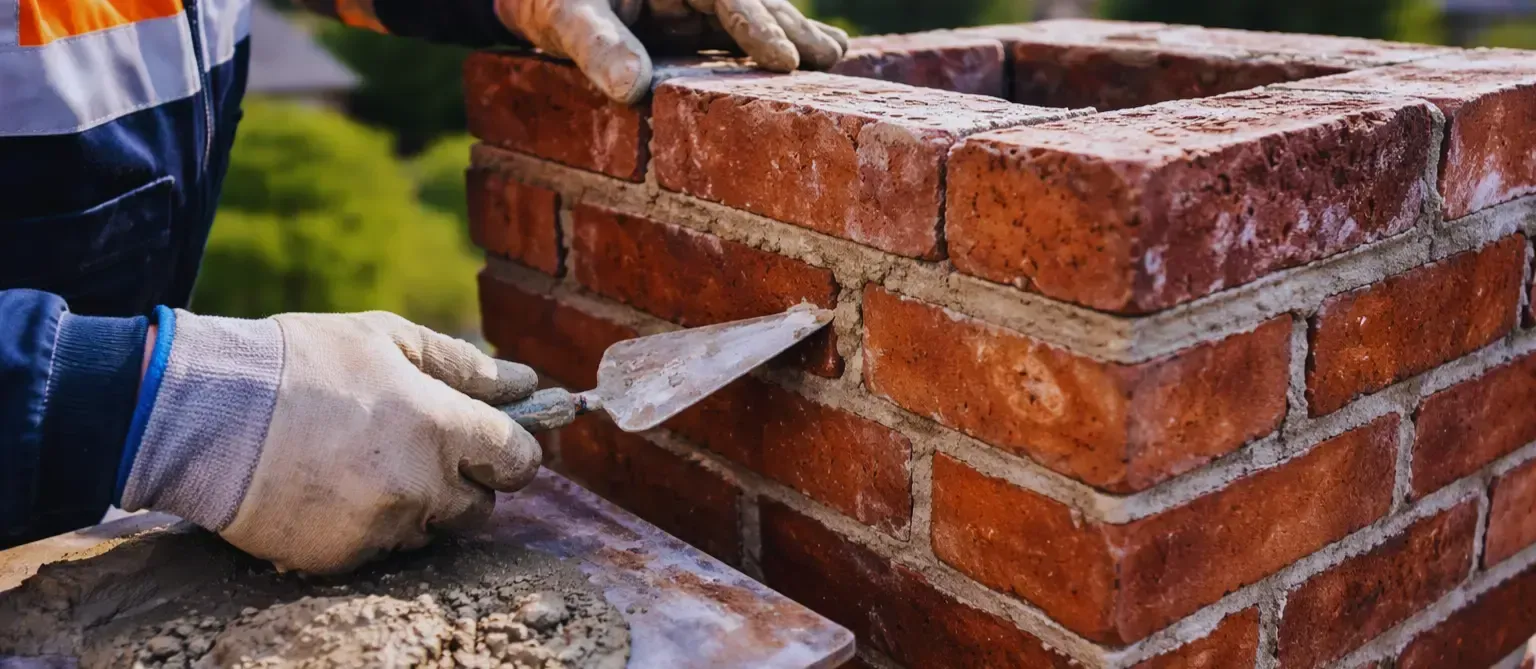
Tuck pointing is the process of carefully grinding or cutting out deteriorated, damaged mortar from the joints of a masonry wall and replacing it with new, properly formulated mortar. The goal is not just to fill gaps but to create a strong, water-resistant bond that integrates seamlessly with the existing structure, protecting it for decades to come.
When is Tuck Pointing the Right Choice for Your Portland Home?
Tuck pointing is the ideal solution when the bricks themselves are still in good condition, but the mortar joints are failing. Look for these warning signs:
- Visible Cracks: Hairline or larger cracks in the mortar joints are the most obvious sign.
- Crumbling or Recessed Mortar: If you can easily scrape away mortar with a key or screwdriver, it has lost its integrity.
- Efflorescence: That white, chalky stain indicates water is passing through the masonry.
- Damp Patches or Water Leaks: Stains on interior walls or ceilings near the chimney are a red alert that water is getting in.
- Spalling or Flaking Bricks: While this is a brick issue, it's often caused by failing mortar joints allowing water to get behind the brick face.
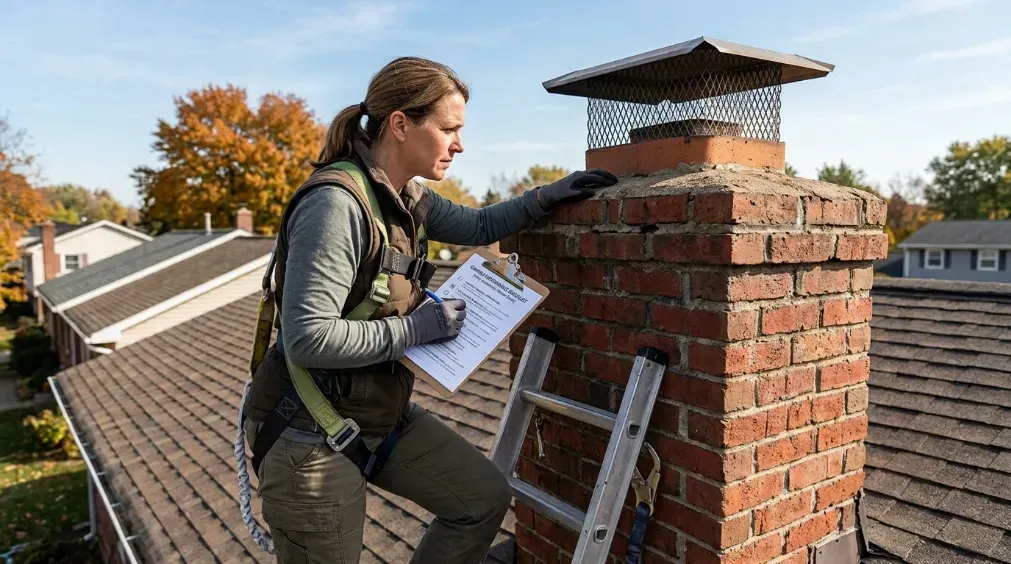
If you see these signs, it's time to consider the chimney services of a professional to assess if tuck pointing can solve the problem.
When Chimney Demolition Becomes a Non-Negotiable Necessity
Unfortunately, not all chimneys can be saved. If deterioration is left unchecked for too long, the entire structure can become a dangerous liability. In these cases, demolition is the only responsible course of action.
Red Flags: When is a Chimney Beyond Repair?
The decision to demolish is based on severe structural failure. Key indicators include:
- Severe Leaning or Tilting: If your chimney is noticeably pulling away from the house or leaning (a 'listing chimney'), its structural foundation is likely compromised. This is a collapse hazard.
- Widespread Spalling and Crumbling Bricks: If a significant percentage of the bricks are broken, crumbling, or have lost their faces, there is no solid material left for new mortar to bond to.
- Major Interior Water Damage: Extensive, long-term leaks often mean the internal structure, including the flue liner and surrounding supports, is rotted and unstable.
- A Collapsed or Missing Crown: The chimney crown is the concrete slab at the top. If it's severely damaged or gone, water has likely been pouring into the chimney's internal structure for years, causing catastrophic damage.
Partial vs. Full Chimney Demolition
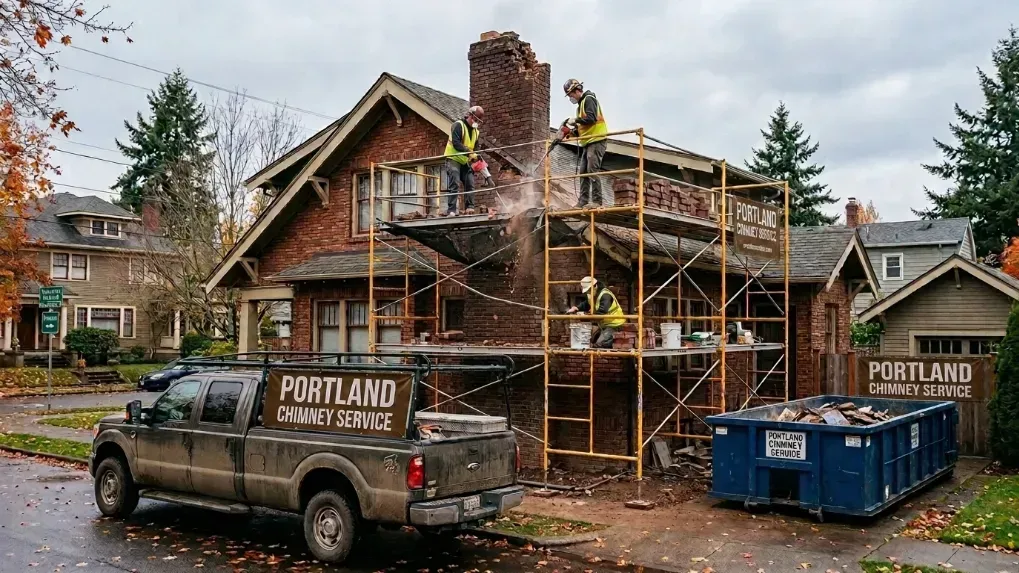
Demolition doesn't always mean removing the entire chimney stack down to the foundation. Often, a partial demolition is sufficient. This typically involves removing the chimney down to the roofline, where the structure is often in better condition, and then rebuilding it with new materials. A full demolition is required when the chimney's instability extends below the roofline and into the home's structure.
Tuck Pointing vs. Demolition: A Comparative Guide for Portland Residents
Making the right choice depends on a professional evaluation of your chimney's condition. This table provides a general comparison to help you understand the factors at play.
| Factor | Tuck Pointing | Demolition & Rebuild |
|---|---|---|
| Primary Goal | Repair and preserve the existing structure. | Remove a dangerous structure and replace it. |
| Ideal Candidate | Structurally sound chimney with failing mortar joints. | Structurally failed chimney (leaning, severe spalling). |
| Cost | Significantly lower. Priced by the square foot of repair. | Significantly higher due to labor, disposal, and new materials. |
| Timeframe | Typically 1-3 days, depending on the scope. | Can take several days to a week or more. |
| Historical Preservation | Excellent. Maintains the original character and materials. | Original character is lost, but can be rebuilt to match style. |
| Long-Term Outcome | Extends the life of the existing chimney for decades. | Provides a brand new, safe, and efficient structure. |
Trust the Experts: Why Professional Chimney Care is Crucial
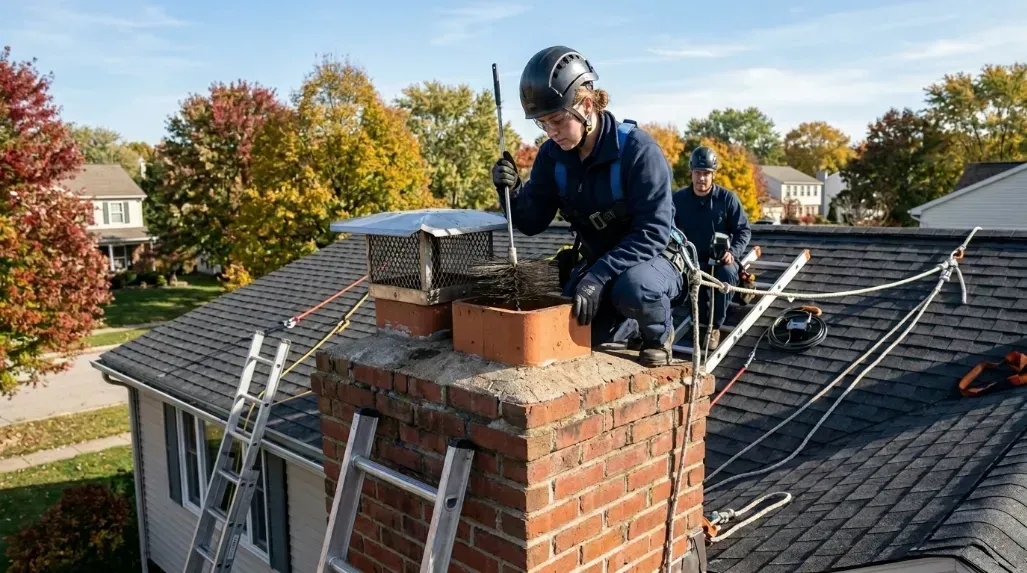
Working on a chimney is dangerous, highly skilled work. It involves heights, heavy materials, and a deep understanding of masonry science and structural engineering. A DIY repair gone wrong can lead to further damage, costly fixes, or even a catastrophic failure. When it comes to the safety of your home and family, you need a trusted professional.
A qualified chimney contractor in the Portland area will have a deep understanding of our local climate's effects on masonry. At Portland Chimney Service, we pride ourselves on our meticulous workmanship and honest assessments. We understand the value and charm of Portland's homes and are dedicated to providing solutions that are both safe and aesthetically appropriate. You can learn more about our commitment to quality on our About Us page.
Conclusion: Be Proactive About Your Portland Chimney
Your chimney is a critical component of your home's defense against the Maine elements. By being proactive and understanding the signs of wear, you can catch problems early and opt for a cost-effective repair like tuck pointing. However, if the damage is severe, it's crucial to address it decisively with a partial or full demolition to prevent a disaster. Don't wait for a small crack to become a major liability. Protect your investment, your home's historic character, and most importantly, your family's safety.
If you're concerned about the condition of your chimney, we encourage you to take the next step. Contact the experienced team at Portland Chimney Service for a comprehensive inspection and a clear, honest recommendation. Visit our Contact Us page or explore our full range of chimney services to learn more.
Frequently Asked Questions
How often should I have my chimney inspected in Portland, ME?
Given our harsh freeze-thaw cycles and coastal air, it's recommended to have your chimney professionally inspected at least once a year. This is especially important for older homes and for chimneys that are actively used for a fireplace or wood stove.
What is the difference between tuck pointing and repointing?
The terms are often used interchangeably, but there's a technical difference. Repointing is the process of removing old mortar and replacing it. Tuck pointing is a specific type of repointing where two different colors of mortar are used to create the illusion of very fine, 'tucked' joints, often for historical restoration. However, in common modern usage, 'tuck pointing' refers to the general process of mortar repair.
Can I still use my fireplace if I see cracks in the chimney's mortar?
It is strongly advised not to. Cracks in the mortar can allow dangerous gases, including carbon monoxide, to leak into your home. They can also allow embers or high heat to escape the flue and ignite the wooden structure of your house, posing a significant fire risk. Cease using the fireplace immediately and call a professional for an inspection.
Does homeowners insurance cover chimney demolition or repair?
Coverage depends entirely on your policy and the cause of the damage. If the damage is from a sudden, covered event like a lightning strike or a tree falling, it may be covered. However, damage that occurs over time due to neglect or normal wear and tear (like weathering from freeze-thaw cycles) is typically considered a maintenance issue and is not covered. It's best to check with your insurance provider directly.