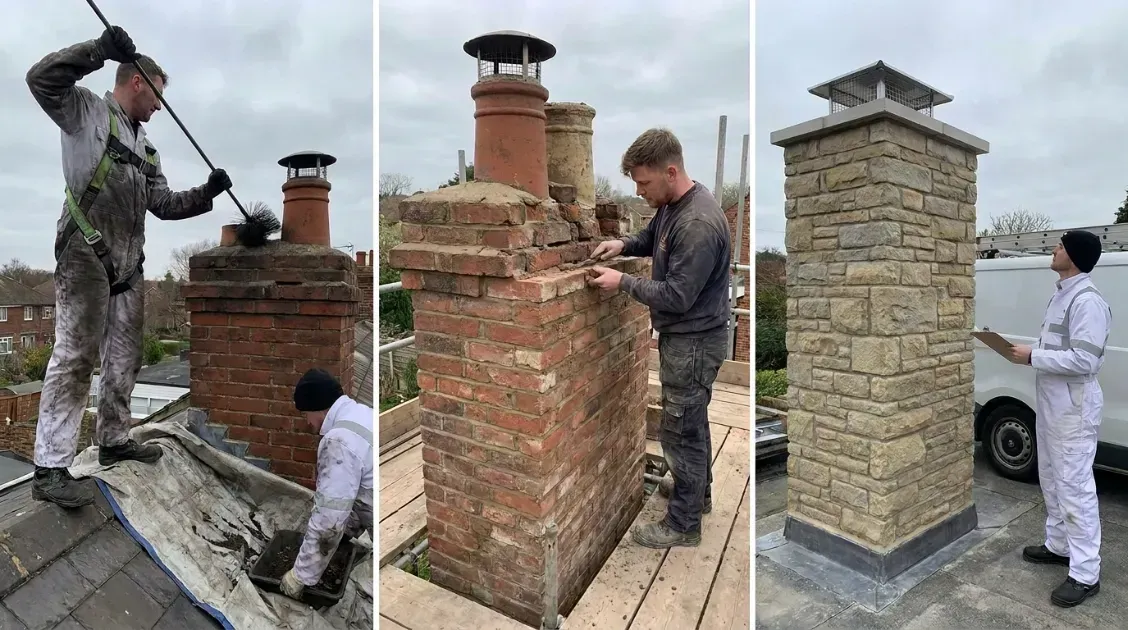
Damp air often pulls musty, smoky air back into living rooms through the flue. Homeowners seeking answers on fireplace odor Portland Maine usually notice the smell after rain or fog, when moisture sits in the masonry and residual soot releases odor. Portland Chimney Service helps Portland, ME properties diagnose moisture-driven draft problems before they linger.
Key takeaways
- Cool, wet air can reverse or weaken chimney draft and push odor indoors.
- Absorbed moisture in soot and creosote intensifies musty fireplace smells.
- Older flues and caps in Southern Maine often trap humidity after storms.
- Inspection and drying steps reduce recurring rainy-weather chimney odors.
Why does a chimney smell during rainy weather in Maine?
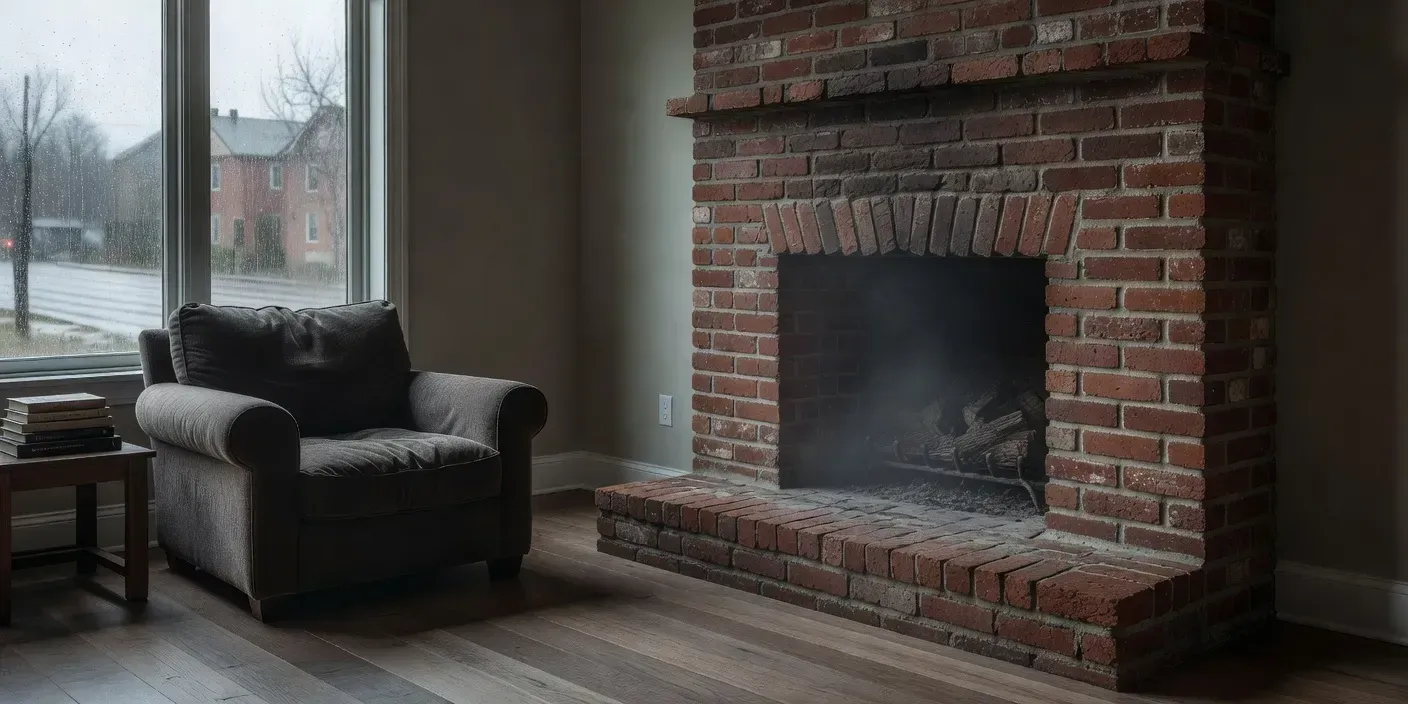
Rainy weather in Maine cools the flue, raises relative humidity, and can reverse draft so damp, soot-laden air spills into the room instead of rising out the top. Moisture wets creosote and masonry, which releases stronger musty notes until the system dries and airflow stabilizes again for safer use.
Which chimney moisture problems worsen fireplace odor Portland Maine most?
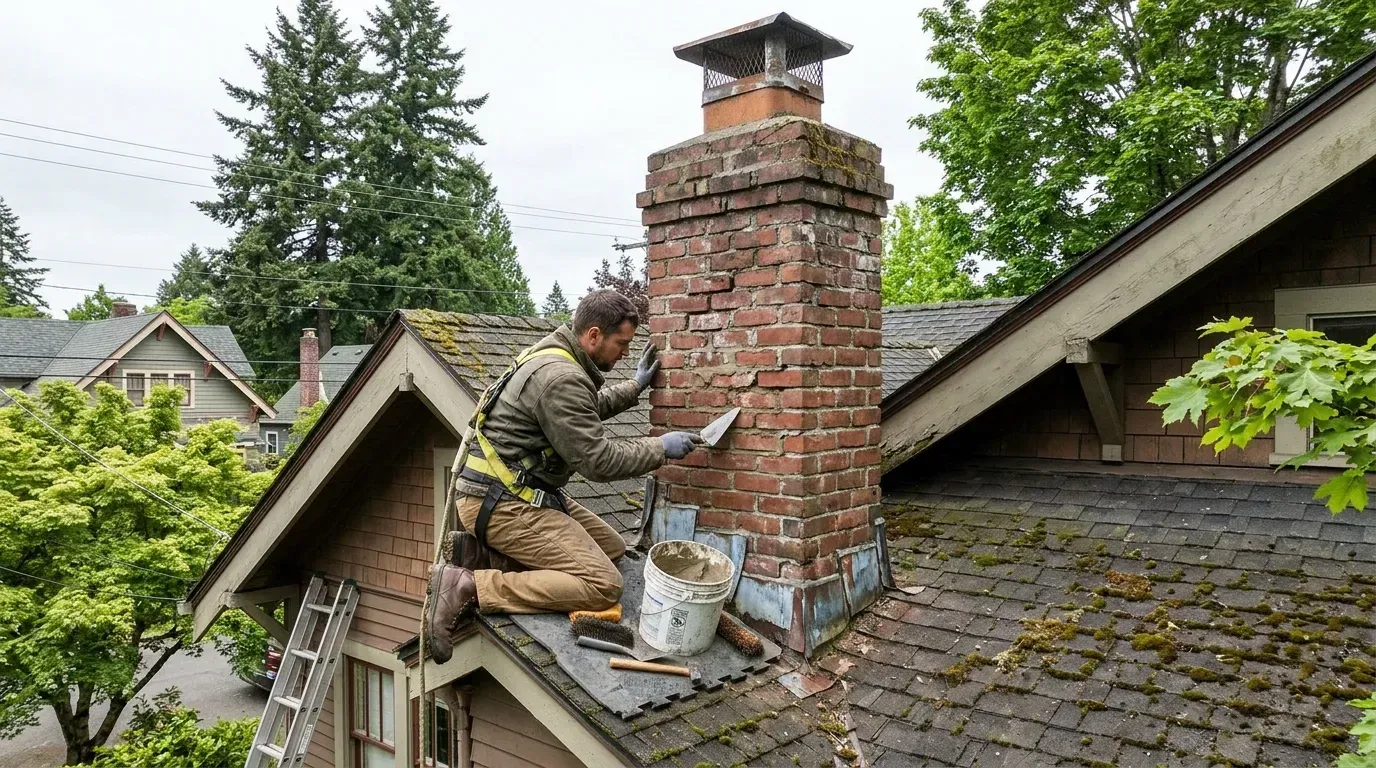
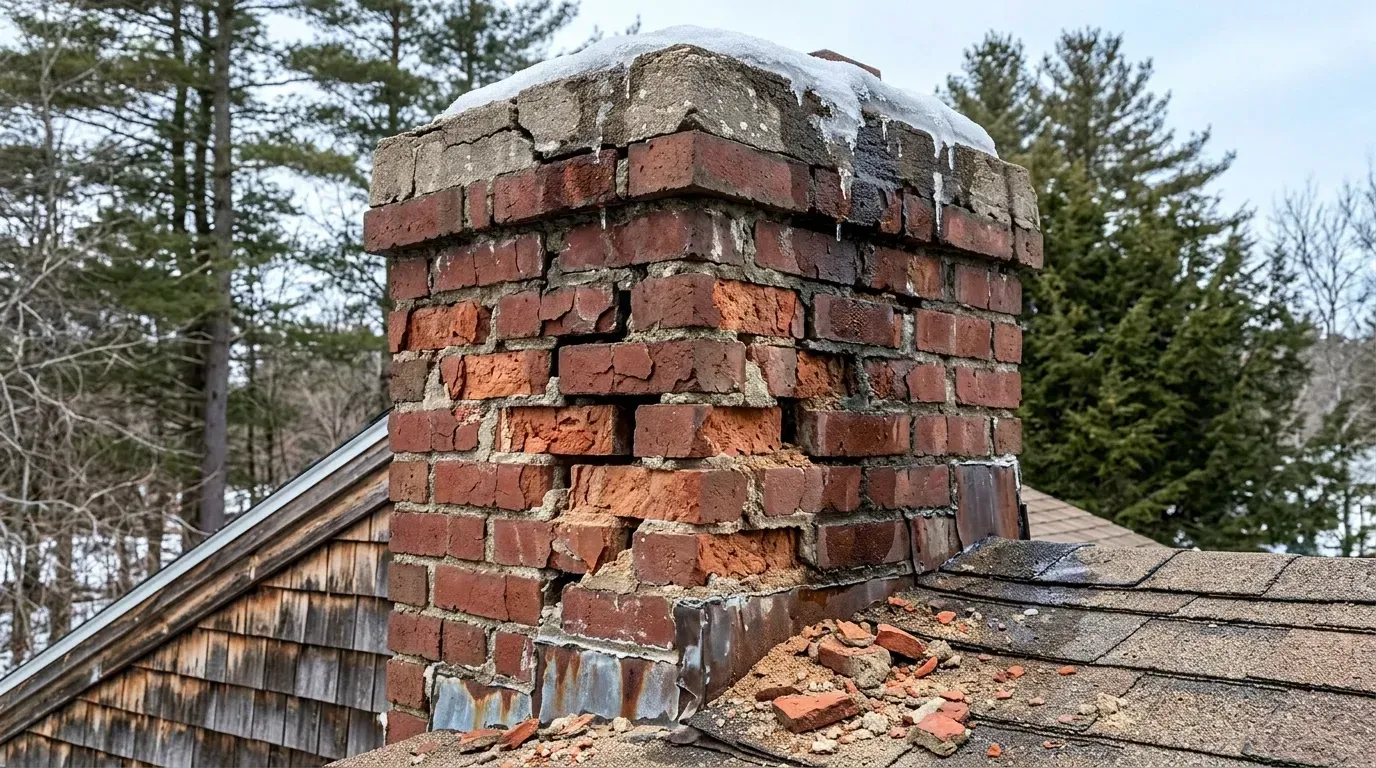
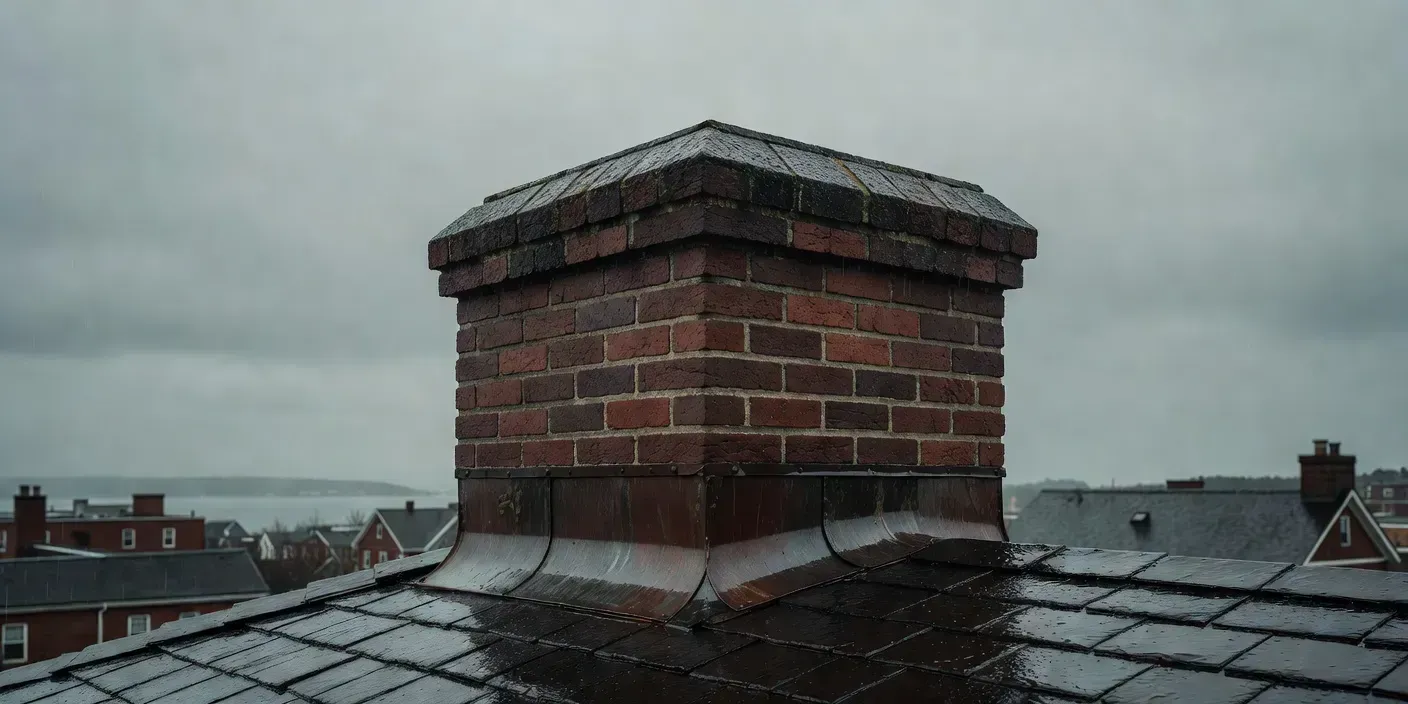
Creosote-soaked flues, leaky crowns, missing caps, and cold exterior masonry rank highest when damp air settles over Portland, ME, because each holds water that weakens draft and volatilizes soot smells indoors after rain. Addressing the wettest weak point first usually cuts recurring rainy-day odor faster than generic air fresheners or brief fires alone for local homes.
| Moisture issue | Best for spotting | Watch-out |
|---|---|---|
| Wet creosote film | Musty smell right after fog or drizzle | Odor returns until deposit is cleaned and dried |
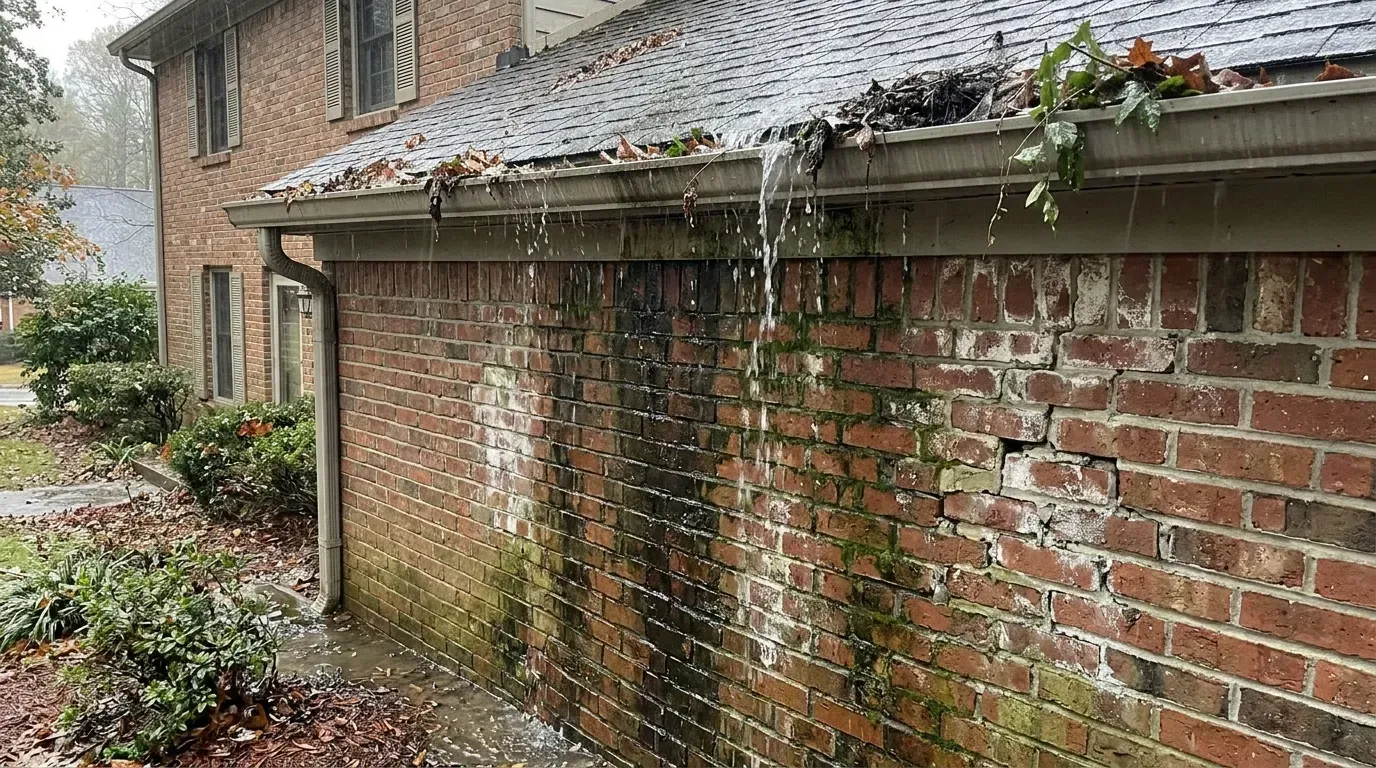
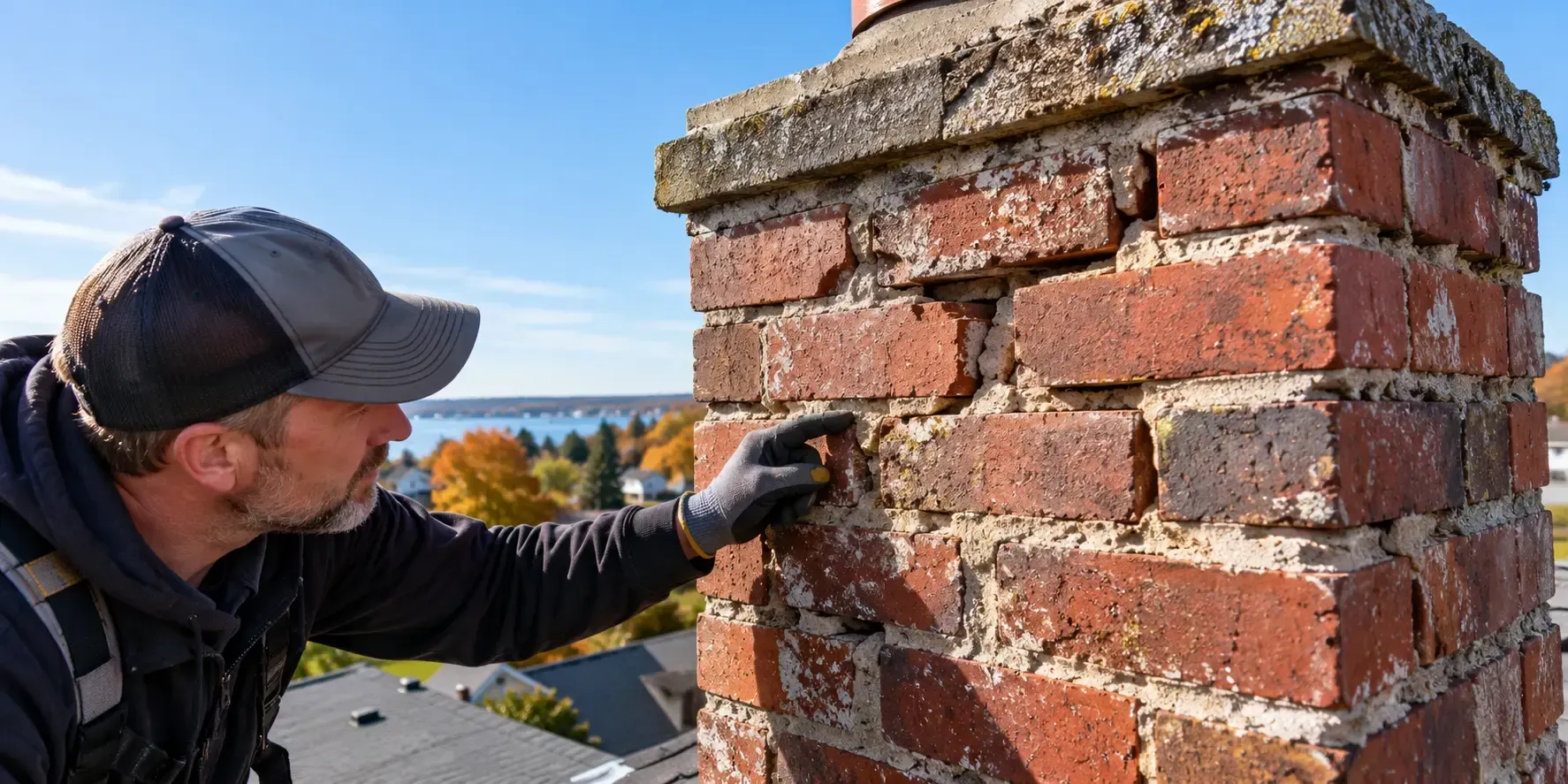
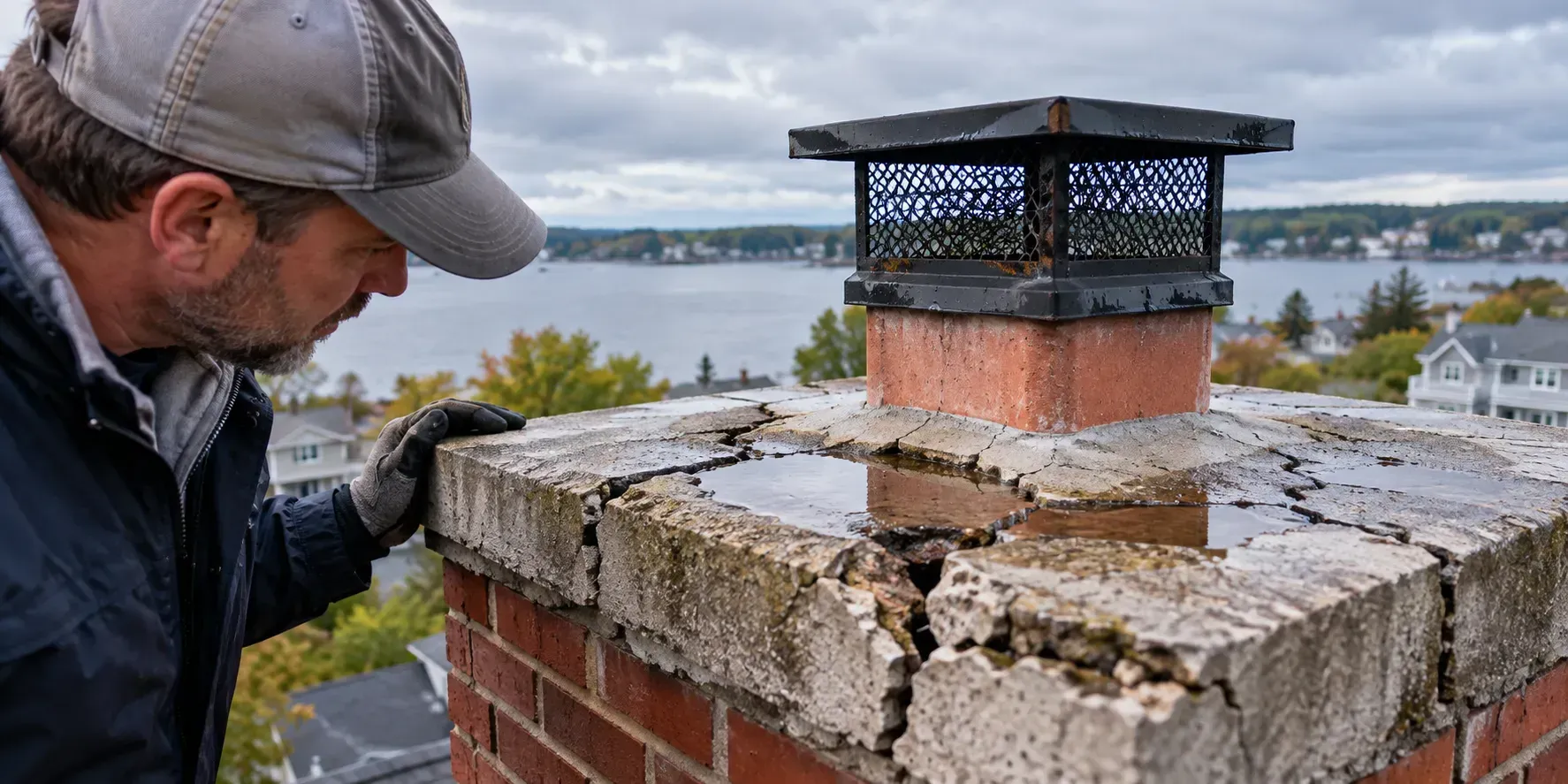
| Damaged crown or joints | Water stains near the top of the stack | Hidden saturation that keeps masonry cold and smelly |
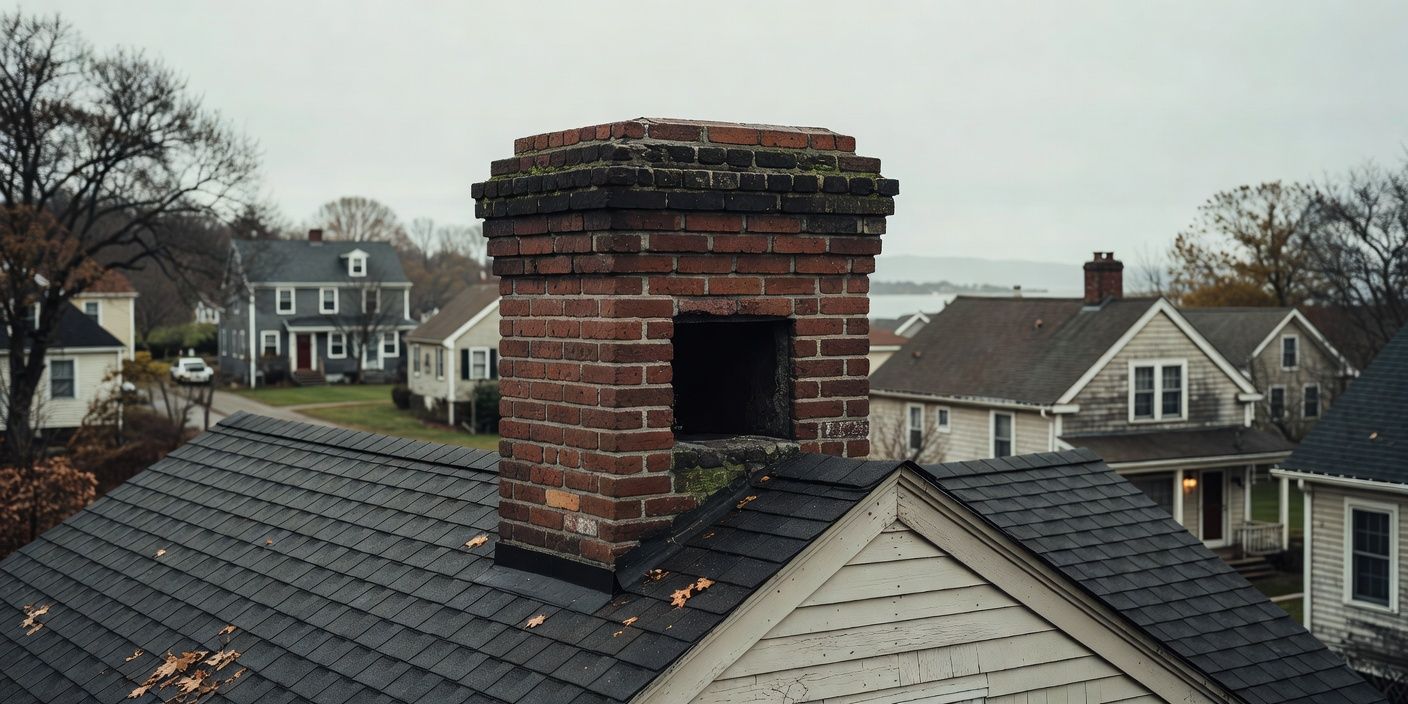
| Missing or failed cap | Rain straight into the flue after storms | Nest debris plus standing moisture trapping odor |
| Uninsulated exterior chase | Stronger smell on windward, shaded walls | Slow warm-up and reverse draft on cool wet days |
Older stock often stacks several of these issues at once. Review chimney maintenance considerations for older Portland homes before the next storm cycle. When you need hands-on drying, inspection, or repair, our services cover moisture-driven draft faults common in Southern Maine. The team approach prioritizes safe airflow over temporary masking. For a clear next step on chimney moisture problems, contact Portland Chimney Service after a stretch of wet weather.
Which Fireplace Odor Source Matters Most in Wet Portland Weather?
In damp Portland, ME weather, fireplace odor Portland Maine complaints usually rank wet creosote and open flues highest because moisture wakes residual smoke oils and cold masonry pulls house air up the wrong way; caps, crowns, and exterior chases matter next when rain keeps the stack saturated and draft weak until the system is dried, sealed, and cleaned rather than masked with sprays.
Coastal fog and multi-day drizzle load the flue faster than a single shower. Smell spikes when outdoor air is cooler and heavier than indoor air, so stale chimney air sinks into living spaces.
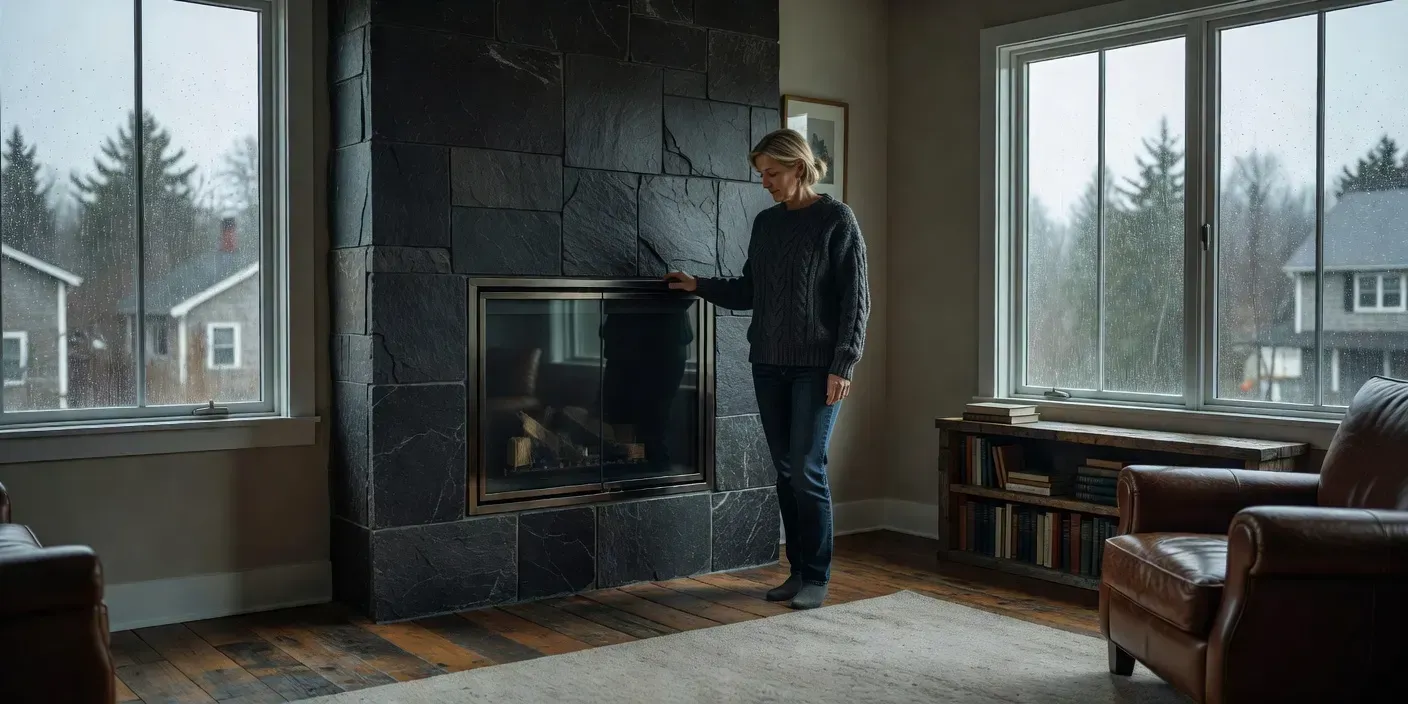
Compare sources by timing. Must after fog points to film on the liner. Storm-only smell with debris points to a failed cap. Persistent cold-wall odor on the windward side points to an uninsulated chase that never warms.
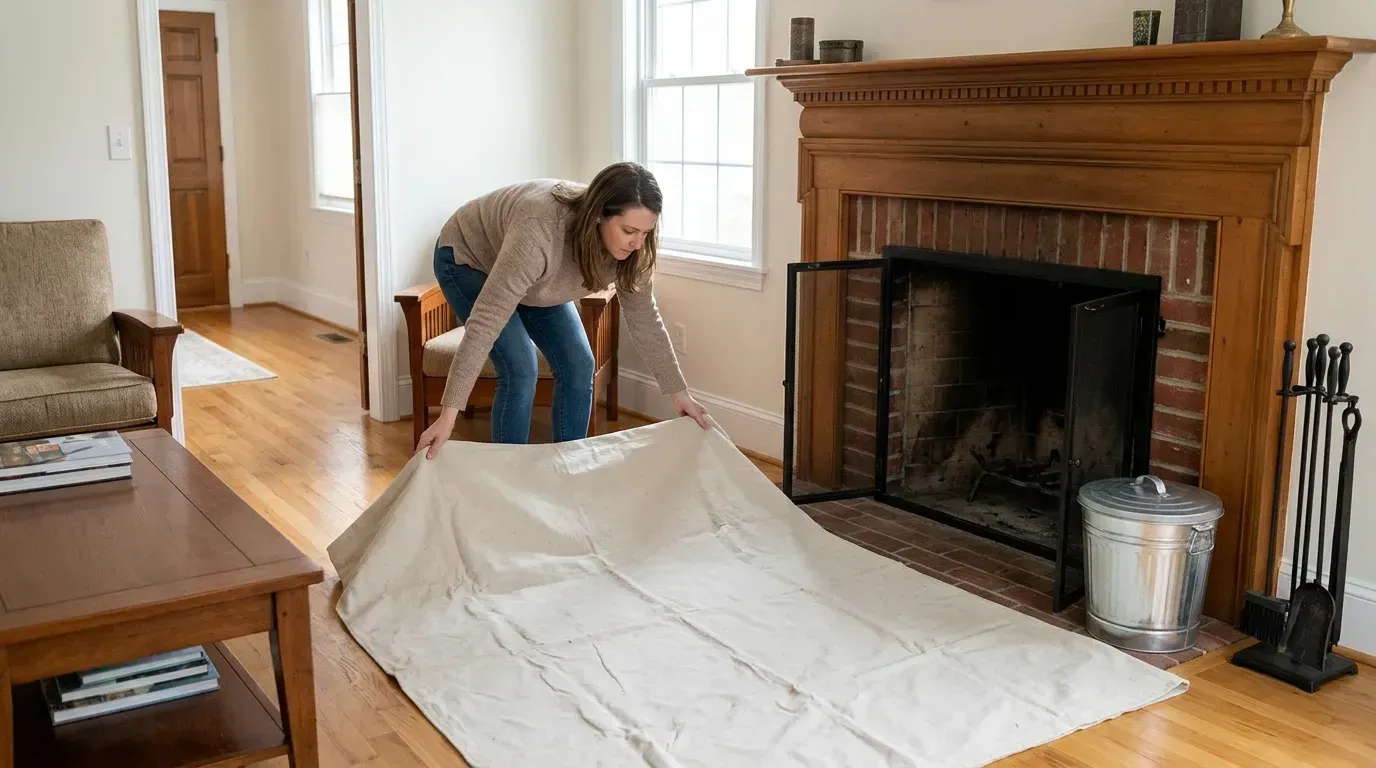
Do not burn through a strong wet-weather smell; that can bake moisture into deposits. Air the room, keep the damper set correctly when the unit is idle if your design allows, and note whether odor tracks rain, wind, or both.
Why a chimney smells during rainy weather in Maine is almost always moisture plus residue plus weak draft, not “bad wood” alone. Address the wet path first so chimney moisture problems do not reset after every front.
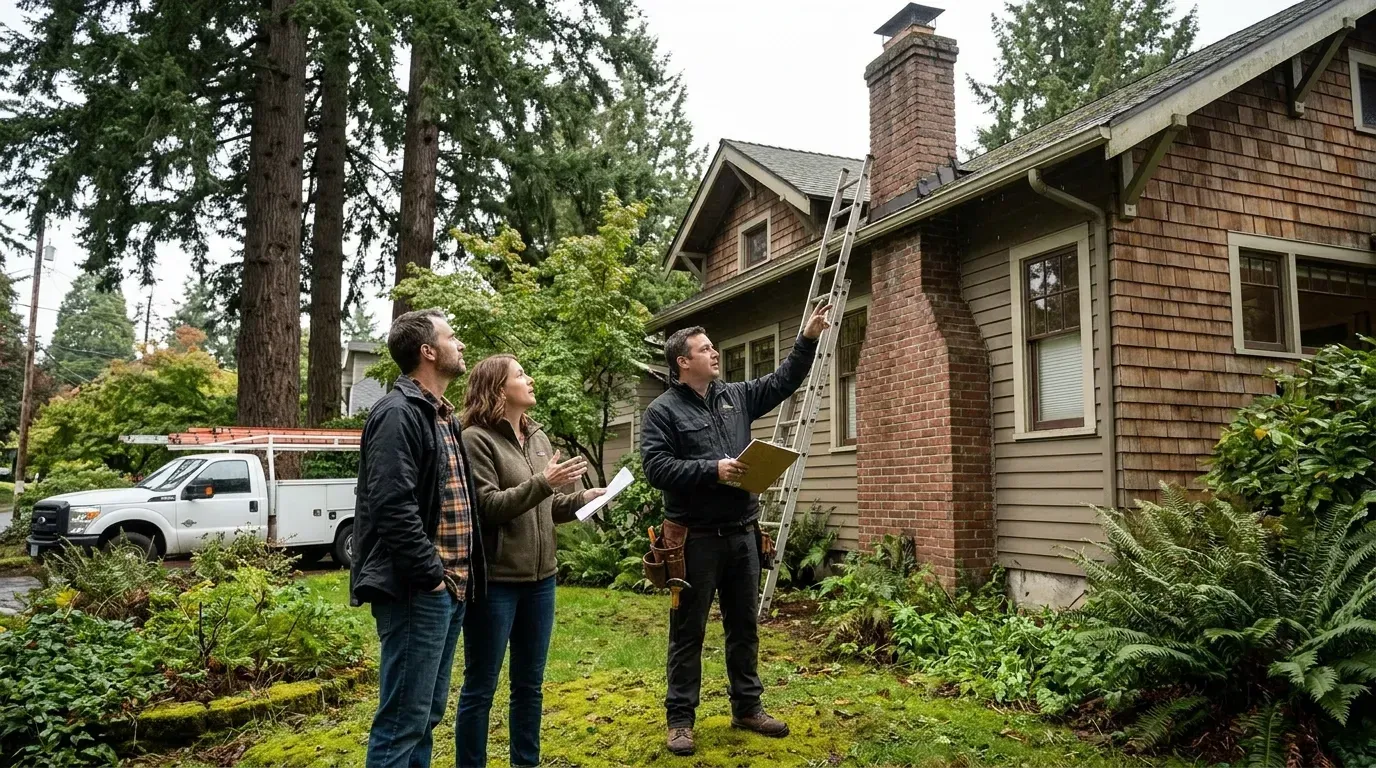
When damp weather lingers, treat the stack as a moisture path first. A thorough inspection and cleaning from Portland Chimney Service focuses on liner film, damper fit, and whether rain is entering at the top. For older masonry, pair that work with chimney maintenance considerations for older Portland homes so joints and crowns are not left open to the next front.
If you need hands-on help, review services for inspection, sweeping, and moisture-related repairs common in Portland, ME. The about page outlines how the team approaches draft, creosote, and chase issues without masking odors. When you are ready for a next step, contact the crew with notes on rain timing, wind direction, and whether the smell hits only after fog.
Dry the system, seal entry points, and clean residue so fireplace odor Portland Maine problems ease when coastal drizzle returns—not after every storm cycle.
Frequently Asked Questions
Why does fireplace odor Portland Maine get worse in rain?
Moisture reactivates creosote and smoke oils on the liner while cool, heavy outdoor air weakens upward draft, so chimney air can spill indoors. Caps, crowns, and open dampers often add rain load. Addressing wet paths and residue beats air fresheners after coastal fog or multi-day drizzle in Portland, ME.
Why a chimney smells during rainy weather in Maine more than in dry cold?
Rain and fog wet the flue faster than dry cold alone. Saturated masonry stays cool, draft stalls, and residual films release odor into living space. Storm-only smells may trace to a failed cap; fog-timed smells often point to liner film that needs professional cleaning rather than hotter fires.
What chimney moisture problems should Portland homeowners check first?
Start with the rain cap, crown, flashing, and exterior chase for water entry.
Preferred Source on Google Search
Add www.portlandchimneyservice.com to customize your search feed across Top Stories.